
BaisakhiCelebration
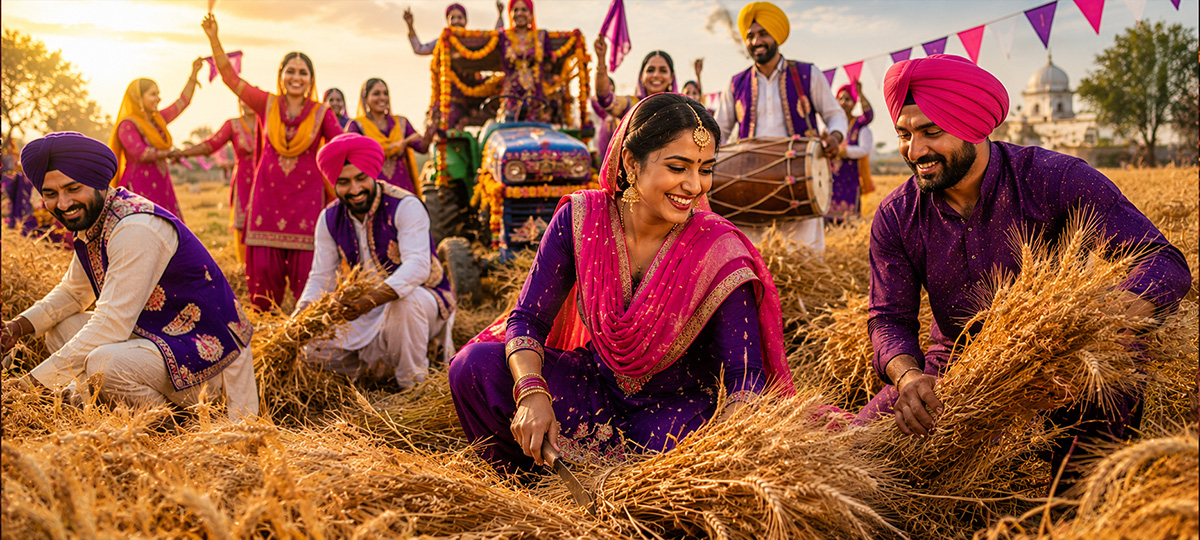
Celebrate Baisakhi Harvest with Happiffie, bringing Bhangra, dhol beats, and Punjabi New Year joy to every gathering.
2
Explore Other Festival celebrations
3
Explore Styles Celebrate By Style
4
View All Cities Popular Cities
Jaipur
300+ Celebrations Hosted
Royal Grandeur in Pink

Goa
350+ Celebrations Hosted
Where Celebrations Meet Sunshine
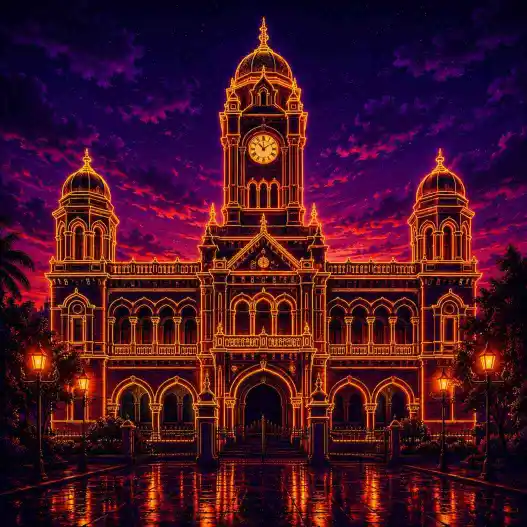
Chennai
500+ Celebrations Hosted
Tradition Meets Coastal Elegance
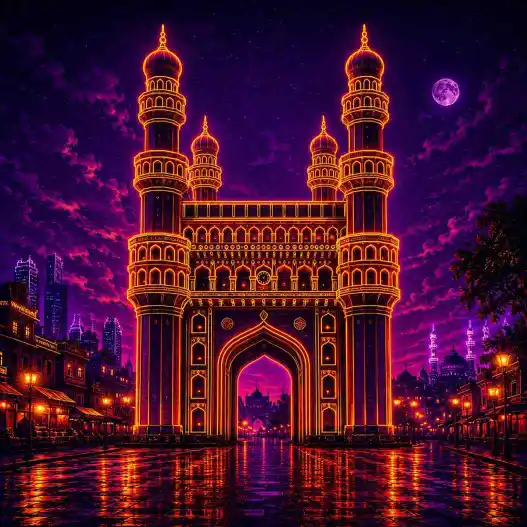
Hyderabad
400+ Celebrations Hosted
Heritage, Grandeur and Warmth

Kochi
250+ Celebrations Hosted
Where Heritage Meets Backwaters
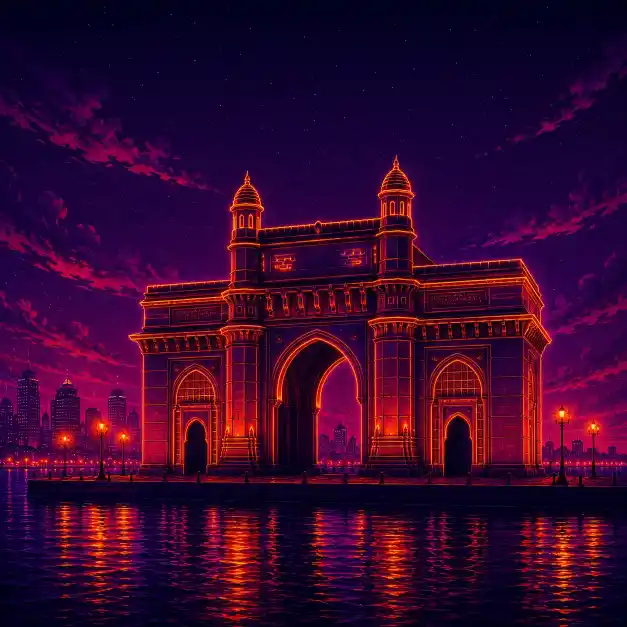
Mumbai
600+ Celebrations Hosted
Bold Energy, Endless Celebrations

Bengaluru
450+ Celebrations Hosted
Modern Spirit, Creative Celebrations
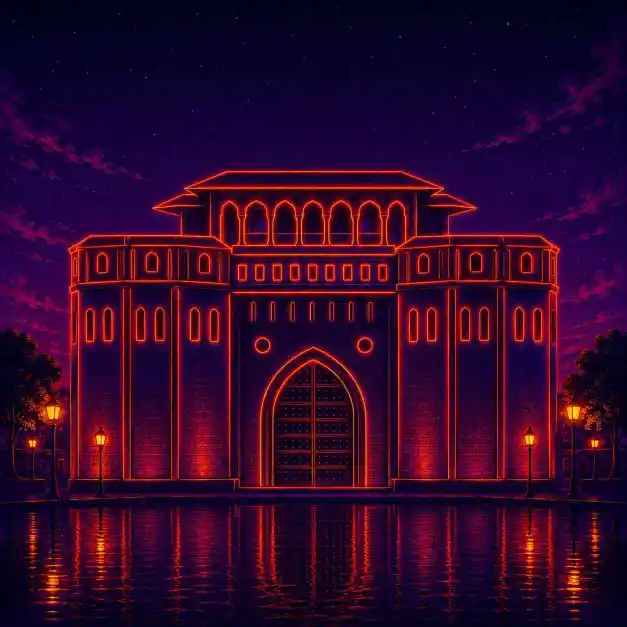
Pune
350+ Celebrations Hosted
Culture, Charm and Celebration
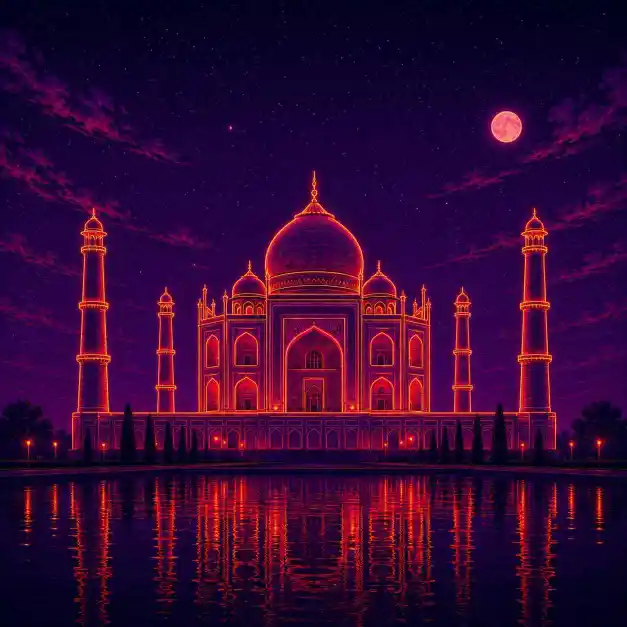
Delhi
550+ Celebrations Hosted
Where History Meets Grandeur
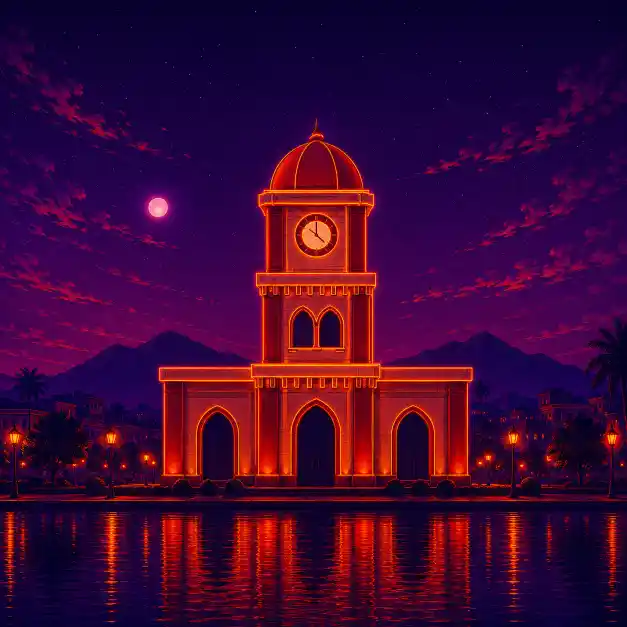
Coimbatore
200+ Celebrations Hosted
Tradition Rooted in Tranquility
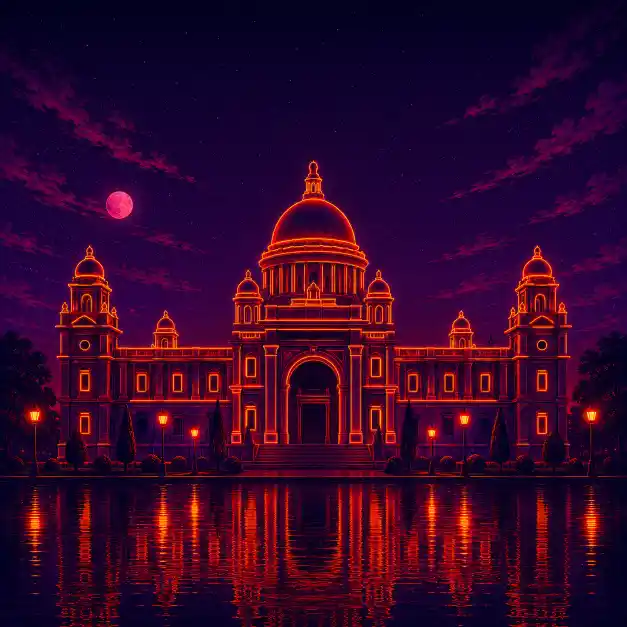
Kolkata
300+ Celebrations Hosted
Culture, Emotion and Celebration
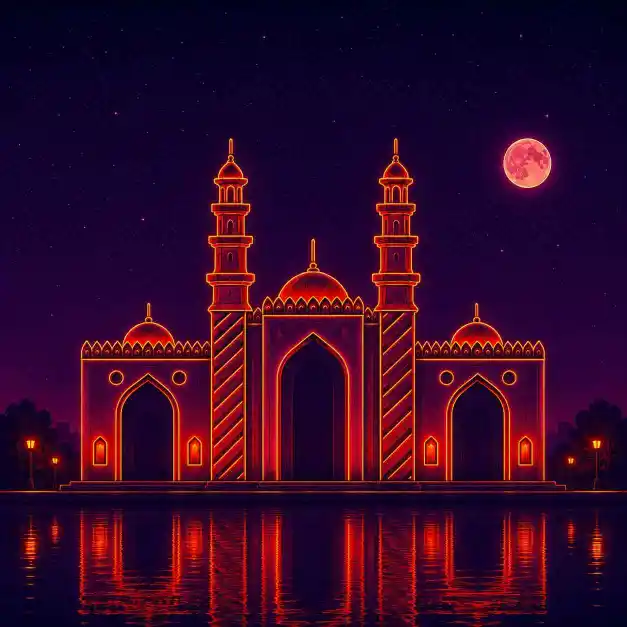
Ahmedabad
200+ Celebrations Hosted
Tradition with Vibrant Energy
5
View All Popular Experiences
6
Festival Snapshot™
30+
Festival Types
500+
Festival Experiences
2000+
Celebration Venues
1500+
Event Partners
50+
Cities
1000+
Festivals Celebrated
12
Related Celebration Universes
Explore more ways to celebrate life.


Ready to Plan Your Baisakhi Celebration?
Hiya & Hanu are here to help you create unforgettable moments with the perfect venues, experiences, and trusted event partners—all in one place.

◆
Celebrate Baisakhi Harvest with Vibrant Folk Dances and Punjabi New Year Festivities
◆Few festivals capture the spirit of renewal quite like Baisakhi Harvest. Celebrated with tremendous energy across Punjab and by Punjabi communities worldwide, this occasion marks the ripening of the rabi crop, the arrival of the solar new year, and one of the most sacred days in Sikh history. For event planners and hosts, Baisakhi Harvest offers a rare opportunity to blend agricultural gratitude, spiritual significance and high-energy folk celebration into a single unforgettable gathering.
At Happiffie, we understand that a Baisakhi Harvest event is never just a party. It is a tribute to tradition, community and abundance, and getting the details right, from the music to the décor, is essential to doing the occasion justice. This guide explores what makes Baisakhi Harvest so meaningful, how it connects to Vaisakh Sankranti, Khalsa Sajna Diwas, the Punjabi New Year and Pohela Boishakh, and how you can plan a celebration that honours all these layers of significance.
What Is Baisakhi Harvest and Why Does It Matter?
Baisakhi Harvest falls in mid-April and is deeply tied to the agricultural calendar of northern India. For farming communities in Punjab, this is the moment when months of labour finally pay off, as wheat fields turn golden and are ready for cutting. The festival is a celebration of hard work rewarded, and this sense of gratitude and abundance runs through every aspect of the festivities, from the food served to the songs sung.
Beyond its agricultural roots, Baisakhi Harvest carries enormous religious weight. It is widely regarded as the day the Khalsa Panth was founded by Guru Gobind Singh in 1699, making it one of the most important dates on the Sikh calendar. This dual identity, part harvest thanksgiving and part spiritual milestone, is what gives the occasion its distinctive character and makes it such a rich theme for event planning.
The Connection to Vaisakh Sankranti
Vaisakh Sankranti refers to the solar transition marking the beginning of the month of Vaisakh in the traditional Hindu solar calendar. This astronomical event coincides with Baisakhi and is observed across several regions of India under different regional names. Understanding this connection helps event planners appreciate why the festival resonates so widely, well beyond Punjab, as communities across the country mark the changing of the season and the start of a new agricultural cycle around the same time.
For hosts organising a celebration, acknowledging Vaisakh Sankranti alongside Baisakhi Harvest adds depth to the occasion, particularly for multi-regional or diaspora audiences who may relate to the festival through slightly different traditions and names.
Khalsa Sajna Diwas and Its Spiritual Significance
Khalsa Sajna Diwas commemorates the formation of the Khalsa, the collective body of initiated Sikhs, and is inseparable from any authentic Baisakhi Harvest celebration. On this day, Guru Gobind Singh called upon his followers to demonstrate unwavering faith, an event that shaped Sikh identity for centuries to come. Gurdwaras hold special prayers, processions known as Nagar Kirtans wind through streets, and communities come together in a spirit of devotion and unity.
For event hosts, particularly those planning community or cultural gatherings, incorporating elements that respect Khalsa Sajna Diwas, such as a moment of reflection, traditional hymns or symbolic references to the Khalsa's founding, adds authenticity and depth that guests genuinely appreciate.
Folk Dance Celebrations at the Heart of Baisakhi
No discussion of Baisakhi Harvest is complete without mentioning its most joyous expression: folk dance celebrations. Bhangra and Giddha, the region's signature dance forms, are performed with infectious enthusiasm during this festival. Bhangra, traditionally performed by men, features energetic movements, high jumps and rhythmic footwork set to the beat of the dhol. Giddha, performed by women, is equally lively, combining clapping, rhythmic movement and playful verses called boliyan.
These folk dance celebrations are more than entertainment; they are a living expression of joy, community bonding and cultural pride. Any well-organised Baisakhi Harvest event should place these performances at its centre, whether through professional troupes, community participation or a combination of both. Happiffie works with experienced folk performers and dhol players who bring authentic energy to every celebration, ensuring guests are drawn into the festivities rather than simply watching from the sidelines.
Punjabi New Year Traditions Worth Celebrating
As the Punjabi New Year, Baisakhi Harvest carries all the optimism and renewal associated with a fresh calendar year. Homes are cleaned and decorated, new clothes are worn, and families gather to share festive meals featuring seasonal produce and traditional dishes like sarson da saag, makki di roti and kheer. Sweets are exchanged, and there is a general atmosphere of hope for prosperity in the year ahead.
When planning an event around this theme, incorporating elements of Punjabi New Year customs, from decor in vibrant yellows and reds to a curated menu of regional delicacies, helps create an immersive experience that feels genuinely rooted in tradition rather than superficially themed.
Pohela Boishakh and the Wider South Asian New Year Story
Interestingly, Baisakhi Harvest shares its timing with Pohela Boishakh, the Bengali New Year celebrated with equal enthusiasm in West Bengal, Bangladesh and Bengali communities worldwide. While the customs differ, from traditional Alpana art to Mangal Shobhajatra processions, the underlying theme of renewal, gratitude and community celebration is remarkably similar.
For event planners working with diverse or multicultural audiences, recognising this shared timing can be a thoughtful way to build inclusive celebrations that honour multiple regional new year traditions under one broader seasonal theme.
Planning a Baisakhi Harvest Event: Key Considerations
Organising a celebration that does justice to Baisakhi Harvest requires attention to several important elements:
Venue and setting: Outdoor or semi-outdoor venues work particularly well, echoing the agricultural, open-air spirit of the original harvest celebrations. Look for spaces that can accommodate energetic folk dance celebrations without feeling cramped.
Music and performance: Live dhol players and professional Bhangra or Giddha troupes bring authenticity that recorded music simply cannot match. Consider structuring the event so that performances build in energy throughout the evening.
Décor and theming: Vibrant colours, particularly yellow, red and orange, along with wheat sheaves, marigold garlands and traditional textiles, help create an immersive atmosphere that reflects the harvest theme.
Food and catering: A menu built around traditional Punjabi harvest dishes adds genuine flavour, quite literally, to the celebration. Seasonal, regional ingredients tie the food back to the festival's agricultural origins.
Cultural sensitivity: Given the festival's religious significance tied to Khalsa Sajna Diwas, it is worth including moments that acknowledge this history respectfully, particularly for community or organisational events.
Who Hosts Baisakhi Harvest Celebrations?
These events appeal to a broad range of hosts, including:
- Punjabi families organising traditional home or community gatherings
- Gurdwaras and religious organisations hosting Khalsa Sajna Diwas commemorations
- Corporate offices wanting to celebrate cultural diversity among employees
- Cultural associations and diaspora groups marking the Punjabi New Year abroad
- Event venues and hotels hosting public Baisakhi-themed celebrations
Whatever the scale, the underlying goal remains the same: creating a celebration that honours tradition while bringing people together in genuine joy.
Why Choose Happiffie for Your Baisakhi Harvest Celebration
Happiffie brings extensive experience in planning culturally rich events, and a Baisakhi Harvest celebration is one we approach with genuine care and attention to authenticity. From sourcing skilled folk dance performers and dhol players to curating a traditional Punjabi menu and designing décor that captures the festival's vibrant spirit, our team manages every detail so you can focus on celebrating alongside your guests.
We work with a trusted network of vendors experienced in Punjabi cultural events, ensuring your celebration reflects the true essence of Vaisakh Sankranti, Khalsa Sajna Diwas and the Punjabi New Year, without cutting corners on authenticity. Whether you are planning an intimate family gathering or a large-scale community celebration, Happiffie is ready to help you create a memorable Baisakhi Harvest event. Get in touch with our team today to start planning.
Frequently Asked Questions
1. What is the significance of Baisakhi Harvest?
Baisakhi Harvest marks both the wheat harvest season in Punjab and the founding of the Khalsa Panth, making it a celebration of agricultural abundance and profound religious history.
2. How is Baisakhi Harvest connected to the Punjabi New Year?
Baisakhi Harvest coincides with the start of the solar calendar year in Punjab, which is why it is widely celebrated as the Punjabi New Year, marked with new clothes, festive food and family gatherings.
3. What role do folk dance celebrations play during Baisakhi?
Folk dance celebrations, particularly Bhangra and Giddha, are central to the festival, expressing joy and community spirit through energetic movement set to dhol beats.
4. What is Khalsa Sajna Diwas and how is it observed?
Khalsa Sajna Diwas commemorates the formation of the Khalsa by Guru Gobind Singh in 1699 and is observed with special prayers, Nagar Kirtan processions and gatherings at gurdwaras.
5. Is Vaisakh Sankranti the same as Baisakhi?
Vaisakh Sankranti refers to the solar transition into the month of Vaisakh, which coincides with Baisakhi celebrations, linking the festival to a wider seasonal observance across northern India.
6. How does Pohela Boishakh relate to Baisakhi Harvest?
Pohela Boishakh, the Bengali New Year, falls around the same time as Baisakhi Harvest, and both festivals share themes of renewal, gratitude and seasonal celebration, though customs differ regionally.
7. What food is traditionally served at Baisakhi Harvest celebrations?
Traditional dishes include sarson da saag, makki di roti, kheer and other seasonal Punjabi delicacies that reflect the festival's harvest origins.
8. Can Happiffie organise folk dance performers for a Baisakhi event?
Yes, Happiffie works with experienced Bhangra and Giddha troupes along with professional dhol players to bring authentic energy to your celebration.
9. How far in advance should I plan a Baisakhi Harvest celebration?
For a well-organised event, planning 6 to 8 weeks in advance is recommended, allowing sufficient time to book performers, finalise catering and arrange décor.
10. Does Happiffie provide complete event management for Punjabi New Year celebrations?
Yes, Happiffie handles every aspect, from venue selection and décor to catering and performer bookings, ensuring a seamless and authentic Baisakhi Harvest celebration from start to finish.