

Explore All Religious Ceremonies
Discover traditional rituals, wedding ceremonies, spiritual occasions and meaningful cultural celebrations in Chennai, with trusted services to honour every tradition.
Give Thoughtfully,
Celebrate with Happiffie
From personalised gifts and curated collections to thoughtful presents for every occasion, Happiffie helps you discover gifting options that make celebrations more meaningful and memorable.
- Thoughtful Gift DiscoveryFind gifting options suited to every celebration and occasion
- Personalised GiftingDiscover customised gifts made to create meaningful moments
- Trusted Gift ProvidersConnect with reliable gifting professionals and service providers
Popular Religious Ceremonies
 Astrologer for consultation
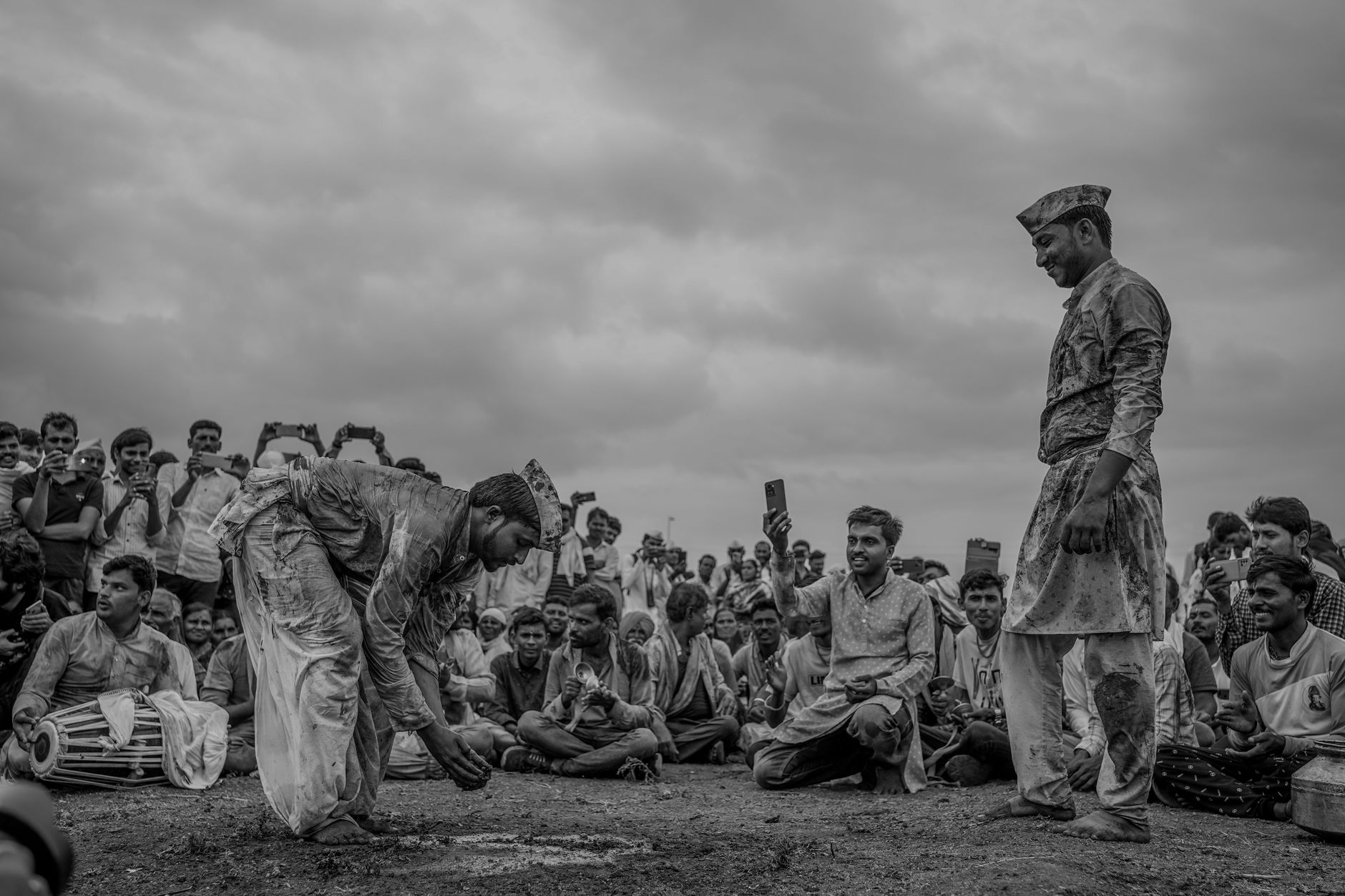 bhajan groups for ceremonies
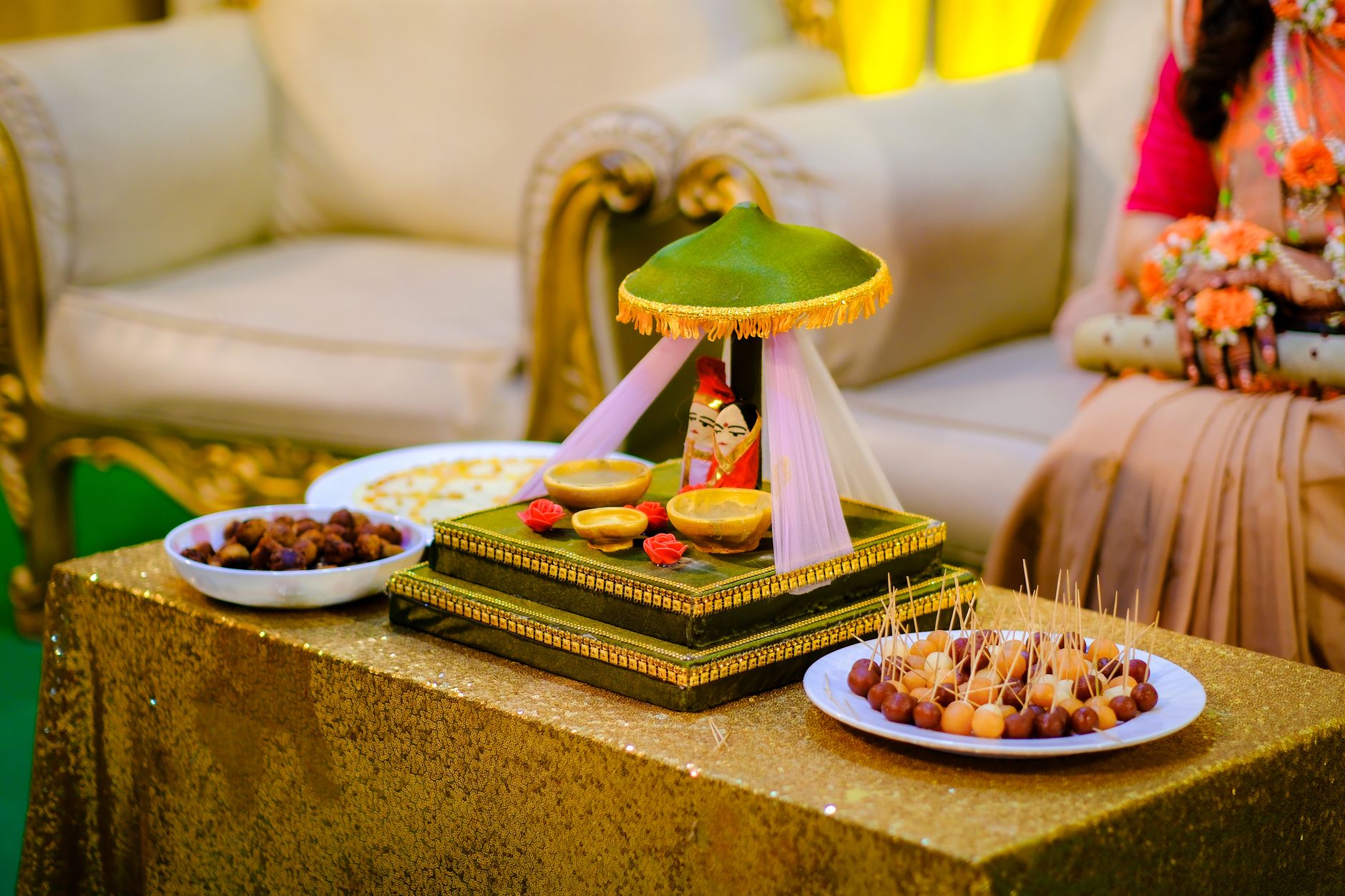 Brahmin wedding ritual items
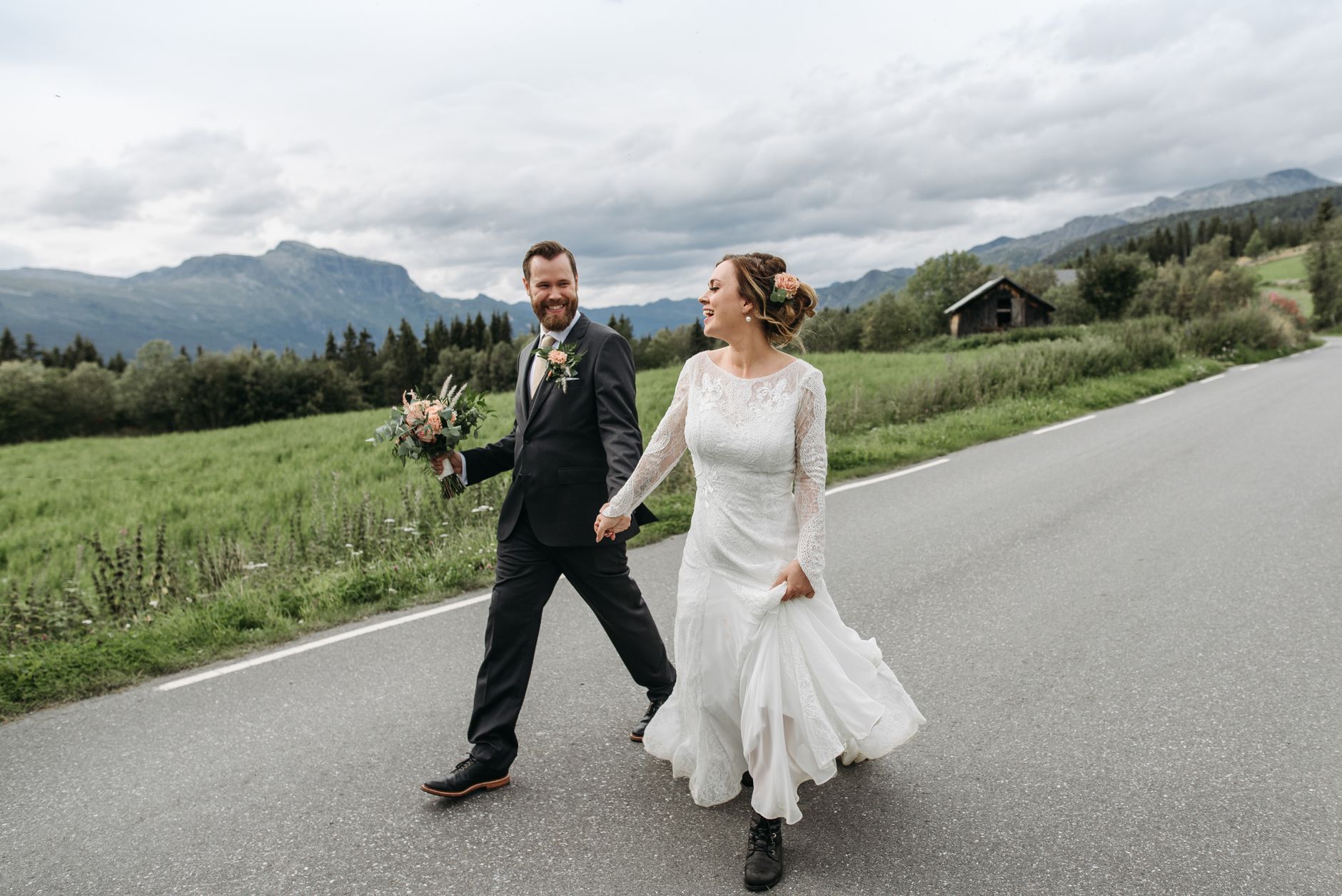 bridal and bridesmaid bouquets
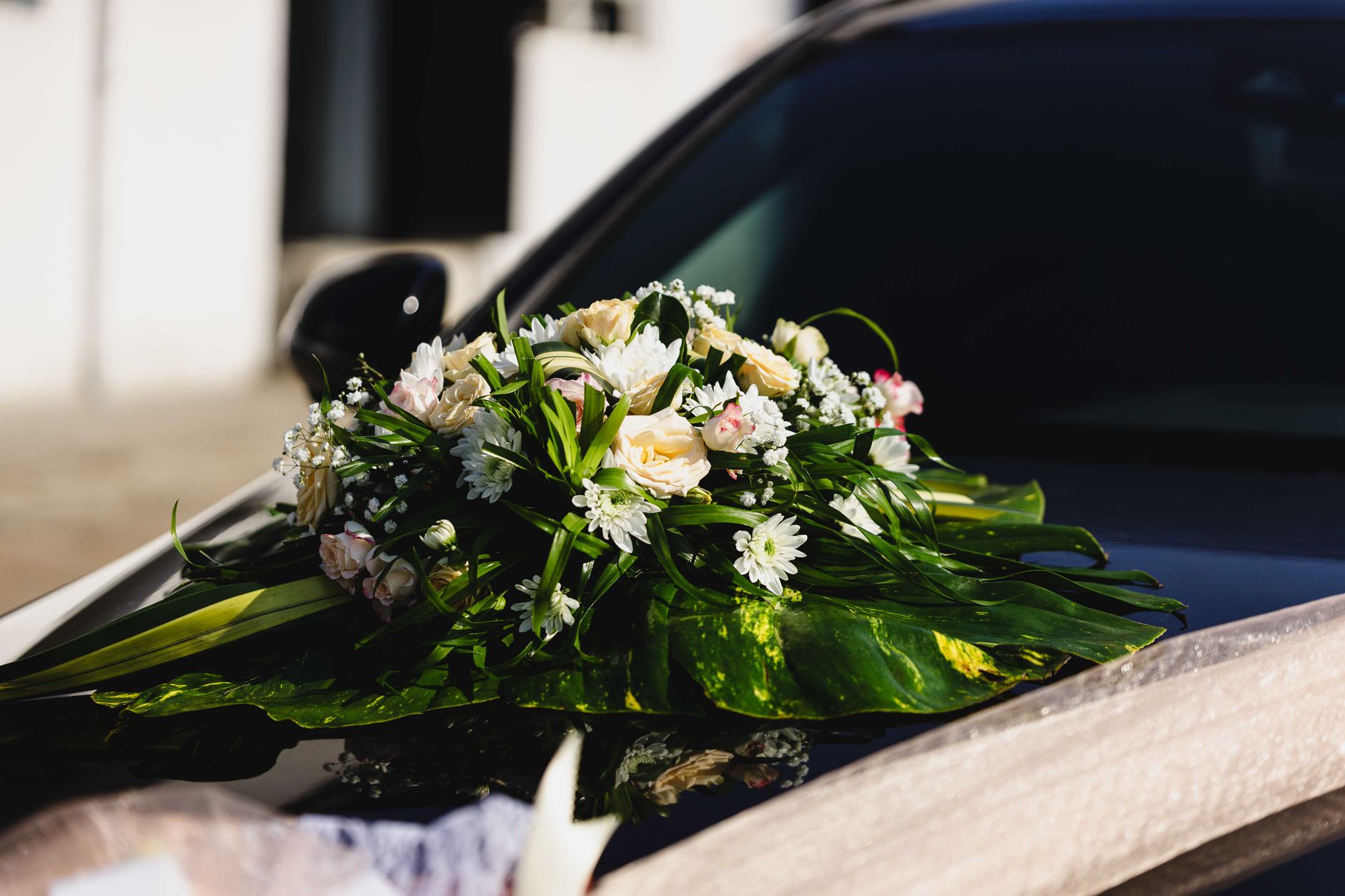 bridal car decoration
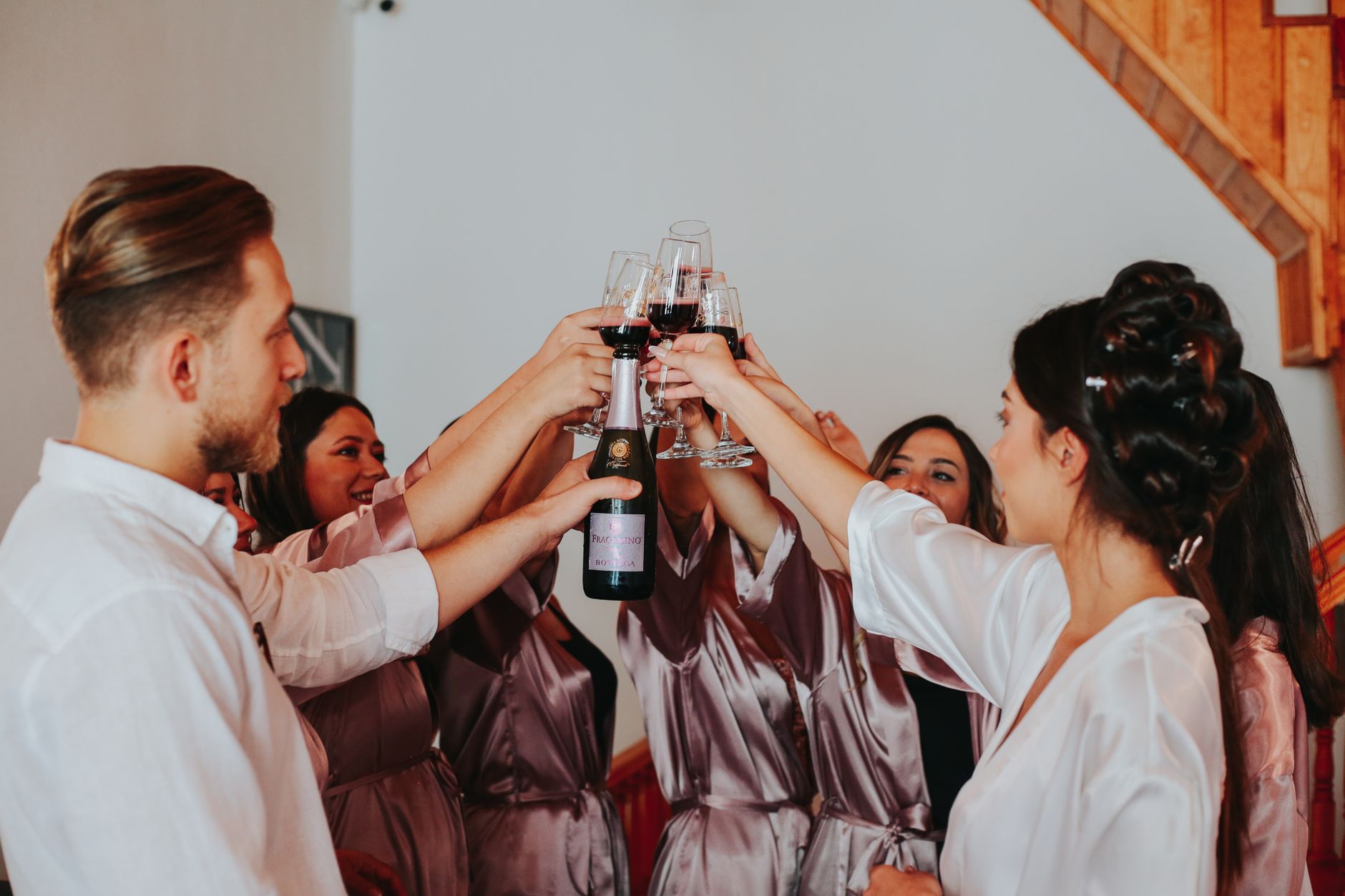 champagne for wedding celebrations
 choir for wedding ceremony
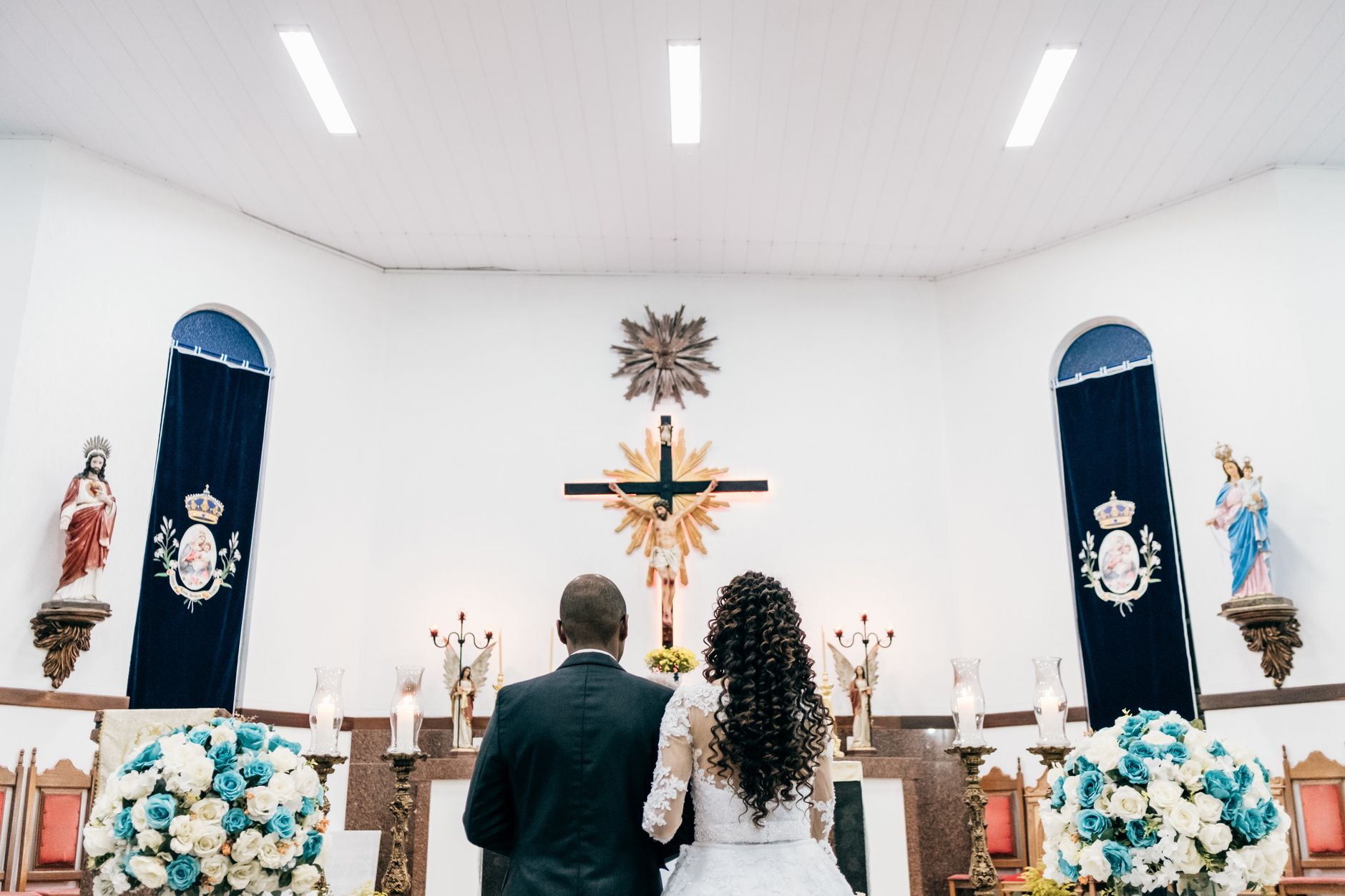 Christian wedding ceremony items
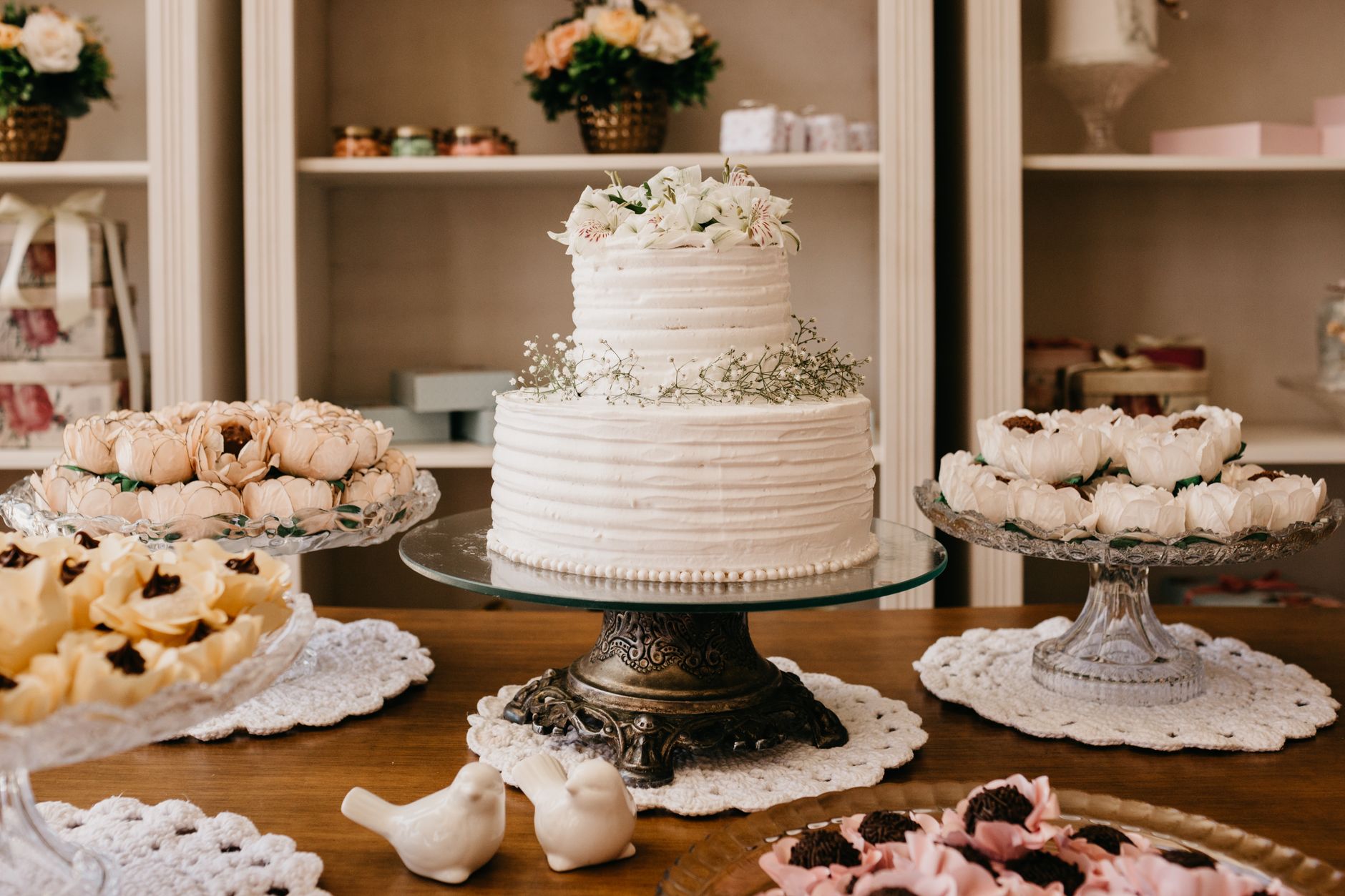 custom marriage cakes
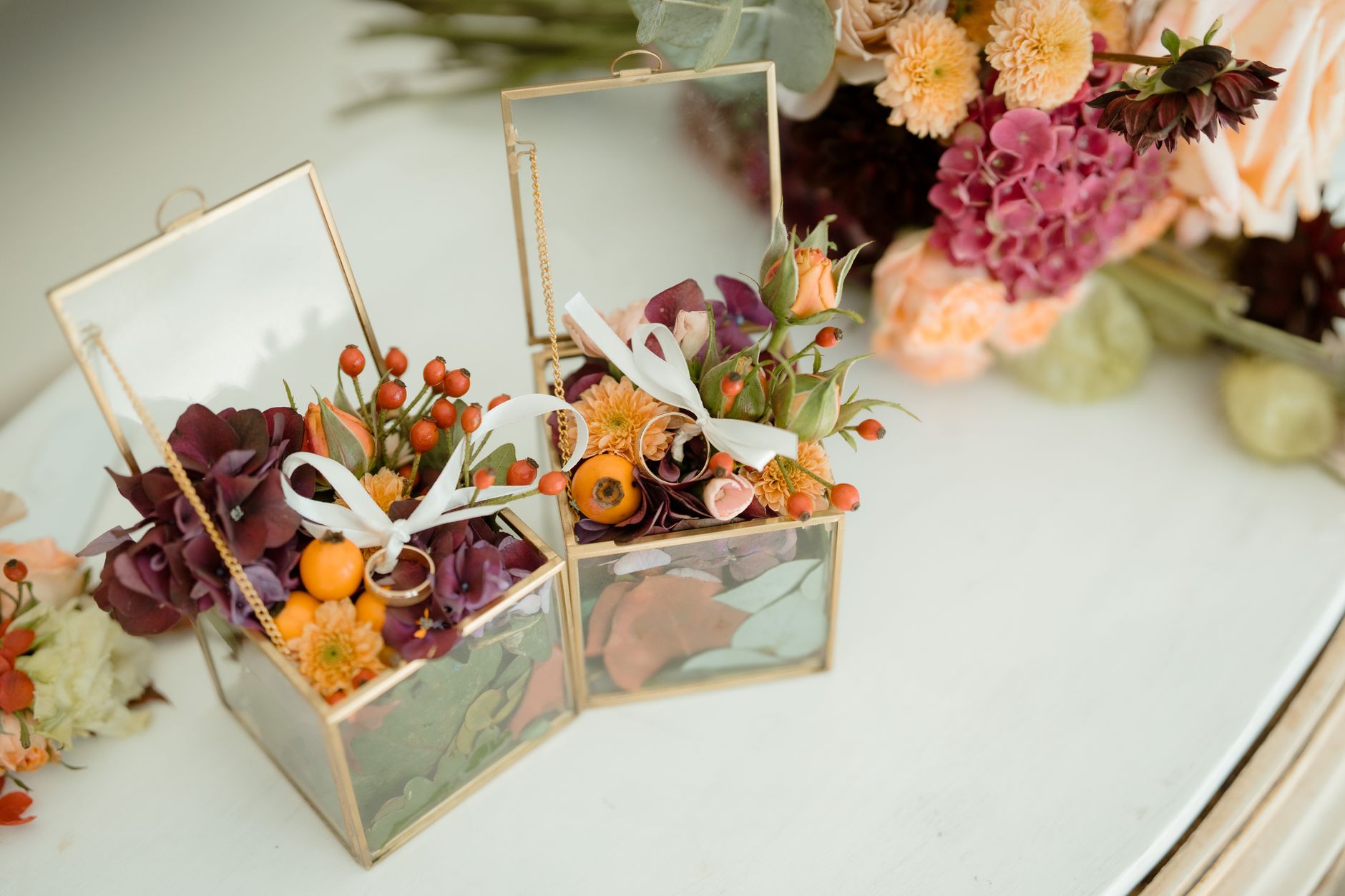 engagement ring platters
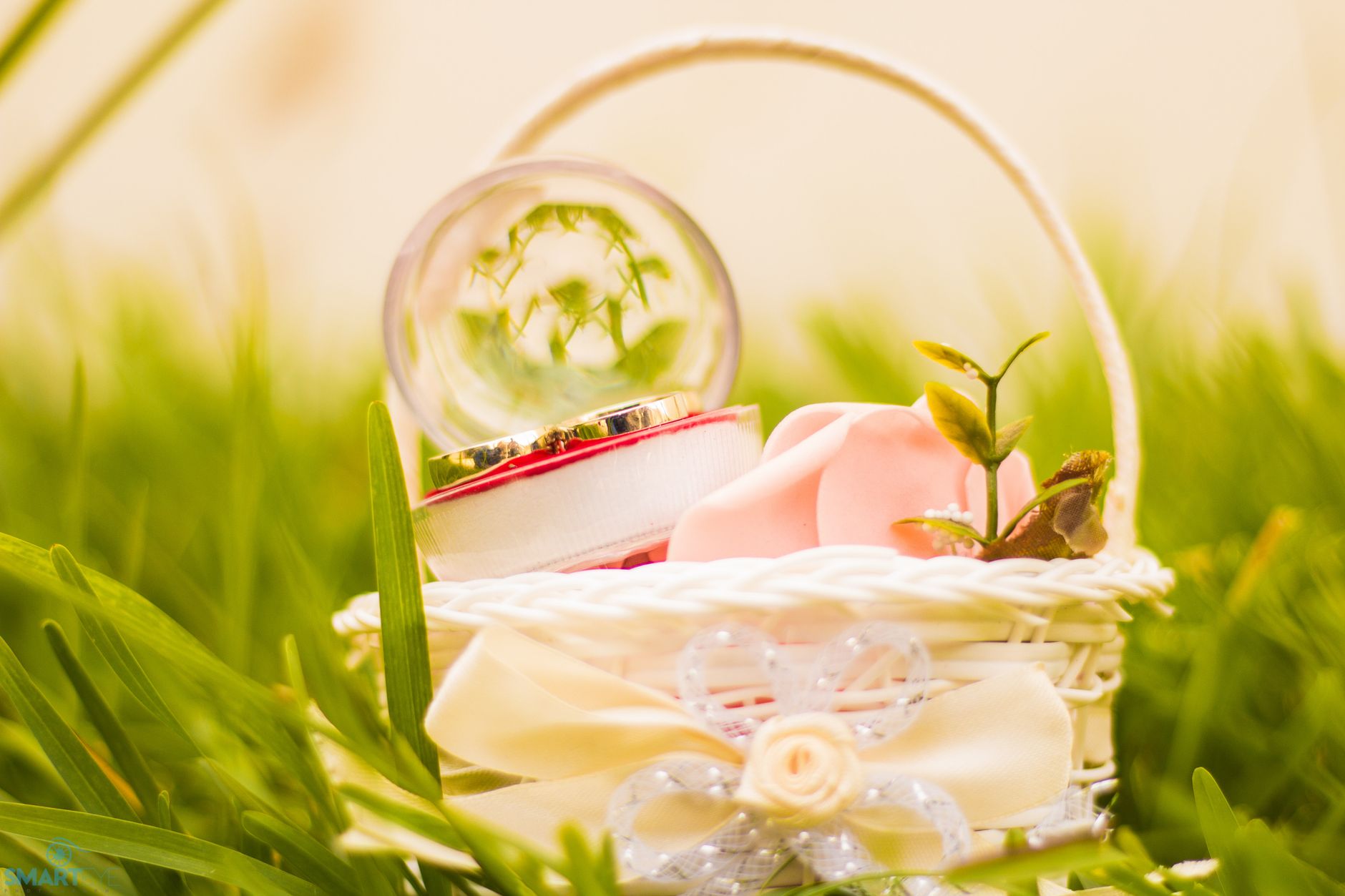 flower basket for wedding ceremony
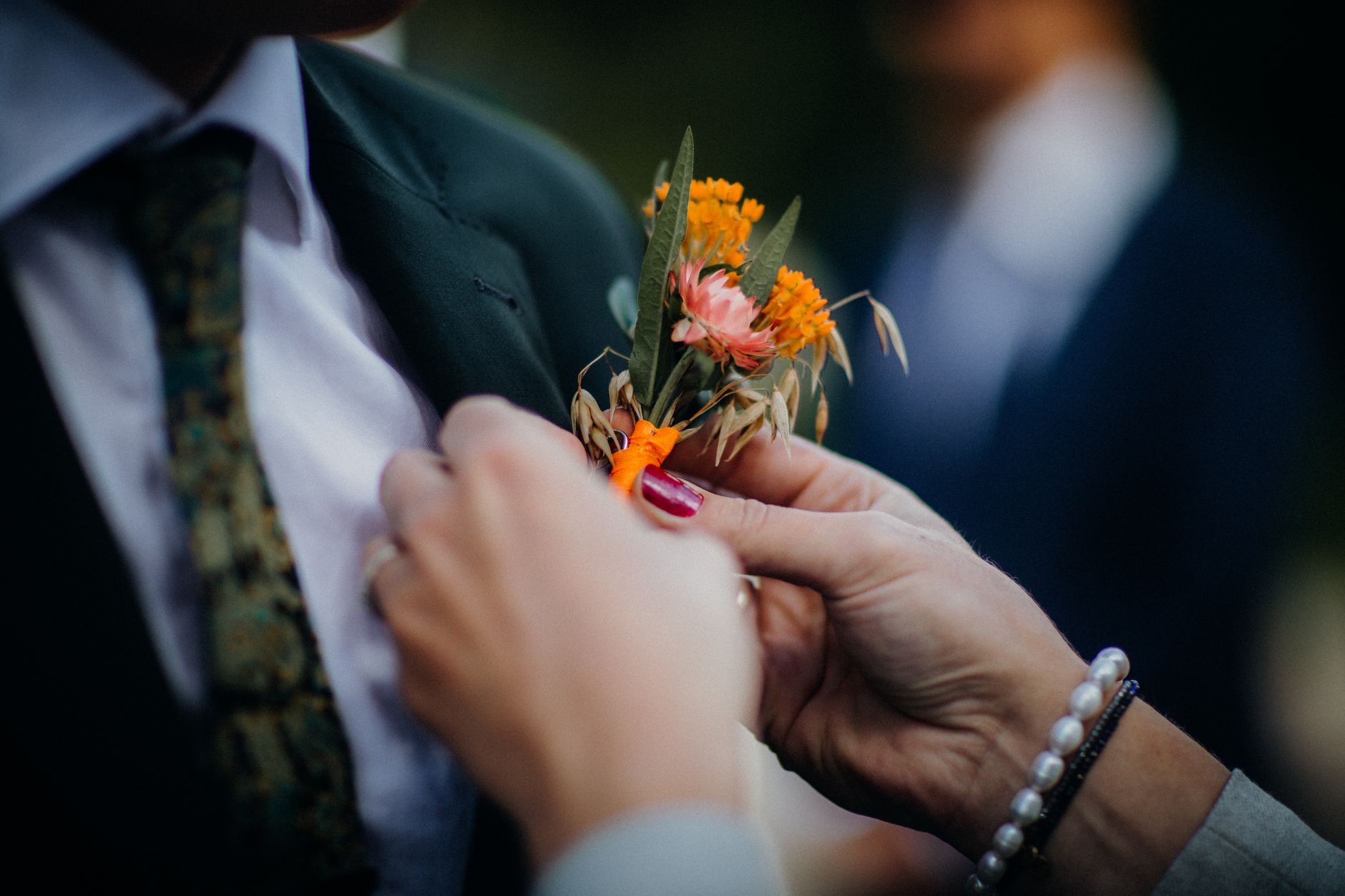 groom boutonniere for wedding
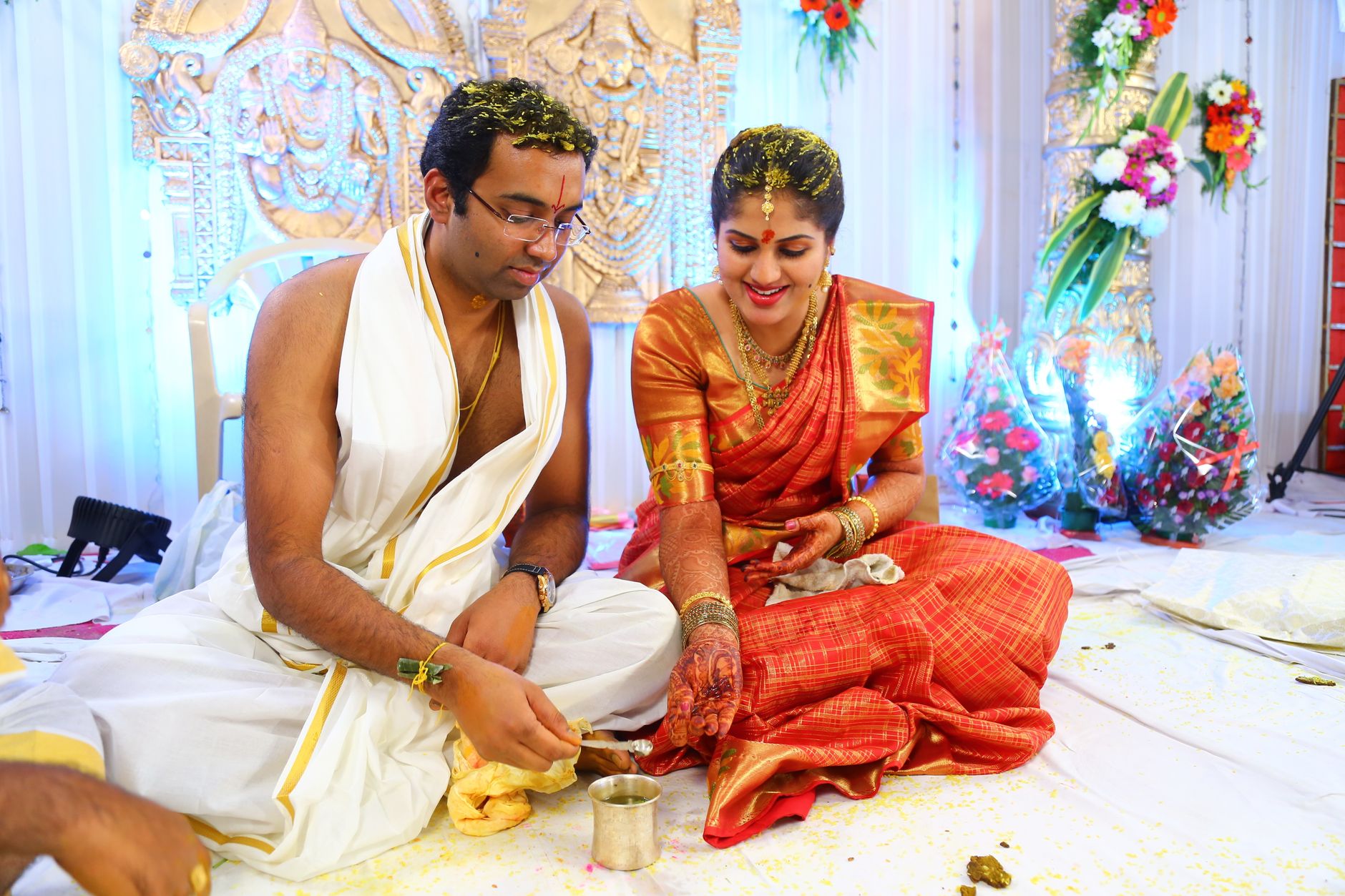 Gujarati wedding ritual items
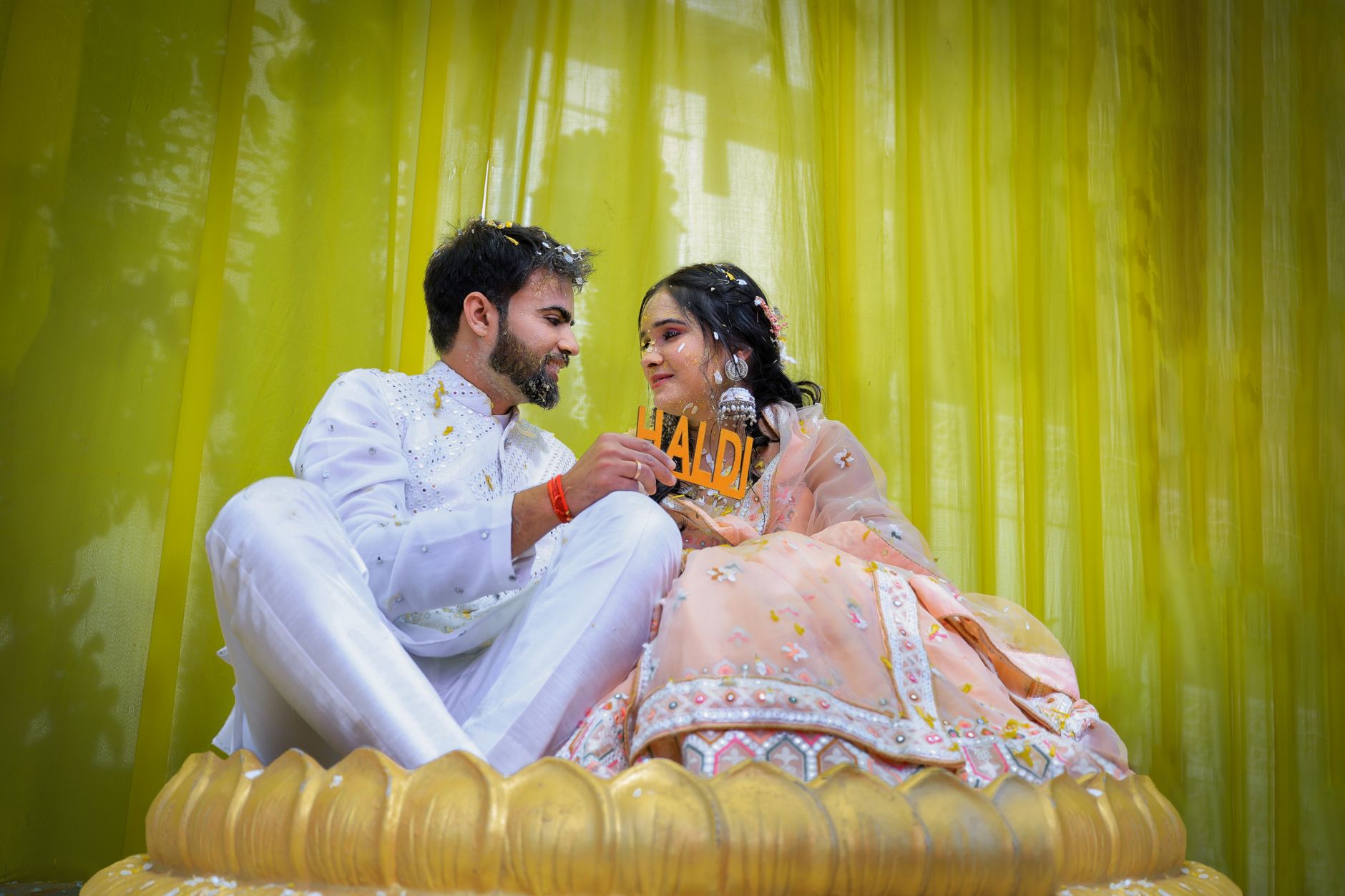 Jain marriage ceremony items
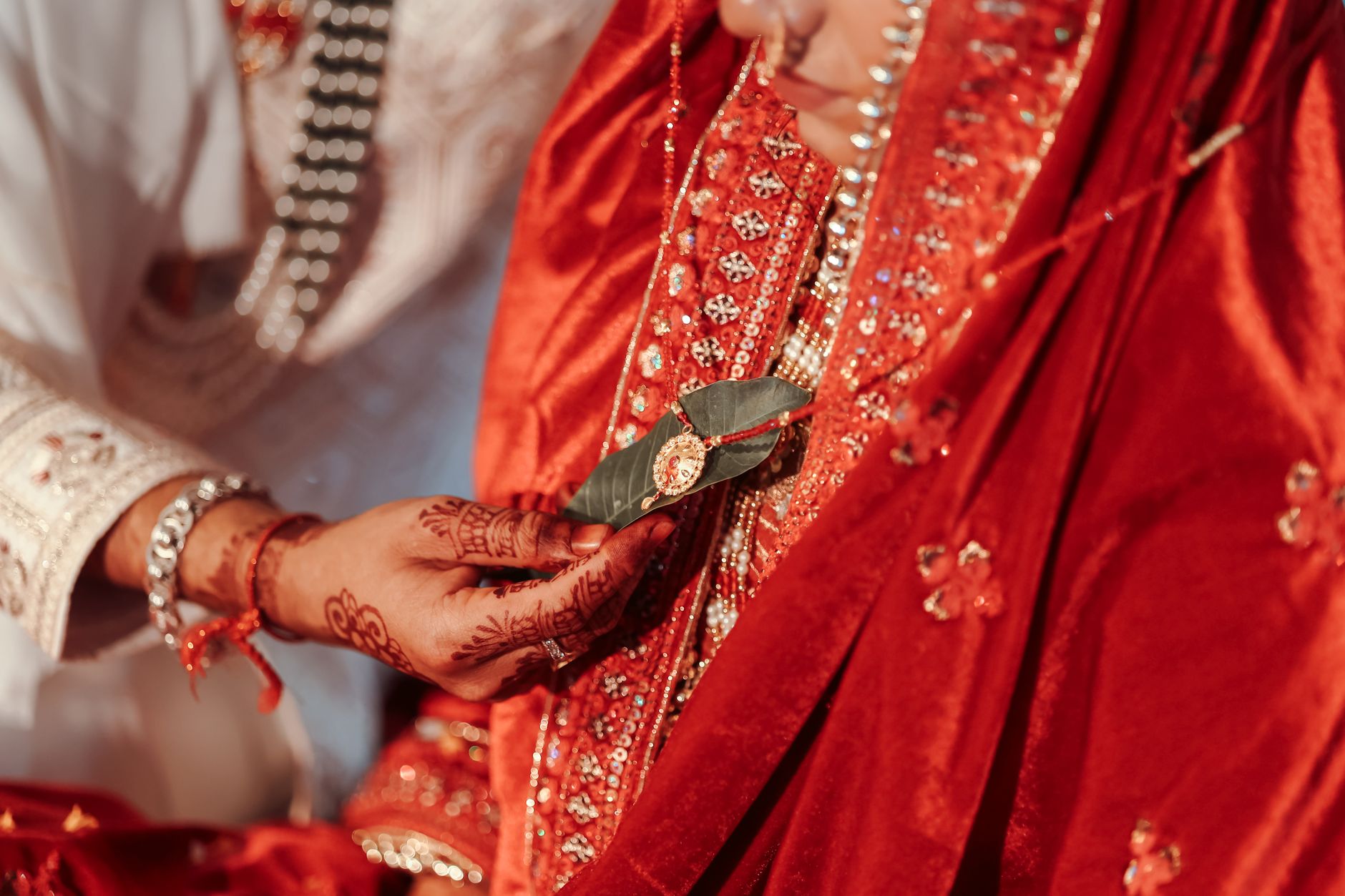 Kannada wedding ritual items
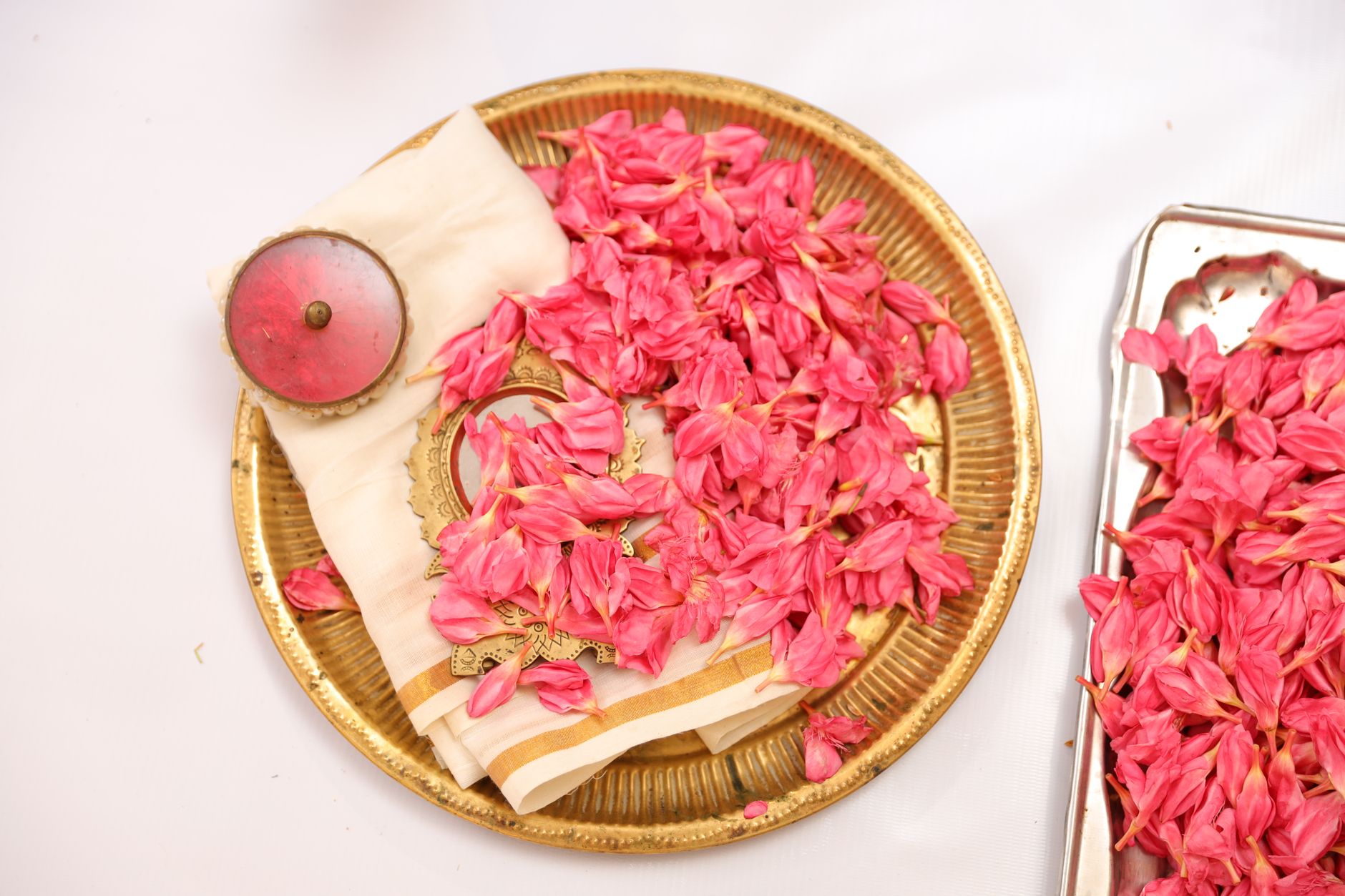 Malayalam wedding ritual items
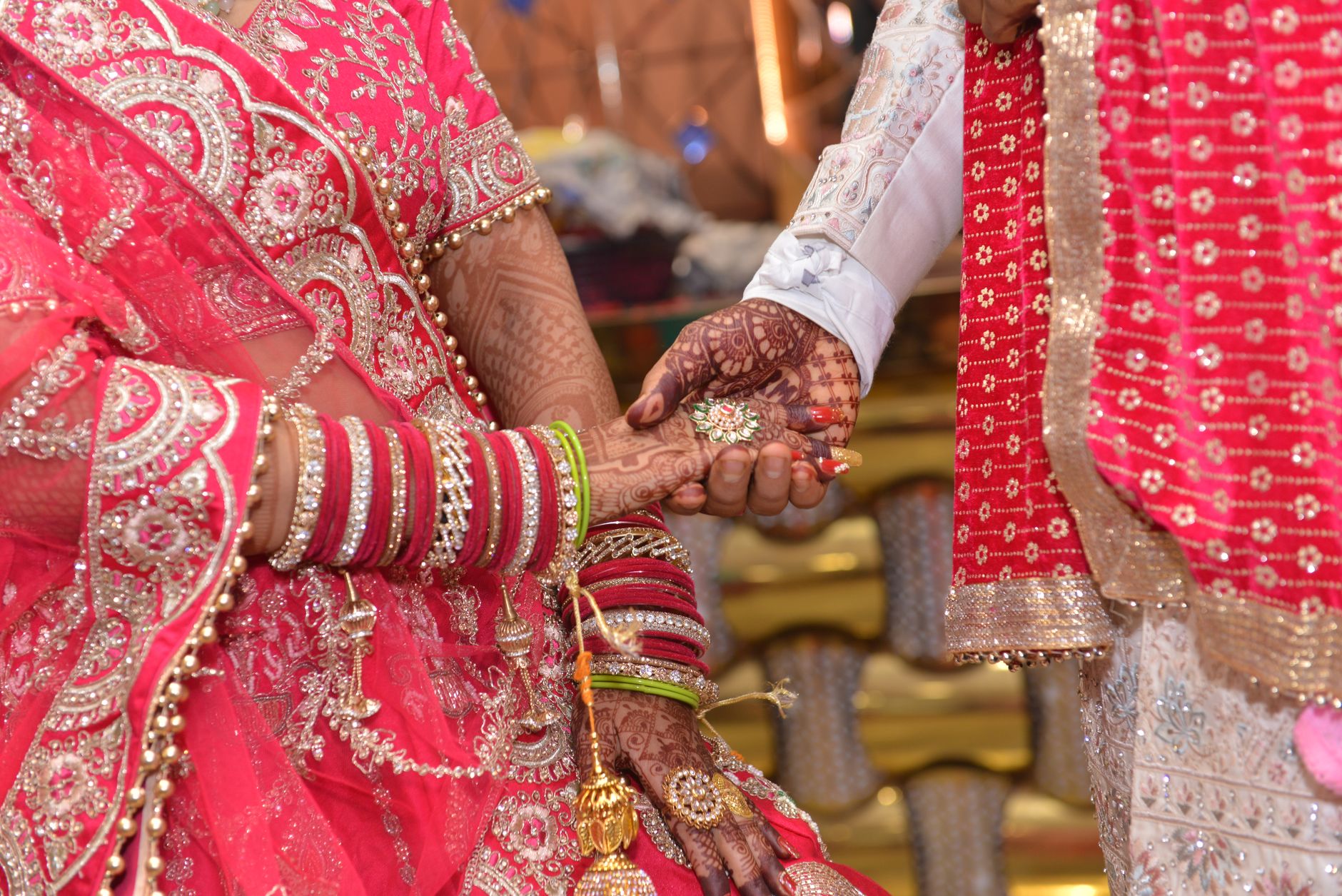 Marwari marriage ceremony items
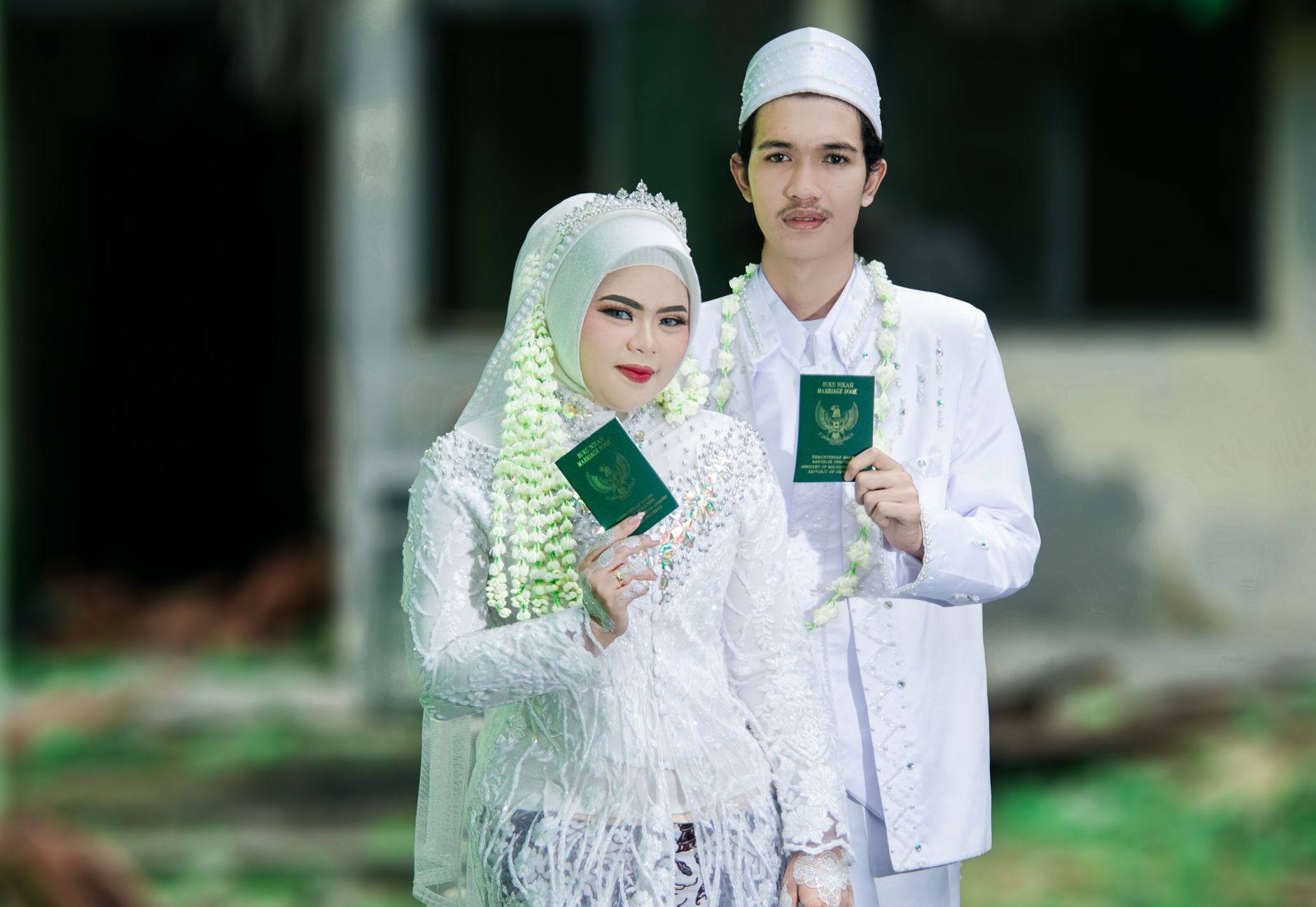 Nikah ceremony essentials
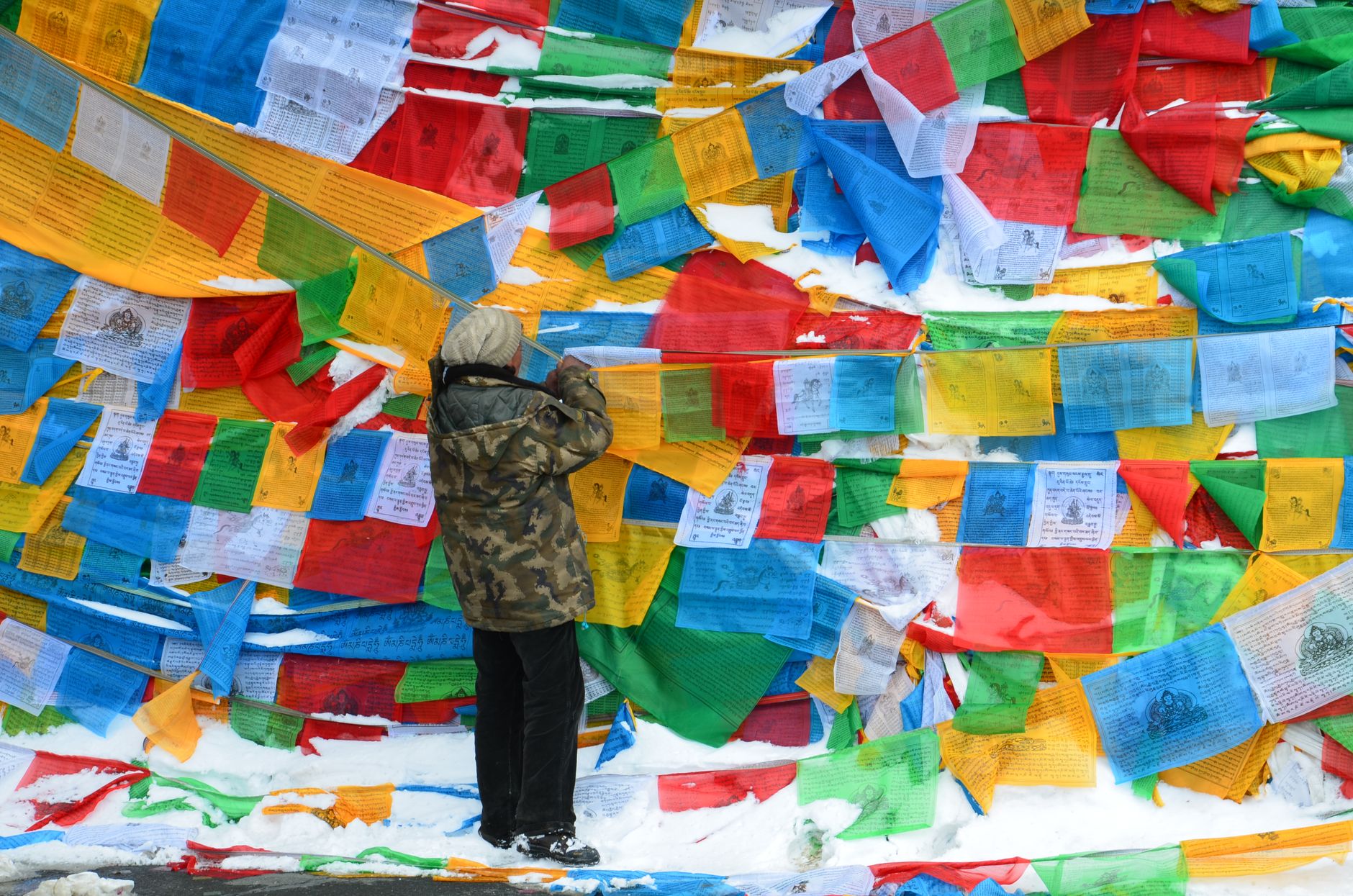 Pahadi wedding pandit
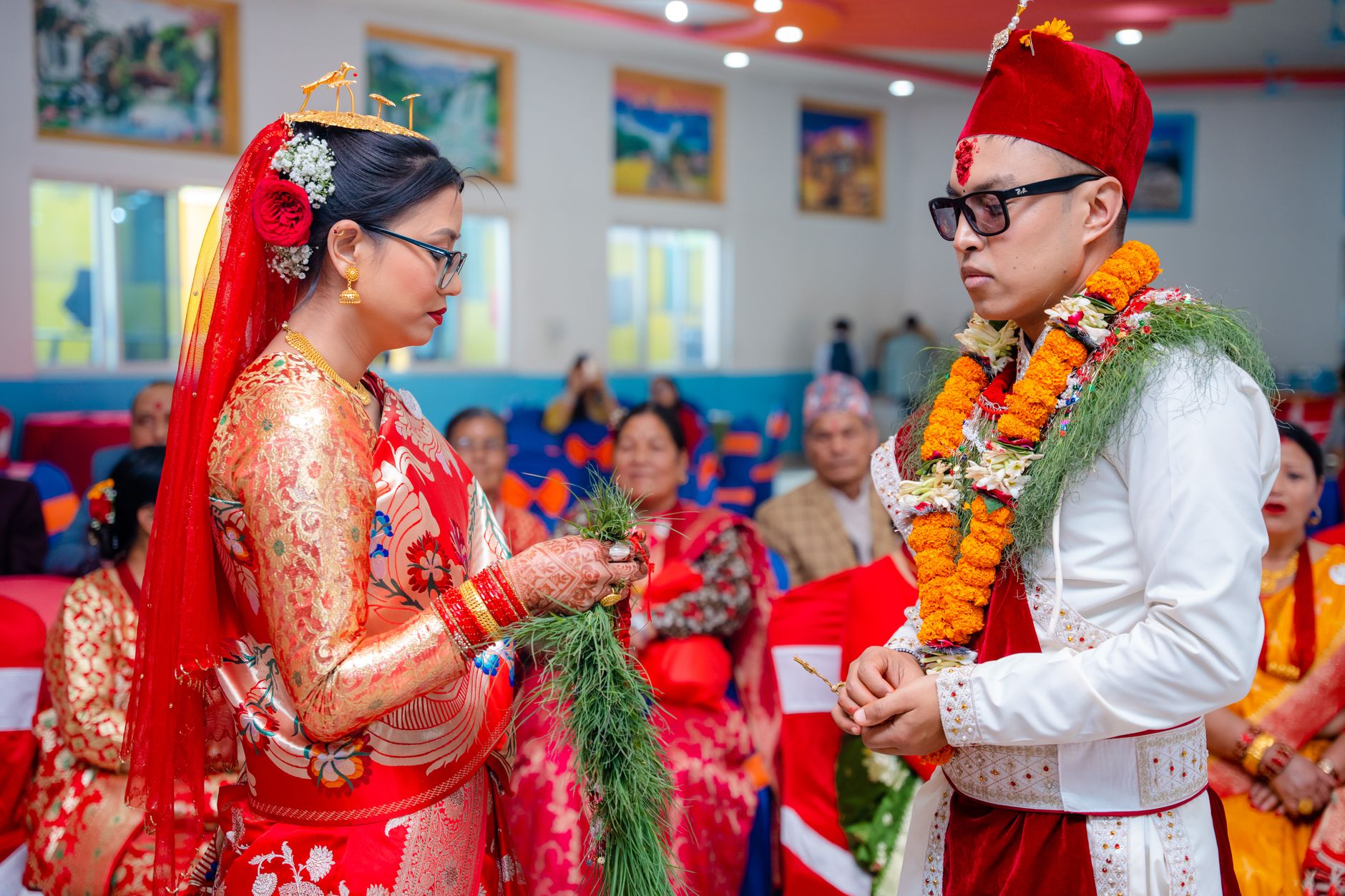 Pahadi wedding varmala
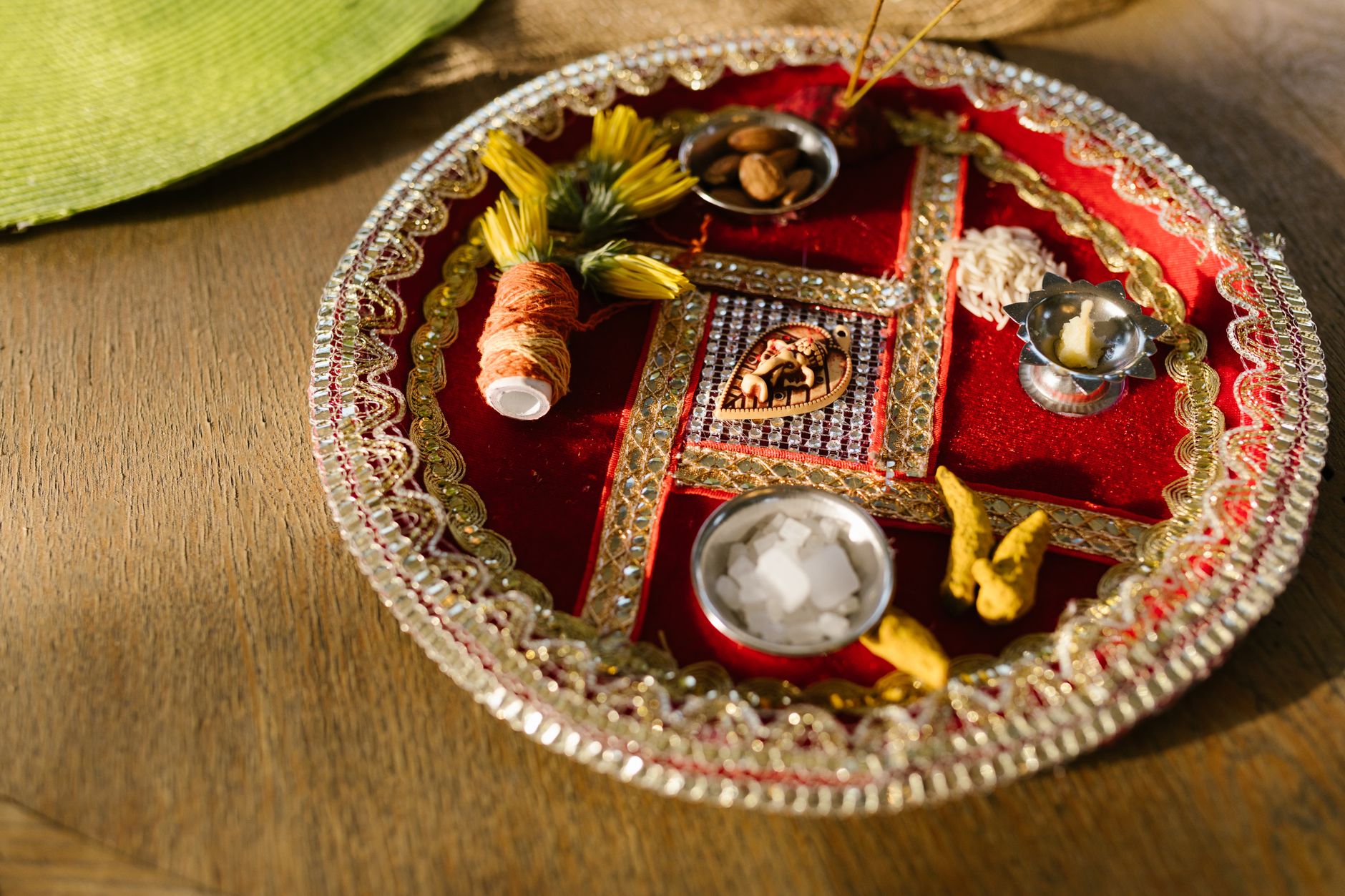 pooja items for marriage ceremony
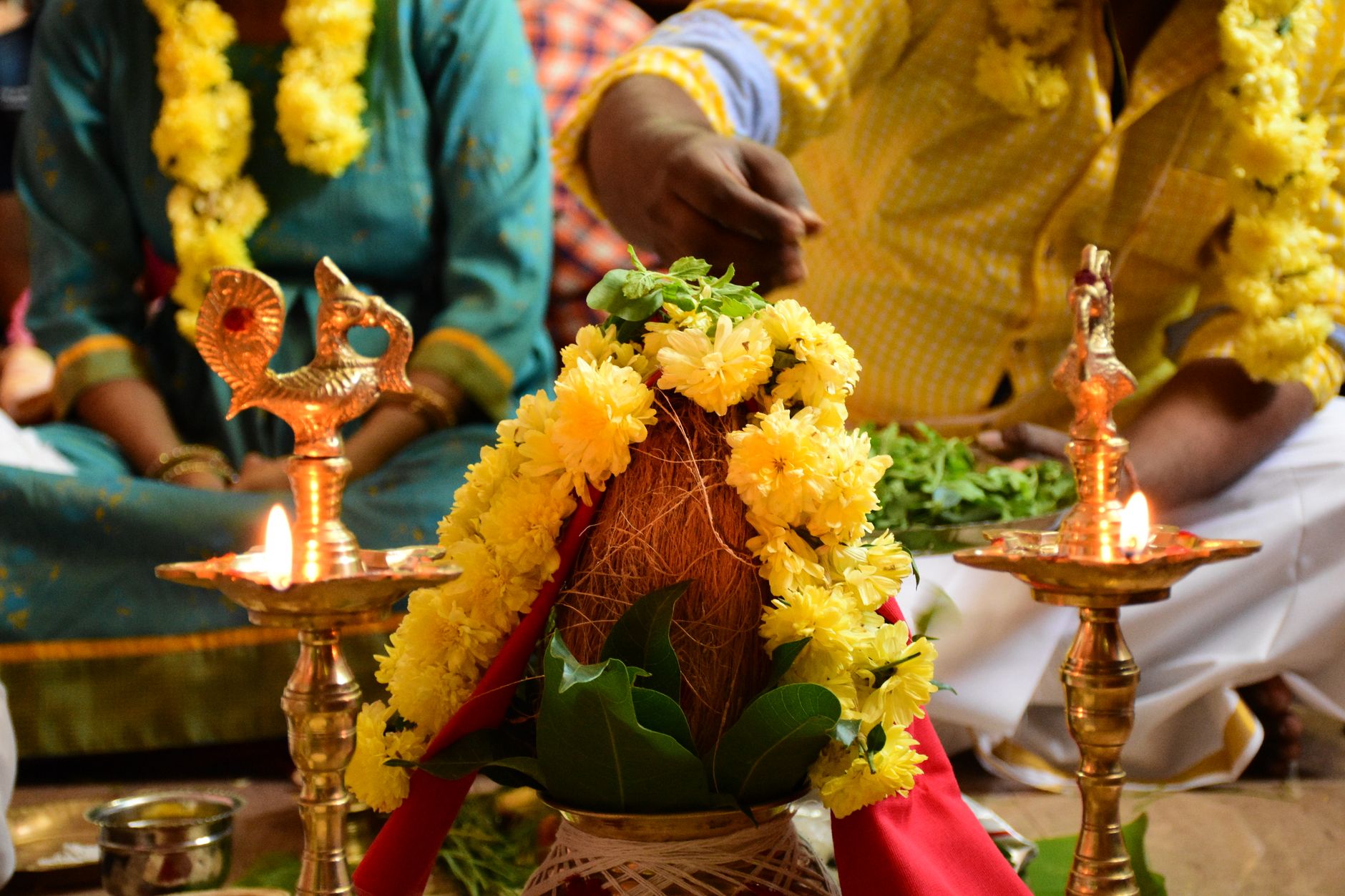 Tamil marriage ceremony items
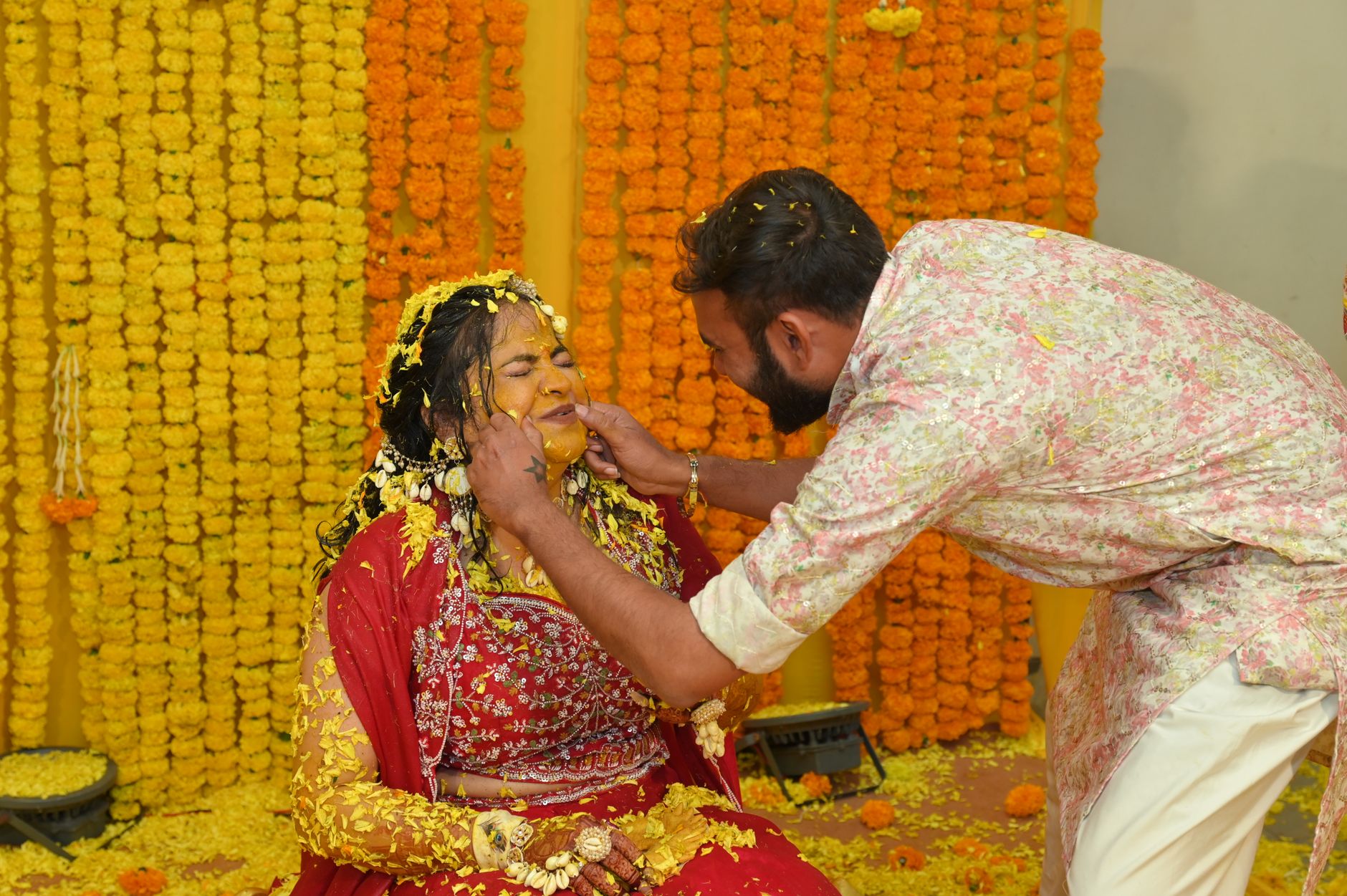 Telugu marriage ceremony items
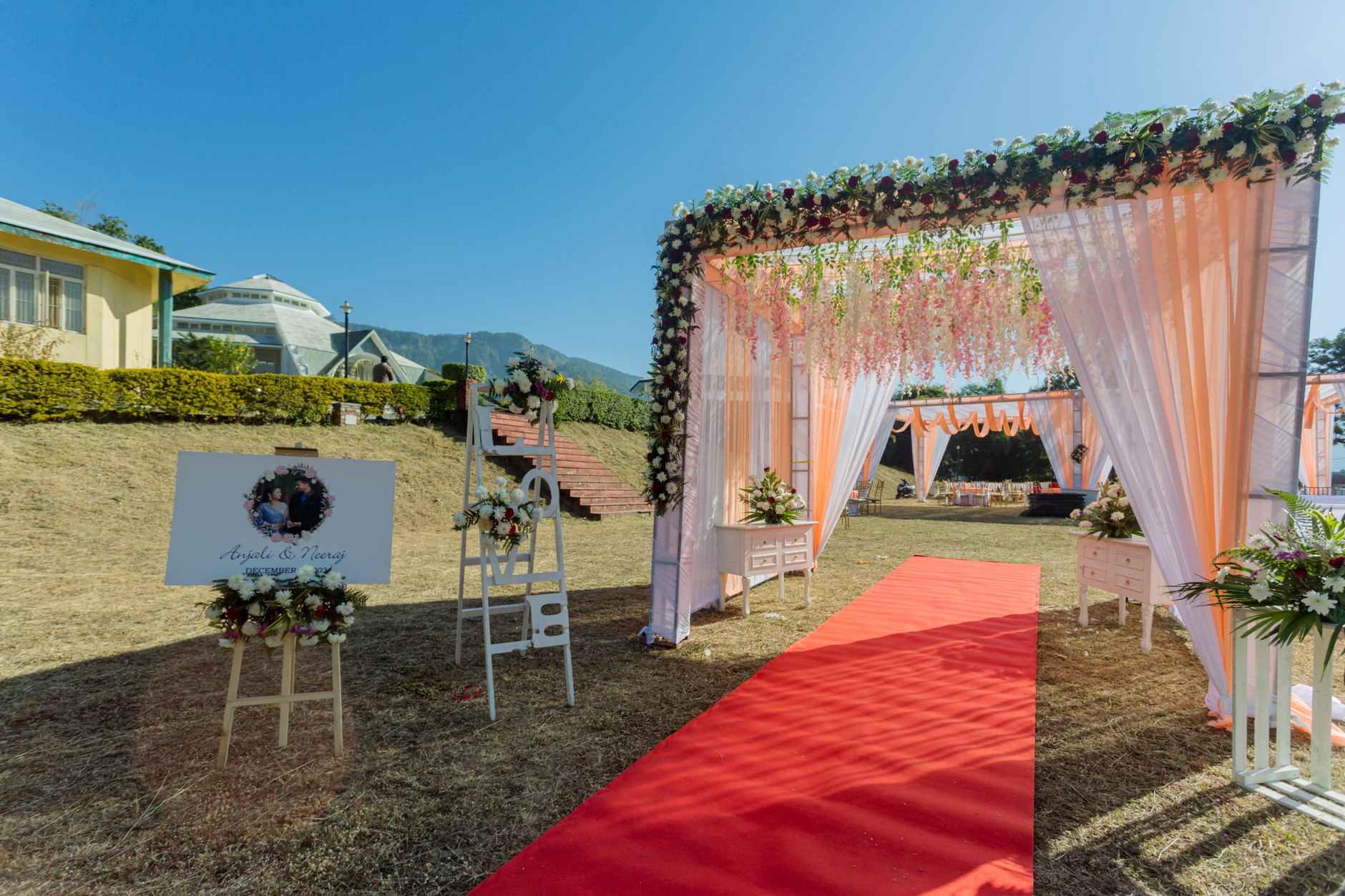 wedding ceremony officiant
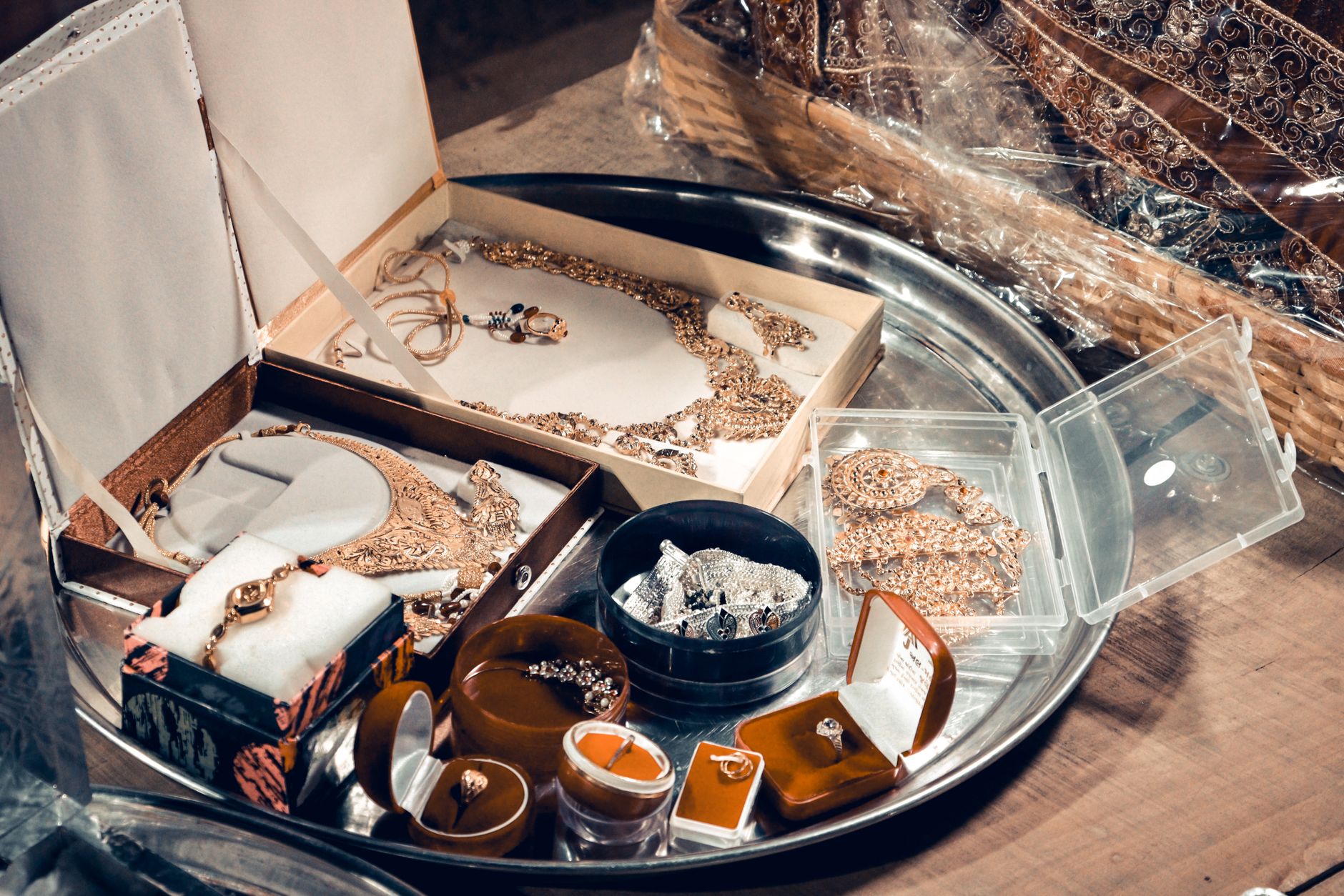 wedding guest favour gifts
 wedding ritual live streaming
- 400+Curated Events
- 6Event Universes
- 1000+Verified Vendors
- 70+Locations
- 24/7Customer Support


Not sure which packages fits your celebration?
Let Hiya & Hanu help you find the perfect match!
Explore Celebration Packages- AI-Powered MatchingSmart suggestions for you
- Budget OptimizerGet the best experiences in your budget
- End-to-End SupportWe are with you at every step
Serving Celebrations across 75+ locations in India
Best Traditional Ceremony Services for Meaningful Celebrations
◆Traditional ceremonies bring together generations, customs and family values in a meaningful celebration. They provide an opportunity to honour practices that have been passed down through families while creating memorable moments with relatives and loved ones. The best traditional ceremony services combine respect for established customs with careful planning, suitable arrangements and professional coordination.
A well-organised traditional ceremony requires more than selecting a venue and arranging decoration. Ritual requirements, traditional materials, flowers, seating, timing, guest comfort and supplier coordination all need attention. Professional ceremony services can bring these elements together while allowing the family to remain focused on the significance of the occasion.
Understanding Traditional Ceremony Services
Traditional ceremony services are designed to support celebrations that follow established cultural, religious or family customs. These services can range from planning and venue coordination to decoration, floral arrangements and event-day assistance.
Every ceremony may have its own requirements. Some occasions may be intimate family gatherings, while others may involve a large number of guests and several service providers. The planning approach should therefore be flexible enough to accommodate different scales and traditions.
The best services begin by understanding the ceremony itself. Once the important rituals and family expectations are established, supporting arrangements can be planned around them.
Respecting Traditional Customs
Tradition is often the most important part of a ceremonial celebration. Families may have specific practices that have been followed for many years, and these customs can give the event its distinctive character.
Professional planning should respect these traditions rather than treating them as optional decorative features. The ceremony schedule, venue layout and supporting arrangements should be developed with the required customs in mind.
Families can communicate their traditional preferences during the planning process. This provides an opportunity to confirm important details and ensure that the ceremony is prepared according to their expectations.
Authentic Ritual Planning
Rituals form the foundation of many traditional celebrations. Depending on the type of ceremony, specific items, sequences, timings and arrangements may need to be prepared in advance.
A structured planning process can help identify these requirements early. A detailed checklist can then be used to confirm that traditional materials and supporting arrangements are ready before the ceremony begins.
This level of preparation can reduce interruptions and make the event more comfortable for the family. It also allows everyone involved to understand their responsibilities before the celebration day.
Personalised Traditional Ceremonies
Although traditions provide a foundation, families may still wish to personalise their celebrations. Personalisation can help create a ceremony that feels connected to the people involved.
Families may have preferences for flowers, colours, venue layouts, decoration styles or hospitality arrangements. They may also wish to include particular family customs that are especially meaningful to them.
The best traditional ceremony services allow these preferences to be incorporated while maintaining the essential character of the occasion. This creates a balance between established practices and individual family identity.
Choosing the Right Ceremony Venue
The venue plays an important role in the success of a traditional celebration. Depending on the nature of the occasion, families may choose a home, community hall, religious setting, traditional venue or dedicated event space.
When selecting a location, practical requirements should be considered alongside the ceremonial purpose. Guest capacity, accessibility, seating, ventilation, lighting and parking can all influence the overall experience.
The ceremony area should have enough space for the required rituals and allow guests to participate comfortably. A suitable layout can also make it easier for service providers to complete their work without disrupting the ceremony.
Traditional Ceremony Decoration
Decoration should enhance the atmosphere without taking attention away from the traditions being observed. Traditional decoration may incorporate flowers, fabrics, lighting and other culturally appropriate elements.
The design can be adapted according to the family’s preferences. Some celebrations may favour a classic traditional appearance, while others may combine traditional details with a more contemporary presentation.
Good decoration planning considers the entire venue rather than focusing on one backdrop. Entrances, ceremony areas, seating spaces and guest areas can all be coordinated to create a consistent visual experience.
Floral Arrangements for Traditional Celebrations
Flowers can add warmth, colour and cultural character to traditional ceremonies. Families may have specific flowers associated with their customs or preferred colour combinations.
Floral arrangements can be used around the entrance, ceremony area, seating spaces and decorative structures. Their placement should complement the rituals and maintain a balanced appearance throughout the venue.
Planning the floral requirements in advance is particularly useful when specific flowers are requested. It provides sufficient time to confirm availability, quantities and installation requirements.
Organising Traditional Ceremony Materials
Many traditional ceremonies require specific materials or supporting items. These may need to be sourced, checked and arranged before the event.
A professional service can help families prepare a clear list of requirements and coordinate with appropriate suppliers. Items can then be organised according to when they will be needed during the ceremony.
This preparation can prevent last-minute searching and reduce unnecessary stress. It also helps ensure that the ceremony can proceed according to its planned sequence.
Creating a Comfortable Guest Experience
Traditional celebrations often bring together several generations of family and friends. Guest comfort should therefore be considered alongside the ceremonial requirements.
Seating arrangements should provide suitable visibility and access to the ceremony area. Older guests may benefit from convenient seating, while children and families may need sufficient space to move comfortably.
Entrance arrangements, directions and hospitality areas can also contribute to a smoother experience. When practical details are well organised, guests can focus more fully on participating in the celebration.
Balancing Tradition and Modern Event Planning
Traditional values and modern event organisation can work effectively together. Technology, structured schedules and professional supplier coordination can simplify preparation without changing the essential rituals.
Modern decoration can also be introduced where appropriate. The key is to ensure that contemporary elements complement rather than dominate the traditional setting.
This balanced approach can be particularly useful for families who want to preserve their customs while creating a well-presented and comfortable event for modern guests.
Professional Supplier Coordination
Traditional ceremonies may involve several suppliers, including decorators, florists, venue teams, caterers and providers of ceremonial materials.
Managing these suppliers individually can become time-consuming. Professional coordination can provide a central structure for confirming requirements, schedules and responsibilities.
Suppliers can be given clear installation and delivery times so that the venue is prepared before the ceremony begins. This reduces the risk of delays affecting the event schedule.
Creating a Detailed Ceremony Timeline
A detailed timeline is one of the most useful tools for traditional ceremony planning. It can cover everything from initial venue preparation to the completion of the celebration.
Important stages may include decoration installation, floral setup, preparation of ceremonial materials, guest arrival and the start of rituals.
The timeline should also allow sufficient preparation time before guests arrive. This gives the family an opportunity to check the arrangements without having to manage suppliers during the main ceremony.
Supporting Family Members
Family members often play an important role in traditional ceremonies. Some may participate directly in rituals, while others may assist with guest arrangements or hospitality.
Clear communication before the event can help everyone understand their responsibilities. A structured plan can identify who needs to be present at particular times and where they should be located.
This can make the celebration feel more coordinated and allow family members to participate confidently.
Meaningful Personal Details
A traditional ceremony can become even more memorable through carefully selected personal touches. These may include family traditions, preferred flowers, meaningful colours or familiar ceremonial arrangements.
Personal details should be chosen because they have genuine significance rather than simply being fashionable. Even a small family tradition can make the occasion feel more personal.
When these details are incorporated thoughtfully, the celebration can reflect both its cultural roots and the identity of the family.
Traditional Ceremonies for Different Occasions
Traditional ceremony services can support a wide range of occasions. These may include religious celebrations, cultural gatherings, family milestones, spiritual ceremonies and other important traditional events.
The planning requirements will vary according to the type and scale of the celebration. A small family ceremony may require limited support, while a larger event may need comprehensive venue, decoration and supplier coordination.
Understanding the nature of the occasion allows the service plan to be adjusted accordingly.
Planning for Large Traditional Gatherings
Large traditional celebrations require additional attention to guest flow, seating, venue capacity and supplier management.
The ceremony area should remain clearly defined while providing adequate space for guests. Entrances and exits should be considered carefully, particularly when a large number of people are expected.
Professional coordination can also help manage multiple suppliers and ensure that the venue is prepared according to the agreed schedule.
Managing the Ceremony Budget
A well-planned traditional ceremony can be organised according to different budgets. The key is to identify the most important requirements and allocate resources accordingly.
Traditional materials and essential ceremonial arrangements should be prioritised. Families can then decide how much to invest in decoration, flowers, hospitality and additional services.
Clear communication about service inclusions can help families understand what they are receiving and plan their expenditure more effectively.
Planning Well in Advance
Early preparation gives families more time to select venues, confirm suppliers and discuss traditional requirements. This is especially important when the ceremony falls during a busy celebration period.
Advance planning also provides an opportunity to review the event schedule and make changes before the final arrangements are confirmed.
Starting early can reduce last-minute pressure and create a more organised planning experience for everyone involved.
Choosing the Best Traditional Ceremony Service
Choosing a suitable provider requires more than comparing services. Families should consider the provider’s understanding of traditional requirements, communication style, flexibility and ability to coordinate multiple aspects of the event.
It is useful to discuss the ceremony in detail before confirming arrangements. The provider should understand the family’s expectations and be willing to adapt the planning to the specific occasion.
Families should also clarify what is included, from venue coordination and decoration to traditional materials and event-day support.
Why Professional Ceremony Services Matter
Professional support can make traditional celebrations easier to manage without taking away from their personal nature. Experienced coordination allows families to spend more time participating in the occasion rather than dealing with practical tasks.
From supplier schedules to venue preparation, professional planning can help identify potential problems before they affect the event.
The result is a ceremony that feels organised, welcoming and respectful of the traditions being celebrated.
Creating a Memorable Traditional Celebration
The best traditional ceremony services combine careful preparation with genuine respect for family customs. They understand that the most important part of the event is not simply how it looks, but what it represents.
A suitable venue, thoughtfully selected decoration, traditional materials, floral arrangements and professional coordination can all support the main ceremony.
When these elements work together, families can create celebrations that honour their heritage while providing a comfortable and memorable experience for everyone attending.
Frequently Asked Questions
1. What are the best traditional ceremony services?
The best traditional ceremony services provide thoughtful planning, respect for cultural customs, suitable venue arrangements, traditional materials, decoration and professional coordination based on the requirements of the celebration.
2. Can traditional rituals be included in the service?
Yes. Ceremony planning can be structured around the specific rituals and customs that the family wishes to observe.
3. Can traditional ceremonies be personalised?
Yes. Families can personalise aspects such as venue arrangements, flowers, colours, decoration, seating and other meaningful details while maintaining the essential traditions.
4. What type of venue is suitable for a traditional ceremony?
Suitable venues may include family homes, community halls, religious settings, traditional spaces and dedicated event venues, depending on the nature and size of the ceremony.
5. Can traditional decoration be combined with modern décor?
Yes. Traditional decorative elements can be complemented by contemporary styling as long as the overall design remains appropriate for the ceremony.
6. Are traditional ceremony materials arranged by the service provider?
This depends on the selected service. Families should discuss the required materials and confirm whether sourcing, preparation and coordination are included.
7. Can floral arrangements be customised?
Yes. Floral arrangements can be planned around preferred flowers, colours, quantities and the overall traditional theme of the celebration.
8. How far in advance should I book traditional ceremony services?
Early booking is recommended, particularly for popular dates or celebrations requiring specific venues, flowers, decorators or traditional suppliers.
9. Can professional services coordinate multiple suppliers?
Yes. Professional coordination can help manage decorators, florists, venue teams and other suppliers according to a shared event schedule.
10. How can I choose the right traditional ceremony service?
Consider the provider’s experience, understanding of traditional practices, communication, flexibility, service inclusions and ability to manage the practical requirements of your specific celebration.