
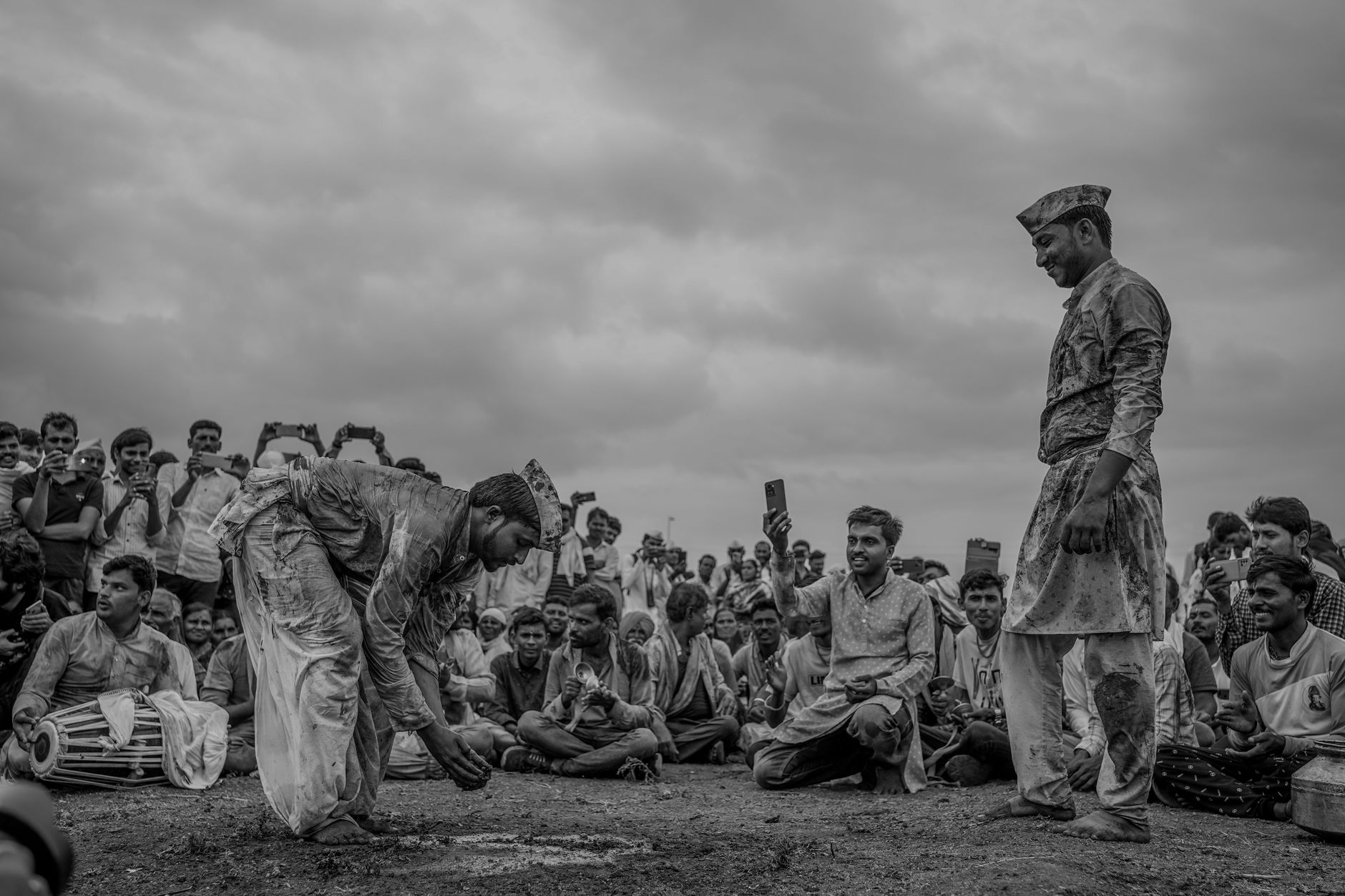
Sacred Bhajans for Your Mussoorie Ceremony
Religious cermony in Mussoorie
Bhajan Groups for Ceremonies in Mussoorie
Mussoorie's misty Himalayan backdrop lends an ethereal quality to every religious gathering, making bhajan groups for ceremonies a deeply cherished tradition here. Whether you are hosting a griha pravesh on Mall Road, a satyanarayan katha at a Landour villa, or a full-scale wedding puja at a hillside resort, devotional singing groups transform the atmosphere from merely festive to genuinely sacred. Kirtan mandali for puja adds rhythmic depth through tabla, harmonium, and cymbals, while spiritual music performers versed in Garhwali and Hindi bhajans connect guests to the region's own devotional heritage. Happiffie helps you discover, compare, and book the right ensemble for your Mussoorie ceremony.
Quick Answer
Bhajan groups for ceremonies are organised ensembles of devotional singers and musicians who perform sacred hymns, kirtans, and chants during Hindu religious events such as pujas, jagrans, weddings, and griha pravesh rituals. In Mussoorie, these groups typically include a lead vocalist, harmonium player, tabla artist, and chorus, performing in Hindi, Sanskrit, or Garhwali. Fees generally range from INR 8,000 to INR 50,000 depending on group size, duration, and repertoire complexity.
Why Are Bhajan Groups for Ceremonies So Important in Mussoorie?
Mussoorie sits at roughly 2,000 metres above sea level, where the cool air, pine forests, and panoramic Doon Valley views already create a contemplative mood. Bhajan groups for ceremonies amplify that natural serenity into something spiritually transformative. When a devotional singing group begins a Hanuman Chalisa at dawn against a backdrop of Himalayan peaks, the experience is unlike anything a recorded playlist can replicate. Local families who host jagrans, namkaran ceremonies, or annual kul-puja gatherings in neighbourhoods like Happy Valley, Kulri, or Barlowganj specifically seek live religious chanting ensembles because the vibration of live voices and acoustic instruments resonates through open-air courtyards and banquet halls alike. Beyond aesthetics, a well-rehearsed ensemble ensures the correct raag and taal for each ritual phase, which is especially valued by Garhwali families whose ceremonies follow precise regional customs. Sacred ceremony planning in the hills is incomplete without this sonic foundation.
Types of Devotional Singing Groups Available in Mussoorie
Mussoorie's religious music landscape is more varied than most families realise. Classic bhajan mandalis consist of six to twelve singers performing Tulsidas, Mirabai, and Surdas compositions with harmonium and dholak. Kirtan mandali for puja goes further by adding coordinated clapping, antakshari-style call-and-response, and longer performance cycles suited to multi-hour havan sessions. Religious chanting ensembles focus on Sanskrit shloka recitation and Vedic mantras, often accompanied by a pandit, making them ideal for yagyas or thread ceremonies. Spiritual music performers who specialise in Garhwali folk-devotional styles bring a distinctly local identity to hill station wedding rituals, singing compositions linked to local deities like Nanda Devi and Surkanda Mata. Some ensembles are female-only, appropriate for specific rites. Knowing which type matches your ceremony's duration, deity, and guest demographic is the first decision you need to make.
How Much Do Bhajan Groups for Ceremonies Cost in Mussoorie?
Pricing for bhajan groups for ceremonies in Mussoorie varies with group size, travel distance, performance duration, and instrument count. A small four-member devotional singing group for a two-hour puja typically costs INR 8,000 to INR 15,000. Mid-size ensembles of eight to twelve members performing for three to four hours at a Mussoorie event venue charge INR 20,000 to INR 35,000. Premium kirtan mandali for puja with professional-grade amplification, multiple instruments, and curated setlists for a full wedding day can reach INR 40,000 to INR 60,000. Travel surcharges apply for locations beyond Dehradun, so groups sourced from Rishikesh or Haridwar may add INR 2,000 to INR 5,000 for transport. Traditional puja arrangements in remote estates near Kempty Falls or Cloud End also attract a modest logistics fee. Always clarify whether the quoted price includes sound equipment and travel before confirming the booking.
Selecting the Right Religious Chanting Ensemble for Your Event
Choosing the ideal religious chanting ensemble requires matching the group's repertoire to your ceremony's specific deity, duration, and regional customs. Begin by confirming whether the ensemble performs in Sanskrit, Hindi, Braj Bhasha, or Garhwali, since language authenticity matters to elders. Ask for a sample setlist and verify that compositions align with your pooja vidhi — a Lakshmi puja setlist differs significantly from a Shiva-centric shivratri programme. For hill station wedding rituals in Mussoorie, look for groups experienced in outdoor acoustics, because mountain wind and open terraces affect amplification in ways that indoor mandalis may not handle well. Check whether the ensemble brings its own harmonium, tabla, and cymbals, or requires venue-provided instruments. Spiritual music performers who have previously performed at Mussoorie event venues like resort lawns or Char Dukan area courtyards will already understand the logistical nuances. Finally, confirm the lead vocalist's health and backup arrangements, since altitude sometimes affects singers unaccustomed to Mussoorie's elevation.
What Should You Expect on the Day of the Ceremony?
On the day of your event, bhajan groups for ceremonies typically arrive thirty to forty-five minutes before the ritual begins for soundcheck and setup. Traditional puja arrangements in Mussoorie often run on a fluid schedule, so brief the group lead on the puja flow and flag key moments — start of havan, aarti time, prasad distribution — when specific bhajans should be performed. A good devotional singing group will sync with the presiding pandit, pausing chanting during key mantra recitations and resuming during transitional gaps. If you have guests from outside Uttarakhand, request a short introductory explanation of each bhajan before it is sung, which adds an inclusive, educational layer for non-Hindi speakers. Sacred ceremony planning should also account for rest breaks for the musicians during longer jagrans; provide refreshments and a quiet space. Mussoorie event ambience — birdsong, valley breezes, and natural reverb from stone walls — becomes part of the performance when the ensemble is experienced enough to work with it rather than against it.
Bhajan Group Types for Ceremonies in Mussoorie: A Side-by-Side Comparison
Expert Recommendation
Best for Intimate Home Ceremonies
Best for Large Wedding Pujas
Best for Hill Station Wedding Rituals
Best for Budget-Conscious Families
Best for Traditional Garhwali Ceremonies
Best for Multi-Day Jagrans
How to Choose the Right Option
✅ Pre-booking Checklist
- Confirm the group's repertoire includes bhajans specific to your ceremony's presiding deity
- Clarify whether sound equipment and microphones are included in the quoted price
- Ask for a sample setlist and align it with the puja vidhi sequence provided by your pandit
- Verify the group's experience performing at outdoor Mussoorie venues with unpredictable acoustics
- Confirm travel arrangements and altitude acclimatisation, especially for groups travelling from the plains
- Book at least four to six weeks in advance, or three months for peak wedding and festival seasons
- Discuss backup arrangements if a key vocalist or musician cannot attend on the ceremony day
- Clarify break schedules and refreshment requirements for long-duration jagrans or multi-day events
🎯 Selection Criteria
- Repertoire depth: Does the group cover all required bhajans, mantras, and regional compositions for your ceremony type?
- Live performance quality: Has the ensemble performed at comparable Mussoorie events or hill station venues?
- Group size fit: Is the ensemble appropriately sized for your guest count and venue dimensions?
- Instrument completeness: Does the group bring harmonium, tabla, and cymbals, or depend on venue instruments?
- Coordination with pandit: Can the lead vocalist work in sync with the presiding priest's ritual pacing?
- Language and regional match: Does the group perform in the dialect and tradition your family follows?
💰 Cost / Quality Factors
- Group size directly drives cost — each additional member adds INR 1,500 to INR 3,000 on average
- Travel distance from Dehradun to Mussoorie adds a logistics surcharge of INR 2,000 to INR 5,000
- Performance duration beyond three hours typically triggers an overtime fee of INR 3,000 to INR 6,000 per hour
- Season and day of week significantly affect availability and pricing — weekend bookings in wedding season cost more
- Professional sound equipment rental adds INR 5,000 to INR 12,000 if not included in the group's package
- Group reputation and prior Mussoorie event experience justify premium pricing and reduce day-of surprises
⚠️ Common Mistakes to Avoid
- Booking a plains-based group without confirming their experience with Mussoorie's altitude and open-air acoustics
- Skipping a setlist review and discovering on the day that the group doesn't know your deity-specific compositions
- Overlooking travel and accommodation costs for groups travelling from Dehradun, Rishikesh, or Haridwar
- Booking a large ensemble for a small indoor venue, creating uncomfortable sound levels for guests and priests
- Failing to brief the group on puja timing milestones, resulting in bhajans playing over Vedic mantra recitation
- Neglecting to confirm backup arrangements, leaving the ceremony without music if a key member cancels last minute
People Also Ask
How many members should a bhajan group have for a home puja in Mussoorie?
Can I hire a kirtan mandali for puja in Mussoorie for a wedding ceremony?
What is the difference between a bhajan group and a kirtan mandali?
Are Garhwali devotional singers available for ceremonies in Mussoorie?
How early should I book bhajan groups for ceremonies in Mussoorie?
Do spiritual music performers in Mussoorie bring their own sound equipment?
What religious chanting ensembles are suitable for a griha pravesh in Mussoorie?
Is it possible to get a female-only bhajan group for ceremonies in Mussoorie?
Related Experiences on Happiffie
Sacred Voices for Every Ceremony
Live Music Magic for Your Kolkata Wedding
Say I Do in the Hills
Authentic Kerala Thalam for Your Wedding
Light Up Every Mumbai Celebration
Music That Makes Rituals Timeless
Frequently Asked Questions
How much does it cost to hire bhajan groups for ceremonies in Mussoorie?
Which type of bhajan group is best for a Hindu wedding in Mussoorie?
Are bhajan groups for ceremonies available for events at Mussoorie resorts and heritage hotels?
Can I book a spiritual music performer specialising in Garhwali bhajans for a ceremony in Mussoorie?
What instruments do bhajan groups for ceremonies in Mussoorie typically use?
Do religious chanting ensembles in Mussoorie work alongside the wedding pandit?
How long does a typical bhajan group performance last at a Mussoorie ceremony?
Is it possible to customise the setlist for bhajan groups for ceremonies in Mussoorie?
Key Takeaways
- Bhajan groups for ceremonies in Mussoorie typically range from INR 8,000 to INR 60,000 depending on group size, duration, and equipment included.
- Choose between bhajan mandalis, kirtan mandali for puja, Vedic chanting ensembles, or Garhwali spiritual music performers based on your ceremony type.
- Mussoorie's outdoor venues require groups experienced with hill station acoustics, wind, and altitude effects on instruments.
- Book at least four to six weeks in advance, and up to three months ahead for peak wedding and festival seasons.
- Always align the group's setlist with your pandit's puja vidhi sequence to avoid music conflicting with Vedic recitation.
- Travel surcharges, sound equipment costs, and overtime fees can add 20 to 40 percent to the base quote — clarify all inclusions upfront.
- Female-only and Garhwali devotional singing groups serve specific ceremonial and regional needs that general Hindi bhajan mandalis cannot fully replicate.
- Happiffie's verified listings let you compare devotional singing groups, check their event experience, and book transparently for Mussoorie ceremonies.
Book Verified Bhajan Groups for Your Mussoorie Ceremony
Browse devotional singing groups, kirtan mandalis, and spiritual music performers on Happiffie — compare, connect, and confirm in minutes.
Find Bhajan Groups
Are you a Vendor? Grow Your Business with Happiffie!
- High intent verified leads
- Reverse auction opportunities
- AI business tools & insights
- Dedicated vendor dashboard
- Grow your business, your way
It's free & takes less than 2 minutes!