
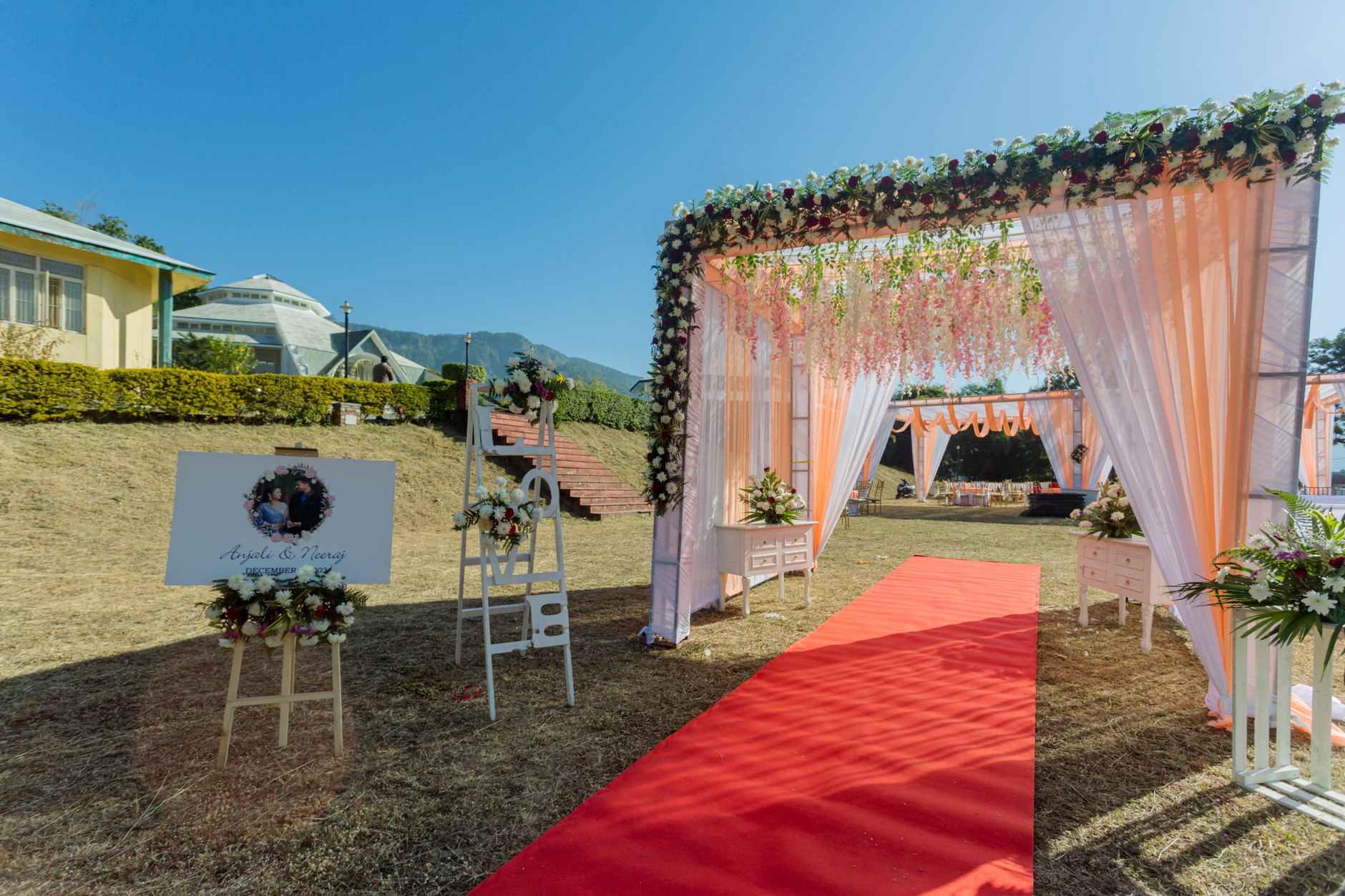
Sacred Vows on Mussoorie's Hills
Religious cermony in Mussoorie
Wedding Ceremony Officiant in Mussoorie: Find the Right One
Choosing the right wedding ceremony officiant is one of the most spiritually significant decisions you will make for your Mussoorie wedding. Whether you are planning a traditional Hindu wedding with a skilled Hindu wedding pandit chanting Vedic mantras, an intimate interfaith marriage officiant ceremony overlooking the Himalayas, or a civil union at a heritage hotel on the Mall Road, Mussoorie's dramatic mountain wedding venue settings demand an officiant who blends ritual expertise with adaptability. This guide helps couples compare options, understand destination wedding rituals specific to hill celebrations, estimate real costs in INR, and avoid common booking mistakes.
Quick Answer
A wedding ceremony officiant is a qualified person — a pandit, priest, civil registrar, or interfaith celebrant — who legally and spiritually solemnises your marriage by conducting rituals, pronouncing vows, and, where required, signing official documents. In Mussoorie, officiants typically perform Hindu, Christian, Sikh, interfaith, or civil ceremonies at hotels, resorts, or outdoor venues, with fees ranging from approximately ₹15,000 to ₹1,20,000 depending on ritual complexity and travel requirements.
What Does a Wedding Ceremony Officiant Actually Do?
A wedding ceremony officiant serves as the spiritual and procedural anchor of your entire wedding day. Their role goes far beyond simply reciting prayers: they consult with the couple before the event to understand family traditions, personalise the ritual script, manage the ceremony timeline, coordinate with the venue, and guide guests through each ritual step. In the context of a Mussoorie hill station wedding, an officiant must also manage outdoor logistics — wind, altitude, and natural light — that can disrupt a ceremony if not anticipated. A Hindu wedding pandit, for instance, will prepare the havan kund, source samagri materials, and ensure the Saptapadi (seven vows) is performed correctly regardless of whether the mandap is set up on a hotel terrace or inside a heritage banquet hall. A religious ceremony conductor for Christian or Sikh weddings will similarly arrange scripture readings, music cues, and congregational participation. The best officiants in Mussoorie maintain strong relationships with local venues along Camel's Back Road and Library Bazaar, meaning they understand site-specific constraints well in advance.
Types of Officiants Available for Mussoorie Destination Weddings
Mussoorie attracts couples from Delhi, Dehradun, Punjab, and Maharashtra, which means demand for diverse officiants is high. The most common choice remains a Hindu wedding pandit, especially for Kumaoni or Garhwali families who want regional Vedic customs included alongside mainstream rituals. Interfaith marriage officiant services have grown significantly as urban couples from different religious backgrounds choose neutral mountain settings for their weddings. Christian priests from St Paul's Church or the Landour community can officiate traditional or contemporary Christian ceremonies. Civil marriage officers from the Mussoorie tehsil can legally register a marriage under the Special Marriage Act, 1954, which is particularly useful for interfaith couples. Some couples hire a professional wedding celebrant — a trained but non-religious officiant who crafts entirely personalised vow ceremonies. Each option carries different documentation requirements, ritual timelines, and fee structures, all of which a platform like Happiffie helps you navigate before you commit.
How Much Does a Wedding Ceremony Officiant Cost in Mussoorie?
Pricing for a wedding ceremony officiant in Mussoorie varies based on ritual type, ceremony length, the number of priests involved, and travel from origin cities. A basic Hindu wedding pandit for a two-to-three-hour ceremony typically charges between ₹15,000 and ₹35,000, including samagri. A senior Vedic pandit with specialisation in destination wedding rituals, who travels from Haridwar or Rishikesh — less than 80 km away — may charge ₹40,000 to ₹75,000, inclusive of dakshina, accommodation, and return transport. An interfaith marriage officiant or professional celebrant typically quotes ₹30,000 to ₹80,000 for a custom ceremony script, rehearsal session, and day-of coordination. Civil registration fees through the tehsil office are nominal (under ₹2,000), but you may pay a legal consultant ₹10,000 to ₹25,000 to manage paperwork. For large 200-plus-guest mountain wedding venue ceremonies requiring multiple priests, a full pandit team can cost ₹80,000 to ₹1,20,000. Always clarify whether the quote includes samagri, travel, accommodation, and tip (dakshina) before signing any agreement.
Destination Wedding Rituals Specific to a Mussoorie Hill Celebration
Planning destination wedding rituals in Mussoorie requires acknowledging practical realities that simply do not exist at a flatland banquet. Open-air ceremonies near Lal Tibba or on the Charleville estate lawns are breathtaking but vulnerable to afternoon winds that can scatter havan flames or disrupt floral decor. A seasoned wedding ceremony officiant will advise couples to schedule the havan between 8 AM and 11 AM or after 4 PM to avoid peak wind hours. Mussoorie's altitude (around 2,000 metres) means wood for the havan needs to be sourced locally — camphor and dry deodar are preferred. Wedding ceremony traditions for Garhwali families often include the Dhuliya folk music tradition as part of the baraat procession, which a knowledgeable religious ceremony conductor will incorporate seamlessly into the larger Vedic ritual framework. Christian couples at the Landour community chapel can blend local colonial-era hymn traditions into the ceremony. In any case, your officiant should conduct a venue walkthrough at least one day before the ceremony to check acoustics, sight lines, and power supply for microphones.
How Do You Choose the Right Officiant for Your Mussoorie Wedding?
Selecting the right wedding ceremony officiant involves matching their expertise to your specific religious, cultural, and logistical needs. Begin by defining whether you need a strictly traditional ceremony, a fusion, or a legally binding civil one. If you are a Hindu couple with regional customs, a Hindu wedding pandit from the Kumaon or Garhwal tradition will understand local dialect prayers and folk elements. If you are an interfaith couple, an interfaith marriage officiant with experience in multi-faith ceremonies ensures neither family feels sidelined. Always ask for a sample ceremony script or a reference couple they have served at a mountain wedding venue. Confirm language proficiency — Sanskrit for mantras, Hindi for family participation, and English for guest narration are often all needed simultaneously. Check whether the officiant is registered with any Vedic samiti or religious board for authenticity. Finally, on a platform like Happiffie, you can filter officiants by ceremony type, language, availability on your chosen date, and verified reviews from past Mussoorie couples, making shortlisting far more transparent than word-of-mouth alone.
Comparing Wedding Ceremony Officiant Types for Mussoorie Weddings
Expert Recommendation
Best for Intimate Celebrations (Under 50 Guests)
Best for Interfaith Couples
Best for Large Guest Counts (200+)
Best for Budget-Conscious Couples
Best for Traditional Families
Best for Modern or Civil Ceremonies
How to Choose the Right Option
✅ Pre-booking Checklist
- Confirm the officiant's availability on your exact wedding date and time slot at least three months in advance
- Verify credentials — ask for registration with a Vedic samiti, church authority, or civil registration body
- Request a written ceremony script or detailed ritual outline before signing the agreement
- Clarify what is included in the quote: samagri, travel, accommodation, dakshina, and sound equipment
- Arrange a venue walkthrough with the officiant at least one day before the ceremony
- Confirm language capabilities — Sanskrit, Hindi, and English — based on your guest profile
- Check whether the ceremony requires separate civil registration and plan accordingly
- Ask for references from at least two couples the officiant has served at mountain or destination weddings
🎯 Selection Criteria
- Ritual expertise relevant to your specific religious tradition and regional customs
- Experience conducting ceremonies at outdoor mountain wedding venues in variable weather
- Language proficiency matching your family's and guests' comprehension needs
- Flexibility to personalise the ceremony without compromising religious authenticity
- Transparent, itemised pricing with no hidden charges for travel or last-minute requirements
💰 Cost / Quality Factors
- Origin city of the officiant — local Mussoorie-based officiants cost less than those travelling from Haridwar or Delhi
- Ceremony duration and number of rituals included — longer ceremonies with more priests increase cost
- Samagri sourcing — whether the officiant arranges materials or expects the couple to provide them
- Season — peak months (May, June, October, November) attract premium pricing due to high demand
- Venue type — indoor banquet halls require less logistical adaptation than open-air terrace setups
- Customisation level — a fully scripted, bilingual, personalised ceremony costs more than a standard ritual package
⚠️ Common Mistakes to Avoid
- Booking an officiant without confirming hill station-specific experience, leading to ritual disruptions from wind or altitude
- Overlooking civil registration requirements and assuming a religious ceremony alone is legally valid
- Not clarifying samagri and equipment responsibilities, causing last-minute procurement stress
- Choosing the cheapest option without verifying credentials or references from real wedding couples
- Scheduling the havan ceremony during peak afternoon wind hours (12 PM to 3 PM) at outdoor Mussoorie venues
- Failing to brief the officiant on family-specific customs, resulting in rituals that feel generic or impersonal
People Also Ask
Can a pandit from Haridwar officiate a wedding in Mussoorie?
What is the difference between a wedding officiant and a wedding pandit?
Is an outdoor Mussoorie wedding ceremony legally valid?
How far in advance should I book a wedding ceremony officiant in Mussoorie?
Can a Mussoorie wedding officiant conduct ceremonies in English and Hindi?
What documents does an interfaith couple need for a Mussoorie wedding?
Do mountain wedding venues in Mussoorie provide havan samagri?
What is the average duration of a traditional Hindu wedding ceremony in Mussoorie?
Related Experiences on Happiffie
Sacred Rituals, Timeless Traditions
Find Your Christian Marriage Officiant in Kolkata
Sacred Kerala Wedding Rituals in Chennai
Sacred Cakes, Udaipur Style
Say I Do in the Hills
Wed Amid the Mussoorie Clouds
Wed Amid Kodaikanal's Misty Peaks
Sacred Blooms for Your Mountain Wedding
Frequently Asked Questions
What is a wedding ceremony officiant and why do I need one in Mussoorie?
How do I find a verified Hindu wedding pandit for a Mussoorie destination wedding?
Can an interfaith marriage officiant legally marry us in Mussoorie?
Are there female pandits or officiants available for Mussoorie weddings?
What rituals are typically included in a Mussoorie Hindu wedding ceremony?
Do mountain wedding venues in Mussoorie have empanelled officiants?
How long does a Mussoorie wedding registration process take after the ceremony?
What should I discuss with my wedding ceremony officiant during the pre-event consultation?
Key Takeaways
- A wedding ceremony officiant in Mussoorie can be a Vedic pandit, interfaith celebrant, Christian priest, or civil registrar — each serving distinct religious and legal needs
- Costs range from ₹15,000 for a local religious ceremony conductor to ₹1,20,000 for a multi-priest team at large destination weddings
- Outdoor mountain wedding venue ceremonies require officiants experienced with hill station logistics, including wind management and local material sourcing
- Interfaith marriage officiant services are in growing demand in Mussoorie as urban couples from mixed backgrounds choose neutral, scenic settings
- A religious ceremony alone does not constitute legal marriage in India — civil registration under the Hindu Marriage Act or Special Marriage Act is separately required
- Book your wedding ceremony officiant at least three to four months ahead, particularly for peak season dates in May, June, October, and November
- Always request an itemised quote covering samagri, travel, dakshina, and sound equipment to avoid hidden costs on your wedding day
- Platforms like Happiffie allow couples to filter, compare, and shortlist verified officiants by ceremony type, language, and Mussoorie availability
Find Your Perfect Wedding Ceremony Officiant in Mussoorie
Browse verified pandits, interfaith celebrants, and religious ceremony conductors on Happiffie — compare pricing, check availability, and book with confidence for your dream hill station wedding.
Explore Officiants Now
Are you a Vendor? Grow Your Business with Happiffie!
- High intent verified leads
- Reverse auction opportunities
- AI business tools & insights
- Dedicated vendor dashboard
- Grow your business, your way
It's free & takes less than 2 minutes!