
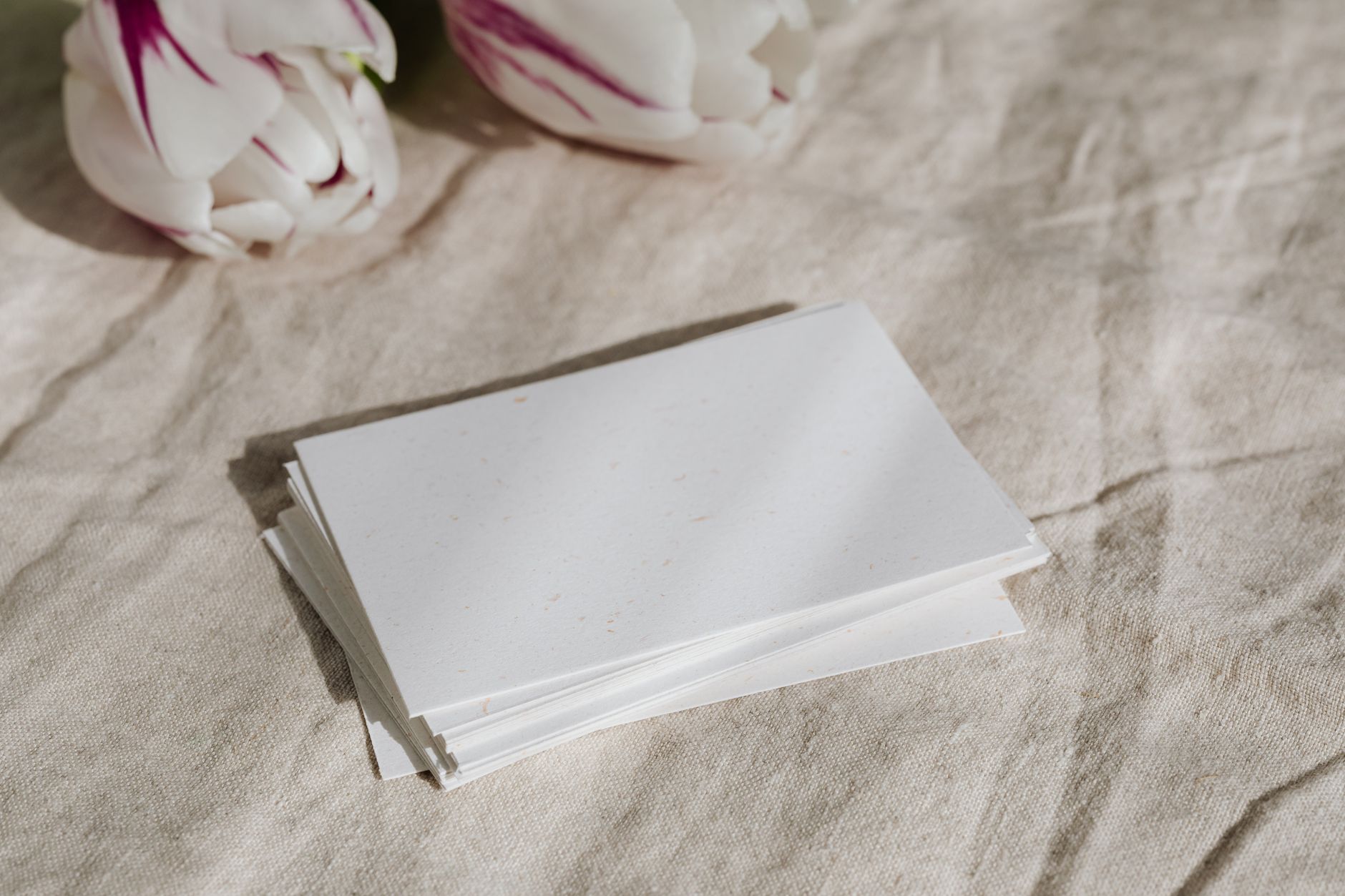
Beautiful Invites, Zero Guilt
Invitation & Stationery in Mahabalipuram
Compostable Invitation Cards in Mahabalipuram
Mahabalipuram's breathtaking Shore Temple backdrop and UNESCO-heritage coastline make it a dream canvas for conscious couples who want every wedding detail to reflect their values. Compostable Invitation Cards let you set that green tone right from the first impression, combining traditional Tamil motifs with planet-friendly materials like seed paper and banana fibre. As zero waste wedding planning gains momentum across Tamil Nadu, eco-friendly wedding invitations have evolved from a niche choice into a sophisticated, emotionally resonant statement that guests genuinely remember and, in many cases, literally plant in their gardens.
Quick Answer
Compostable Invitation Cards are wedding or event invitations made from plant-based materials — seed paper, banana fibre, sugarcane pulp, or recycled cotton — that fully break down in soil without releasing toxins. Many seed-paper variants can be planted after the event to grow herbs or wildflowers. In India, prices typically range from ₹35 to ₹250 per card depending on material, print complexity, and finish. They are an ideal choice for destination and beach weddings in Mahabalipuram.
What Makes Compostable Invitation Cards Different from Regular Cards?
Compostable Invitation Cards are manufactured from certified plant-based substrates — seed paper embedded with wildflower or herb seeds, banana-stem pulp, sugarcane bagasse, or handmade recycled cotton rag — that decompose fully in a home compost bin or garden soil within 90 to 180 days. Standard commercial invitation cards use wood-pulp paper treated with optical brighteners, foil laminates, and UV coatings that can take decades to break down and release microplastics in the process. Biodegradable wedding cards, by contrast, carry no synthetic coatings, use soy or vegetable-based inks, and leave behind only organic matter. For a beach wedding venue near Mahabalipuram, where the Bay of Bengal laps at ancient granite sculptures, this distinction matters enormously — a dropped card on the beach should nourish the sand, not contaminate it. Sustainable invitation stationery also tends to have a distinct tactile warmth — a rough, handcrafted texture that immediately signals intentionality to the recipient and sets the emotional register of your entire wedding experience.
Popular Material Options and What They Cost in Mahabalipuram
Seed paper invitation cards are the most sought-after variant. They are embedded with seeds of marigold, basil, or coriander — all auspicious plants in Tamil culture — so guests can plant the card after reading. Prices for seed paper cards start around ₹80 per card for a single-panel A6 design and can go up to ₹220 per card for a tri-fold with custom block printing. Banana-fibre cards, made from the stem of the banana plant (a byproduct of agriculture in Tamil Nadu), offer a cream, slightly textured finish and cost ₹55–₹150 per card. Sugarcane-pulp cards are the most affordable entry point at ₹35–₹80 per card and suit large guest lists of 300 or more. Handmade paper stationery using recycled cotton or khadi gives a regal, artisanal feel at ₹100–₹250 per card and pairs well with natural dyes and letterpress printing. All these options support zero waste wedding planning goals without compromising on the grandeur expected at a Tamil wedding. When budgeting, factor in envelopes (₹8–₹25 each), belly bands, and inserts for accommodation and venue maps — these add ₹20–₹60 per set.
Why Mahabalipuram Is the Perfect City for a Green Wedding Aesthetic
Mahabalipuram — locally called Mamallapuram — sits on the Coromandel Coast and hosts some of Tamil Nadu's most scenic destination weddings, drawing couples from Chennai, Bengaluru, and beyond. Its open-air mandapams, beachfront resorts, and ancient stone-carved backdrops naturally complement a green wedding Mahabalipuram aesthetic far better than a conventional city banquet hall would. Eco-friendly wedding invitations that carry coastal motifs — the chariot of Arjuna's Penance, temple gopuram patterns, or the rolling Bay of Bengal waves — feel genuinely rooted in this locale rather than generic. Many resort venues here encourage sustainable event practices: minimal plastic décor, locally sourced floral arrangements using marigold and jasmine, and biodegradable wedding cards that align with the property's conservation commitments. Choosing compostable invitation cards in Mahabalipuram is therefore not just an ethical decision — it is a branding decision that tells your guests exactly what kind of celebration they are about to experience, long before they arrive at the venue.
How Do You Customise Compostable Invitation Cards for a Tamil Wedding?
Customisation for Tamil weddings involves three layers: script, motif, and ritual information. Tamil calligraphy or a bilingual Tamil-English format can be printed using soy-based inks on seed paper invitation cards without any loss of legibility. Traditional Kolam border patterns, temple elephant motifs, or Tanjore-style gold foil stamping (using metal-free foil alternatives) are all possible on handmade paper stationery. Ritual details — muhurtham timing, venue directions to specific resort gates in Mahabalipuram, and dress-code notes — need to be carefully laid out in inserts to keep the main card uncluttered. Sustainable invitation stationery vendors typically offer digital proofing within 48–72 hours and physical samples within 5–7 working days. Minimum order quantities usually start at 50 cards for premium handmade variants and 100 cards for seed paper options. For a destination wedding with outstation guests, consider adding a QR code that links to your wedding website — this keeps the card minimal and eliminates the need for multiple paper inserts, further supporting plantable wedding favours and a cohesive zero waste wedding planning strategy. Order at least 8–10 weeks before the wedding to account for proofing and shipping.
What Are the Common Mistakes to Avoid When Ordering Eco Invitations?
The single most common error is leaving insufficient lead time. Compostable invitation cards are handcrafted in small batches — unlike mass-printed cards that can be turned around in four days, seed paper and banana-fibre cards require 3–6 weeks of production after proof approval. Another frequent mistake is not requesting a physical sample before approving a bulk order; ink absorption on handmade paper is different from coated stock, and colours often appear warmer and more muted. Couples sometimes underestimate the total count needed — always add 15–20% buffer for last-minute guest additions and keepsakes. Ignoring moisture sensitivity is also problematic: biodegradable wedding cards must be stored in dry conditions and packed in water-resistant mailers for posting. Finally, choosing a vendor purely on price without verifying material certifications — look for FSC, OK Compost, or ISO 14001 — can mean receiving cards that are merely recycled paper rather than genuinely compostable. On Happiffie, vendor profiles surface these credentials clearly so you can compare with confidence.
Compostable Invitation Card Materials Compared for Mahabalipuram Weddings
Expert Recommendation
Best for Intimate Celebrations (under 75 guests)
Best for Large Guest Lists (300+ guests)
Best for Destination Beach Weddings
Best for Budget-Conscious Couples
Best for Traditional Tamil Weddings
Best for Modern Minimalist Couples
How to Choose the Right Option
✅ Pre-booking Checklist
- Finalise your guest count plus a 15–20% buffer before placing any order
- Request physical material samples from at least two vendors before approving designs
- Confirm the vendor's compostability certification (OK Compost, FSC, or IS 17088)
- Approve a bilingual Tamil-English PDF proof and verify muhurtham timing and all names
- Plan for moisture-proof packaging if posting to outstation guests across India
- Place your order at least 8–10 weeks before the wedding date to allow for production and proofing
- Decide whether you need matching sustainable invitation stationery suite items (envelopes, inserts, RSVP cards)
- Confirm whether a QR-code RSVP will reduce your insert count and further your zero waste goals
🎯 Selection Criteria
- Material certification: verify genuine compostability, not just recycled content
- Print method: soy or vegetable-based inks ensure the finished card remains fully biodegradable
- Minimum order quantity: match vendor MOQ to your guest list to avoid overordering
- Lead time transparency: confirm production, proofing, and delivery timelines in writing
- Customisation depth: check if the vendor supports Tamil script, regional motifs, and custom sizing
- Packaging: ensure delivery packaging is itself eco-friendly and moisture-resistant for Indian monsoon conditions
💰 Cost / Quality Factors
- Material choice is the single largest cost driver — seed paper costs 2–3x sugarcane pulp per card
- Print complexity (one colour vs. multi-colour vs. letterpress) adds ₹15–₹60 per card
- Order volume significantly affects per-unit price — bulk discounts typically activate above 200 units
- Finishing extras (embossing, natural mica ink, wax seals) add ₹20–₹80 per card
- Courier and packaging costs for outstation guests can add ₹30–₹80 per set to the total budget
- Rush production fees apply if ordering fewer than 6 weeks before the event, often adding 20–30% surcharge
⚠️ Common Mistakes to Avoid
- Ordering without a physical sample — screen colours differ significantly from natural-paper print output
- Ignoring lead times and ordering less than 4 weeks before the wedding date
- Choosing a vendor based on price alone without verifying compostability certification
- Underestimating quantities — always order 15–20% more than your confirmed guest count
- Using standard poly-bubble mailers for posting, which negate the eco message of the card
- Neglecting to include clear planting instructions for seed paper variants, reducing guest engagement
People Also Ask
Are compostable invitation cards durable enough to be posted by courier across India?
How do guests plant seed paper invitation cards after the wedding?
What is the minimum order quantity for compostable invitation cards in Mahabalipuram?
Can I get Tamil script printed on eco-friendly wedding invitations?
How much should I budget for compostable invitation cards for 200 guests in Mahabalipuram?
Are there Tamil Nadu-specific eco-certification standards for biodegradable wedding cards?
Can compostable invitation cards include gold or metallic design elements?
How do compostable invitation cards support a zero waste wedding in Mahabalipuram?
Related Experiences on Happiffie
Wear Green, Celebrate Beautiful
Bloom-Worthy Wedding Invites
Box Wedding Cards for Mussoorie Weddings
Green Invites, Mountain Weddings
Beautiful Decor, Zero Guilt
Green Invites, Timeless Memories
Frequently Asked Questions
Where can I source compostable invitation cards for a Mahabalipuram wedding?
Do compostable invitation cards work with traditional Tamil wedding formats that include many inserts?
How do I explain seed paper cards to older relatives who may not be familiar with the concept?
Can I match my compostable invitation cards with other eco-friendly stationery items?
What is the difference between biodegradable and compostable invitation cards?
Are eco-friendly wedding invitations suitable for a formal, large-scale Tamil reception in Mahabalipuram?
How should I store compostable invitation cards before distributing them?
Do vendors on Happiffie offer digital proofs before printing compostable invitation cards?
Key Takeaways
- Compostable Invitation Cards made from seed paper, banana fibre, or sugarcane pulp break down in soil within 90–180 days, leaving no toxic residue — a meaningful choice for Mahabalipuram's coastal ecosystem.
- Seed paper invitation cards that guests can plant after the wedding offer the strongest emotional impact and are ideal for intimate or destination events.
- Pricing ranges from ₹35 per card for sugarcane-pulp options to ₹250 per card for premium handmade cotton-rag stationery — budget accordingly for guest count and finish.
- Always verify vendor certifications (OK Compost, FSC, or IS 17088) before placing bulk orders to ensure genuine compostability, not just recycled content.
- Tamil calligraphy, Kolam motifs, and traditional red-gold colour palettes are all achievable on eco-friendly wedding invitations using soy inks and natural pigments.
- Order 8–10 weeks in advance and request physical samples first — handmade paper absorbs ink differently from coated commercial stock.
- Integrating compostable invitation cards with a QR-code RSVP and plantable wedding favours creates a cohesive, fully realised zero waste wedding planning strategy.
- Happiffie connects Mahabalipuram couples with verified sustainable stationery vendors, making it easy to compare certifications, pricing, and design portfolios in one place.
Find Your Perfect Eco Invitation in Mahabalipuram
Browse verified vendors for Compostable Invitation Cards, compare certifications and pricing, and make a meaningful first impression on every guest — all on Happiffie.
Explore Eco Invitations
Are you a Vendor? Grow Your Business with Happiffie!
- High intent verified leads
- Reverse auction opportunities
- AI business tools & insights
- Dedicated vendor dashboard
- Grow your business, your way
It's free & takes less than 2 minutes!