
Beautiful Decor, Zero Guilt
Decor in Ooty
Zero Waste Decor for Weddings & Events in Ooty
Ooty's misty hills, heritage tea estates, and colonial bungalows are already breathtaking backdrops — the last thing they need is a mountain of plastic flowers and thermocol cutouts. Zero Waste Decor is the conscious choice couples and event hosts are making here, replacing synthetic decorations with sustainable event decor built from fresh blooms, banana leaves, terracotta, jute, and locally sourced greens. Whether you are planning an intimate garden wedding at a heritage property in Kandal or a large mehendi bash in Elk Hill, zero-waste principles keep your celebration beautiful and your low carbon footprint celebration a reality. Happiffie connects you with Ooty's best eco-aware decor specialists who deliver style without compromise.
Quick Answer
Zero Waste Decor refers to event and wedding decoration that eliminates or dramatically reduces non-biodegradable waste. In Ooty, this means using fresh or dried flowers, terracotta props, jute fabric, banana-leaf installations, and potted plants instead of plastic, thermocol, or single-use synthetics. All materials are either composted, donated, or reused after the event, making your celebration eco-responsible without sacrificing visual appeal.
What Exactly Is Zero Waste Decor and Why Does It Matter in Ooty?
Zero Waste Decor is a decor philosophy that ensures every element used at an event can be returned to nature or reused after the celebration ends. In Ooty, this matters more than in most cities. The Nilgiris district sits inside a UNESCO Biosphere Reserve, and local regulations increasingly restrict plastic use in ecologically sensitive zones. When you choose zero-waste principles, your floral centrepieces go to a local temple or community garden the next morning, your jute backdrops are folded and rehired, and your terracotta diyas are gifted to guests as favours. Sustainable event decor therefore is not a trend here — it is a genuine responsibility tied to protecting the landscape that makes Ooty weddings so coveted in the first place. Decorators working in this niche source locally from Ooty's flower market on Commercial Road, bringing down transport emissions and supporting small growers who cultivate marigolds, dahlias, roses, and ferns in surrounding hillside farms.
Popular Materials Used in Eco-Friendly Wedding Decor in Ooty
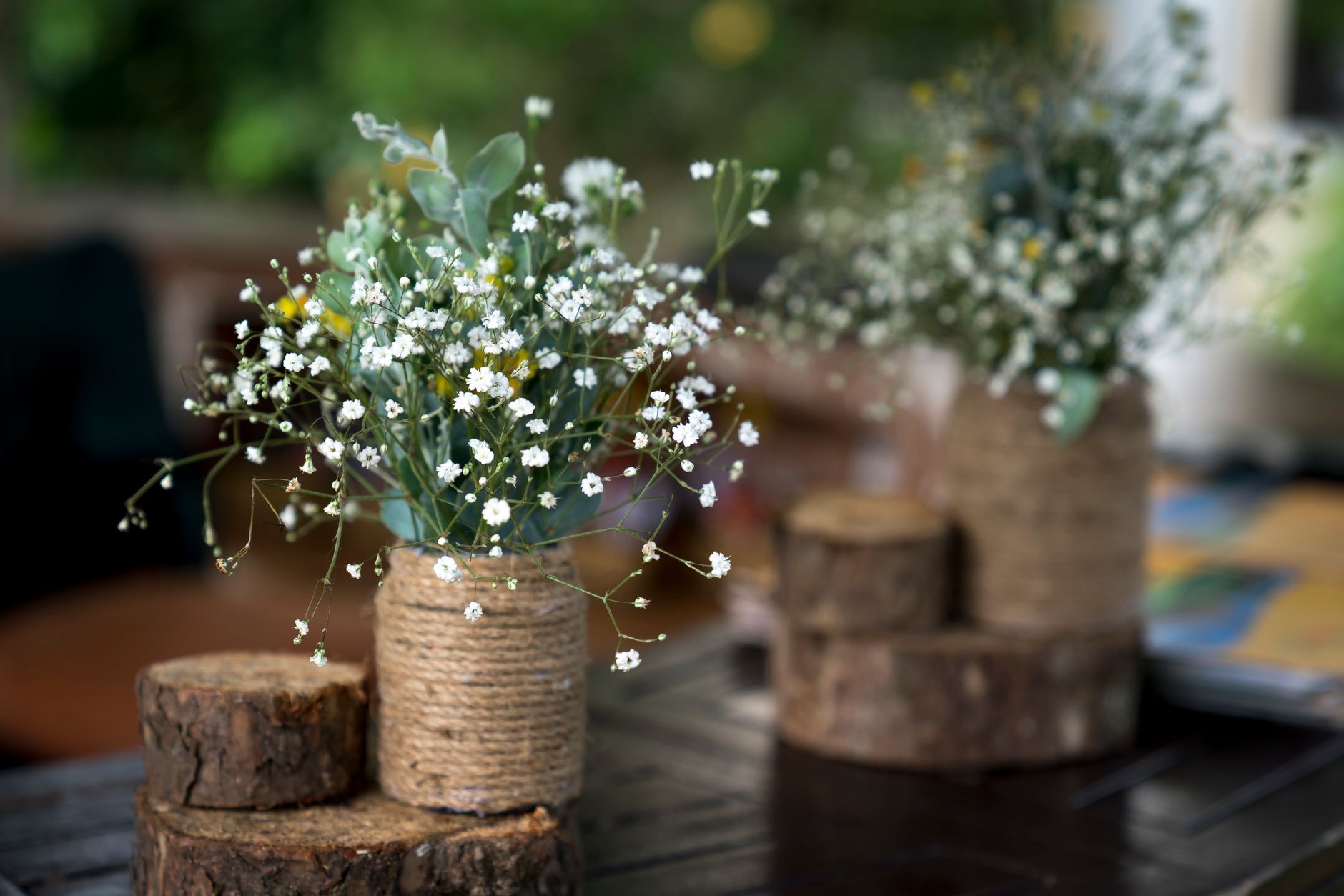
Eco-friendly wedding decor in Ooty draws from a rich palette of natural materials that complement the region's colonial and rustic aesthetic. Fresh marigold strings and white tuberose garlands remain the most popular choice, both abundantly available locally and fully compostable. Banana leaf panels create stunning mandap backdrops that biodegrade within days. Terracotta pots filled with ferns, succulents, or mini-rose bushes double as centrepieces and guest gifts. Dried pampas grass, pine cones collected from the Ooty forests, and eucalyptus sprigs add texture without any ecological cost. Upcycled decor elements such as vintage brass lamps, repurposed wooden crates, and reclaimed window frames are also popular at heritage venue setups in Fernhill and Stonehouse areas. Jute runners, handloom cotton drapes in earthy tones, and clay candle holders round out a palette that is both photogenic and planet-friendly. Unlike artificial flowers, biodegradable floral arrangements never look dated in photographs — their softness and natural colour variation make every frame feel organic and timeless.
How Much Does Zero Waste Decor Cost in Ooty?
Budgeting for Zero Waste Decor in Ooty depends on your guest count, venue size, and the complexity of installations you want. For an intimate gathering of 50-80 guests at a boutique property in Kotagiri or Coonoor, a full eco-friendly decor package typically ranges from Rs 45,000 to Rs 1,10,000. Mid-scale weddings of 150-250 guests at larger Ooty estates can expect to spend Rs 1,20,000 to Rs 2,80,000 for a complete setup covering mandap, entrance, reception tables, and photo-booth zones. Grand celebrations exceeding 400 guests, where elaborate natural venue styling with floral arches, petal carpets, and custom banana-leaf installations is required, may invest Rs 3,50,000 and above. One cost advantage of zero-waste approaches is that potted plants and reusable props like brass urns and wooden pedestals are often rented rather than purchased, keeping expenses lower than comparable synthetic setups. Labour charges in Ooty are generally 15-20% lower than in Chennai or Bengaluru, which makes green wedding planning here surprisingly cost-effective for destination couples.
Choosing the Right Setup: Seasonal and Venue Considerations
Ooty's weather shapes every decor decision. From April to June, dry warm days are ideal for lush fresh floral setups — marigolds, roses, and gerberas bloom abundantly and prices dip. Monsoon months from July to September demand moisture-resilient choices: dried flower arrangements, jute and terracotta installations hold up far better than fresh blooms in high humidity. The peak wedding season from October to February brings cooler temperatures perfect for compostable event materials like wax candles and dried-eucalyptus centrepieces that would wilt in summer humidity. Venue type also determines approach. Heritage bungalows like those near Botanical Gardens suit warm-toned, rustic upcycled decor elements — antique brass, handloom fabrics, clay pots. Outdoor lawns at Elk Hill or Rajah's Cottage properties pair best with tall floral arches and hanging greenery that frame the natural hillscape. Indoor banquet halls benefit from biodegradable floral arrangements as table centrepieces with jute runners to soften the formality. Always confirm with your venue whether composting facilities or green-waste pickup is available post-event — most Ooty heritage properties now accommodate this.
What Should You Ask a Zero Waste Decor Vendor Before Booking?
Finding the right Zero Waste Decor specialist in Ooty requires asking pointed questions beyond just seeing a portfolio. First, ask where their flowers are sourced — ideally within 50 km from the Nilgiris district for genuinely low carbon footprint celebration credentials. Second, confirm their post-event disposal plan: do they compost, donate, or resell, and can they share their process in writing? Third, ask about the ratio of reusable props to single-use materials in your proposed package. A trustworthy green wedding planning vendor can give you a clear percentage. Fourth, check whether fabric backdrops and wooden structures are rented or sold — rented items mean lower waste and often lower cost. Fifth, discuss fragrance-free or low-pollen flower options if guests include elderly family members or children with sensitivities. Finally, ask for a waste audit after your event — some Ooty decor specialists now weigh the post-event compostable waste to show you precisely how little ended up in landfill, which makes for a powerful and shareable story about your celebration.
Zero Waste Decor Setup Types for Ooty Weddings — Side-by-Side Comparison
Expert Recommendation
Best for intimate celebrations (under 80 guests)
Best for destination weddings at heritage estates
Best for large-scale weddings (300+ guests)
Best for budget-conscious couples
Best for traditional South Indian ceremonies
Best for modern, photogenic setups
How to Choose the Right Option
✅ Pre-booking Checklist
- Confirm the venue's policy on open flames (for clay diyas) and composting facilities before finalising decor elements
- Ask the vendor to share a sourcing map — flowers should ideally come from within 50 km of Ooty for genuine eco-credentials
- Request a written post-event waste disposal plan covering composting, donation, and reuse of all materials
- Verify whether prop items (wooden arches, brass urns, jute backdrops) are rented or sold — rented is always preferable for zero-waste goals
- Check seasonal flower availability for your event date and agree on a backup natural material if primary blooms are out of season
- Discuss fragrance-free or low-pollen options for guest comfort, especially in enclosed spaces
- Clarify setup and breakdown timelines — natural material setups often need an extra 1-2 hours for careful dismantling and sorting
- Compare at least three vendor portfolios and ask specifically for photos of post-event cleanup — this reveals their true commitment to sustainability
🎯 Selection Criteria
- Vendor's verified sourcing network within the Nilgiris district — local sourcing is the backbone of genuine zero-waste practice
- Breadth of reusable prop inventory — more rental options means less single-use material in your event
- Demonstrated post-event protocol — composting tie-ups, temple donation records, or verified reuse partners
- Design versatility — ability to blend traditional South Indian decor conventions with zero-waste materials seamlessly
- Transparent itemised quotation that separates rental, fresh material, and labour costs so you can audit waste risk
- Client testimonials specifically mentioning sustainability outcomes, not just aesthetics
💰 Cost / Quality Factors
- Seasonal availability of local flowers directly impacts both cost and freshness — off-season blooms may be sourced from farther, raising the carbon footprint
- Venue size and layout affect the volume of material needed; larger spaces require more props, which increases both cost and complexity of zero-waste management
- Guest count determines centrepiece and table decor volume — more tables mean more floral material to compost or donate post-event
- Complexity of custom installations (arches, hanging terrariums, petal carpets) adds significant labour hours and therefore cost
- Rental versus purchase ratio in the vendor's package is the single biggest lever on both price and actual waste generated
- Weather conditions on event day influence material durability — humidity and rain can accelerate wilting of fresh arrangements
⚠️ Common Mistakes to Avoid
- Assuming 'natural-looking' decor is automatically zero-waste — many artificial eucalyptus or faux botanicals are plastic and not biodegradable at all
- Booking a generic decor vendor without zero-waste expertise and expecting them to improvise a sustainable setup at short notice
- Ignoring post-event logistics — without a clear disposal plan, even the greenest decor ends up in a landfill after the celebration
- Underestimating setup time for natural material installations, which can be more labour-intensive than synthetic alternatives
- Overlooking venue rules around open flames, organic material on lawns, or composting waste on-site — always confirm in writing
- Choosing flowers purely on aesthetics without checking whether they are locally grown, which undermines the low carbon footprint commitment
People Also Ask
Is Zero Waste Decor more expensive than regular decor in Ooty?
Can Zero Waste Decor work for a grand Ooty wedding with 400+ guests?
What happens to the flowers and props after a zero-waste event in Ooty?
Which Ooty venues are most suitable for eco-friendly wedding decor?
Are biodegradable floral arrangements durable enough for full-day events in Ooty?
Can I incorporate traditional South Indian decor elements into a zero-waste setup?
How far in advance should I book a zero-waste decor vendor in Ooty?
What are upcycled decor elements and how are they used in Ooty weddings?
Related Experiences on Happiffie
Sustainable Event Decor Chennai
Build Your Dream Wedding Decor Vision
Gifting Blooms, Crafted with Heart
Light Up Your Big Day in Ahmedabad
Seamless Guest Transit for Indore Weddings
Plan Every Goa Moment, Perfectly
Transform Your Venue with Fabric Magic
Print Materials That Make Events Memorable
Frequently Asked Questions
Is Zero Waste Decor allowed at all Ooty heritage venues?
Where do Ooty zero-waste decor vendors source their flowers?
Can Zero Waste Decor accommodate both Tamil and North Indian wedding rituals in Ooty?
What is the best time of year for eco-friendly wedding decor in Ooty?
Do zero-waste vendors in Ooty handle destination weddings with outstation clients?
How is Zero Waste Decor different from just using fresh flowers?
Can upcycled decor elements be customised for themed Ooty weddings?
What documentation should I get from a zero-waste decor vendor in Ooty?
Key Takeaways
- Zero Waste Decor in Ooty uses fully compostable, reusable, or upcycled materials — fresh flowers, terracotta, jute, and banana leaves — leaving no landfill footprint after your event.
- Ooty's Nilgiris Biosphere Reserve location makes sustainable event decor not just a lifestyle choice but an ecological responsibility aligned with local regulations.
- Costs range from Rs 45,000 for intimate setups to Rs 3,50,000+ for grand weddings, often making eco-friendly wedding decor competitively priced against synthetic alternatives.
- Cool Ooty temperatures (12°C-22°C) extend fresh flower life significantly, making biodegradable floral arrangements practical and durable for full-day events.
- Heritage and garden venues across Fernhill, Elk Hill, Coonoor, and Kotagiri are naturally suited to natural venue styling with minimal additional infrastructure.
- A genuine zero-waste vendor provides a written post-event disposal plan covering composting, donation, and prop reuse — always ask for this before booking.
- Traditional South Indian decor staples — banana stems, marigold torans, clay diyas, rice-flour kolam — are inherently compostable event materials and fully compatible with zero-waste goals.
- Book 3-4 months ahead for peak season (October-February) to secure both vendor availability and adequate natural material sourcing from local Nilgiris growers.
Plan Your Zero Waste Decor in Ooty with Happiffie
Browse curated eco-conscious decor specialists, compare packages, and book confidently for a celebration that honours both your vision and the Nilgiris.
Explore Decor Vendors
Are you a Vendor? Grow Your Business with Happiffie!
- High intent verified leads
- Reverse auction opportunities
- AI business tools & insights
- Dedicated vendor dashboard
- Grow your business, your way
It's free & takes less than 2 minutes!