
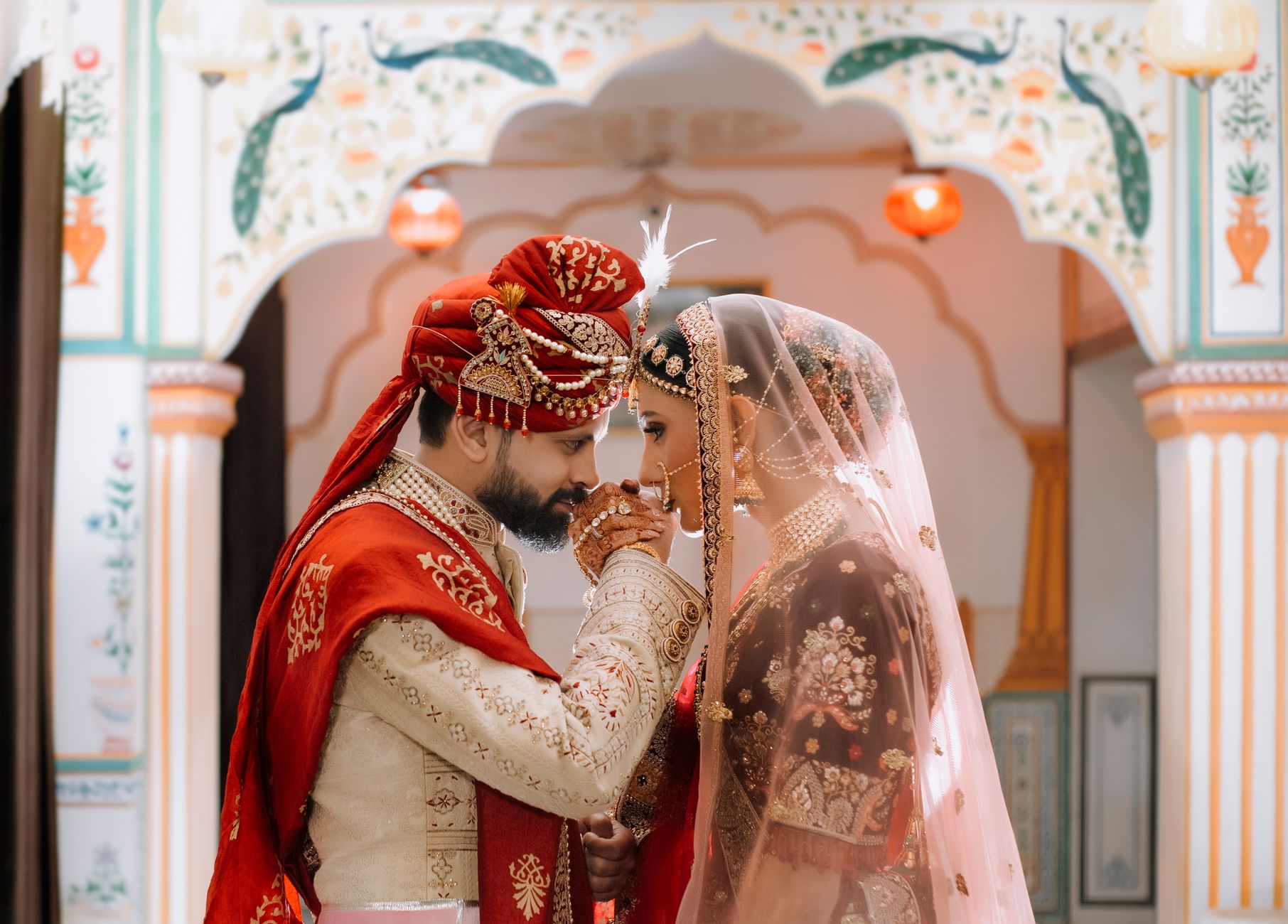
Authentic Gujarati Weddings in Lucknow
Religious cermony in Lucknow
Gujarati Sacred Wedding Collection in Lucknow: Complete Guide
Lucknow's gracious hospitality and rich cultural heritage make it an unexpectedly perfect city for celebrating a Gujarati Sacred Wedding Collection. From the sacred Madhuparka ceremony to the vibrant Garba-infused sangeet, every ritual in a traditional Gujarati wedding ceremony demands meticulous planning, the right vendors, and deeply authentic décor. Happiffie connects Lucknow families with specialists in Gujarati Hindu wedding rituals, ensuring your Saat Phere and Kanyadaan are conducted with complete religious precision. Whether you are planning an intimate home ceremony in Gomti Nagar or a grand celebration at a riverside banquet hall, this guide covers everything — budgets, Indian religious ceremony décor, vendor selection, and common pitfalls — so your sacred day is flawless.
Quick Answer
A Gujarati Sacred Wedding Collection refers to the complete ensemble of rituals, sacred items, décor elements, and ceremonial services that together constitute an authentic Gujarati Hindu wedding. It typically includes the Madhuparka, Kanyadaan, Saat Phere, and Vidaai ceremonies, accompanied by specific pooja samagri, mandap styling, and bridal attire traditions. In Lucknow, such collections can be curated through specialised vendors and religious ceremony planners listed on Happiffie, with packages ranging from ₹1.5 lakh to ₹15 lakh depending on scale and customisation.
What Makes a Gujarati Sacred Wedding Collection Unique?
A Gujarati Sacred Wedding Collection is distinguished by its layered sequence of Vedic rituals, each carrying deep spiritual significance. Unlike many North Indian wedding formats, Gujarati ceremonies place extraordinary emphasis on the Madhuparka — a sacred welcome ritual where the groom is honoured with a mixture of honey and curd before the main ceremony begins. The Kanyadaan, performed by the bride's parents, is another cornerstone of the traditional Gujarati wedding ceremony, often accompanied by Sanskrit shlokas recited by a Gujarati-speaking pandit. The mandap itself follows a specific setup: four banana-leaf pillars, mango-leaf torans, and a central sacred fire. For Lucknow families organising this ceremony, sourcing authentic Gujarati wedding pooja essentials — including kankavati, supari, and specific silver pooja thalis — requires vendors who understand the Gujarat-specific tradition, not a generic North Indian interpretation. Happiffie's curated network in Lucknow ensures every element of the Gujarati Sacred Wedding Collection is procured and placed with cultural accuracy.
Key Rituals and Their Requirements
Planning a Gujarati Hindu wedding ritual sequence demands a clear understanding of the pre-wedding, wedding-day, and post-wedding ceremonies. Pre-wedding rituals include Grah Shanti, Pithi (turmeric ceremony), and Mehendi. The wedding day begins with the Jaan — the groom's procession — followed by the Madhuparka, Kanyadaan, and Saat Phere. Each of these requires specific samagri. The Gujarati bridal trousseau, for example, typically includes a silk Patola or Gharchola saree in deep reds and greens, gold jewellery with kundan work, and a pair of traditional white and red bangles called chuda. Beyond attire, Indian religious ceremony décor for a Gujarati event includes marigold garlands, rangoli in geometric Gujarati patterns, and earthen diyas placed around the mandap perimeter. Families in Lucknow choosing venues in Hazratganj or Aliganj should confirm with their banquet manager that the mandap construction follows the traditional four-pillar structure rather than a generic arch design, since this significantly affects the spiritual integrity of the Saat Phere ritual.
How Much Does a Gujarati Sacred Wedding Collection Cost in Lucknow?
Costs for a Gujarati Sacred Wedding Collection in Lucknow vary considerably based on guest count, venue tier, and the depth of ritual services. For an intimate ceremony of 50-100 guests, a comprehensive package covering pooja samagri, a qualified Gujarati pandit, mandap décor, and basic Gujarati bridal trousseau sourcing typically ranges from ₹1.5 lakh to ₹3.5 lakh. Mid-scale weddings of 200-400 guests, hosted at Lucknow's established banquet halls in areas like Vibhuti Khand or Indira Nagar, generally require ₹5 lakh to ₹9 lakh for a full traditional Gujarati wedding ceremony setup including catering with authentic Gujarati thali options. Grand celebrations exceeding 500 guests, with live dhol-tasha processions, premium Indian religious ceremony décor, and destination wedding planning services for outstation relatives, can reach ₹12 lakh to ₹15 lakh. Always request itemised quotes so you can compare mandap costs, pandit dakshina, and décor separately rather than accepting a bundled number that obscures where your money is going.
Choosing the Right Venue and Vendors in Lucknow
Lucknow offers a diverse range of venues suitable for a Gujarati Sacred Wedding Collection, from the colonial-era heritage havelis near Hazratganj to modern banquet complexes in Gomti Nagar Extension. When evaluating venues, confirm that the hall allows open-fire rituals — essential for the Saat Phere — and provides sufficient ceiling height for a traditional mandap. Vendors for Gujarati wedding pooja essentials are best sourced from suppliers familiar with the specific items used in Gujarat, since generic North Indian pooja samagri kits often omit key items like kankavati or the specific variety of betel nut used in Gujarati rituals. Wedding vendor booking in Lucknow through Happiffie simplifies this process by connecting you with pre-vetted caterers offering Gujarati thali menus, pandits experienced in Gujarat-style ceremonies, and décor specialists who understand Navratri-inspired wedding themes for the sangeet evening. Always book your pandit and mandap decorator at least four to six months in advance, especially for peak wedding seasons between November and February.
What Are the Most Common Mistakes Families Make When Planning This Ceremony?
The most frequently observed mistake is treating a Gujarati Sacred Wedding Collection as interchangeable with a generic North Indian religious ceremony. This leads to incorrect ritual sequences — for instance, skipping the Madhuparka or conducting the Kanyadaan without the correct Sanskrit recitations specific to Gujarati tradition. A second common error is underestimating the logistics of Gujarati bridal trousseau sourcing in Lucknow. Since local markets may not stock Patola or Gharchola sarees readily, families should plan to source these from Surat or Ahmedabad at least three months prior. Another frequent misstep involves neglecting the Navratri-inspired wedding themes that define many Gujarati sangeet nights — failing to arrange a proper Garba space with a central idol of Goddess Amba, which is spiritually integral to the celebration, not merely decorative. Finally, poor coordination between the pandit's ritual timeline and the caterer's service schedule causes ceremony delays, which is especially problematic when auspicious muhurat windows are narrow. Using destination wedding planning services that specialise in Gujarati ceremonies helps synchronise all these moving parts seamlessly.
Gujarati Sacred Wedding Collection Setup Types: A Lucknow Comparison
Expert Recommendation
Best for Intimate Home Ceremonies (Under 75 Guests)
Best for Mid-Scale Banquet Hall Weddings (100-300 Guests)
Best for Grand Celebrations (400+ Guests)
Best for Budget-Conscious Families
Best for Traditional Purist Families
Best for Couples Blending Gujarati and Lucknowi Traditions
How to Choose the Right Option
✅ Pre-booking Checklist
- Confirm your pandit is experienced in Gujarat-specific Sanskrit recitations, not just generic North Indian rituals
- Book the mandap decorator at least four months in advance and share a reference photo of the traditional four-pillar Gujarati style
- Source Gujarati wedding pooja essentials — kankavati, supari, Madhuparka ingredients — at least six weeks before the date
- Verify your venue permits open-fire rituals required for the Saat Phere ceremony
- Order Patola or Gharchola saree for the Gujarati bridal trousseau from Surat or Ahmedabad at least three months prior
- Confirm your caterer can prepare an authentic Gujarati thali including dal dhokli, kadhi, and undhiyu
- Arrange a dedicated Garba floor space and a Goddess Amba idol if planning a Navratri-inspired wedding theme for the sangeet
- Check noise and timing permissions with your Lucknow venue to protect the muhurat window
🎯 Selection Criteria
- Pandit's specific training in Gujarati Hindu wedding rituals and fluency in Gujarati shlokas
- Vendor's demonstrated experience with authentic Gujarati Sacred Wedding Collection sourcing in Lucknow
- Venue's open-fire permission policy and mandap ceiling height adequacy
- Caterer's ability to provide a full Gujarati vegetarian thali menu for all ceremony days
- Decorator's portfolio showing traditional banana-leaf and marigold Gujarati mandap constructions
- Platform transparency in pricing for individual components rather than opaque bundles
💰 Cost / Quality Factors
- Guest count directly scales mandap size, catering volume, and venue cost — the single biggest cost lever
- Season matters: November to February is peak in Lucknow, inflating vendor rates by 20-35 percent
- Sourcing Gujarati ritual items from Gujarat versus locally adds shipping cost but ensures authenticity
- Pandit with Gujarat-specific training commands a higher dakshina — typically ₹15,000 to ₹40,000 — but is non-negotiable for ritual integrity
- Photography packages for a multi-day traditional Gujarati wedding ceremony cost more than single-day shoots; budget ₹80,000 to ₹2.5 lakh
- Décor complexity, especially Indian religious ceremony décor with handmade rangoli and fresh marigold installations, is labour-intensive and quoted separately from floral costs
⚠️ Common Mistakes to Avoid
- Booking a generic North Indian pandit who is unfamiliar with the Madhuparka and Gujarati Kanyadaan sequence
- Assuming local Lucknow markets stock authentic Gujarati wedding pooja essentials — always confirm availability weeks in advance
- Ignoring the Gujarati bridal trousseau sourcing timeline and attempting last-minute purchases that force quality compromises
- Failing to confirm open-fire permissions with the venue before signing the booking contract
- Conflating the Garba sangeet décor with generic Bollywood dance setups — the ritual Goddess Amba centrepiece is spiritually required
- Not building buffer time between ritual blocks, causing muhurat windows to be missed when catering or décor runs late
People Also Ask
What items are included in a Gujarati Sacred Wedding Collection?
Can I organise a Gujarati Hindu wedding ritual in Lucknow if I am not from Gujarat?
How long does a traditional Gujarati wedding ceremony take?
What is the difference between a Gujarati bridal trousseau and a standard North Indian one?
Which Lucknow neighbourhoods are best for hosting a Gujarati Sacred Wedding Collection?
How early should I book vendors for a Gujarati wedding in Lucknow?
Is a Garba or Navratri-inspired theme appropriate for a wedding sangeet in Lucknow?
What is the Madhuparka ritual and why is it important in a Gujarati Sacred Wedding Collection?
Related Experiences on Happiffie
Hindu Wedding Rituals Explained
Sacred Supplies for Your Mumbai Wedding
Sacred Pooja Supplies for Gujarati Weddings
Vijayawada's Finest Bridal Trousseau Stylists
Find Top Wedding Entertainment in Nainital
Dream Weddings in the Hills of Shimla
Sacred Car Decor for Surat Weddings
Celebrate Your Roots in Royal Style
Frequently Asked Questions
What exactly does a Gujarati Sacred Wedding Collection include when booked through Happiffie in Lucknow?
Are there Gujarati-speaking pandits available for religious ceremonies in Lucknow?
Can the Gujarati Sacred Wedding Collection be customised for a fusion Gujarati-Lucknowi wedding?
Which Lucknow venues are best suited for the open-fire Saat Phere ritual in a Gujarati wedding?
How is Gujarati wedding food different from standard Lucknowi wedding catering?
What is the ideal guest count for an authentic Gujarati Sacred Wedding Collection in Lucknow?
How far in advance should I book the full Gujarati Sacred Wedding Collection package in Lucknow?
What is the significance of the Gharchola saree in a Gujarati Sacred Wedding Collection?
Key Takeaways
- A Gujarati Sacred Wedding Collection is a complete system of rituals, attire, décor, and samagri — not a single product or service — requiring coordinated specialist vendors.
- Lucknow offers suitable venues across Gomti Nagar, Hazratganj, and Indira Nagar, but open-fire permission must be verified before booking.
- Authentic Gujarati Hindu wedding rituals require a pandit specifically trained in Gujarat traditions; generic North Indian pandits frequently omit key ceremonies like Madhuparka.
- The Gujarati bridal trousseau, especially Patola or Gharchola sarees, must be sourced from Gujarat at least three months in advance.
- Costs in Lucknow range from ₹1.5 lakh for intimate ceremonies to ₹15 lakh for grand multi-day celebrations, with season and guest count as the primary drivers.
- A Navratri-inspired wedding theme for the sangeet is culturally authentic and increasingly popular, requiring a dedicated Garba floor and a Goddess Amba idol at the centre.
- Using Happiffie for wedding vendor booking in Lucknow ensures access to pre-vetted specialists in Gujarati sacred ceremonies, reducing coordination risk significantly.
Plan Your Gujarati Sacred Wedding Collection in Lucknow
Connect with Happiffie's pre-vetted Gujarati wedding specialists — from trained pandits and authentic décor to Gujarati thali caterers — all in one place.
Explore Lucknow Vendors
Are you a Vendor? Grow Your Business with Happiffie!
- High intent verified leads
- Reverse auction opportunities
- AI business tools & insights
- Dedicated vendor dashboard
- Grow your business, your way
It's free & takes less than 2 minutes!