
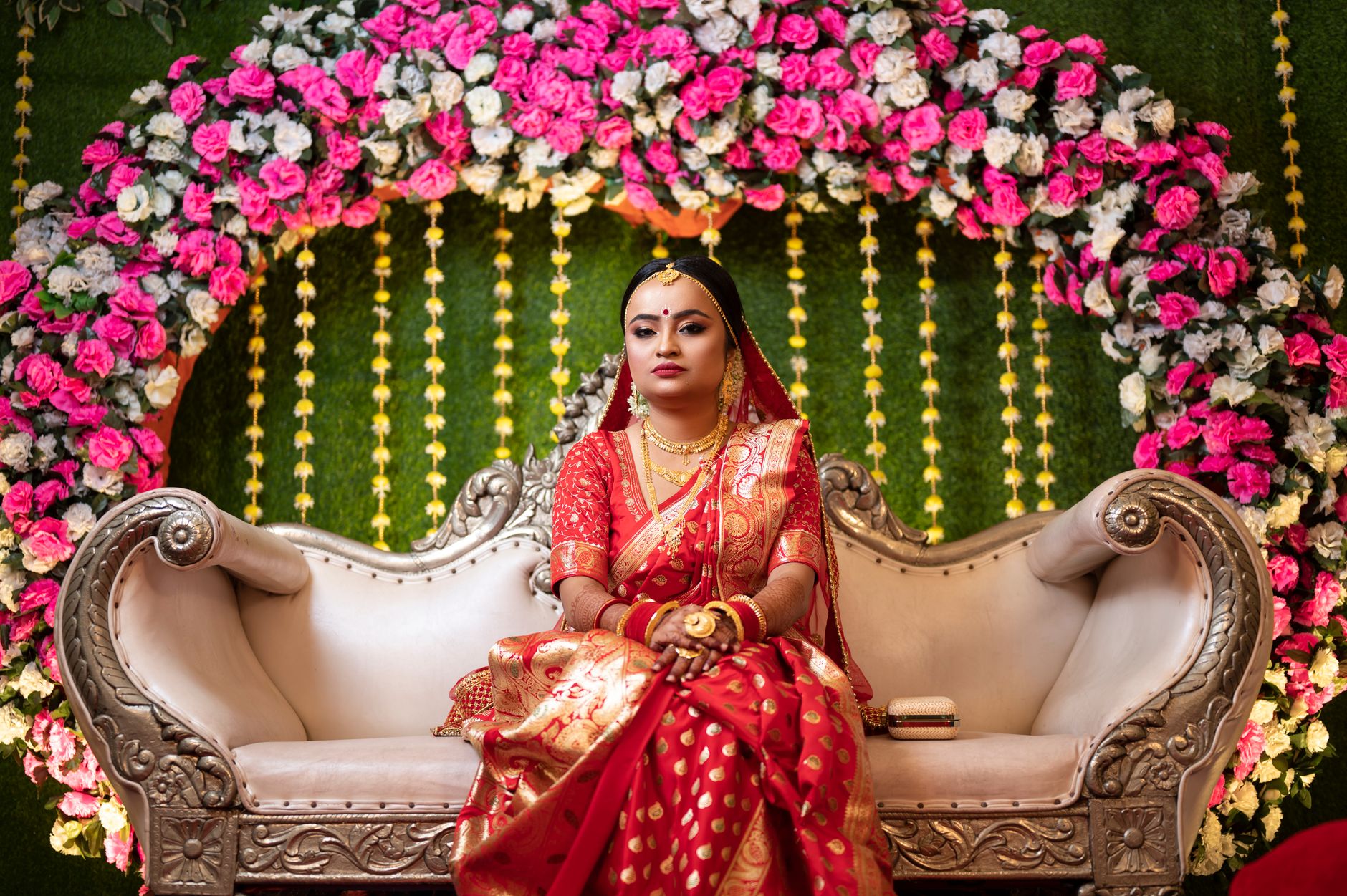
Jain Wedding Rituals Done Right in Kolkata
Religious cermony in Kolkata
Jain Marriage Ritual Essentials: Complete Guide for Kolkata Weddings
Planning a Jain wedding in Kolkata means far more than booking a beautiful venue — it means honouring centuries-old Digambara or Shvetambara traditions with every sacred object in its rightful place. Jain Marriage Ritual Essentials form the spiritual backbone of the entire ceremony, from the Saptapadi to the Laja Homa, and sourcing them correctly in a city like Kolkata demands local knowledge. Whether you are arranging Jain vivah samagri for an intimate gathering at a Bhowanipore dharamshala or a grand celebration at a Salt Lake convention centre, understanding what each item represents — and where to find it — ensures your rituals are both religiously authentic and logistically seamless. Happiffie connects Kolkata families with verified religious ceremony specialists who respect the Jain wedding budget planning process while delivering devotional precision.
Quick Answer
Jain Marriage Ritual Essentials are the sacred objects, materials, and ceremonial items required to perform a traditional Jain wedding. They typically include the Mangal Kalash, Nariyal, Supari, turmeric, rice, sacred thread (Mangalsutra), agarbatti, ghee diya, flowers, and sectarian texts or mantras specific to Digambara or Shvetambara traditions. In Kolkata, these can be sourced from Jain community trusts, Burrabazar shops, or through Happiffie-listed religious ceremony vendors who curate complete samagri kits.
What Are Jain Marriage Ritual Essentials and Why Do They Matter?
Jain Marriage Ritual Essentials are not merely decorative props — they are spiritually mandated objects whose presence, placement, and use are governed by Agamic scripture. A Jain wedding ceremony centres on non-violence (Ahimsa), truthfulness (Satya), and cosmic balance, and every material used in the ritual must reflect those values. Jain wedding ceremony items therefore exclude animal-derived products such as silk in many Shvetambara households and must be sourced with awareness of sectarian customs. In Kolkata, the Jain community is concentrated largely around Burrabazar, Rabindra Sarani, and parts of North Kolkata, where specialised shops have served wedding families for generations. The Mangal Kalash (auspicious pot filled with water, mango leaves, and coconut) anchors most Jain vivah ceremonies, symbolising abundance. The sacred fire (Agni), though used in some traditions, is tended with strict adherence to non-injury. Understanding the distinction between Digambara and Shvetambara requirements is the single most important first step for any Kolkata family planning a Jain ceremony.
Core Jain Vivah Samagri: Item-by-Item Breakdown
Jain vivah samagri can be broadly divided into five categories: purification items, offering materials, binding symbols, auspicious grains, and deity-specific items. Purification items include Gangajal or pure water, raw turmeric (haldi), and kumkum. Offering materials encompass unbroken rice (akshat), seasonal flowers, dry fruits, and coconut. Binding symbols are the most emotionally significant — the Mangalsutra, the sacred thread exchanged during the Phere, and the groom's sehra made of marigolds or artificial flowers in Ahimsa-compliant households. Auspicious grains such as whole wheat, moong dal, and sesame seeds are used during Laja Homa. Deity-specific items differ: Shvetambara families often arrange a miniature Tirthankara idol with abhishek (ritual bathing) materials, while Digambara ceremonies may include specific coloured cloth offerings. Jain shaadi pooja items in Kolkata are available in curated kit formats from community trusts near Pareshnath Temple in Shyambazar — a landmark Jain pilgrimage site within the city. Budgets for a complete samagri kit range from INR 3,000 for a basic set to INR 15,000 for premium, idol-inclusive packages.
How Does the Jain Wedding Ceremony Sequence Flow in Kolkata?
A traditional Jain wedding in Kolkata typically unfolds across two to three days, beginning with the Griha Shanti puja performed at the family home or dharamshala. On Day One, the Tilak or Sagaai ceremony formalises the alliance; Jain wedding ceremony items needed here include a silver thali, kumkum, rice, and sweets prepared without root vegetables. Day Two brings the Haldi and Pithi rituals, where turmeric paste is applied with coconut oil and sandalwood — eco-friendly wedding rituals that align perfectly with Jain environmental values. The main wedding day starts with the Baraat reception, moves through the Jaimala (garland exchange), and culminates in the Vivah Vidhi — the central Jain marriage ceremony where the Saptapadi (seven steps) and Laja Homa take place around the sacred fire. Traditional Jain marriage supplies must be arranged in the correct sequence and quantity before the ceremony begins, so working with a knowledgeable pandit or Jain Acharya is essential. Many Kolkata Jain families host the Vivah Vidhi at Marwari community halls in Rabindra Sarani or in South Kolkata banquet hall weddings that offer dedicated Jain ceremony coordination rooms.
Jain Wedding Budget Planning: What Should You Expect to Spend?
Jain wedding budget planning in Kolkata varies significantly based on guest count, sectarian requirements, and the formality of the ceremony. For an intimate gathering of 50 to 100 guests at a dharamshala in Bhowanipore, the complete Jain Marriage Ritual Essentials — including pandit dakshina, samagri, and flower arrangements — typically costs between INR 25,000 and INR 60,000. For mid-size weddings of 200 to 400 guests at a banquet hall in New Town or Rajarhat, factor in INR 80,000 to INR 1.8 lakh for ritual services alone. Large celebrations of 500 or more guests, especially at premium South Kolkata banquet hall weddings, can see ritual budgets reach INR 2.5 lakh to INR 4 lakh when premium floral mandap designs, full idol abhishek sets, and multiple Jain Acharyas are engaged. Traditional Jain marriage supplies cost less when purchased directly from community trusts but require more coordination effort. Happiffie-listed vendors offer bundled packages that include delivery, arrangement, and post-ceremony cleanup, making them cost-effective for working families.
Why Choose Happiffie to Source Jain Marriage Ritual Essentials in Kolkata?
Happiffie is built specifically for the Indian wedding market, which means the platform understands the nuance of sourcing Jain Marriage Ritual Essentials that comply with Ahimsa principles while fitting a realistic Kolkata wedding budget. Every religious ceremony vendor listed on Happiffie is verified and reviewed by real families — no fabricated ratings, no anonymous listings. You can filter vendors by sect (Shvetambara or Digambara), by district (North Kolkata, South Kolkata, Salt Lake, Rajarhat), and by price band. The platform also connects you with Jain pandits and Acharyas who are experienced in conducting Kolkata wedding religious ceremony rituals with the correct mantras and timings. For couples prioritising eco-friendly wedding rituals, Happiffie flags vendors who supply biodegradable flower garlands, clay diyas, and chemical-free haldi pastes. Whether your family needs a simple Jain shaadi pooja items kit or a full-service religious ceremony coordination package, Happiffie makes discovery, comparison, and booking straightforward — all in one trusted marketplace.
Jain Marriage Ritual Essentials: Setup Options Compared for Kolkata Weddings
Expert Recommendation
Best for intimate family ceremonies
Best for large Kolkata banquet hall weddings
Best for eco-conscious couples
Best for Shvetambara families
Best for destination-style celebrations
Best for budget-conscious families
How to Choose the Right Option
✅ Pre-booking Checklist
- Confirm your sect (Digambara or Shvetambara) and obtain a sect-specific samagri list from your Acharya
- Book your Jain pandit or Acharya at least 3 months in advance, especially for peak season dates
- Verify that all Jain wedding ceremony items are free of animal-derived materials (silk, leather, non-vegetarian dyes)
- Cross-check the venue's mandap dimensions so the Kalash, fire setup, and seating align with ritual requirements
- Arrange biodegradable or eco-friendly alternatives for diya, flowers, and packaging if prioritising Ahimsa-compliance
- Confirm delivery timelines with your Happiffie vendor at least one week before the wedding date
- Prepare a checklist of quantities — rice, flowers, ghee, supari — based on the number of ritual rounds performed
- Brief your family helpers on item placement so the ceremony flows without interruption
🎯 Selection Criteria
- Sectarian accuracy: does the vendor supply Digambara or Shvetambara-specific items as needed
- Ahimsa compliance: are all materials plant-based and cruelty-free
- Vendor reliability: do they have verified reviews from Kolkata Jain families on Happiffie
- Delivery coverage: can they reach your specific venue neighbourhood on time
- Customisation: can they adjust kit quantities and add premium items like idol sets or embroidered thalis
- After-service: do they handle post-ceremony disposal in an environmentally responsible manner
💰 Cost / Quality Factors
- Guest count directly affects the quantity of akshat, flowers, and ghee needed — under-ordering is the most common mistake
- Premium Tirthankara idol sets and silver thalis can add INR 5,000 to INR 20,000 to the samagri budget
- Pandit or Acharya fees in Kolkata range from INR 5,000 to INR 25,000 depending on ceremony duration and reputation
- Venue type (dharamshala vs banquet hall) affects mandap setup costs and logistics complexity
- Peak wedding season (November to February) inflates prices for both samagri kits and Acharya availability
- Eco-friendly alternatives may cost 10 to 20 percent more but align with Jain values and reduce post-event waste
⚠️ Common Mistakes to Avoid
- Sourcing generic Hindu pooja items without checking for Jain-specific ritual distinctions
- Forgetting to confirm whether the venue permits an open sacred fire or requires a gas-based alternative
- Ordering samagri quantity based on total guests rather than the number of ritual participants
- Booking an Acharya unfamiliar with your specific sect, leading to incorrect mantras or ceremony sequencing
- Neglecting to arrange a backup supply of key items like kumkum, akshat, and diyas for multi-day ceremonies
- Overlooking Jain wedding budget planning for ritual expenses and reallocating that budget to decor at the last minute
People Also Ask
What items are absolutely necessary for a Jain wedding ceremony?
Where can I buy Jain vivah samagri in Kolkata?
How is a Jain wedding different from a Hindu wedding in terms of rituals?
Can I plan an eco-friendly Jain wedding in Kolkata?
How much does a Jain wedding ceremony cost in Kolkata?
Do Digambara and Shvetambara Jain weddings need different samagri?
Which areas of Kolkata are best for Jain wedding venues?
How early should I book a Jain pandit for a Kolkata wedding?
Related Experiences on Happiffie
Jain Turmeric Ceremony Items, Raipur
Jain Vivah Samagri in Kochi
Jain Wedding Pooja Items in Coimbatore
Sacred Jain Wedding Essentials, Munnar
Your Sacred Wedding Bible Starts Here
Wear Green, Celebrate Beautiful
Dream Weddings in Mussoorie's Finest Halls
Jaipur Fusion Weddings Done Right
Frequently Asked Questions
What makes Jain Marriage Ritual Essentials different from standard Hindu pooja samagri in Kolkata?
Is it possible to conduct Jain shaadi pooja items rituals at a non-Jain banquet hall in Kolkata?
How do I find a Shvetambara Jain Acharya for a wedding ceremony in Kolkata?
Can Jain Marriage Ritual Essentials be delivered to venues outside central Kolkata?
What is the ideal timeline for sourcing traditional Jain marriage supplies before the wedding date?
Are there community organisations in Kolkata that assist with Jain wedding ceremony planning?
How many Phere (rounds) are traditionally performed in a Jain Saptapadi in Kolkata?
Can I mix Jain and Rajasthani Marwari customs in a Kolkata wedding ceremony?
Key Takeaways
- Jain Marriage Ritual Essentials must align with your sect — Digambara and Shvetambara ceremonies differ in key items and mantras
- Core Jain vivah samagri includes Mangal Kalash, akshat, kumkum, coconut, sacred thread, ghee diya, and seasonal flowers
- Kolkata's Burrabazar, Shyambazar Pareshnath Temple precinct, and Happiffie-listed vendors are the primary sourcing options
- Ceremony budgets range from INR 25,000 for intimate dharamshala weddings to INR 4 lakh for large banquet hall events
- Eco-friendly wedding rituals are a natural fit for Jain values — biodegradable and plant-based alternatives are widely available in Kolkata
- Book your Acharya and samagri vendor at least three months ahead during peak season (November to February)
- Happiffie lets you filter verified vendors by sect, neighbourhood, and budget for complete peace of mind
- Every item in the samagri list carries spiritual significance — work with a knowledgeable Acharya to ensure nothing is missed
Find Trusted Jain Wedding Ritual Vendors in Kolkata
Browse verified religious ceremony specialists on Happiffie — filter by sect, neighbourhood, and budget to plan your perfect Jain vivah.
Explore Vendors Now
Are you a Vendor? Grow Your Business with Happiffie!
- High intent verified leads
- Reverse auction opportunities
- AI business tools & insights
- Dedicated vendor dashboard
- Grow your business, your way
It's free & takes less than 2 minutes!