
Bless Your Big Day in Kodaikanal
Religious cermony in Kodaikanal
Sacred Ceremony Kit for Weddings in Kodaikanal
Nestled in the Palani Hills at over 2,100 metres above sea level, Kodaikanal offers a rare spiritual atmosphere that elevates every wedding rite. A well-curated Sacred Ceremony Kit ensures that every mangal sutra, agni kund, and sacred thread is in place exactly when the pandit calls for it — no last-minute scrambles on your most important day. Whether you are planning an intimate Tamil Brahmin ceremony on a misty estate lawn or a grand multi-day celebration at a lakeside resort, sourcing the right traditional wedding ritual set in advance is the single most impactful preparation you can make. Pair it with thoughtful hill station wedding decor and your Kodaikanal wedding will feel both rooted in tradition and breathtakingly beautiful.
Quick Answer
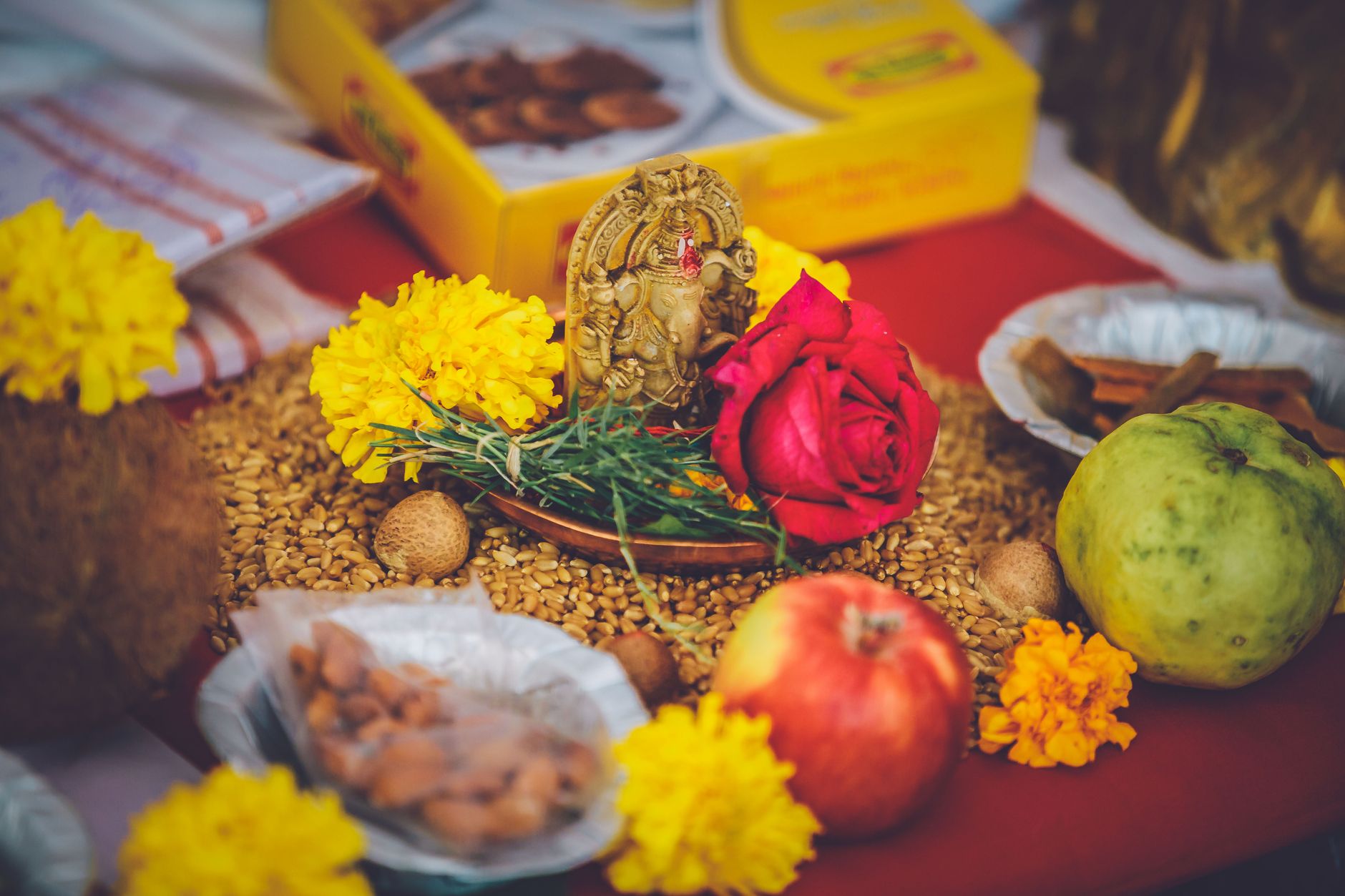
A Sacred Ceremony Kit is a curated collection of all ritual items required for a Hindu or other religious wedding ceremony — including pooja samagri, sacred threads, camphor, kumkum, brass diyas, coconuts, and ceremony-specific items like mangal sutra holders or saptapadi accessories. In Kodaikanal, these kits are typically assembled by local vendors or sourced from Coimbatore or Madurai and delivered to your venue, ensuring every religious ceremony essential is available before the muhurta begins.
What Does a Sacred Ceremony Kit Include for a Kodaikanal Wedding?
A complete Sacred Ceremony Kit for a Kodaikanal wedding typically contains three broad categories of items. The first is the pooja samagri package — camphor tablets, agarbatti, kumkum, turmeric, vibhuti, rice grains, betel leaves, and areca nuts. The second layer includes structural ritual items: brass or copper kalasam, coconuts with intact tuft, banana leaves, and clay or metal diyas. The third and most personalised layer covers ceremony-specific accessories such as the saptapadi plank, the mangal sutra tray, sacred thread (kankana dharana), and flower garlands in jasmine or marigold. Because Kodaikanal sits at altitude, humidity is lower in summer but misty and damp from June to September. Vendors who understand local conditions will wrap camphor and matchboxes in moisture-proof pouches — a small but critical detail that prevents ceremony delays. Always request a typed inventory list so your pandit can verify completeness at least 24 hours before the wedding.
Why Kodaikanal's Altitude and Climate Shape Your Ceremony Choices
Kodaikanal's cool, misty climate is magical for photographs but genuinely challenging for outdoor fire rituals. The agni (sacred fire) at the heart of any Hindu wedding needs consistent oxygen and dry fuel — both of which can be hard to maintain during monsoon mornings near the lake or Bryant Park end of town. A high-quality traditional wedding ritual set should therefore include wind-resistant brass agni kunds, extra dry coconut shells as kindling, and a small weather canopy if your ceremony is al fresco. Venues on the Coaker's Walk side of town tend to have more wind exposure; estates near Berijam or the quieter Mannavanur road are naturally more sheltered. Religious ceremony essentials like camphor and dry flowers should be kept inside the venue until the very last moment. Discuss micro-climate details with your pandit and venue coordinator well before the big day. Eco-friendly ceremonial items — biodegradable flower confetti, clay diyas, and natural dye rangoli powders — are increasingly preferred by Kodaikanal venues that follow responsible tourism guidelines.
How Much Does a Sacred Ceremony Kit Cost in Kodaikanal?
Pricing for a Sacred Ceremony Kit in Kodaikanal varies with guest count, ritual complexity, and sourcing location. A basic pooja samagri package for an intimate ceremony of 30-50 guests typically ranges from INR 3,500 to INR 7,000. A mid-tier kit covering full saptapadi, haldi, and mehendi rituals for 100-200 guests costs INR 12,000 to INR 25,000. Large multi-day celebrations with 300-plus guests and elaborate rituals such as vratham, nichayathartham, and kashi yatra can push the traditional wedding ritual set budget to INR 40,000 or more. Sourcing from Coimbatore or Dindigul (the nearest wholesale markets) and having items transported to Kodaikanal adds a delivery charge of INR 800 to INR 2,500 depending on order size. Local vendors in the Kodaikanal main bazaar stock basic religious ceremony essentials year-round, but specialty items must be pre-ordered at least two weeks ahead, especially during peak season from October to February. Budget-conscious couples can trim costs by choosing clay kalasam over brass and reusing decor flowers for the ceremony tray — without compromising ritual sanctity.
Choosing Between a Pre-Assembled Kit and a Custom-Built Ritual Set
Pre-assembled Sacred Ceremony Kits are convenient and designed around standard Tamil, Telugu, or Kannada wedding protocols. They arrive boxed, labelled by ritual sequence, and checked against a pandit-approved list. The limitation is inflexibility: if your family follows a specific regional sub-tradition — say, Mudaliar or Iyengar customs with unique ritual items — a generic kit may be missing two or three key elements. A custom-built pooja samagri package, assembled in consultation with your family pandit, eliminates guesswork and honours your exact lineage practices. Happiffie vendors on the platform can help you build either option. When reviewing your destination wedding checklist, mark ritual items as a separate category from decor and catering so nothing gets overlooked in the overall planning rush. The best approach for most couples is a hybrid: start with a pre-assembled base kit and add custom items on top — this balances speed with personalisation and keeps costs predictable.
What Are the Most Common Mistakes Couples Make When Sourcing Ceremony Kits in Kodaikanal?
The single most frequent mistake is treating the Sacred Ceremony Kit as a last-minute errand. Kodaikanal is a remote hill station — specialty ritual items are not available at every shop on Club Road. Couples who assume they can buy everything locally on the wedding morning often face shortages of items like specific silver coins, silk threads, or particular varieties of tulsi leaves. A second common error is not sharing the kit contents with the pandit in advance: even one missing item can stall a muhurta. Third, couples overlook eco-friendly ceremonial items restrictions at certain Kodaikanal nature resorts that prohibit synthetic flowers, plastic packaging, or chemical dyes on their grounds. Always read the venue's vendor and decor policy. Finally, some families conflate Kodaikanal wedding planning logistics — transport, accommodation — with ritual planning, leaving the ceremony kit unassigned to any one responsible person. Designate a ritual coordinator, ideally a family elder or the pandit's assistant, to own this checklist end-to-end.
Sacred Ceremony Kit Options for Kodaikanal Weddings: A Practical Comparison
Expert Recommendation
Best for Intimate Ceremonies (Under 50 Guests)
Best for Large Multi-Day Weddings (200+ Guests)
Best for Budget-Conscious Couples
Best for Eco-Conscious Couples
Best for Destination Weddings from Out of State
Best for Traditional Community-Specific Rituals
How to Choose the Right Option
✅ Pre-booking Checklist
- Share your community's complete ritual list with the pandit and vendor at least four weeks before the wedding.
- Confirm whether your Kodaikanal venue restricts synthetic flowers, chemical dyes, or plastic packaging.
- Verify that the Sacred Ceremony Kit includes weather-appropriate items — wind-resistant agni kund for outdoor or monsoon ceremonies.
- Request a typed, sequenced inventory so items can be laid out in ritual order on the wedding morning.
- Arrange a dedicated ritual coordinator — a family elder or pandit's assistant — to own the kit on the day.
- Confirm delivery access and storage facilities at your venue at least one week before the ceremony date.
- Book specialty items like specific silver coins, rare incense, or custom vessels at least six to eight weeks in advance.
- Cross-reference the kit contents against your destination wedding checklist to ensure nothing falls between planning categories.
🎯 Selection Criteria
- Community Alignment: Does the kit match your specific caste or regional sub-tradition requirements?
- Vendor Experience: Has the vendor supplied weddings at Kodaikanal hill venues before, understanding climate and access constraints?
- Pandit Approval: Has a qualified pandit reviewed and signed off on the kit contents before dispatch?
- Eco-Compliance: Are eco-friendly ceremonial items available if your venue mandates sustainable materials?
- Inventory Transparency: Does the vendor provide a detailed, item-by-item packing list with the order?
- Flexibility: Can the vendor accommodate last-minute add-ons or substitutions if a specific item is unavailable?
💰 Cost / Quality Factors
- Guest Count: Larger weddings require proportionally more consumables — camphor, flowers, and rice — driving kit costs up significantly.
- Number of Rituals: A single-ceremony wedding costs far less than a multi-day event covering haldi, nichayathartham, and the main wedding.
- Material Quality: Brass over clay, fresh flowers over artificial, and organic kumkum all increase cost but improve ritual authenticity.
- Sourcing Distance: Coimbatore and Madurai sourcing adds delivery charges; local Kodaikanal bazaar sourcing reduces cost for basic items.
- Season and Demand: October-to-February peak season may add 10-20 percent to vendor pricing due to high demand.
- Customisation Depth: Community-specific add-ons like lotus flowers, specific silk threads, or engraved vessels carry premium pricing.
⚠️ Common Mistakes to Avoid
- Treating the Sacred Ceremony Kit as a last-minute errand — specialty items are not reliably available in Kodaikanal's local market.
- Not sharing the kit inventory with the pandit in advance, risking a missing item that delays the muhurta.
- Ignoring venue eco-policies that prohibit synthetic or plastic ritual materials on Kodaikanal nature properties.
- Assigning kit responsibility to no one specific — always designate a single ritual coordinator to own this task end-to-end.
- Underestimating weather impact — outdoor fire rituals need wind-resistant equipment and dry kindling in Kodaikanal's misty conditions.
- Conflating decor and ceremony budgets — religious ceremony essentials should have their own dedicated budget line to prevent underspending.
People Also Ask
Can I get a Sacred Ceremony Kit delivered to my Kodaikanal venue?
What is included in a standard pooja samagri package for a South Indian wedding?
How early should I book a Sacred Ceremony Kit for a Kodaikanal destination wedding?
Are eco-friendly ceremonial items available for weddings in Kodaikanal?
Can a Hindu sacred ceremony kit be customised for a Tamil Brahmin or Iyengar wedding?
What is the difference between a traditional wedding ritual set and a pooja samagri package?
Do Kodaikanal venues provide any religious ceremony essentials, or must couples bring everything?
How does monsoon season affect outdoor fire rituals in Kodaikanal?
Related Experiences on Happiffie
Gujarati Vivah Supplies, Ooty
Authentic Malayalam Weddings in Kolkata
Complete Pooja Samagri for Indore Weddings
Kerala Ceremony Essentials, Chennai
Dream Weddings on Mussoorie Hills
Wed Amid the Mussoorie Clouds
Wear Green, Celebrate Beautiful
Seamless Guest Transit for Indore Weddings
Frequently Asked Questions
What is a Sacred Ceremony Kit and why is it important for a Kodaikanal wedding?
Which neighbourhoods or areas in Kodaikanal are best for outdoor religious ceremonies?
Can I use a Sacred Ceremony Kit for non-Hindu religious ceremonies in Kodaikanal?
How do I verify that my pooja samagri package is complete before the wedding day?
Are there vendors in Kodaikanal who specialise in traditional wedding ritual sets?
What eco-friendly ceremonial items can replace conventional ritual supplies in Kodaikanal?
How far in advance should I finalise my Sacred Ceremony Kit for a peak-season Kodaikanal wedding?
Can Happiffie help me find vendors for a Sacred Ceremony Kit in Kodaikanal?
Key Takeaways
- A Sacred Ceremony Kit is a non-negotiable foundation for any religious wedding in Kodaikanal, covering everything from pooja samagri to saptapadi accessories.
- Kodaikanal's altitude, mist, and seasonal monsoon require weather-adapted kit components including wind-resistant agni kunds and moisture-proof packaging.
- Pricing ranges from INR 3,500 for a basic intimate-ceremony kit to INR 45,000 or more for multi-day, multi-ritual large weddings.
- Specialty items must be pre-ordered four to eight weeks in advance; local bazaar stock covers basics only.
- A hybrid approach — pre-assembled base kit plus custom community-specific add-ons — offers the best balance of convenience and ritual accuracy.
- Eco-friendly ceremonial items are increasingly mandatory at Kodaikanal's nature resorts and reflect responsible tourism values.
- Always assign one dedicated ritual coordinator to manage the kit on the wedding day and verify contents with the pandit at least 24 hours before the ceremony.
- Happiffie connects couples with verified vendors experienced in supplying religious ceremony essentials to Kodaikanal hill venues.
Book Your Sacred Ceremony Kit for Kodaikanal
Connect with verified vendors on Happiffie who specialise in delivering complete religious ceremony essentials to Kodaikanal's hill venues — on time, every ritual, every detail.
Find Vendors Now
Are you a Vendor? Grow Your Business with Happiffie!
- High intent verified leads
- Reverse auction opportunities
- AI business tools & insights
- Dedicated vendor dashboard
- Grow your business, your way
It's free & takes less than 2 minutes!