
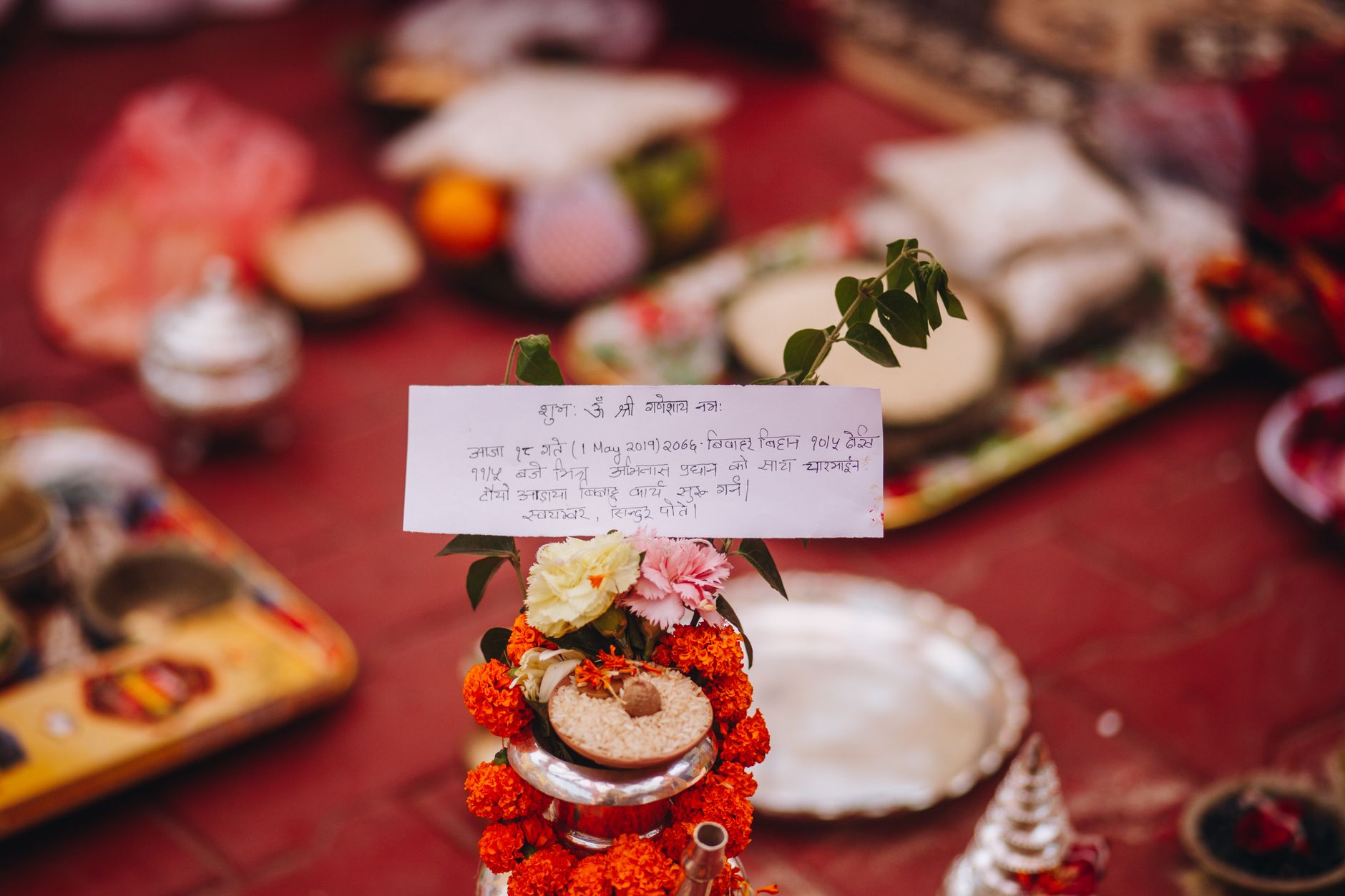
Kerala Ceremony Essentials, Chennai
Religious cermony in Chennai
Kerala Religious Ceremony Essentials in Chennai: Complete Guide
Planning a traditional Namboodiri vivah, Satyanarayana Puja, or Seemantham for your Malayali family in Chennai requires far more than booking a venue — it demands sourcing the right Kerala religious ceremony essentials well in advance. From fresh banana leaves and coconut lamps to specialised Kerala puja samagri Chennai vendors can supply, every ritual item carries deep spiritual significance. The vibrant Malayali community events Chennai hosts year-round — especially in neighbourhoods like Mylapore, Velachery, and T. Nagar — have created a thriving ecosystem of traditional Kerala ritual supplies, making it easier than ever to uphold authentic customs even hundreds of kilometres from Kerala.
Quick Answer
Kerala religious ceremony essentials refer to the complete set of ritual items, samagri, and ceremonial supplies required for traditional Malayali Hindu ceremonies — including banana leaves, nilavilakku (brass lamps), tender coconuts, betel leaves, sacred threads, flowers like mullai and chamanthi, and specific grains. In Chennai, these are available through Malayali-owned pooja stores, flower markets in Mylapore, and dedicated vendors on event marketplaces like Happiffie who cater to the Malayali community.
What Makes Kerala Religious Ceremony Essentials Different from Generic Puja Items?
Kerala religious ceremony essentials follow a distinct ritual vocabulary rooted in the Tantric and Vedic traditions of Kerala's temple culture. Unlike generic North Indian puja kits, a Kerala ceremony demands items like the nilavilakku brass lamp, thali woven from coconut fronds, raw plantain flowers, and specific red-bordered mundu fabric for priests. The traditional Kerala ritual supplies used in ceremonies such as Vishu Kani, Satyanarayana Puja, and Seemantham are assembled in a precise sequence that mirrors the ritual's cosmic logic. Substituting items carelessly — using regular ghee lamps instead of a nilavilakku, or marigold garlands instead of mullai — disrupts the ceremony's aesthetic and spiritual integrity. Families planning South Indian wedding rituals of Malayali origin in Chennai must understand that sourcing is as important as scheduling. Many seasoned priests in Chennai's Malayali community will provide a written samagri list two to four weeks before the event, giving families adequate time to source authentic items rather than improvising at the last minute.
Core Items in a Kerala Pooja Kit for Major Ceremonies
A standard Kerala pooja kit Chennai families rely on for a home ceremony typically includes: nilavilakku with cotton wicks, tender coconuts, raw rice (pachari), betel leaves (vetrilai), areca nuts, turmeric rhizomes, kumkum, sandalwood paste, sacred ash, banana leaves, plantain stems, red silk cloth, sacred thread (poonal), and a copper kalasam. For larger ceremonies like Grihapravesham or Navagraha Homam, additional items include specific wood for the homa kund, clarified butter measured in multiples of 108, and fresh flowers sourced on the morning of the event. Kerala puja samagri Chennai suppliers who specialise in Malayali rituals often offer pre-packed ceremony kits — priced typically between ₹800 and ₹4,500 depending on ceremony scale — saving families from hunting across multiple shops. These curated kits have grown popular among the second-generation Malayali diaspora in Chennai who want ceremonial accuracy without the exhaustive knowledge required to build the list from scratch.
How Much Does Sourcing Kerala Religious Ceremony Essentials in Chennai Cost?
The cost of Kerala religious ceremony essentials in Chennai varies significantly by ceremony type, guest count, and whether you choose pre-packed kits or individual sourcing. For a simple home puja — Satyanarayana Vratham or a birthday Ayush Homam — samagri costs typically range from ₹1,500 to ₹4,000. A Seemantham or baby shower ceremony with 50 to 80 guests may require ₹6,000 to ₹14,000 in ritual supplies alone, excluding the priest's dakshina. Full-scale Kerala Brahmin ceremony planning for a vivah (wedding) can push samagri budgets to ₹25,000–₹55,000 when you include items like the oonjal (swing), ceremonial silk, and elaborate flower arrangements. Traditional Kerala ritual supplies like fresh chamanthi and mullai flowers fluctuate seasonally — prices spike during Onam, Vishu, and the November–February wedding season, so auspicious muhurtham bookings made in peak months should factor in a 15–25% premium on perishable items. Booking through a marketplace like Happiffie consolidates vendor discovery and pricing, helping families compare options efficiently.
Where to Source Authentic Ritual Supplies Across Chennai
Chennai's Malayali population — concentrated in areas like Velachery, Adyar, Mylapore, and Chromepet — has supported a dedicated supply ecosystem for Kerala religious ceremony essentials. The Mylapore flower market remains the single best source for fresh ceremony flowers on short notice, open from 4 AM and stocking mullai, chamanthi, and lotus. T. Nagar's dense cluster of puja stores carries Kerala pooja kit Chennai families trust for brass items, sacred threads, and dry samagri. Specialty stores near Velachery and Pallikaranai cater specifically to the Malayali community events Chennai hosts, stocking items like haldi rhizomes (not powder), raw coconut with husk, and Kerala-specific incense. For families outside these neighbourhoods, or those planning ceremonies at wedding halls in Ambattur or Porur, online aggregators and event marketplaces are the most practical channel — vendors deliver pre-packed kits to the venue by 7 AM on ceremony day. Always confirm perishable deliveries with a WhatsApp confirmation the evening before to avoid last-minute shortages.
How Do You Plan a Complete Kerala Ceremony End-to-End in Chennai?
End-to-end planning for a Kerala Brahmin ceremony planning project in Chennai involves five parallel tracks: fixing the muhurtham with a qualified Jyotishi, booking the venue (community halls like Kerala Samajam in Adyar are preferred by Malayali families), engaging a Kerala-tradition priest, sourcing Kerala religious ceremony essentials, and arranging catering for a traditional sadhya. Begin at least eight weeks out for a wedding and four weeks for a housewarming or Seemantham. Lock the muhurtham first because it dictates every downstream timeline — caterers, priests, and decoration vendors in Chennai's peak season (December–February) book out fast once auspicious dates are confirmed. For South Indian wedding rituals of Malayali origin, the oonjal ceremony, kanyadanam, and thaali tying sequence each require specific materials that must be on-site before the muhurtham begins. A dedicated checklist shared between the main family coordinator and the priest prevents omissions. Platforms like Happiffie allow families to browse verified vendors for traditional Kerala ritual supplies, compare packages, and confirm bookings within a single workflow, reducing coordination overhead considerably during an already intense planning period.
Kerala Religious Ceremony Essentials: Sourcing Options Compared
Expert Recommendation
Best for Intimate Home Ceremonies (Under 30 Guests)
Best for Mid-Scale Community Hall Ceremonies (50–100 Guests)
Best for Large Wedding Celebrations (200+ Guests)
Best for Budget-Conscious Families
Best for Non-Resident Malayali Families Planning Remotely
Best for Modern Malayali Families Seeking Authenticity
How to Choose the Right Option
✅ Pre-booking Checklist
- Obtain the priest's written samagri list at least three weeks before the ceremony date
- Confirm whether your venue permits open-flame rituals (homa kund, nilavilakku) before finalising
- Book perishable items (flowers, tender coconuts, plantain stems) for morning-of delivery with a written confirmation
- Cross-check your Kerala pooja kit against the ceremony-specific list, item by item
- Arrange a dedicated family member to receive, verify, and organise all ritual items on-site
- Factor in a 15–25% cost buffer for peak-season price increases on flowers and fresh produce
- Confirm delivery timings with all vendors at least 48 hours before the event
- Keep a spare set of core dry items (raw rice, turmeric, betel leaves) on hand for last-minute replacements
🎯 Selection Criteria
- Vendor specialisation: Does the supplier specifically serve the Malayali community and stock Kerala-specific items?
- Ritual accuracy: Are items sourced to Kerala-tradition specifications (e.g., raw pachari, not parboiled rice)?
- Delivery reliability: Does the vendor have a track record of early-morning ceremony-day deliveries?
- Freshness guarantee: Are flowers and perishables sourced on the day of or the day before the event?
- Transparency: Does the vendor provide itemised billing so you can verify against the priest's samagri list?
- Scalability: Can the supplier scale up quantities if guest count increases at the last minute?
💰 Cost / Quality Factors
- Ceremony type directly determines samagri complexity and cost — a vivah costs significantly more than a home Satyanarayan Puja
- Seasonal demand during Onam, Vishu, and the November–February wedding period inflates prices for fresh flowers by 15–30%
- Venue location affects delivery logistics — venues in Porur or Ambattur may require earlier dispatch than central Chennai
- Priest's tradition (Namboodiri, Iyer, Iyengar-style Kerala) influences specific item preferences and substitution acceptability
- Guest count drives quantities for consumables like banana leaves, betel nut sets, and coconut water served during rituals
- Sourcing consolidation (one vendor for all items vs. multiple shops) reduces risk but may cost 10–15% more
⚠️ Common Mistakes to Avoid
- Ordering a generic South Indian puja kit instead of a Kerala-specific samagri set — ritual items differ significantly
- Waiting until the week before the ceremony to source perishables during peak wedding season
- Ignoring the venue's open-flame policy until the event day, risking last-minute ritual modifications
- Skipping a physical inventory check of delivered items before the ceremony begins
- Underestimating flower quantities — ceremonies with multiple ritual stages each require fresh flower replenishment
- Not sharing the muhurtham timing with vendors — deliveries that arrive after the ritual start time cannot be used
People Also Ask
What are the most important Kerala religious ceremony essentials I cannot skip?
Are Kerala puja samagri shops available near Velachery or Adyar in Chennai?
How far in advance should I order traditional Kerala ritual supplies in Chennai?
Can I find a pre-packed Kerala pooja kit in Chennai for a home ceremony?
What is the typical budget for Kerala religious ceremony essentials for a 100-guest event?
Does Happiffie list vendors for Kerala religious ceremony essentials in Chennai?
What ceremonies fall under Kerala religious ceremony essentials planning?
Are there Kerala Samajam halls in Chennai suitable for traditional ceremonies?
Related Experiences on Happiffie
Sacred Supplies for Your Mumbai Wedding
Sacred Kerala Rituals in Chennai
Complete Pooja Samagri Kits Delivered to Your Door
Authentic South Indian Wedding Decor
All Wedding & Event Services
Venues in Chennai
Frequently Asked Questions
What is the difference between a standard puja kit and Kerala religious ceremony essentials?
Which areas in Chennai have the best vendors for Kerala puja samagri?
Can I book a priest and Kerala religious ceremony essentials together through Happiffie?
How early should I confirm auspicious muhurtham bookings for a Kerala ceremony in Chennai?
Are Kerala temple ceremony items available for purchase or only for rent in Chennai?
What should I do if a specific Kerala religious ceremony essential is unavailable in Chennai?
Is a traditional sadhya necessary after a Kerala ceremony, and how does it connect to ritual planning?
Do Kerala Brahmin ceremony planning requirements differ from non-Brahmin Malayali ceremonies?
Key Takeaways
- Kerala religious ceremony essentials are ritually distinct from generic puja items and require Kerala-specific sourcing in Chennai.
- Core items include the nilavilakku, tender coconuts, banana leaves, raw pachari, betel sets, and the copper kalasam — all non-negotiable.
- Pre-packed Kerala pooja kits in Chennai are priced from ₹800 to ₹4,500 for home ceremonies; large-scale weddings may require ₹25,000–₹55,000 in samagri.
- Mylapore flower market, T. Nagar puja stores, and Velachery specialty shops are the primary sourcing hubs for the Malayali community in Chennai.
- Seasonal demand during Onam, Vishu, and the November–February wedding season increases perishable costs by 15–30% — book early.
- Always obtain the priest's itemised samagri list at least three weeks in advance to allow for authentic sourcing.
- Platforms like Happiffie consolidate vendor discovery, package comparison, and booking for Kerala religious ceremony essentials in a single workflow.
- A dedicated family coordinator for samagri logistics on ceremony day is as important as the booking itself.
Find Trusted Kerala Ceremony Vendors in Chennai
Compare verified suppliers for Kerala religious ceremony essentials, priest services, and sadhya catering — all in one place on Happiffie.
Explore Vendors Now
Are you a Vendor? Grow Your Business with Happiffie!
- High intent verified leads
- Reverse auction opportunities
- AI business tools & insights
- Dedicated vendor dashboard
- Grow your business, your way
It's free & takes less than 2 minutes!