
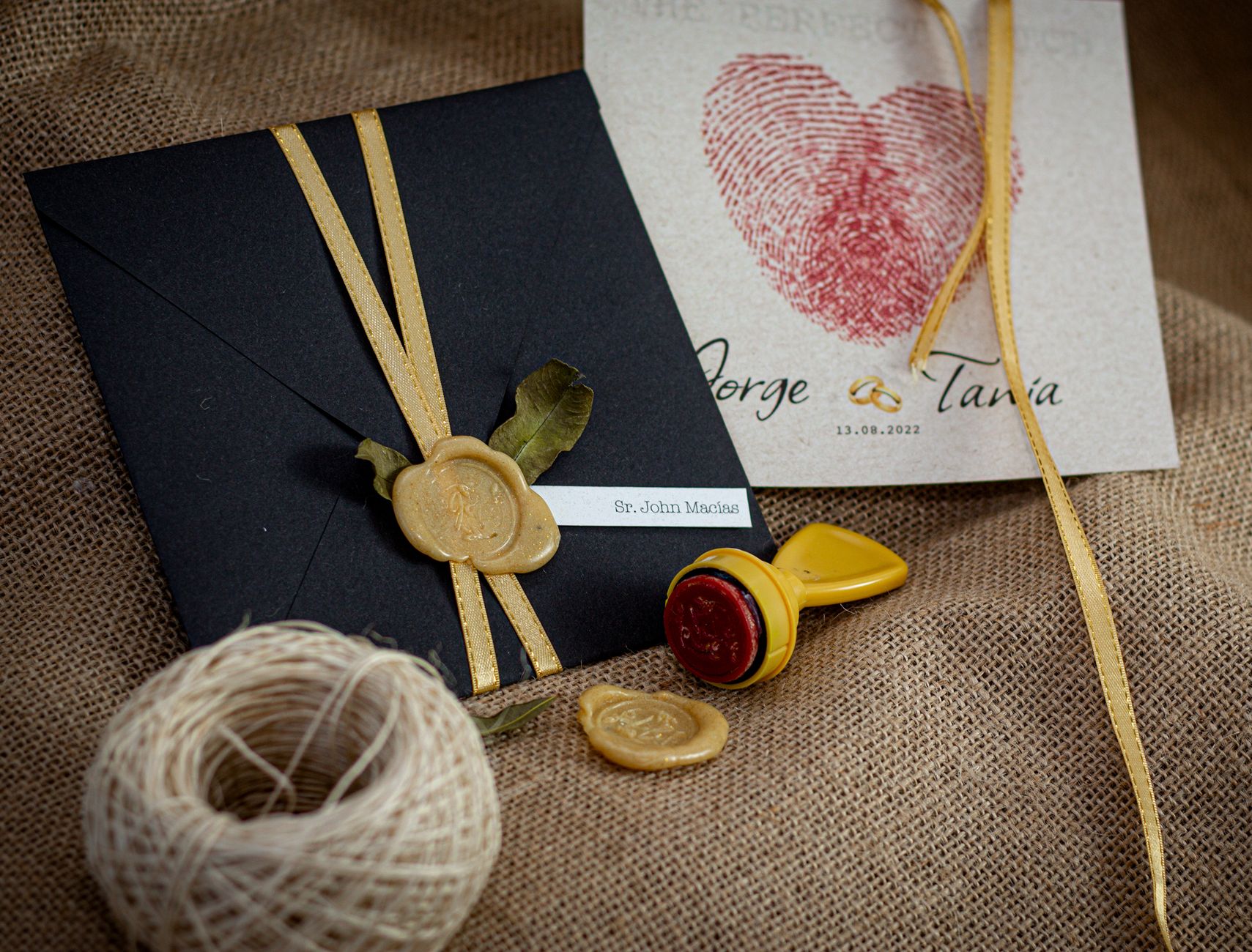
Plant Your Wedding Invitation
Invitation & Stationery in Kodaikanal
Growable Invitation Paper for Kodaikanal Weddings
Kodaikanal's mist-covered valleys and flower-lined ghats make it one of South India's most beloved destination wedding spots — and couples here are increasingly choosing Growable Invitation Paper to match their surroundings. Each card is handcrafted from recycled pulp embedded with wildflower or herb seeds, so guests can plant the invitation after the celebration and watch it bloom. As an eco-friendly wedding stationery choice, it carries the warmth of a traditional Indian shaadi card while honouring the fragile ecosystem of the Palani Hills. Whether your wedding is an intimate affair on a private estate or a grand reception at a resort, a plantable invitation card sets a meaningful, memorable tone from the very first RSVP.
Quick Answer
Growable Invitation Paper is a handmade, recycled-pulp card embedded with plant seeds — wildflowers, herbs, or vegetables. After reading, guests press the card into soil and water it; the paper decomposes and the seeds germinate. For Kodaikanal weddings, it doubles as a keepsake and an eco-pledge, eliminating paper waste while celebrating the hill town's natural beauty. Prices typically range from ₹35 to ₹150 per card depending on size, seed variety, printing method, and order quantity.
What Exactly Is Growable Invitation Paper and Why Is It Perfect for Kodaikanal?
Growable Invitation Paper is made by blending recycled cotton or wood-pulp fibres with dormant seeds during the paper-making process. The finished sheet looks and feels like premium handmade paper, accepts offset or letterpress printing beautifully, and carries embedded seeds that sprout when the card is planted in moist soil. In Kodaikanal — where the air smells of eucalyptus and Kurinji blooms every twelve years — this choice resonates deeply with guests who travel to the hills expecting an experience rooted in nature. Seed paper wedding invitations align with the town's ethos far better than glossy, foil-stamped cards that end up in landfills. Couples who opt for a hill station wedding theme naturally gravitate toward stationery that mirrors the landscape. A plantable invitation card also acts as a conversation starter at airport lounges and hotel lobbies, generating word-of-mouth excitement before the wedding day even arrives.
Seed Varieties and Paper Textures Available in India
Indian suppliers typically embed one of three seed categories into Growable Invitation Paper: wildflowers such as marigold, cosmos, and zinnia that bloom within 30-60 days; culinary herbs like basil, coriander, and fenugreek that carry extra cultural significance in Indian households; and native plantings including local grass or shrub varieties suited to South Indian climates. For Kodaikanal weddings, marigold and cosmos are crowd favourites because their cheerful colours echo the floral garlands of a traditional ceremony. Paper textures range from a rough, artisanal finish that pairs well with a zero-waste wedding decor aesthetic to a smoother, cream-toned surface that suits formal calligraphy scripts. Thickness is measured in GSM; 200-250 GSM cards feel sturdy and substantial, while 120-150 GSM sheets work well for inserts, RSVP slips, or menu cards. Discussing GSM requirements with your vendor before finalising the design ensures the printing process delivers sharp, bleed-free text even on textured handmade pulp.
How Much Does Growable Invitation Paper Cost for a Kodaikanal Wedding?
Pricing for Growable Invitation Paper in India follows a per-unit model that drops sharply with volume. For orders of 50-100 units, expect ₹80-₹150 per card including single-colour printing; at 200-500 units, the per-card cost typically falls to ₹45-₹80 with two-colour or digital printing. Orders exceeding 500 units — common for larger Kodaikanal resort weddings — can bring the cost down to ₹35-₹55 per card. Custom envelope liners, wax seals, or handwritten calligraphy add ₹15-₹40 per piece. Biodegradable invitation design with premium foil (soy-based, not metallic) sits at the higher end. Sustainable wedding planning experts recommend budgeting 10-15% above the per-card price for courier packaging — seed paper must be shipped in breathable, moisture-free wrapping to protect seed viability. Compared with conventional laser-cut acrylic or heavy foil cards that cost ₹120-₹300 per unit, eco-friendly wedding stationery offers genuine cost parity while eliminating waste.
Design Considerations for Plantable Cards in a Hill Station Setting
A successful plantable invitation card design for a Kodaikanal wedding balances readability with rustic charm. Opt for fonts with clean strokes — serif types like Cormorant or Playfair Display print crisply on textured handmade pulp. Earthy palettes of sage green, terracotta, and dusty rose echo the Palani Hills landscape without requiring multiple ink passes. Biodegradable invitation design best practices suggest keeping the ink layer under 30% coverage per side to prevent the ink from sealing the seed pores and inhibiting germination. QR codes for online RSVPs print cleanly on smoother GSM variants and reduce the need for additional insert cards. For couples embracing handmade paper stationery as a full stationery suite, matching seed-paper table numbers, menu cards, and thank-you notes create a cohesive zero-waste wedding decor narrative from ceremony to reception. Always request a physical print proof before approving bulk production, as colour rendering on natural pulp differs significantly from digital mock-ups.
How Do You Care for and Instruct Guests to Plant Their Growable Invitation Paper?
Including a small planting instruction insert is standard practice with Growable Invitation Paper orders. A simple card — also made from seed paper — explains that guests should tear or soak the invitation, press it into potting soil about 5 mm deep, water gently, and place the pot in indirect sunlight. Most wildflower seeds embedded in Indian-made seed paper germinate within 7-21 days when temperatures are between 18-28°C, making it suitable for Kodaikanal's cooler climate as well as urban homes where out-of-town guests return post-wedding. For a hill station wedding theme, you can customise the instruction insert to mention that the card contains seeds native to South Indian hill ecology, deepening the emotional resonance. Sustainable wedding planning vendors can often source certified non-GMO, organic seed stock on request, which appeals to guests with kitchen gardens. Handmade paper stationery suppliers in India are increasingly offering QR-linked digital planting guides as an eco-forward alternative to a second paper insert.
Growable Invitation Paper vs Other Wedding Invitation Types for Kodaikanal
Expert Recommendation
Best for intimate celebrations (under 75 guests)
Best for destination weddings with outstation guests
Best for large guest counts (300+)
Best for budget-conscious couples
Best for traditional South Indian ceremonies
Best for modern, minimalist couples
How to Choose the Right Option
✅ Pre-booking Checklist
- Confirm your guest count and finalise the order quantity before approaching vendors — seed paper pricing drops significantly at 200+ units.
- Request a physical print sample (not just a digital mock-up) to verify colour rendering on textured handmade pulp.
- Choose seed variety based on where most guests live — herb seeds for urban apartment dwellers, wildflowers for guests with gardens.
- Discuss ink coverage limits with your designer to ensure germination is not blocked by heavy ink layers.
- Plan shipping timelines accounting for Kodaikanal's monsoon season road conditions and allow 8-10 weeks from design approval to delivery.
- Order 10-15% extra cards to cover last-minute additions, reprints, and your own keepsake copies.
- Confirm seed viability with a germination test report or sample batch before approving bulk production.
- Design a matching planting instruction insert — also in seed paper — to complete the guest experience.
🎯 Selection Criteria
- Seed variety relevance: ensure the embedded seeds suit the climates where your guests will be planting them.
- GSM and print compatibility: verify that the paper weight supports your chosen printing method without bleeding or ink lift.
- Vendor certification: look for suppliers who provide non-GMO, organic seed documentation for health-conscious guests.
- Lead time reliability: choose vendors with proven track records for on-time delivery, especially for hill-station destinations.
- Suite availability: confirm the vendor can produce matching inserts, RSVP cards, and envelope liners in the same batch.
- Packaging standard: ensure breathable, moisture-free packaging is included or available as an add-on to protect seed viability in transit.
💰 Cost / Quality Factors
- Order volume: per-card costs drop from ₹150 at 50 units to ₹35-₹55 at 500+ units — volume is the single biggest cost lever.
- Seed type and source: certified organic or native seeds cost 10-20% more but carry greater guest appeal and germination reliability.
- Printing method: digital printing is fastest and most affordable; letterpress adds tactile luxury but slows production by 5-7 days.
- Customisation depth: full-colour designs, bilingual text, and custom motifs add ₹10-₹30 per card over single-colour standard prints.
- Envelope and packaging: seed-paper envelopes add ₹15-₹25 each; rigid courier mailers add ₹8-₹15 per shipment unit.
- Designer fees: if hiring a separate invitation designer, budget ₹3,000-₹15,000 for artwork creation before print production begins.
⚠️ Common Mistakes to Avoid
- Ordering without a physical proof — digital colours look very different on natural, textured seed pulp.
- Choosing ink-heavy designs that seal the seed pores and reduce germination rates below 50%.
- Leaving insufficient lead time — rushing production often forces vendors to use drier, less viable seed stock.
- Neglecting to include a planting instruction card, which leaves guests unsure how to use the invitation.
- Shipping in plastic bubble wrap or sealed polybags, which traps humidity and can prematurely sprout seeds in transit.
- Ignoring climate suitability — embedding seeds that require cold stratification for guests living in tropical coastal cities.
People Also Ask
Will seed paper invitations survive shipping to outstation guests across India?
Can Growable Invitation Paper be printed with both English and Tamil or Telugu text?
How far in advance should I order plantable invitation cards for a Kodaikanal destination wedding?
What seeds are best suited for guests who live in cities like Chennai or Bengaluru?
Is Growable Invitation Paper more expensive than regular wedding cards?
Can I get matching seed-paper stationery beyond just the main invitation card?
Are seed paper invitations suitable for traditional South Indian wedding formats?
How do I verify that the seeds in my invitations are genuinely viable and not decorative fillers?
Related Experiences on Happiffie
Invite Guests, Grow a Memory
Royal Scroll Cards for Your Big Day
Wear Green, Celebrate Beautiful
Stunning Die Cut Invites for Your Big Day
Eco-Chic Invites for Mussoorie Weddings
Beautiful Decor, Zero Guilt
Say I Do in the Hills
Frequently Asked Questions
Where can I find verified Growable Invitation Paper vendors for a Kodaikanal wedding?
Does Growable Invitation Paper work for the humid, cooler climate of Kodaikanal?
Can I get Growable Invitation Paper in Tamil script for a traditional Kodaikanal wedding?
How many invitations should I order for a typical Kodaikanal destination wedding?
What is the minimum order quantity for seed paper wedding invitations from Indian vendors?
Is biodegradable invitation design only for outdoor or nature-themed weddings?
How long do the seeds in Growable Invitation Paper remain viable?
Key Takeaways
- Growable Invitation Paper is a recycled-pulp card embedded with live plant seeds — guests plant it after the wedding and it grows, leaving zero waste.
- Pricing ranges from ₹35 to ₹150 per card in India depending on order volume, seed type, and printing method — cost-competitive with premium conventional cards at scale.
- Kodaikanal's natural hill-station setting makes it an ideal backdrop for seed paper wedding invitations that echo the destination's eco-conscious ethos.
- Wildflower seeds (marigold, cosmos, zinnia) and herb seeds (basil, tulsi) are the most popular choices for Indian weddings due to climate adaptability and cultural resonance.
- Order 8-10 weeks in advance and always request a germination test report to verify seed viability before approving bulk production.
- A full eco-friendly wedding stationery suite — main card, RSVP, table numbers, thank-you notes — reinforces your zero-waste wedding decor theme and typically qualifies for a 10-15% bundle discount.
- Always include a seed-paper planting instruction insert and design with under 30% ink coverage per side to maximise germination success.
Ready to Plant the Seed of Your Love Story?
Browse Happiffie's curated list of verified stationery vendors offering Growable Invitation Paper for your Kodaikanal wedding — compare portfolios, request samples, and get quotes in minutes.
Explore Vendors Now
Are you a Vendor? Grow Your Business with Happiffie!
- High intent verified leads
- Reverse auction opportunities
- AI business tools & insights
- Dedicated vendor dashboard
- Grow your business, your way
It's free & takes less than 2 minutes!