
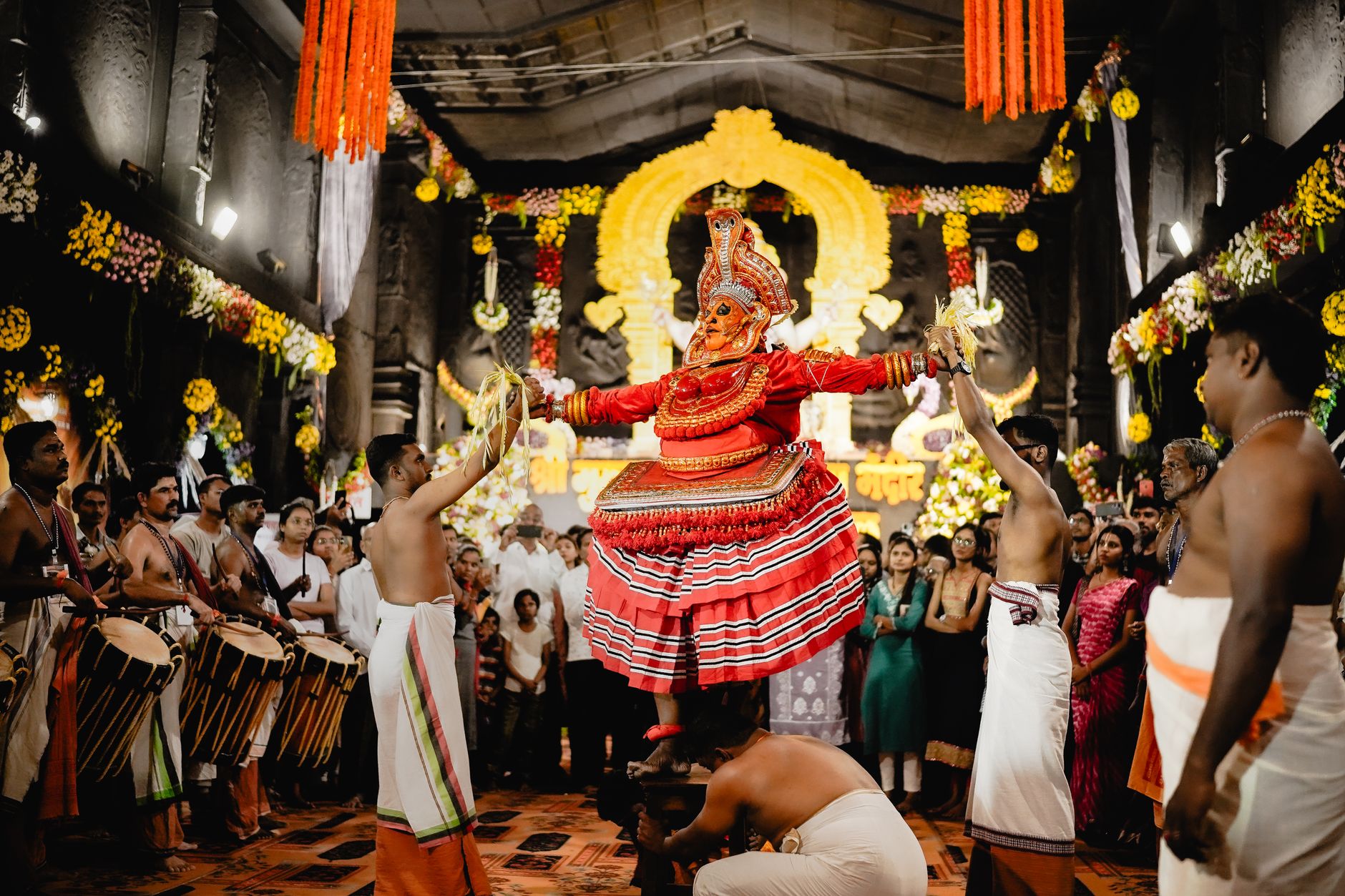
Authentic Malayali Vivaham Samagri in Kochi
Religious cermony in Kochi
Malayali Vivaham Samagri: Complete Guide for Kochi Weddings
Every Kerala wedding is anchored by the sacred objects placed at the mandapam, and sourcing authentic Malayali Vivaham Samagri is the first real step toward a spiritually complete ceremony. In Kochi — where old traditions thrive alongside modern celebrations in areas like Ernakulam, Fort Kochi, and Kakkanad — families often struggle to find a single, reliable source for traditional wedding ritual supplies that cover every rite from Nischayam to Thaali Charthal. Getting Kerala wedding pooja items right ensures the priest performs each ritual without interruption, the mandapam radiates devotion, and the couple's new life begins under truly auspicious conditions. Thoughtful Kerala wedding budget planning starts here, long before flowers or catering enter the conversation.
Quick Answer
Malayali Vivaham Samagri refers to the complete set of sacred items required for a traditional Kerala Hindu wedding ceremony. It typically includes coconuts, betel leaves, arecanut, turmeric, kumkum, raw rice, banana bunches, oil lamps (nilavilakku), sacred thread (thaali), flowers, and specific pooja vessels. In Kochi, a standard samagri kit for a 150–300 guest wedding costs between INR 8,000 and INR 25,000 depending on the sub-community, number of rituals, and vendor sourcing.
What Exactly Is Malayali Vivaham Samagri and Why Does It Matter?
Malayali Vivaham Samagri is the curated collection of ritual items — physical, edible, and symbolic — that a Kerala Hindu priest requires to conduct every stage of a traditional wedding. The list is not arbitrary; each item carries Vedic or Tantric significance rooted in centuries of custom across Nair, Ezhava, Namboothiri, and other communities. Coconuts represent fertility and prosperity; nilavilakku (brass standing lamps) symbolise the goddess Lakshmi's presence; turmeric paste purifies; and the thaali (holy wedding necklace) is the ceremonial centrepiece. Missing even a minor item — like a specific type of leaf or the correct number of arecanuts — can pause the ritual mid-way, which is considered inauspicious. In Kochi's bustling wedding season, particularly between January and May and again in October to December, reputable vendors and mandapam managers emphasise that sourcing Malayali Vivaham Samagri well in advance (at least two to three weeks before the wedding) prevents last-minute shortages. Families should also confirm with their pandit which community-specific variations apply, since Nair wedding ceremony materials differ slightly from Namboothiri requirements.
Core Items in a Traditional Kerala Wedding Ritual Supplies List
A standard Malayali Vivaham Samagri kit for a Kochi Hindu wedding is organised into five functional categories. First, the phalams (fruits and natural produce): tender coconut, ripe bananas, jackfruit, and mango leaves are non-negotiable. Second, the pooja dravyams: kumkum, sandalwood paste, vibhuti, camphor, incense sticks, and turmeric root. Third, the vessels and lamps: uruli (bronze bowl), nilavilakku, and a set of smaller deepams for the rituals at dawn. Fourth, the textile and thread items: new dhoti and settu saree for the couple, sacred thread (kodi), and the thaali itself. Fifth, the grains and herbs: raw rice (aval), sesame seeds (ellu), and specific ayurvedic herbs that the priest uses during the homam if fire rituals are part of the ceremony. Kerala wedding pooja items in this fifth category are highly community-specific and must be confirmed with your vadhyar at the time of booking. In Kochi's markets — especially Broadway and Mattancherry — traditional wedding ritual supplies are sold both individually and as pre-packed samagri boxes priced from INR 3,500 to INR 15,000 for partial kits.
How Much Does Malayali Vivaham Samagri Cost in Kochi?
Kerala wedding budget planning often underestimates samagri costs, which can lead to stressful last-minute purchases. In Kochi, a basic Malayali Vivaham Samagri package covering the essentials for a 100–150 guest wedding starts at approximately INR 6,000–INR 10,000. A mid-range package that includes premium flowers (jasmine, lotus, and marigold garlands), high-quality bronze vessels, and organic turmeric typically runs INR 12,000–INR 18,000. A comprehensive package for large joint-family weddings with 400–600 guests and extended rituals like Seemantham-linked ceremonies can reach INR 22,000–INR 30,000. Hindu vivah samagri Kochi vendors near Ernakulam's Shiva Temple Road and Kaloor market often offer package deals that bundle items with rental of brass vessels, saving families INR 2,000–INR 5,000 compared to buying outright. Always factor in a 10–15% buffer because priests sometimes request additional items on the morning of the wedding. Transparent Kerala wedding budget planning means listing samagri as a fixed-cost line item, not an afterthought.
Community-Wise Variations: Nair, Namboothiri, and Ezhava Requirements
One of the most important distinctions in Malayali Vivaham Samagri is that different communities follow different ritual sequences, and therefore need different items. Nair wedding ceremony materials traditionally emphasise the Nischayam (engagement) and Kanyadan equivalents, with specific emphasis on the nilavilakku and the presentation of gold coins. Namboothiri weddings are Vedic in structure and require a full homam setup including samidha (sacred wood), ghee, and a yagna kund; these items are often sourced separately from specialist vendors in Thrissur or ordered online. Ezhava ceremonies tend to follow a more streamlined set of traditional wedding ritual supplies, with community elders sometimes prescribing a short, focused pooja. In all cases, confirming the specific samagri list with your wedding pandit booking Kochi professional is essential before purchasing. Happiffie's verified religious ceremony specialists in Kochi can connect you with priests who provide a written samagri checklist, eliminating confusion between families. Do not rely solely on generic lists found online, as sub-community customs in Kochi can vary even by neighbourhood.
Where and How to Source Authentic Samagri in Kochi?
Kochi offers multiple sourcing channels for Malayali Vivaham Samagri, each with trade-offs between convenience, authenticity, and cost. The wholesale market near Broadway, Ernakulam, is the most popular for bulk natural items like coconuts, plantain bunches, and arecanut. Specialist pooja stores in Mattancherry stock ritual-grade kumkum, camphor, and bronze vessels that meet temple-quality standards. For Kochi wedding venue decoration integrated with samagri procurement, some mandapam managers offer a one-stop package where the decorator and samagri vendor coordinate together — a growing trend in areas like Kakkanad and Edapally. Kerala wedding pooja items are also available through curated online platforms that deliver 48 hours before the event, though families should verify freshness guarantees for perishables like flowers and bananas. Regardless of channel, always cross-check quantities against the pandit's written list, inspect brass vessels for cracks, and confirm that all organic items are free of pesticide residue, especially if the wedding involves a homam. Sourcing Hindu vivah samagri Kochi vendors at least three weeks early locks in better pricing and ensures availability during peak wedding season.
Malayali Vivaham Samagri Sourcing Options in Kochi: Side-by-Side Comparison
Expert Recommendation
Best for Intimate Family Celebrations (Under 100 Guests)
Best for Large Joint-Family Weddings (300–600 Guests)
Best for Budget-Conscious Families
Best for Traditional Namboothiri or Vedic Ceremonies
Best for Destination Weddings in Fort Kochi
Best for Modern Couples Blending Tradition and Convenience
How to Choose the Right Option
✅ Pre-booking Checklist
- Obtain a written samagri list from your vadhyar at least three weeks before the wedding
- Confirm your community-specific requirements (Nair, Ezhava, Namboothiri) before placing any order
- Cross-check vessel quantities against the number of ritual stages, not just guest count
- Arrange perishable items (flowers, bananas, coconuts) for delivery 24–48 hours before the ceremony
- Book brass vessel rental early during October–May peak season in Kochi
- Verify that the sourcing channel (wholesale, store, or online) can guarantee freshness and ritual-grade quality
- Set aside a 10–15% contingency budget for items the priest requests on the wedding morning
- Coordinate samagri delivery timing with your Kochi wedding venue decoration team to avoid mandapam access conflicts
🎯 Selection Criteria
- Community alignment: does the vendor understand Nair, Namboothiri, or Ezhava-specific requirements?
- Quality grade: are organic and ritual-grade materials clearly distinguished from commercial alternatives?
- Vendor reliability: can the vendor guarantee availability during Kochi's peak wedding season?
- Flexibility: can the samagri kit be customised based on the priest's written list?
- Logistics: does the vendor offer same-day or next-day delivery to your mandapam location in Kochi?
💰 Cost / Quality Factors
- Guest count directly impacts quantity of fruit, flower, and grain items needed
- Number of ritual stages (basic to full homam) determines item complexity and cost
- Sourcing channel (wholesale vs specialist store) creates a 20–40% price variance
- Seasonality affects flower availability and pricing, especially for jasmine and lotus
- Vessel ownership vs rental changes the per-ceremony cost significantly for one-time buyers
- Auspicious wedding date Kerala requirements may add ritual-specific items not in standard kits
⚠️ Common Mistakes to Avoid
- Using a generic online list without verifying with your community-specific vadhyar
- Purchasing all perishables more than 48 hours in advance, risking spoilage
- Ignoring vessel condition checks — cracked or dented uruli bowls are considered inauspicious
- Skipping the contingency budget and running short of key items on the wedding morning
- Confusing decorative flowers with ritual flowers — they are different grades and must not be substituted
- Failing to coordinate samagri delivery with mandapam setup timings, causing ceremony delays
People Also Ask
What is the difference between Malayali Vivaham Samagri and regular pooja samagri?
Can I buy ready-made Malayali Vivaham Samagri kits in Kochi?
How far in advance should I arrange the samagri for a Kochi wedding?
What items are specific to a Nair wedding ceremony in Kochi?
Is it necessary to hire a pandit for a traditional Kerala Hindu wedding in Kochi?
How does the auspicious wedding date affect samagri requirements?
Can samagri vendors in Kochi also assist with mandapam decoration?
What is the approximate cost of a full Malayali Vivaham Samagri set for 300 guests in Kochi?
Related Experiences on Happiffie
Kerala Weddings in Pune, Done Right
Jain Vivah Samagri in Kochi
Sacred Supplies for Your Mumbai Wedding
Sacred Ceremony Materials, Indore
Celebrate Big at Trade Fair Grounds
Seamless Guest Transit for Indore Weddings
Announce Your Wedding Date Beautifully
Book Trusted Pandits in Mumbai
Frequently Asked Questions
What is Malayali Vivaham Samagri and what does a complete kit include?
Where can I buy Malayali Vivaham Samagri in Kochi?
How much does Malayali Vivaham Samagri cost for a mid-size wedding in Kochi?
Do Nair and Namboothiri weddings in Kochi require different samagri?
Can I order Malayali Vivaham Samagri online for a Kochi wedding?
How does an auspicious wedding date in Kerala affect my samagri needs?
What is the ideal time to book Malayali Vivaham Samagri vendors in Kochi?
Can Happiffie help me find vendors for Malayali Vivaham Samagri and wedding pandit booking in Kochi?
Key Takeaways
- Malayali Vivaham Samagri is a community-specific, ritual-complete set of sacred items essential for every Kerala Hindu wedding ceremony in Kochi.
- Costs range from INR 6,000 for basic kits to INR 30,000 for large, homam-inclusive weddings with premium materials.
- Nair, Namboothiri, and Ezhava communities each require distinct variations — always source based on a priest-verified written list.
- Kochi's Broadway wholesale market and Mattancherry specialist stores are the primary sourcing hubs, with online options viable for outstation families.
- Book early — at least two to three weeks before the wedding — to secure brass vessel rentals and avoid peak-season shortages.
- Coordinate samagri procurement with your Kochi wedding venue decoration team to align delivery timelines and mandapam setup.
- A 10–15% contingency budget for last-minute priest requests prevents ceremony disruptions.
- Platforms like Happiffie connect Kochi families with verified religious ceremony vendors who provide end-to-end samagri coordination.
Find Verified Malayali Vivaham Samagri Vendors in Kochi
Let Happiffie connect you with trusted religious ceremony specialists who handle everything — from priest booking to complete samagri coordination — so your Kerala wedding begins on truly auspicious ground.
Explore Kochi Vendors
Are you a Vendor? Grow Your Business with Happiffie!
- High intent verified leads
- Reverse auction opportunities
- AI business tools & insights
- Dedicated vendor dashboard
- Grow your business, your way
It's free & takes less than 2 minutes!