
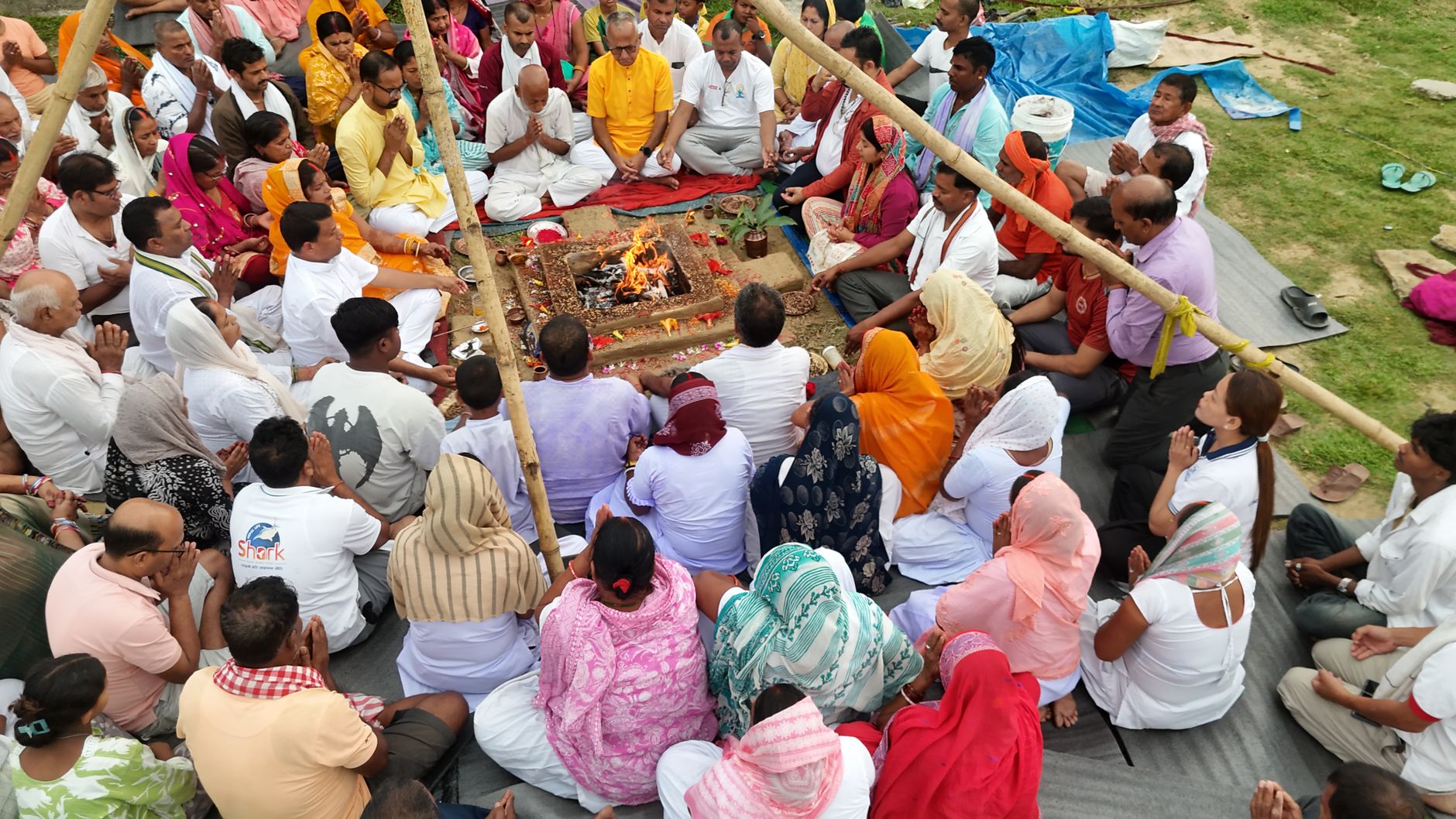
Sacred Homam Samagri for Jodhpur Rituals
Religious cermony in Jodhpur
Marwari Homam Samagri: Complete Guide for Jodhpur Weddings
Planning a sacred fire ritual in the Blue City demands careful attention to every element of Marwari Homam Samagri — from pure desi ghee and havan kund to specific samidha sticks rooted in Rajasthani tradition. Families in Jodhpur's heritage-rich neighbourhoods like Sardarpura, Paota, and the Old City lanes have observed these rituals for generations, and getting the Rajasthani puja samagri list exactly right is considered essential for divine blessings. Whether you are organising a pre-wedding Ganesh Puja, a Vivah Havan, or a Griha Pravesh ceremony, understanding Marwari wedding rituals and sourcing authentic Vedic havan saamgri kit components well in advance ensures the ceremony flows without interruption.
Quick Answer
Marwari Homam Samagri refers to the complete set of sacred materials required for Rajasthani-style havan and homam rituals, including havan kund, desi ghee, samidha (sacred wood), samagri mix of herbs and grains, panchameva, kalash, and region-specific items like Jodhpuri gulal and turmeric. The exact list varies by ceremony type — wedding, Griha Pravesh, or Satyanarayan Puja — and is traditionally prescribed by a qualified Jodhpur wedding pandit based on the muhurat and gotra.
What Is Marwari Homam Samagri and Why Does It Matter?
Marwari Homam Samagri is the curated collection of sacred offerings, herbs, grains, and ritual tools used to perform fire-based ceremonies in the Marwari tradition. Unlike generic puja kits sold across India, this specific samagri reflects the Rajasthani Brahmin and Maheshwari customs — incorporating ingredients like aamla churna, barley grains, til (sesame), navdhanya, and regionally sourced camphor. Each item carries symbolic meaning: desi ghee symbolises purity and nourishment for the fire deity Agni, while samidha wood — often mango, peepal, or palash — is chosen based on the specific ritual purpose. In Jodhpur, many families consult a Jodhpur wedding pandit before finalising the list, as the prescribed items differ between a Vivah Havan, a Navagraha Homam, and a Maha Mrityunjaya Havan. Sourcing authentic, adulteration-free samagri is not merely a tradition — it directly affects the ritual's efficacy and the family's sense of spiritual completeness on one of the most important days of their lives.
Core Components of a Rajasthani Puja Samagri List
A thorough Rajasthani puja samagri list for a full wedding homam in Jodhpur typically runs to 35–50 individual items. The foundation consists of havan kund (copper or brick), dhruva grass, panchameva (five dried fruits), navdhanya (nine grains), and a pre-mixed samagri blend of aromatic herbs, dried flowers, and resins. Homam materials for wedding ceremonies additionally include sindoor, supari, paan leaves, yellow and red cloth for the kund, and a dedicated kalash with mango leaves and coconut. Families sourcing from the Ghanta Ghar market or specialty religious shops near Somnath Temple in Jodhpur often find ready-to-use Vedic havan saamgri kits bundled for specific ceremonies — these kits are priced between INR 800 and INR 4,500 depending on quality and quantity. Ensure every item is labelled with its intended purpose so the presiding pandit can arrange them efficiently at the ceremony venue.
How Much Does a Complete Vedic Havan Saamgri Kit Cost in Jodhpur?
The cost of a Vedic havan saamgri kit in Jodhpur depends on ceremony size, duration, and quality of materials. For a small Griha Pravesh or Satyanarayan Puja serving a 25–50 guest gathering, a basic kit costs between INR 1,200 and INR 2,500. A full Marwari wedding Vivah Havan for 100–300 guests — common in areas like Ratanada and Shastri Nagar — typically requires samagri valued between INR 4,000 and INR 10,000, especially if pure cow-milk ghee and premium samidha are specified. If you hire a Jodhpur wedding pandit who provides samagri as part of a ceremony package, expect bundled pricing from INR 7,000 to INR 25,000 covering both the pandit's dakshina and all ritual items. Always request itemised billing so you can verify the quality of each component, particularly desi ghee, which is frequently adulterated. Booking during auspicious muhurat booking windows — especially in Vivah Panchami or Akshaya Tritiya seasons — drives up demand and prices by 20–30%, so plan at least three weeks ahead.
Traditional Havan Items Unique to Jodhpur's Marwari Ceremonies
Jodhpur's Marwari traditions have several ceremony-specific additions that distinguish local homams from generic North Indian rituals. Traditional havan items here include kesariya rice (saffron-tinted as an offering for prosperity), Jodhpuri mishri (rock sugar) offered to Agni, and a special blend of desert herbs like isabgol husk and ker berry resin that are native to Rajasthan's arid ecosystem. The kund itself is often constructed differently — many Marwari families use a star-shaped or octagonal brass kund rather than the standard square variety, reflecting local Tantric and Vaishnav influences. Marwari wedding rituals also require paan-supari arrangements in specific quantities prescribed by gotra customs, and the final purnahuti — the grand closing offering — includes a larger quantity of ghee, samagri, and coconut. Understanding these local nuances is why consulting a Jodhpur-based religious ceremony specialist or Happiffie-listed pandit is far more reliable than following a generic online checklist.
How Do You Source Authentic Marwari Homam Samagri in Jodhpur?
Sourcing authentic Marwari Homam Samagri in Jodhpur is straightforward when you know where to look. The Ghanta Ghar bazaar, Nai Sarak, and the lanes around Chamunda Mata Mandir stock dedicated religious material shops offering everything from pure desi ghee to pre-assembled ceremony bundles. For premium requirements — such as Yagya-grade samidha or organic navdhanya — vendors near Mandore Garden and the Brahmin localities of Sursagar are well regarded. Wedding ceremony essentials, including silk vastra, kalash, and puja thali sets, are often available at composite religious stores near the Mehrangarh Fort precinct. When sourcing samagri independently, always verify that ghee carries a BIS or Agmark certification, that dry herbs are airtight and aroma-fresh, and that samidha wood is genuinely from the specified tree species. Many Jodhpur pandits maintain trusted vendor relationships and can facilitate procurement on your behalf, saving time during the busy wedding season and ensuring Marwari Homam Samagri authenticity.
Marwari Homam Samagri Options Compared: Kits vs. Custom Assembly in Jodhpur
Expert Recommendation
Best for intimate home ceremonies
Best for large Marwari wedding havans
Best for destination weddings at heritage havelis
Best for budget-conscious families
Best for strictly traditional ceremonies
Best for modern couples wanting minimal ceremony
How to Choose the Right Option
✅ Pre-booking Checklist
- Consult your Jodhpur wedding pandit at least 3 weeks ahead to get a ceremony-specific Rajasthani puja samagri list tailored to your gotra and ritual type.
- Confirm the auspicious muhurat booking date before finalising samagri quantities — extended ceremonies require larger quantities of desi ghee and samidha.
- Inspect desi ghee for Agmark certification and verify it melts cleanly without white residue before purchasing.
- Verify samidha wood species matches the pandit's prescription — mango, peepal, and palash each serve different ritual purposes.
- Source specialty Jodhpuri items like kesariya rice and mishri from trusted local vendors at Nai Sarak or Ghanta Ghar bazaar.
- Cross-check the full list of traditional havan items against the venue setup — indoor venues may require smaller kunds and low-smoke camphor.
- Arrange secure, airtight storage for dry samagri components at least 48 hours before the ceremony to protect from humidity.
- Confirm the pandit's samagri checklist aligns with your assembled materials on the morning of the ceremony to catch any last-minute gaps.
🎯 Selection Criteria
- Authenticity: Prioritise samagri sources that can confirm ingredient origin and purity, particularly for ghee and samidha.
- Completeness: The selected kit or assembled list must cover all ritual stages — from Ganesh Sthapana through to Purnahuti.
- Ceremony specificity: Ensure the Marwari Homam Samagri is customised for your exact ceremony type and family gotra.
- Vendor reliability: Choose established shops or pandit-referred vendors over unknown online sellers for critical components.
- Budget alignment: Compare per-item costs between pre-packed kits and custom assembly to make an informed decision for your guest count.
- Eco-compliance: For indoor heritage venue ceremonies, verify all items meet low-smoke and organic standards where required.
💰 Cost / Quality Factors
- Ghee quality: Pure desi cow-milk ghee costs 30–40% more than buffalo-milk alternatives but burns cleaner and is considered ritually superior.
- Samidha species: Rare or prescribed wood types sourced from outside Rajasthan may increase homam materials for wedding costs significantly.
- Season demand: Samagri prices rise 20–30% during Vivah Panchami, Akshaya Tritiya, and Diwali season in Jodhpur markets.
- Ceremony duration: Longer multi-kund havans (3–5 hours) consume 3–4 times the ghee and samagri of a standard 45-minute havan.
- Pandit package vs. self-sourcing: Bundled packages are convenient but carry a 20–35% premium over self-assembled purchases.
- Organic vs. conventional: Organic herbs and chemical-free components command a 15–25% premium but are preferred for indoor and heritage venue ceremonies.
⚠️ Common Mistakes to Avoid
- Buying generic online kits without verifying they include Jodhpur-specific Marwari Homam Samagri components like kesariya rice and Rajasthani herb blends.
- Skipping the pandit consultation and assembling samagri based on generic internet lists, resulting in missing gotra-specific items.
- Purchasing desi ghee without certification, risking adulterated material that disrupts the ritual and produces excessive smoke.
- Underestimating quantity — running out of ghee or samagri mid-ceremony is considered inauspicious and disrupts the ritual flow.
- Forgetting venue-specific constraints — large kunds and high-smoke samidha are unsuitable for closed banquet halls and air-conditioned heritage havelis.
- Neglecting auspicious muhurat booking timelines and purchasing samagri too late to source specialty items that require advance ordering.
People Also Ask
What items are included in Marwari Homam Samagri for a wedding?
How do I know if my homam samagri is authentic and not adulterated?
Can I order a ready-made Vedic havan saamgri kit online for a Jodhpur wedding?
How far in advance should I arrange homam materials for a wedding in Jodhpur?
What is the approximate budget for Marwari Homam Samagri in Jodhpur?
Which Jodhpur neighbourhoods have the best religious material shops?
Does the Marwari Homam Samagri list change for different ceremonies?
Are there eco-friendly alternatives to traditional homam materials?
Related Experiences on Happiffie
Sacred Vedic Wedding Kits, Kovalam
Sacred Samagri for Your Karnataka Wedding
Authentic Pahadi Wedding Pandits in Mussoorie
Hindu Wedding Rituals Explained
Kerala Weddings in Pune, Done Right
All Wedding & Event Services
Frequently Asked Questions
What makes Marwari Homam Samagri different from standard North Indian puja kits?
How many items are typically on a Jodhpur Vivah Havan samagri list?
Is it safe to perform a homam with pre-packed samagri kits in indoor venues in Jodhpur?
Can I reuse leftover Marwari Homam Samagri from one ceremony for another?
Which Jodhpur localities are best for sourcing specialty homam materials for a wedding?
How do I coordinate Marwari Homam Samagri procurement with my auspicious muhurat booking?
Do Jodhpur wedding pandits typically provide samagri or does the family source it?
What are the most commonly forgotten items from a Marwari wedding havan samagri list?
Key Takeaways
- Marwari Homam Samagri is a regionally specific, ceremony-tailored collection of sacred ritual items that differs meaningfully from generic North Indian puja kits.
- A complete Vivah Havan samagri set in Jodhpur costs between INR 4,000 and INR 10,000 when self-assembled, or INR 7,000–25,000 as a pandit-bundled package.
- Jodhpur's Ghanta Ghar bazaar and Nai Sarak are the most reliable local sources for authentic traditional havan items and specialty Rajasthani ingredients.
- Always obtain a ceremony-specific Rajasthani puja samagri list from your pandit, as items differ significantly between Vivah Havan, Griha Pravesh, and Navagraha Homam.
- Samagri prices increase by 20–30% during peak wedding seasons like Akshaya Tritiya and Vivah Panchami — book early and secure materials at least 3 weeks ahead.
- Indoor and heritage haveli ceremonies require low-smoke, eco-friendly samagri variants to comply with venue air-quality standards.
- Consulting a Jodhpur wedding pandit before purchasing ensures gotra-specific compliance, correct samidha selection, and complete auspicious muhurat booking alignment.
- Adulterated desi ghee is the most common quality issue — always verify Agmark certification before purchasing for any Marwari Homam Samagri requirement.
Find Trusted Pandits and Samagri Suppliers for Your Jodhpur Homam
Happiffie connects you with verified religious ceremony experts in Jodhpur who can provide complete Marwari Homam Samagri guidance, authentic sourcing, and ceremony planning support — all in one place.
Explore Jodhpur Pandits
Are you a Vendor? Grow Your Business with Happiffie!
- High intent verified leads
- Reverse auction opportunities
- AI business tools & insights
- Dedicated vendor dashboard
- Grow your business, your way
It's free & takes less than 2 minutes!