

Explore All Religious Ceremonies
Discover traditional rituals, wedding ceremonies, spiritual occasions and meaningful cultural celebrations in Chennai, with trusted services to honour every tradition.
Give Thoughtfully,
Celebrate with Happiffie
From personalised gifts and curated collections to thoughtful presents for every occasion, Happiffie helps you discover gifting options that make celebrations more meaningful and memorable.
- Thoughtful Gift DiscoveryFind gifting options suited to every celebration and occasion
- Personalised GiftingDiscover customised gifts made to create meaningful moments
- Trusted Gift ProvidersConnect with reliable gifting professionals and service providers
Popular Religious Ceremonies
 Bible Theme Cakes
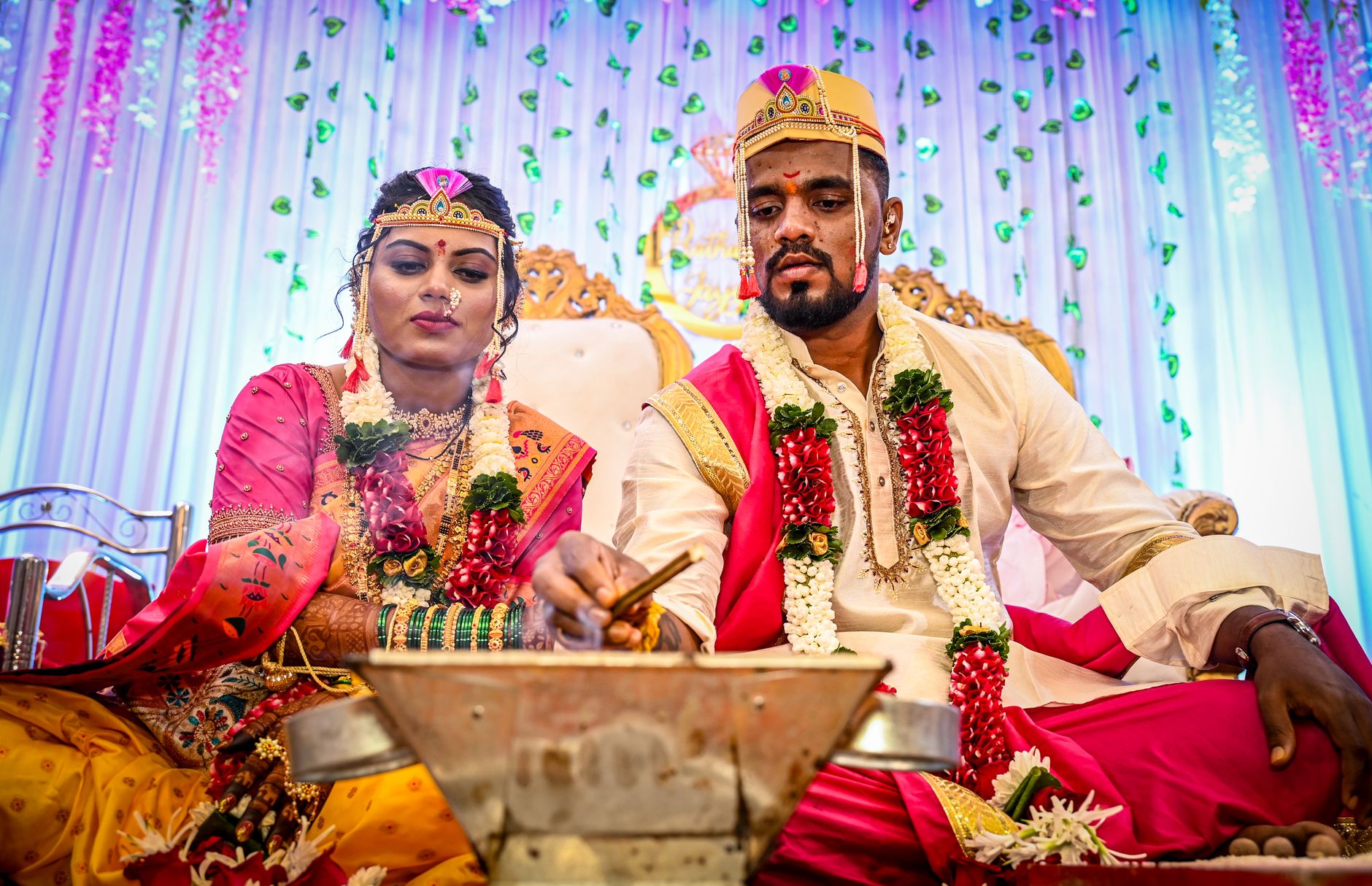 Brahmin Marriage Homam Kit
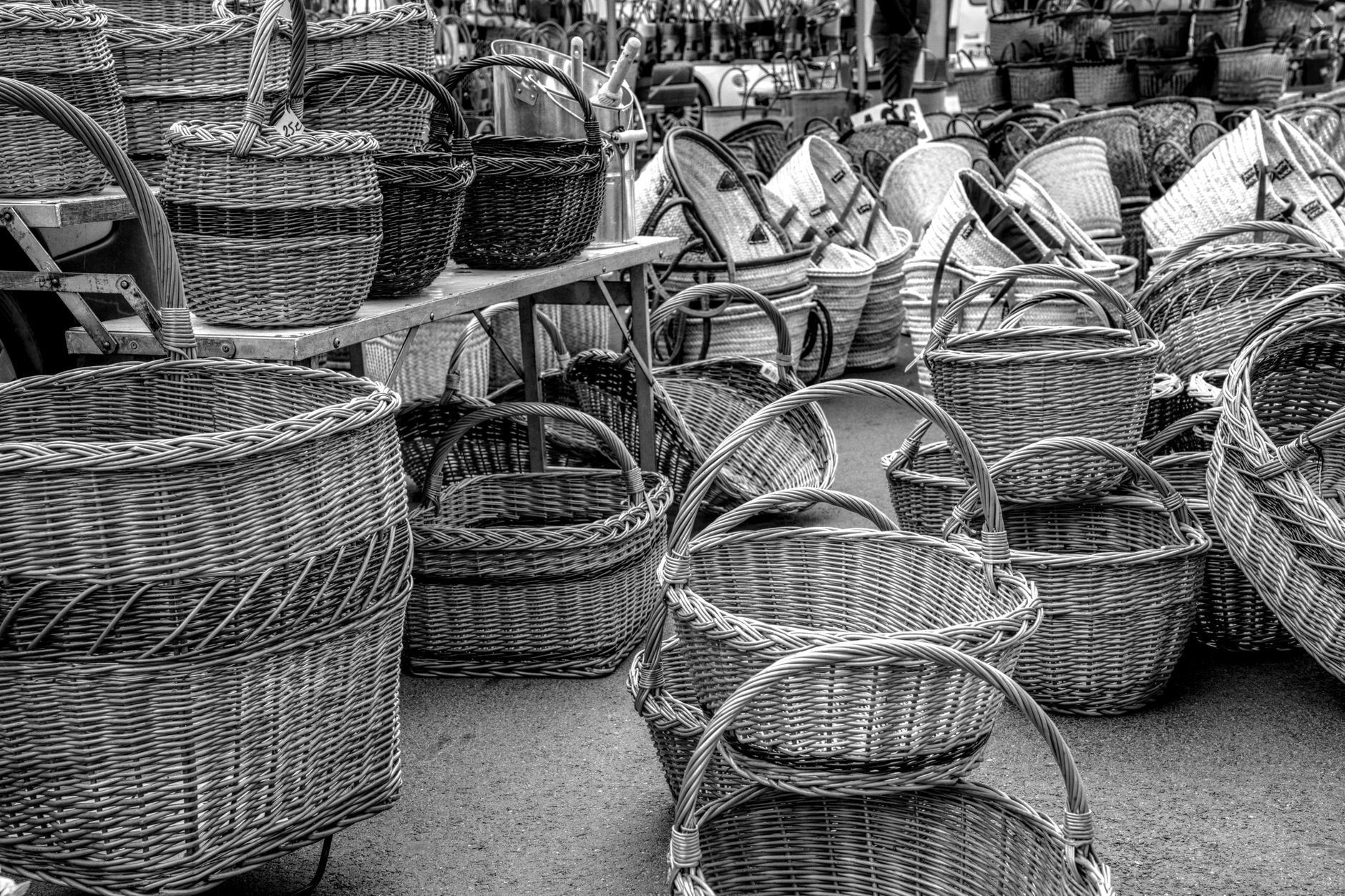 Cane Flower Baskets
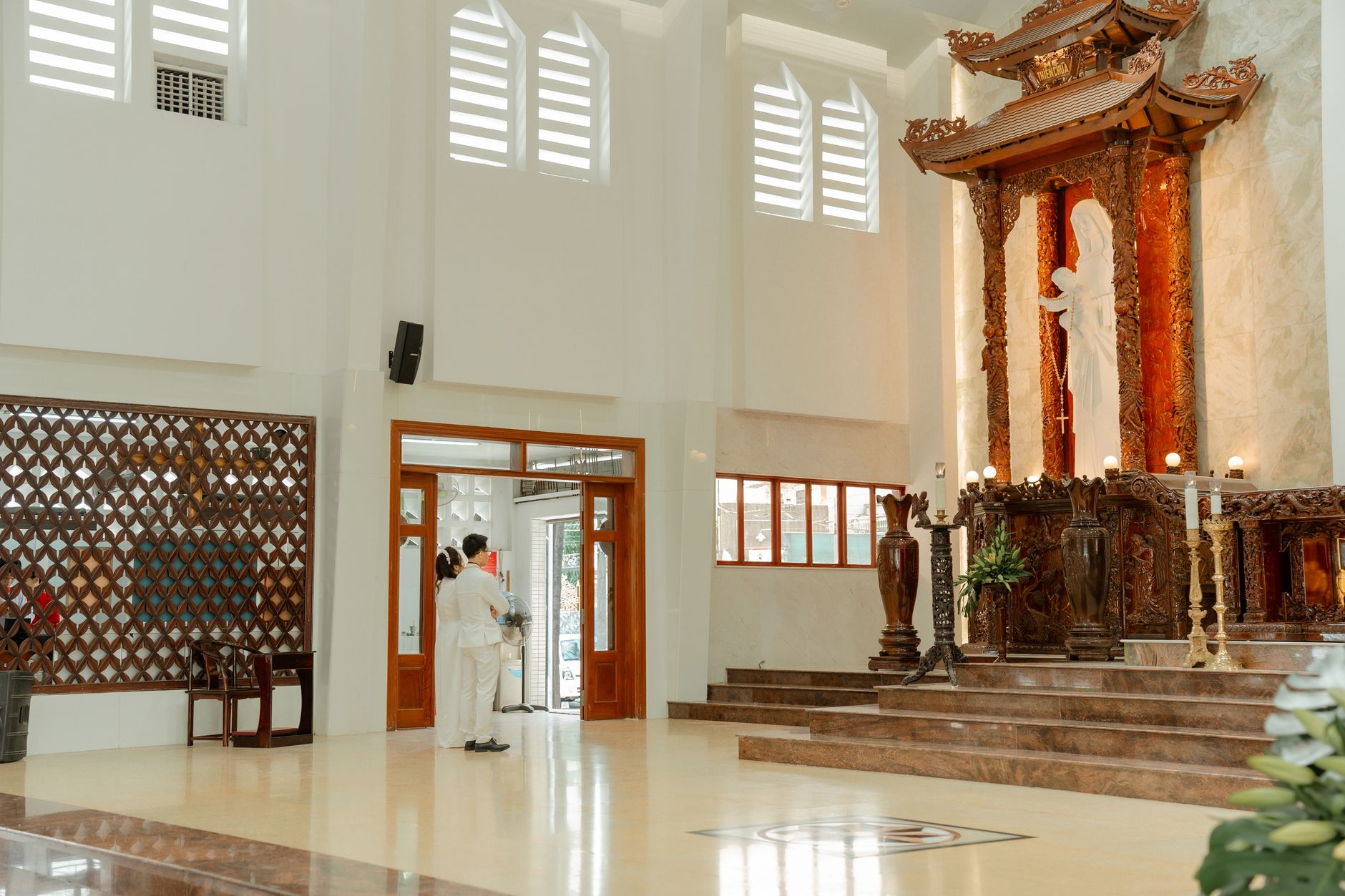 Christian Ceremony Candles
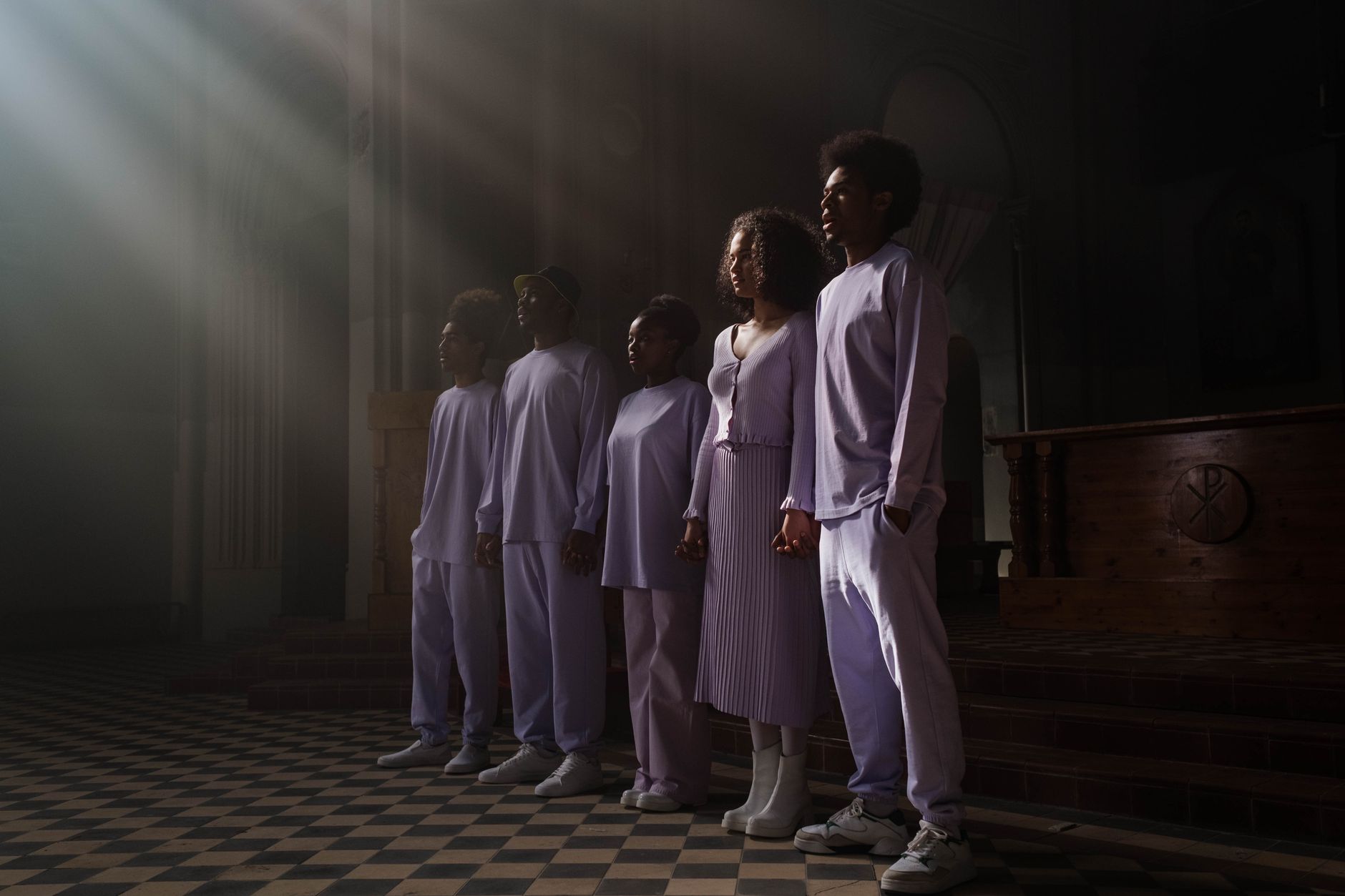 Church Gospel Singers
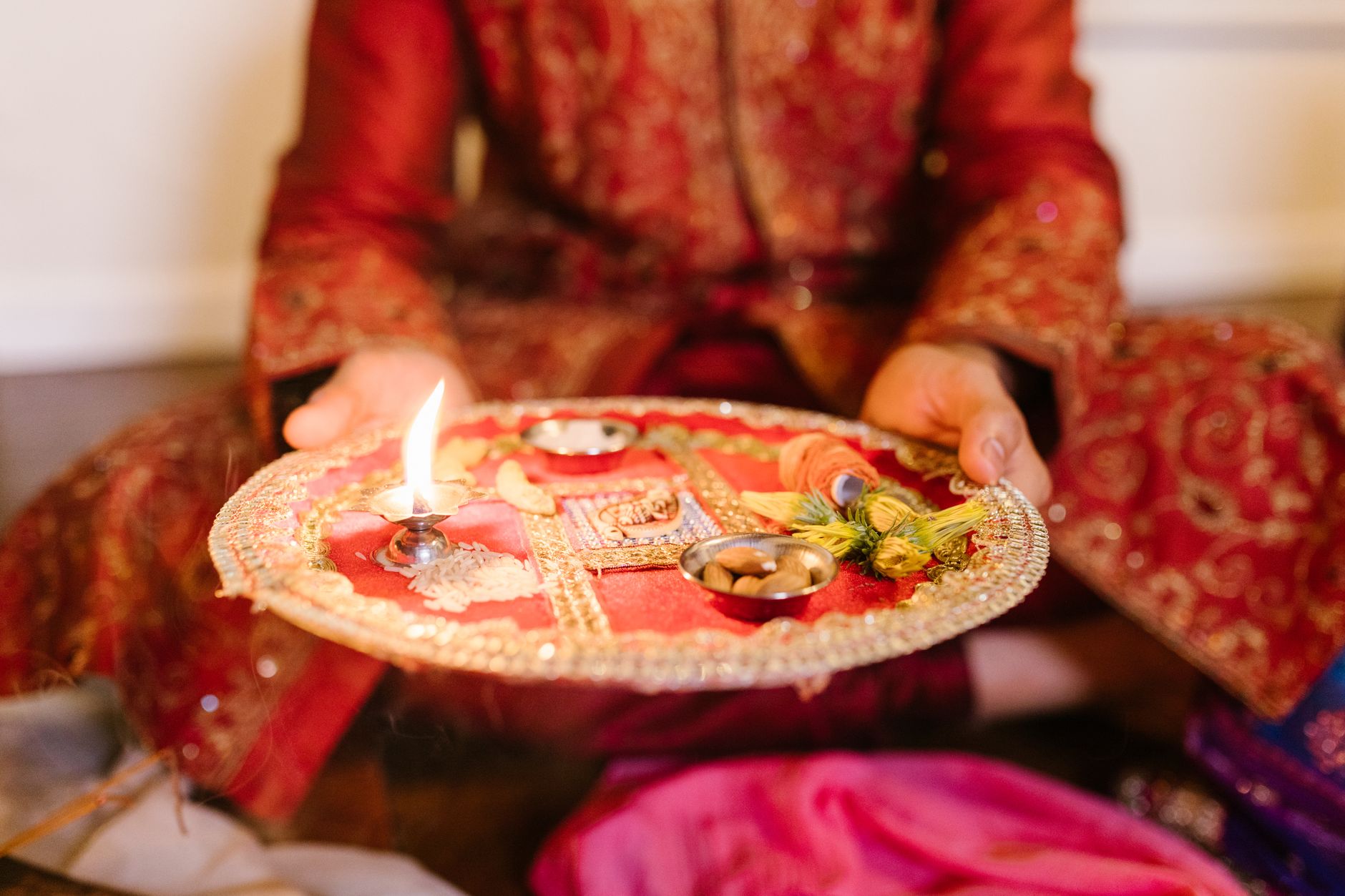 Engagement Pooja Kit
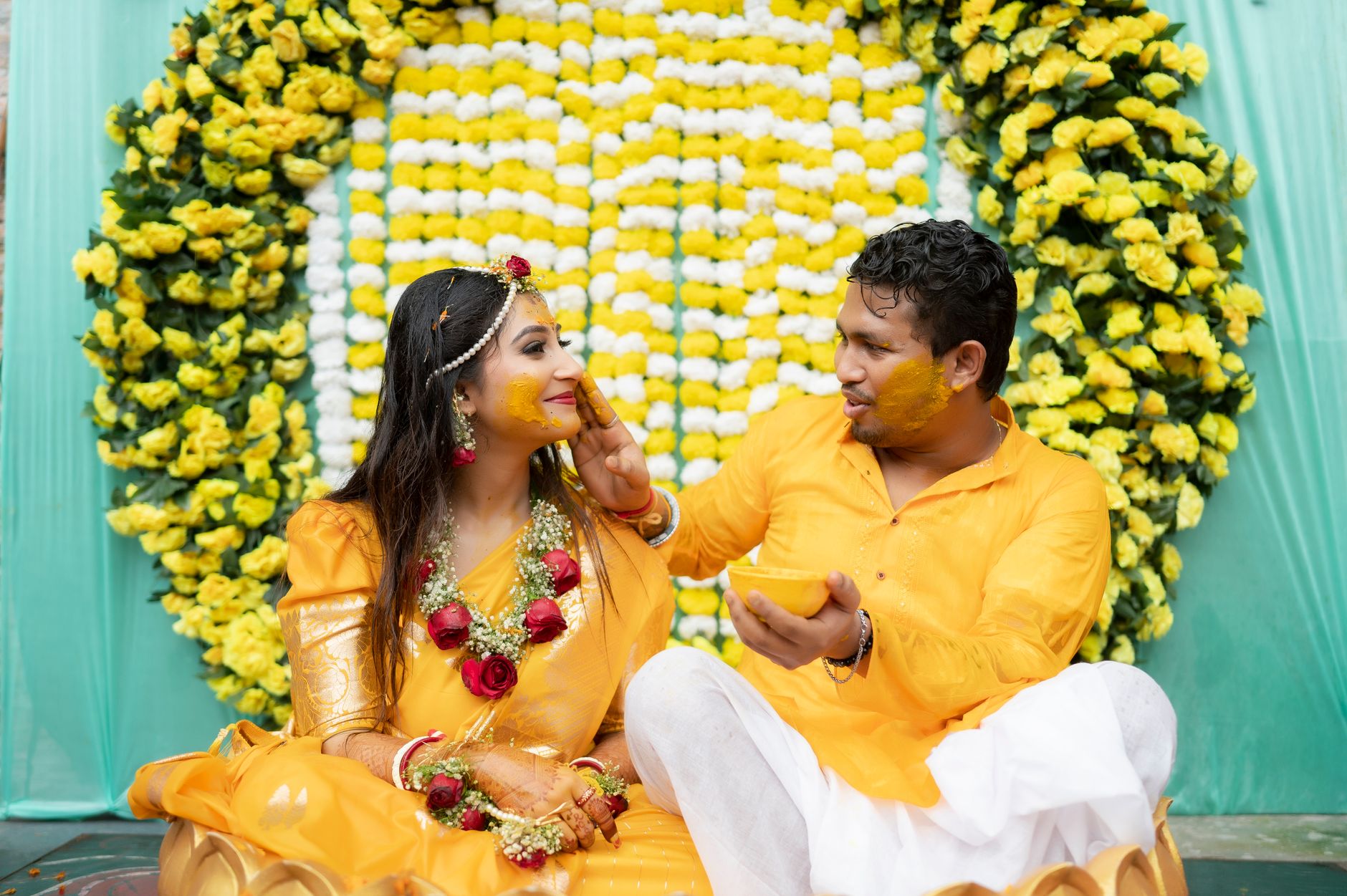 Gujarati Pithi Ceremony Supplies
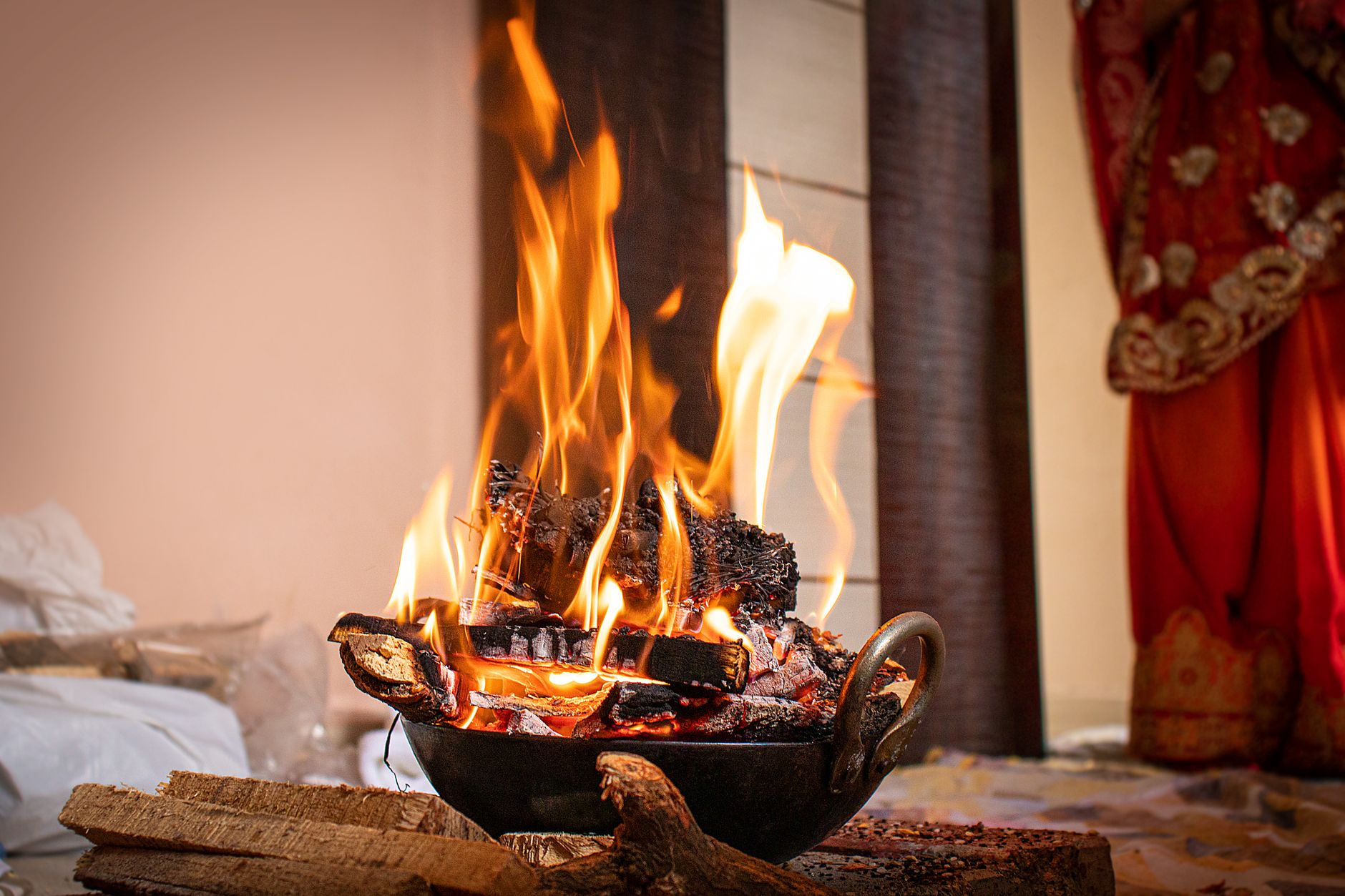 Havan Live Streaming
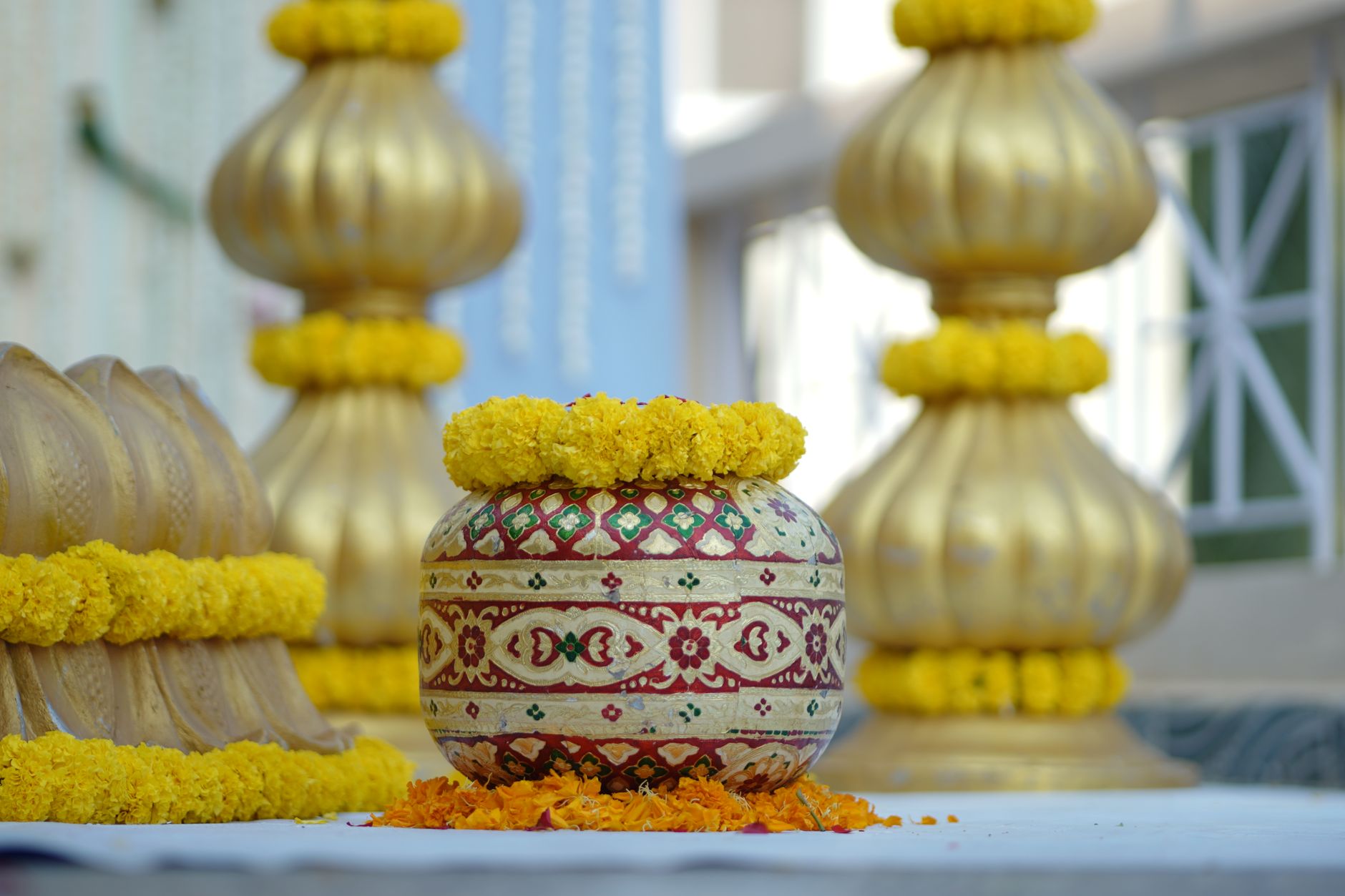 Hindu Marriage Officiant
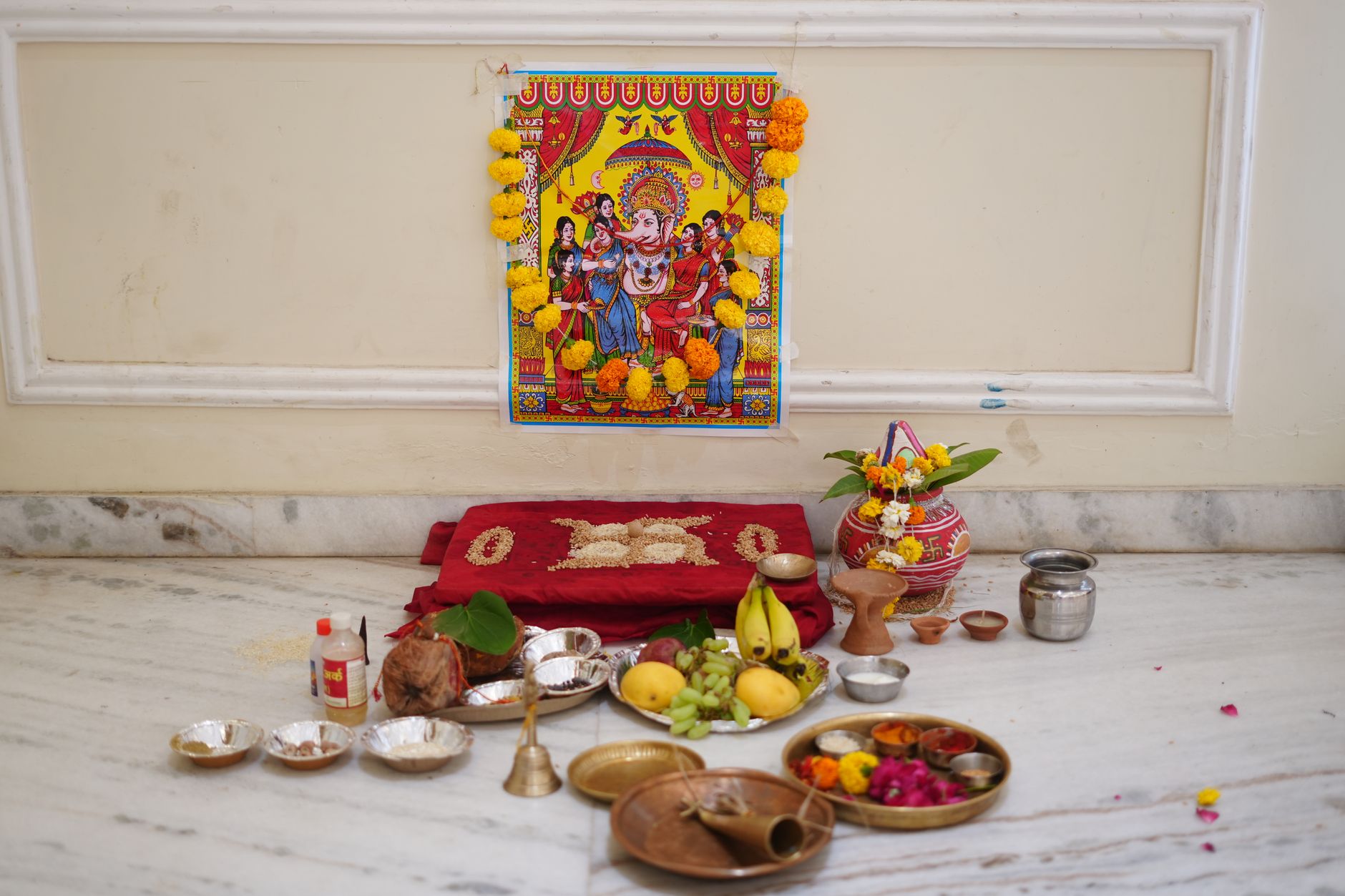 Jain Marriage Kalash Items
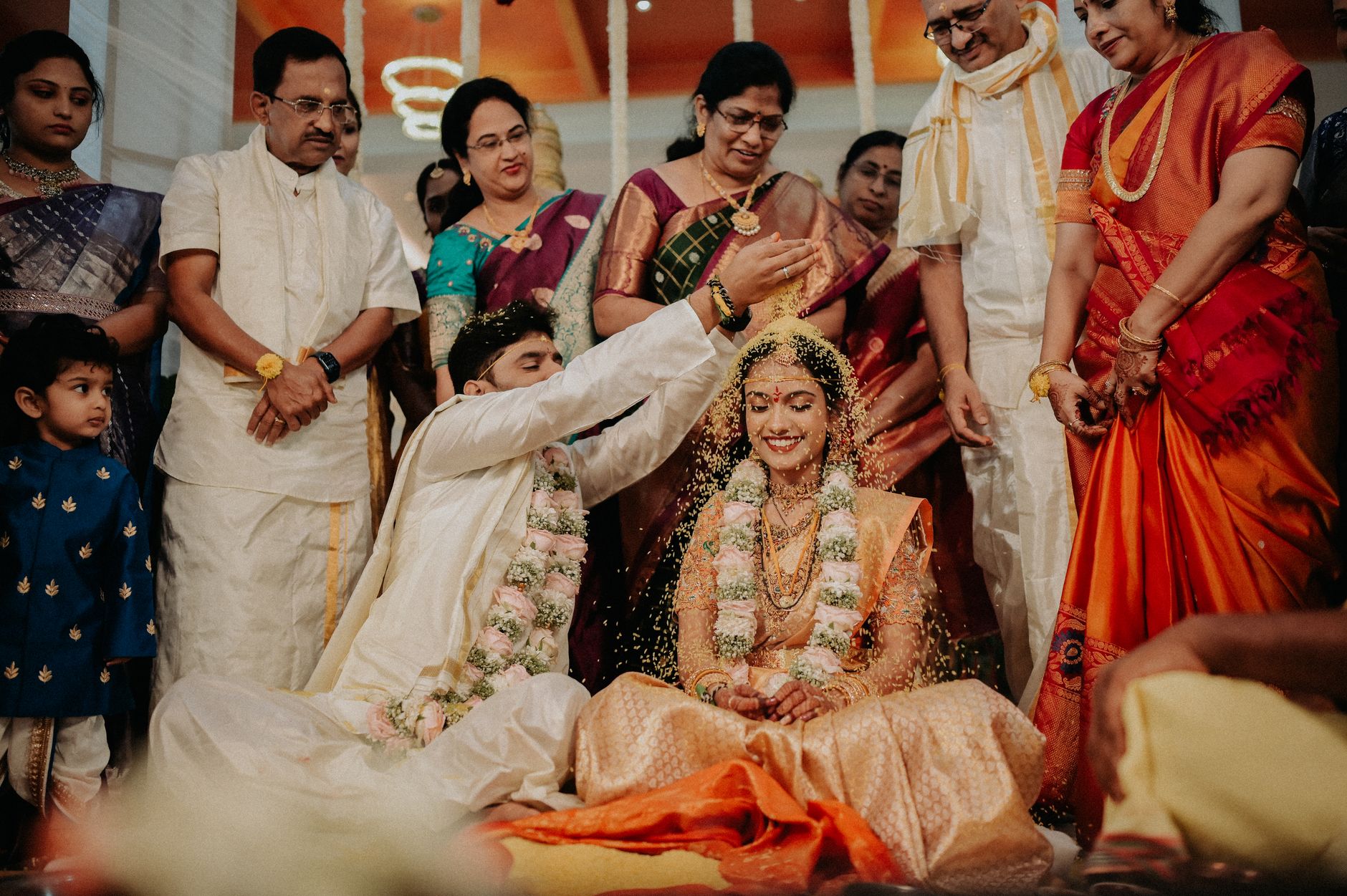 Jasmine Varmala
 Kannada Homam Samagri
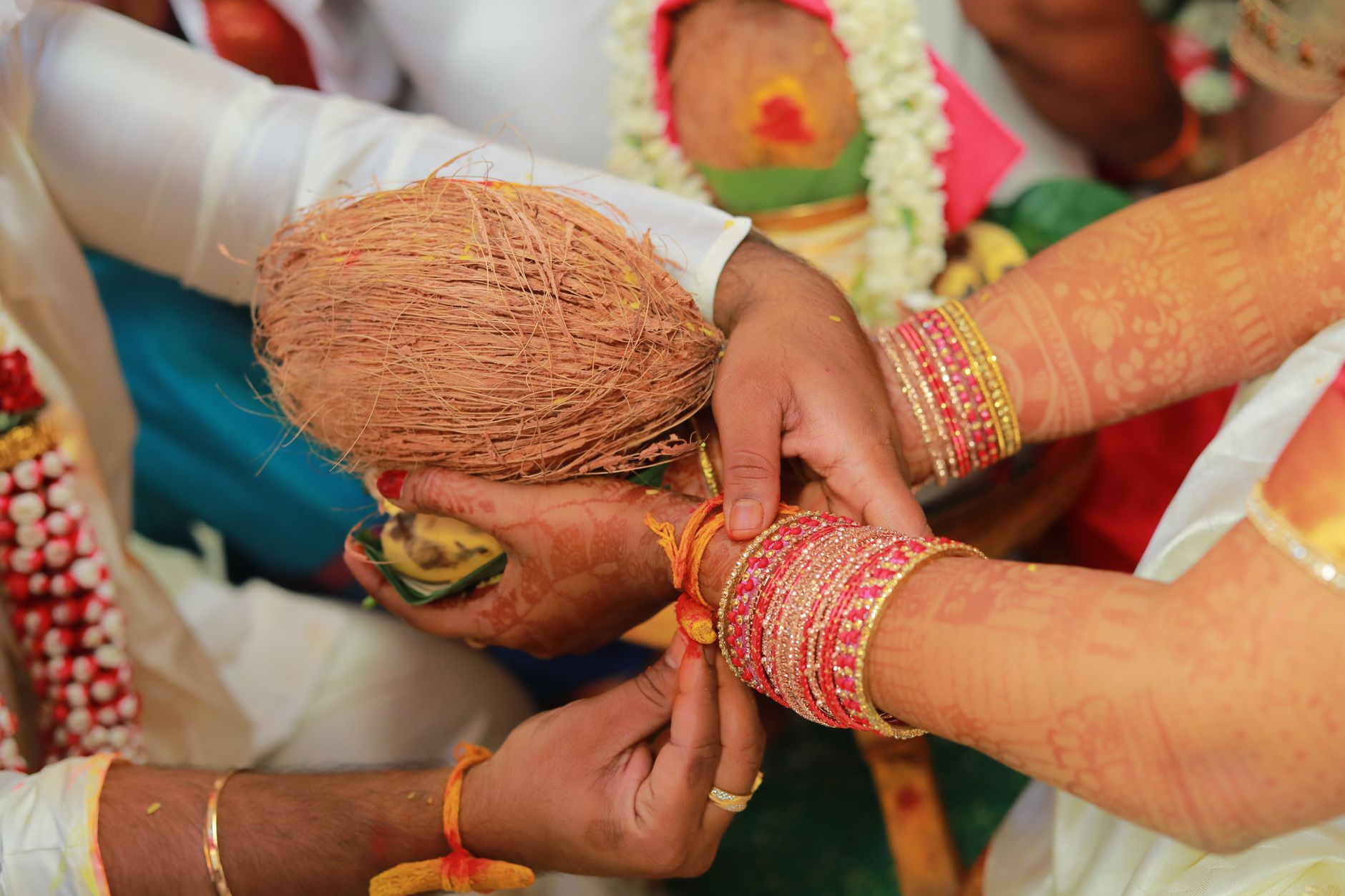 Kerala Mangalsutra Ceremony Supplies
 Marriage Compatibility Astrology
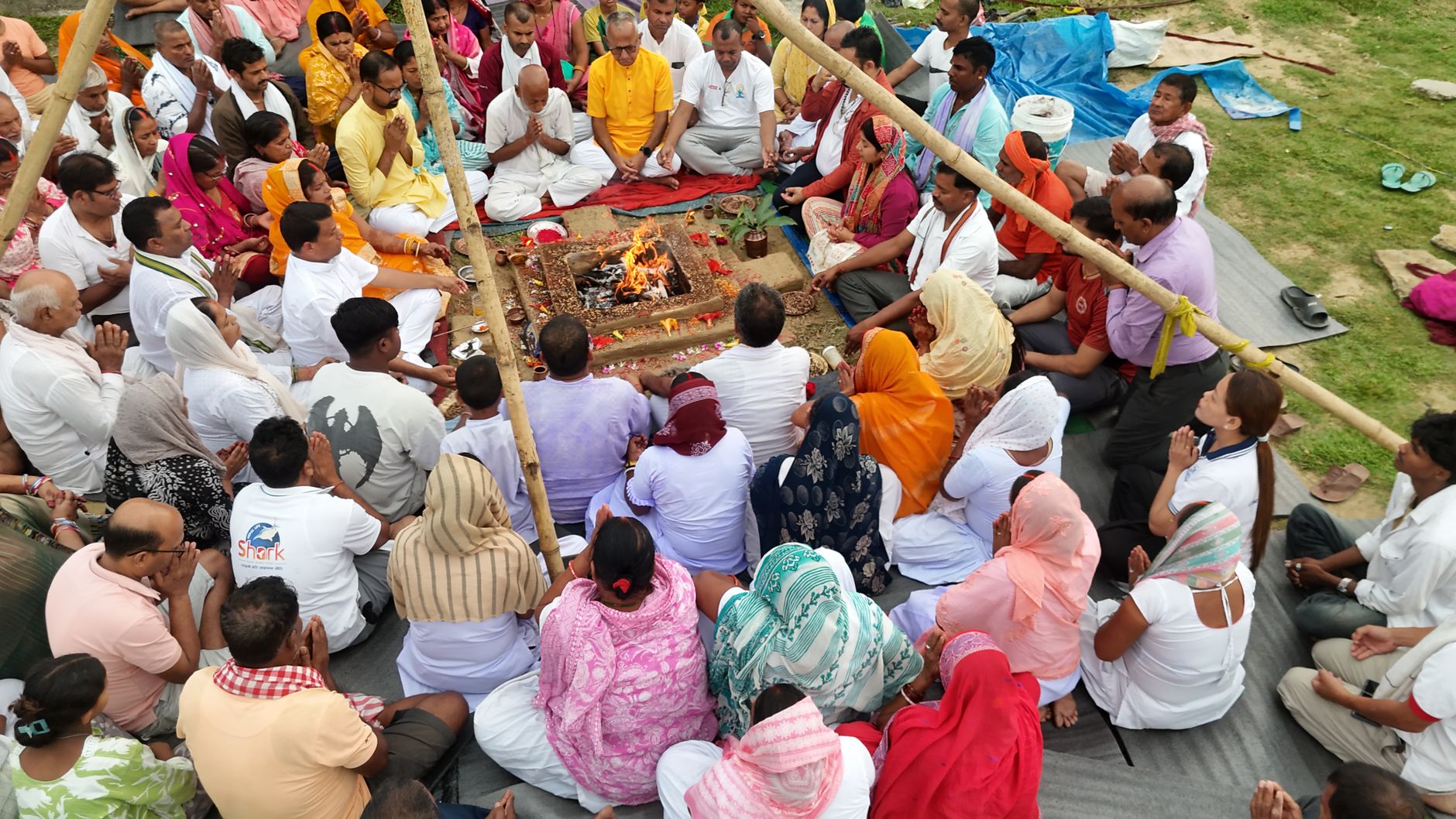 Marwari Homam Samagri
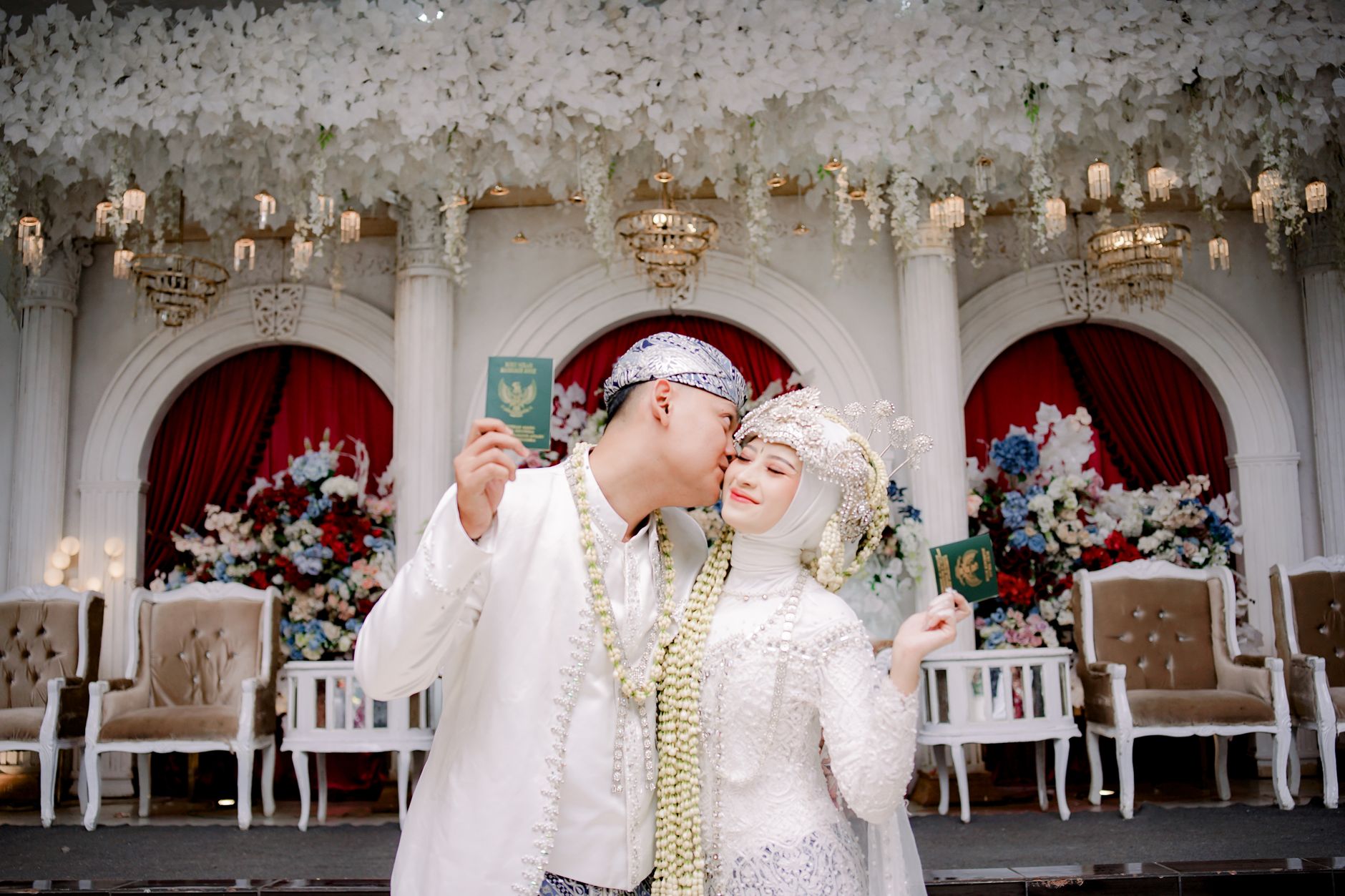 Nikah Certificate Folder
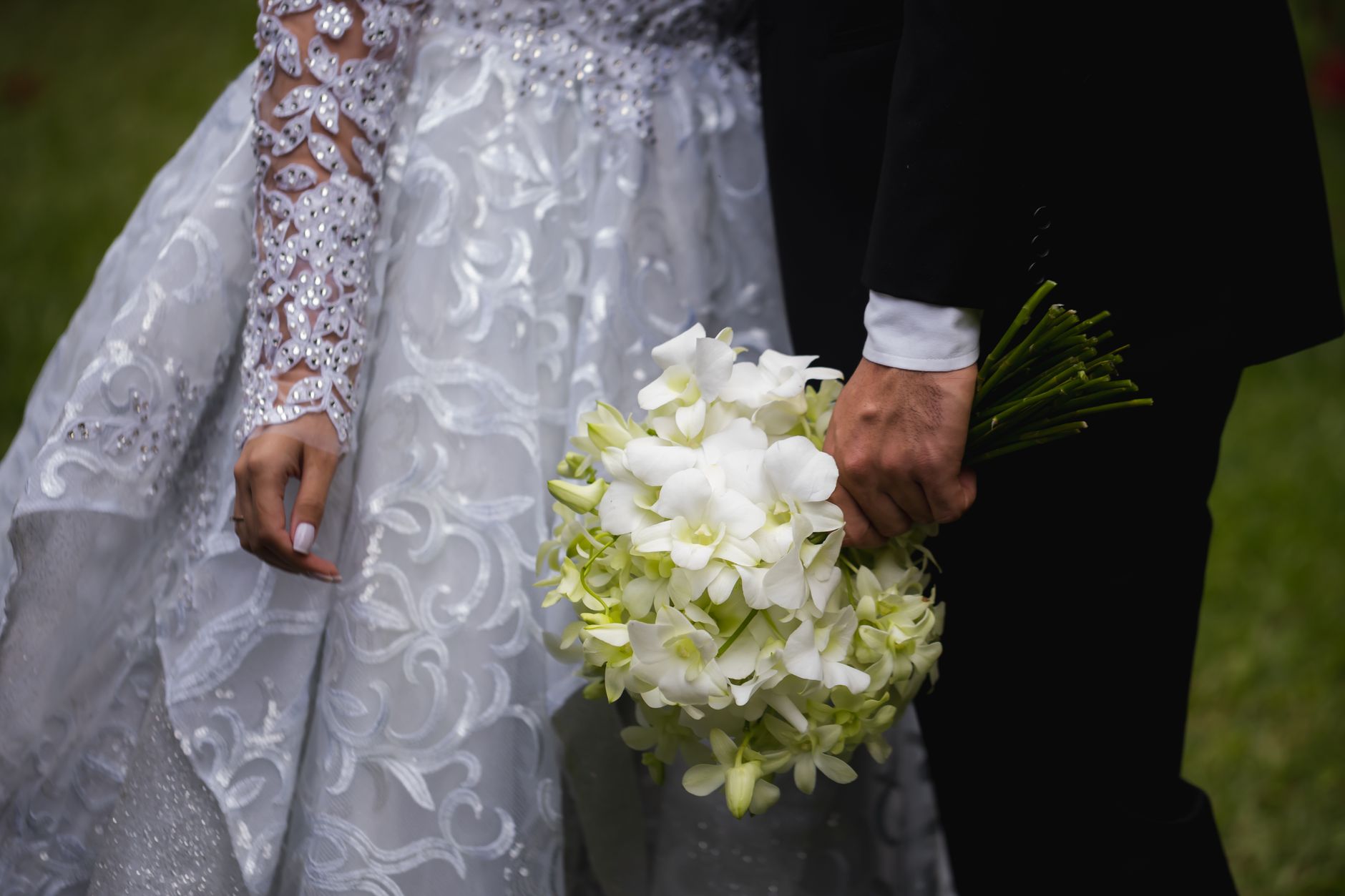 Orchid Bouquets
 Orchid Boutonnieres
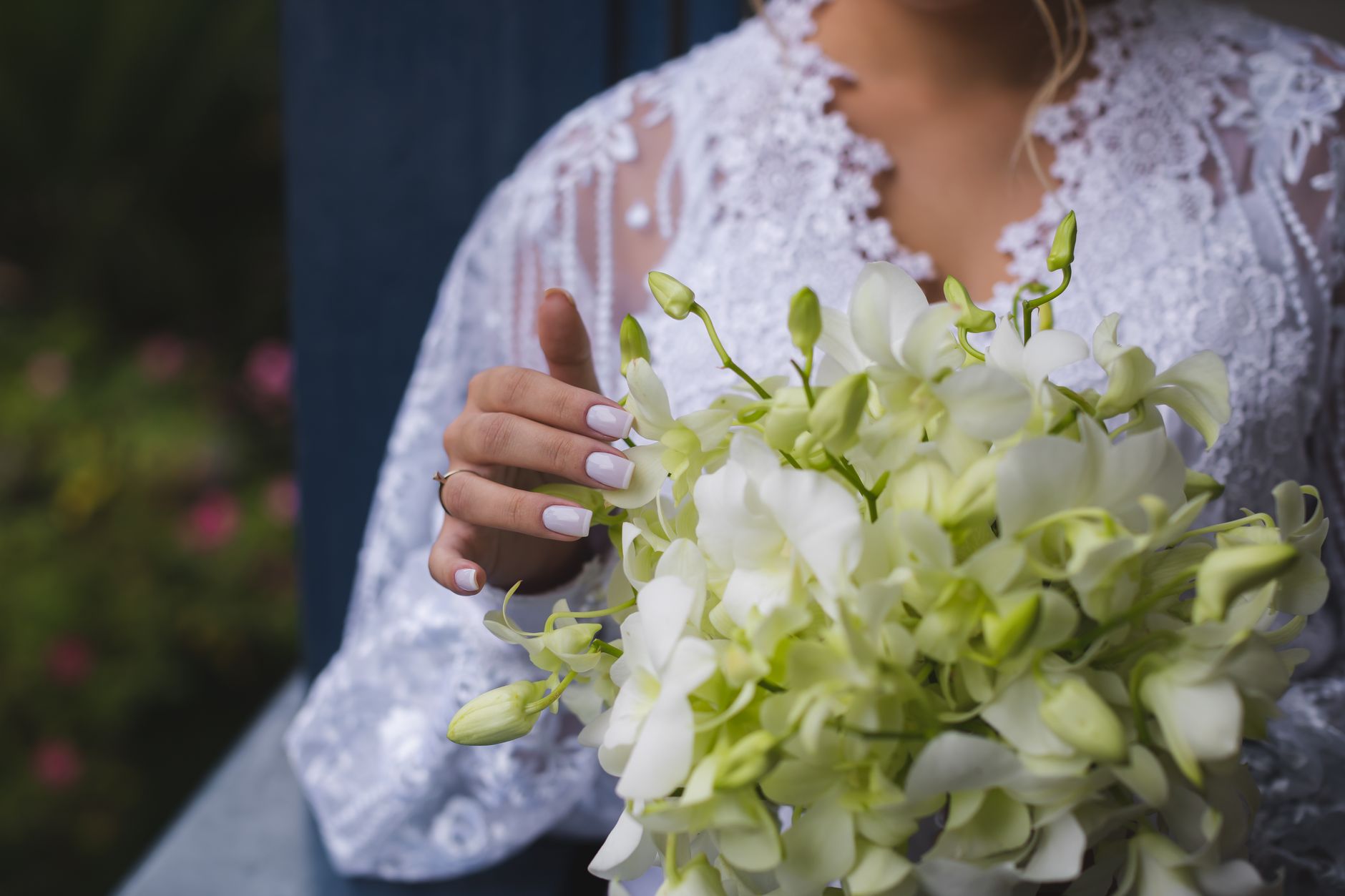 Orchid Car Decor
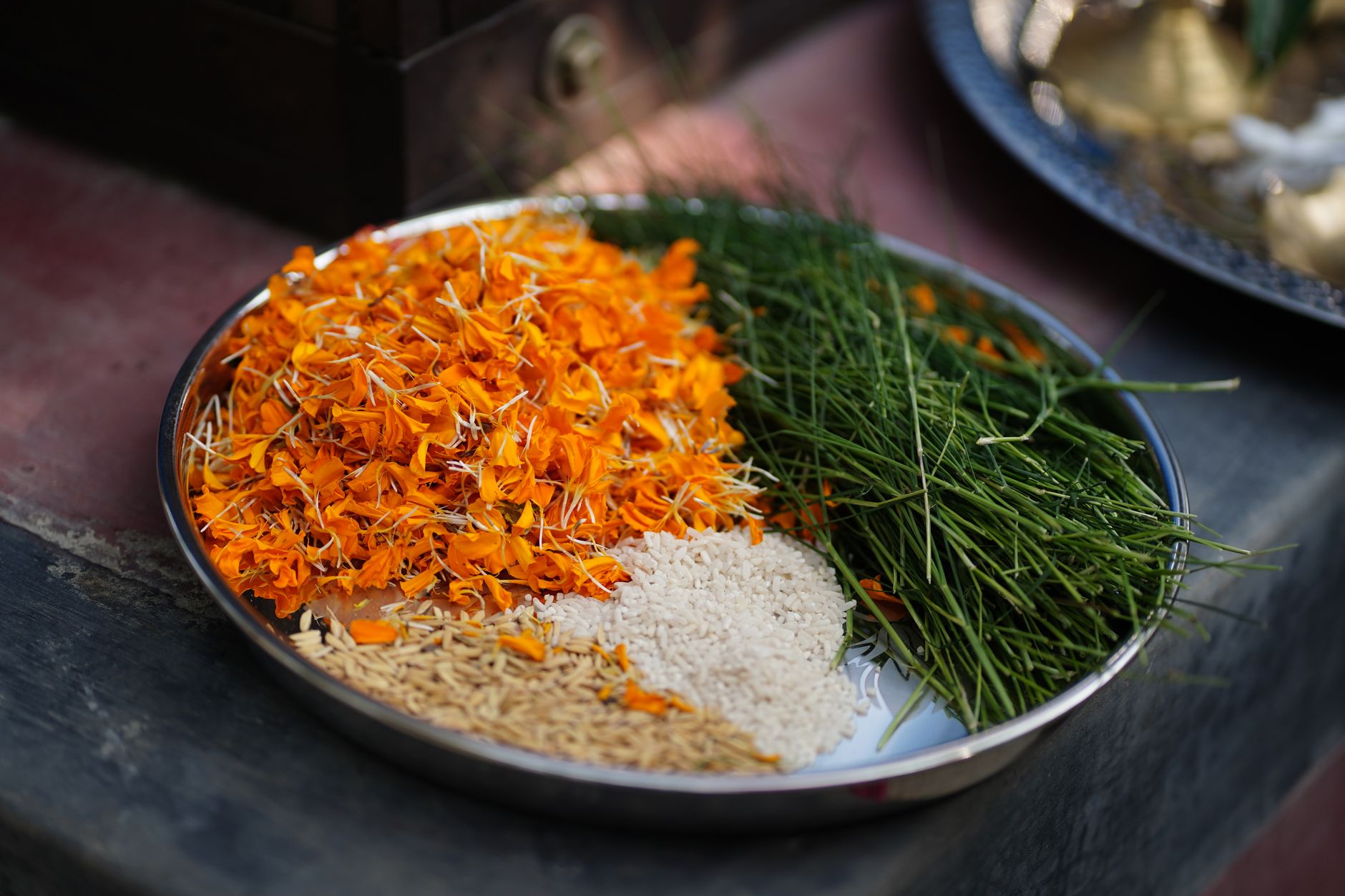 Premium Celebration Favours
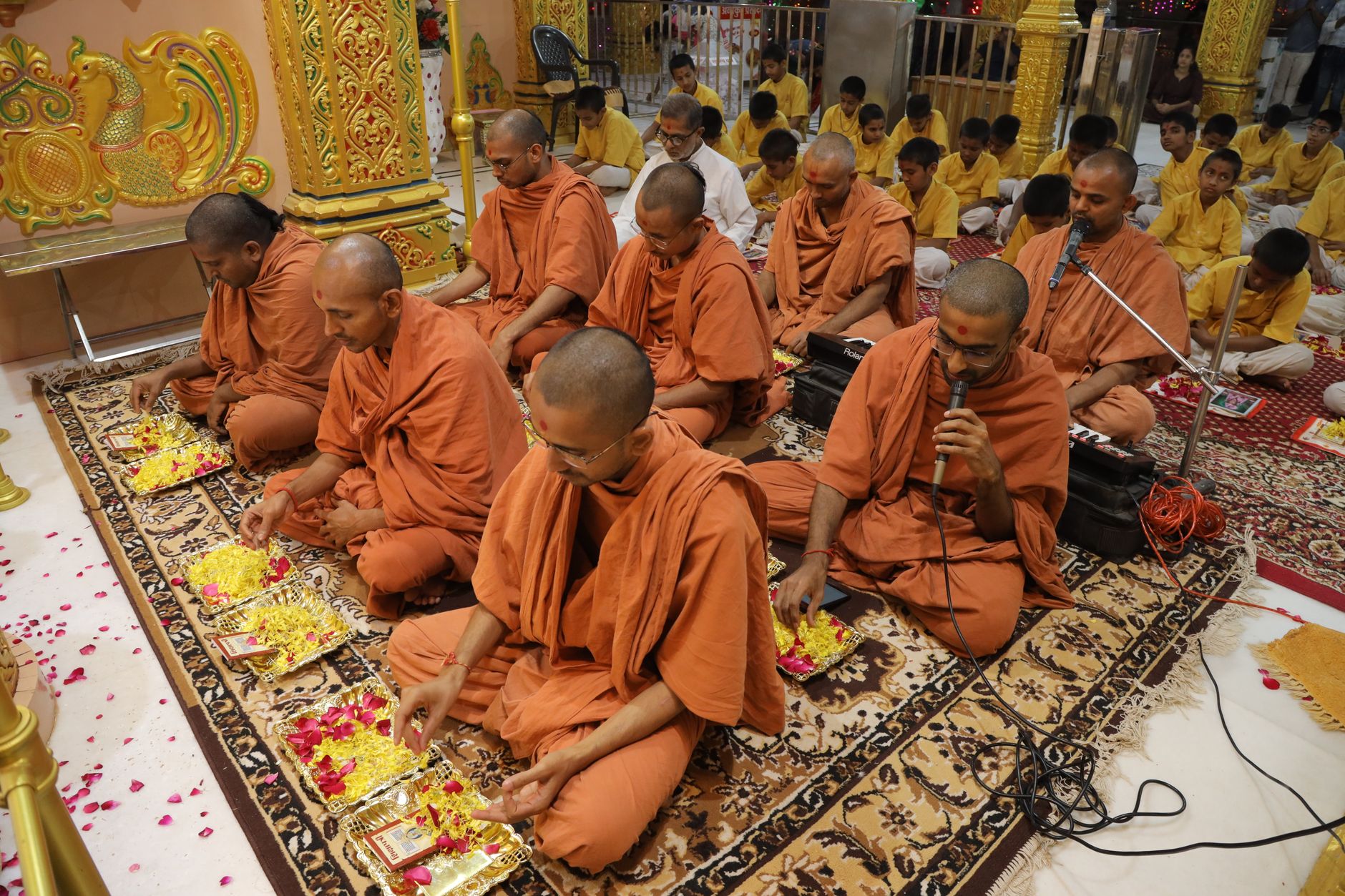 Ram Bhajan Group
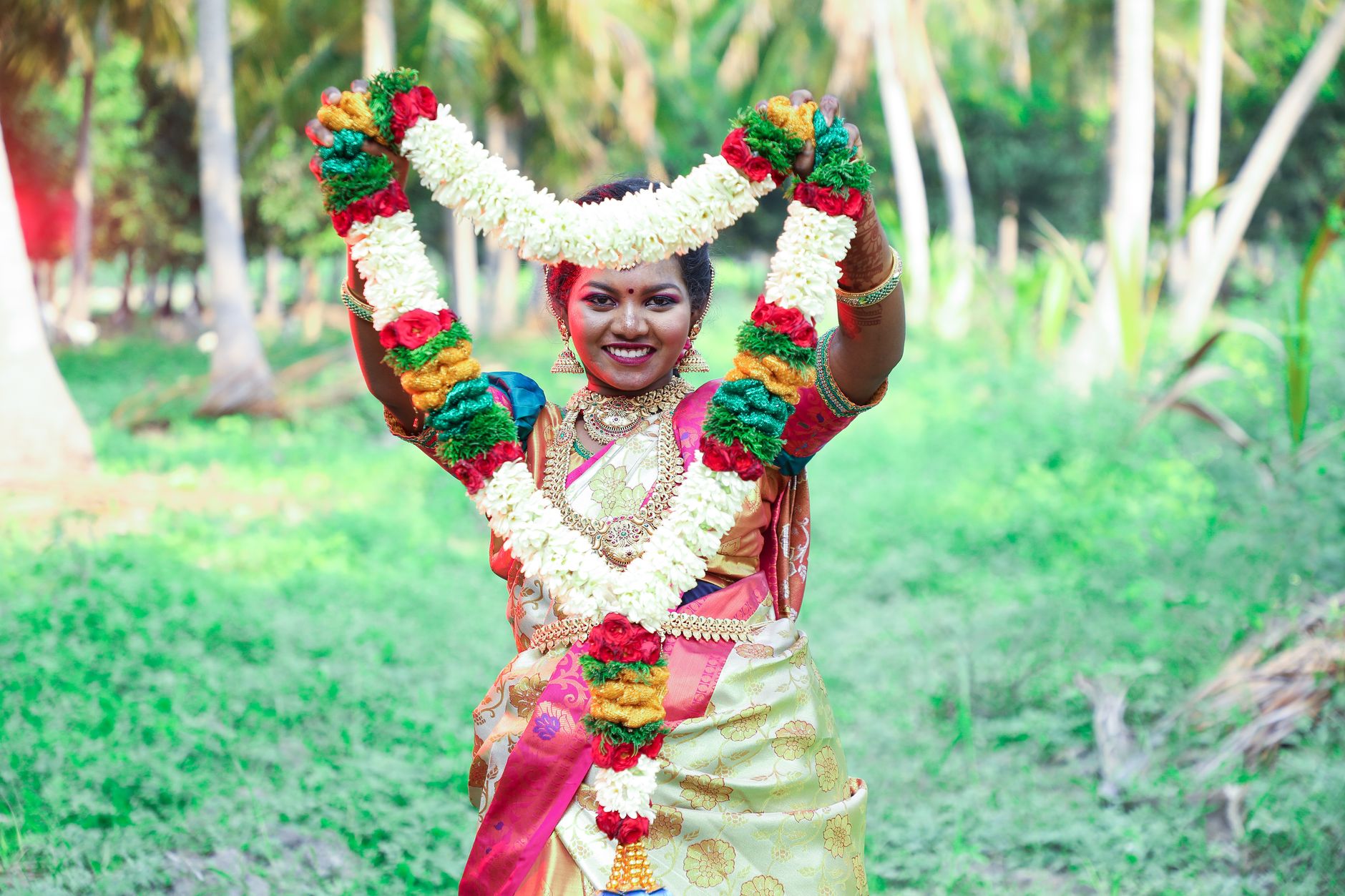 Tamil Kalyanam Pooja Kit
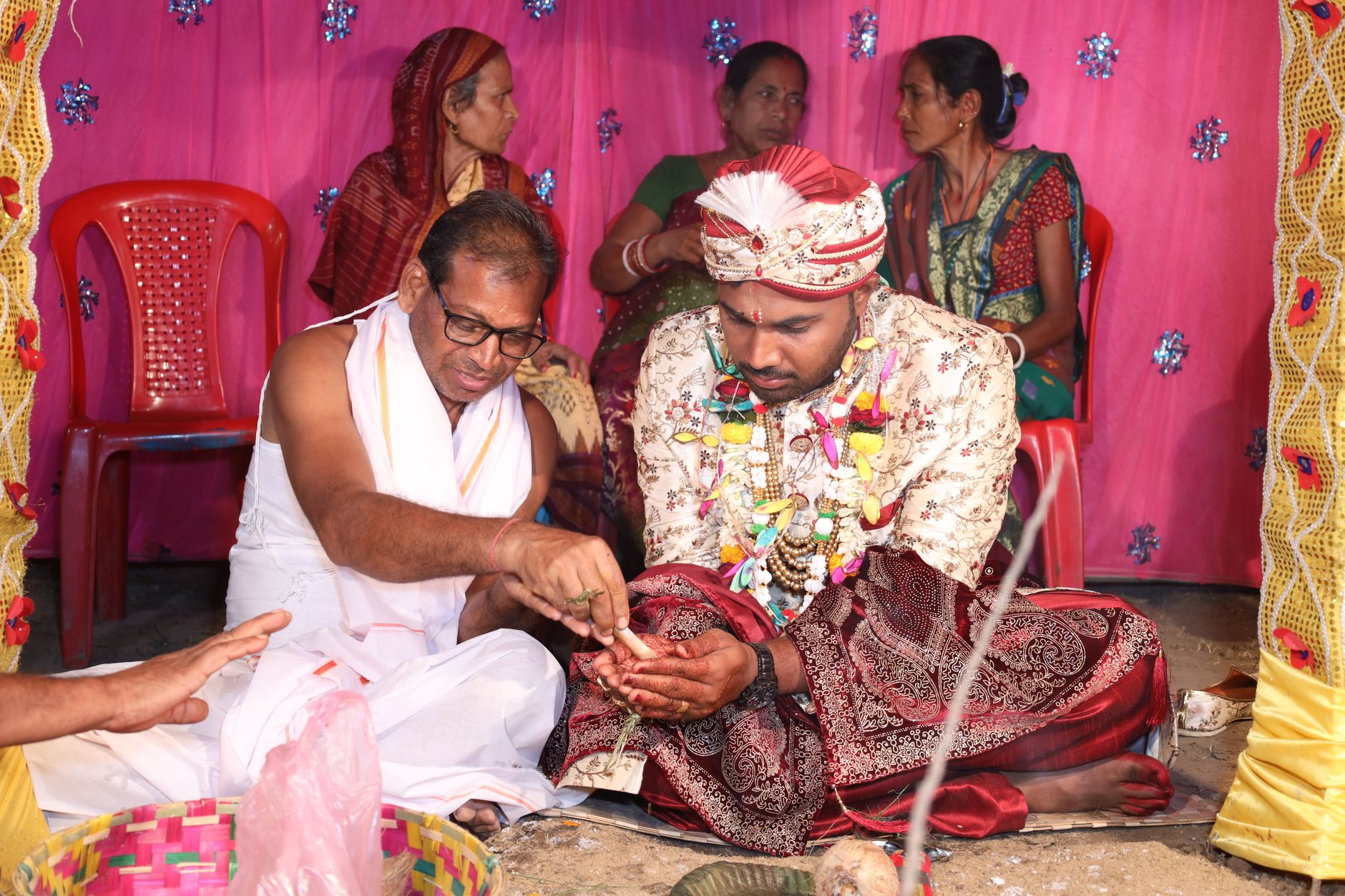 Tamil Marriage Vadhyar
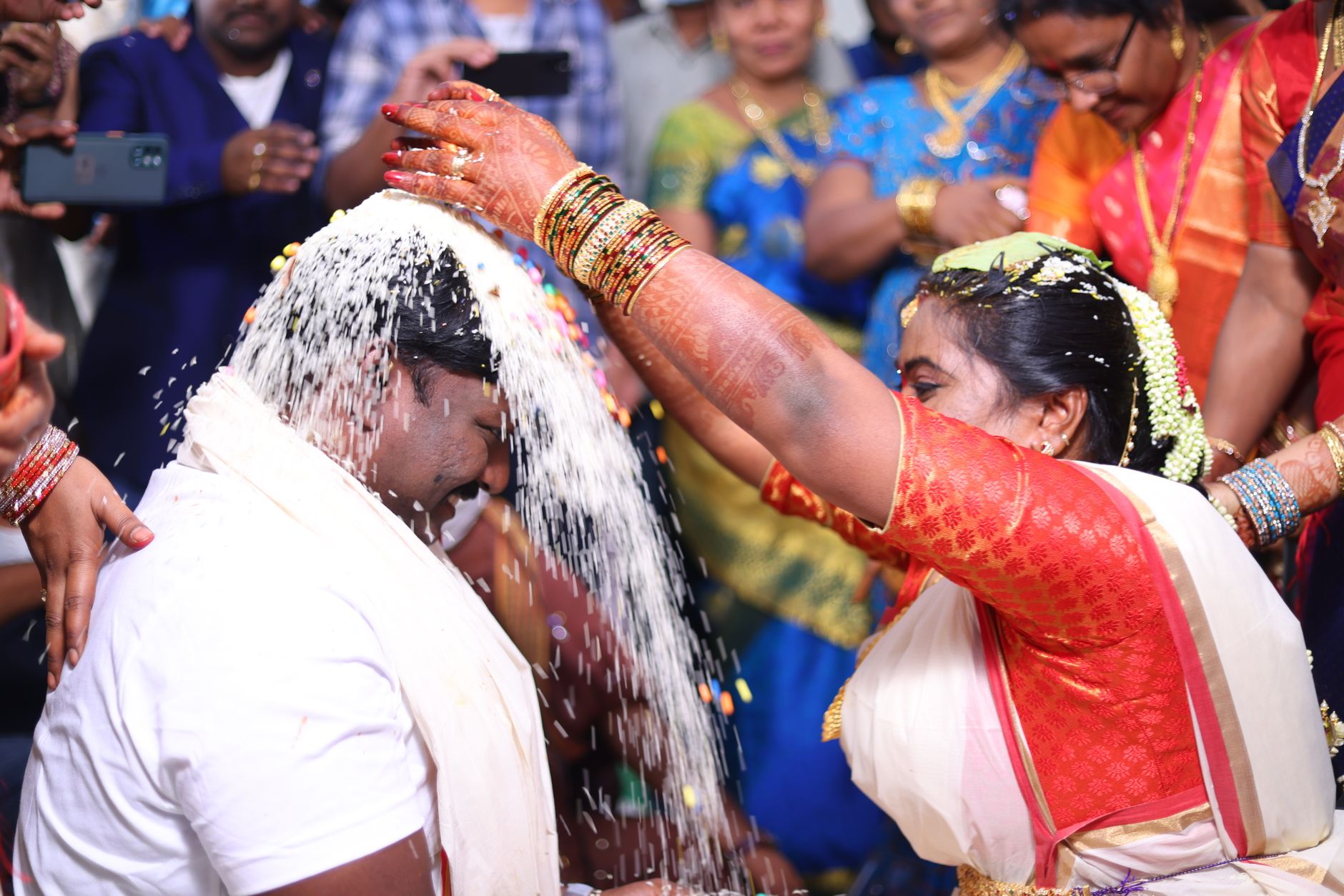 Telugu Talambralu Items
 Vintage Champagne
 Wooden Ring Platters
- 400+Curated Events
- 6Event Universes
- 1000+Verified Vendors
- 70+Locations
- 24/7Customer Support


Not sure which packages fits your celebration?
Let Hiya & Hanu help you find the perfect match!
Explore Celebration Packages- AI-Powered MatchingSmart suggestions for you
- Budget OptimizerGet the best experiences in your budget
- End-to-End SupportWe are with you at every step
Serving Celebrations across 75+ locations in India
Curated Religious Ritual Services for Thoughtfully Planned Sacred Celebrations
◆Religious rituals are among the most meaningful occasions in family life. They can mark important milestones, offer blessings, honour traditions or bring generations together in a shared cultural experience. Because every family may follow its own customs and preferences, careful preparation is essential to creating a ceremony that feels both authentic and well organised.
Curated religious ritual services provide a considered approach to planning these occasions. Rather than relying on a standard arrangement, a curated service brings together the details that are most appropriate for the ceremony, family and venue. This may include religious professional coordination, ritual materials, sacred venue preparation, flowers, decoration, guest arrangements and event scheduling.
With Tailored Sacred Ceremony Planning, families can create a celebration that respects established practices while incorporating practical event management. The focus is on selecting suitable elements rather than simply adding more services, allowing the ceremony to retain its purpose and personal character.
Understanding the Story Behind the Ceremony
A meaningful ritual begins with understanding why the family is gathering. The same type of occasion may have different expectations depending on family traditions, religious practices and personal preferences.
Curated religious ritual services take these considerations into account from the initial planning stage. The organiser can discuss the nature of the ceremony, who will participate, where it will take place and which traditions are particularly important to the family.
This information helps shape the rest of the planning process. It also avoids treating a deeply personal occasion as a generic event.
The ceremony should remain at the centre of every decision. Decoration, hospitality and supporting services should enhance the experience without distracting from the sacred proceedings.
What a Curated Approach Means
Curated planning is about thoughtful selection. Instead of including every possible service, the organiser identifies the elements that genuinely suit the occasion.
Tailored Sacred Ceremony Planning may consider the venue, ceremony format, number of guests, family participation, decoration preferences and timing. The resulting plan can be simple or elaborate depending on the requirements.
This approach is useful for families who want a celebration that feels distinctive without moving away from traditional values.
It can also make the planning process easier because unnecessary choices are reduced. Families can focus on decisions that have genuine relevance to their ceremony.
Creating a Personalised Ceremony Plan
Every successful ceremony needs a clear framework. A planning schedule can bring together the religious requirements and practical event details.
The process may begin with confirming the date and venue. The next stage can involve identifying the religious professional, confirming the ritual requirements and preparing the materials. Decoration, guest arrangements and supporting activities can then be scheduled around the main ceremony.
Curated religious ritual services can help connect these individual tasks into one coherent plan.
A personalised plan should also account for the family's preferred level of involvement. Some families may wish to manage certain traditional elements themselves, while others may prefer professional support for most practical arrangements.
Selecting a Suitable Venue
The right venue can significantly influence how comfortable and organised the ceremony feels. A suitable location should provide enough space for the ritual, participants and guests.
Home ceremonies may require careful use of existing rooms and furniture. Temples, halls and dedicated event venues may offer more space but can involve additional coordination.
Tailored Sacred Ceremony Planning considers how the ceremony will function within the chosen environment. Seating, access, ventilation, lighting and guest movement should all be reviewed.
The ceremonial area should be clearly defined while allowing the family and religious professional enough room to conduct the ritual comfortably.
Designing a Respectful Ceremonial Setting
Decoration should support the atmosphere of the ceremony rather than dominate it. Traditional flowers, garlands, fabrics, lamps and suitable backdrops can add warmth while maintaining a respectful appearance.
The style can be adapted to the occasion. A small family ritual may need only a few carefully positioned floral elements, whereas a larger celebration may benefit from a more developed ceremonial setting.
Ceremonial flower arrangements can be placed at entrances, around the main ritual area or within guest spaces where appropriate.
Curated religious ritual services can coordinate decorative elements with the ceremony schedule so that installation takes place without disrupting preparation.
Coordinating Religious Professionals
Religious professionals often provide important guidance about how a ceremony should be conducted. Their experience can help families understand the appropriate sequence and materials.
Depending on the tradition, this may involve a priest or another qualified religious professional. Families should confirm the precise requirements directly with them.
Professional organisers can then coordinate those requirements with the venue and other suppliers.
Curated religious ritual services help ensure that the practical arrangements support the ceremonial process. Arrival timings, preparation areas and required materials can be confirmed before the event.
Preparing Traditional Ritual Materials
Ritual materials vary depending on the ceremony. Common requirements may include flowers, fruits, grains, lamps, vessels, cloth, offerings and other traditional items.
There should never be an assumption that one checklist applies to every occasion. The appropriate religious professional should confirm the required items.
Once the list is established, materials can be sourced and organised ahead of time. Keeping items grouped according to their use can make the ceremony easier to manage.
This preparation also helps family members avoid last-minute shopping or searching for missing items during the event.
Creating a Comfortable Experience for Guests
Religious celebrations can bring together relatives across different age groups. Guest comfort should therefore form part of the overall plan.
Older family members may need easily accessible seating, while children may benefit from comfortable spaces during longer ceremonies. Clear information about arrival times, parking and venue access can also make attendance easier.
Refreshments and drinking water should be available where appropriate. If the ceremony lasts for an extended period, the organiser can consider how guests will be supported without interrupting the ritual.
Tailored Sacred Ceremony Planning can incorporate these practical details while keeping the ceremonial purpose central.
Bringing Family Traditions Into the Celebration
One of the strengths of a curated service is the opportunity to include details that have particular meaning to the family.
This could involve traditional flowers, familiar ceremonial practices, family heirlooms, preferred offerings or a particular way of welcoming guests. The organiser can discuss these preferences before creating the final plan.
Curated religious ritual services should make room for these personal elements rather than imposing a fixed event format.
Thoughtful personalisation can make the occasion feel more connected to the family's history and values.
Coordinating Rituals With Other Event Activities
Many religious ceremonies form part of a wider celebration. A wedding, family gathering, milestone event or traditional function may include several activities around the main ritual.
This requires careful scheduling. Photography, meals, entertainment and guest movement should not interrupt the ceremonial proceedings.
A practical running order can give each activity its own appropriate time. Suppliers can also be informed about setup and dismantling requirements.
Curated religious ritual services can help create a smooth transition between the sacred ceremony and other parts of the occasion.
Planning Flowers and Decorative Details
Flowers often play an important role in traditional celebrations. Their placement, quantity and style can be chosen according to the character of the ceremony.
Entrance flowers can welcome guests, while garlands and floral arrangements may frame the ceremonial space. Table arrangements can provide additional decoration for a subsequent family gathering.
The important principle is balance. Decoration should enhance the environment without making the sacred area difficult to use.
Tailored Sacred Ceremony Planning can include coordination between the floral team and the ceremony schedule, ensuring that arrangements are completed at suitable times.
Managing the Event Budget Carefully
A curated celebration does not necessarily require a large budget. Thoughtful planning can help families spend on elements that provide genuine value.
Start by identifying essential costs such as the religious professional, venue, ritual materials and necessary arrangements. Additional services such as extensive decoration, photography or entertainment can then be considered according to preference.
Clear quotations are useful when working with multiple suppliers. Families should understand what is included and whether additional charges may apply.
Curated religious ritual services can help prioritise the most relevant elements while avoiding unnecessary additions.
Choosing the Right Service Provider
A service provider should be selected based on more than appearance or price. Communication, experience, reliability and understanding of religious occasions are important considerations.
Families can ask how the provider approaches ceremony planning and whether they coordinate with religious professionals and specialist suppliers.
It is also helpful to establish who will be available on the ceremony day. Having a dedicated coordinator can make communication easier when several arrangements need attention.
A professional service should listen carefully to family preferences and provide realistic recommendations rather than applying the same format to every celebration.
Combining Traditional Values With Modern Organisation
Modern event planning can support traditional rituals without changing their essential meaning. Digital invitations, guest lists, schedules and supplier communication can make the process more efficient.
The important distinction is between organising the event and altering the ritual. Religious practices should remain guided by the appropriate tradition and religious professional.
Curated religious ritual services can provide the organisational structure needed around the ceremony while leaving the sacred proceedings untouched.
This balance allows families to enjoy the convenience of modern planning while preserving important customs.
Why Attention to Detail Matters
A successful ceremony depends on many small details. The right materials must be available, the venue should be prepared, suppliers need clear instructions and participants should understand their roles.
When these details are considered early, the ceremony can proceed more smoothly.
A curated service brings these responsibilities into a single planning framework. This can reduce confusion and make it easier for families to identify potential issues before the celebration.
The result is not simply a better-looking event. It is an occasion that feels organised, comfortable and respectful.
Creating a Meaningful Family Experience
The strongest religious celebrations often feel personal rather than overly produced. The focus remains on family, tradition and the purpose of the ritual.
Curated religious ritual services help create this balance by selecting arrangements that suit the occasion rather than overwhelming it with unnecessary additions.
From the first planning discussion to the final ceremony, each decision can be guided by what matters most to the family.
With suitable venue preparation, traditional materials, professional coordination, thoughtful decoration and clear scheduling, families can create a ceremony that feels both authentic and carefully prepared.
A Considered Way to Celebrate Tradition
Religious rituals deserve an approach that combines respect for tradition with practical organisation. A carefully curated service can remove much of the logistical pressure while allowing families to remain involved in the moments that matter most.
Tailored Sacred Ceremony Planning provides a framework for coordinating the venue, religious professionals, materials, decoration, guest arrangements and wider celebration.
The most valuable service is not necessarily the one with the greatest number of features. It is the one that understands the ceremony, listens to the family and delivers the right arrangements at the right time.
By choosing a thoughtful and reliable planning approach, families can create religious celebrations that honour their traditions while providing a comfortable and memorable experience for everyone attending.
Frequently Asked Questions
1. What are curated religious ritual services?
Curated religious ritual services provide tailored assistance for organising religious and traditional ceremonies. They can include venue preparation, ritual materials, religious professional coordination, decoration and guest support.
2. What is Tailored Sacred Ceremony Planning?
Tailored Sacred Ceremony Planning creates a ceremony arrangement around the family's requirements, traditional practices, venue, guest numbers and preferred style rather than using a fixed format.
3. Can a religious ceremony be personalised?
Yes. Appropriate aspects such as venue presentation, flowers, guest arrangements and supporting activities can be personalised while the essential religious practices remain respected.
4. Can these services be used for ceremonies at home?
Yes. A professional organiser can help prepare a suitable area within the home, coordinate required materials and arrange practical details for participating family members and guests.
5. How are ritual materials selected?
The materials should be selected according to the specific ceremony and confirmed with the relevant religious professional. Requirements can vary significantly between different rituals and traditions.
6. Can a priest be coordinated through a ritual service?
Many providers can assist with priest coordination services where available. The ceremony requirements, timing and religious practices should be confirmed with the appropriate priest or religious professional.
7. Can flowers and decoration be included?
Yes. Depending on the service, arrangements may include ceremonial flowers, garlands, entrance decoration, backdrops and other suitable elements.
8. How can I make a religious ceremony more organised?
Confirm the venue, religious professional, ritual materials, suppliers, guest arrangements and schedule well in advance. A dedicated coordinator can also help manage these details on the event day.
9. Can a ritual be combined with a wedding or family celebration?
Yes. Religious rituals can be incorporated into larger occasions. Careful scheduling ensures that photography, meals, entertainment and other activities do not interfere with the sacred proceedings.
10. How can I book curated religious ritual services?
Share the ceremony type, preferred date, venue, guest numbers and family requirements with a suitable service provider. They can then recommend relevant arrangements and develop a tailored ceremony plan.