
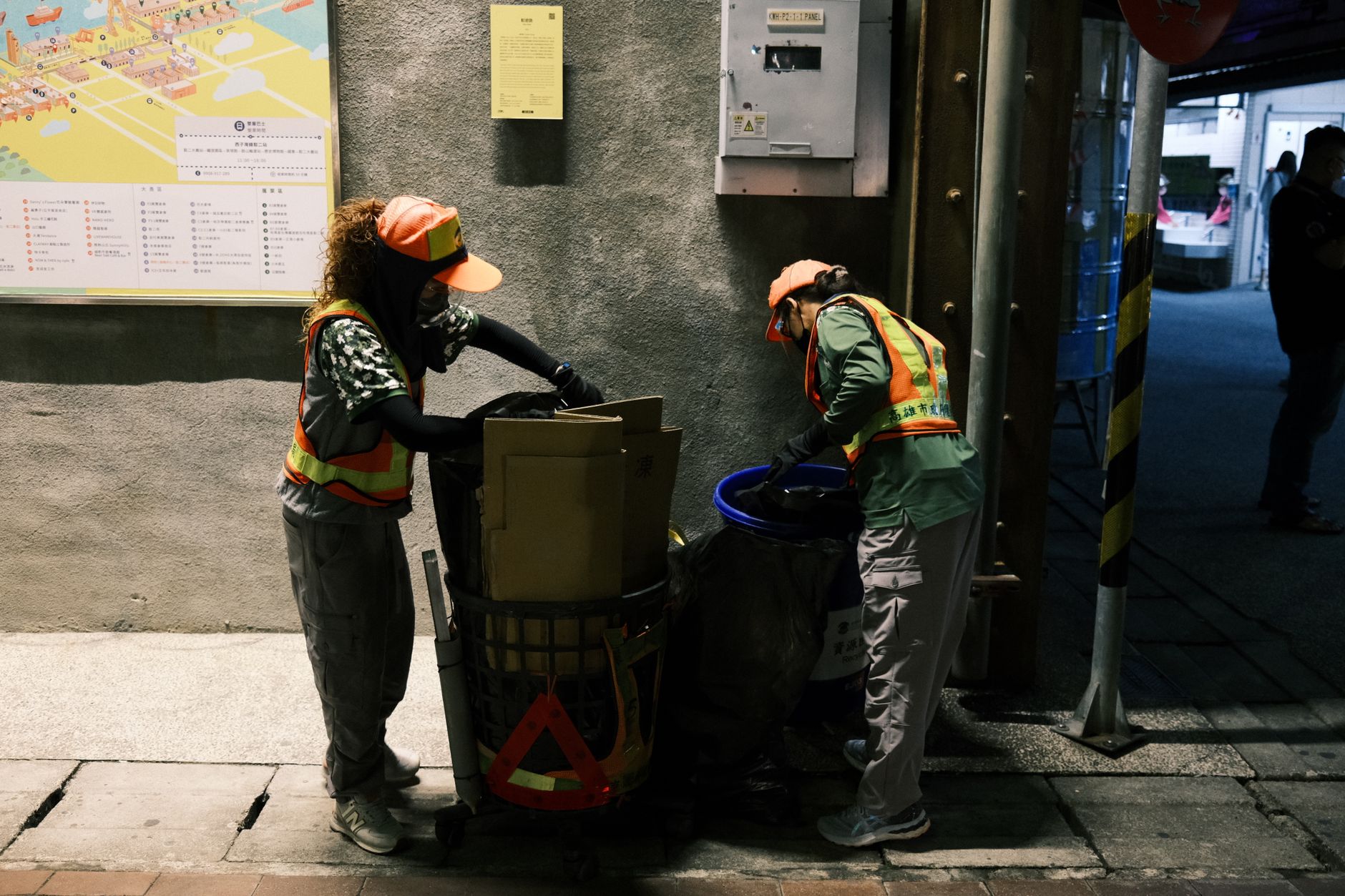
Responsible Waste After Every Feast
Event Support in Jaipur
Post Meal Food Waste Segregation for Jaipur Events
Jaipur weddings are legendary for their lavish spreads — from dal baati churma to multi-cuisine live counters serving 500 guests or more. But once the shaadi dinner wraps up, tons of organic waste, packaging, and leftover food need careful handling. Post meal food waste segregation is the structured process of separating wet food scraps, dry recyclables, and reusable surplus before disposal — a service now in high demand across Jaipur's palace venues, farmhouses in Amer, and banquet halls in Vaishali Nagar. Combining wedding food waste management with eco-friendly wedding planning not only keeps your venue clean but also helps redirect surplus meals to those who need them most.
Quick Answer
Post meal food waste segregation is the organised separation of leftover food, organic scraps, packaging, and recyclables immediately after an event meal. At Jaipur weddings, trained waste handlers sort wet waste for composting, dry waste for recycling, and unserved surplus food for NGO redistribution — reducing landfill load, meeting municipal waste rules, and supporting a zero waste event vision for the couple.
Why Does Post Meal Food Waste Segregation Matter at Jaipur Weddings?
A typical Jaipur wedding serving 400 guests generates between 150 and 300 kg of food waste in a single evening. Without structured post meal food waste segregation, all of this ends up mixed in municipal bins, making composting or redistribution nearly impossible. Rajasthan's urban municipalities now mandate source-level segregation under the Solid Waste Management Rules, which means venues in Civil Lines, Mansarovar, and Bani Park are increasingly required to demonstrate compliance. Beyond legal pressure, couples choosing eco-friendly wedding planning find that proper waste handling becomes a talking point — guests notice the labelled bins, the gloved waste crew, and the NGO van collecting surplus roti and sabzi. Sustainable banquet practices also reduce venue cleanup costs, since wet and dry streams are already separated before the housekeeping team begins. For destination weddings at Rajmahal-style properties near Jaipur, a visible green commitment elevates the brand story of the event. Responsible segregation is no longer a nice-to-have; it is an expected standard for premium Jaipur celebrations.
What Does a Wedding Food Waste Management Service Include?
A professional wedding food waste management team typically arrives 30 minutes before food service ends. Their scope covers deploying colour-coded bins — green for wet organic waste, blue for dry recyclables, black for non-recyclables — at every food station and guest table cluster. Trained personnel guide catering staff on how to scrape plates and sort serving trays without cross-contaminating streams. After the meal, the team weighs each category, documents it for the couple's sustainability report, and coordinates event leftover food disposal through empanelled NGO partners or biogas plant operators in Jaipur's industrial areas near Sitapura. Banquet waste sorting service providers also manage oil and liquid waste from live counters, which requires separate containers under pollution norms. Most vendors include a post-event waste diversion certificate — useful for couples pursuing green event certification. The entire process typically takes 90 to 120 minutes for a 400-guest wedding, running parallel to venue breakdown so there is no delay to the venue handover.
How Much Does Post Meal Food Waste Segregation Cost in Jaipur?
Pricing for post meal food waste segregation in Jaipur depends on guest count, duration, and whether surplus food redistribution is included. For intimate gatherings of up to 150 guests, a basic banquet waste sorting service with two trained personnel, bins, and documentation costs approximately INR 4,000 to INR 7,000 per event. Mid-scale weddings of 300 to 500 guests typically see quotes in the INR 10,000 to INR 18,000 range, covering a four-person team, weighing equipment, and NGO coordination. Large shaadis with 700 or more guests — common at farmhouses in Chomu Road and resort venues near Kukas — can expect catering waste recycling packages between INR 22,000 and INR 40,000, inclusive of liquid waste handling and a printed diversion report. Some vendors bundle this service with full-event waste management, bringing overall zero waste event Jaipur packages to INR 55,000 or more. Always clarify whether NGO transport charges are included, as these can add INR 2,000 to INR 5,000 depending on distance.
Comparing Service Setups for Event Leftover Food Disposal
Not every Jaipur event needs the same level of service. A small roka at a South Jaipur home requires only basic bin deployment and pickup, while a three-day destination wedding at a Kukas resort needs a daily waste audit and compost-facility tie-up. Catering waste recycling programs vary in how deeply they integrate with your caterer, the venue's existing waste infrastructure, and local municipal pickup schedules. Venues in Jagatpura and Sanganer with in-house biogas plants offer the most seamless wet waste handling, whereas older banquet halls in Walled City areas may rely entirely on the hired team's own transport. Understanding these variables helps you match the right service tier to your event's scale and sustainability ambitions. Couples prioritising green event certification should choose vendors with documented NGO partnerships and third-party waste audit trails, as certifying bodies require evidence of actual diversion rates rather than estimates.
How Can You Make Your Jaipur Event Truly Zero Waste?
Achieving a genuine zero waste event Jaipur experience requires planning that starts weeks before the wedding day, not just after the last guest has eaten. Begin by instructing your caterer to prepare quantities aligned with confirmed RSVPs — overproduction is the single largest source of avoidable food waste at Indian weddings. Pair this with a post meal food waste segregation contract signed before the venue booking is finalised, so the waste team can inspect the site and advise on bin placement. Incorporate sustainable banquet practices like leaf-plate composting, edible cutlery at chaat counters, and bulk dispensers instead of single-serve packaging to cut dry waste significantly. On the day, brief your catering and serving staff on segregation protocols — an informed team at the food station is more effective than any signage alone. After the event, review the diversion report: it shows what percentage of waste was composted, recycled, or redistributed, which is the real metric of eco-friendly wedding planning success. Couples who share these numbers on their wedding social media posts are increasingly inspiring guests and other families to demand the same responsible standards.
Post Meal Food Waste Segregation Service Types for Jaipur Events
Expert Recommendation
Best for Intimate Celebrations (up to 150 guests)
Best for Mid-Scale Weddings (200–400 guests)
Best for Large Baraat Functions (500+ guests)
Best for Budget-Conscious Couples
Best for Destination Weddings at Jaipur Resorts
Best for Couples Prioritising Zero Waste Goals
How to Choose the Right Option
✅ Pre-booking Checklist
- Confirm your venue's existing waste infrastructure — ask specifically about wet waste disposal routes
- Book your post meal food waste segregation team at least 4 weeks before the event date
- Share the final confirmed guest count with the waste vendor to size the team and bin count correctly
- Brief your caterer on segregation protocols so serving staff support bin usage at food stations
- Clarify whether NGO surplus food pickup and transport costs are included in the vendor quote
- Request a post-event diversion report in writing to track composted, recycled, and donated quantities
- Check whether your venue locality in Jaipur requires a waste compliance certificate before handover
- Confirm the vendor's liquid waste handling capability if you have live fry or curry counters
🎯 Selection Criteria
- Vendor's documented experience with events of your guest count and venue type in Jaipur
- Active partnerships with local compost facilities, biogas plants, or licensed recyclers
- Ability to provide a signed post-event waste diversion report for sustainability or certification purposes
- Trained, food-hygiene-aware personnel who can work alongside your catering team smoothly
- Transparent, itemised pricing with no hidden charges for NGO transport or liquid waste handling
- Responsiveness and willingness to conduct a pre-event site visit at your venue
💰 Cost / Quality Factors
- Guest count is the primary cost driver — more guests means more bins, more staff, and more pickups
- Venue location affects transport costs — sites far from biogas plants or compost units in Sitapura add charges
- Menu complexity matters — live fry counters and liquid-heavy menus generate more liquid waste requiring specialised handling
- Multi-day functions like three-day Rajasthani weddings need daily waste audits, increasing total cost
- NGO surplus food redistribution adds coordination effort but may reduce net waste disposal fees
- Green event certification aspirations require third-party documentation, which premium vendors include but budget options rarely do
⚠️ Common Mistakes to Avoid
- Booking a general cleaning vendor instead of a specialist food waste segregation team, resulting in mixed waste streams
- Informing the caterer about segregation protocols only on the day of the event, leaving no time for staff briefing
- Assuming your banquet hall's housekeeping team will handle segregation without a dedicated scope or agreement
- Ignoring liquid waste from live counters, which contaminates dry recyclables and creates compliance issues
- Not confirming whether surplus food is in a donatable condition before calling the NGO, causing wasted pickup trips
- Choosing the cheapest quote without verifying the vendor's actual disposal routes and documentation capability
People Also Ask
Is post meal food waste segregation mandatory for weddings in Jaipur?
Can leftover wedding food be donated to NGOs in Jaipur?
How early should I book a banquet waste sorting service for my Jaipur wedding?
What is the difference between wet waste and dry waste at a wedding?
Do five-star and palace venues in Jaipur already have food waste systems?
How is catering waste recycling different from general event waste management?
Can I get a sustainability certificate for my Jaipur wedding?
What happens to liquid waste like cooking oil and gravies at large Indian weddings?
Related Experiences on Happiffie
Zero Waste Events in Chennai
Feed More, Waste Nothing in Pune
Banquet Catering Services in Mangalore
Zero-Waste Celebrations in Bengaluru
Wear Green, Celebrate Beautiful
Gift Green, Celebrate Beautifully
Invite Sustainably, Celebrate Beautifully
Frequently Asked Questions
What is post meal food waste segregation at a Jaipur wedding?
Which Jaipur venues already have in-house food waste facilities?
How many staff are typically needed for food waste management at a 500-guest Jaipur wedding?
Is catering waste recycling included in standard Jaipur banquet hall packages?
Can surplus food from a Jaipur wedding be legally donated to NGOs?
What documents should I receive after a post meal food waste segregation service?
Does post meal food waste segregation work for smaller Jaipur events like corporate dinners?
How does zero waste event planning in Jaipur differ from just having recycling bins?
Key Takeaways
- Post meal food waste segregation separates wet organic waste, dry recyclables, and surplus food immediately after a wedding meal to enable composting, recycling, and redistribution.
- Jaipur weddings generating waste from 100 or more guests are considered bulk waste generators under Solid Waste Management Rules and are expected to practise source-level segregation.
- Costs range from approximately INR 4,000 for small gatherings to INR 40,000 or more for large multi-day events, depending on team size, guest count, and service scope.
- The most effective setups combine a trained on-site crew, colour-coded bins, NGO surplus food coordination, and a post-event diversion report for the couple's records.
- Venues in Jagatpura, Kukas, and Sitapura industrial zones offer the most seamless wet waste routing due to proximity to biogas and composting facilities.
- Eco-friendly wedding planning outcomes are measurable only when a diversion report documents exact quantities composted, recycled, and donated — not just the presence of bins.
- Booking the waste team four to six weeks in advance allows a site visit, caterer briefing, and NGO partnership to be established before the event day.
- Sustainable banquet practices like right-sizing food quantities, edible cutlery, and bulk dispensers at the planning stage reduce the total waste load that segregation must handle.
Plan a Cleaner, Greener Jaipur Celebration
Connect with verified post meal food waste segregation specialists on Happiffie — get quotes, compare service scopes, and make your wedding as responsible as it is memorable.
Get Free Quotes
Are you a Vendor? Grow Your Business with Happiffie!
- High intent verified leads
- Reverse auction opportunities
- AI business tools & insights
- Dedicated vendor dashboard
- Grow your business, your way
It's free & takes less than 2 minutes!