
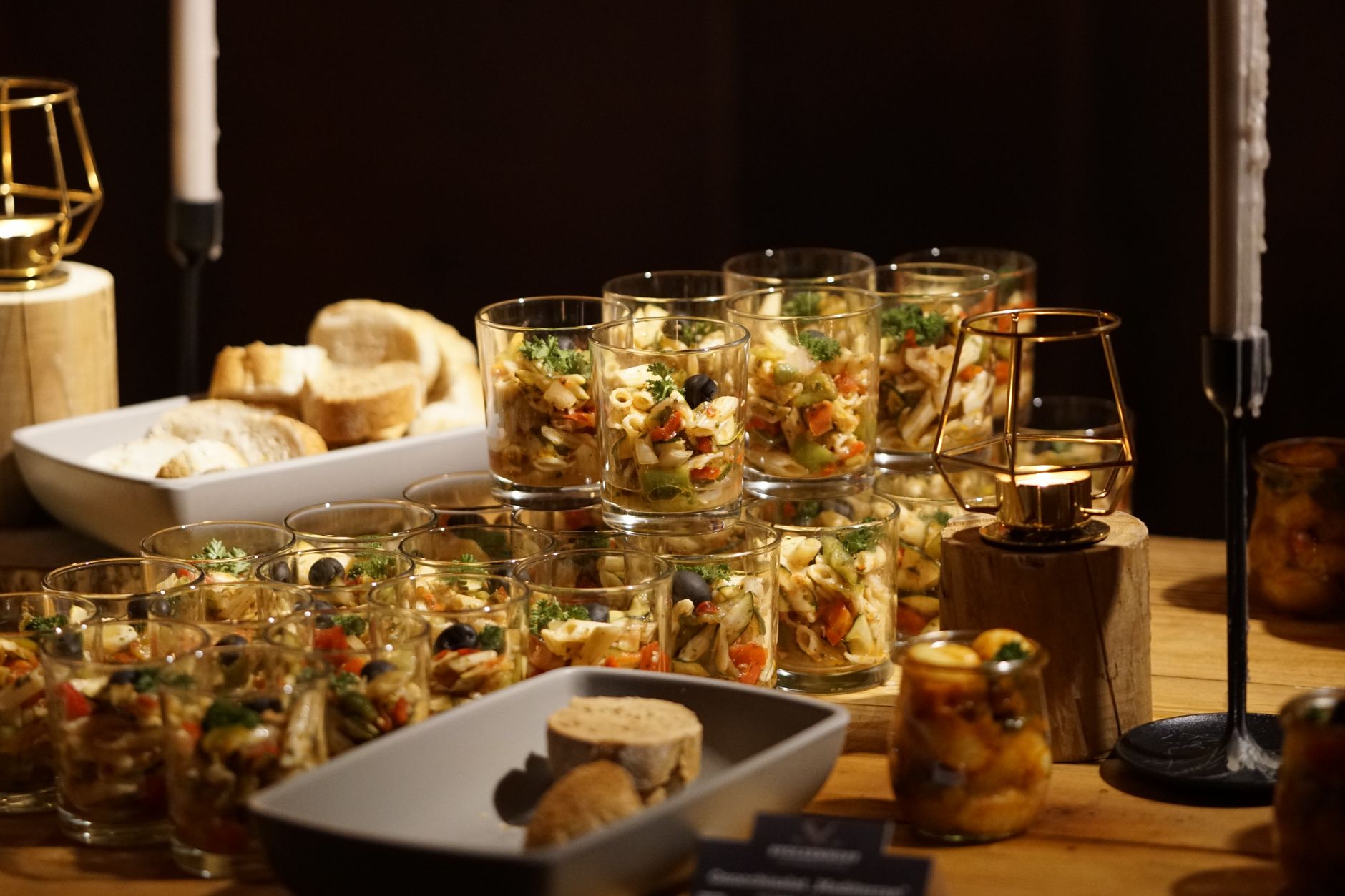
Zero-Waste Celebrations in Bengaluru
Event Support in Bengaluru
Catering Waste Recycling for Bengaluru Weddings & Events
Bengaluru's vibrant wedding scene — from lavish banquets in Whitefield to intimate gatherings in Indiranagar — generates enormous amounts of surplus food and packaging every season. Catering waste recycling transforms this unavoidable by-product into a community asset, diverting edible food to NGOs through event leftover food donation and sending organic scraps to compost units rather than landfills. Couples embracing eco-friendly wedding planning are no longer a niche — Bengaluru's socially conscious hosts increasingly demand zero-waste catering solutions that align with their values, satisfy BBMP waste-segregation norms, and still deliver a joyful, abundant celebration for every guest.
Quick Answer
Catering waste recycling at events means systematically separating surplus cooked food for donation, routing organic waste to composting facilities, and responsibly disposing of packaging materials. In Bengaluru, this practice helps hosts comply with BBMP wet-waste norms, avoid landfill penalties, reduce event carbon footprint, and contribute leftover meals to food-insecure communities — all without disrupting the guest experience or inflating the event budget significantly.
Why Is Catering Waste Recycling Essential for Bengaluru Events?
Bengaluru hosts thousands of weddings, corporate functions, and cultural festivals every month, and studies on large-scale Indian events consistently show that 20-30% of prepared food goes uneaten. Without a structured approach to catering waste recycling, this surplus ends up in mixed municipal bins, contributing to methane emissions at landfills and violating BBMP's wet-waste segregation mandate. The city's event venues — particularly in areas like Koramangala, Hebbal, and Electronic City — increasingly face inspection and fines if waste is not properly segregated at source. Beyond compliance, couples who invest in sustainable catering disposal find that their guests notice and appreciate the gesture, often sharing it as a positive memory from the celebration. Responsible waste management also signals social awareness, which resonates deeply in Bengaluru's educated, globally connected host community. Starting early in the planning process, ideally when shortlisting caterers, makes implementation seamless and cost-effective.
How Does Event Leftover Food Donation Work in Practice?
Event leftover food donation is the most impactful pillar of any catering waste recycling programme. The process begins with your caterer estimating portions conservatively and identifying a registered NGO or community kitchen partner in advance — organisations active in areas like Shivajinagar and Yelahanka regularly collect freshly prepared wedding meals. At the event's close, food that has not been on open serving counters for more than two hours is packed in food-grade containers and transported within the golden window of food safety. Partnering with your caterer on zero-waste catering solutions means agreeing on these steps contractually before the event date, so no one scrambles at midnight. Several Bengaluru caterers now maintain empanelled NGO relationships and will coordinate pickup logistics as part of a sustainable catering disposal package, often at no extra charge when planned in advance. Documenting the donation weight and recipient organisation also helps couples obtain green event certification Bengaluru authorities and sustainability-focused venues recognise.
Composting for Events: Turning Organic Waste Into Resource
Not all catering waste is donatable — floral garnishes, peels, bones, and leftover gravies that have sat beyond safe windows must be managed differently. Composting for events addresses this stream by ensuring organic waste is collected in dedicated wet-waste bins, labelled in Kannada and English for catering staff, and transferred to a registered composting facility or a venue's on-site biogas unit. Several banquet halls in Sarjapur Road and Marathahalli have invested in in-vessel composters that can process 500 kg of organic waste daily, making them natural allies for eco-friendly wedding planning. The resulting compost is typically sold to urban farms or landscaping companies, creating a small revenue loop that some venues share with event organisers as a discount. For hosts booking outdoor venues or farmhouses on Bengaluru's outskirts, portable composting units can be rented through event support vendors listed on Happiffie, ensuring that even rustic, open-air settings meet sustainable catering disposal standards.
What Does a Zero-Waste Catering Solutions Package Include?
A comprehensive zero-waste catering solutions package bundles several services that individually are easy to overlook but collectively create a measurable environmental impact. First, a pre-event waste audit estimates the volume of food, packaging, and single-use items your menu will generate. Second, the caterer provides biodegradable serving ware or coordinates with a vessel-rental company — eliminating plastic waste at the source. Third, on-the-day waste marshals — often one per 150 guests — station segregation bins and guide catering staff in real time. Fourth, post-event documentation records waste diverted from landfill, enabling carbon footprint reduction at weddings to be calculated and reported. Fifth, a final sustainability report can be shared on social media or submitted for green event certification Bengaluru venues and corporate clients increasingly require. Budget for this package starts at roughly INR 15,000 for events under 200 guests and can scale to INR 60,000 or more for 800-plus-guest weddings with multiple food stations.
How Much Does Catering Waste Recycling Cost in Bengaluru?
Cost depends on guest count, venue type, and the depth of services chosen. A basic wedding food waste management plan — covering bin rental, waste segregation signage, and NGO coordination — typically costs INR 8,000 to INR 20,000 for mid-sized weddings of 300-500 guests. Adding on-site composting for events or biogas transfer services pushes the figure to INR 25,000-INR 45,000. Full-service zero-waste catering solutions with waste marshals, biodegradable serviceware, and a printed sustainability report range from INR 45,000 to INR 80,000 for large Bengaluru receptions exceeding 700 guests. Many families find that reducing over-ordering — a direct outcome of pre-event audits — saves more on the catering bill than the recycling service costs, making catering waste recycling effectively self-funding. On Happiffie, couples can compare verified event support vendors offering these services and request itemised quotes to find the right balance between responsibility and budget.
Catering Waste Recycling Options for Bengaluru Events: A Practical Comparison
Expert Recommendation
Best for Intimate Celebrations (under 100 guests)
Best for Mid-Size Weddings (200-400 guests)
Best for Large Receptions (500+ guests)
Best for Budget-Conscious Hosts
Best for Corporate and Destination Events in Bengaluru
Best for Eco-Conscious Couples Seeking Holistic Green Weddings
How to Choose the Right Option
✅ Pre-booking Checklist
- Confirm your caterer has experience with wedding food waste management and can name their NGO partners
- Include sustainable catering disposal clauses in the catering contract before signing
- Book an event support vendor for segregation bins and waste marshals at least 8 weeks before the event
- Verify the venue's wet-waste infrastructure — on-site composter, biogas unit, or BBMP pickup schedule
- Plan a conservative portion estimate with your caterer to reduce surplus volume from the outset
- Arrange refrigerated transport or insulated containers for event leftover food donation pickups after the event
- Request a post-event waste audit report for documentation or green event certification submission
- Communicate the recycling plan to catering staff with a brief walkthrough on the event day
🎯 Selection Criteria
- Vendor experience with events of your guest-count size in Bengaluru
- Established NGO partnerships with FSSAI-compliant food handling capability
- Ability to provide post-event documentation for carbon footprint reduction reporting
- Flexibility to integrate with your existing caterer's workflow without disruption
- Transparent pricing with itemised quotes for each service component
- References or verifiable track record from previous Bengaluru events
💰 Cost / Quality Factors
- Guest count directly drives waste volume and therefore service complexity and cost
- Menu type — multi-cuisine buffets generate more varied waste streams than fixed-plate service
- Venue location affects NGO pickup logistics and composting infrastructure availability
- Degree of biodegradable serviceware adoption reduces packaging waste load significantly
- Lead time for planning determines vendor availability and ability to negotiate favourable rates
- Inclusion of waste marshals improves segregation accuracy and reduces contamination of recyclable streams
⚠️ Common Mistakes to Avoid
- Waiting until the final week to arrange catering waste recycling — NGO partnerships require advance notice
- Assuming the venue or caterer will handle it without a written agreement specifying responsibilities
- Over-ordering food and hoping surplus donation will compensate — reduction at source is always more effective
- Mixing wet and dry waste in catering bins, which disqualifies organic matter from composting
- Skipping post-event documentation, losing the ability to claim green event certification or CSR credit
- Selecting a recycling vendor solely on price without verifying their NGO and composting credentials
People Also Ask
Is catering waste recycling mandatory for weddings in Bengaluru?
Which NGOs in Bengaluru accept leftover food from wedding events?
How early should I plan catering waste recycling for my wedding?
Can composting for events work at outdoor or farmhouse venues near Bengaluru?
What is green event certification in Bengaluru and how do I get it?
Does wedding food waste management affect the guest experience negatively?
How is carbon footprint reduction calculated for a catered wedding event?
Can zero-waste catering solutions work for large weddings of 800 or more guests?
Related Experiences on Happiffie
Zero Waste Events in Chennai
Go Green at Your Jaipur Celebration
Gift Green, Celebrate Meaningfully
Sustainable Fashion for Your Special Day
Sustainable Events for Modern Kochi
All Wedding & Event Services
Frequently Asked Questions
What exactly is catering waste recycling at a Bengaluru wedding?
Which Bengaluru neighbourhoods have venues with on-site composting infrastructure?
Is event leftover food donation safe and legally covered in Karnataka?
Can I get a sustainable catering disposal service for a small 80-guest home wedding?
How do zero-waste catering solutions affect menu planning?
Does catering waste recycling require separate BBMP permission for the event?
How is the carbon footprint reduction from catering waste recycling measured?
How do I find verified catering waste recycling vendors on Happiffie?
Key Takeaways
- Catering waste recycling in Bengaluru covers three streams: donatable food, organic compostable waste, and packaging — each requires a different handling approach.
- BBMP wet-waste segregation rules apply to events, and venues in commercial zones face real compliance risk without a structured waste plan.
- Event leftover food donation is the highest-impact, lowest-cost intervention — coordinate an NGO partner at least eight weeks before the event.
- Composting for events is practical even at outdoor venues through portable rented composting units available from Bengaluru event support vendors.
- Full zero-waste catering solutions packages cost INR 45,000-INR 80,000 for large weddings but often pay back through reduced over-ordering savings.
- A post-event waste audit report documenting kilograms diverted is essential for green event certification and corporate ESG reporting.
- Eco-friendly wedding planning that integrates catering waste recycling from the caterer-selection stage achieves the best outcomes at the lowest marginal cost.
Plan a Responsible, Zero-Waste Celebration in Bengaluru
Browse verified event support vendors on Happiffie who specialise in catering waste recycling — from food donation coordination to full sustainability reports.
Find Vendors Now
Are you a Vendor? Grow Your Business with Happiffie!
- High intent verified leads
- Reverse auction opportunities
- AI business tools & insights
- Dedicated vendor dashboard
- Grow your business, your way
It's free & takes less than 2 minutes!