

Explore All Religious Ceremonies
Discover traditional rituals, wedding ceremonies, spiritual occasions and meaningful cultural celebrations in Chennai, with trusted services to honour every tradition.
Give Thoughtfully,
Celebrate with Happiffie
From personalised gifts and curated collections to thoughtful presents for every occasion, Happiffie helps you discover gifting options that make celebrations more meaningful and memorable.
- Thoughtful Gift DiscoveryFind gifting options suited to every celebration and occasion
- Personalised GiftingDiscover customised gifts made to create meaningful moments
- Trusted Gift ProvidersConnect with reliable gifting professionals and service providers
Popular Religious Ceremonies
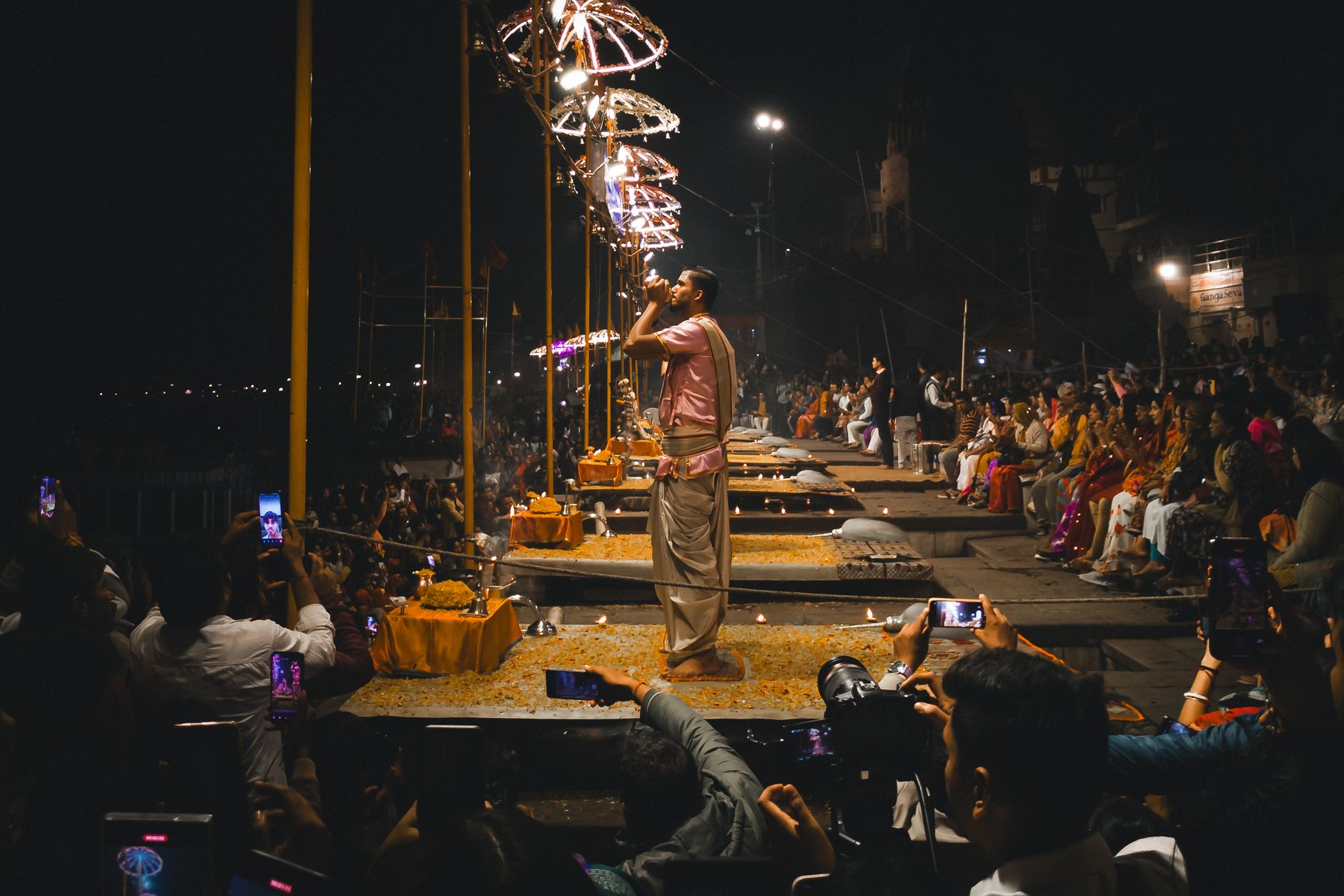 Astrological Consultation for Function Auspicious time
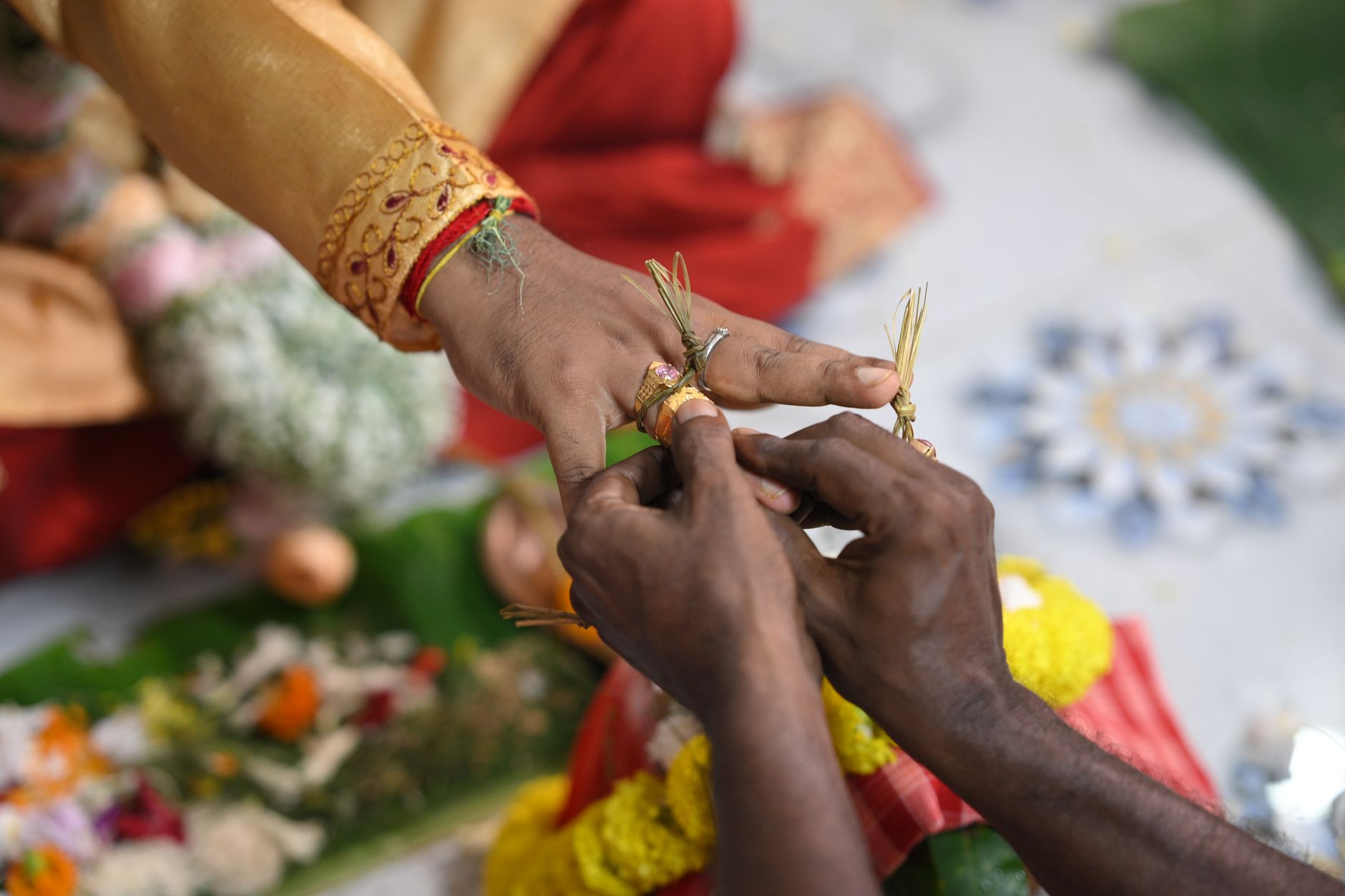 Brahmin Marriage ritual Sets
 Champagne Welcome Service
 Custom Religious Cakes
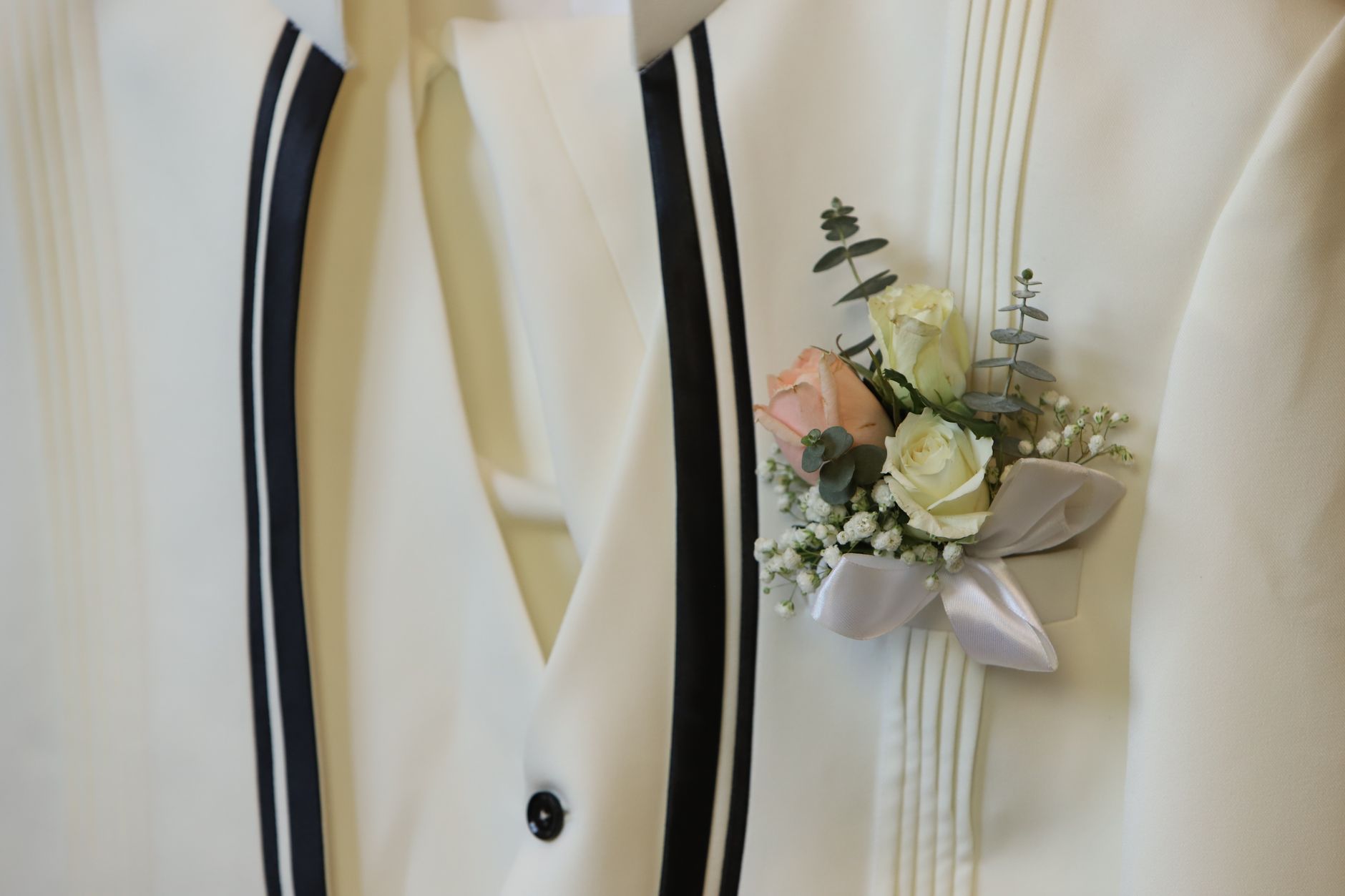 Designer Boutonniere
 Dome Ring Platters
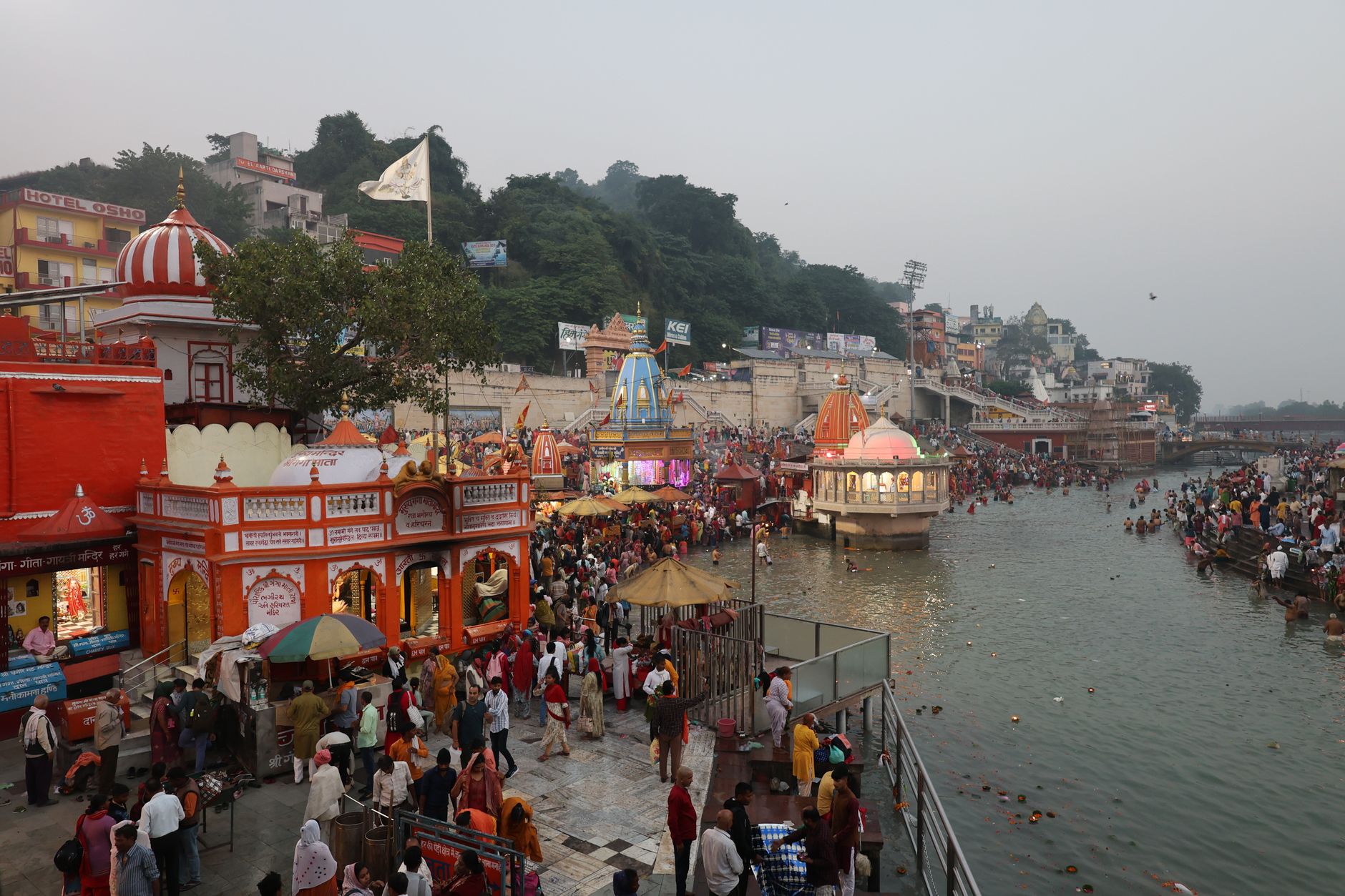 English & Hindi Speaking Priest
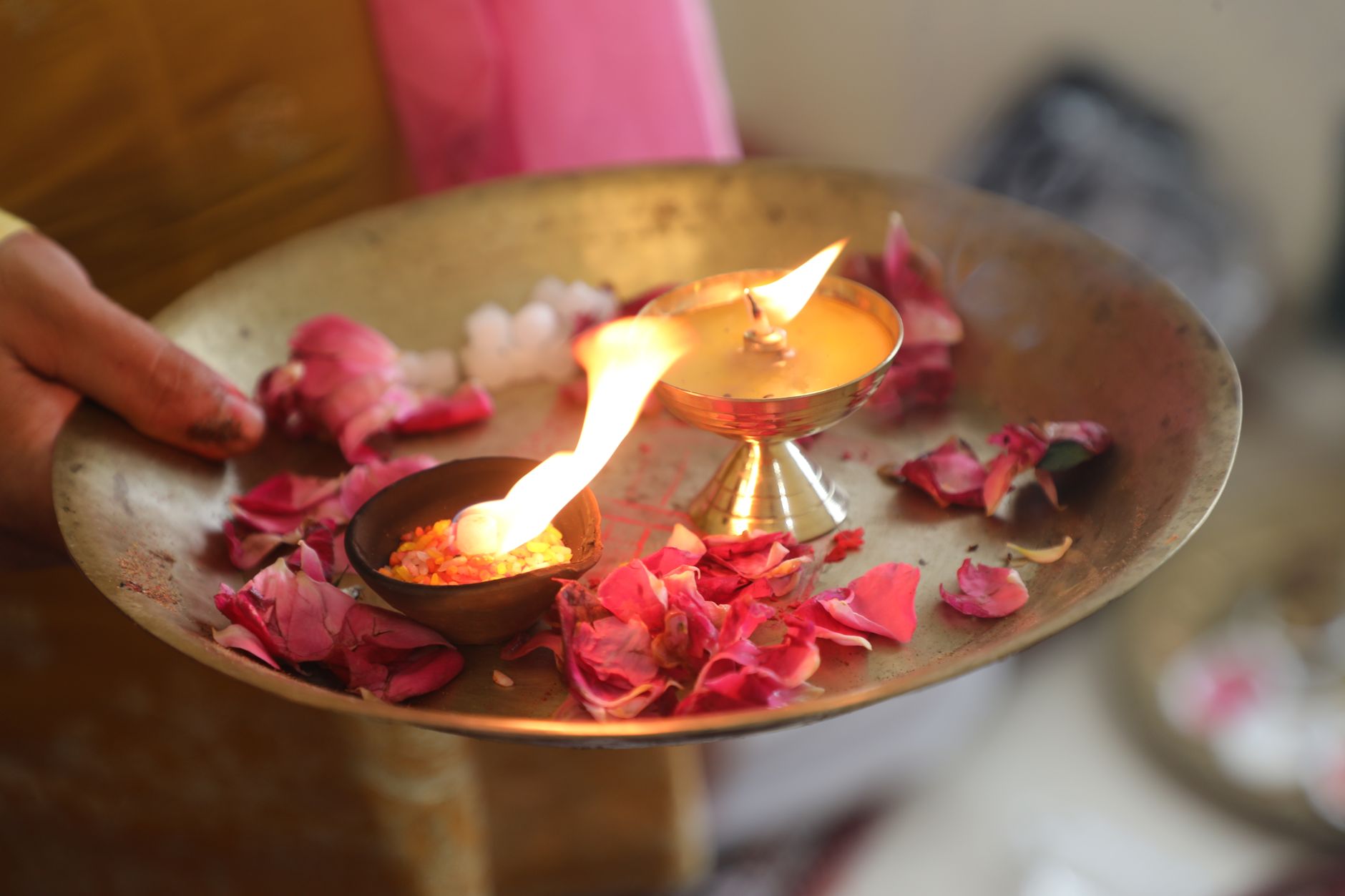 Gujarati Pooja Thali Set
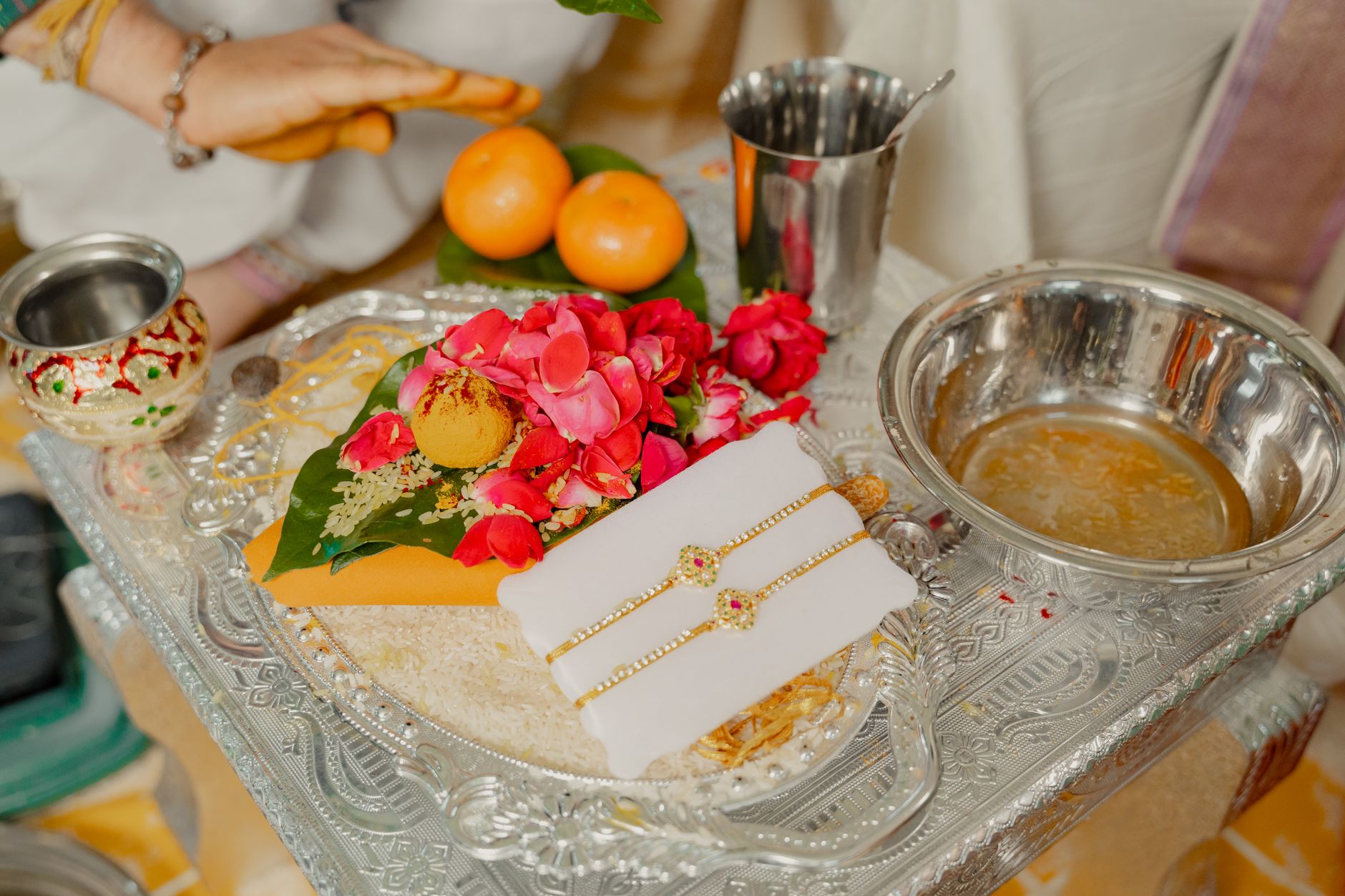 Jain Groom Ritual Items
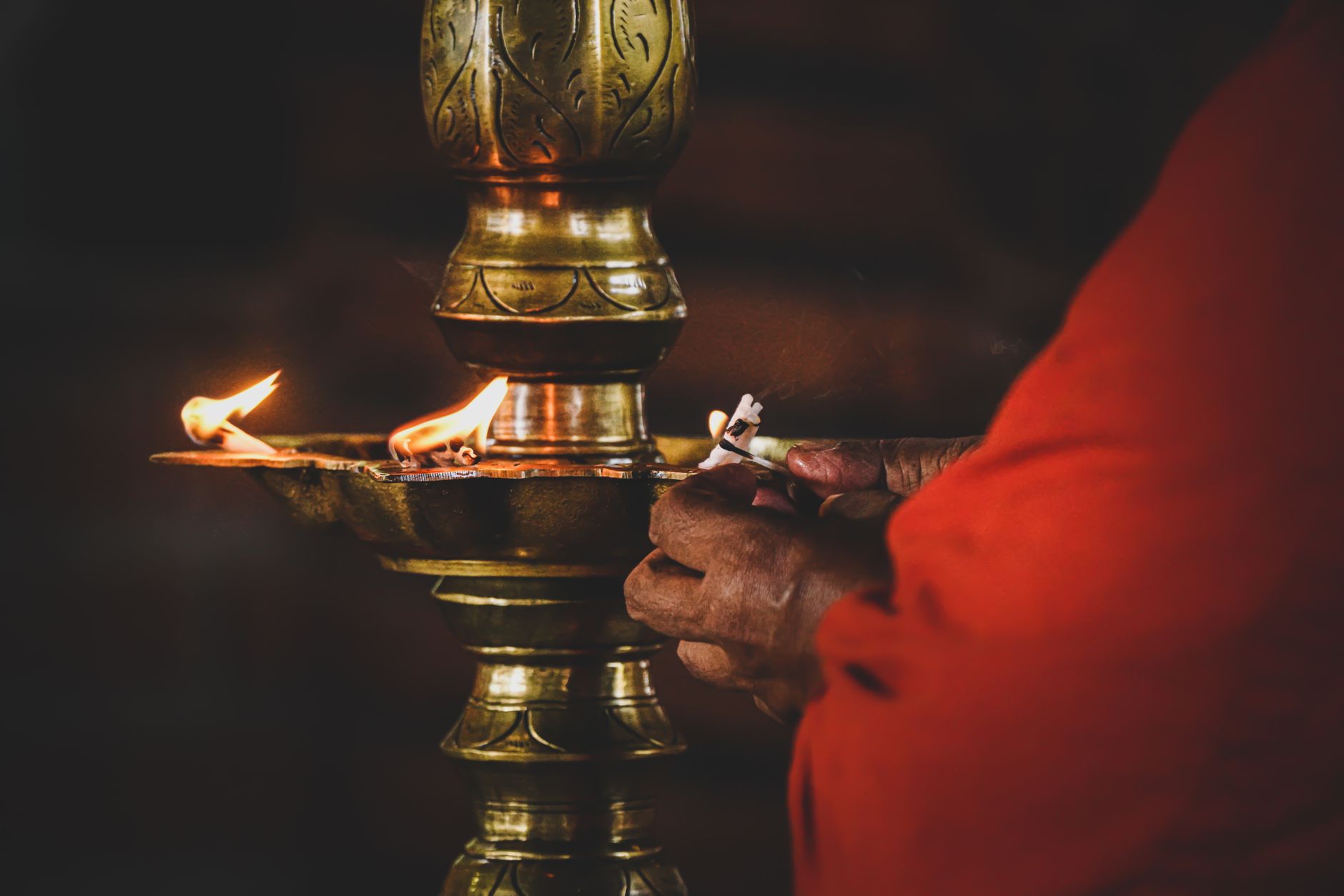 Kannada Deepa Supplies
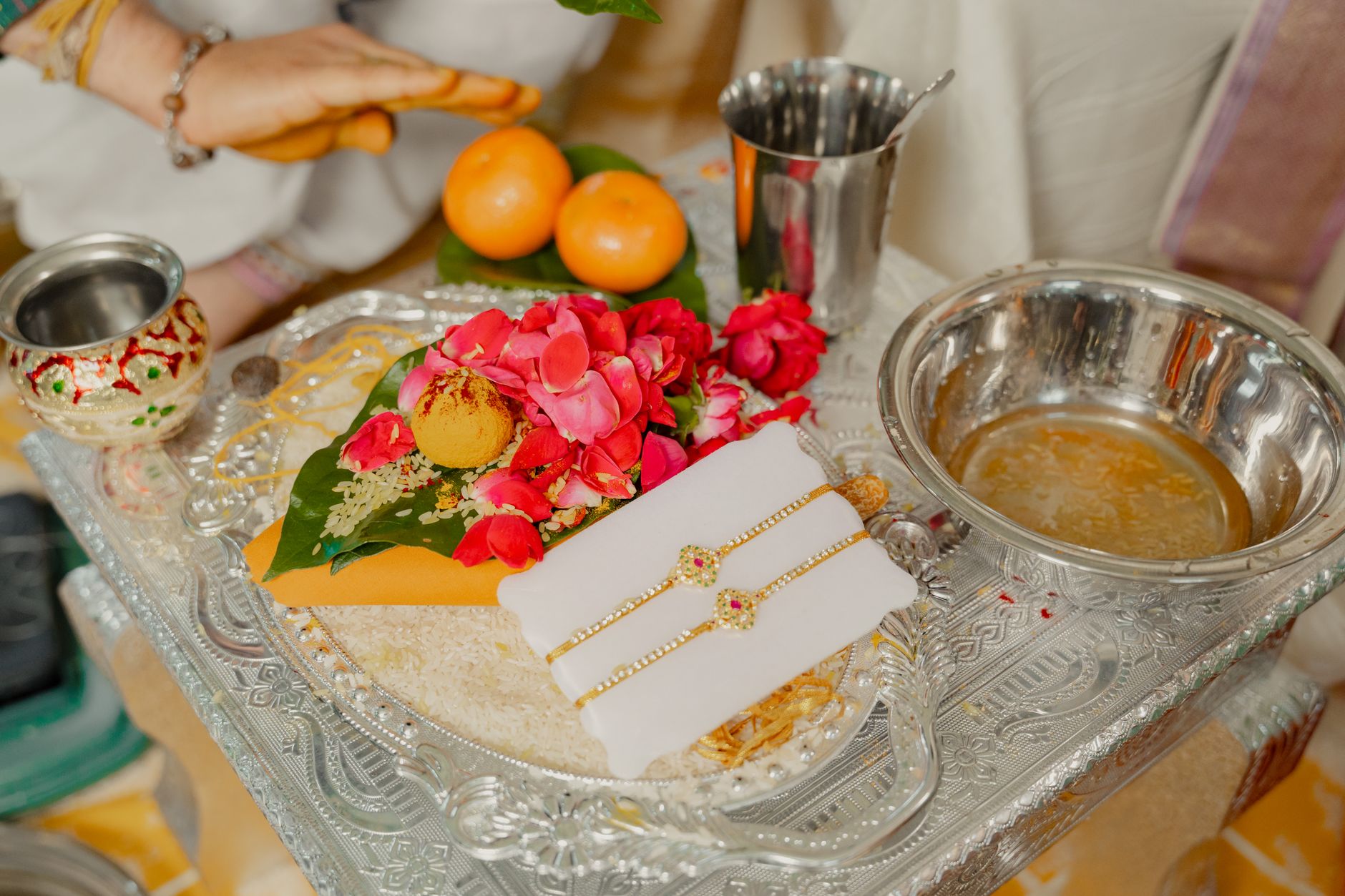 Kerala Bride Ritual Accessories
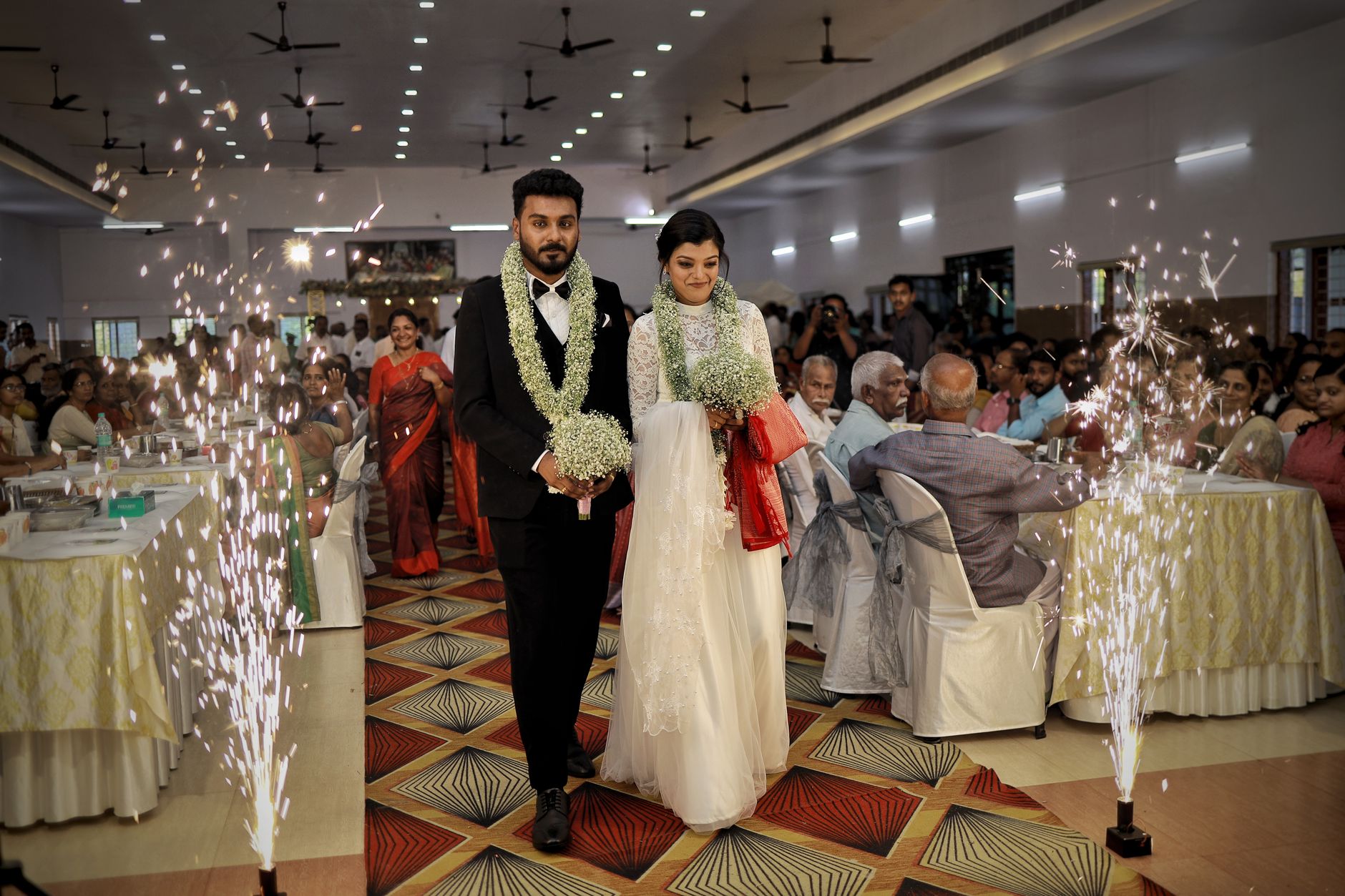 Malayalam Marriage Officiant
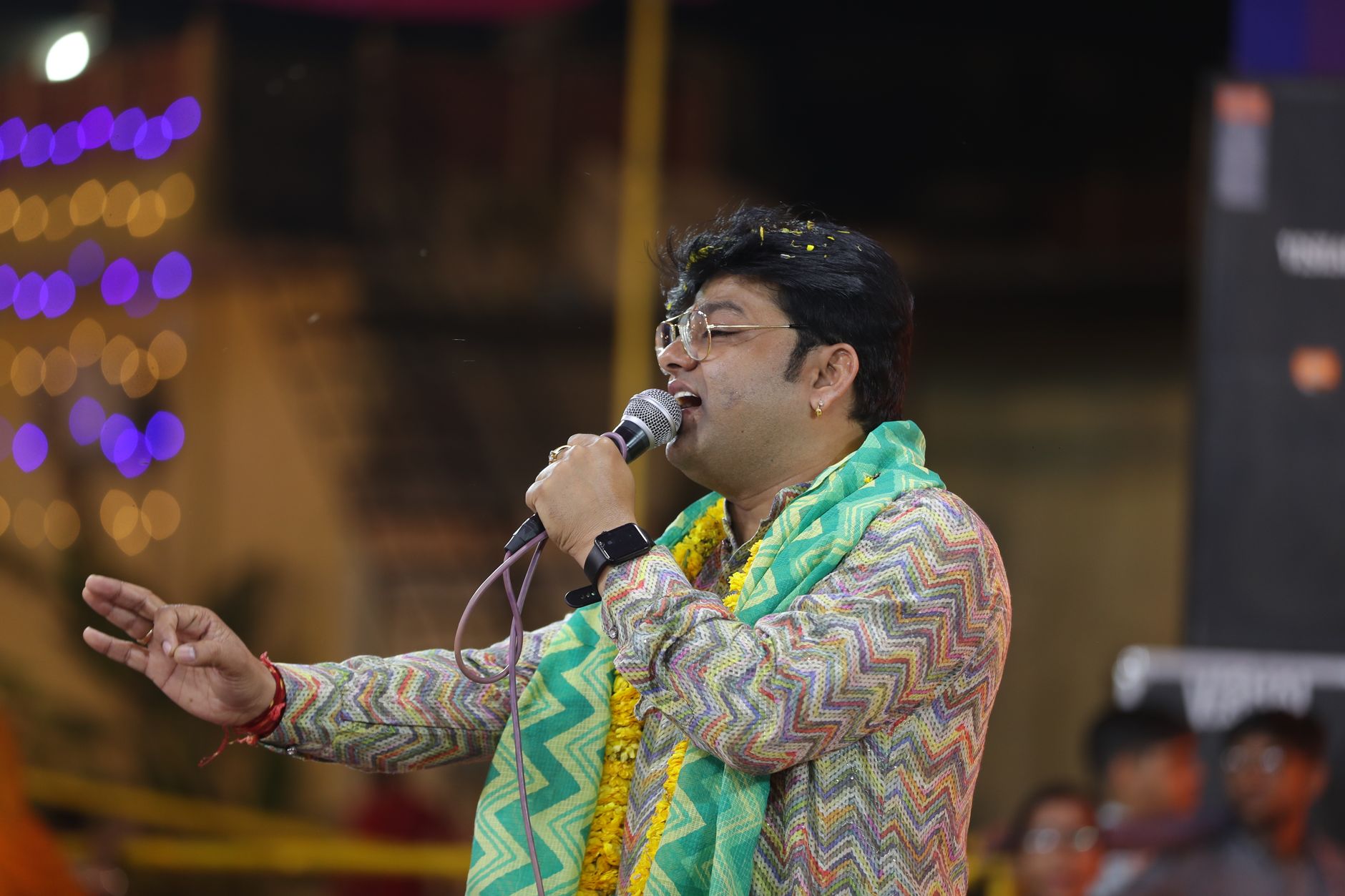 Marriage Bhajan Group
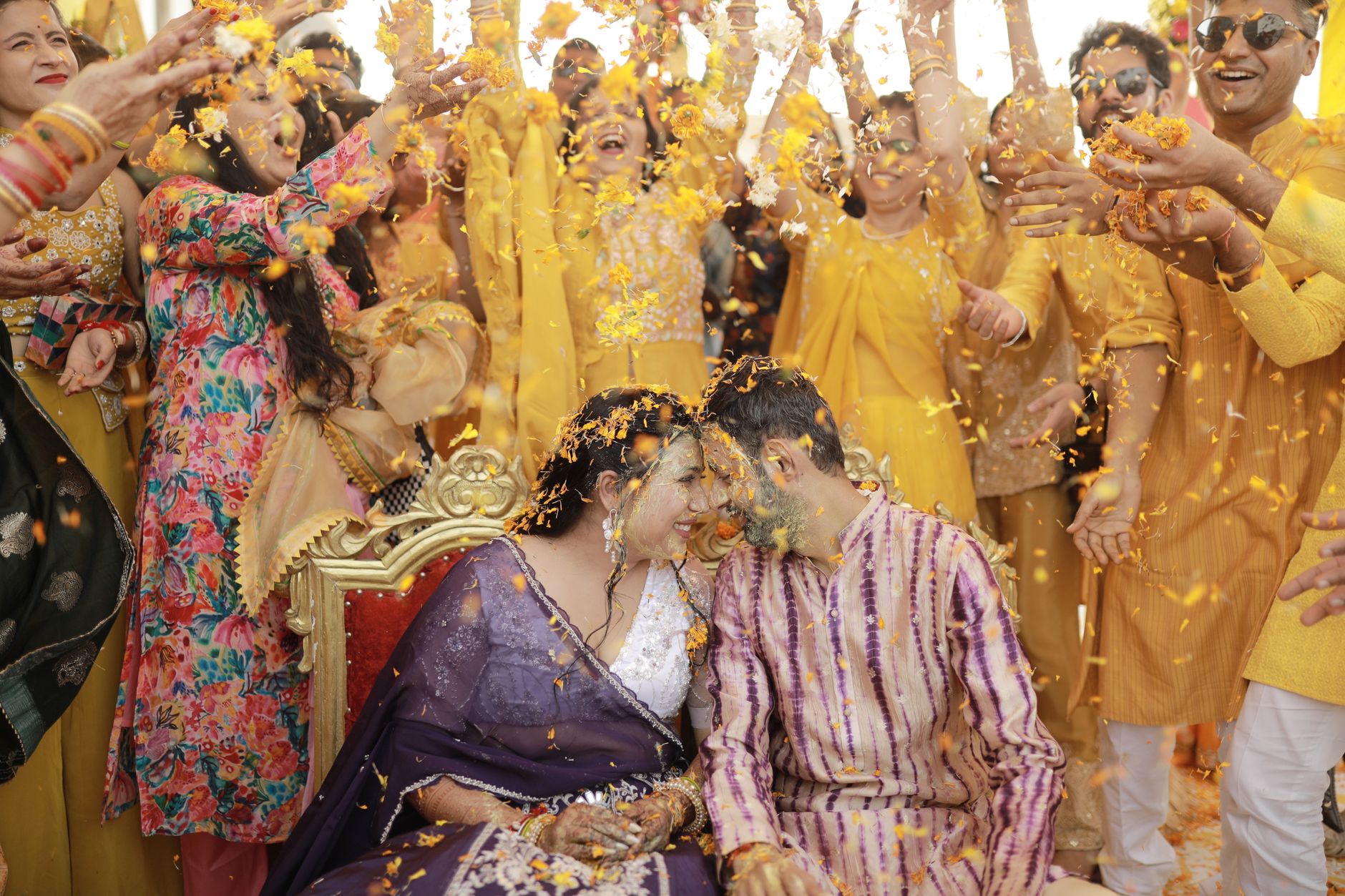 Marwari Marriage Ritual Streaming
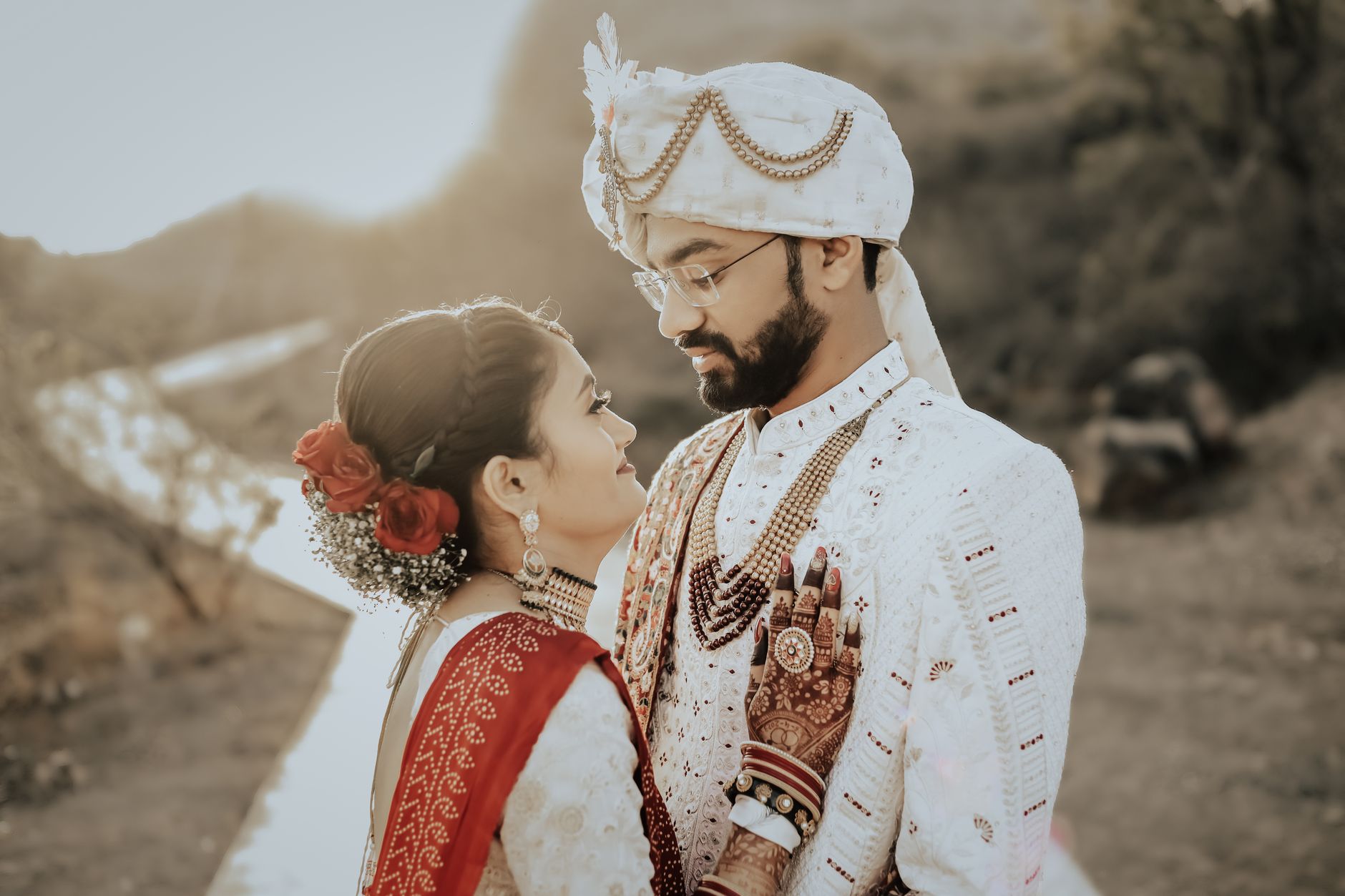 Marwari Pagdi Ceremony Items
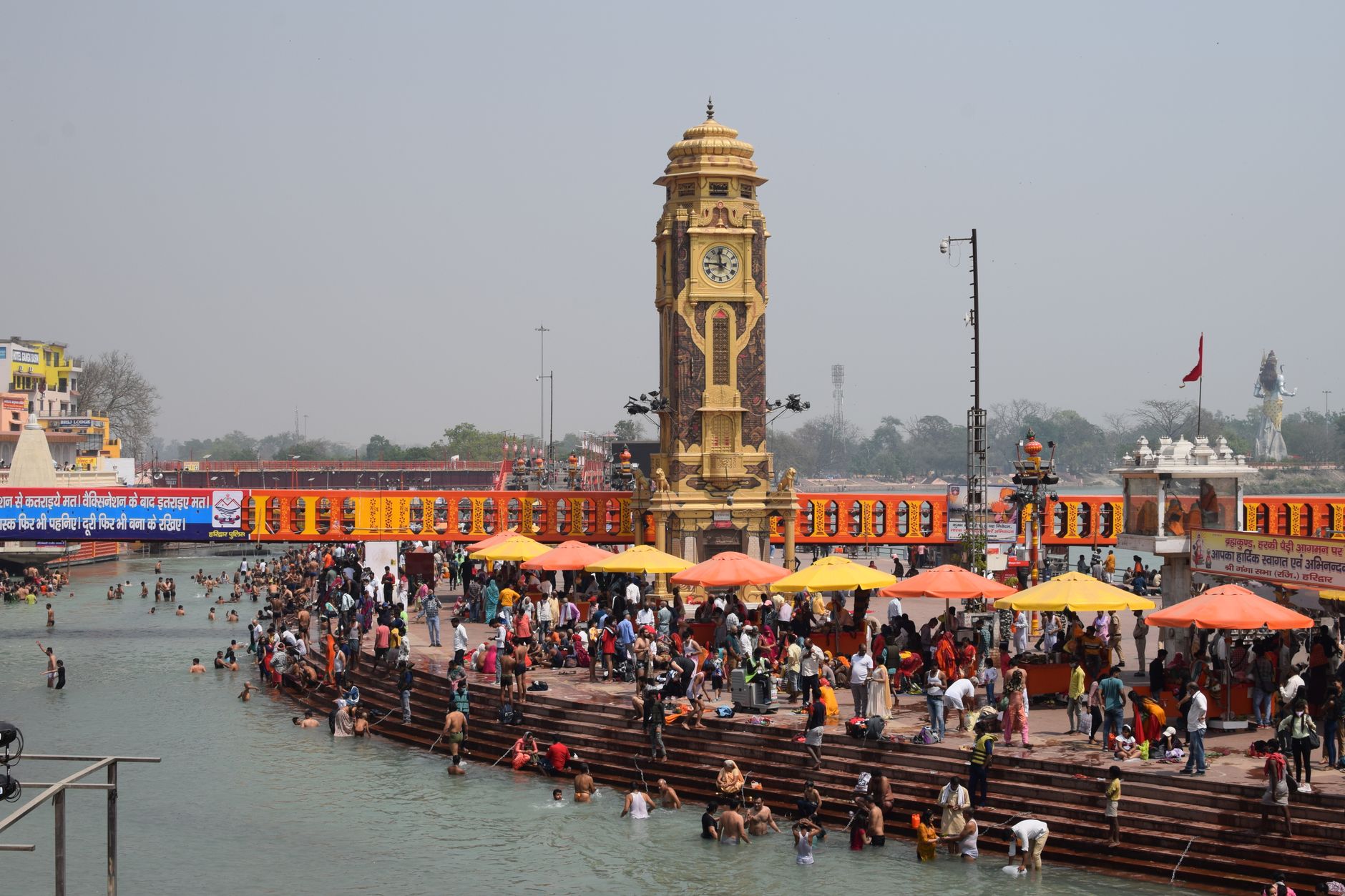 Multilingual Choir Service
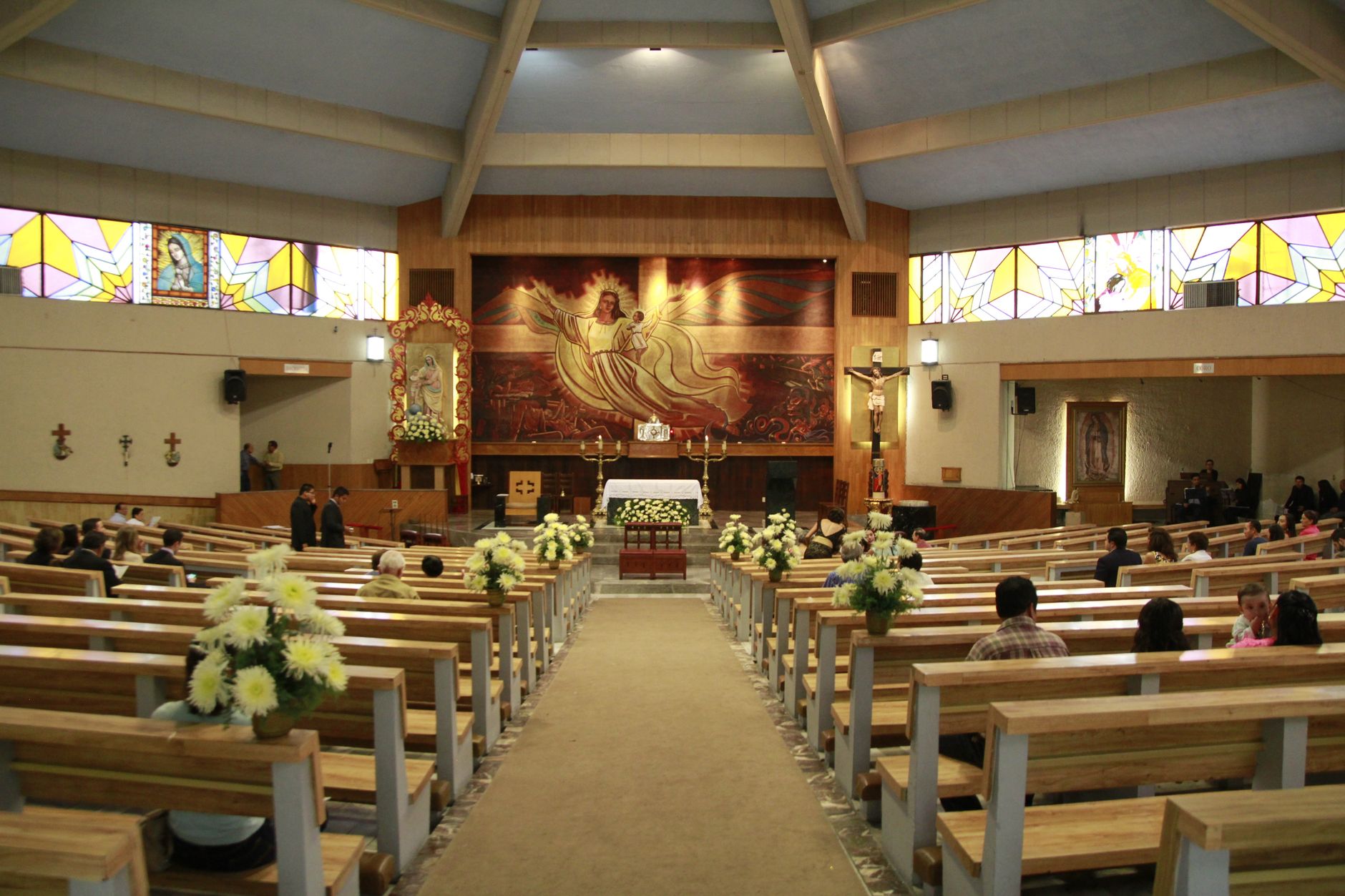 Pew Flower Accessories
 Plant Guest Favours
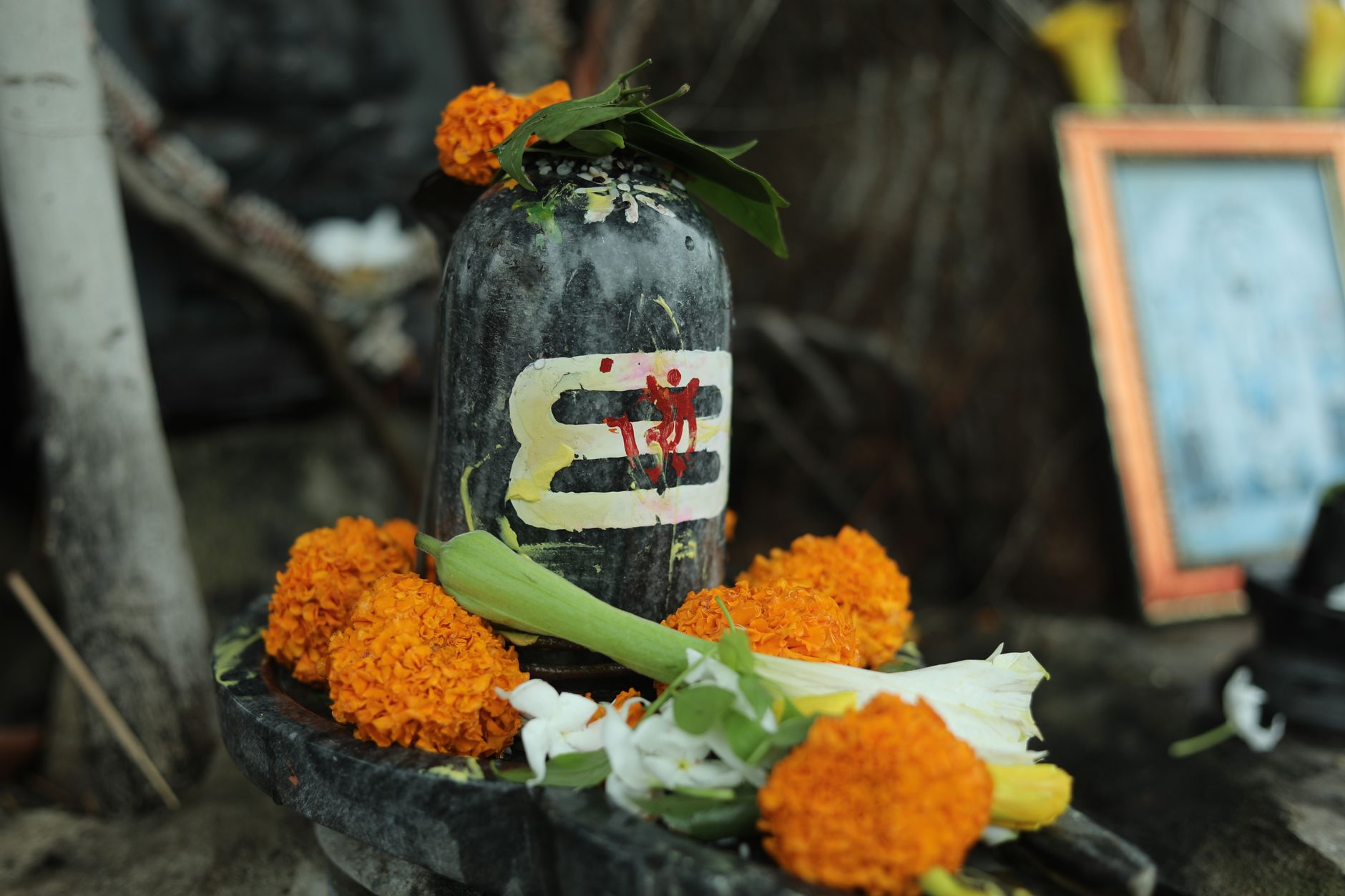 Posy Bouquets
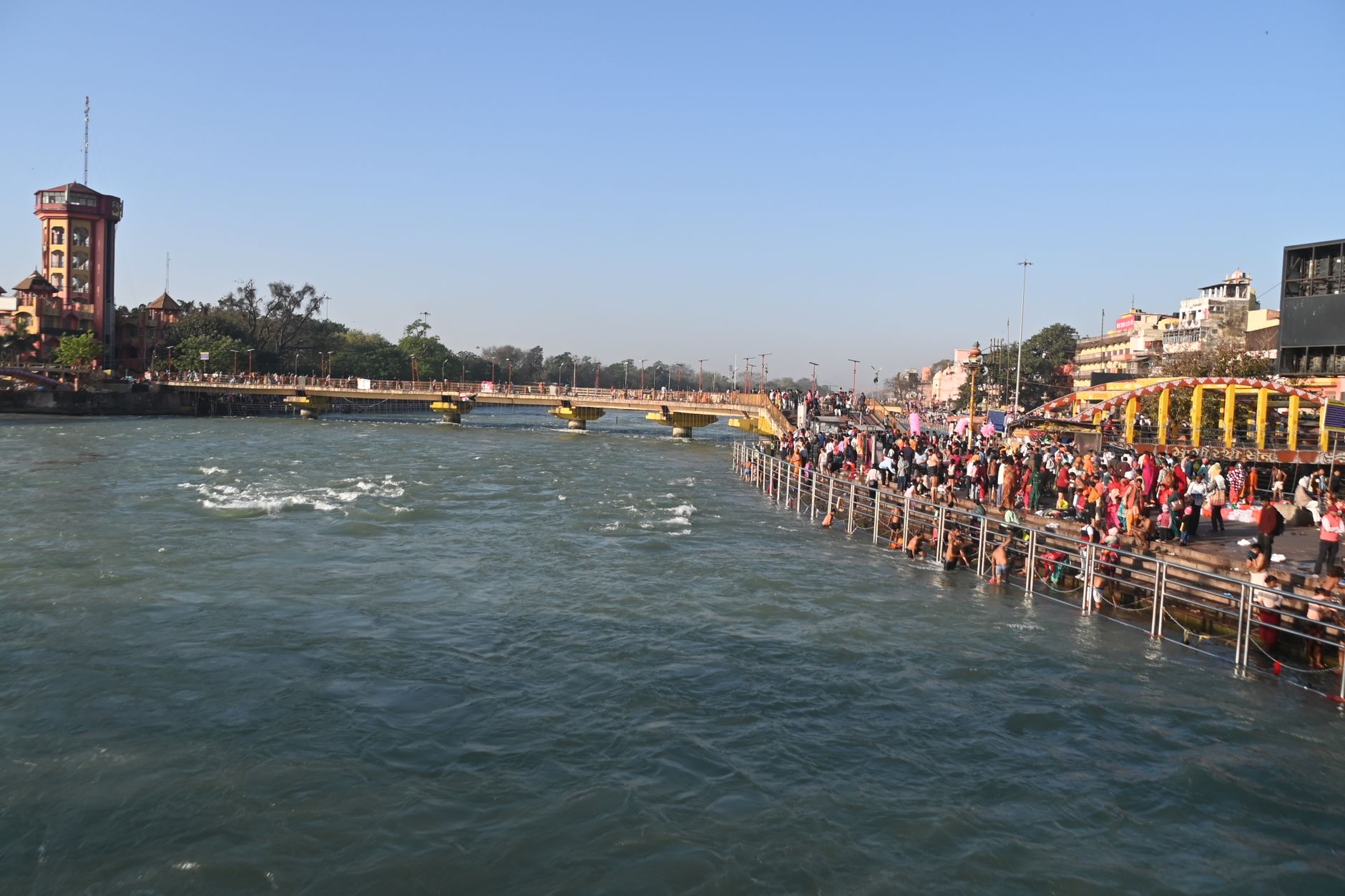 Religious Pooja kits and items
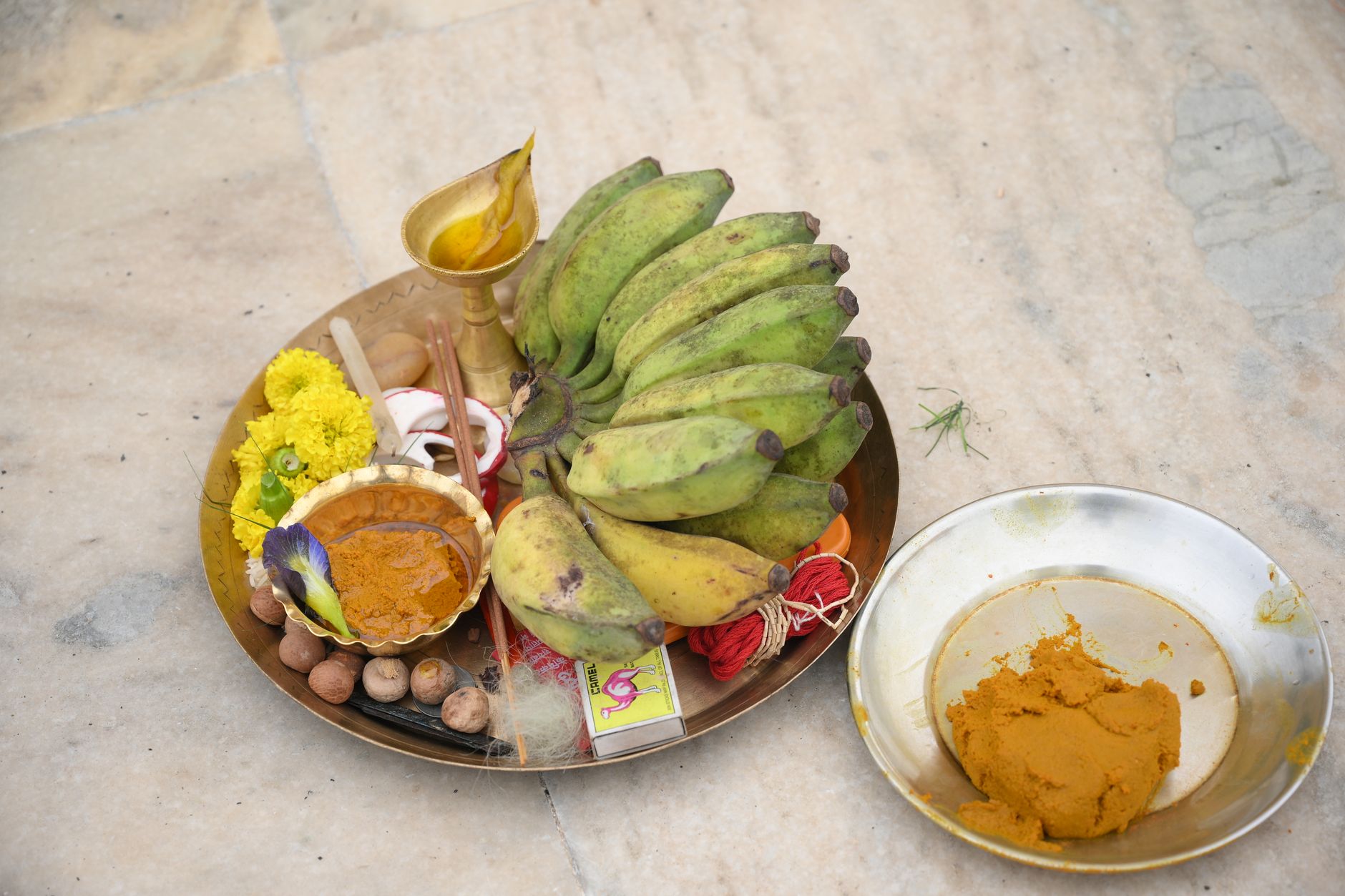 Rustic Flower Baskets
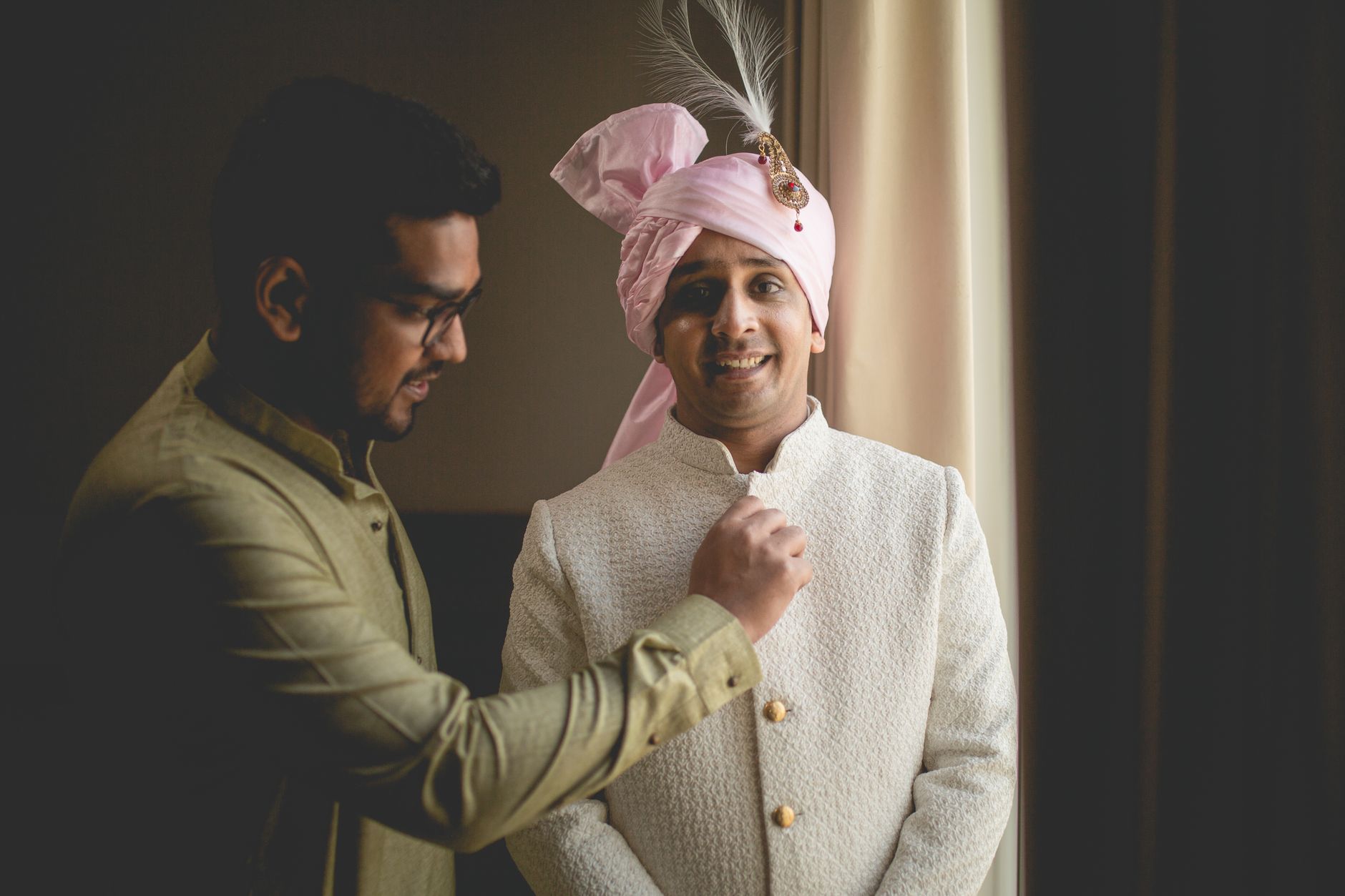 Sehra Accessories
 SUV Marriage Car Decor
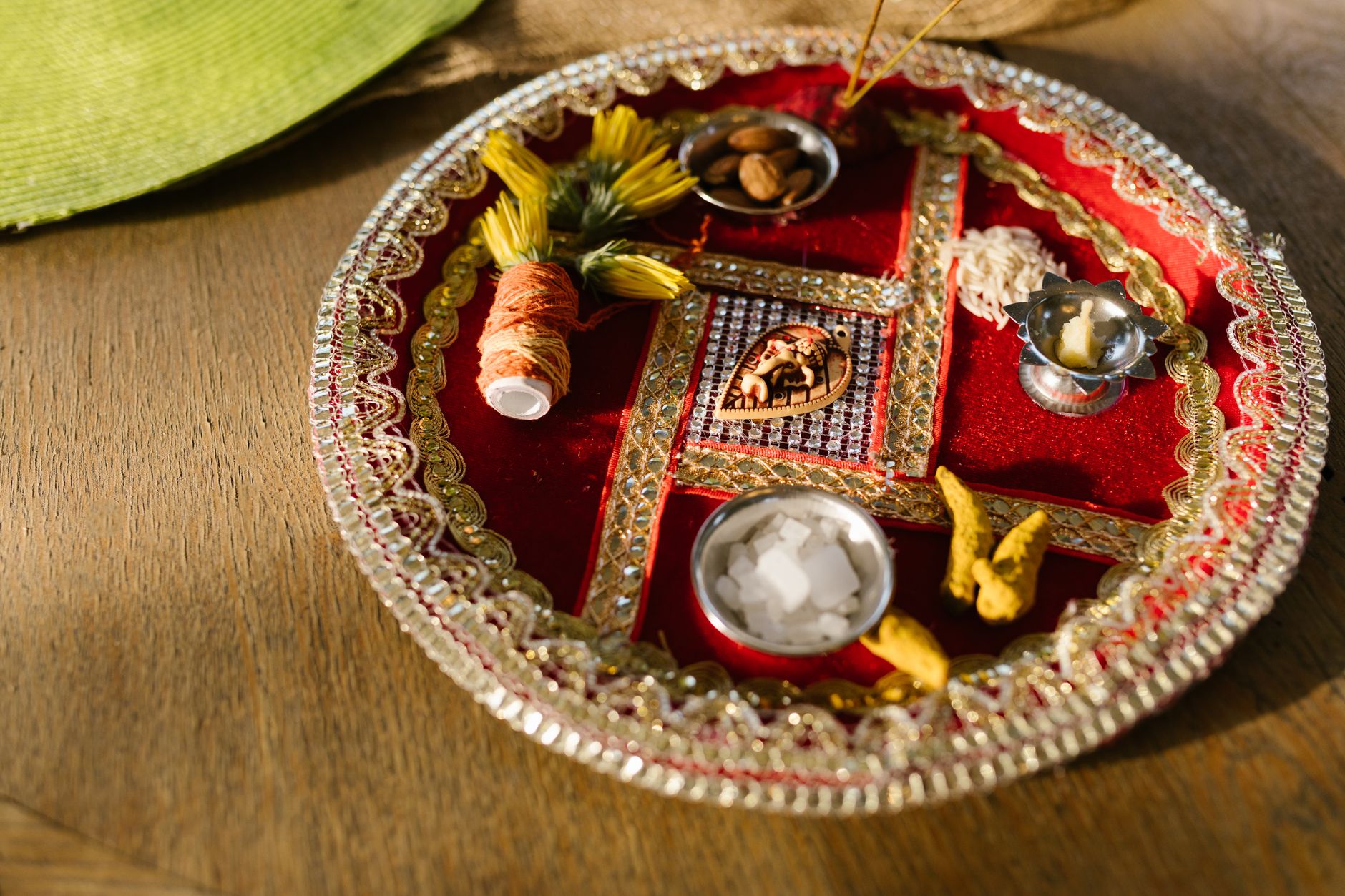 Tamil Mangalyam Ceremony Supplies
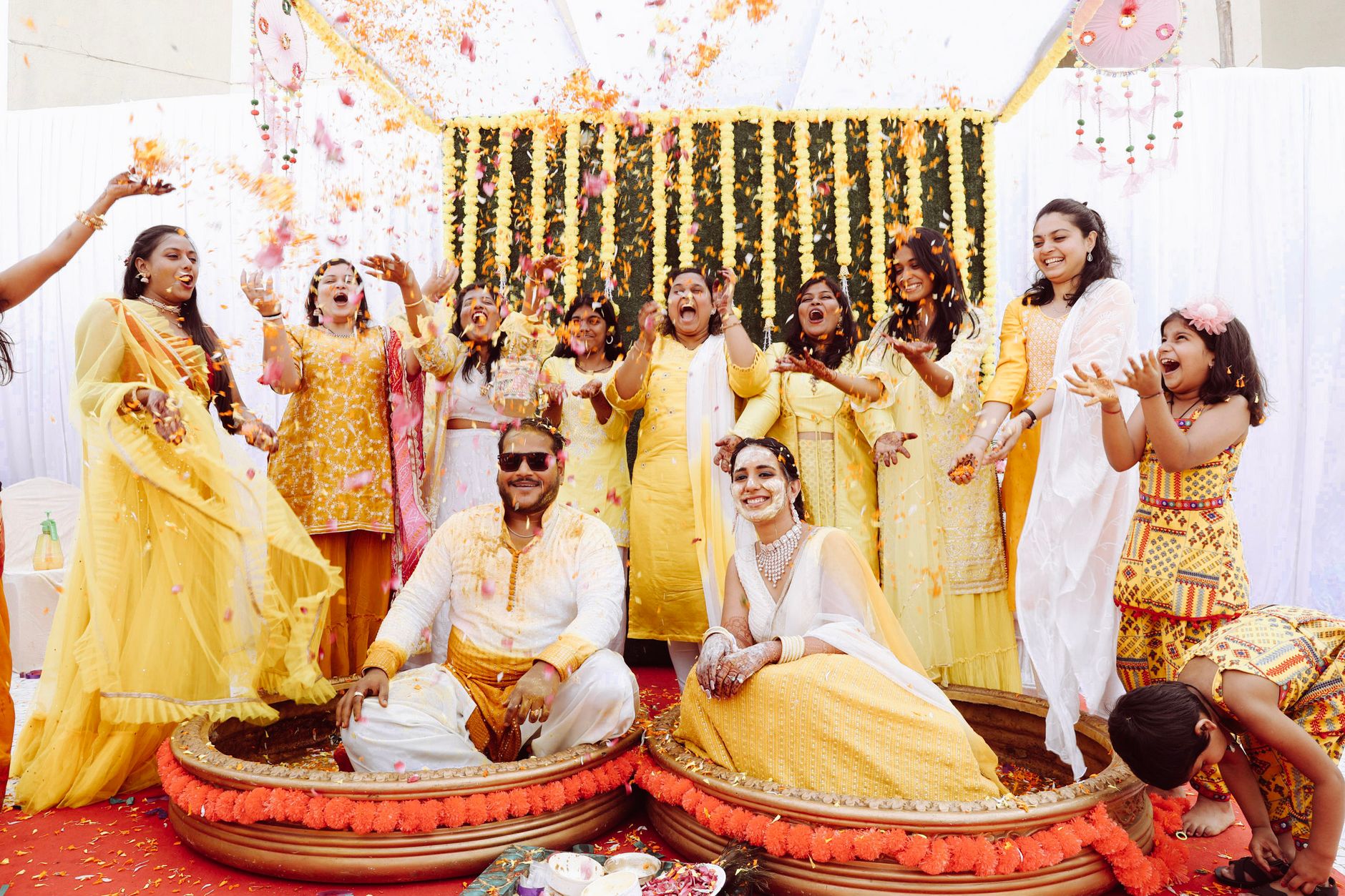 Telugu Turmeric Ceremony Supplies
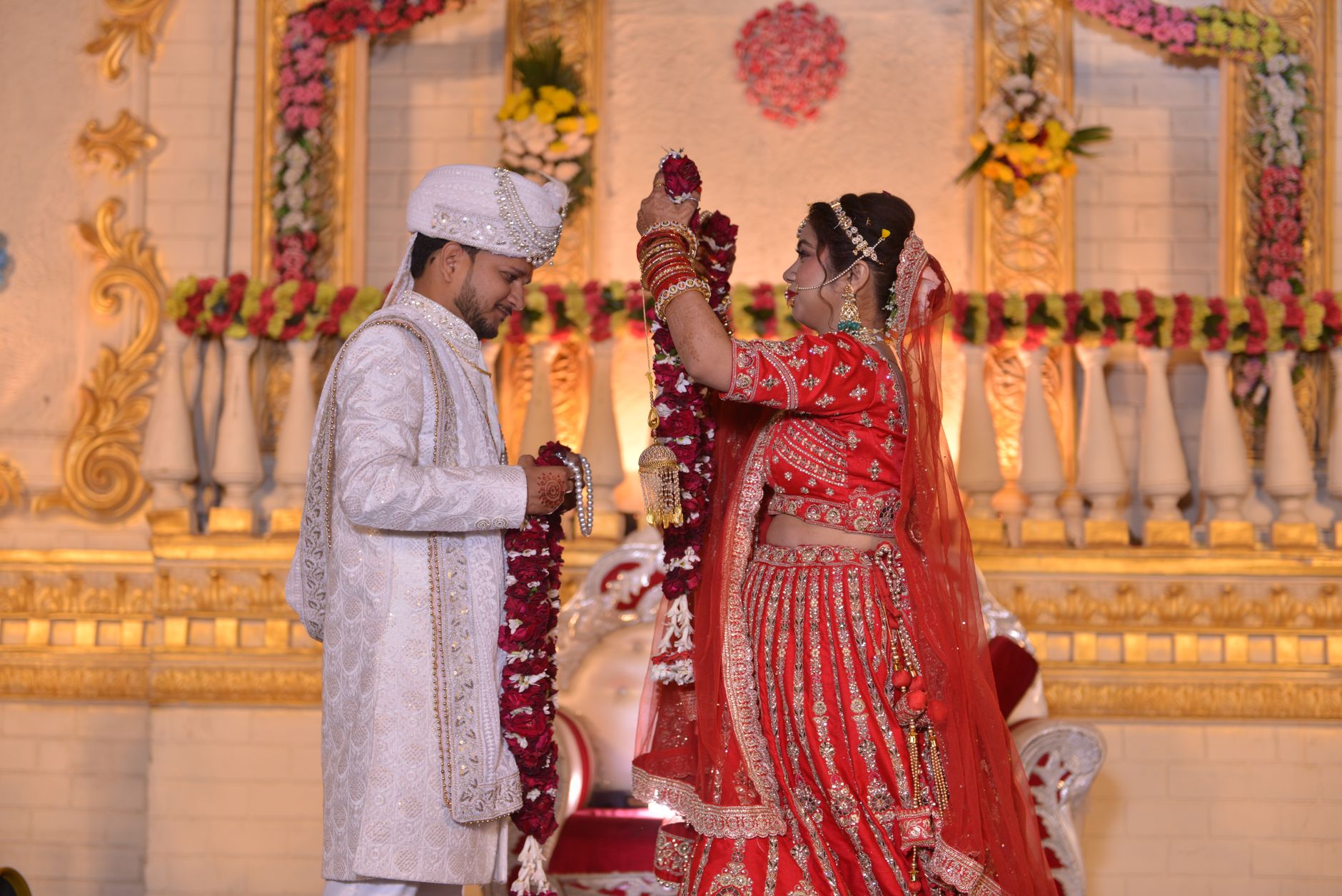 Temple Style Varmala
- 400+Curated Events
- 6Event Universes
- 1000+Verified Vendors
- 70+Locations
- 24/7Customer Support


Not sure which packages fits your celebration?
Let Hiya & Hanu help you find the perfect match!
Explore Celebration Packages- AI-Powered MatchingSmart suggestions for you
- Budget OptimizerGet the best experiences in your budget
- End-to-End SupportWe are with you at every step
Serving Celebrations across 75+ locations in India
Trusted Ritual Services for Celebrations With Reliable Ceremony Support
◆Religious and traditional rituals are important occasions for families, often representing blessings, gratitude, new beginnings, milestones and long-established customs. Because these ceremonies can carry deep personal and cultural meaning, their arrangements deserve careful attention. A missed ritual item, poorly organised venue or unclear schedule can create unnecessary stress for everyone involved.
Trusted ritual services for celebrations provide families with structured support before and during an important occasion. Professional organisers can help coordinate the practical details while ensuring that the ceremony remains respectful of its traditional purpose. From venue preparation and ritual materials to religious professional coordination and guest arrangements, every part can be planned with greater clarity.
Reliable event support is particularly valuable when several suppliers are involved. Instead of managing each requirement separately, families can have a coordinated plan that brings the essential arrangements together.
Building Confidence From the Beginning
Trust starts with clear communication. Families should understand what a ritual service includes, how the planning process works and who will manage different responsibilities.
Trusted ritual services for celebrations begin with understanding the nature of the occasion. The organiser can discuss the ceremony, preferred date, venue, guest numbers, traditional requirements and any additional celebration activities.
This initial conversation creates a foundation for practical planning. It also gives families an opportunity to explain customs or preferences that may be important to them.
A dependable provider should be willing to explain arrangements clearly rather than making assumptions. This is particularly important for religious occasions where requirements can vary according to family practice and tradition.
Understanding the Ceremony Requirements
Every ritual has its own purpose and preparation requirements. Some ceremonies may be intimate and simple, while others involve several family members, religious professionals and extended celebrations.
Professional Reliable Ceremony Planning starts by identifying the essential components of the occasion. These may include the ceremonial space, required materials, religious professional, timings, seating and supporting arrangements.
The organiser can then develop a practical schedule that allows each stage to take place without unnecessary interruptions.
Understanding the ceremony also helps prevent excessive decoration or entertainment from overshadowing the central purpose. The focus should remain on creating an appropriate environment for the ritual and the people participating in it.
Why Reliable Planning Matters
Religious ceremonies often have specific timings and sequences. Last-minute changes can therefore affect several parts of the event.
Trusted ritual services for celebrations can help reduce these risks by confirming arrangements in advance. Supplier arrival times, venue access, ritual materials and decorative installations can all be reviewed before the ceremony day.
A well-prepared plan should also include contingency thinking. For example, outdoor ceremonies may require an alternative arrangement if weather conditions become unsuitable. Similarly, additional time may be needed where guests are travelling from different locations.
Good planning does not eliminate every unexpected situation, but it provides a clear way to respond to one.
Preparing the Sacred Venue
The venue needs to support the ritual as well as accommodate guests. It should be clean, accessible and appropriately arranged for the ceremony.
For a home ceremony, the organiser may help identify a suitable area and organise furniture or household items around it. For larger venues, the process may involve dedicated ceremonial zones, guest seating, entrance arrangements and supplier access.
Reliable Ceremony Planning should consider how guests move through the venue. The ceremonial area should remain clear while refreshments, photography and other activities are positioned appropriately.
Lighting, ventilation, cleanliness and accessibility can also influence the overall experience, especially for ceremonies that last several hours.
Traditional Decoration With Purpose
Decoration can add warmth and character to a religious occasion when used appropriately. Flowers, garlands, traditional fabrics and simple ceremonial backdrops can help establish a welcoming setting.
The choice of decoration should reflect the nature of the ceremony. A smaller family ritual may benefit from subtle floral arrangements, while a larger celebration may call for a more developed ceremonial backdrop.
Ceremonial flower decoration should be planned around the ritual space rather than simply added as an afterthought. Flowers should not obstruct movement or interfere with essential ceremonial activities.
Trusted ritual services for celebrations can coordinate decorators and suppliers so that the venue is ready before guests arrive.
Coordinating Priests and Religious Professionals
Religious professionals often provide essential guidance during ceremonies. Depending on the tradition, this could involve a priest, religious scholar or another qualified person responsible for conducting the ritual.
Families should confirm the ceremony requirements directly with the appropriate religious professional. This helps establish the necessary materials, sequence and timing.
A professional organiser can then use that information to coordinate the practical arrangements.
Trusted ritual services for celebrations can make communication easier by ensuring that relevant details are confirmed before the event. This reduces the possibility of discovering missing requirements at the last moment.
Organising Ritual Materials
Ritual materials should be prepared carefully and checked before the ceremony. Depending on the occasion, requirements may include flowers, fruits, grains, lamps, vessels, cloth, offerings and other traditional items.
The precise list should always be confirmed according to the ceremony rather than relying on a generic checklist.
Once confirmed, items can be sourced and organised in advance. Labelling or grouping materials according to their use can make the ceremony easier to manage.
This preparation is a practical part of Reliable Ceremony Planning because it allows the family to participate without repeatedly stopping to search for items.
Making Family Participation Easier
Family members are often central to religious ceremonies. They may have specific roles, responsibilities or traditions to follow.
A clear schedule can help everyone understand when they need to arrive and participate. Important family members can be informed of timings beforehand so they are not left uncertain on the day.
Older relatives may require suitable seating or easier access to the ceremonial area. Children may benefit from comfortable spaces during longer occasions.
Good organisation should support participation rather than create additional pressure. Families should be able to concentrate on the significance of the ceremony rather than managing logistical problems.
Guest Experience and Hospitality
Even when the primary purpose is religious, guests need practical support. Comfortable seating, drinking water, refreshments and accessible facilities can make a noticeable difference.
Arrival information should be communicated clearly, particularly where parking or venue access may be complicated.
If the ceremony forms part of a larger celebration, the transition between activities should be carefully timed. Guests should know where to go and what to expect without excessive announcements or interruptions.
Trusted ritual services for celebrations can coordinate these practical details alongside the ceremonial requirements.
Integrating Rituals Into Larger Events
Religious ceremonies may take place alongside weddings, milestone celebrations, family gatherings, housewarming occasions or other traditional events.
Combining multiple activities requires careful scheduling. Photography, meals, entertainment and social activities should be planned around the ritual rather than disrupting it.
A useful event schedule may include guest arrival, ceremonial preparation, the main ritual, photography, refreshments and subsequent activities.
Reliable Ceremony Planning helps create a natural flow between each part of the occasion. It also gives suppliers clear instructions about setup and dismantling times.
How to Assess a Ritual Service Provider
Choosing a provider requires more than comparing prices. Families should consider reliability, communication, experience and transparency.
Ask what services are included and whether the provider works with established suppliers. Clarify who will coordinate the event on the day and how changes will be handled.
It is also sensible to request a written breakdown of costs. This makes it easier to understand which elements are included and which may involve additional charges.
A professional provider should be comfortable answering practical questions. Clear communication before booking can be a useful indicator of the service experience families can expect later.
Balancing Cost and Quality
A trusted service does not necessarily have to mean an extravagant event. Families can choose arrangements according to their priorities and budget.
Essential ceremonial requirements should generally be considered first. Venue, religious professional fees, ritual materials and basic guest arrangements may form the foundation of the budget.
Decoration, photography, hospitality and entertainment can then be added according to preference.
Trusted ritual services for celebrations can help families prioritise their spending by identifying practical requirements before optional enhancements.
The goal is to achieve a well-organised occasion rather than simply adding more services.
Maintaining Authenticity
Professional event planning should never remove the personal character of a religious ceremony. Traditional practices should remain guided by the appropriate family customs and religious professionals.
Modern organisation can simply make those traditions easier to manage. Digital invitations, guest lists, schedules and supplier communication can all support the occasion without changing its essential meaning.
The strongest ceremonies often combine authenticity with thoughtful organisation. Guests experience the tradition, while family members have fewer logistical concerns to manage.
Creating a Dependable Ceremony Experience
A well-organised ritual is built through hundreds of small decisions. The correct venue, prepared materials, confirmed religious professional, suitable decoration and clear schedule all contribute to the final experience.
Trusted ritual services for celebrations bring these elements together so families can approach the occasion with greater confidence.
Professional support is particularly useful when the celebration involves many guests or several different suppliers. Having one coordinated plan reduces confusion and makes responsibilities easier to manage.
Thoughtful Details That Strengthen the Occasion
Small details can make a ceremony feel more personal. Familiar flowers, traditional decorations, meaningful family customs and carefully selected hospitality can create a stronger connection to the occasion.
These details do not need to be expensive. Their value comes from their relevance to the family and ceremony.
A good organiser listens carefully to these preferences and incorporates them where appropriate.
Reliable Ceremony Planning is therefore not simply about schedules and suppliers. It is also about understanding what makes the celebration meaningful and ensuring that practical arrangements support that purpose.
Planning With Confidence
Families organising a religious occasion want to know that important details will be handled responsibly. Clear communication, preparation and dependable coordination can provide that reassurance.
From the first planning conversation through to the ceremony itself, professional support can simplify venue arrangements, materials, decoration, religious professional coordination and guest management.
Trusted ritual services for celebrations offer a practical way to combine traditional values with organised event management. When the service is delivered with care, families can focus more fully on participating in and remembering the occasion.
A meaningful ceremony does not need unnecessary complexity. With appropriate planning, reliable suppliers and respect for tradition, families can create an occasion that feels sincere, welcoming and well prepared.
Frequently Asked Questions
1. What are trusted ritual services for celebrations?
Trusted ritual services for celebrations provide professional assistance with organising religious and traditional ceremonies. Support may include venue preparation, ritual materials, religious professional coordination, decoration and guest arrangements.
2. What does reliable ceremony planning involve?
Reliable Ceremony Planning involves understanding the ceremony requirements, establishing a suitable schedule, confirming suppliers, preparing the venue and ensuring that required materials are available before the event.
3. Can ritual services be customised for different families?
Yes. Services can be adapted around family customs, ceremony requirements, venue preferences, guest numbers, decoration choices and the wider celebration.
4. Can these services support traditional home ceremonies?
Yes. Professional organisers can help prepare a suitable ceremonial area within the home while coordinating materials, religious professionals and practical guest arrangements.
5. Can a priest be arranged for a religious ceremony?
Priest coordination services may be available depending on the ceremony and provider. The exact ritual requirements should be confirmed with the appropriate religious professional.
6. What materials are normally required for a ritual?
Requirements vary considerably by ceremony. Depending on the tradition, materials may include flowers, fruits, grains, lamps, vessels, cloth and other offerings. The final list should be confirmed with the religious professional.
7. Can decoration be included in ritual services?
Yes. Depending on the package, decoration may include flowers, garlands, ceremonial backdrops, entrance arrangements and other suitable elements.
8. How can I choose a reliable ritual service provider?
Consider the provider's communication, experience, service inclusions, supplier coordination, transparency and ability to understand your specific ceremony requirements. Written quotations can also help with comparison.
9. Can a religious ritual be part of a larger celebration?
Yes. Rituals can be integrated into weddings, family gatherings, milestone occasions and other celebrations. Careful scheduling ensures that social activities do not interfere with the ceremonial process.
10. How can I book trusted ritual services for celebrations?
Start by sharing the ceremony type, preferred date, venue, guest numbers and specific requirements with a suitable provider. The organiser can then recommend relevant services and prepare a suitable plan.