
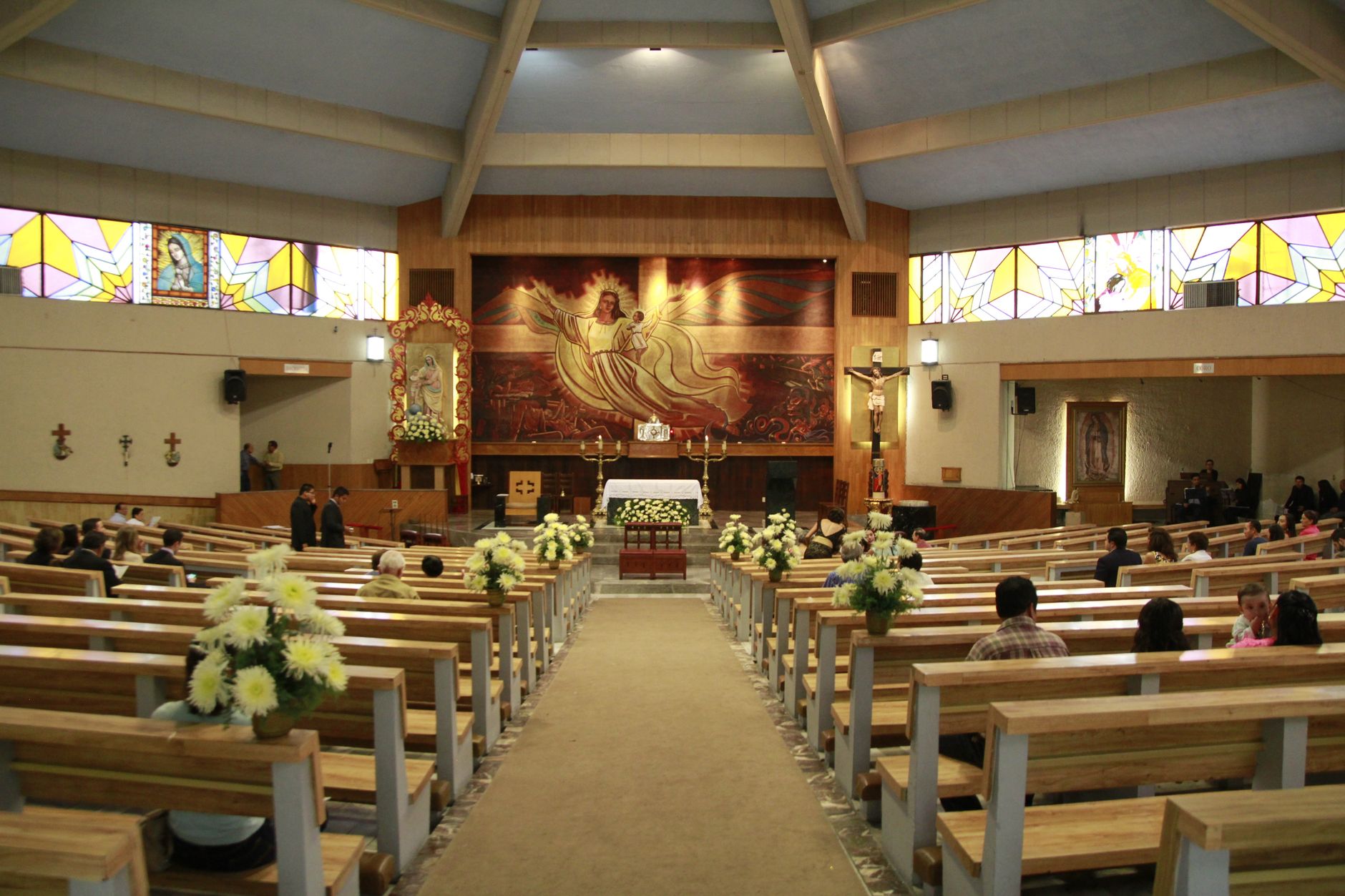
Sacred Blooms for Every Ceremony Seat
Religious cermony in Haridwar
Pew Flower Accessories for Religious Ceremonies in Haridwar
Haridwar's sacred ghats and ancient temple precincts create a deeply spiritual backdrop for religious ceremonies, and every detail of your décor must honour that sanctity. Pew flower accessories — the floral clusters, cone arrangements, and garland ties that adorn ceremony seating — bridge devotional tradition with breathtaking visual elegance. Whether you are planning a riverside Vivah, an Arya Samaj ceremony, or a multi-day Vedic ritual, the right aisle flower decorations and traditional Hindu ceremony flowers transform each row of seating into a fragrant, divine corridor that your guests and the gods alike will cherish.
Quick Answer
Pew flower accessories are floral arrangements — cones, clusters, pomanders, or draped garlands — attached to the end of ceremony benches or chairs to frame the aisle and seating area. In Haridwar religious ceremonies they typically feature marigolds, roses, tuberose, and sacred jasmine. Pricing ranges from roughly INR 25 to INR 150 per pew depending on flower variety and design complexity. They elevate the spiritual ambiance of mandap entries and Ganga-side venues.
What Are Pew Flower Accessories and Why Do They Matter in Haridwar?
Pew flower accessories are decorative floral pieces fixed to the outer edge of every guest seat or bench along a ceremony aisle. In the context of Haridwar's religious ceremonies — held at dharamshalas, ashram courtyards, or right on the ghats of the Ganga — these blooms do far more than look beautiful. They signal the sacred boundary of the ritual space, guiding guests and priests alike along a fragrant corridor that heightens devotional focus. Marigolds, which hold deep Vedic significance, are the most popular choice, often paired with white tuberose for purity and jasmine strings for fragrance. Unlike banquet-hall ceremonies elsewhere, Haridwar venues rarely have permanent pew fixtures; most decorators use cane-back folding chairs or wooden benches, so pew flower accessories are designed with flexible ties, wire hooks, or sisal-wrapped bases that adapt to any seating type. Planning for 80 to 500 guests is common here, and aisle flower decorations must maintain visual cohesion from the first row to the last.
Popular Styles of Pew Flower Accessories for Sacred Ceremonies
Haridwar decorators offer several distinct styles to suit different religious ceremony formats. Floral cones — tightly packed triangular holders filled with marigolds and roses — are the most widely used form of pew flower accessories; they hang neatly from chair corners and are easy to replicate consistently across large seating rows. Pomander balls, spherical blooms of seasonal flowers suspended by satin ribbon, add a contemporary touch while still incorporating traditional Hindu ceremony flowers like rajnigandha and mogra. Chair flower garlands, continuous strings of jasmine or marigold looped from chair to chair, create an unbroken line of greenery and colour ideal for processional moments. For a more premium aesthetic, cascading arrangements that blend rose clusters with banana leaf accents reference the natural lushness of Haridwar's Himalayan foothills. Mandap entry floral accents, which frame the gateway to the ritual platform itself, are often designed to mirror the pew style so the entire space achieves visual harmony. The right choice depends on your guest count, seating layout, and the specific ritual being performed.
How Much Do Pew Flower Accessories Cost in Haridwar?
Pricing for pew flower accessories in Haridwar is generally more accessible than in metro cities, largely because local flower markets at Jwalapur Mandi and Motichur supply fresh blooms daily at competitive rates. A basic marigold-and-greens pew cluster costs approximately INR 25 to INR 60 per chair. Mid-range designs that incorporate roses, tuberose, and ribbon detailing range from INR 60 to INR 120 per unit. Premium floral cones or pomanders using orchids, anthuriums, or imported lilies can reach INR 150 to INR 250 per piece. For a ceremony with 200 guest chairs — a common size at ashram-courtyard events — your wedding flower budget Haridwar for seating decor alone could therefore sit between INR 5,000 and INR 50,000 depending on the flower selection. Ceremony seating floral arrangements are most cost-effective when a single decorator supplies both the mandap décor and the aisle pieces, as flower procurement is consolidated. Always request a per-unit quote separately from a lump-sum package so you can scale up or down based on confirmed guest count.
Choosing the Right Flowers for a Haridwar Religious Setting
The choice of blooms for pew flower accessories in Haridwar is shaped by both aesthetics and religious convention. Marigold — genda phool — is non-negotiable for most Vedic, Arya Samaj, and Sanatani rituals; its saffron and gold tones reflect the sacred fire and are considered auspicious by most Hindu traditions. White flowers like tuberose, mogra, and white roses represent purity and are favoured for ceremonies involving Ganga jal. For Ganga ghaat venue styling specifically, decorators tend to avoid overly synthetic or dyed flowers because petals and stems eventually immerse in or near the river; opt for naturally pigmented, biodegradable blooms. Fragrance is particularly important at open-air riverfront venues where incense and fresh air mingle; jasmine and tuberose are naturally aromatic and complement the devotional atmosphere without chemical enhancements. If your ceremony spans multiple days — as Saptapadi or extended Katha ceremonies sometimes do in Haridwar — discuss flower freshness with your decorator; phool that is conditioned properly lasts 18 to 24 hours even in summer heat, and refrigerated transport from the local mandi is standard practice among experienced vendors.
How Should You Plan and Book Pew Flower Accessories for a Haridwar Ceremony?
Booking pew flower accessories for a religious ceremony in Haridwar requires coordination across your venue, priest schedule, and decorator at least four to six weeks in advance, particularly for peak pilgrimage-season dates such as Navratri, Kartik Purnima, or winter solstice. Begin by confirming the exact chair or bench count with your venue manager — dharamshalas like those near Har Ki Pauri can seat anywhere from 100 to 400 people and seating layouts shift based on ritual requirements. Share reference images of your preferred style with at least two decorators; request a physical mock-up of one pew unit before signing a contract. Ask specifically whether aisle flower decorations and mandap entry floral accents are priced together or separately, and confirm whether removal and cleanup post-ceremony is included. Traditional Hindu ceremony flowers should align with the flower varieties your pandit recommends for the specific ritual so that the décor itself becomes an extension of the puja, not merely ornamental. Chair flower garlands that run aisle-length are usually set up two to three hours before the ceremony begins, so factor this into your venue access time.
Pew Flower Accessories Style Comparison for Haridwar Religious Ceremonies
Expert Recommendation
Best for intimate family ceremonies (under 75 guests)
Best for large Vivah ceremonies (200+ guests)
Best for riverside Ganga ghaat settings
Best for traditional Vedic or Arya Samaj rituals
Best for budget-conscious families
Best for destination guests visiting Haridwar
How to Choose the Right Option
✅ Pre-booking Checklist
- Confirm exact chair or bench count and seating type with your venue at least a week before the decorator consultation
- Verify that your chosen bloom varieties are approved or recommended by your officiating pandit
- Request a single-unit physical mock-up of your pew flower accessory design before finalising
- Ask whether cleanup and removal post-ceremony is included in the decorator's quote
- Check whether biodegradable materials are used if your venue is near or on the Ganga ghaat
- Get a per-unit price in addition to any package quote so you can scale with guest count changes
- Book at least four to six weeks ahead; eight to ten weeks for peak pilgrimage-season dates
- Coordinate decorator arrival time so setup completes at least two hours before the ceremony begins
🎯 Selection Criteria
- Flower variety alignment with religious ritual requirements and pandit guidelines
- Decorator experience with Haridwar venue types — ashrams, dharamshalas, open ghats
- Availability of eco-responsible, biodegradable materials for riverside venues
- Ability to supply a consistent look across the full seating count without quality drop-off
- Transparent per-unit pricing that accommodates last-minute guest-count changes
- Post-ceremony cleanup included or clearly costed separately
💰 Cost / Quality Factors
- Flower type: marigold is most affordable; orchids and imported lilies significantly raise cost
- Unit count: more chairs mean higher total spend but lower per-unit cost with bulk agreements
- Season: peak pilgrimage months raise flower market prices by 20 to 40 percent
- Venue distance from the mandi affects transport surcharge for fresh flower delivery
- Complexity of design: simple clusters cost less than sculptured cones or pomanders
- Decorator reputation and experience: seasoned professionals charge a premium but reduce risk of wilted or inconsistent decor
⚠️ Common Mistakes to Avoid
- Ordering a fixed quantity without confirming the final guest count — always leave a 10 percent buffer
- Choosing flowers purely on aesthetics without checking religious appropriateness with your pandit
- Ignoring environmental guidelines for Ganga ghaat venues and using plastic foam or synthetic materials
- Booking decor and catering with the same vendor only for a discount, without verifying the decorator's floral expertise specifically
- Failing to discuss flower freshness management for ceremonies starting after midday in summer
- Overlooking the coordination of pew flower accessories with mandap and stage décor, leading to a disjointed visual scheme
People Also Ask
What flowers are traditionally used for pew flower accessories in Haridwar religious ceremonies?
How many pew flower accessories do I need for a 200-guest ceremony?
Can pew flower accessories be used on benches instead of chairs at dharamshalas?
Are pew flower accessories appropriate for Arya Samaj and Vedic ceremonies?
What is the difference between aisle flower decorations and mandap entry floral accents?
How far in advance should I book pew flower accessories in Haridwar?
Do pew flower accessories need to be removed immediately after the ceremony?
Can chair flower garlands and individual pew accessories be combined in the same ceremony?
Related Experiences on Happiffie
Sacred Blooms for Every Ritual
Mixed Flower Garlands for Madurai Weddings
Magical Flower Showers in Pondicherry
Dream Resort Weddings in Pondicherry
Dress Your Sacred Day Right
Design Your Dream Wedding Look
Frequently Asked Questions
How do pew flower accessories differ from regular stage decorations at Haridwar ceremonies?
Are pew flower accessories suitable for a ceremony held inside a Haridwar temple hall?
What is the approximate total cost of pew flower accessories for a 150-guest ceremony in Haridwar?
Can I mix marigold pew flower accessories with English flowers for a contemporary look at a Haridwar wedding?
How long before the ceremony should pew flower accessories be installed?
Do Haridwar decorators offer ceremony seating floral arrangements on a per-unit or package basis?
What eco-friendly alternatives exist for pew flower accessories near Haridwar's Ganga ghaat?
Should aisle flower decorations and mandap entry floral accents match exactly or just complement each other?
Key Takeaways
- Pew flower accessories frame the ceremony aisle and guest seating, turning every row into a fragrant, sacred corridor suited to Haridwar's devotional settings.
- Marigold, jasmine, tuberose, and white rose are the most religiously appropriate and locally available blooms for Haridwar religious ceremonies.
- Pricing ranges from INR 25 to INR 250 per unit depending on flower variety and design complexity; bulk orders lower the per-unit cost.
- Biodegradable, eco-responsible flower holders are essential for Ganga ghaat venue styling to comply with environmental guidelines near the river.
- Booking four to six weeks in advance — and eight to ten weeks during pilgrimage seasons — secures the best decorators and flower supply.
- Combining chair flower garlands for long aisles with individual pew accessories near the mandap balances visual impact and budget.
- Always request a per-unit mock-up before signing a contract, and confirm that cleanup is included in the decorator's scope of work.
Book Pew Flower Accessories for Your Haridwar Ceremony on Happiffie
Find trusted local decorators who understand Haridwar's sacred venues, seasonal flower availability, and religious décor traditions — all in one place.
Explore Floral Decorators
Are you a Vendor? Grow Your Business with Happiffie!
- High intent verified leads
- Reverse auction opportunities
- AI business tools & insights
- Dedicated vendor dashboard
- Grow your business, your way
It's free & takes less than 2 minutes!