
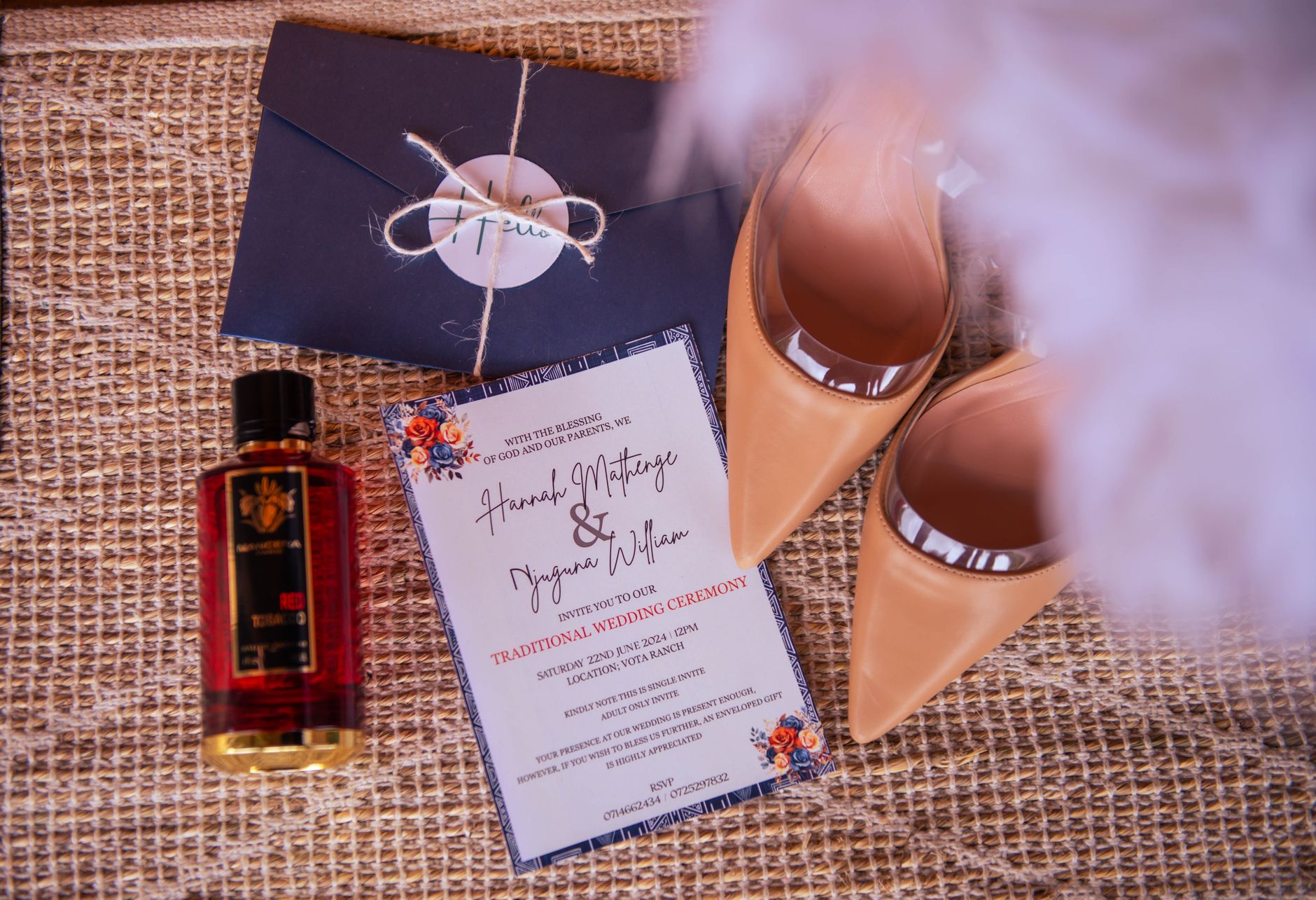
Eco Invites Rooted in Gangtok's Green Soul
Invitation & Stationery in Gangtok
Natural Fibre Seed Invitations for Gangtok Weddings
Gangtok's mist-wrapped hills and deep forest culture make it one of India's most naturally beautiful wedding destinations — and couples here increasingly want every detail to reflect that spirit. Natural Fibre Seed Invitations are handcrafted cards embedded with wildflower or herb seeds in recycled plant pulp; guests plant them after the celebration and watch new life bloom. As Plantable Wedding Invitations gain momentum across Sikkim's conscious wedding community, they pair beautifully with Sustainable Wedding Planning Gangtok vendors already familiar with low-impact sourcing. Happiffie connects you with verified stationery creators who design these cards in regional motifs, Devanagari script, and earthy Himalayan palettes, ensuring your invitation is as meaningful as the ceremony it announces.
Quick Answer
Natural Fibre Seed Invitations are wedding or event cards made from recycled plant fibre — cotton, jute, or banana pulp — embedded with seeds. After the celebration, guests sow the card in soil, where it sprouts into wildflowers or herbs. In Gangtok, these cards typically cost ₹80–₹300 per piece depending on paper thickness, seed variety, and print complexity, making them a memorable and fully biodegradable alternative to conventional invitation stationery.
What Makes Natural Fibre Seed Invitations Special for Gangtok Weddings?
Natural Fibre Seed Invitations are produced by blending recycled fibre — commonly cotton rag, jute, banana stem, or lokta bark — with water to form a pulp, pressing it into sheets, and embedding viable seeds before drying. The result is a textured, handmade card that carries actual botanical life inside it. In Gangtok, where weddings often take place against the backdrop of the Khangchendzonga range and dense rhododendron forests, this format resonates on a cultural level: Sikkimese Buddhist and Nepali Hindu wedding traditions both honour the natural world, and a card that literally grows feels like an extension of those values. Recycled Fibre Invitation Stationery also eliminates the bleach, optical brighteners, and non-recyclable coatings found in standard art paper, making it a genuinely cleaner choice rather than just a marketing label. Couples planning intimate ceremonies at heritage homestays in Tadong or grand functions at hotels along NH-10 are both choosing these cards to set a mindful tone before guests even arrive.
Seed Varieties and Paper Textures Available in Gangtok
The seed selection inside Handmade Seed Paper Cards matters both horticulturally and aesthetically. Marigold (genda) seeds are the most popular for Gangtok weddings because marigolds are sacred in Hindu rituals, sprout readily in Sikkim's climate, and their warm saffron blooms echo the colours of the ceremony. Basil (tulsi), wildflower mixes of cosmos and cornflower, and aromatic herb seeds like coriander are also widely used. Paper textures range from rough-hewn rustic sheets — ideal for outdoor mountain weddings — to smoother, pressed lokta paper that accepts letterpress or foil printing cleanly. Thickness (measured in GSM) typically runs from 200 GSM for single-fold cards to 350 GSM for boxed gatefold designs. Stationery creators working within Himalayan Wedding Stationery traditions often blend lokta with cotton pulp to achieve a paper that is simultaneously strong enough to survive postal delivery and thin enough to sprout within ten to fourteen days of planting.
How Much Do Plantable Wedding Invitations Cost in Gangtok?
Pricing for Plantable Wedding Invitations in Gangtok is shaped by three variables: order quantity, print technique, and packaging format. At the entry level, a single-layer seed card with screen-printed text in one or two colours costs approximately ₹80–₹120 per piece for orders above 200 units. Mid-range designs with letterpress, block printing, or two-colour foiling on lokta paper range from ₹150–₹220 per piece. Premium boxed sets — which include a seed card, inner lining sheet, envelope, and a small kraft-paper tag with planting instructions — can reach ₹250–₹350 per piece. Eco-Friendly Wedding Cards in this format generally price 25–40% higher than standard digital-print art-paper cards, but the premium is offset by the fact that guests rarely discard them, meaning your brand as a couple stays in their home much longer. For Zero-Waste Wedding Decor packages that bundle invitations with seed-paper menus and place cards, expect a combined saving of 10–15% when ordering stationery together.
Customisation: Motifs, Languages, and Gangtok Regional Touches
One of the strongest advantages of ordering Natural Fibre Seed Invitations through Happiffie's verified network is access to stationery designers familiar with regional aesthetics. Couples in Gangtok frequently request Lepcha script borders, Buddhist auspicious symbols such as the endless knot or lotus, or watercolour illustrations of the Rumtek Monastery skyline and rhododendron blossoms. Invitations can incorporate multiple languages — Nepali, Hindi, English, and Sikkimese — which is standard for multi-community Gangtok weddings. Recycled Fibre Invitation Stationery also allows natural dyes derived from turmeric, indigo, and madder root, producing deep golds, soft blues, and terracotta tones that align with Sustainable Wedding Planning Gangtok aesthetics without synthetic inks. Planting instruction cards — a small insert explaining which soil type and watering schedule the seeds require — are highly recommended and can be personalised with your names and wedding date for a memorable keepsake touch.
How Do You Choose Between Different Eco-Friendly Wedding Card Formats?
Selecting the right Eco-Friendly Wedding Card format comes down to guest profile, delivery method, and ceremony scale. If most guests are local Gangtok residents and will receive invitations by hand, heavier 300–350 GSM boxed sets make a powerful impression and survive without envelopes. For outstation guests — particularly those in Siliguri, Kolkata, or Delhi — a 200–250 GSM single-fold card inside a padded kraft envelope balances seed viability with postal durability; seeds must stay dry during shipping, so moisture-sealed inner wrapping is essential. Couples integrating Biodegradable Event Packaging across their full stationery suite — menus, table cards, favour tags — should choose one consistent paper texture and seed type to create visual cohesion. Handmade Seed Paper Cards with a built-in QR code printed in soy-based ink are growing in popularity as a hybrid solution: the physical card carries seeds while the digital layer delivers video invitations, venue maps, and RSVP links without extra paper.
Comparing Natural Fibre Seed Invitation Formats for Gangtok Weddings
Expert Recommendation
Best for Intimate Mountain Ceremonies (Under 75 Guests)
Best for Large Community Weddings (200+ Guests)
Best for Destination Weddings with Outstation Guests
Best for Budget-Conscious Couples
Best for Traditional Sikkimese or Nepali Hindu Weddings
Best for Modern, Minimalist Couples
How to Choose the Right Option
✅ Pre-booking Checklist
- Confirm seed variety is suitable for your guests' local climate before finalising the card
- Request a physical sample card posted to your address at least ten weeks before the wedding
- Verify the stationery creator uses non-toxic, soy-based or natural inks compatible with seed germination
- Check minimum order quantities and whether the vendor can scale up by 10% for last-minute guest additions
- Clarify whether moisture-sealing and courier-grade packaging are included in the quoted price
- Confirm all language scripts — Nepali, Hindi, English — are proofed by a native speaker before printing
- Decide on planting instruction inserts and ensure they are personalised with your names and wedding date
- Align seed-card paper texture and colour palette with other stationery items (menus, place cards) for visual cohesion
🎯 Selection Criteria
- Artisan's experience with regional Sikkimese or Himalayan design motifs and scripts
- Seed viability guarantee — reputable makers test germination rates before embedding seeds
- Range of paper weights (GSM) offered to suit both hand-delivery and postal requirements
- Transparency on ink types used — soy-based or natural inks are essential for true biodegradability
- Turnaround time and willingness to provide proofs before bulk production begins
- Bundling options for full stationery suites to ensure design consistency across all event stationery
💰 Cost / Quality Factors
- Paper GSM and fibre blend directly affect print quality, seed viability, and postal durability
- Seed variety choice impacts sprouting success rates across different guest locations and climates
- Print technique — screen, letterpress, or foil — is the largest single driver of cost variation
- Order quantity: per-piece prices drop significantly above 150 units; minimum orders matter for small weddings
- Packaging format (loose card vs boxed set) adds 15–40% to unit cost but dramatically improves guest experience
- Localisation complexity — number of scripts, languages, and custom motifs — affects both cost and lead time
⚠️ Common Mistakes to Avoid
- Ordering without a posted sample, which risks discovering print or sprouting issues only after bulk production
- Choosing seeds inappropriate for the recipient's climate — mountain wildflowers may not sprout in humid plains cities
- Ignoring moisture-sealing for outstation mail, which kills seeds before they reach guests
- Underestimating lead time — placing orders fewer than six weeks out forces rushed production and limits customisation
- Selecting very fine-detail artwork not suited to the rough texture of handmade seed paper
- Failing to include planting instructions, leaving guests uncertain how to use the card and reducing its lasting impact
People Also Ask
Do Natural Fibre Seed Invitations survive being posted by courier from Gangtok?
Which seeds work best in Gangtok's climate for Plantable Wedding Invitations?
How early should I order Handmade Seed Paper Cards before my Gangtok wedding?
Can Recycled Fibre Invitation Stationery include foil or metallic printing?
Are Eco-Friendly Wedding Cards more expensive than standard printed invitations?
What is the minimum order quantity for Plantable Wedding Invitations in Gangtok?
Can Natural Fibre Seed Invitations carry Nepali or Sikkimese script?
How does Sustainable Wedding Planning in Gangtok connect to invitation choices?
Related Experiences on Happiffie
Eco Invites That Bloom After Your Wedding
Plantable Invitations for Jodhpur Weddings
Wear Green, Celebrate Beautiful
Go Green with Fibre Wedding Stationery
Jaipur Fusion Weddings Done Right
Beautiful Decor, Zero Guilt
Foil Wedding Cards That Wow
Celebrate Green in Lucknow
Frequently Asked Questions
Where can I find verified Natural Fibre Seed Invitations vendors in Gangtok?
Are seeds inside Plantable Wedding Invitations allowed through India Post or private couriers?
Can Natural Fibre Seed Invitations include a QR code for digital RSVPs?
How many days does it take for the seeds in Handmade Seed Paper Cards to sprout?
What print techniques work best on Recycled Fibre Invitation Stationery in Gangtok?
Do Eco-Friendly Wedding Cards from Gangtok artisans come with planting instructions in Nepali?
Can I order a mixed seed variety across different Natural Fibre Seed Invitations for different guests?
Key Takeaways
- Natural Fibre Seed Invitations are fully biodegradable wedding cards embedded with live seeds — guests plant them and grow flowers or herbs after the celebration.
- In Gangtok, costs range from ₹80 to ₹350 per piece depending on paper weight, seed variety, print technique, and packaging format.
- Lokta bark, cotton rag, and banana-stem pulp are the most common base fibres, each offering a distinct texture suited to different Himalayan Wedding Stationery aesthetics.
- Marigold and tulsi seeds are the most culturally resonant choices for Gangtok's Hindu and Buddhist wedding traditions and perform reliably in Sikkim's climate.
- Order at least eight to ten weeks before the wedding; rush orders under four weeks carry surcharges and restrict customisation.
- Bundling Plantable Wedding Invitations with seed-paper menus and place cards creates a cohesive Zero-Waste Wedding Decor narrative and typically unlocks a 10–15% volume discount.
- Always verify ink type — soy-based or natural inks are essential to ensure seeds remain viable and the card is genuinely biodegradable.
- Moisture-sealing each card before mailing is non-negotiable for outstation guests to ensure seed viability on arrival.
Find Your Perfect Seed Paper Invitation in Gangtok
Browse Happiffie's verified stationery creators for Natural Fibre Seed Invitations — compare designs, prices, and lead times in one place.
Explore Invitations Now
Are you a Vendor? Grow Your Business with Happiffie!
- High intent verified leads
- Reverse auction opportunities
- AI business tools & insights
- Dedicated vendor dashboard
- Grow your business, your way
It's free & takes less than 2 minutes!