
Celebrate Green in Lucknow
Decor in Lucknow
Biodegradable Event Decor in Lucknow: Beautiful & Earth-Friendly
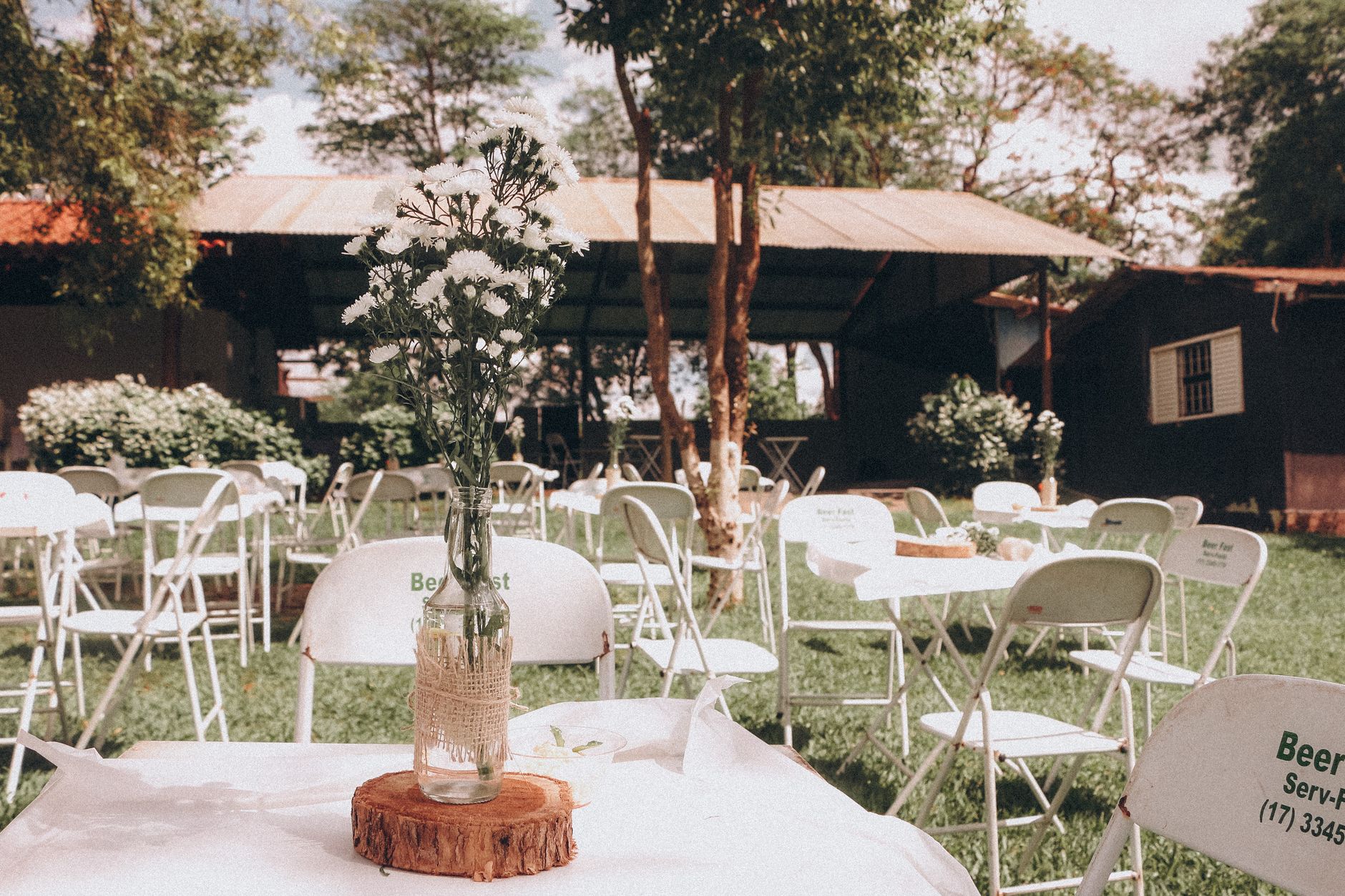
Lucknow's weddings are legendary for their tehzeeb and grandeur, and today's families are adding a new dimension: responsibility. Biodegradable event decor lets you line the mandap of a Hazratganj banquet hall or the lawns of a Gomti Nagar farmhouse with marigold strings, dried palm leaf centerpieces, and terracotta diyas — all of which return harmlessly to the earth after the celebrations end. This shift toward eco-friendly wedding decor is not just a trend; it is a genuine movement reshaping how Lucknow families celebrate milestones. By choosing sustainable event decoration rooted in green wedding planning principles, couples reduce landfill waste without sacrificing the visual richness that defines a Lucknowi shaadi.
Quick Answer
Biodegradable event decor refers to decorative elements — flowers, fabrics, tableware, and installations — made from materials that decompose naturally after use. In Lucknow, this includes jute runners, terracotta pots, fresh marigold garlands, banana-leaf table settings, and seed-paper stationery. These choices eliminate synthetic plastic waste from weddings and large events, making them environmentally responsible without reducing visual impact. Costs typically range from ₹50,000 to ₹4,00,000 depending on venue size and design complexity.
Why Is Biodegradable Event Decor Gaining Popularity in Lucknow?
Lucknow hosts thousands of weddings, corporate galas, and festival celebrations every year, and the cumulative waste from synthetic decorations — thermocol backdrops, plastic flower walls, polyester drapes — has become impossible to ignore. Municipal authorities have encouraged venues in areas like Aliganj, Gomti Nagar, and Indira Nagar to adopt greener practices, nudging families toward biodegradable event decor as the default rather than the exception. Beyond policy, there is genuine aesthetic appeal: jute, bamboo, dried flowers, and terracotta carry the warmth of Uttar Pradesh's craft heritage and photograph beautifully under golden-hour or string lighting. Eco-friendly wedding decor also resonates with NRI families and younger couples who want celebrations aligned with global sustainability values. When guests receive seed-paper invitations or sip chai from kulhad cups, the decor itself becomes a conversation and a keepsake memory rooted in low-carbon celebration values.
Core Materials Used in Sustainable Event Decoration
Understanding which materials qualify as truly sustainable helps you make informed choices when briefing a decorator. The most common options in Lucknow's market include: fresh and dried flowers such as marigold, mogra, and rose — all fully compostable; banana and palm leaf platters replacing plastic tableware; terracotta diyas, pots, and vases sourced from local Chinhat potters; jute and khadi fabric used for table runners, chair sashes, and ceiling draping; bamboo arches and trellis structures replacing PVC pipe frames; and seed-paper tags, menus, and escort cards that guests can plant after the event. Natural material event styling using these elements delivers rich texture and colour without relying on synthetics. Compostable floral arrangements built around seasonal blooms are particularly cost-effective in Lucknow, where flower markets near Aminabad stock marigold, tuberose, and chrysanthemum in bulk at highly competitive prices. Zero-waste wedding decor does not mean minimal decor — it means intentional, biodegradable choices at every touchpoint.
How Much Does Biodegradable Event Decor Cost in Lucknow?
Pricing for biodegradable event decor in Lucknow varies with guest count, venue type, and the complexity of custom installations. For intimate mehendi or haldi functions of 50–100 guests, a well-executed natural material event styling package typically starts at ₹50,000–₹80,000, covering a floral backdrop, table centerpieces, and entrance decor. A mid-size wedding reception of 200–350 guests at a Gomti Nagar banquet hall or a Hazratganj heritage property usually falls in the ₹1,20,000–₹2,50,000 range when using jute, terracotta, and compostable floral arrangements. Grand destination-style weddings at farmhouses in Kakori or Malihabad with elaborate bamboo mandap structures, draped ceilings, and full table styling can reach ₹3,00,000–₹4,50,000. Compared with equivalent synthetic decor packages, eco-friendly wedding decor often costs 10–20% more upfront, but ethical vendor sourcing from local artisans — Chinhat pottery, Aminabad florals, Lucknow chikankari fabric — can significantly offset costs while boosting the local economy.
What Decor Setups Work Best for Lucknow's Venue Types?
Lucknow's event spaces range from rooftop garden venues in Hazratganj and open farmhouses in Kakori to air-conditioned banquet halls in Gomti Nagar and heritage havelis near the Chowk area. Each setting demands a slightly different approach to sustainable event decoration. Open-air farmhouse weddings benefit most from bamboo mandap structures, hanging dried flower installations, and jute-draped dining tables — the natural materials complement lush greenery and are easy to compost on-site after the event. Indoor banquet halls call for terracotta and dried-flower centerpieces, seed-paper menus, and khadi fabric wall panels that add warmth without requiring heavy infrastructure. Heritage haveli spaces are ideal for zero-waste wedding decor that echoes the venue's own aesthetic: earthen pots, brass accents, and fresh mogra strings tie into the building's Nawabi character. Rooftop venues in central Lucknow suit compact, sculptural setups — bamboo arches, potted plant clusters, and string-light canopies that travel with guests through the evening. Matching decor materials to venue character is the first principle of successful green wedding planning.
How Do You Plan a Zero-Waste Celebration Without Compromising on Grandeur?
The most common concern families in Lucknow raise is whether biodegradable event decor can match the visual impact of traditional synthetic setups. The answer, consistently, is yes — with the right planning and ethical vendor sourcing. Start by prioritising high-visual-impact zones: the entrance gate, the mandap or stage, and the main dining tables. Investing the majority of the decor budget in these three areas — using compostable floral arrangements, bamboo structures, and terracotta accents — creates the grandeur photographs demand. Secondary areas like cocktail corners or lounge seating can use potted plants, which are both decorative and gifted to guests or donated afterward. Request your decorator to provide a post-event decor disposal plan: flowers should go to composting partners, terracotta to community gardens, and fabric to NGOs. Low-carbon celebration principles extend beyond materials to logistics — choosing local suppliers reduces transport emissions and supports Lucknow's craft economy. With this holistic approach, sustainable event decoration becomes a genuine statement of both beauty and values.
Biodegradable Event Decor Options: Side-by-Side Comparison for Lucknow Events
Expert Recommendation
Best for Intimate Celebrations (Under 100 Guests)
Best for Large Guest Counts (300+ Guests)
Best for Destination-Style Farmhouse Weddings
Best for Budget-Conscious Families
Best for Traditional Lucknawi Aesthetic
Best for Modern, Minimalist Couples
How to Choose the Right Option
✅ Pre-booking Checklist
- Confirm that all decor materials are certified compostable or natural — request a materials list from your decorator before signing the contract.
- Visit the venue (Gomti Nagar, Hazratganj, Kakori farmhouse, etc.) with your decorator to assess lighting, wind exposure, and compost disposal access.
- Ask for a post-event decor disposal plan specifying where flowers, terracotta, fabric, and bamboo will go after the celebration.
- Book at least 3–4 months ahead of peak season (October–February) to secure availability and allow for custom bamboo fabrication or seed-paper printing.
- Request a mood board that uses only biodegradable materials so you can visualise the final aesthetic before committing.
- Cross-check vendor ethical sourcing practices — confirm they use local artisans and flower markets rather than imported synthetic alternatives.
- Set aside 10–15% of the decor budget as a contingency for last-minute fresh flower replacement due to wilting in warm weather.
- Clarify whether the decorator's quote includes setup, breakdown, and waste removal or whether these are charged separately.
🎯 Selection Criteria
- Experience with large-scale biodegradable setups at Lucknow venues, not just residential events.
- Established relationships with local ethical suppliers — Chinhat potters, Aminabad flower wholesalers, Lucknow khadi outlets.
- Portfolio demonstrating variety: bamboo, terracotta, dried florals, fresh flowers across different function types.
- Clear, itemised quotation that separates material costs, labour, logistics, and waste disposal.
- Willingness to customise for your specific aesthetic — traditional Nawabi, modern minimalist, or fusion styles.
- Post-event support: composting partnerships, plant donation networks, or NGO fabric collection arrangements.
💰 Cost / Quality Factors
- Guest count directly drives material volume — costs scale more steeply for fresh flower setups than for reusable bamboo structures.
- Seasonal flower availability in Lucknow affects both pricing and colour palette — marigold peaks in winter; mogra in summer.
- Venue type determines structural complexity: open farmhouses need freestanding bamboo frameworks; indoor banquet halls need lighter ceiling installations.
- Distance of venue from Lucknow city centre affects logistics costs for heavy terracotta or bamboo deliveries.
- Custom elements like seed-paper stationery or hand-painted terracotta require 4–6 weeks of production lead time and cost more per unit.
- Experienced eco-decor specialists command a premium over general decorators who dabble in natural materials — experience is worth the difference.
⚠️ Common Mistakes to Avoid
- Booking a general decorator without specific biodegradable event decor experience, resulting in synthetic substitutions on the event day.
- Ignoring the post-event disposal plan and allowing compostable materials to end up in general landfill waste.
- Choosing fresh flowers for an afternoon summer outdoor event without planning for shade, water, and rapid setup timing.
- Over-relying on imported dried botanicals (high carbon footprint) rather than locally available jute, terracotta, and seasonal Indian flowers.
- Failing to communicate the green wedding planning vision clearly to the decorator, leading to mixed synthetic and natural elements in the final setup.
- Underestimating setup time for complex bamboo structures — these require 8–12 hours compared to 3–4 hours for standard banquet setups.
People Also Ask
What exactly counts as biodegradable event decor?
Is eco-friendly wedding decor more expensive than traditional decor in Lucknow?
Can biodegradable decor handle Lucknow's summer heat outdoors?
Where can I find natural material event styling suppliers in Lucknow?
What happens to the decor after the event ends?
Which Lucknow wedding functions are best suited to biodegradable decor?
How far in advance should I book a sustainable event decoration vendor in Lucknow?
Can biodegradable event decor work for corporate events and not just weddings?
Related Experiences on Happiffie
Dream Decor, Lucknow Weddings
Illuminate Every Moment in Lucknow
Eco Event Styling in Lucknow
Seamless Guest Transit for Indore Weddings
Gifting Blooms, Crafted with Heart
Plan Every Goa Moment, Perfectly
Frequently Asked Questions
What is biodegradable event decor and how is it different from regular decor in Lucknow?
Which Lucknow neighbourhoods have the best access to eco-friendly wedding decor suppliers?
Can I use biodegradable event decor for a large 500-guest wedding reception?
How does zero-waste wedding decor work for a traditional Lucknawi shaadi?
What is compostable floral arrangements and how do they differ from regular flower decor?
Does choosing green wedding planning affect how the decor looks in photographs?
Are there any government or venue-level requirements for sustainable decor in Lucknow?
How can I estimate the full cost of biodegradable event decor for my Lucknow wedding?
Key Takeaways
- Biodegradable event decor in Lucknow uses locally available materials — marigolds, jute, bamboo, terracotta — that decompose naturally and support the city's craft economy.
- Costs range from ₹50,000 for intimate functions to ₹4,50,000 for large destination-style weddings, with ethical vendor sourcing from Chinhat and Aminabad reducing overall spend.
- Eco-friendly wedding decor does not mean minimal decor — bamboo mandaps, terracotta centrepieces, and compostable floral arrangements deliver visual grandeur comparable to synthetic alternatives.
- All Lucknow venue types — farmhouses in Kakori, heritage havelis in Chowk, banquet halls in Gomti Nagar — have sustainable event decoration options tailored to their character.
- A post-event disposal plan is non-negotiable: composting, NGO fabric donation, and community garden pot distribution ensure genuine zero-waste outcomes.
- Book specialist eco-decor vendors 3–4 months in advance, especially for October–February peak season, to secure availability and allow custom fabrication time.
- Green wedding planning integrates sustainability from stationery and tableware through to structural installations, reducing the event's overall low-carbon celebration footprint meaningfully.
- Zero-waste wedding decor is increasingly mainstream in Lucknow, driven by younger couples, NRI families, and venue-level sustainability policies across the city.
Book Eco-Friendly Decor for Your Lucknow Event
Explore vetted sustainable event decoration specialists on Happiffie and plan a celebration that is as beautiful as it is responsible.
Explore Decor Vendors
Are you a Vendor? Grow Your Business with Happiffie!
- High intent verified leads
- Reverse auction opportunities
- AI business tools & insights
- Dedicated vendor dashboard
- Grow your business, your way
It's free & takes less than 2 minutes!