
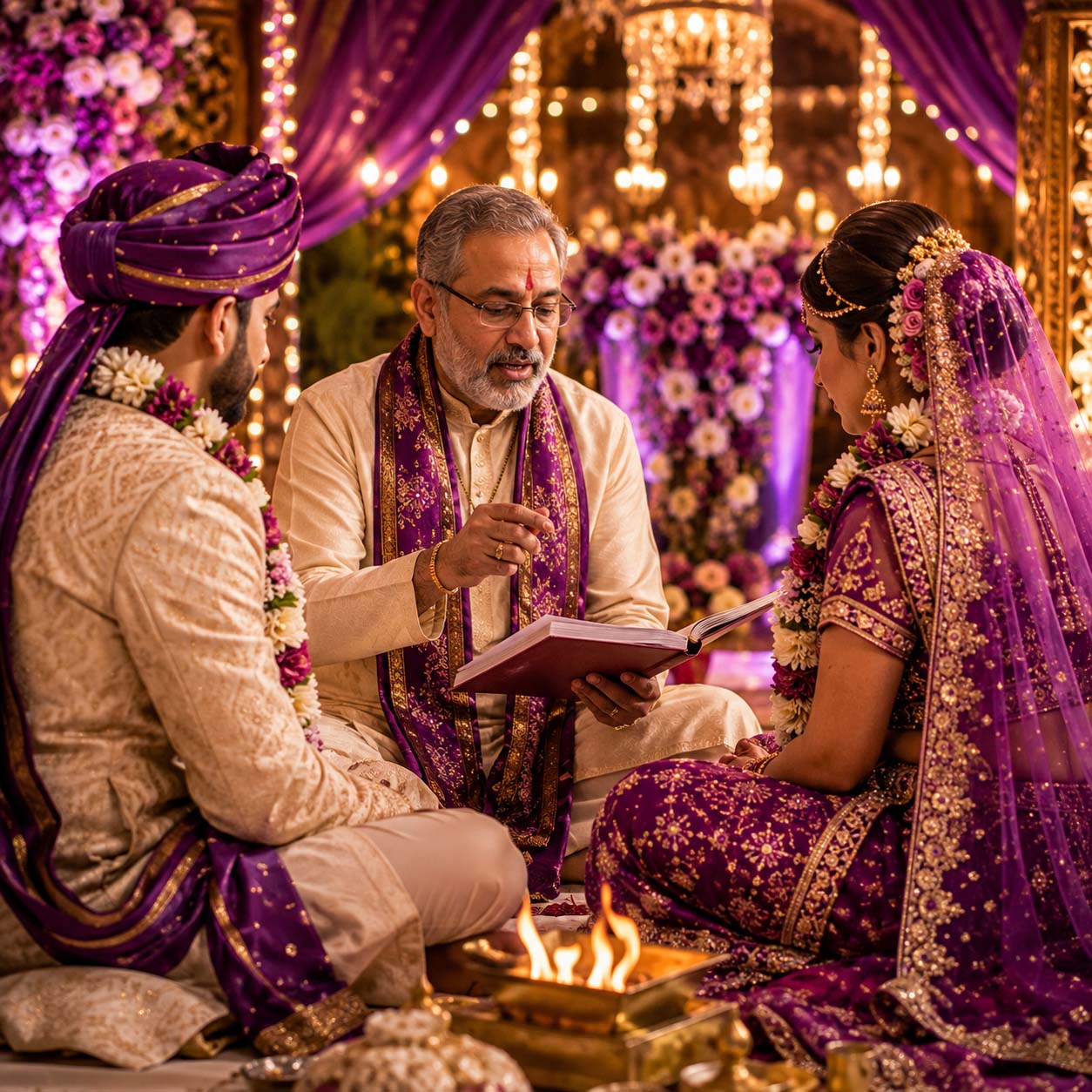
Wedding Officiant Priest
Conduct a meaningful Hindu marriage ceremony with a wedding officiant priest experienced in traditional ritual procedures, Vedic mantras, Muhurtham customs, sacred Vivah traditions, and culturally significant wedding ceremonies.
Explore Religious Ceremony Experiences
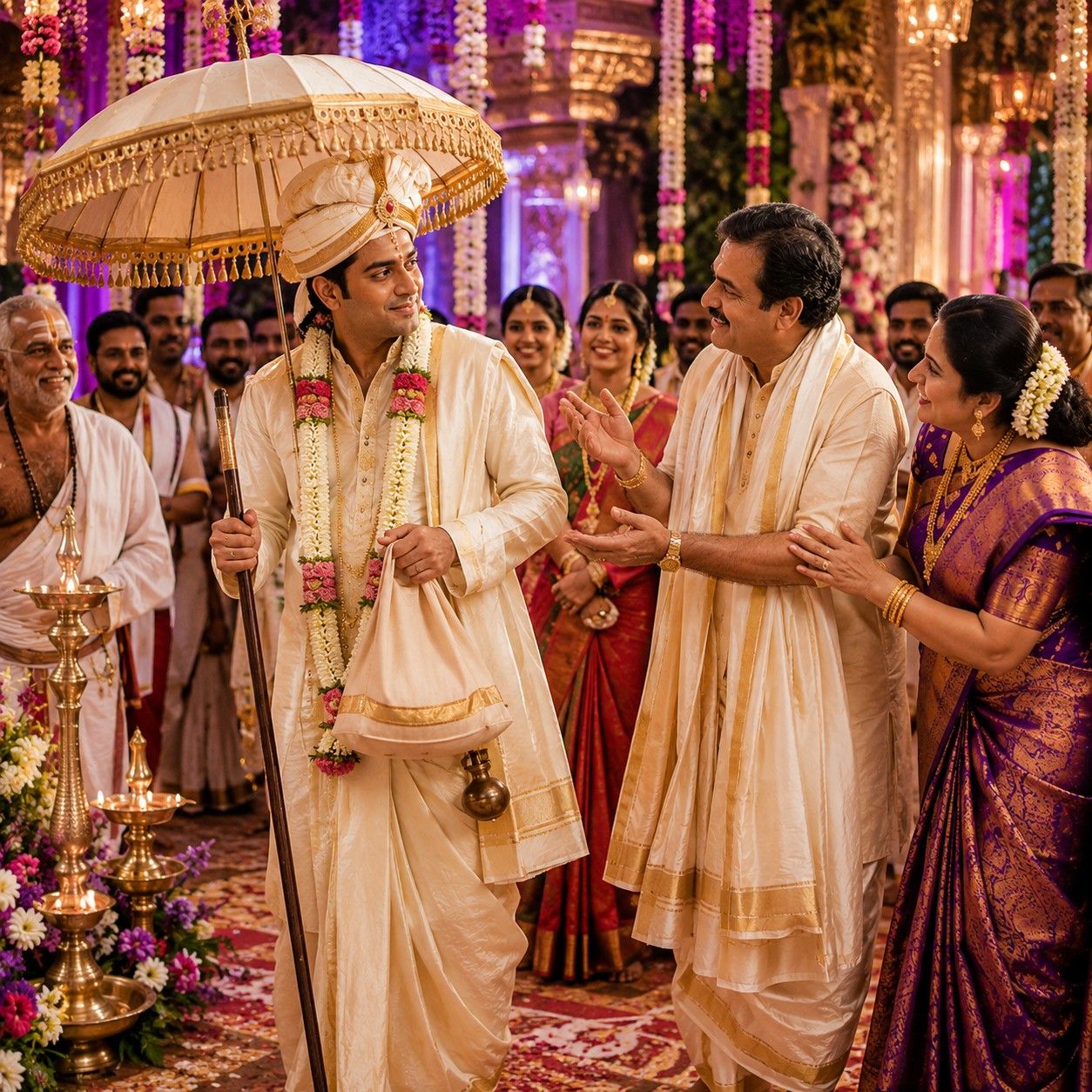
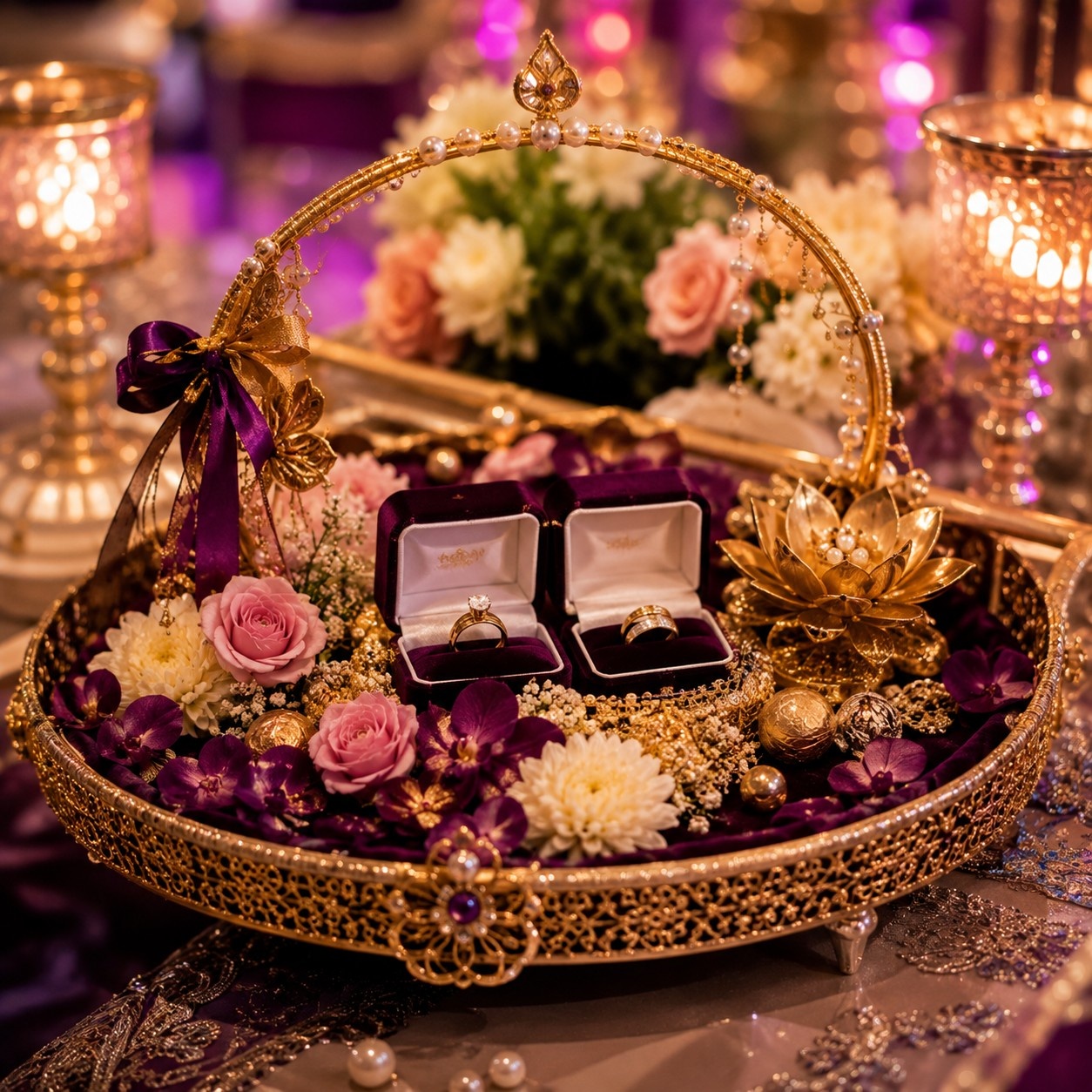

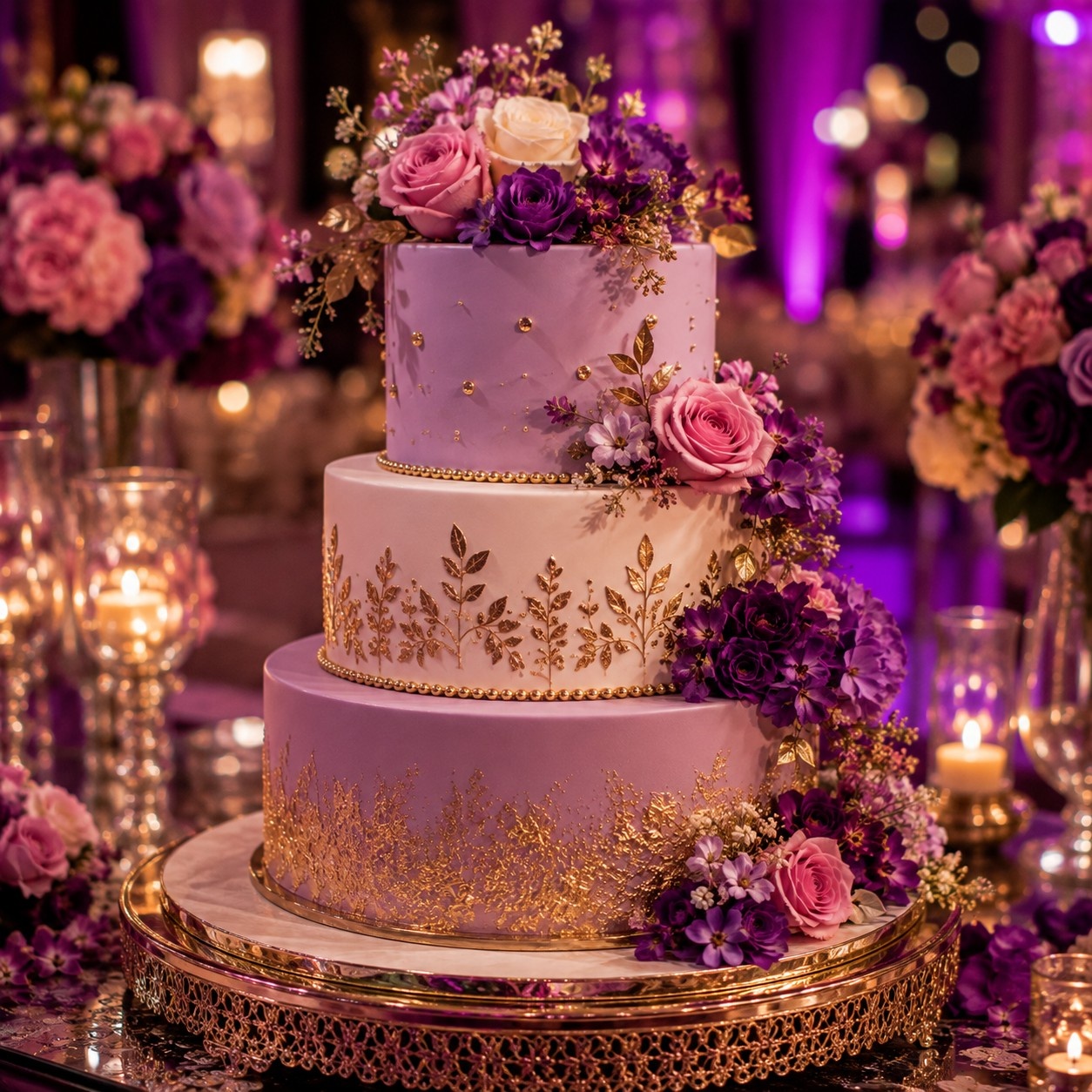
Explore Other Experiences







Explore by Occasion



Wedding Officiant Priest for Traditional Hindu Ceremonies
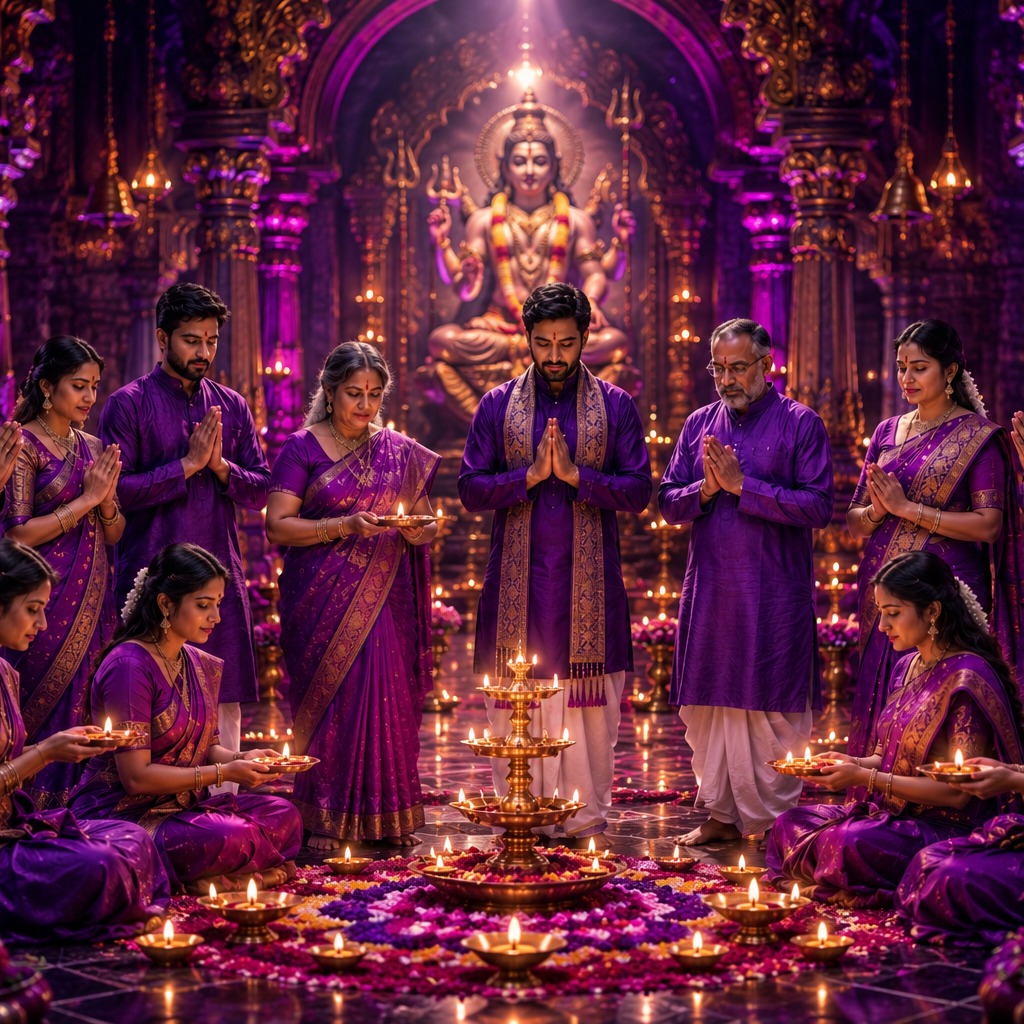
◆A Hindu wedding is a sacred union shaped by meaningful rituals, traditional customs, Vedic prayers, and family blessings. Each ceremony follows a sequence of practices that may vary according to regional traditions, family customs, community practices, and the type of wedding being conducted. A knowledgeable priest helps guide the couple and families through these important moments with clarity, respect, and proper ritual conduct.
A Wedding Officiant Priest provides guidance for traditional Hindu marriage ceremonies, including sacred rituals, Vedic mantras, Muhurtham, Vivah customs, blessings, and ceremonial procedures. The priest helps coordinate the ritual sequence while explaining the required steps and assisting the couple and families throughout the ceremony.
Happiffie connects families with professional wedding priests and ceremony specialists for traditional Hindu weddings, regional marriage customs, Vedic ceremonies, and culturally meaningful celebrations across India.
Marriage Ceremony Priest
A marriage ceremony priest plays an important role in conducting the sacred proceedings of a Hindu wedding.
The priest guides the couple through the prescribed rituals and recitations while helping families understand the ceremonial sequence. Depending on the tradition followed by the family, the ceremony may include several individual rituals, offerings, prayers, blessings, and symbolic acts.
The priest can also coordinate with the wedding family and venue team to ensure the required ceremonial arrangements are prepared before the Muhurtham.
Ritual Conduct
Proper ritual conduct helps maintain the traditional character of a Hindu marriage ceremony.
The officiating priest guides the bride, groom, parents, and other participating family members through the relevant rituals. Instructions may include where participants should sit, when offerings should be made, how particular ceremonial actions should be performed, and when specific mantras are recited.
Clear guidance can make the ceremony easier for families and guests to follow while preserving its cultural significance.
Hindu Vivah
Hindu Vivah represents the traditional marriage ceremony through which the bride and groom enter into a sacred marital union.
The ceremony can incorporate prayers, vows, offerings, blessings, and symbolic rituals according to the family's customs. Different communities and regions may follow distinct practices, so the exact sequence can vary.
A knowledgeable priest helps conduct the ceremony according to the traditions selected by the couple and their families.
Vedic Mantras
Vedic mantras form an important part of many traditional Hindu wedding ceremonies.
The priest recites or guides the recitation of appropriate mantras during different stages of the ceremony. These sacred verses accompany specific rituals and symbolic actions performed by the couple and their families.
The selection and sequence of mantras can depend on the particular wedding tradition, regional practice, and ceremony format.
Muhurtham
Muhurtham refers to the auspicious time selected for an important ceremonial event, including the central marriage ritual in many Hindu wedding traditions.
The wedding priest may coordinate the ceremony according to the designated Muhurtham and guide the couple through the required rituals during this important period.
Proper timing can be particularly important for families following traditional ceremonial practices.
Hindu Wedding Priest
A Hindu wedding priest is responsible for guiding the couple and families through the religious and ceremonial aspects of the marriage.
The priest's role may include preparing the ritual sequence, reciting mantras, conducting offerings, explaining ceremonial actions, and providing blessings according to the relevant tradition.
Couples should discuss their family customs and ceremony expectations with the priest in advance.
Marriage Priest Services
Marriage priest services can vary according to the type and scale of the wedding.
A priest may be engaged for the main Vivah ceremony or for a broader set of wedding rituals conducted before and after the marriage.
Families can communicate their preferred traditions, regional customs, language requirements, ceremony duration, and ritual expectations before confirming the priest.
Vedic Wedding Ceremony
A Vedic wedding ceremony follows traditional practices associated with sacred prayers, mantras, offerings, and ceremonial commitments.
The exact format can differ according to the family's tradition and the priest conducting the ceremony.
The priest helps maintain the ceremonial sequence and guides the couple through each required stage.
Hindu Marriage Rituals
Hindu marriage rituals can vary significantly across regions and communities.
Depending on the tradition, ceremonies may include preparations before the wedding, family rituals, sacred fire ceremonies, offerings, blessings, symbolic exchanges, and the central marriage proceedings.
The priest can help the family understand which rituals are relevant to their chosen wedding tradition.
Vivah Ceremony Priest
A Vivah ceremony priest specializes in conducting the sacred marriage proceedings and guiding participants through the ritual sequence.
The priest can coordinate the ceremonial process while ensuring that the couple and family members understand their respective roles.
For traditional weddings, discussing the ceremony format beforehand can help ensure that all required arrangements are ready.
Traditional Wedding Priest
Traditional wedding priests may conduct ceremonies according to specific regional, community, or family customs.
A South Indian wedding, North Indian wedding, Bengali ceremony, Gujarati marriage, Marathi wedding, or other regional tradition may have different rituals and sequences.
Families can therefore select a priest familiar with their specific ceremonial practices.
Regional Hindu Wedding Traditions
Hindu weddings across India reflect diverse cultural traditions.
The rituals, terminology, ceremonial items, mantras, attire, and sequence may differ between regions and communities. Even families from the same region may follow different customs based on lineage and family practice.
When arranging a priest, it is useful to clearly communicate the family's preferred tradition and the ceremonies they want included.
Wedding Ritual Preparation
Preparation is an important part of conducting a smooth wedding ceremony.
The priest may provide guidance regarding ritual materials, seating arrangements, sacred fire requirements, offerings, ceremonial vessels, flowers, grains, and other items depending on the wedding tradition.
Families can prepare these requirements in advance to avoid interruptions during the ceremony.
Priest Coordination With the Wedding Family
Communication between the priest and wedding family can help ensure that the ceremony follows the desired format.
Before the wedding, the family can discuss the ceremony schedule, Muhurtham timing, rituals, participants, language preferences, and any specific family customs.
This preparation allows the priest to plan the ceremonial sequence more effectively.
Traditional Wedding Mantras and Prayers
Mantras and prayers can accompany different stages of the marriage ceremony.
The priest guides the recitation and explains when the couple or family members need to participate.
For families unfamiliar with particular rituals, advance guidance can make participation more comfortable and meaningful.
Sacred Wedding Customs
Sacred wedding customs form the foundation of many Hindu Vivah ceremonies.
These customs may symbolize commitment, family unity, blessings, spiritual responsibilities, and the beginning of married life.
The exact practices depend on the family's cultural and religious tradition, making it important to work with a priest familiar with the desired ceremony.
Choosing a Wedding Officiant Priest
When selecting a priest, families can consider experience with their wedding tradition, familiarity with the required rituals, communication style, availability on the wedding date, and ability to conduct the ceremony according to the family's customs.
It is also helpful to discuss the expected ceremony duration, Muhurtham timing, language requirements, required materials, and overall schedule beforehand.
Benefits of Professional Priest Services
An experienced priest can provide structured guidance throughout the marriage ceremony.
Professional support can help the couple understand the ritual sequence, coordinate family participation, maintain appropriate timing, and conduct traditional prayers and ceremonies in an organized manner.
It can also help the wedding family focus on the significance of the occasion rather than worrying about each procedural detail.
Why Choose Happiffie?
Happiffie connects couples and families with professional Wedding Officiant Priest providers for traditional Hindu marriage ceremonies and culturally specific wedding rituals across India.
Whether you are planning a Vedic wedding, traditional Vivah, regional Hindu ceremony, Muhurtham wedding, or family-centered marriage celebration, Happiffie helps you discover experienced ceremony professionals suited to your requirements.
From marriage priest services and Vedic mantras to ritual conduct, sacred wedding customs, ceremony preparation, and traditional wedding guidance, professional priests can help families conduct meaningful and well-organized marriage ceremonies.
Conclusion
A Hindu wedding combines sacred rituals, family traditions, prayers, symbolic customs, and meaningful commitments. The priest plays an important role in guiding the couple and families through these ceremonial moments.
A Wedding Officiant Priest can conduct traditional Vivah ceremonies, guide ritual participation, recite appropriate Vedic mantras, coordinate Muhurtham proceedings, and help families follow their chosen wedding customs.
With Happiffie, couples and families can discover professional wedding priests and ceremony specialists for Hindu marriage rituals, Vedic wedding ceremonies, regional traditions, and culturally meaningful celebrations across India.
Frequently Asked Questions
1. What does a Wedding Officiant Priest do?
A Wedding Officiant Priest guides the couple and family through the traditional marriage ceremony, conducts relevant rituals, recites mantras, and provides instructions throughout the proceedings.
2. What is a Hindu Vivah ceremony?
Hindu Vivah is a traditional Hindu marriage ceremony involving sacred rituals, prayers, symbolic actions, blessings, and marital commitments according to the family's customs.
3. What are Vedic mantras in a wedding?
Vedic mantras are sacred verses recited during various stages of a traditional Hindu wedding. The appropriate mantras depend on the ceremony and the family's tradition.
4. What is Muhurtham in a Hindu wedding?
Muhurtham refers to an auspicious time selected for an important ceremony, including the central marriage ritual in many Hindu wedding traditions.
5. Can a priest conduct regional Hindu wedding customs?
Yes. Families can select a priest who is familiar with their specific regional, community, or family wedding traditions.
6. Should the priest be informed about family customs?
Yes. Discussing family customs and the preferred ceremony format in advance can help the priest prepare the appropriate ritual sequence.
7. Does the priest guide the couple during rituals?
Yes. The priest generally provides instructions regarding ceremonial actions, participation, offerings, prayers, and the sequence of the rituals.
8. Can the wedding priest help with ritual preparation?
Depending on the service arrangement and tradition, the priest may provide guidance regarding ceremonial items, ritual materials, seating, offerings, and other requirements.
9. Can the wedding ceremony be conducted in a preferred language?
Language availability depends on the priest. Couples should discuss their preferred language and communication requirements before confirming the service.
10. How early should a wedding priest be arranged?
It is advisable to contact and confirm a priest well before the wedding date, particularly for weddings scheduled during busy marriage seasons or on specific auspicious dates.
11. What should I discuss with the priest before the wedding?
Discuss the wedding date, Muhurtham, ceremony format, regional tradition, required rituals, language, participants, expected duration, and required ceremonial materials.
12. Why choose Happiffie for wedding priest services?
Happiffie connects couples and families with professional wedding priests and ceremony specialists offering support for Hindu Vivah, Vedic wedding ceremonies, Muhurtham, traditional marriage rituals, and culturally meaningful wedding celebrations across India.