
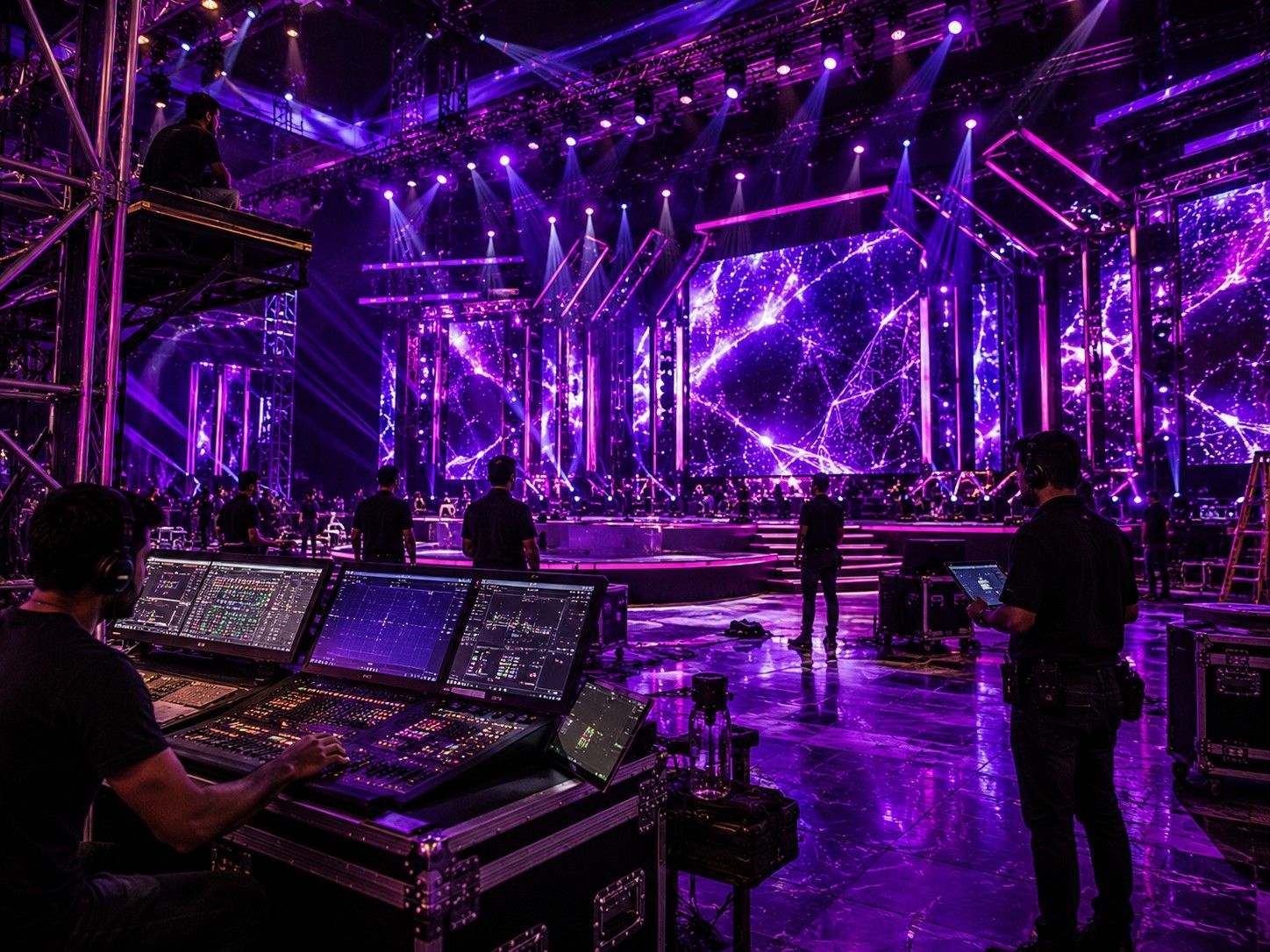
The Stage Set Designer
Every unforgettable event begins with a vision, and Happiffie's stage set designer talent turns that vision into a living, breathing backdrop.
Explore Decoration Experiences
Related Experiences

Explore by Occasion
Why a Skilled Stage Set Designer Turns Ordinary Venues into Memorable Scenes
◆Every unforgettable event begins with a vision, and long before guests walk through the door, someone has already decided what that room should feel like. That someone is a stage set designer, the creative professional responsible for translating a theme, a brand or a personal story into a physical space that guests can walk into and instantly understand. Whether it is a wedding reception, a product launch, a cultural celebration or a corporate gala, the right creative approach changes the entire emotional register of an event, turning a rented hall or open lawn into something that feels custom-built for the occasion.
At Happiffie, we work with clients across India who understand that a stage is never just a stage. It is the focal point where speeches are made, couples exchange vows, awards are handed out and performances happen. Getting that focal point right requires more than a few backdrops and some fairy lights; it requires someone who thinks like an architect, an artist and a producer all at once.
What Does This Creative Role Actually Involve?
A scenographer is responsible for conceiving, planning and executing the physical environment of an event's central performance or ceremony area. This includes the backdrop, the stage platform, lighting integration, props, structural elements and sometimes the flow of movement across the space. Unlike a decorator who focuses primarily on aesthetics, this professional approaches the brief with a narrative mindset, asking what story the space needs to tell and how every element supports it.
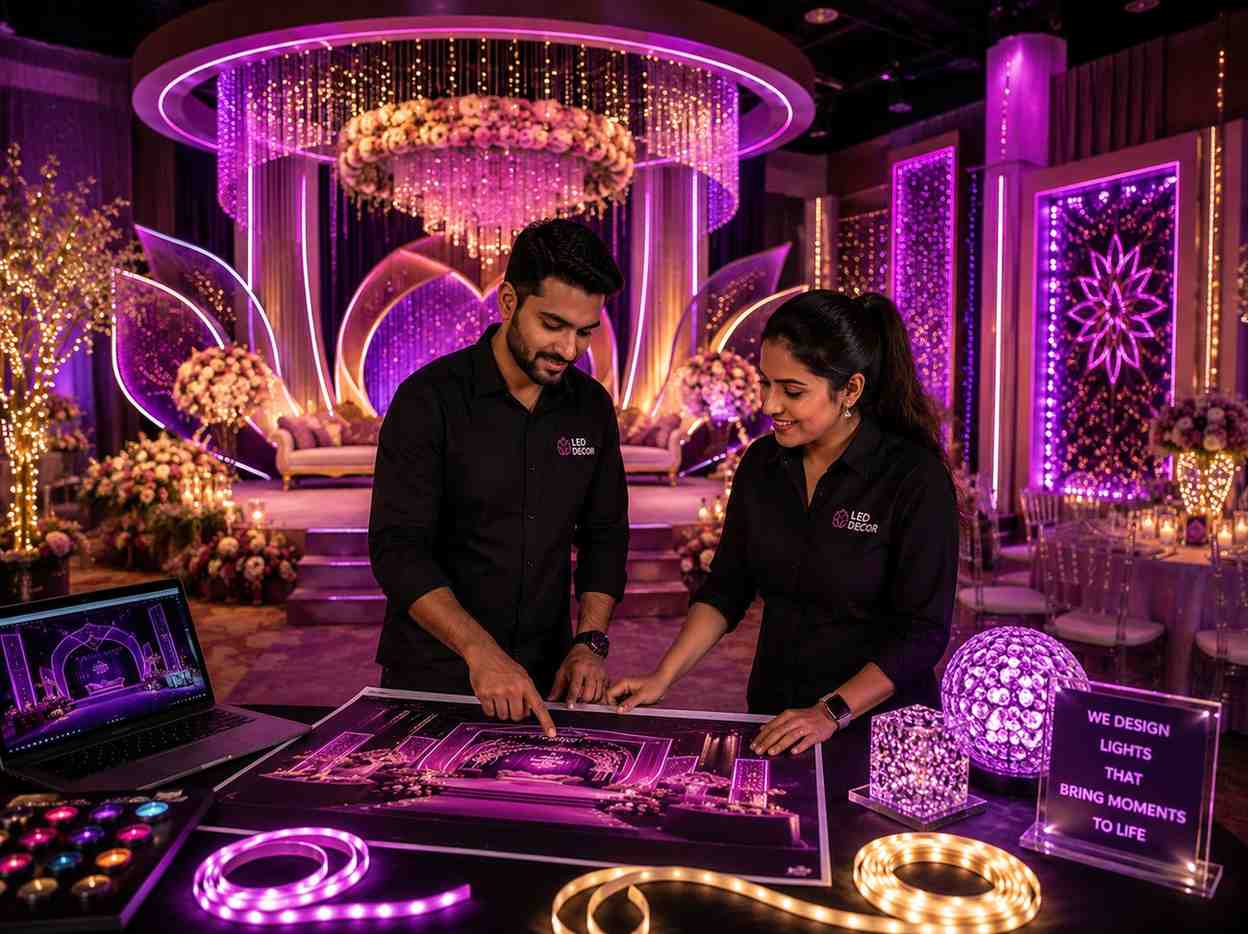
The process typically begins with a concept discussion, where the designer listens to the client's theme, budget and venue constraints before producing sketches or 3D mock-ups. From there, backdrop concepts are refined, materials are sourced, and a build team executes the vision on-site, often within a tight overnight window. It is demanding, technical work that blends craftsmanship with creative instinct.
The Growing Demand for Bold Backdrop Concepts in Indian Events
Indian weddings, corporate events and festival celebrations have grown considerably more elaborate over the past decade, and backdrop concepts have become one of the most requested elements in any event brief. Couples no longer want a generic floral wall; they want a design that reflects their personal story, their cultural roots or a specific aesthetic they have seen and loved. Corporate clients, similarly, want a set that reinforces brand identity while still feeling immersive rather than transactional.
This shift has pushed designs well beyond simple fabric draping, sometimes incorporating layered lighting, kinetic elements, digital projection mapping, oversized floral installations or sculptural pieces built from sustainable materials. A strong stage set designer stays current with these trends while ensuring the final execution remains structurally sound and safe for the venue.
How a Scenographer Approaches Venues Transformation
Venues transformation is perhaps the most complex part of the job, because no two spaces are alike. A banquet hall with low ceilings presents different challenges to a rooftop with unpredictable wind, and an open lawn requires entirely different rigging and weatherproofing than an indoor auditorium. A skilled professional walks the venue in advance, studies its dimensions, power points, sightlines and acoustic quirks, and only then begins designing.
This process also means working within practical limits without compromising on impact. Ceiling height dictates how tall a set can go before it looks disproportionate, and existing architecture, such as pillars or low beams, must be either concealed or incorporated into the design rather than fought against. The best scenographers treat these limitations as creative prompts rather than obstacles, often producing more inventive results because of the constraints rather than in spite of them.
Building Creative Ambience Through Lighting and Texture
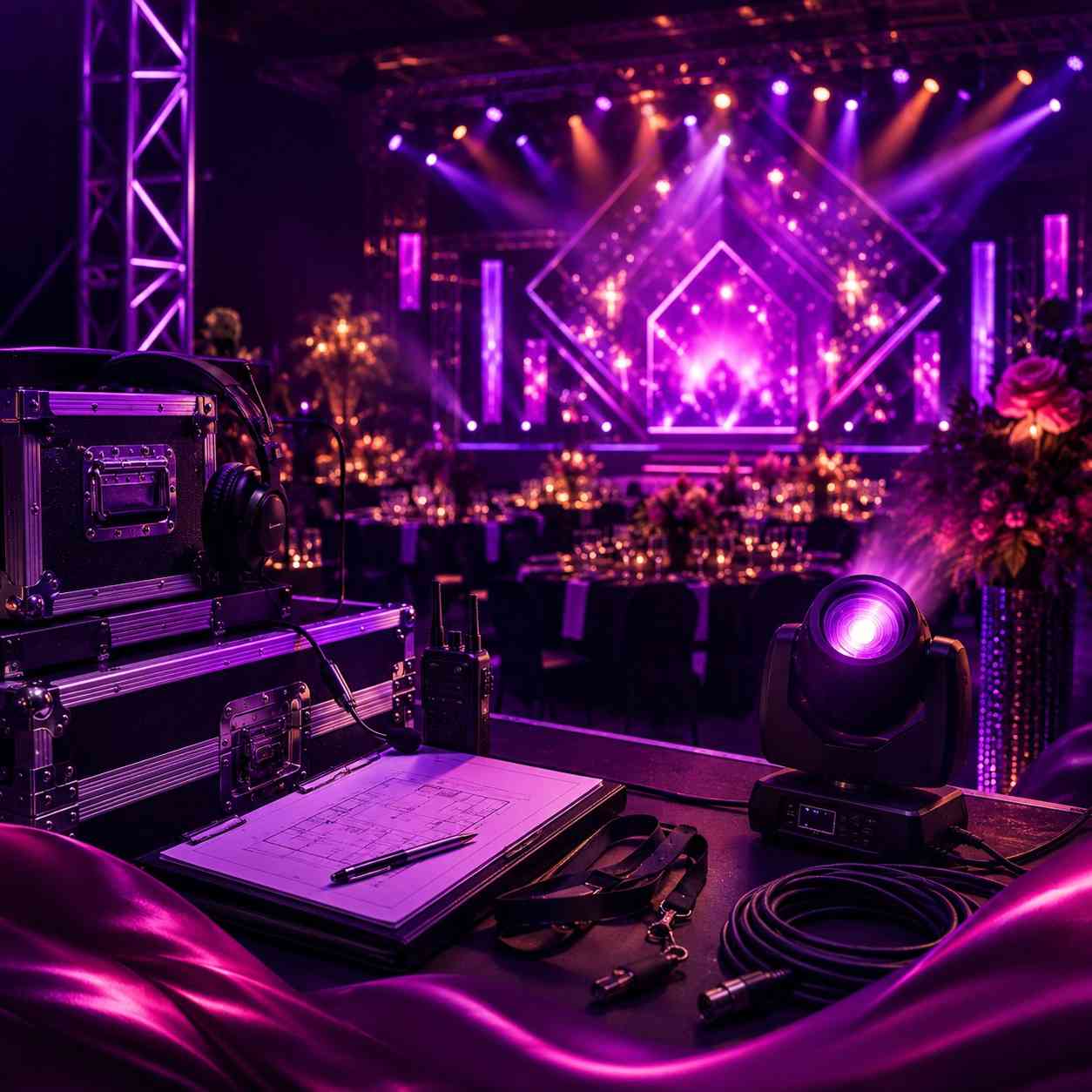
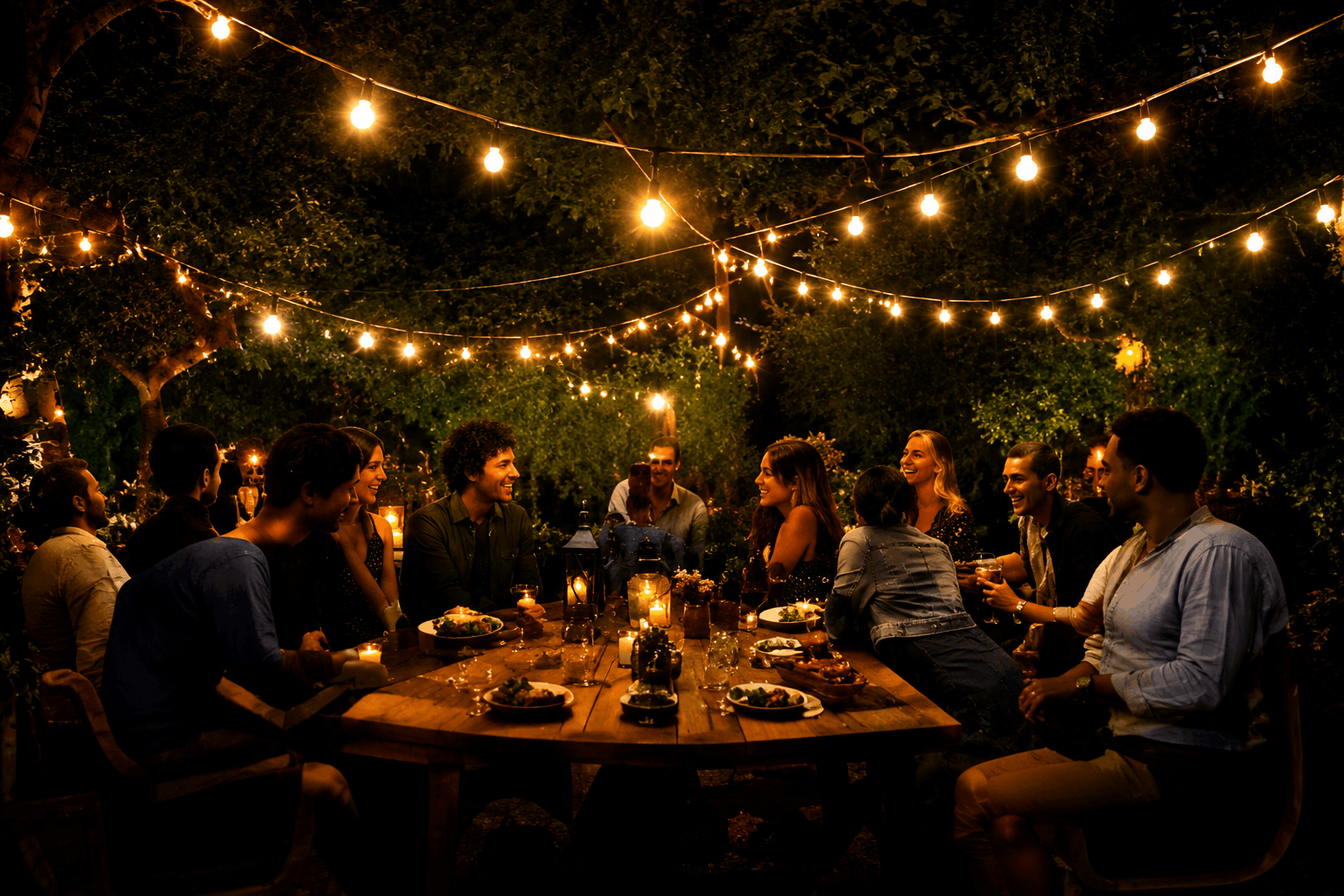
Creative ambience is built through the interplay of light, colour, texture and scale, and this is where a stage set designer's expertise becomes most visible. Warm amber uplighting can make a stark hall feel intimate, while cool-toned washes suit a sleek, modern product launch. Layering textures, velvet drapes against metallic accents, or raw wood against soft florals, adds a depth that a single flat backdrop simply cannot achieve.
Sound and movement also contribute to this atmosphere, even though they fall slightly outside the traditional remit of set design. Many designers now collaborate closely with lighting technicians and audio-visual teams to ensure the mood shifts appropriately across the evening, from a bright, energetic welcome to a softer tone during key moments like a couple's first dance or a keynote address.
Planning Your Stage Design: A Practical Checklist
Before booking a stage set designer, a few planning steps make the collaboration smoother and the final result stronger. Start by defining the emotional tone you want guests to feel the moment they see the stage, whether that is grandeur, warmth, minimalism or celebration. Share reference images, even imperfect ones, since visual cues communicate far more efficiently than verbal descriptions alone.
Confirm your venue's technical specifications early, including ceiling height, floor load limits and available power, as these directly shape which design choices are feasible. Set a realistic budget range from the outset rather than requesting a design first and a price later, since materials and scale have a significant impact on cost. Discuss timelines carefully, particularly for projects that require overnight builds, and confirm how many hours the design team will have for setup and teardown. Finally, ask to see previous work in a similar venue type, since a portfolio often reveals more about practical capability than any conversation can.
Who Typically Hires a Stage Set Designer?
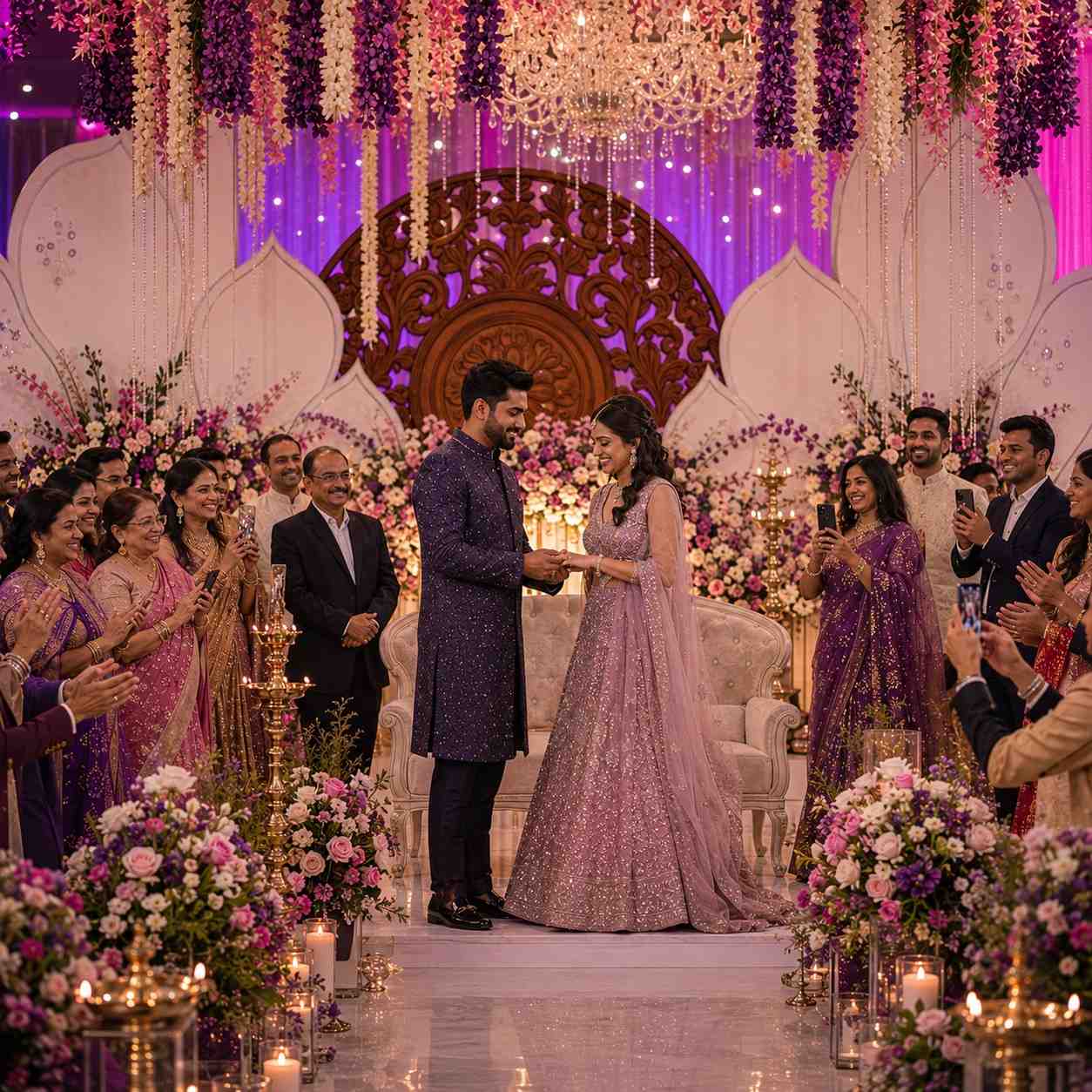
The range of clients booking this expertise has expanded well beyond traditional wedding planners. Wedding couples and their families remain a significant portion of the client base, particularly for mandap designs, reception backdrops and sangeet stages that need to photograph beautifully while holding up through hours of dancing and celebration.
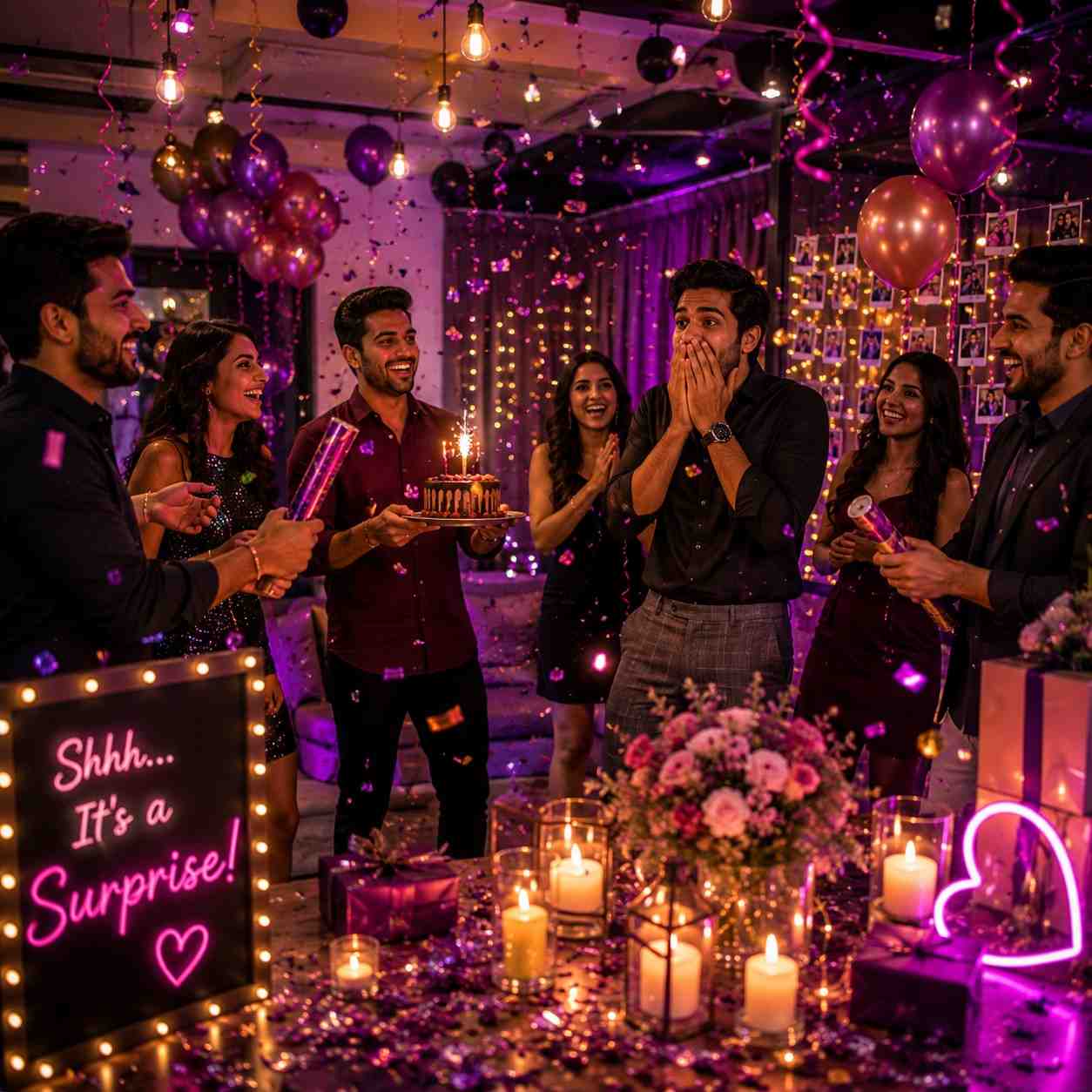
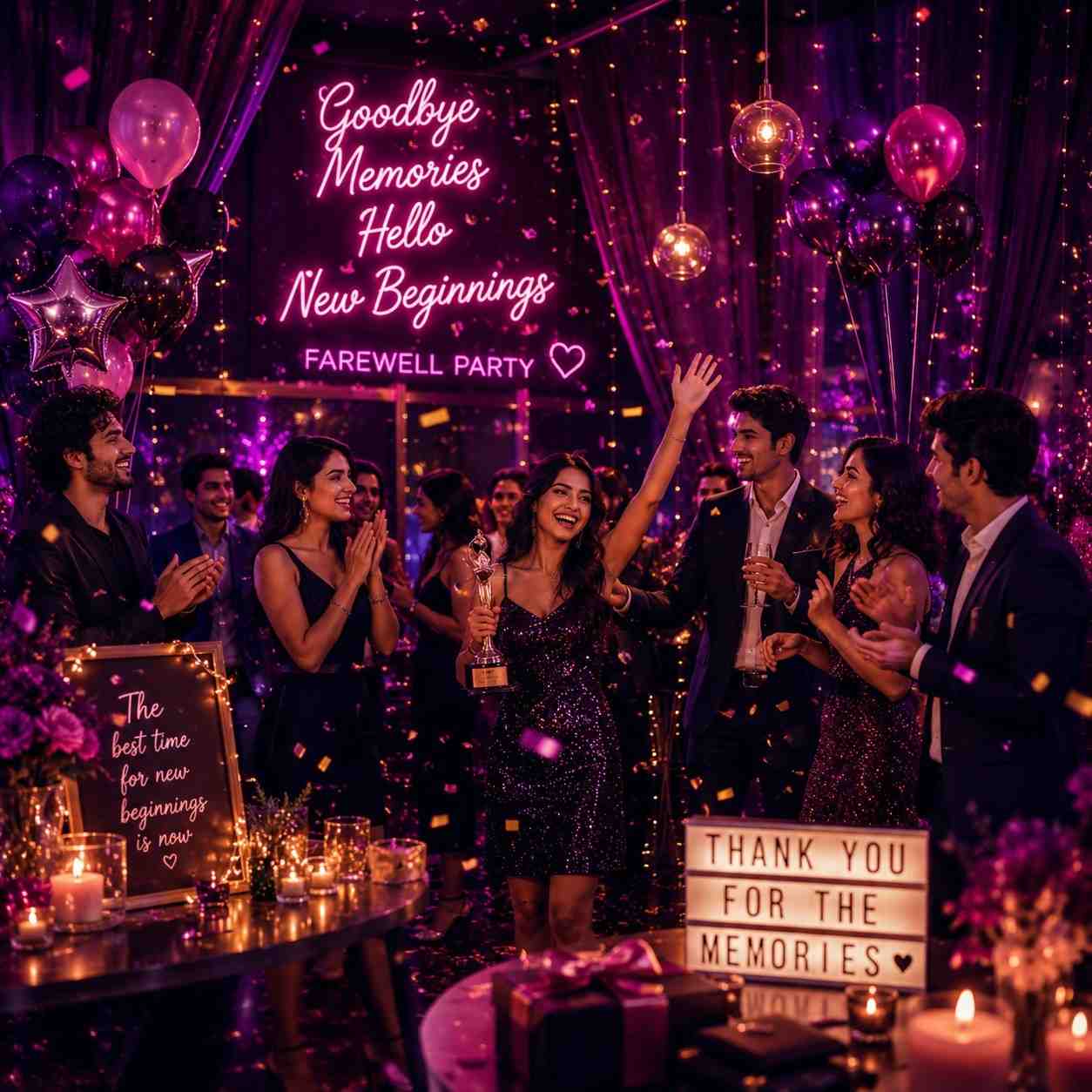
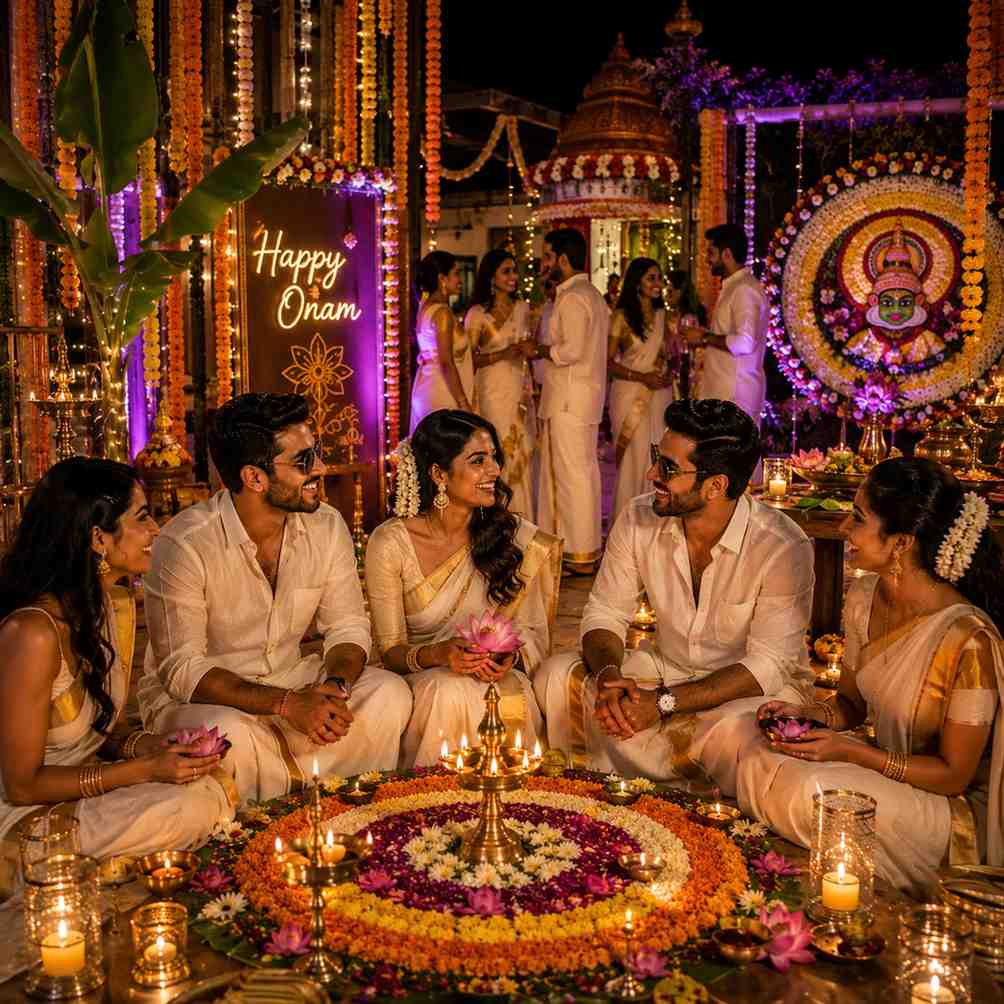
Corporate clients hire a stage set designer for product launches, annual conferences, award nights and brand activations, where the set often needs to incorporate logos, digital screens and modular elements that can be reconfigured for multiple sessions. Cultural and community organisations commission elaborate builds for festival celebrations such as Durga Puja pandals or Navratri stages, where tradition and spectacle must coexist. Even birthday celebrations and milestone anniversaries increasingly call for a professional touch, particularly when the client wants a themed, photograph-worthy setting rather than a standard hired hall.
Common Styles and Approaches in Modern Stage Design
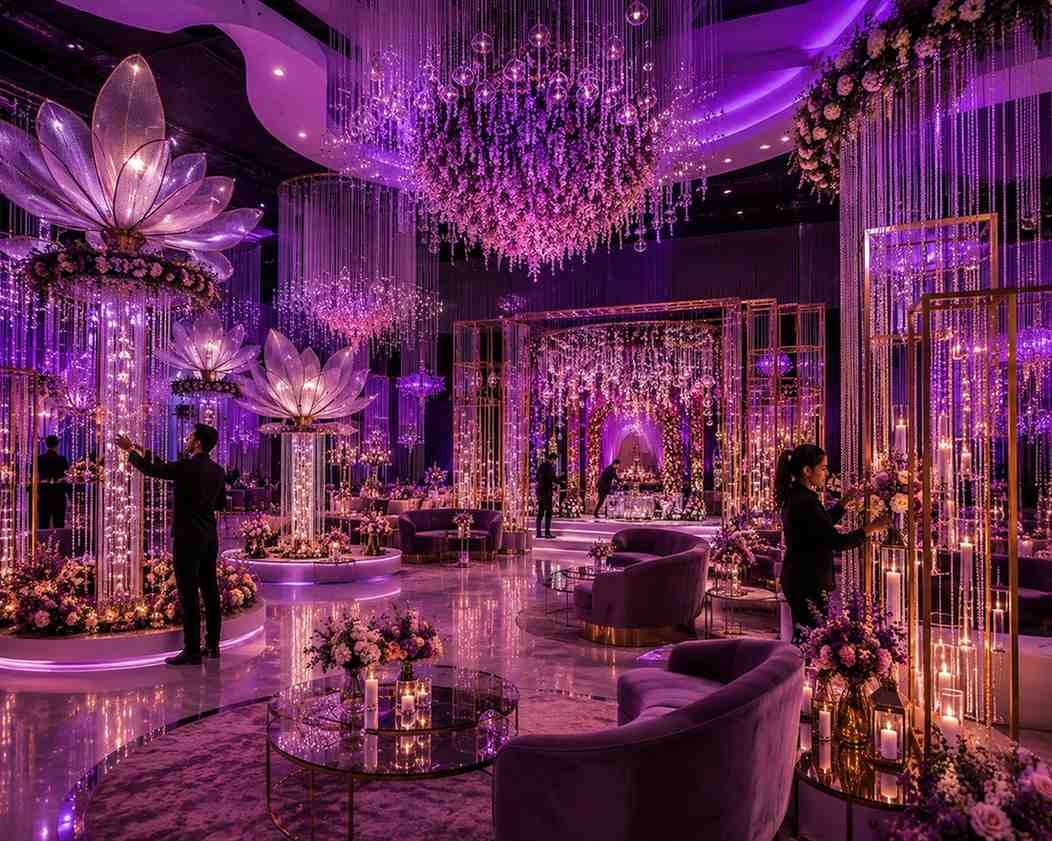
Minimalist design has grown popular for smaller, intimate gatherings, relying on clean lines, negative space and a restrained colour palette to create sophistication without visual clutter. At the other end of the spectrum, maximalist concepts embrace abundance, cascading florals, oversized installations and rich jewel tones, and remain a favourite for grand weddings and festival stages.
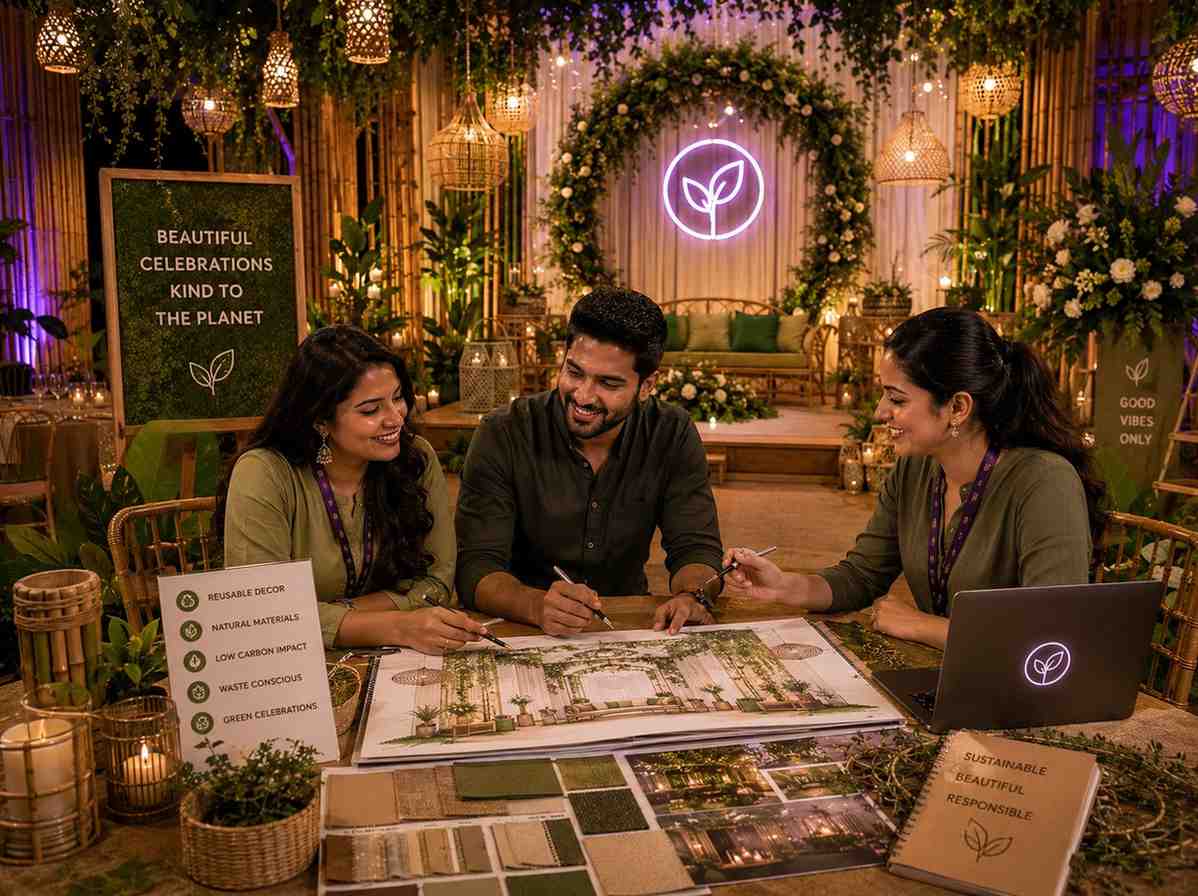
Sustainable design is an emerging approach that many Happiffie clients now request, using reusable structural frameworks, potted plants instead of cut flowers, and biodegradable materials wherever possible. Digital and hybrid sets, incorporating LED walls or projection mapping, have also become common for corporate events that need to display branding or motion graphics alongside the physical build. A capable designer should be comfortable moving fluidly between all of these styles depending on the brief.
Why Work With Happiffie for Your Stage Design Needs
Happiffie connects clients across Indian cities with vetted stage set designer talent who understand both the artistic and logistical demands of large-scale event production. Rather than functioning as a simple listings directory, our platform actively coordinates the moving parts, from initial concept discussions through to final on-site execution, ensuring designers, venues and other vendors such as caterers and lighting teams work in sync.
We understand that venues transformation projects often involve tight overnight turnarounds, unpredictable conditions and last-minute client requests, which is why our coordination approach focuses on clear communication and contingency planning from day one. Every scenographer within the Happiffie network is selected for proven craftsmanship, reliability and the ability to deliver genuinely original work rather than recycled templates. If creative ambience is central to your event's success, our team can match you with a designer whose portfolio and working style genuinely fit your vision, timeline and budget.
Happiffie also makes it easy to combine stage design with other elements of your event, from catering and entertainment to décor and photography, so you are not juggling multiple vendors independently. This end-to-end coordination is particularly valuable for weddings and large festival celebrations, where dozens of moving parts need to align on the same day.
Frequently Asked Questions
1. What is the difference between this role and a regular event decorator?
This professional approaches the space with a narrative and structural mindset, focusing on backdrop concepts and lighting integration, whereas a decorator typically focuses on surface-level styling such as florals and table settings without the same technical scope.
2. How much does hiring a scenographer typically cost in India?
Costs vary considerably depending on venue size, materials and design complexity, ranging from modest budgets for simple builds to significantly higher investments for full venues transformation with elaborate structural work. Happiffie provides tailored quotes based on your specific brief.
3. How far in advance should I book a stage set designer for my wedding?
For most weddings, booking 3 to 4 months in advance is advisable, particularly if you want a custom design rather than a template. Peak wedding season may require even earlier confirmation due to availability.
4. Can a designer work within an existing venue's architectural constraints?
Yes, an experienced designer treats ceiling height, pillars and existing structures as part of the design brief rather than obstacles, often incorporating them creatively into the final result.
5. What materials are commonly used in modern backdrop concepts?
Contemporary designs often combine fabric draping, floral installations, metallic or wooden structural frames, LED lighting and increasingly sustainable materials such as reusable panels and potted greenery.
6. Does a stage set designer also handle lighting for creative ambience?
Many designers collaborate closely with lighting specialists, and some offer integrated lighting design as part of their service, ensuring the mood shifts appropriately throughout the event.
7. Is professional design necessary for smaller, intimate events?
Even smaller gatherings benefit from thoughtful design, since a well-considered backdrop can elevate an intimate setting significantly without requiring the scale or budget of a large production.
8. How does Happiffie select the designers featured on its platform?
Happiffie vets designers based on portfolio quality, reliability, technical capability and client feedback, ensuring every professional in our network can deliver genuine, original work under real event conditions.
9. Can the same team handle both indoor and outdoor venues transformation?
Most experienced designers work across both settings, though outdoor projects typically require additional planning for weather, wind and lighting conditions compared to indoor spaces.
10. How do I start planning my stage design with Happiffie?
Simply share your event details, venue information and design preferences with our team, and we will match you with a suitable stage set designer while coordinating any additional vendors your event requires.