
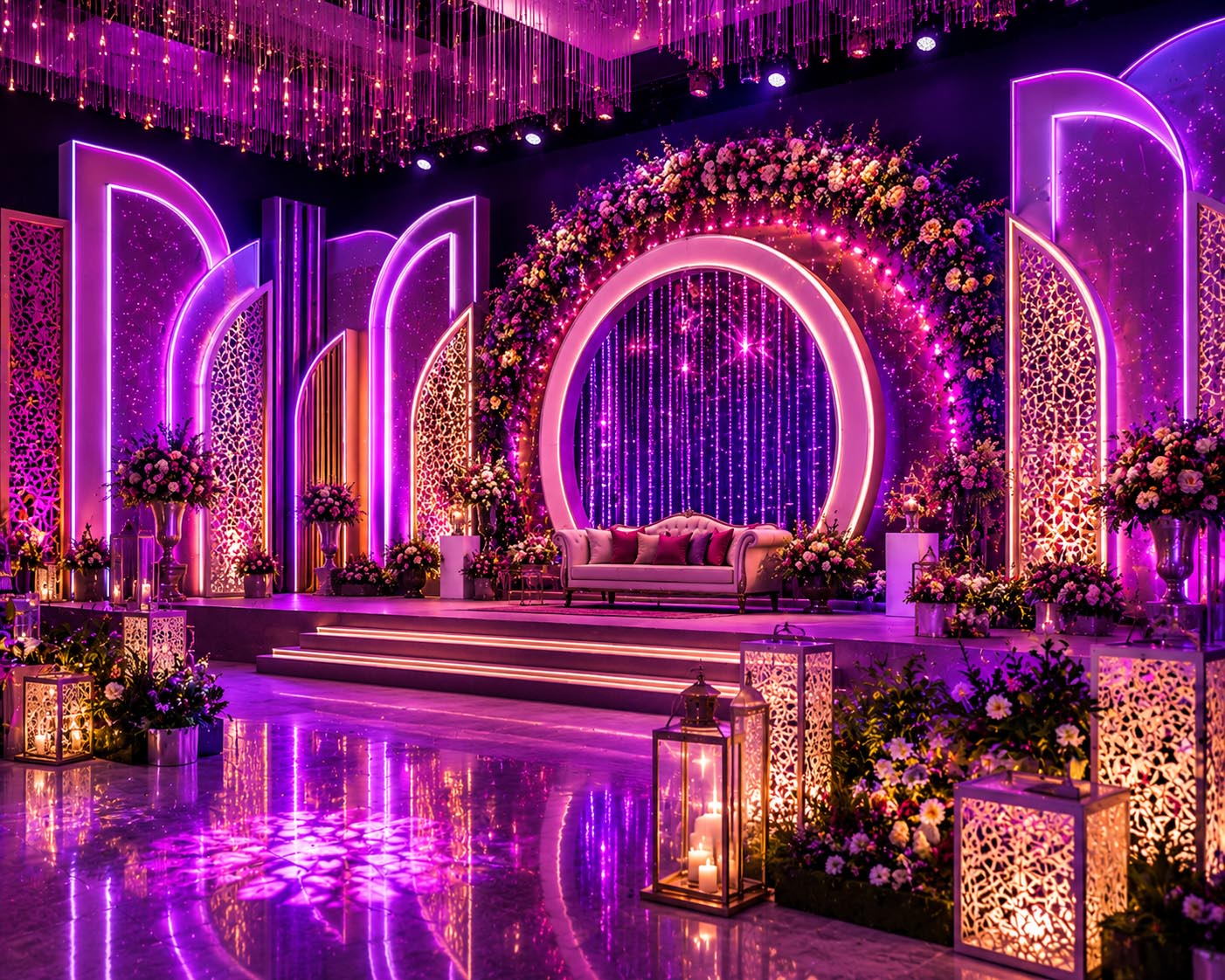
LED Stage Design
Create a striking stage environment with LED stage design, dynamic digital backdrops, immersive visuals, modern lighting, and captivating displays that elevate the overall venue experience.
Explore Decoration Experiences
Related Experiences
Explore by Occasion
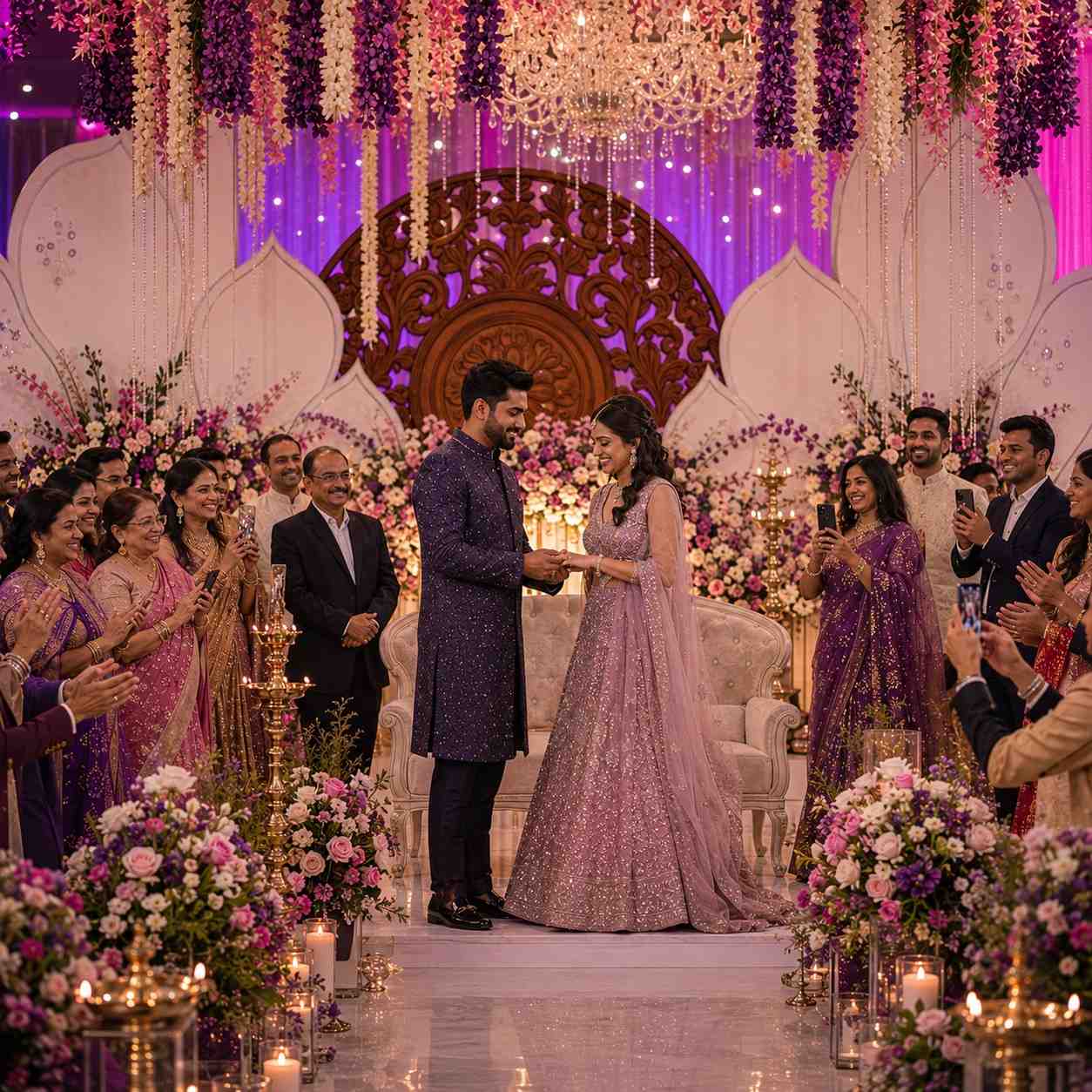
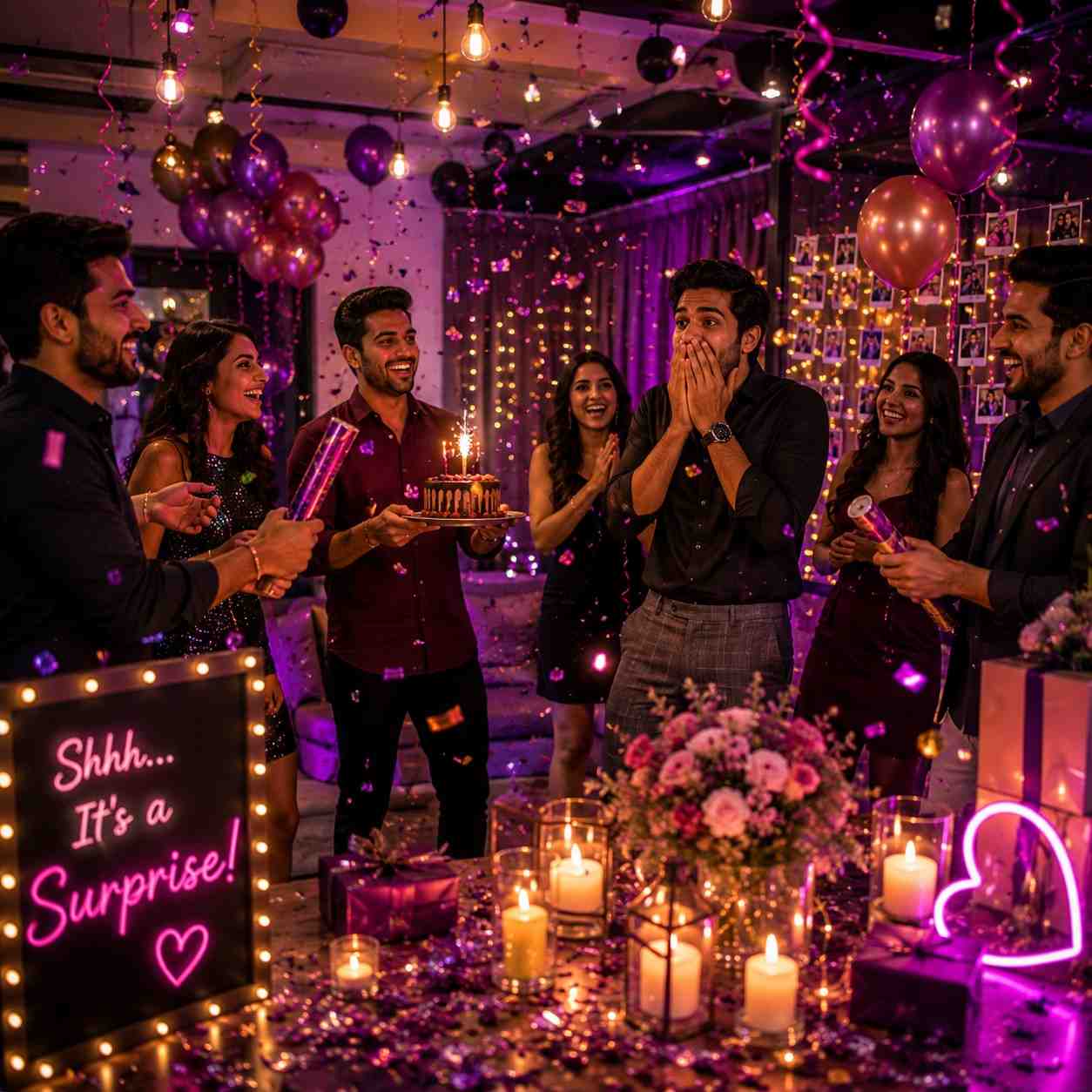
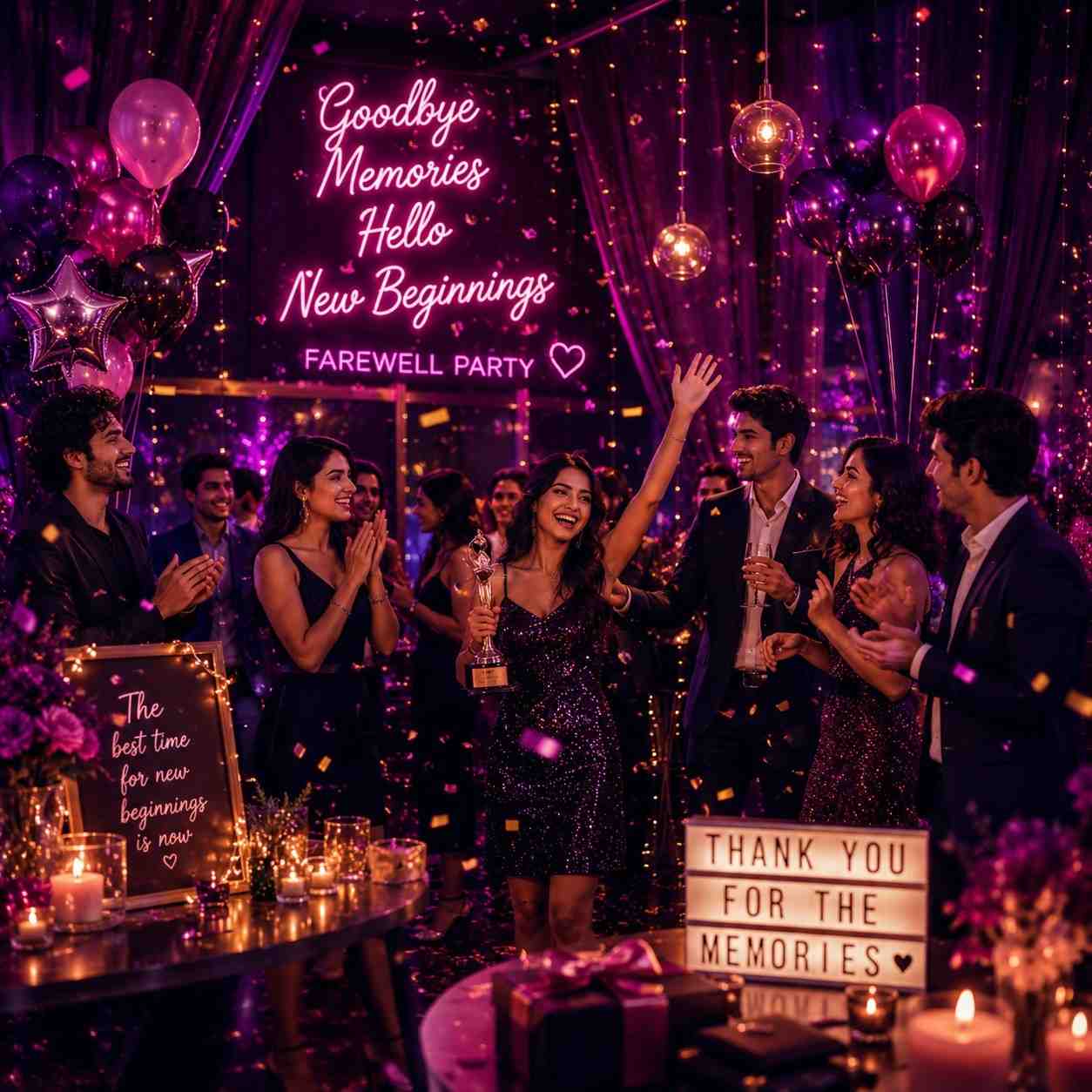
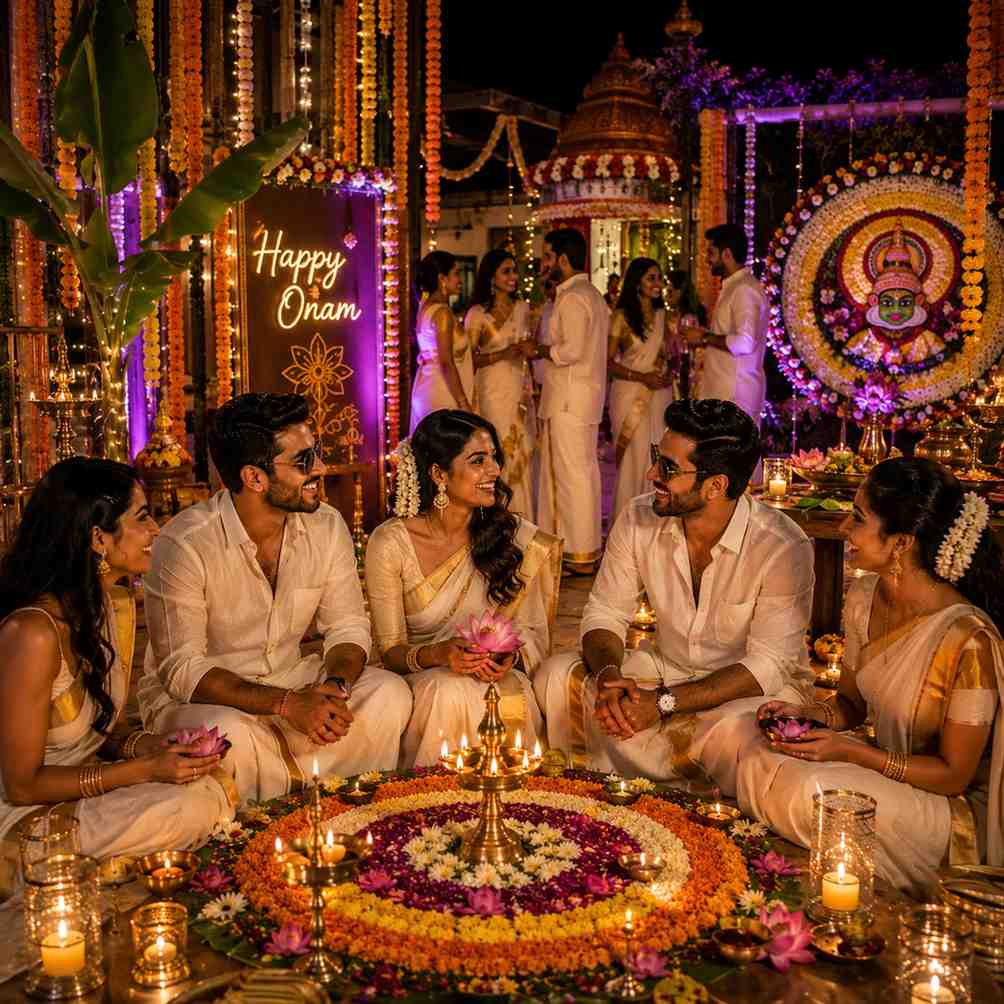
LED Stage Design for Immersive Modern Celebrations
◆Modern celebrations increasingly use visual technology to create memorable environments. A beautifully designed stage can become the central attraction of a venue, while dynamic screens, lighting, graphics, and motion create an atmosphere that feels contemporary and engaging.
LED Stage Design combines technology and creative styling to transform an ordinary stage into an immersive visual environment. Instead of relying only on static decorations, digital surfaces can display colours, animations, photographs, patterns, videos, branding elements, and customised visual sequences.
This approach works across many celebration formats. Weddings, receptions, corporate gatherings, award ceremonies, concerts, cultural programmes, product showcases, and private functions can all benefit from a carefully designed digital stage environment.
The technology itself is only one part of the experience. Content quality, screen placement, lighting balance, stage proportions, and execution all influence the final result. Professional planning ensures these elements work together rather than competing for attention.
Happiffie helps users discover experienced professionals who specialise in modern stage concepts, digital visual production, LED installations, and coordinated technical execution.
Professional LED Stage Design for Modern Functions
A contemporary stage needs more than a large screen. The complete environment should have a visual direction that reflects the occasion and the personality of the celebration.
Professional stage designers consider the venue dimensions, audience seating, stage height, screen configuration, lighting positions, and decorative elements before developing the setup. They also study how the stage will appear from different viewing angles.
A well-planned installation can create depth and movement while maintaining a polished appearance. The digital screen becomes part of the overall design rather than appearing as a separate technical component.
This balance is especially important when the stage is used for photography. Visual content should complement the people standing in front of the screen, not overpower them.
Creating a Dynamic Digital Backdrop
A digital backdrop offers almost unlimited creative possibilities. Unlike a static printed background, it can change throughout the programme and respond to different moments.
A celebration might begin with an elegant animated pattern before transitioning into personalised visuals. During a performance, the screen can display coordinated graphics or thematic imagery. Later, photographs, names, messages, or celebration highlights can appear as part of the experience.
The transitions should remain smooth. Excessive movement can distract the audience, while subtle animation can create depth without becoming overwhelming.
Professional content designers understand this difference. They create visuals that support the mood and purpose of each stage segment.
Visual Displays That Enhance the Guest Experience
Visual displays can influence how guests perceive the entire venue. A carefully designed screen installation can create an immediate focal point and establish the atmosphere as soon as guests enter the space.
Colour palettes can be matched to the celebration theme. Elegant gradients may suit a sophisticated function, while energetic animations can support a lively performance.
Images and videos can also introduce storytelling. Personal photographs, destination visuals, brand content, artistic patterns, and thematic graphics can turn the stage into a constantly evolving visual canvas.
The best results come from intentional design. Every visual should contribute to the experience.
Immersive Experience Through Technology and Design
Immersion occurs when different elements work together to make guests feel part of the environment. LED screens can contribute significantly to this effect, but they work best when combined with lighting, sound, stage architecture, and performance.
For example, a musical performance can use coordinated screen visuals and lighting changes to create a stronger atmosphere. A product presentation can use animated graphics to support the speaker's message.
Even simple functions can benefit from subtle movement and coordinated visual transitions. Technology does not always need to be dramatic. Sometimes, controlled visual changes create a more sophisticated result.
LED Backdrop Options for Different Stage Concepts
Different occasions call for different screen configurations. A wide horizontal display can create a cinematic appearance, while a multi-screen arrangement can provide greater visual depth.
Some stages use a primary screen surrounded by decorative structures. Others incorporate LED panels into the entire stage architecture, creating a seamless digital surface.
Curved or creatively positioned screens can introduce a more immersive perspective when the venue and budget allow. Smaller installations may use a single screen with carefully designed supporting décor.
The right configuration depends on the stage size, viewing distance, content requirements, and desired visual effect.
Digital Stage Design for Different Celebrations
A digital stage can be adapted to many types of functions.
For wedding-related celebrations, personalised names, photographs, romantic animations, floral graphics, and elegant patterns can create an emotional backdrop. The content can change according to different moments of the programme.
Corporate functions often require a more structured visual identity. Logos, presentation graphics, product imagery, company colours, and branded motion content can create a professional environment.
Cultural programmes may use traditional patterns, regional imagery, artistic animations, and performance-specific visuals. Award ceremonies can incorporate recipient names, achievements, and presentation graphics.
Each application benefits from content designed specifically for the occasion.
Stage Lighting and Digital Visual Coordination
Lighting and LED screens must work together carefully. Poor coordination can reduce screen visibility or create excessive visual intensity.
Professional technical teams balance brightness, colour temperature, stage lighting, and screen content. They consider how different lighting conditions affect photographs and audience viewing.
During performances, lighting transitions can be synchronised with digital visuals to create stronger effects. For speeches and presentations, the visual environment can become more restrained so that attention remains on the speaker.
This flexibility makes technical coordination an important part of the overall stage experience.
Planning a Modern LED Stage Setup
Planning should begin with the venue. The available stage dimensions, ceiling height, electrical infrastructure, audience distance, and installation access all influence the technical solution.
Content requirements should also be established early. If the programme includes videos, photographs, animations, presentations, or live feeds, the production team needs to understand these requirements before finalising the setup.
Rehearsal is another important consideration. Testing screen content, playback, lighting, audio, and transitions before guests arrive can prevent avoidable technical problems.
A detailed plan gives the execution team enough time to resolve issues before the programme begins.
Benefits of Digital Stage Technology
Digital stage technology offers considerable flexibility. A single installation can display multiple visual concepts throughout the same celebration.
This reduces the need for physically changing backdrops between programme segments. The stage can move from one visual theme to another within seconds.
Personalisation is another major advantage. Names, photographs, messages, brand content, and custom graphics can be incorporated into the display.
Digital content can also support storytelling. Instead of presenting the same static background throughout the programme, the stage can evolve alongside the celebration.
Interactive Backdrops and Audience Engagement
Interactive visual experiences can make a stage feel more dynamic. Depending on the technical setup, screens may respond to live content, camera feeds, motion, or programme cues.
Live photography can be displayed on large screens, allowing guests to become part of the visual experience. Corporate presentations can incorporate real-time information or interactive content.
These features should be used thoughtfully. The technology should support engagement rather than become a distraction.
When interaction is aligned with the programme, it can create memorable moments for both participants and audiences.
Content Creation for LED Stage Displays
High-quality screen content is essential for a successful installation. Graphics designed for standard screens may not always translate effectively to large LED surfaces.
Content should account for the screen's resolution, aspect ratio, viewing distance, brightness, and pixel characteristics. Typography needs to remain readable, while images should maintain sufficient quality.
Motion graphics should also be created with the stage environment in mind. Rapid transitions or excessive detail can become difficult to follow from a distance.
Professional content teams create visuals specifically for the display rather than simply stretching existing artwork.
Regional and Cultural Visual Styles
Modern technology can be combined with traditional visual language. Cultural patterns, regional motifs, floral illustrations, traditional colours, and ceremonial imagery can all be adapted for digital presentation.
This approach allows families and organisers to maintain cultural character while creating a contemporary stage environment.
The result can feel both familiar and modern. It respects the significance of the occasion while introducing the creative possibilities offered by digital technology.
Best Practices for LED Stage Execution
Successful installations depend on preparation. Screen placement should provide clear visibility from the main audience areas, while technical equipment should be positioned safely and discreetly.
Content should be tested before the programme. Backup files and alternative playback options can provide additional security when the schedule is important.
Lighting should be calibrated to complement the display. Sound and visual cues should be rehearsed together when the programme involves performances or presentations.
Most importantly, the technical team should remain available throughout the function. Real-time supervision helps resolve unexpected issues quickly.
How to Choose the Right LED Stage Professionals
Choosing a technical and creative partner requires attention to both design capability and execution experience.
Reviewing previous stage installations can help you understand the provider's visual quality and technical approach. It is also useful to discuss the venue, expected audience size, content requirements, and programme structure before confirming the setup.
Ask how the team handles installation, testing, content playback, technical support, and dismantling. A reliable provider should be able to explain the process clearly.
The best partner combines creative thinking with strong technical discipline. Both are necessary for a successful digital stage.
Why Choose Happiffie?
Happiffie helps users discover professionals who specialise in modern stage design, digital backdrops, LED installations, visual content, and technical coordination.
Through experienced service providers, Happiffie makes it easier to explore contemporary stage concepts suited to different celebration formats. Whether the requirement is an elegant digital backdrop, a branded corporate presentation environment, or an immersive performance stage, professional teams can develop an appropriate solution.
From initial concept development through installation and live execution, expert support helps ensure the visual experience remains polished and reliable.
Conclusion
Technology has changed the way modern stages are designed. Digital screens can transform a simple backdrop into an evolving visual environment that supports storytelling, branding, entertainment, and audience engagement.
A successful LED Stage Design combines creative direction, high-quality content, appropriate screen configuration, lighting, and reliable technical execution. When these elements are carefully coordinated, the stage becomes more than a background. It becomes an integral part of the celebration.
Happiffie helps users discover experienced professionals who can bring modern digital stage concepts to life with creativity and precision.
Frequently Asked Questions
What is LED Stage Design?
LED Stage Design uses LED display technology, creative graphics, lighting, and stage structures to create a dynamic visual environment for celebrations and professional functions.
What is a digital backdrop?
A digital backdrop is a large display surface that presents customised graphics, animations, photographs, videos, patterns, or other visual content behind a stage.
Can LED backdrops be customised?
Yes. Digital content can be customised with names, photographs, logos, colours, animations, messages, videos, and thematic visuals.
What functions can use LED stage setups?
LED stages can be used for celebrations, receptions, cultural programmes, corporate gatherings, product presentations, award ceremonies, concerts, and other functions.
Can an LED backdrop display videos?
Yes. Suitable LED systems can display videos, animations, photographs, presentations, and other compatible digital content.
Does stage lighting work with LED screens?
Yes. Professional technical teams can coordinate stage lighting with screen brightness, colours, and visual transitions to create a balanced presentation.
Are interactive backdrops available?
Depending on the technical setup, screens can support live camera feeds, interactive visuals, real-time content, and other audience engagement features.
How early should an LED stage be planned?
Planning should begin early enough to assess the venue, create content, arrange equipment, complete installation, and conduct technical testing before the function.
Can traditional designs be displayed on LED screens?
Yes. Traditional motifs, cultural patterns, floral graphics, regional imagery, and ceremonial visuals can be adapted for digital presentation.
What content works best on an LED backdrop?
High-resolution graphics, well-designed animations, photographs, videos, branding elements, and readable typography generally work well when created specifically for the display.
How do I choose the right LED stage provider?
Consider the provider's previous work, technical expertise, content capabilities, installation process, rehearsal support, and ability to customise the setup.
How does Happiffie help with LED stage design?
Happiffie connects users with professionals who provide LED stage design, digital backdrop creation, visual content, lighting coordination, and technical execution support.