
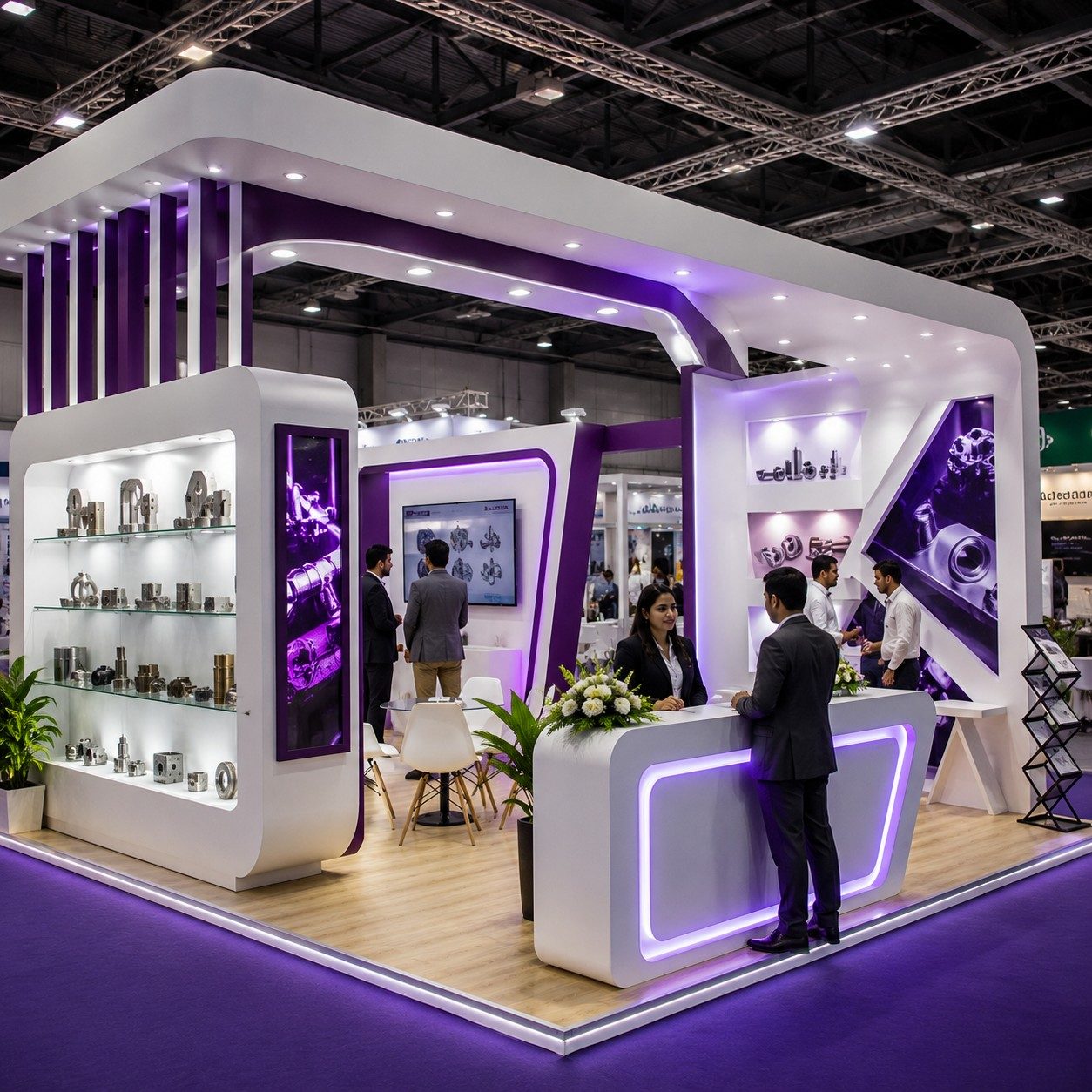
Exhibition Stall Display Fabrication
Custom exhibition stall fabrication for trade exhibitions, creating branded booths, product displays and visitor areas designed for engaging exhibitor experiences.
Explore Decoration Experiences

Related Experiences



Explore by Occasion






Exhibition Stall Display Fabrication for Trade Exhibitions
◆A well-designed exhibition stall provides a physical environment where a company can present its brand, products, services, demonstrations, and business information to visitors. At a busy trade exhibition, exhibitors often compete for attention with many other companies, making the layout and presentation of the stall important parts of the overall visitor experience. Exhibition stall display fabrication provides a way to create customized booths, product displays, branded structures, reception areas, meeting spaces, and visitor zones according to the requirements of the exhibitor.
Custom fabrication allows the exhibition stall to be designed around the available floor area, brand identity, product requirements, visitor flow, and exhibition guidelines. Instead of relying entirely on standard booth components, exhibitors can develop a display environment that reflects their company and supports their specific objectives at the trade show.
A successful exhibition stall needs to balance appearance with practical functionality. Visitors should be able to understand what the company offers, view products or demonstrations, speak with representatives, and move comfortably through the booth. The fabrication should therefore consider branding, display positioning, lighting, furniture, storage, visitor interaction, and access.
Custom Exhibition Booth Fabrication
Custom exhibition booths can be designed to create a distinctive presence within a trade exhibition. The booth structure can incorporate branded walls, display panels, counters, product areas, meeting spaces, signage, lighting, and other elements required by the exhibitor.
The design should begin with the available booth dimensions and the exhibition organizer's technical requirements. Floor area, maximum height, access points, electrical connections, fire regulations, and installation restrictions can all influence the fabrication approach.
A customized booth can be developed around the company's visual identity. Brand colors, logos, messaging, product imagery, and other approved elements can be integrated into the structure.
The final layout should create a clear relationship between the entrance, visitor area, product displays, reception point, and meeting spaces.
Branded Exhibition Stall Displays
Branding is one of the main reasons companies participate in trade exhibitions. A stall provides a physical space where visitors can immediately recognize the company and understand its offering.
Custom fabrication can incorporate company logos, brand graphics, product messages, campaign visuals, and other approved identity elements into the stall structure.
Branding can appear on feature walls, reception counters, overhead structures, product displays, meeting areas, and signage.
A consistent visual identity helps create a professional appearance and can make the booth easier for visitors to recognize from different points within the exhibition hall.
Product Display Fabrication
Product presentation is often the central function of an exhibition stall. Products need to be positioned so that visitors can view them easily while the sales or technical team can explain their features.
Custom product displays can be fabricated around the size, weight, shape, and presentation requirements of the products. Shelving, display platforms, counters, cabinets, wall-mounted systems, and feature structures may be incorporated into the booth design.
For technology or industrial products, the display may require dedicated demonstration areas. Consumer products may need open shelves or interactive displays that allow visitors to see the product from different angles.
The product display should be integrated into the overall stall rather than appearing as an unrelated component.
Visitor Areas within Exhibition Stalls
Visitor comfort and movement are important considerations in booth design. A stall may need an open reception area, seating space, consultation zone, demonstration area, or private meeting room depending on the exhibitor's objectives.
Custom fabrication can create dedicated visitor zones within the available floor area. Open areas can encourage casual interactions, while enclosed or semi-private spaces can support detailed business discussions.
The layout should avoid unnecessary congestion. Visitors should be able to enter, explore the products, speak with staff, and exit without difficulty.
For high-traffic exhibitions, planning visitor flow before fabrication can help create a more functional booth environment.
Exhibition Reception Counters
A reception counter can serve as the primary point of contact between the exhibitor and visitors. It can be used for greeting guests, providing information, collecting visitor details, or directing attendees to specific team members.
Custom reception counters can be designed to match the overall exhibition stall. Branding, logos, storage compartments, lighting, and display features can be incorporated according to the requirements.
The counter should be positioned where it is easy for visitors to identify without blocking the main entrance or product displays.
A professional reception area can create a clear starting point for the visitor journey through the booth.
Product Demonstration Areas
Many trade exhibitions involve product demonstrations. Visitors may want to see how a product works, understand its features, or experience a service through an interactive presentation.
A dedicated demonstration area can provide the appropriate space for these activities. The booth fabrication can include counters, display tables, screens, product stands, seating, and other components required for the demonstration.
The area should provide sufficient room for both presenters and visitors. Technical equipment should also be positioned carefully so that cables, power connections, and other operational elements do not interfere with visitor movement.
For live demonstrations, the layout should allow visitors to gather without blocking other parts of the booth.
Exhibition Meeting Areas
Trade exhibitions often create opportunities for business meetings between exhibitors and potential customers, distributors, partners, investors, and industry professionals.
A dedicated meeting area can provide a quieter space for conversations away from the main visitor flow. Depending on the booth size, this may be an open seating area, semi-private meeting zone, or enclosed meeting room.
Custom booth fabrication can integrate tables, chairs, partitions, branded walls, and storage into the meeting space.
The meeting area should remain connected to the main booth while providing enough separation for productive conversations.
Storage Integration within the Stall
Exhibition booths often require hidden storage for brochures, promotional materials, personal belongings, packaging, spare products, and other supplies.
Custom fabrication can integrate storage cabinets, counters, shelves, or concealed compartments into the booth structure.
Having organized storage helps maintain a cleaner visitor-facing environment. Staff can access required materials without leaving the exhibition floor or placing boxes and supplies in visible areas.
Storage requirements should be identified before fabrication so that sufficient space can be incorporated without reducing valuable visitor or product display areas.
Trade Exhibition Product Showcase
A product showcase can become a major visual feature of the exhibition stall. Large or important products may require dedicated platforms, illuminated display structures, raised areas, or custom frames.
The showcase can be designed to direct visitor attention toward a specific product or product range.
Lighting, graphics, signage, and product information can be integrated into the display to support the presentation.
For multiple products, the layout should establish a clear hierarchy so visitors can understand which products are primary and which are supporting displays.
Interactive Exhibition Displays
Interactive displays can encourage visitors to spend more time at a booth. Depending on the exhibitor's offering, this may involve digital screens, product demonstrations, touch interfaces, samples, testing areas, or other forms of engagement.
The stall fabrication can provide appropriate mounting points, counters, tables, or display structures for these interactive elements.
The design should keep interactive areas accessible while maintaining a clear flow through the rest of the booth.
Technical equipment should be installed according to the manufacturer's requirements and the exhibition venue's technical regulations.
Exhibition Stall Lighting
Lighting can influence how products, graphics, branding, and architectural features appear within an exhibition hall. Custom stall fabrication can incorporate lighting into feature walls, display shelves, counters, signage, or overhead structures.
Focused lighting can draw attention to key products, while general lighting can make the booth feel welcoming and accessible.
The lighting design should work with the exhibition hall's existing environment and comply with venue requirements.
Electrical connections and installation should be handled by appropriately qualified personnel where required.
Custom Booth Layout and Visitor Flow
The layout of an exhibition stall should be designed around how visitors are expected to move through the space. An open entrance can encourage people to step inside, while clear sightlines can help visitors understand what the booth offers.
Product displays should be positioned so they do not block key pathways. Reception and meeting areas should be accessible without creating congestion.
For larger stalls, different zones can be created for reception, product demonstrations, consultation, meetings, and storage.
A well-planned layout helps the stall function as both a marketing environment and a practical workspace for the exhibitor team.
Exhibition Displays for Different Industries
Different industries have different booth requirements. Technology companies may need screens and demonstration areas, while manufacturing companies may require larger product displays and technical information.
Healthcare exhibitors may need product presentation areas and consultation spaces, while consumer brands may focus on product shelves, sampling counters, and visitor engagement.
Custom exhibition stall fabrication allows the booth to be designed around the company's products and business objectives rather than forcing every exhibitor into the same standard layout.
The design should reflect both the industry and the expectations of the exhibition audience.
Modular and Reusable Exhibition Structures
Some exhibitors participate in multiple trade exhibitions throughout the year. A modular booth approach can allow certain structural elements to be reused and adapted for different booth sizes or event locations.
Reusable components may include display panels, counters, shelving, branded frames, lighting structures, and furniture.
Graphics or branding elements can sometimes be updated while retaining the underlying structure.
This approach may help companies create consistency across exhibitions while reducing the need to fabricate an entirely new booth for every event.
The feasibility depends on transportation, venue dimensions, installation requirements, and the design of the modular system.
Exhibition Stall Installation and Dismantling
Fabrication is closely connected to installation. The booth needs to be transported to the exhibition venue, assembled within the allotted setup period, inspected, and made ready before the event opens.
The design should therefore consider how the booth will be delivered and assembled. Large components may need to be divided into manageable sections for transport.
After the exhibition, the structure may need to be dismantled and removed within a limited timeframe.
Planning installation and dismantling from the beginning can help reduce delays and ensure compliance with exhibition venue schedules.
Trade Exhibition Compliance and Venue Requirements
Exhibition organizers usually establish rules relating to booth dimensions, height, electrical systems, materials, fire safety, signage, installation times, and access.
Custom stall fabrication should be developed with these requirements in mind. The exhibitor should provide the fabricator with the exhibition's technical manual and relevant venue information before production begins.
Compliance helps prevent last-minute modifications and ensures that the completed booth can be installed and operated as intended.
Coordination between the exhibitor, fabricator, exhibition organizer, venue, and technical teams is particularly important for complex custom stalls.
Why Choose Exhibition Stall Display Fabrication?
Exhibition stall display fabrication provides companies with a customized environment for presenting their products, services, branding, and business information at trade exhibitions.
From custom booths and reception counters to product displays, visitor areas, demonstration zones, meeting spaces, storage, and branded structures, fabrication can bring different parts of the exhibition experience together within one coordinated design.
A well-designed exhibition stall should attract attention while remaining practical for both visitors and the exhibitor team. It should provide clear branding, accessible product displays, comfortable visitor areas, efficient movement, and appropriate space for business conversations.
For companies participating in trade exhibitions, industry expos, business fairs, product launches, and professional events, custom stall fabrication can help create a distinctive and functional presence.
With careful planning around design, branding, visitor flow, product presentation, installation, and exhibition regulations, a custom exhibition stall can become an effective environment for visitor engagement and business interaction.
Frequently Asked Questions
1. What is exhibition stall display fabrication?
Exhibition stall display fabrication is the process of creating customized booth structures, product displays, branded walls, reception areas, visitor spaces, and other physical elements for trade exhibitions.
2. Can exhibition stalls be customized according to a company brand?
Yes. Custom exhibition stalls can incorporate company logos, approved colors, graphics, messaging, product information, and other branding elements into the booth design.
3. Can product displays and visitor areas be included in one booth?
Yes. A custom booth can integrate product displays, reception counters, demonstration areas, visitor seating, meeting spaces, storage, and other functional zones according to the available space.
4. Can exhibition stall structures be reused for multiple trade shows?
Yes, depending on the design. Modular and reusable components can sometimes be adapted for different exhibitions, booth sizes, and locations.
5. Does exhibition stall fabrication include installation?
Installation arrangements depend on the project and service provider. Before fabrication begins, exhibitors should confirm transportation, assembly, dismantling, venue access, setup schedules, and exhibition technical requirements.