

Celebration Budget Planner
A celebration budget planner helps organise event costs, track spending and allocate expenses across marriage functions, birthday parties, receptions and family celebrations.
Explore Planning Tools Experiences


Explore Other Experiences










Explore by Occasion
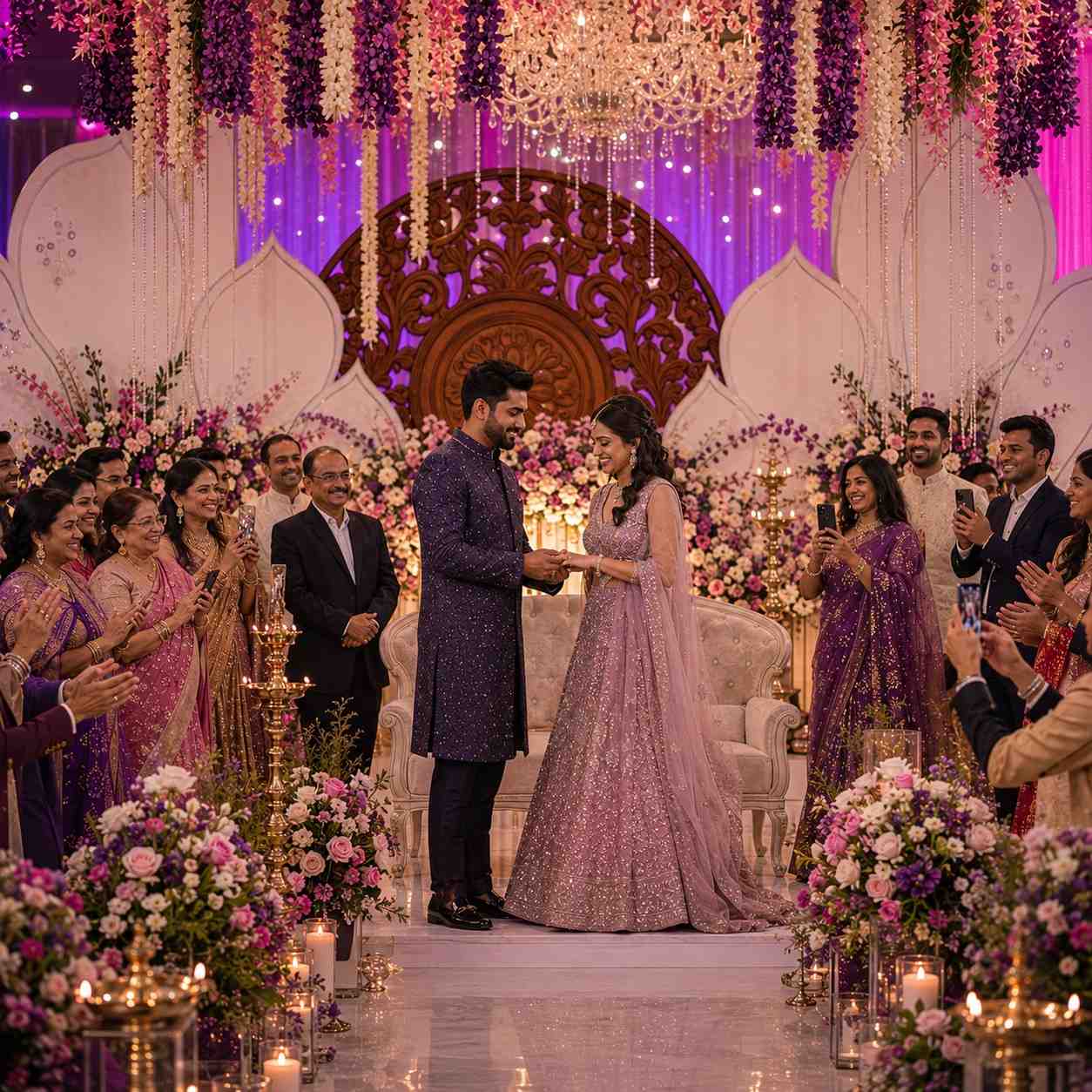




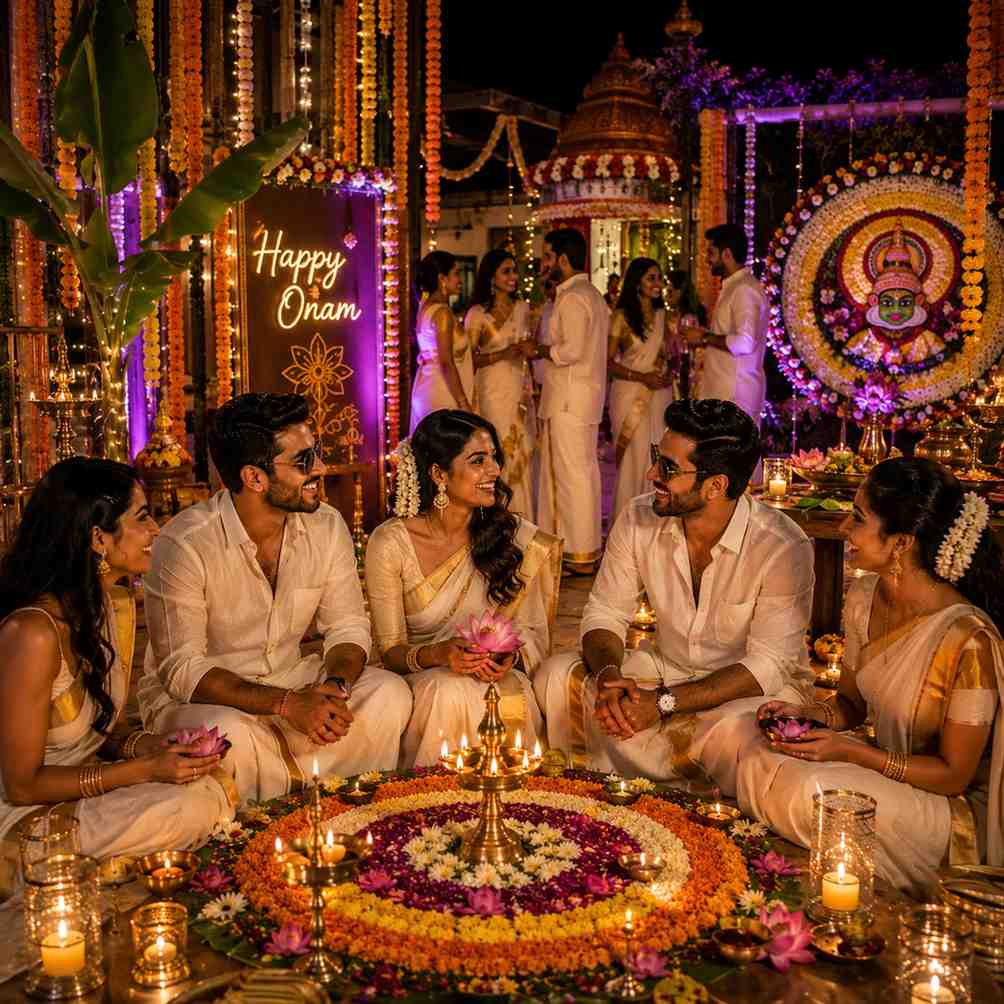
Celebration Budget Planner
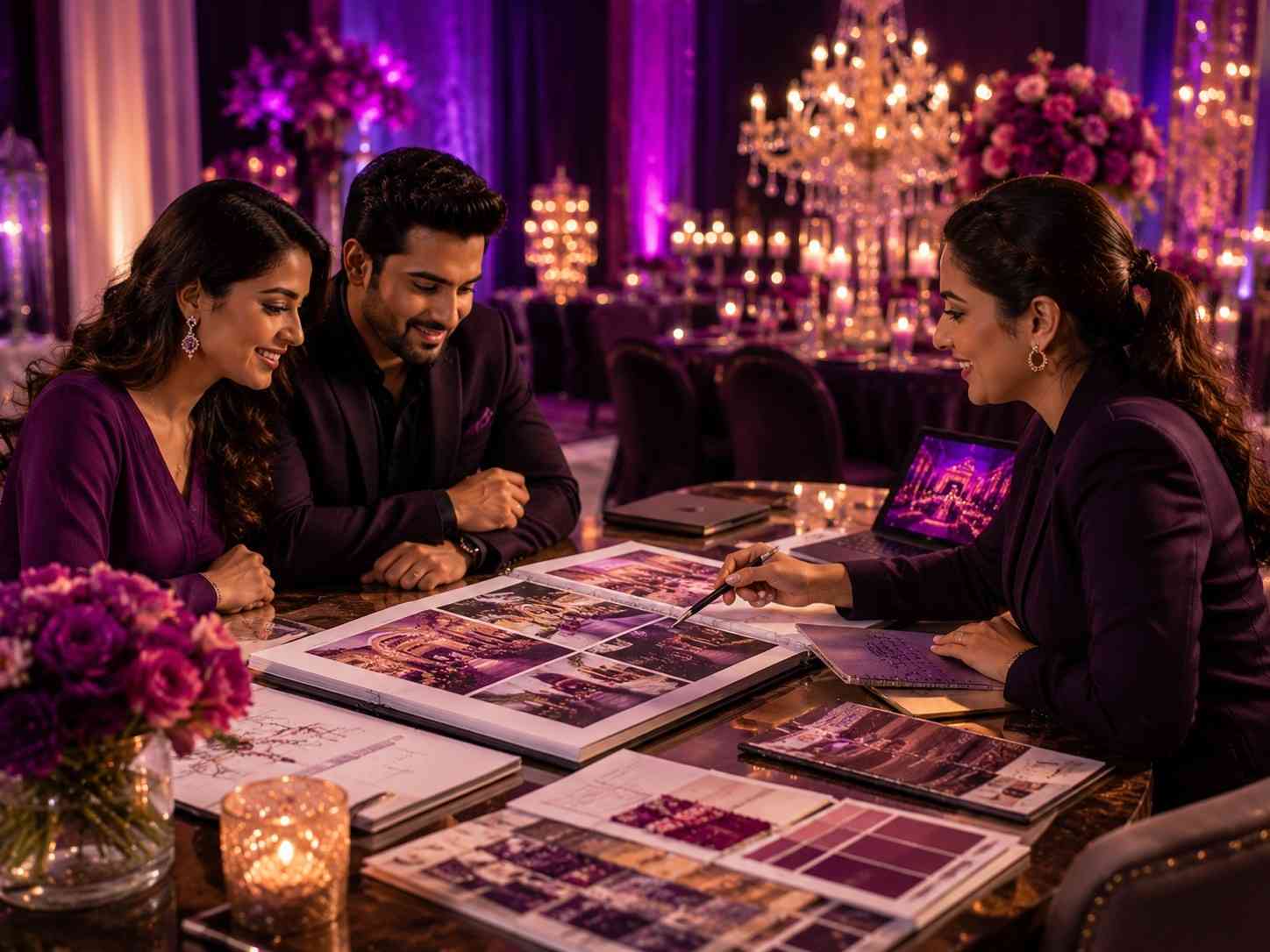
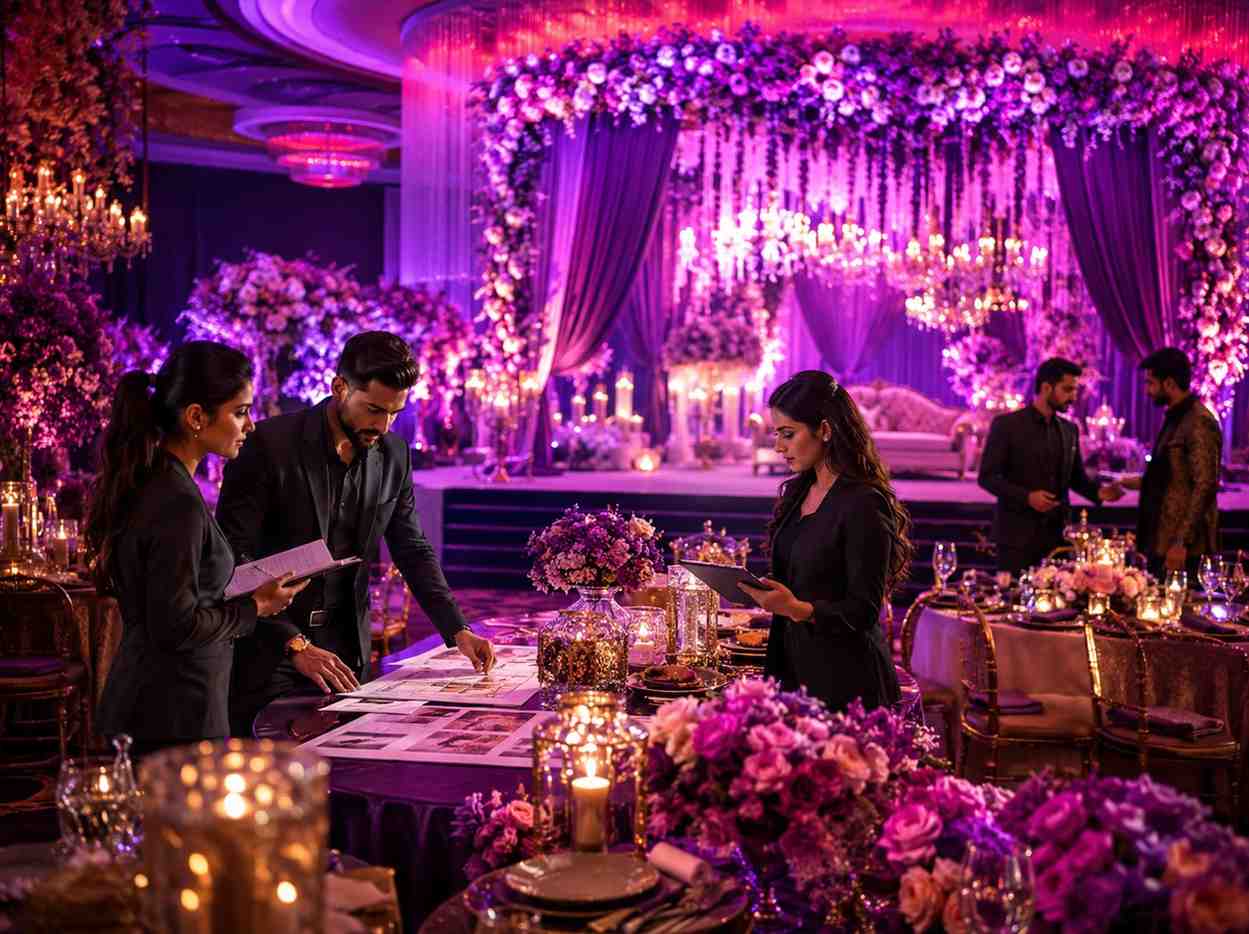
◆Planning a celebration involves managing several different expenses, from venue and catering to décor, entertainment, invitations and guest arrangements. A celebration budget planner provides a structured way to organise these costs before and during the event. By dividing the available budget into relevant categories, organisers can understand where their money is planned to be spent and monitor expenses as arrangements progress.
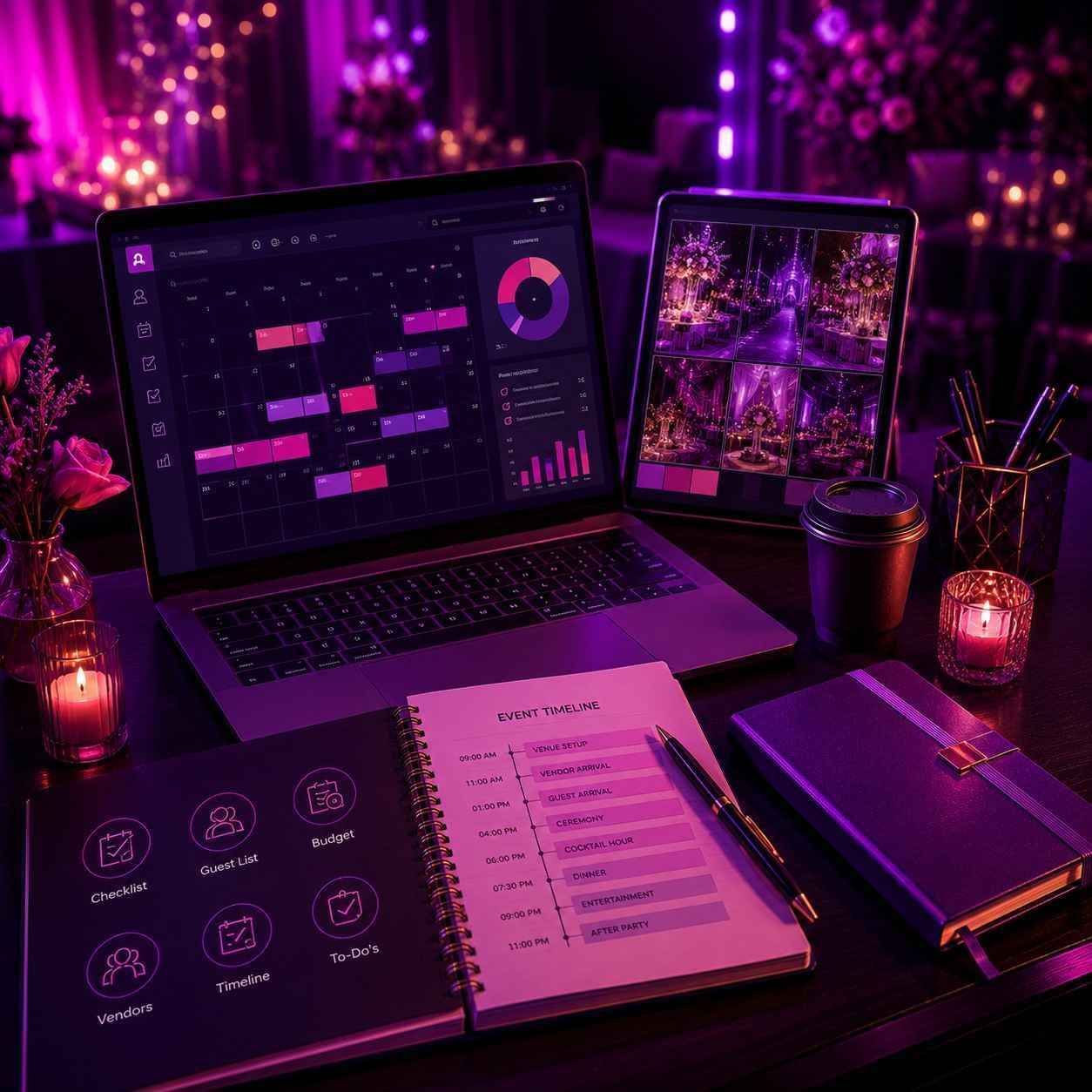
A cost calculator can help estimate the expected cost of individual event requirements, while a spending tracker can record actual expenses against the planned amounts. Together, these tools can make it easier to review the overall event budget and identify categories that require closer attention.
The Art of Celebration Budget Planning
A well-organised celebration budget begins with identifying the main requirements of the event. Marriage functions and birthday parties may have very different priorities, so the budget should reflect the type, scale and style of the celebration.
Expenses can be grouped into categories such as venue, food, décor, entertainment, photography, invitations, transportation and guest arrangements. Creating these categories at the beginning provides a clearer framework for allocating the available budget.
Wedding Budget Planner
Marriage celebrations can involve multiple functions and several days of arrangements. A wedding budget planner can help organise expenses across the different ceremonies, receptions and related events.
Instead of treating the wedding as one large expense, organisers can divide the budget according to individual functions and categories. This can make it easier to understand how much is planned for each part of the celebration.
Marriage Function Expense Allocation
Expense allocation involves assigning portions of the overall budget to specific requirements. For example, separate allocations can be created for venue arrangements, catering, decoration, entertainment and photography.
For multi-function weddings, each ceremony can also have its own allocation. This provides a more detailed view of how the total celebration budget is distributed.
Birthday Party Budget Planner
Birthday celebrations can also benefit from structured budget planning. A birthday party budget may include venue rental, food, cake, decorations, entertainment, invitations, photography and return gifts.
The requirements can vary significantly depending on whether the event is a children's birthday, milestone celebration or family gathering. A budget planner allows organisers to account for the categories relevant to their particular celebration.
Event Cost Calculator
A cost calculator can be used to estimate expenses before making final arrangements. Organisers can enter expected quantities and prices for selected requirements to understand the projected cost.
For example, catering estimates may depend on the number of guests and expected cost per person, while decoration or entertainment costs may be based on selected packages or services. Recording these estimates helps establish an initial event budget.
Celebration Spending Tracker
A spending tracker records actual expenses as purchases and bookings are made. Comparing actual spending with the planned allocation can help organisers monitor the budget throughout the preparation period.
This can be especially useful when an event involves many suppliers and individual payments. Keeping the expenses organised in one place can make it easier to review the overall financial picture.
Wedding Expense Tracking
Wedding preparation can involve deposits, advance payments and final balances across multiple vendors. Tracking these expenses separately can help organisers understand which costs have already been paid and which remain outstanding.
Expenses can be grouped by category or function so that organisers can review both the total wedding spending and individual areas of expenditure.
Birthday Party Expense Tracking
Birthday party organisers can use a spending tracker to record purchases and service costs such as venue rental, cake, decorations, entertainment and party favours.
Maintaining a record of these expenses throughout the preparation process can help prevent individual purchases from being overlooked when reviewing the total party budget.
Venue Budget Allocation
The venue is often one of the key categories in an event budget. Depending on the celebration, the allocation may include venue rental, additional facilities, seating arrangements and other venue-related requirements.
For weddings with different ceremony and reception locations, each venue can be recorded separately. This provides a clearer picture of the total venue-related expenditure.
Catering Cost Planning
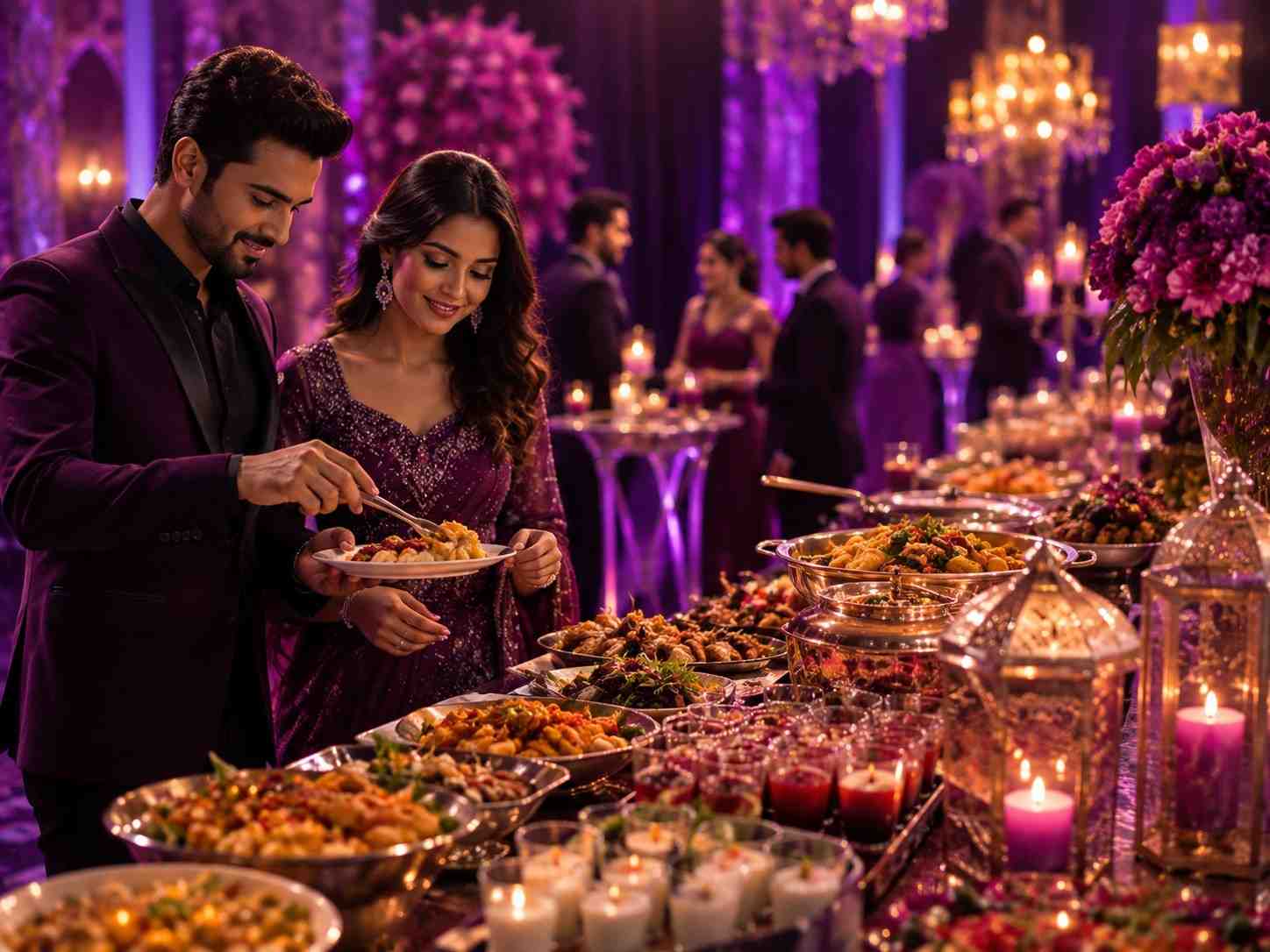
Food and beverage arrangements can represent a significant part of a celebration budget. Catering estimates can be planned according to guest numbers, menu choices and the type of event.
A cost calculator can help organisers compare the expected catering expense with the allocated food budget. Actual catering payments can then be recorded in the spending tracker.
Decoration Expense Allocation
Decoration budgets can include floral arrangements, stage décor, entrance displays, lighting and other decorative elements. The exact categories depend on the event design.
Separating decoration expenses from other event costs allows organisers to monitor how much of the overall budget is being directed toward the visual presentation of the celebration.
Entertainment Budget Planning
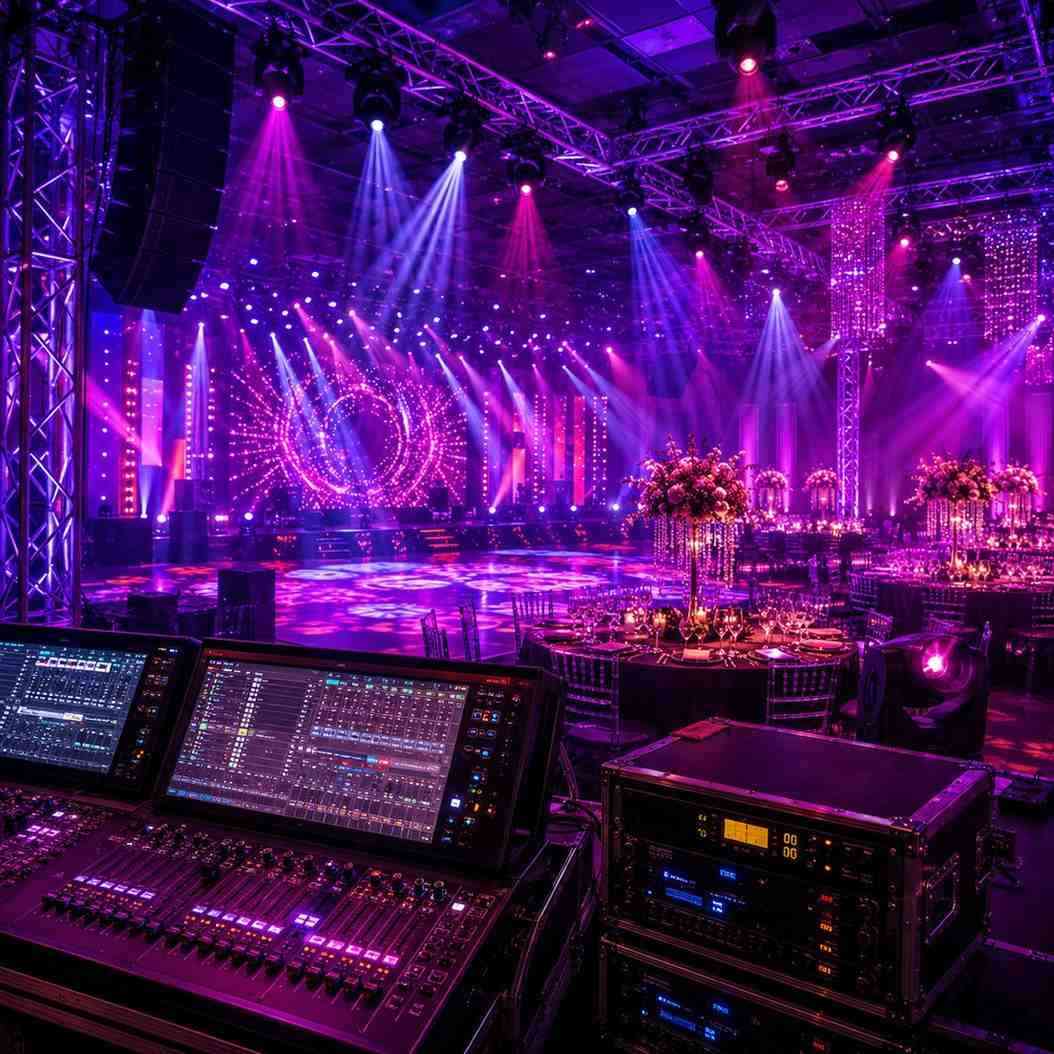
Entertainment may include DJs, live music, performers, special effects and other event services. Each service can be recorded as an individual expense or grouped under an entertainment allocation.
For weddings and birthday parties, the entertainment budget can be planned according to the programme and expected duration of the event.
Photography and Videography Costs
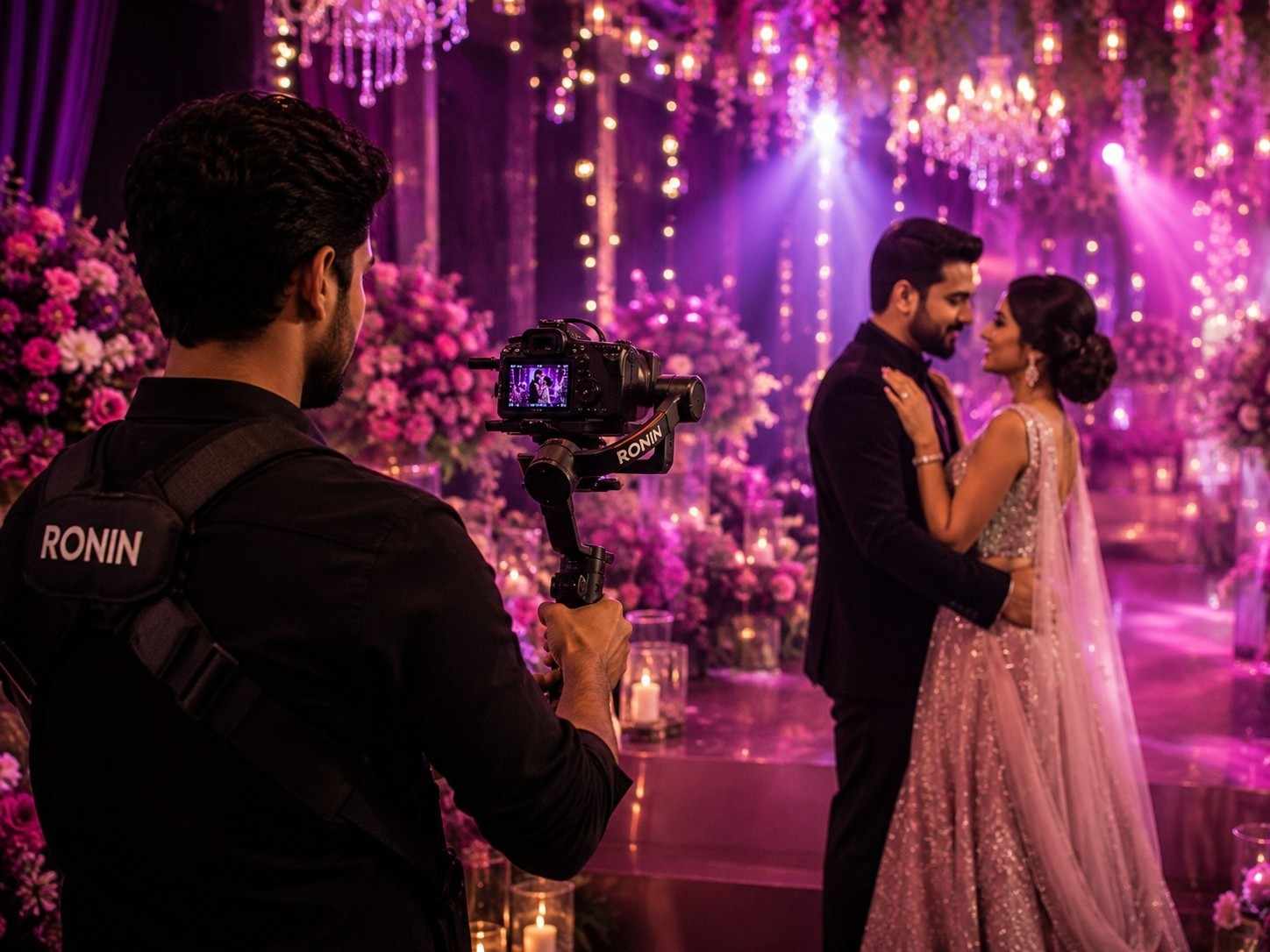
Photography and videography can be included as separate budget categories. Organisers can record estimated package costs and later track actual payments or additional services.
For multi-day weddings, photography expenses can also be organised by event where required. This makes it easier to see how the photography budget is distributed across the celebration.
Invitation and Stationery Budget
Printed invitations, RSVP cards, envelopes, thank-you cards and other stationery can be included in the celebration budget. Digital invitation services may also be tracked separately where applicable.
Keeping stationery costs within a dedicated category helps organisers account for these expenses when calculating the overall event cost.
Guest Gift and Return Gift Budget
Wedding favours, birthday return gifts and guest presents can be planned as a separate expense category. The total cost may depend on the number of guests and the selected gift.
A budget planner can help organisers estimate the expected quantity and cost before ordering. Actual purchases can then be entered into the spending tracker.
Transportation and Guest Arrangements
Transportation expenses may include guest transfers, event vehicles or other travel-related arrangements. These can be recorded separately from venue and accommodation expenses.
For weddings with multiple venues, tracking transportation by function can provide a clearer view of the costs associated with moving guests or participants between locations.
Multi-Function Wedding Budget
A multi-function wedding can benefit from dividing the budget into individual events such as engagement, pre-wedding ceremonies, wedding ceremony and reception.
Each function can have its own expense categories while still contributing to the overall wedding budget. This makes it easier to identify which events account for the largest share of planned spending.
Budget Allocation by Category
Category-based allocation allows organisers to establish spending limits for different areas of the celebration. The total of the individual allocations can then be compared with the overall available budget.
As actual expenses are recorded, organisers can review the difference between planned and actual spending for each category.
Planned Cost vs Actual Cost
Comparing planned costs with actual expenses provides a useful view of how closely the celebration is following its original budget. Some categories may remain within their allocation while others may exceed the initial estimate.
Recording both figures makes these differences easier to identify and gives organisers a clearer understanding of the current budget position.
Tracking Event Payments
Event arrangements may involve advance deposits, partial payments and final settlements. A spending tracker can record these payments alongside the relevant expense category.
This helps distinguish between the total expected cost of a service and the amount already paid. Such a record can be useful when reviewing upcoming financial commitments.
Budget Planning for Family Celebrations
Family celebrations can range from small gatherings to large milestone events. A budget planner can be adjusted according to the scale and requirements of the occasion.
Food, venue, décor, entertainment, invitations and guest gifts can be included as needed. The planner can then provide a structured overview of the expected and actual expenses.
Celebration Budget Review
Regular budget reviews can help organisers keep track of spending as the event approaches. Reviewing each category makes it easier to identify expenses that have changed from the original estimate.
A final review can compare the planned event budget with the actual expenditure recorded throughout the preparation process.
Planning Your Celebration Budget
Start by establishing the total amount available for the celebration and listing the major event requirements. Divide the budget into relevant categories and assign an estimated amount to each.
As bookings and purchases are made, record the actual expenses in the spending tracker. Periodic comparison between allocated and actual costs can provide a clearer picture of the remaining budget.
Booking a Celebration Budget Planner
When choosing a celebration budget planner or cost calculator, consider the type of event, number of functions, major expense categories and level of tracking required. Weddings with multiple ceremonies may require more detailed allocation than a smaller birthday gathering.
A structured planner can bring estimated costs, allocated budgets and actual spending together in one place. This makes it easier to organise the financial side of marriage functions, birthday parties and other celebrations.
Frequently Asked Questions
1. What is a celebration budget planner?
A celebration budget planner is a tool for organising expected event costs, allocating amounts to different categories and tracking actual spending.
2. What can a wedding budget planner include?
It can include venue, catering, décor, entertainment, photography, invitations, transportation, guest gifts and other wedding-related expenses.
3. Can a budget planner be used for birthday parties?
Yes. Birthday party budgets can include venue, food, cake, decorations, entertainment, invitations and return gifts.
4. What is an event cost calculator?
An event cost calculator helps estimate the expected expense of individual requirements and combine those estimates into a projected event cost.
5. What is a spending tracker?
A spending tracker records actual expenses as purchases, bookings and payments are made during event preparation.
6. What is expense allocation?
Expense allocation means assigning portions of the overall celebration budget to specific categories such as catering, venue, décor and entertainment.
7. Can I track multiple wedding functions separately?
Yes. A multi-function wedding budget can be divided by ceremony or event so that each function has its own planned and actual expenses.
8. Why compare planned and actual costs?
Comparing the two helps organisers see which categories are following the original budget and which expenses differ from the initial estimates.
9. Can deposits and payments be tracked?
Yes, when the chosen planner supports payment tracking, deposits, partial payments and final balances can be recorded against their respective expenses.
10. What should I consider when planning a celebration budget?
Consider the total available budget, number of functions, guest count, venue, catering, décor, entertainment, photography, stationery, transportation, gifts and other event-specific requirements.