
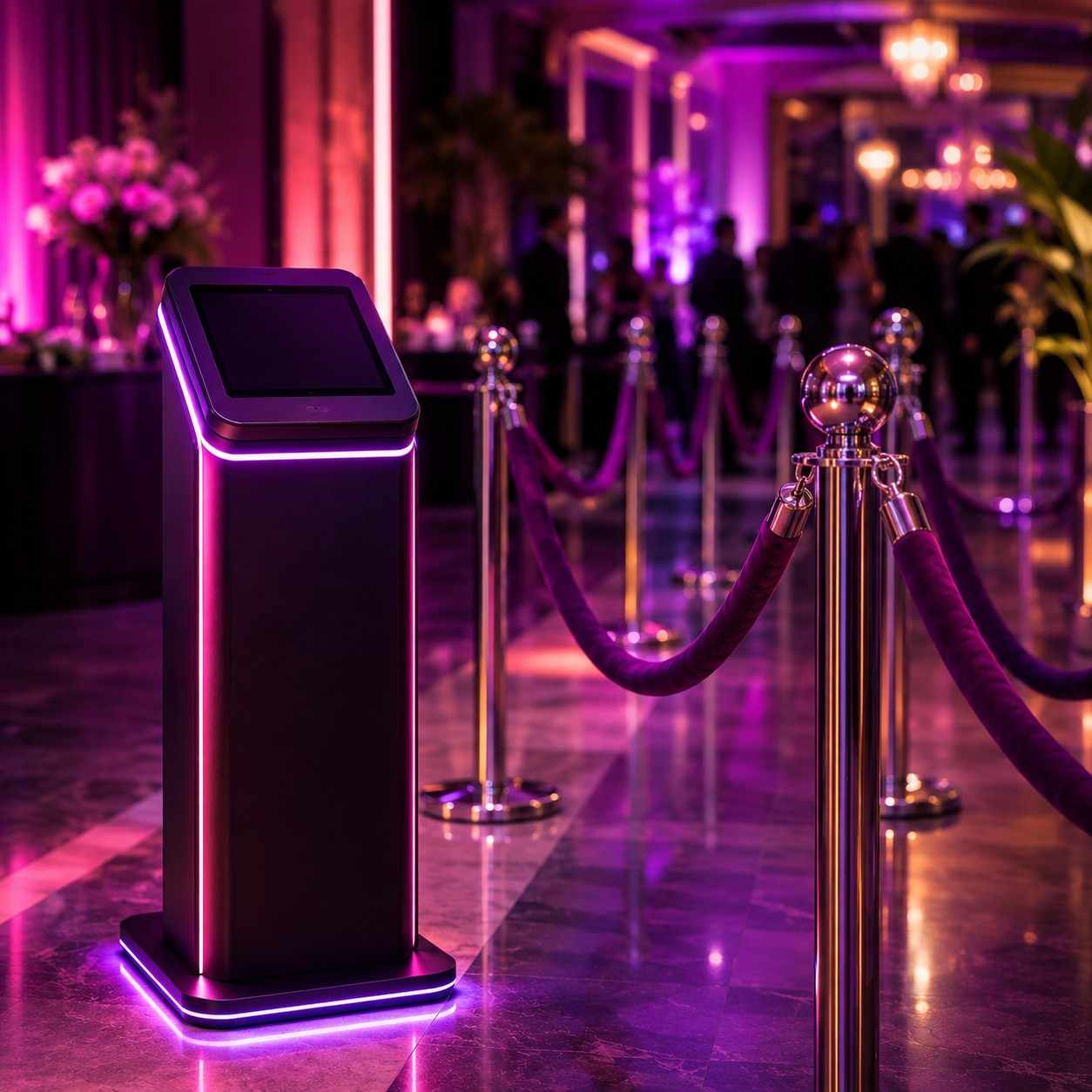
Queue Managers
Maintain smooth and organized guest movement with Queue Managers, Stanchions, and Retractable Barriers designed for events, exhibitions, conferences, venues, VIP areas, entrances, and high-traffic spaces requiring efficient crowd control.
Explore Event Rental & Infrastructure Services
Explore Other Experiences

Explore by Occasion
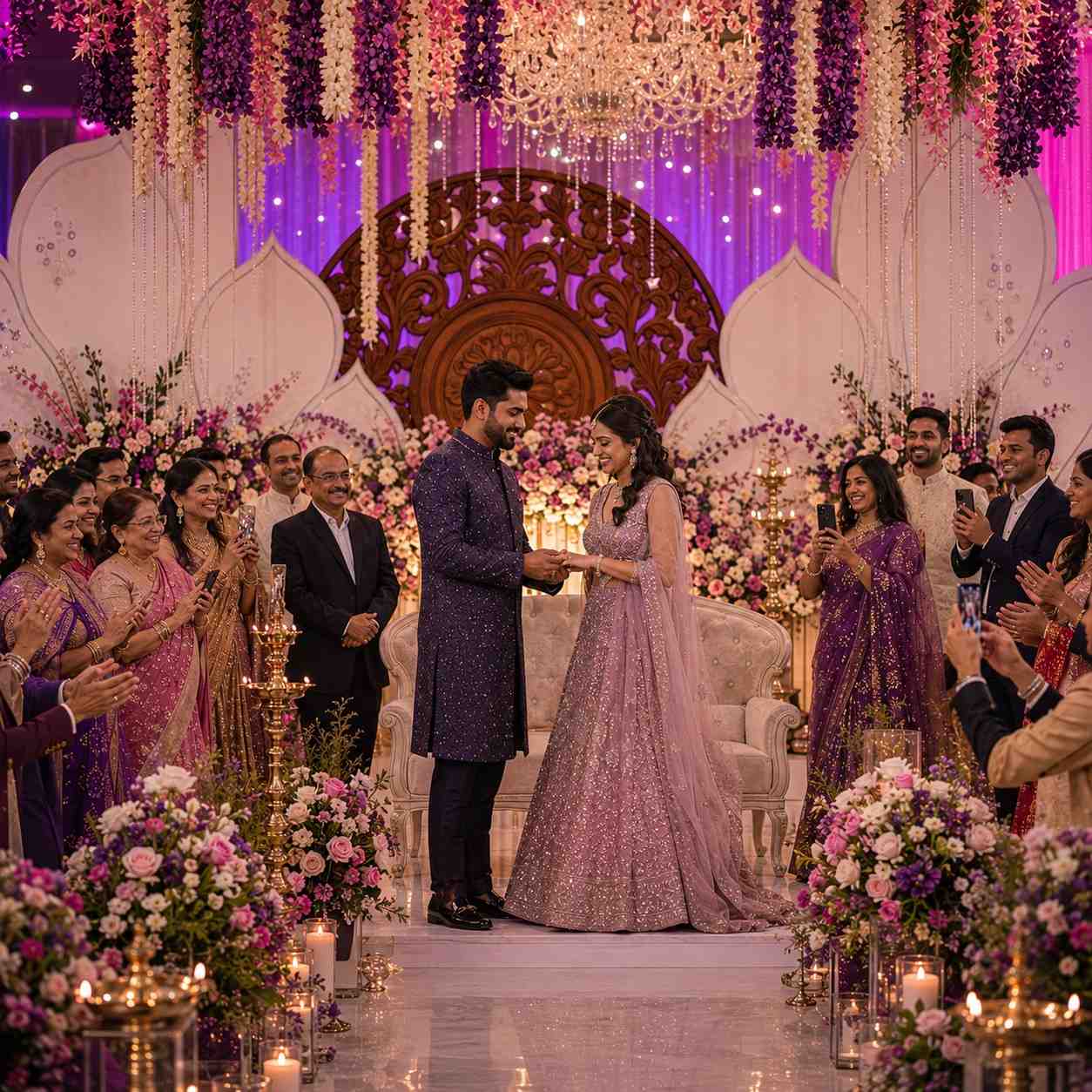

Event Queue Managers for Weddings & Events in India
◆Event queue management systems are an important part of organised crowd movement at weddings, festivals, exhibitions, conferences, concerts, corporate events, religious gatherings, and large public celebrations. Stanchions, retractable barriers, queue posts, crowd-control barriers, and guided entry systems help create clear pathways for guests while reducing congestion at entrances, registration counters, check-in areas, ticketing points, food counters, and other high-traffic locations.
In India's diverse event landscape, effective queue management is particularly important where large numbers of guests arrive or move through the same area at the same time. A well-planned queue system helps event teams create organised waiting zones, guide guests toward the correct destination, and maintain smoother movement throughout the venue. It can also improve the overall appearance of entry and hospitality areas by creating clearly defined spaces.
The importance of queue management becomes especially evident during large weddings and celebrations. Guests may arrive together for ceremonies, receptions, meals, performances, or special activities. Registration desks, welcome counters, valet areas, gift counters, buffet stations, and entry gates can quickly become crowded. Queue barriers and stanchions help event organisers create structured lines and direct guests efficiently.
Stanchions are among the most commonly used queue-management products. They typically consist of upright posts with retractable belts, ropes, or other connectors that create designated waiting lanes. Stanchions can be arranged in different configurations depending on the available space, guest volume, and desired queue direction.
Retractable belt barriers offer a flexible solution for temporary events. Their belts can be extended between posts to create or modify queue lanes quickly. This makes them suitable for changing event layouts where crowd movement requirements may vary throughout the day.
Rope barriers provide a more decorative alternative for premium events. Velvet ropes, polished posts, and elegant finishes can be used at weddings, award ceremonies, luxury venues, VIP entrances, exhibitions, and red-carpet events. They help control movement while complementing the visual style of the venue.
Queue barriers are available in different materials and finishes. Common options include stainless steel posts, chrome-finished stanchions, aluminium systems, plastic barriers, heavy-duty crowd-control barriers, retractable belt systems, and rope-and-post configurations. The appropriate choice depends on the event environment, expected crowd size, required durability, and aesthetic preferences.
Entry gates are another important application for queue-management systems. At concerts, festivals, exhibitions, and large celebrations, multiple entry points may be used to manage different guest categories. Barriers can create separate lanes for general admission, VIP guests, staff, vendors, media, ticket verification, and registration.
Check-in areas benefit significantly from structured queue systems. Conferences and corporate events may require attendees to register, collect badges, verify tickets, or complete security checks before entering. Clearly defined queue lanes help separate different processes and reduce confusion at busy registration counters.
Ticketing and verification areas can also use queue barriers to create organised waiting zones. At concerts, festivals, exhibitions, and public events, guests may need to present digital or physical tickets before entry. Queue management helps prevent crowding around access points and provides event staff with a controlled area for verification.
Crowd flow is not limited to entrances. Event organisers may use queue systems around food counters, beverage stations, merchandise booths, activity zones, photo booths, charging stations, smart lockers, cloakrooms, restrooms, and other high-demand facilities. Clearly defined lanes help distribute guests and maintain smoother movement.
Queue management is particularly useful at exhibitions and trade shows. Visitors may queue for registration, badge collection, popular attractions, demonstrations, seminars, product launches, or exhibition experiences. Stanchions and barriers can be repositioned as visitor patterns change throughout the event.
Corporate events often require a professional appearance in addition to effective crowd control. Chrome stanchions, branded retractable belts, rope barriers, and neatly arranged queue lanes can create a polished environment at conferences, award ceremonies, annual meetings, product launches, and business events.
For weddings and luxury celebrations, queue systems can be integrated with décor. Elegant rope barriers, decorative posts, floral elements, branded signage, and coordinated finishes can guide guests without making the environment appear overly industrial. This is particularly useful for VIP entrances, registration counters, photo areas, and hospitality zones.
Festival and concert environments may require more robust crowd-control solutions. High attendance, concentrated entry periods, and movement between different event zones can create significant crowd pressure. Heavy-duty barriers, controlled entry lanes, signage, trained staff, and appropriate crowd-management planning should be considered for larger public gatherings.
Queue systems can also support security operations. Barriers can create controlled spaces for bag checks, ticket verification, identity checks, security screening, and access control. They should be designed to support the overall event security plan rather than being used as a substitute for trained security personnel.
The design and width of queue lanes should be appropriate for the expected crowd and venue conditions. Event organisers need to consider accessibility, emergency routes, staff access, entry and exit points, and the movement of guests with mobility requirements. Queue layouts should never obstruct emergency exits or essential access routes.
Accessibility is an important consideration when planning queues. Event organisers should provide suitable access routes for guests using wheelchairs, mobility aids, or other accessibility equipment. Queue layouts should also allow sufficient space for movement and assistance where required.
Signage can significantly improve queue efficiency. Directional signs, category labels, digital displays, floor markings, event branding, and information boards can help guests understand where to wait and which queue to join. Clear communication reduces confusion and allows event staff to focus on managing exceptional situations.
Branding provides an additional opportunity for corporate and sponsored events. Retractable belts, barrier panels, signs, and queue posts can feature logos, event colours, sponsor messages, campaign graphics, or directional information. This turns functional crowd-control equipment into an integrated part of the event environment.
The placement of barriers should be planned according to the expected guest flow. Event planners may create serpentine queues, straight lanes, multiple parallel lines, or separate VIP and general-access pathways. The configuration can be modified as attendance levels and operational requirements change.
Queue management also helps improve staff efficiency. Clearly defined waiting areas allow event staff to monitor guest movement, identify bottlenecks, and communicate instructions more effectively. Staff can be positioned at key points to redirect guests or open additional lanes when required.
Temporary queue systems are particularly useful because event layouts frequently change. Stanchions and retractable barriers can be moved between registration, dining, entertainment, and exit areas depending on the programme schedule. Their modular nature makes them suitable for short-term event installations.
Rental services provide a practical solution for temporary events. Organisers can rent stanchions, rope barriers, retractable belt systems, crowd-control barriers, signage stands, and related equipment for the required duration. Rental providers may offer delivery, placement, setup, relocation, and removal services.
Cost efficiency is another advantage of queue-management rentals. Pricing varies depending on the number of posts, barrier type, rope or belt style, rental duration, venue location, transportation, setup requirements, and customisation. Comparing suppliers helps organisers select the right quantity and style for their event.
Logistics are important for large queue-management installations. Equipment must be delivered, positioned according to the approved layout, adjusted as required, and removed after the event. Professional teams can coordinate with venue staff, security teams, registration teams, and event planners.
Sustainability is also relevant to temporary crowd-control equipment. Reusable stanchions, retractable barriers, modular systems, and rental solutions can be used across multiple events, reducing the need for disposable crowd-control materials.
Modern queue-management systems increasingly incorporate digital technology. QR check-in, digital ticketing, virtual queues, appointment systems, electronic displays, occupancy monitoring, and mobile notifications can work alongside physical barriers to create a more efficient guest-flow experience.
For large events, queue management should form part of a broader crowd-management plan. Organisers may need to consider entry capacity, emergency procedures, security screening, staff positioning, signage, accessibility, transportation flow, and communication systems. Professional event and security teams can help design an appropriate approach for the venue and expected attendance.
In conclusion, event queue-management systems are more than simple barriers—they are an important part of crowd flow, guest experience, entry organisation, and venue operations. From weddings and corporate conferences to exhibitions, concerts, festivals, and public events across India, stanchions and retractable barriers can help create structured and efficient movement. By selecting suitable equipment, designing clear queue layouts, providing appropriate signage, and coordinating with trained event teams, organisers can create a smoother and more organised experience for guests.
FAQ Section
Q1: What are event queue managers used for?
Event queue-management systems are used to organise guest lines and control movement at entrances, check-in counters, ticketing areas, food counters, exhibitions, security screening points, and other high-traffic event locations.
Q2: What types of queue barriers are available?
Common options include retractable belt stanchions, rope barriers, chrome posts, stainless-steel queue posts, plastic barriers, heavy-duty crowd-control barriers, and modular queue-management systems.
Q3: Are stanchions suitable for weddings?
Yes. Elegant stanchions and rope barriers can be used for wedding entrances, VIP areas, registration counters, dining queues, photo booths, hospitality zones, and other guest-management areas.
Q4: What are retractable barriers?
Retractable barriers use posts with belts that extend between units to create temporary queue lanes. They can be quickly adjusted or repositioned as guest-flow requirements change.
Q5: Can queue barriers be used for concerts and festivals?
Yes. Concerts and festivals can use suitable crowd-control barriers to create organised entry lanes, ticket-checking areas, security screening zones, and controlled movement pathways.
Q6: Can queue systems be branded?
Yes. Depending on the provider, belts, signs, panels, and other queue-management elements can feature event branding, sponsor logos, colours, directional information, and promotional graphics.
Q7: How should queue lanes be planned?
Queue layouts should consider expected attendance, entry capacity, venue layout, accessibility, emergency routes, security procedures, staff access, and the number of guests expected at each point.
Q8: Can queue barriers be rented?
Yes. Stanchions, retractable barriers, rope posts, crowd-control systems, and related equipment are commonly available for event rental. Services may include delivery, setup, positioning, relocation, and removal.
Q9: How much does queue barrier rental cost?
Pricing depends on the number of barriers, type of system, rope or belt style, rental duration, venue location, transportation, setup, and customisation. Comparing providers helps determine a suitable quantity and configuration.
Q10: How can Happiffie help find event queue-management services?
Happiffie helps event organisers, wedding planners, festival teams, exhibition organisers, corporations, and venues compare and connect with trusted crowd-management and event infrastructure providers. You can find stanchions, retractable barriers, rope barriers, entry-control systems, queue setups, check-in solutions, and complete guest-flow management services.