
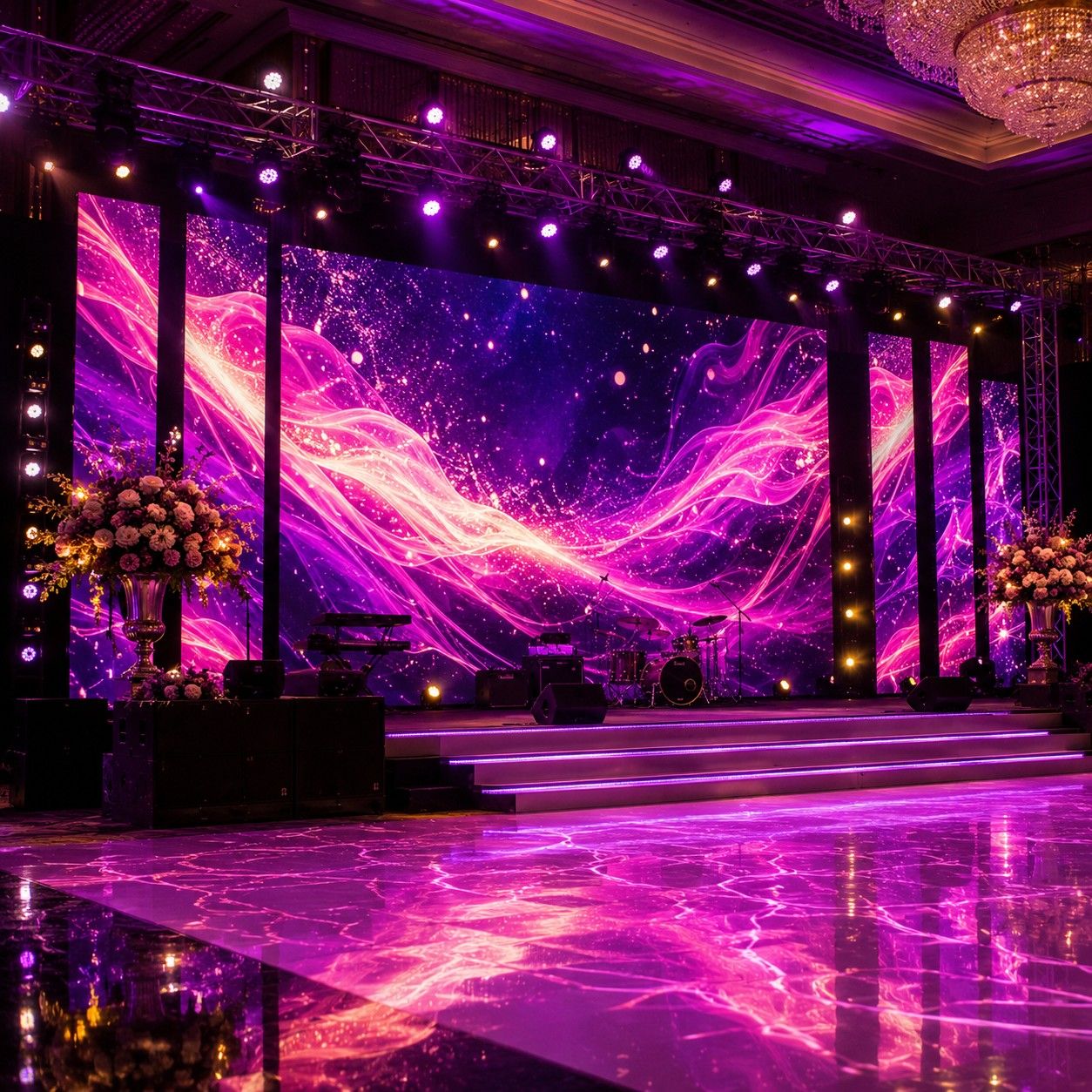
LED Screen Rentals
Create an immersive visual experience with LED Screens & Video Walls featuring high-resolution live displays, seamless visuals, event branding, presentations, and real-time content for weddings, conferences, exhibitions, concerts, and corporate events.
Explore Event Rental & Infrastructure Services
Explore Other Experiences



Explore by Occasion
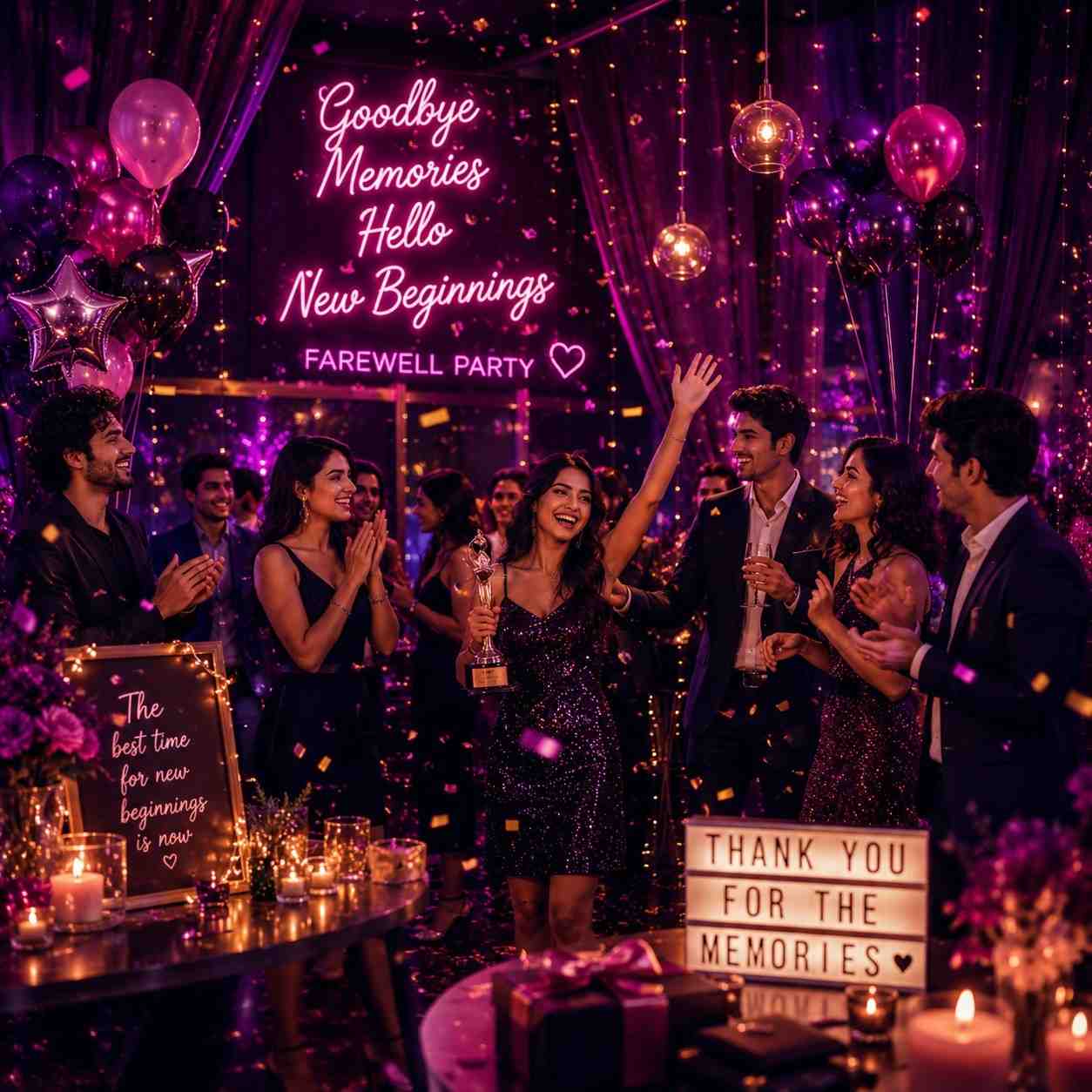
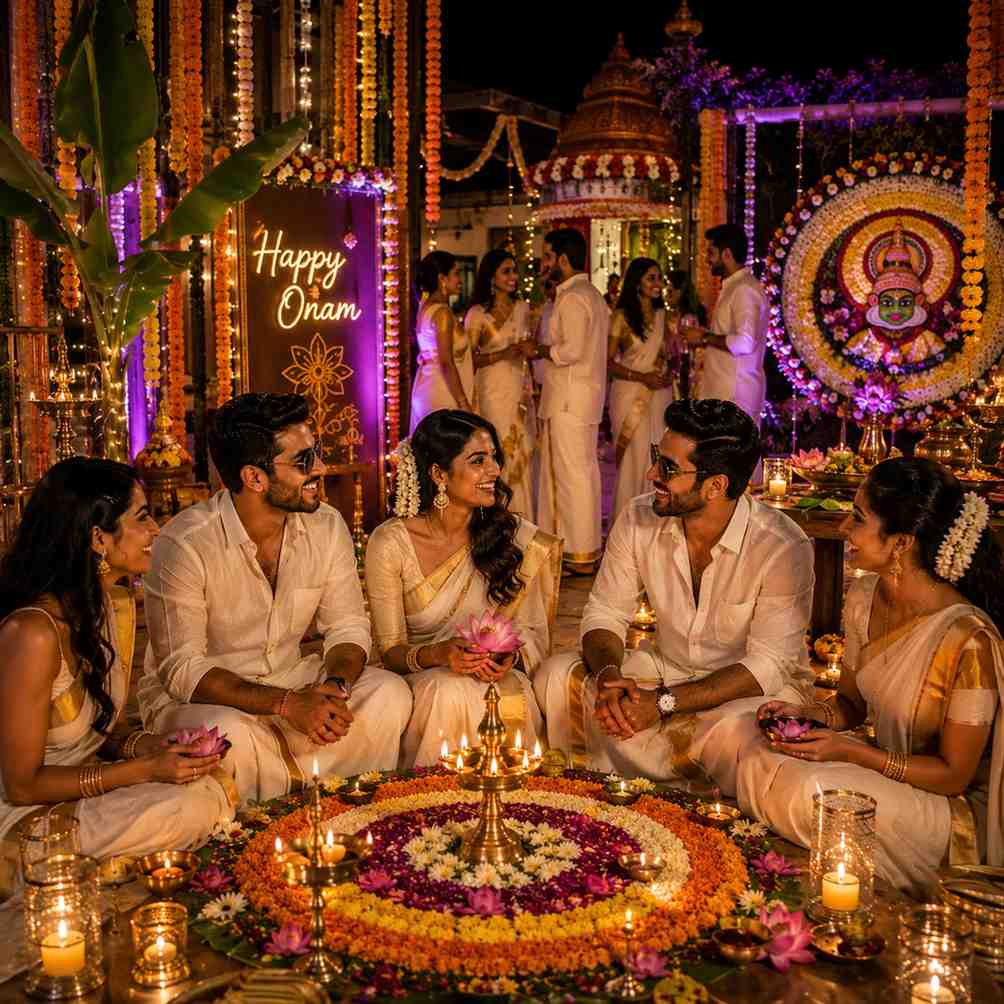
LED Screens for Weddings & Events in India
◆LED screens have become an essential part of modern event production, providing high-impact visuals for weddings, corporate events, conferences, exhibitions, concerts, festivals, and large-scale celebrations. Whether used as a stage backdrop, video wall, presentation display, live camera screen, or immersive visual installation, LED screens help transform ordinary venues into dynamic and engaging event environments. The right LED screen setup improves visibility, strengthens branding, and allows guests to experience presentations, performances, and celebrations from every part of the venue.
In India's growing event industry, LED screens are widely used across wedding stages, hotel ballrooms, conference centres, exhibition grounds, auditoriums, outdoor venues, concert stages, and corporate event spaces. Their modular design allows event planners to create displays in different sizes, shapes, and configurations according to venue requirements. From compact indoor LED panels to large outdoor video walls, LED display technology provides flexible solutions for both intimate gatherings and large-scale productions.
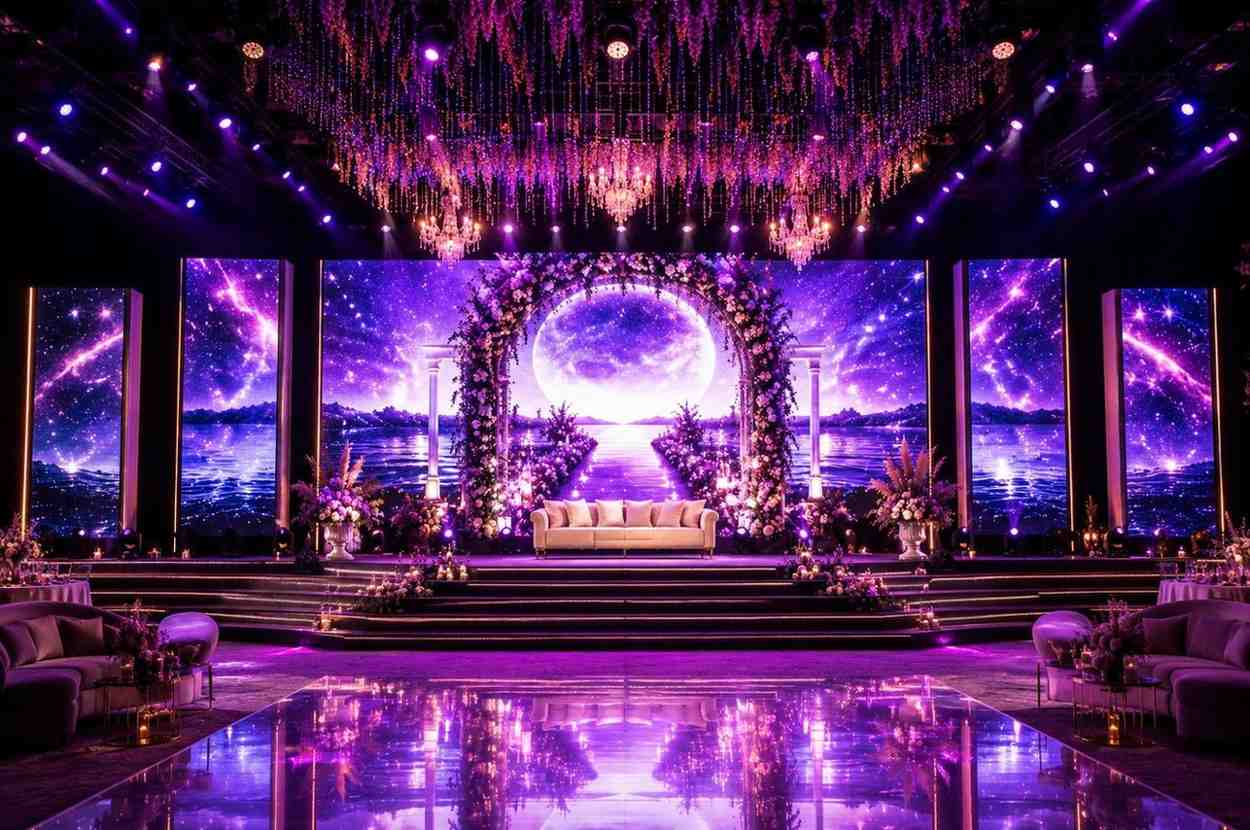
The importance of LED screens is especially noticeable during weddings and stage celebrations. Indian weddings often feature elaborate décor, entertainment, live performances, couple entries, speeches, and multimedia presentations. LED screens can complement the stage backdrop while displaying couple photographs, pre-wedding videos, animated graphics, family messages, wedding monograms, live camera feeds, and themed visuals. This makes the screen an important part of both the décor and entertainment experience.
LED screens are also widely used for conferences and corporate presentations. Speakers can display presentations, charts, videos, product demonstrations, company branding, speaker profiles, event schedules, and important announcements on large screens that remain visible to the entire audience. Multiple LED panels can be combined to create large-format presentation walls, ensuring that content remains clear even in large conference halls and auditoriums.
One of the major advantages of LED screens is their brightness and visibility. High-quality LED panels provide clear visuals even in venues with strong ambient lighting. Outdoor LED screens are designed with higher brightness levels to remain visible during daytime events, while indoor screens are generally optimised for controlled lighting environments. Selecting the correct brightness level is important for maintaining image quality without affecting the overall ambience.
Screen resolution and pixel pitch are important factors when selecting an LED display. Pixel pitch refers to the distance between individual LED pixels and influences how sharp the image appears, particularly when viewers are positioned close to the screen. Fine-pitch LED screens are suitable for indoor conferences, presentations, and close-viewing environments, while larger pixel pitches may be appropriate for outdoor stages and events where the audience is positioned farther away.
LED screens are available in different formats and configurations. Common options include indoor LED screens, outdoor LED screens, modular video walls, curved LED displays, transparent LED screens, flexible LED panels, stage LED walls, digital signage panels, floor LED screens, ceiling displays, and custom-shaped installations. Event planners select the appropriate format based on venue size, viewing distance, content type, and stage design.
Video walls are particularly popular for large-scale events. Multiple LED panels can be assembled together to create a seamless visual surface for presentations, videos, branding, live feeds, and stage graphics. Video walls can cover large areas of a stage while maintaining a consistent visual appearance. They are commonly used for concerts, product launches, award ceremonies, exhibitions, conferences, and corporate events.
Live streaming and camera feeds are another important application of LED screens. During weddings, conferences, concerts, and award functions, cameras can capture live footage and display it on large LED screens in real time. This allows guests seated farther from the stage to see performances, speeches, ceremonies, and important moments clearly. Professional production teams coordinate cameras, video processors, switchers, and LED controllers to maintain smooth live visuals.
LED screens also play a major role in stage visual design. Event designers can use animated backgrounds, motion graphics, thematic visuals, logos, colour effects, transitions, and video content to create an immersive environment. Unlike static backdrops, LED screens allow the visual appearance of a stage to change throughout the event, creating different atmospheres for speeches, performances, ceremonies, and entertainment segments.
For weddings, LED screens can be used to display personalised content such as couple initials, wedding hashtags, photographs, love stories, pre-wedding films, family tributes, countdown animations, ceremony visuals, and live camera feeds. These personalised elements help create a memorable stage experience while adding a modern visual dimension to traditional celebrations.
Corporate events often require branded visual environments. LED screens can display company logos, event themes, sponsor branding, product videos, presentation slides, social media feeds, keynote graphics, speaker information, and promotional content. Large LED displays provide greater visibility for sponsors and help maintain consistent brand communication throughout the event.
Exhibitions and trade shows also benefit from LED screen technology. Exhibitors can use digital displays to showcase products, promotional videos, demonstrations, customer testimonials, company information, and interactive content. Large displays can attract visitors from a distance and create a visually engaging exhibition booth or activation area.
Outdoor LED screens require additional technical considerations. Weather resistance, brightness, power supply, structural support, viewing distance, and environmental conditions must be considered before installation. Professional event production teams ensure that outdoor displays are properly secured and configured for the venue and event duration.
Indoor LED screens have different requirements. Venue ceiling height, room dimensions, viewing distance, ambient lighting, electrical capacity, and stage layout influence the appropriate screen size and configuration. Smaller pixel pitches and higher resolution are often preferred for indoor environments where audiences are seated closer to the screen.
The supporting equipment is just as important as the LED panels themselves. A professional LED screen setup may require video processors, controllers, media servers, switchers, signal distribution equipment, cables, trusses, rigging systems, power distribution, backup systems, and technical operators. Proper coordination ensures that the screen functions reliably throughout the event.
Content preparation is another important consideration. LED screens can display videos, photographs, presentations, animations, live camera feeds, logos, graphics, and other digital content. Content should be prepared in suitable resolutions and aspect ratios to avoid distortion, cropping, or poor-quality visuals. Event production teams often coordinate with designers and organisers before the event to test all content.
LED screens can also support different aspect ratios and creative layouts. Standard rectangular screens are common, but modern productions may use curved screens, split-screen layouts, panoramic displays, vertical screens, and custom configurations. These options allow event designers to create distinctive visual environments suited to specific stage concepts.
Technology and innovation continue to influence LED screen solutions. Lightweight panels, fine-pitch displays, flexible LED modules, transparent screens, high-refresh-rate technology, improved brightness control, and advanced video processing are making LED displays more versatile. These developments allow event planners to create increasingly sophisticated visual experiences.
Cost efficiency is another consideration for event organisers. Renting LED screens allows access to professional display technology without requiring a permanent investment. Rental providers can supply the required screen size, technical equipment, installation, operation, and dismantling according to the event requirements. This is particularly useful for one-time weddings, conferences, concerts, exhibitions, and corporate events.
Safety and professional installation are essential when using large LED displays. Screens may require truss structures, ground supports, rigging systems, electrical connections, and cable management. Experienced technical teams ensure that installations are stable and that power and signal connections are properly managed throughout the event.
The logistics of LED screen management include transportation, installation, testing, operation, monitoring, dismantling, and removal. Large screens and supporting equipment require careful handling and coordination with the venue schedule. Professional production teams typically conduct technical checks before guests arrive to minimise the risk of interruptions.
LED screens also contribute significantly to audience engagement. Live visuals, animations, interactive content, social media feeds, countdowns, and real-time event coverage can keep guests connected to what is happening on stage. This is particularly valuable for large venues where not every guest has a direct view of the stage.
In conclusion, LED screens are more than just digital displays—they are a powerful combination of stage décor, communication, entertainment, branding, and live visual technology. Their flexibility makes them suitable for weddings, conferences, exhibitions, concerts, corporate events, festivals, and celebrations across India. By selecting the right screen size, pixel pitch, brightness, configuration, content, and technical support, event organisers can create a visually impressive and professionally managed experience.
FAQ Section
Q1: What are LED screens used for at events?
LED screens are used for stage backdrops, video walls, live camera feeds, presentations, branding, wedding videos, animations, entertainment visuals, product demonstrations, conference content, and event announcements.
Q2: What is the difference between an LED screen and a video wall?
An LED video wall is created by combining multiple LED panels or display modules to form a larger visual surface. The size and configuration can be customised according to the stage, venue, and viewing requirements.
Q3: Are LED screens suitable for weddings?
Yes, LED screens are widely used at weddings for displaying couple photographs, pre-wedding videos, wedding monograms, live camera feeds, animations, family messages, stage visuals, and personalised content.
Q4: Can LED screens be used for outdoor events?
Yes. Outdoor LED screens are designed with higher brightness and suitable protection for open-air environments. The screen should be selected according to weather conditions, viewing distance, venue size, and installation requirements.
Q5: What is pixel pitch in an LED screen?
Pixel pitch is the distance between individual LED pixels. A smaller pixel pitch generally provides sharper visuals at closer viewing distances, making fine-pitch screens suitable for indoor conferences and presentations.
Q6: Can LED screens display live streaming and camera feeds?
Yes. Professional LED screen systems can display live camera feeds, event broadcasts, presentations, videos, and other real-time content using appropriate video processors, switchers, controllers, and production equipment.
Q7: Can LED screens be customised for stage décor?
Yes. LED panels can be arranged in different sizes and configurations, including curved, panoramic, vertical, flexible, transparent, and custom-shaped layouts depending on the available equipment and stage design.
Q8: Are LED screens available for rental?
Yes. LED screens are commonly available through event production and AV rental providers. Rental packages may include LED panels, controllers, processors, technical operators, installation, testing, dismantling, and transportation.
Q9: How much does LED screen rental cost?
Pricing varies depending on screen size, pixel pitch, indoor or outdoor specification, rental duration, location, technical equipment, installation requirements, content support, and operator services. Comparing providers helps organisers select a suitable solution within their budget.
Q10: How can Happiffie help find LED screen rentals?
Happiffie helps event organisers, wedding planners, corporations, exhibitors, and production teams compare and connect with trusted LED screen rental providers and AV professionals. You can find video walls, stage LED displays, presentation screens, live-streaming solutions, technical operators, installation services, and complete event display setups.