
NavratriCelebration
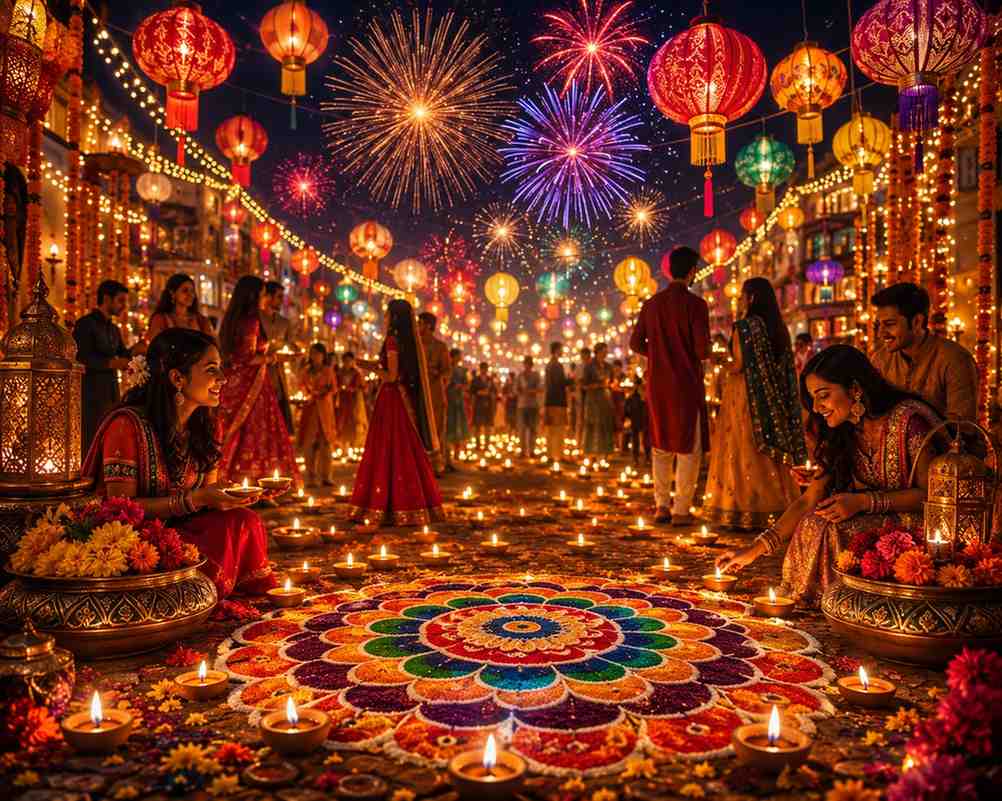
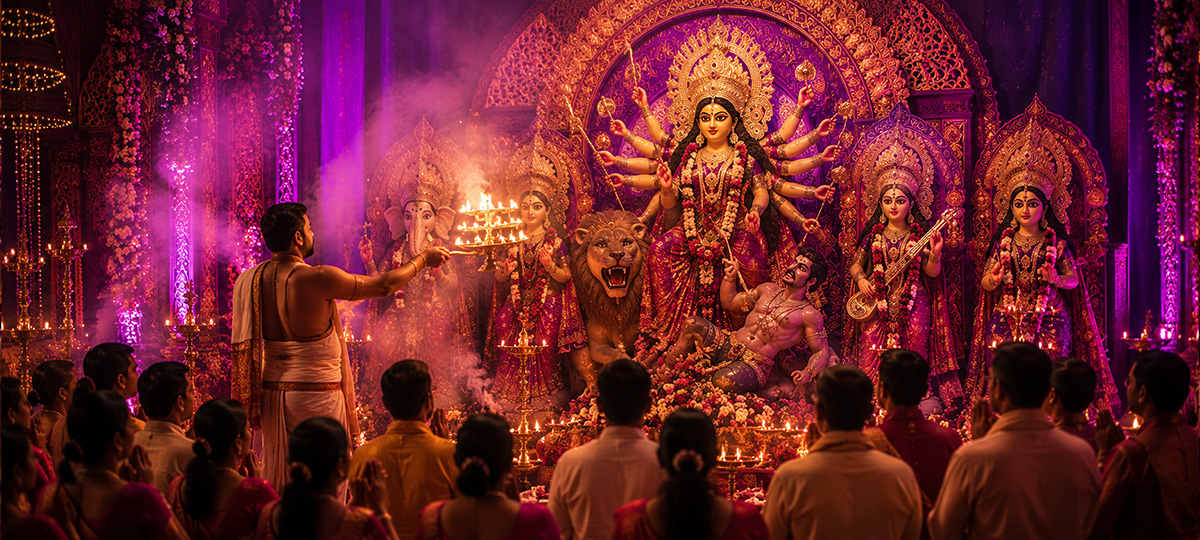
Experience the vibrant spirit of Navratri Garba Dandiya, where rhythmic dance, sacred Golu displays and devotion come together beautifully.
2
Explore Other Festival celebrations
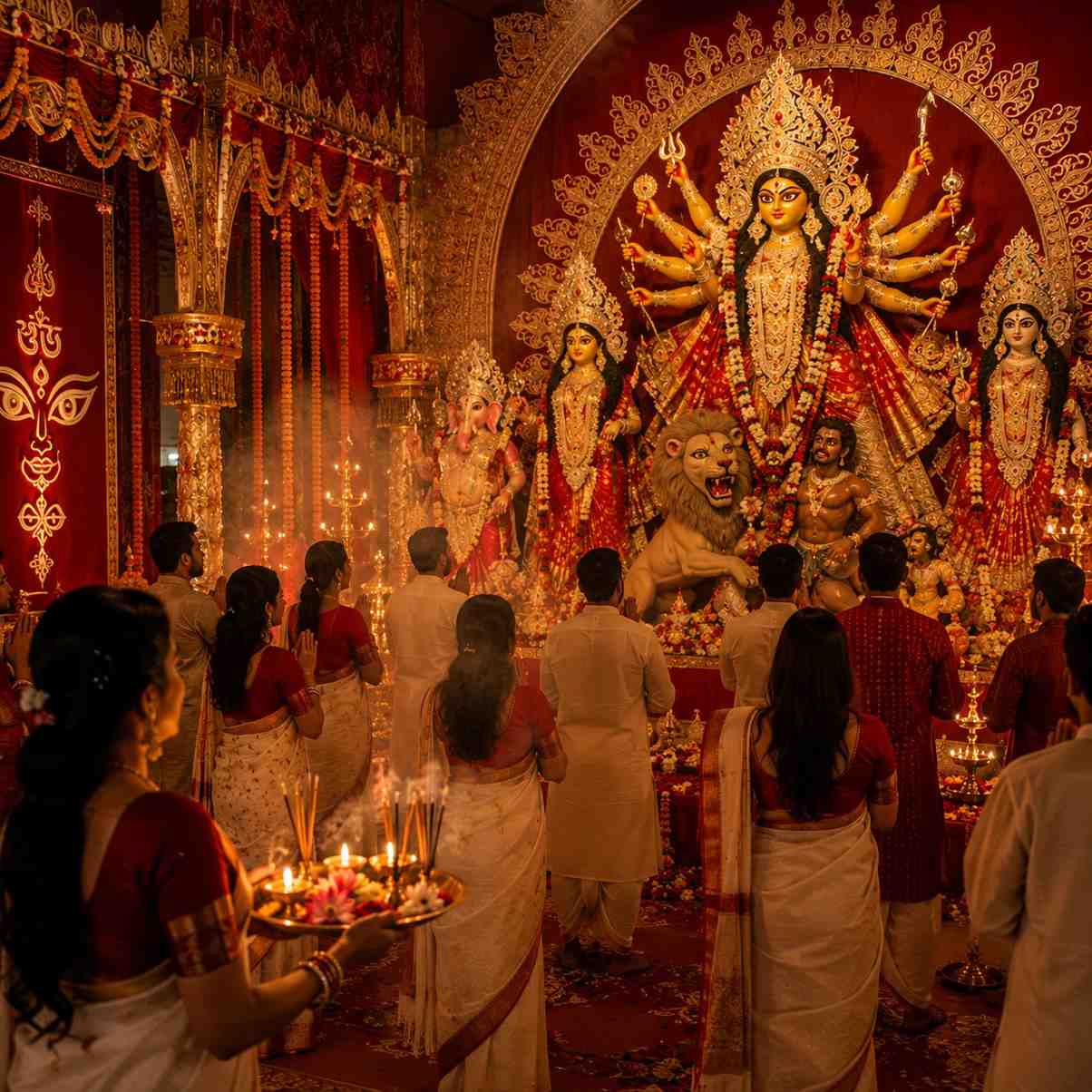
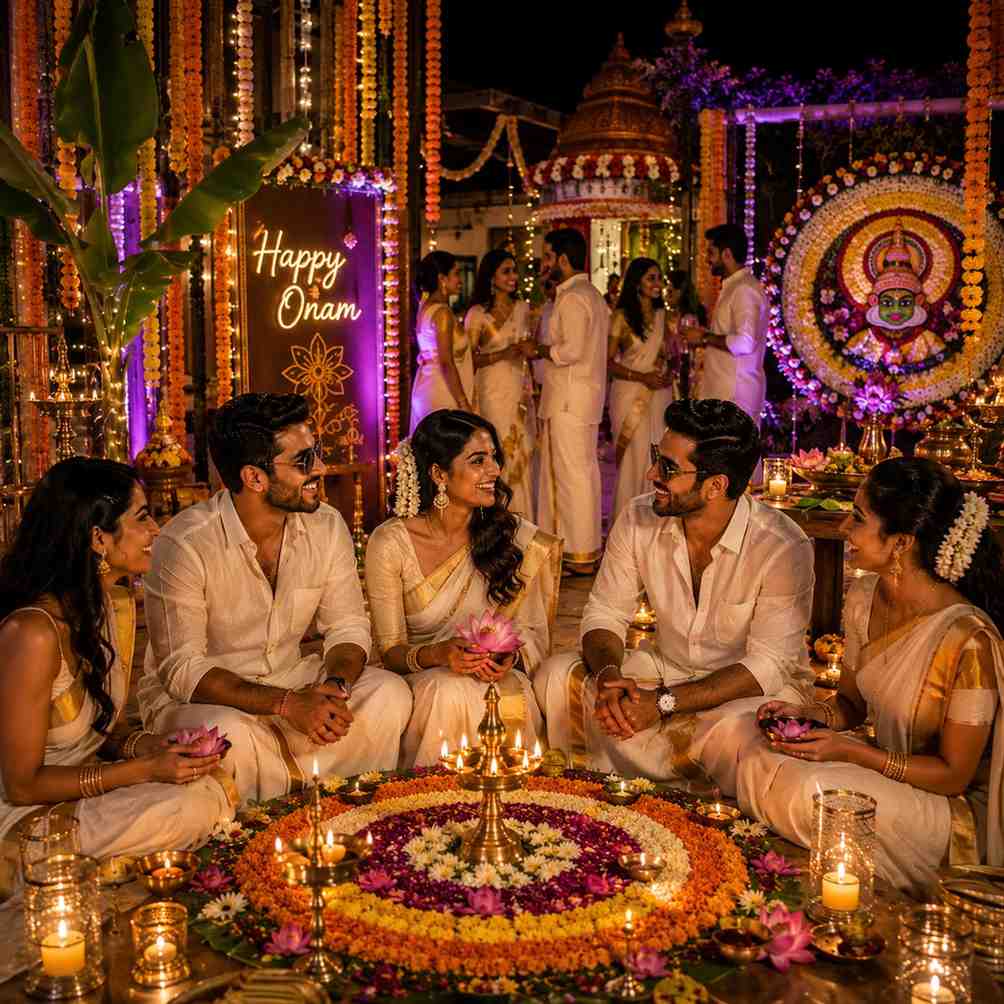
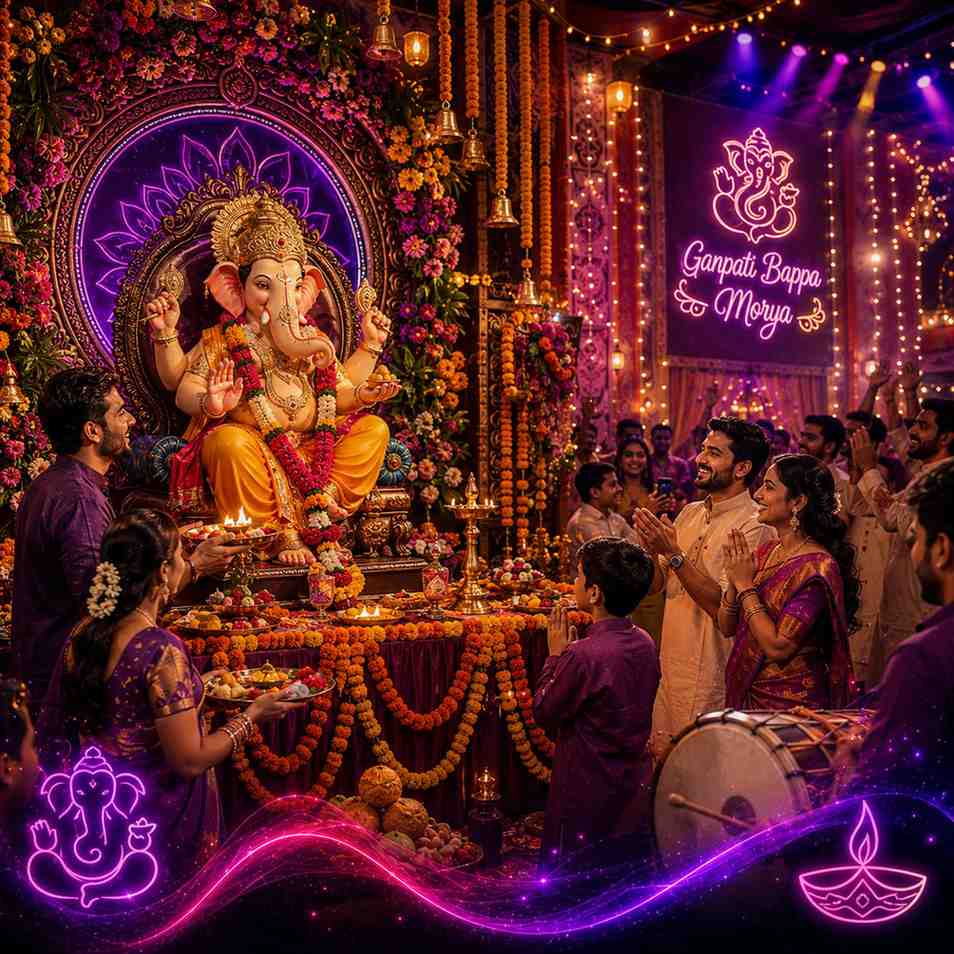
3
Explore Styles Celebrate By Style
4
View All Cities Popular Cities
5
View All Popular Experiences
6
Festival Snapshot™
30+
Festival Types
500+
Festival Experiences
2000+
Celebration Venues
1500+
Event Partners
50+
Cities
1000+
Festivals Celebrated
12
Related Celebration Universes
Explore more ways to celebrate life.


Ready to Plan Your Navratri Celebration?
Hiya & Hanu are here to help you create unforgettable moments with the perfect venues, experiences, and trusted event partners—all in one place.
◆
Celebrate Navratri Garba Dandiya with Golu Traditions and Divine Festivities
◆Few festivals in India carry the colour, rhythm and spiritual depth quite like Navratri. Across nine nights, communities gather to celebrate the divine feminine through dance, devotion and elaborate displays that honour centuries-old customs. At the heart of it all lies navratri garba dandiya, a tradition that transforms courtyards, community halls and open grounds into swirling circles of music and movement. At Happiffie, we understand that organising this celebration well means honouring both its festive energy and its deep cultural roots, and we bring that understanding into every event we plan.
What Makes Navratri Garba Dandiya So Special
Navratri Garba Dandiya isn't simply a dance night; it's a living expression of faith, community and heritage passed down through generations. Garba, performed in graceful circular formations around a central lamp or idol, represents the cyclical nature of life, while Dandiya Raas, played with decorated wooden sticks, mimics the playful mock-battle between Goddess Durga and the demon Mahishasura. Together, these dance forms create an atmosphere that is both joyous and deeply symbolic.
What sets navratri garba dandiya apart from other festive gatherings is the way it draws entire communities together, regardless of age or dance experience. Grandparents twirl alongside grandchildren, first-timers learn the steps from seasoned dancers, and strangers often become friends by the end of the evening. This inclusive, participatory spirit is precisely why so many families and organisations choose to host their own celebrations rather than simply attending public events.
The Golu Celebration Tradition
Alongside the dancing, many households and communities observe the Golu Celebration, an equally cherished Navratri custom, particularly popular in South India. Golu involves arranging tiered displays of dolls, figurines and artefacts depicting deities, mythological scenes, everyday life and folk tales. Each step of the display typically represents a different theme, and families often spend weeks curating and updating their collection year after year.
Hosting a proper Golu Celebration requires thoughtful planning, from selecting the right steps and backdrop to arranging lighting that highlights each figurine beautifully. Many families now invite friends, neighbours and extended relatives to view their Golu, turning it into a social occasion complete with traditional sweets, savouries and exchanged blessings. Happiffie can help coordinate the styling, décor and hospitality elements of a Golu display, ensuring it reflects both tradition and personal touch.
Understanding the Divine Festivities of Navratri
The nine nights of Navratri are structured around worship of nine forms of the Goddess, each honoured on a specific day with particular colours, rituals and offerings. These divine festivities create a rhythm to the celebration that extends far beyond the dance floor. Mornings might involve prayers and fasting, afternoons dedicated to preparing prasad, and evenings reserved for Garba and Dandiya performances that carry the day's devotion into joyful expression.
Understanding this rhythm matters when planning an event, as different days may call for different tones, whether that's a more solemn opening night or an energetic finale on Navami. Event organisers who appreciate these nuances can craft an experience that feels authentic rather than generic, weaving devotional elements naturally alongside the entertainment.
Cultural Traditions and Heritage Behind the Festival
Navratri's roots stretch back through Hindu mythology, agricultural cycles and regional folk customs, making it one of India's richest expressions of cultural traditions and heritage. In Gujarat, the festival is almost synonymous with Garba and Dandiya, drawing crowds into open grounds for nightly celebrations. In West Bengal, the same period is marked by Durga Puja, with elaborate pandals and idol immersions. In Karnataka, it takes the form of Nada Habba, the state festival celebrating Mysore's royal legacy alongside religious observance.
These regional variations highlight just how adaptable and enduring Navratri's traditions truly are. Rather than diminishing the festival's meaning, this diversity enriches it, offering communities across India and the diaspora their own authentic way of connecting with the same underlying devotion. When planning navratri garba dandiya events, acknowledging these varied customs can help create a celebration that resonates with a mixed or multicultural audience.
Goddess Worship at the Heart of the Celebration
At its core, Navratri is an act of Goddess Worship, honouring Durga, Lakshmi and Saraswati in their various forms across the nine days. Rituals typically include Kalash Sthapana on the first day, daily aarti, fasting observances and the recitation of devotional hymns. Many families also perform Kanya Pujan on Ashtami or Navami, honouring young girls as embodiments of the divine feminine.
For event organisers, weaving genuine moments of Goddess Worship into a Garba Dandiya night, whether through a brief aarti before the dancing begins or a dedicated prayer corner, adds depth and authenticity that guests genuinely appreciate. It signals that the celebration honours its spiritual foundation rather than treating it purely as entertainment.
Nada Habba and Regional Variations Worth Knowing
Nada Habba, celebrated prominently in Mysore, Karnataka, showcases a slightly different flavour of Navratri, blending royal heritage with religious devotion. The Mysore Palace is illuminated with thousands of lights, and a grand procession featuring caparisoned elephants marks the Vijayadashami celebrations. While it may not centre around Garba and Dandiya in the same way as Gujarat's celebrations, Nada Habba offers valuable inspiration for grand décor, lighting design and procession-style entertainment that can be adapted into other Navratri events.
Organisers looking to add a regal, heritage-inspired touch to their navratri garba dandiya celebration can draw on elements of Nada Habba, such as dramatic lighting, royal colour palettes and ceremonial openings, to elevate the overall guest experience.
Planning a Successful Garba Dandiya Night
Organising a memorable navratri garba dandiya event involves considerably more than booking a DJ and hoping for the best. Several factors come together to create an evening guests will remember fondly and want to return to year after year.
Venue selection: Open grounds, banquet halls or community centres with ample circular space work best, allowing dancers to form the traditional rounds without feeling cramped.
Music and choreography: A mix of traditional Garba rhythms, modern Dandiya remixes and a skilled choreographer or dance instructor helps both newcomers and experienced dancers enjoy the night fully.
Décor and lighting: Vibrant fabric drapes, marigold garlands, string lights and a striking central idol or Golu display set the visual tone for the entire celebration.
Costumes and accessories: Traditional Chaniya Choli, Kediyu outfits and decorated Dandiya sticks add colour and authenticity, and many events now offer costume rental or styling assistance for guests.
Food and refreshments: Festive menus featuring farali snacks, sweets and refreshing drinks keep energy levels high throughout the evening.
Safety and logistics: Adequate crowd management, clear pathways and first-aid provisions are essential, particularly for larger public gatherings.
Happiffie's event planning team manages each of these elements with care, ensuring your celebration reflects both festive excitement and cultural respect.
Who Hosts These Celebrations?
Navratri Garba Dandiya events are organised by a wide range of hosts, including:
- Residential societies and community associations celebrating together
- Corporate offices hosting employee festive gatherings
- Cultural organisations and temples running public celebrations
- Families hosting intimate Golu Celebration evenings at home
- Educational institutions organising student cultural events
Whatever the scale, the underlying goal remains the same: bringing people together to celebrate devotion, dance and community spirit.
Why Choose Happiffie for Your Navratri Celebration
Happiffie brings extensive event planning experience to every navratri garba dandiya celebration we organise, from venue sourcing and décor styling to entertainment coordination and hospitality management. We understand the cultural sensitivity these festivities demand, whether you're planning a grand public Garba night, an intimate Golu Celebration, or a heritage-inspired event drawing on Nada Habba traditions. Our trusted network of decorators, choreographers, caterers and venues ensures every detail meets the standard your celebration deserves.
If you're ready to host a Navratri celebration that honours tradition while creating unforgettable memories, get in touch with our team today to start planning your event.
Frequently Asked Questions
1. What is the difference between Garba and Dandiya?
Garba is performed in circular formations with hand movements and claps, often without props, while Dandiya Raas involves decorated sticks struck rhythmically between partners, symbolising the mock battle between the Goddess and a demon.
2. How many days does Navratri Garba Dandiya typically run?
Most celebrations run across all nine nights of Navratri, though many communities and families host their main event on one or two peak evenings, often the weekend closest to the festival.
3. What should I wear to a Garba Dandiya night?
Traditional attire such as Chaniya Choli for women and Kediyu or Kurta for men is customary, complemented by mirror work, jewellery and comfortable footwear suited for extended dancing.
4. How do I set up a Golu Celebration display at home?
A Golu Celebration typically involves arranging odd-numbered tiered steps, decorating them with dolls, figurines and thematic scenes, then inviting guests to view the display alongside traditional refreshments.
5. Can Happiffie help organise a corporate Navratri event?
Yes, Happiffie manages end-to-end corporate Navratri celebrations, including venue booking, décor, entertainment and catering, tailored to reflect both festive spirit and workplace appropriateness.
6. What is Nada Habba and how does it relate to Navratri?
Nada Habba is Karnataka's state festival, celebrated during the same period as Navratri, combining royal heritage from Mysore with religious devotion, offering unique décor and ceremonial inspiration for other celebrations.
7. How much does it cost to organise a Navratri Garba Dandiya event?
Costs depend on venue size, guest count, décor complexity and entertainment choices. Happiffie provides customised quotes after understanding your specific event requirements.
8. What rituals are typically performed for Goddess Worship during Navratri?
Common rituals include Kalash Sthapana, daily aarti, fasting, hymn recitations and Kanya Pujan, all honouring different forms of the Goddess across the nine days.
9. How far in advance should I book a Navratri event planner?
Ideally, 6 to 10 weeks in advance, particularly for larger celebrations, to secure preferred venues, decorators and entertainment during this high-demand festive season.
10. Does Happiffie provide costume and décor styling for Navratri celebrations?
Yes, Happiffie coordinates costume rental, styling and complete décor design, ensuring your celebration reflects authentic cultural traditions and heritage while looking visually stunning.