
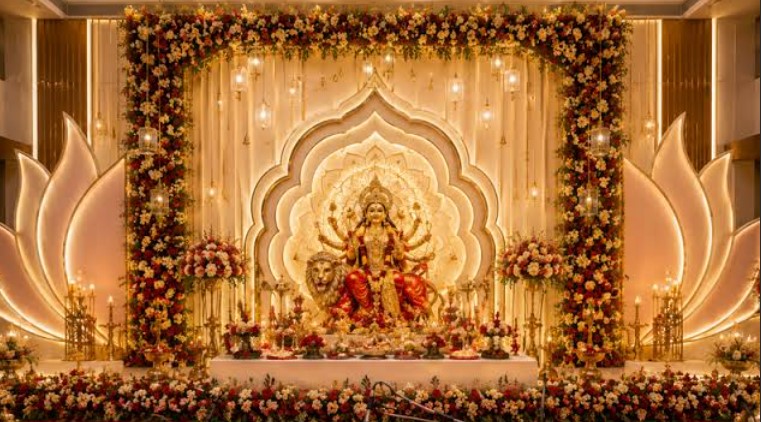
Sacred Decor for Delhi Ceremonies
Religious cermony in Delhi
Traditional Sacred Decor Styling for Delhi Religious Ceremonies
Delhi's religious ceremonies carry centuries of devotion, and traditional sacred decor styling is what transforms a venue into a truly sanctified space. Whether you are planning a Satyanarayana Katha in a South Delhi farmhouse, a griha pravesh in Dwarka, or a full shaadi in a Karol Bagh banquet hall, the right religious ceremony decor sets the spiritual tone before a single mantra is chanted. From a precisely arranged pooja mandap setup adorned with marigold torans to a carefully chosen auspicious colour palette of turmeric yellow, vermillion, and ivory, every element speaks to both ritual correctness and visual grandeur. Happiffie connects Delhi families with vetted decor specialists who understand shastra-aligned aesthetics as deeply as they understand modern budgets.
Quick Answer
Traditional sacred decor styling refers to the art of designing and arranging ritual elements — mandaps, torans, diyas, sacred floral arrangements, and colour-coded fabrics — in strict alignment with Hindu, Jain, Sikh, or other Indian religious traditions. In Delhi, this service covers everything from intimate pooja setups costing ₹15,000 to elaborate wedding mandap installations above ₹3 lakh, ensuring every ceremony space is both spiritually correct and visually memorable.
What Does Traditional Sacred Decor Styling Actually Include?
Traditional sacred decor styling is far more than arranging flowers around an idol. It encompasses the structural mandap frame (bamboo, iron, or carved wood), the fabric draping in ritual-appropriate colours, the placement of kalash and coconut, the arrangement of agni kund, and the layering of sacred floral arrangements using marigold, rose, jasmine, and banana leaf. In Delhi, decorators well-versed in Hindu ritual decoration also ensure that directional alignment (Vastu and shastra guidelines) is respected — the fire pit faces east, the priest's seating is north-facing, and the bride-groom entry path is unobstructed. For Jain or Sikh ceremonies, the vocabulary changes: the Anand Karaj setup uses a different canopy language, while Jain poojas demand extreme minimalism and white-toned sacred floral arrangements. A skilled stylist in Delhi coordinates all these details with the family's pandit before a single prop is loaded onto the truck.
How Much Does a Pooja Mandap Setup Cost in Delhi?
Pricing for a pooja mandap setup in Delhi varies widely based on structure size, flower variety, and customisation. A basic home pooja mandap for 50 guests runs between ₹15,000 and ₹35,000, covering a simple arch, marigold strings, and fabric draping. A mid-range religious ceremony decor package for 150–300 guests — common for Satyanarayan kathas or naamkarans at community halls in Rohini or Laxmi Nagar — costs ₹60,000 to ₹1.5 lakh. For destination-style grand mandaps in South Delhi farmhouses or Dwarka banquet halls with carved pillars, imported flowers, and LED accent lighting, budgets reach ₹2.5–4 lakh. The auspicious colour palette chosen (all-marigold versus mixed exotic blooms) is the single biggest driver of flower costs. Booking 6–8 weeks in advance locks in better rates and guarantees flower availability, especially around Navratri, Diwali, and peak wedding season (November–February).
Why Delhi Families Prefer Specialist Sacred Decor Vendors Over General Event Decorators
Generic event decorators excel at balloon arches and photo booths, but traditional sacred decor styling demands a completely different knowledge set. A specialist understands that certain flowers — like ketaki — are traditionally excluded from Shiva poojas, that silk fabric is preferred over synthetic for mandap draping, and that diya placement must follow a specific numerical pattern during Diwali havans. In Delhi's diverse neighbourhoods — from the Punjabi-dominated areas of Pitampura to the Marwari communities of Chandni Chowk — ritual customs differ substantially, and a good sacred decor vendor adapts accordingly. Specialists also manage pandit coordination for weddings, ensuring the decor timeline aligns with muhurat slots so nothing is rushed or incomplete when the ceremony begins. This integration of ritual knowledge with aesthetic execution is the defining difference, and it is exactly what Happiffie's curated vendor network delivers.
What Is the Role of Colour and Symbol in Sacred Ceremony Decor?
The auspicious colour palette is not a design preference — it is a devotional language. Red and gold signal prosperity and Lakshmi's blessings; white and marigold together invoke purity for griha pravesh; green banana leaves represent fertility and new beginnings. Traditional sacred decor styling in Delhi integrates these colours through fabric, flowers, rangoli, and lighting to create a cohesive spiritual environment. Sacred floral arrangements play an equally symbolic role: the garland (haar) exchanged by the couple, the flower bed (phool seej) prepared for the suhaag raat room, and the toran hung at the entrance each carry distinct meaning. Incorporating traditional Indian flower garlands — crafted from fresh jasmine, marigold, and roses — adds fragrance that activates memory and emotion, making the ceremony feel rooted in heritage. Decor specialists in Delhi also weave in regional motifs: Rajasthani mirror work for Marwari families, Kashmiri paper mache accents, or South Indian banana-leaf mandala patterns for Tamil or Telugu ceremonies held in Delhi.
How Should You Choose the Right Sacred Decor Partner in Delhi?
Choosing the right vendor for religious ceremony decor starts with verifying that they have hands-on experience with your specific ritual tradition, not just generic Indian weddings. Ask to see a portfolio that includes the exact ceremony type — whether it is a thread ceremony, annaprashan, or wedding havan — and check that their floral sourcing is reliable enough to handle peak-season demand. Evaluate their understanding of venue sanctification rituals: do they know how to prepare the space with gangajal, geru, and rangoli before the mandap goes up? A good decor partner will also offer a site visit to assess ceiling height (critical for hanging flower chandelier installations common in Delhi's banquet halls), electrical load for diya clusters and LED accents, and entry logistics. Finally, confirm that the vendor offers a clear post-ceremony cleanup plan, because many Delhi venues impose strict time-window rules. Happiffie's platform lets you compare verified vendors, read honest reviews, and request detailed quotes — all in one place.
Traditional Sacred Decor Styling: Setup Types Compared for Delhi Ceremonies
Expert Recommendation
Best for Intimate Home Poojas (Up to 50 Guests)
Best for Mid-Size Religious Gatherings (100–250 Guests)
Best for Grand Wedding Mandaps (300+ Guests)
Best for Budget-Conscious Families
Best for Multi-Day Ceremonies
Best for Contemporary-Traditional Fusion Couples
How to Choose the Right Option
✅ Pre-booking Checklist
- Confirm the vendor has specific experience with your religious tradition (Hindu, Sikh, Jain, etc.) and ceremony type
- Share the muhurat timing so the vendor can plan a realistic installation schedule
- Verify venue ceiling height and access hours before finalising chandelier or tall mandap designs
- Request a flower sourcing plan to ensure availability during peak seasons like Navratri or wedding season
- Clarify whether pandit coordination for weddings is included or a separate arrangement
- Ask for a post-ceremony cleanup timeline and confirm it aligns with venue exit rules
- Review the auspicious colour palette with an elder or pandit before approving the final decor mock-up
- Get a written breakdown of costs separating labour, flowers, props, and logistics
🎯 Selection Criteria
- Ritual knowledge: vendor must demonstrate understanding of your specific ceremony's symbolic requirements
- Portfolio quality: look for photos of actual setups, not stock images, especially for pooja mandap setup examples
- Flower sourcing reliability: consistent access to marigold, jasmine, and roses throughout the year
- Scalability: ability to handle your exact guest count without compromising setup quality
- Coordination capability: experience managing timelines alongside pandit schedules and venue rules
💰 Cost / Quality Factors
- Flower type and import level: local marigold is affordable; imported orchids and anthuriums add 30–50% to floral cost
- Mandap structure material: carved wood costs significantly more than iron or bamboo frames
- Venue location and logistics: far-flung areas like Noida border or Gurugram edge may add transport charges
- Customisation depth: bespoke motifs, family crests, or regional embroidery increase labour costs
- Season and demand: prices spike 20–30% during November–February wedding season and major festivals
- Cleanup and breakdown: vendors offering full post-ceremony cleanup charge a premium but save family stress
⚠️ Common Mistakes to Avoid
- Booking a general event decorator without verifying their specific Hindu ritual decoration or multi-faith ceremony experience
- Finalising the auspicious colour palette without consulting the family pandit or elder, risking ritual non-compliance
- Underestimating setup time and not securing overnight venue access for complex mandap installations
- Ignoring venue weight and ceiling load restrictions when planning heavy floral chandelier installations
- Overlooking the post-ceremony cleanup clause, which can result in venue penalty charges
- Choosing the cheapest quote without verifying fresh-flower sourcing reliability, leading to wilted decor on the ceremony day
People Also Ask
What flowers are used in traditional sacred decor styling in Delhi?
How far in advance should I book a mandap decor vendor in Delhi?
Can the same decorator handle both the wedding mandap and home pooja rituals?
What is the difference between a Hindu ritual decoration and a general event backdrop?
Do Delhi sacred decor vendors also handle pandit coordination for weddings?
What is the typical setup time for a large wedding mandap in Delhi?
Is traditional sacred decor styling suitable for Sikh and Jain ceremonies too?
What neighbourhoods in Delhi have the best access to sacred decor vendors?
Related Experiences on Happiffie
Authentic Malayalam Wedding Rituals & Decor
Divine Car Decor for Delhi Weddings
Sacred Coconut Rituals in Goa
Sacred Sounds for Your Delhi Wedding
All Wedding & Event Services
Venues in Delhi
Frequently Asked Questions
What does traditional sacred decor styling cost for a Delhi wedding mandap?
How is a pooja mandap setup different from a regular stage decoration in Delhi?
Can I get traditional sacred decor styling done for a home ceremony in a Delhi flat?
Which Delhi neighbourhoods have the most experienced Hindu ritual decoration vendors?
Do sacred decor vendors in Delhi also supply priests or pandits?
What flowers are considered most auspicious for religious ceremony decor in Delhi?
How do I ensure the auspicious colour palette is correct for my specific ceremony?
Is traditional sacred decor styling available for non-Hindu ceremonies in Delhi?
Key Takeaways
- Traditional sacred decor styling in Delhi integrates ritual symbolism, directional alignment, and aesthetic beauty to create a fully sanctified ceremony space.
- Costs range from ₹15,000 for intimate home setups to over ₹4 lakh for grand carved-wood mandaps in South Delhi farmhouses.
- The auspicious colour palette is a devotional choice, not just a design preference — always validate it with your pandit before approving.
- Specialist vendors with Hindu ritual decoration expertise consistently outperform general event decorators for religious ceremonies.
- Sacred floral arrangements using local marigold, jasmine, and rose deliver maximum ritual authenticity at the most manageable price point.
- Pandit coordination for weddings should be aligned with decor installation from day one to avoid muhurat conflicts.
- Book 6–8 weeks in advance minimum; extend to 3–4 months during peak Delhi wedding season (November–February).
- Happiffie's curated Delhi vendor network connects families with verified sacred decor specialists across all neighbourhoods and ceremony types.
Plan Your Sacred Ceremony Decor in Delhi
Connect with verified traditional sacred decor styling specialists on Happiffie — compare quotes, check portfolios, and book with confidence for your next religious ceremony.
Explore Decor Vendors
Are you a Vendor? Grow Your Business with Happiffie!
- High intent verified leads
- Reverse auction opportunities
- AI business tools & insights
- Dedicated vendor dashboard
- Grow your business, your way
It's free & takes less than 2 minutes!