

Explore All Religious Ceremonies
Discover traditional rituals, wedding ceremonies, spiritual occasions and meaningful cultural celebrations in Chennai, with trusted services to honour every tradition.
Give Thoughtfully,
Celebrate with Happiffie
From personalised gifts and curated collections to thoughtful presents for every occasion, Happiffie helps you discover gifting options that make celebrations more meaningful and memorable.
- Thoughtful Gift DiscoveryFind gifting options suited to every celebration and occasion
- Personalised GiftingDiscover customised gifts made to create meaningful moments
- Trusted Gift ProvidersConnect with reliable gifting professionals and service providers
Popular Religious Ceremonies
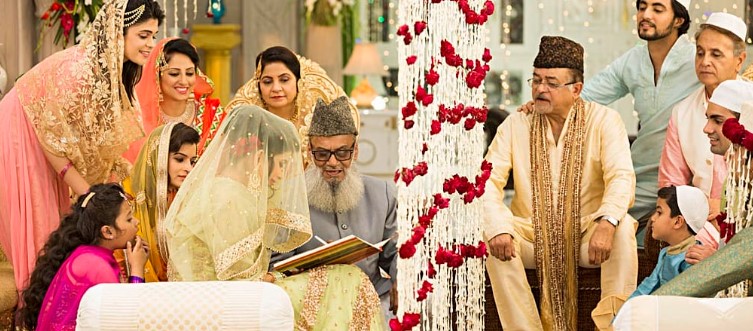 Authentic Islamic Wedding Rituals
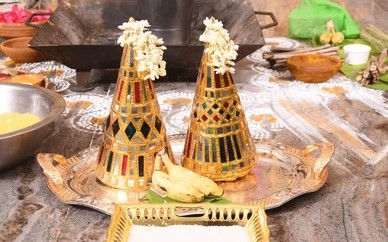 Brahmin Marriage Paruppu Thengai Designs
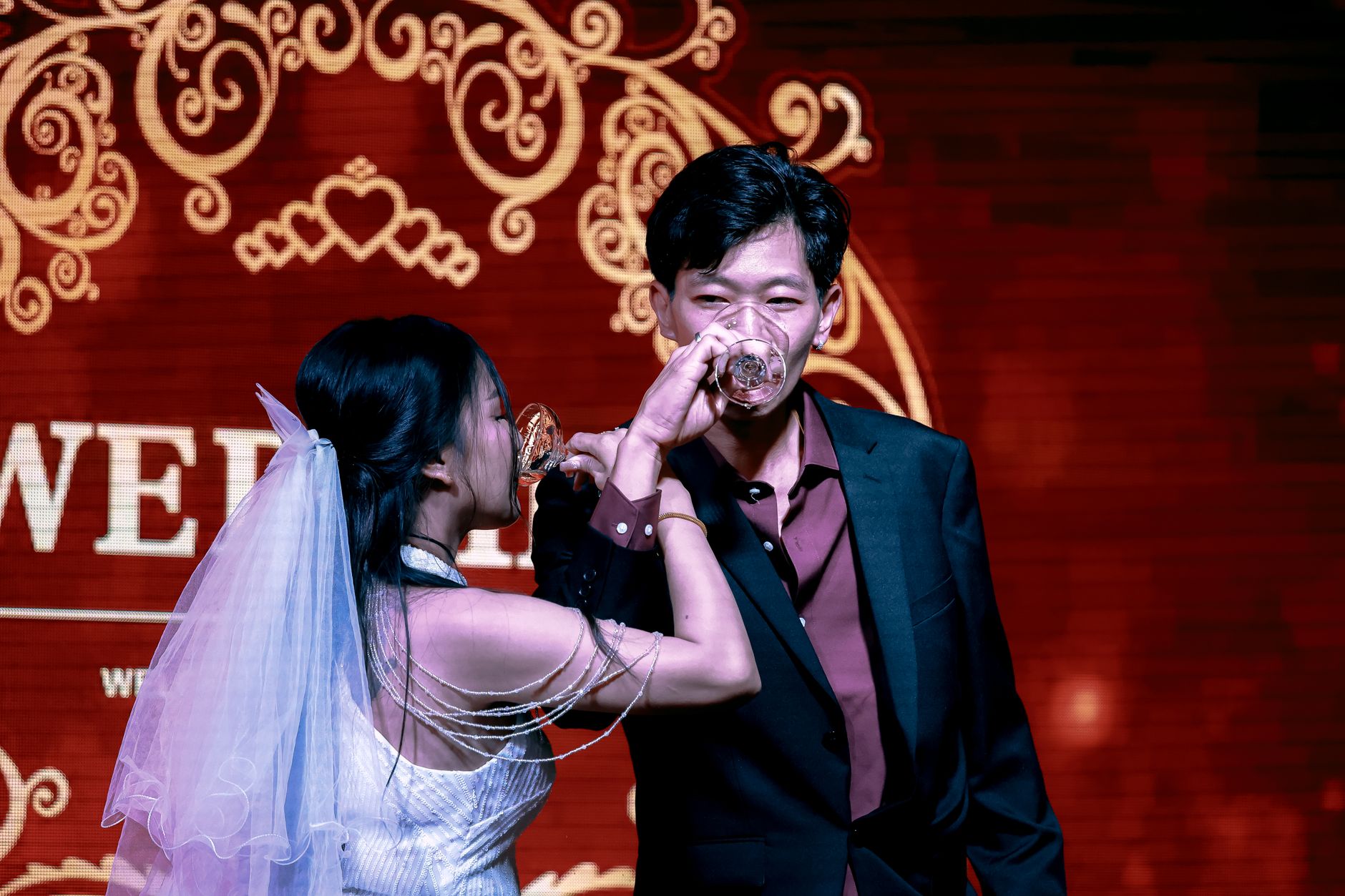 Celebration Toast Collections
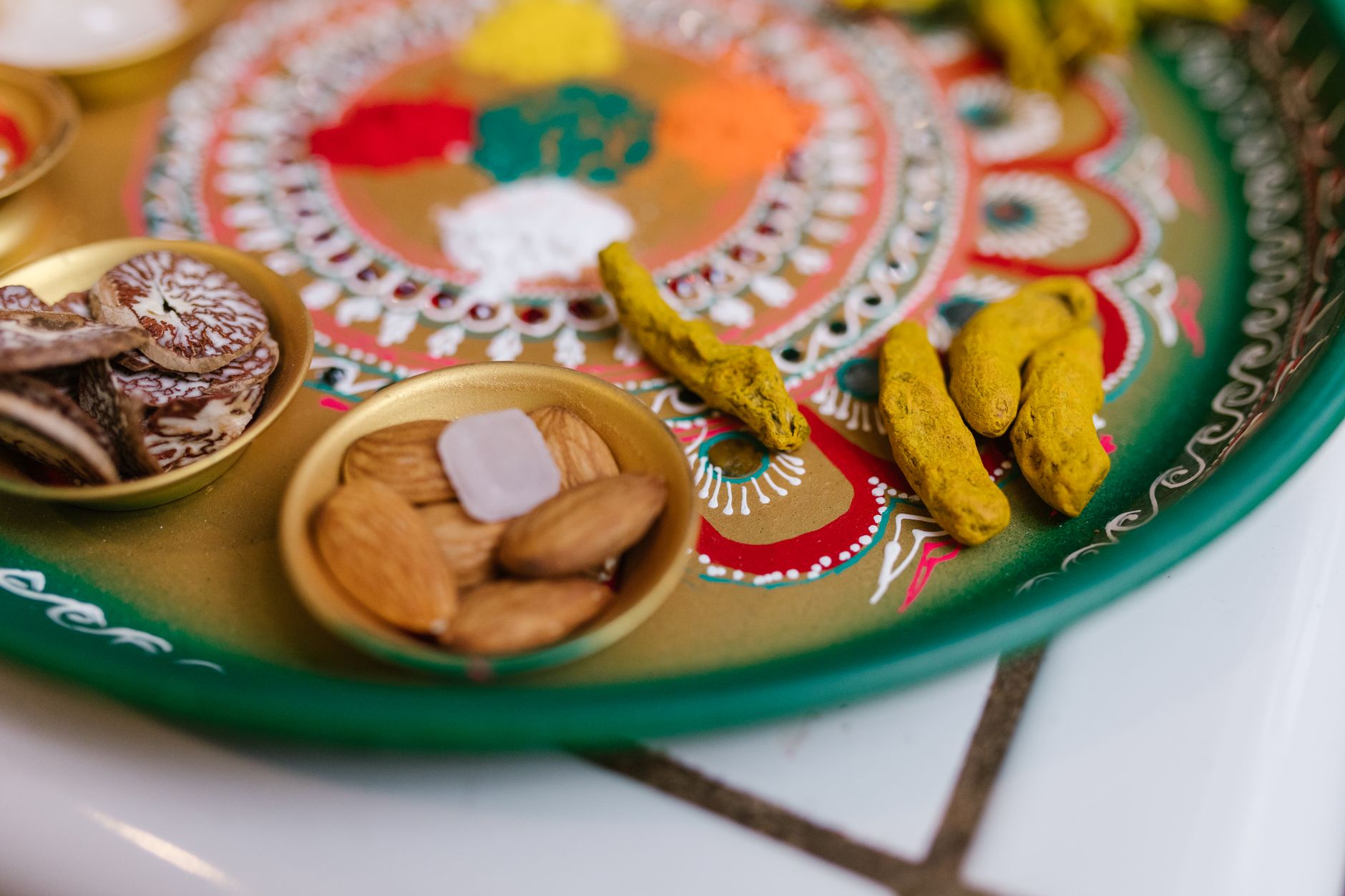 Ceremonial Aarthi Plate Designs
 Ceremonial Ring Display Plates
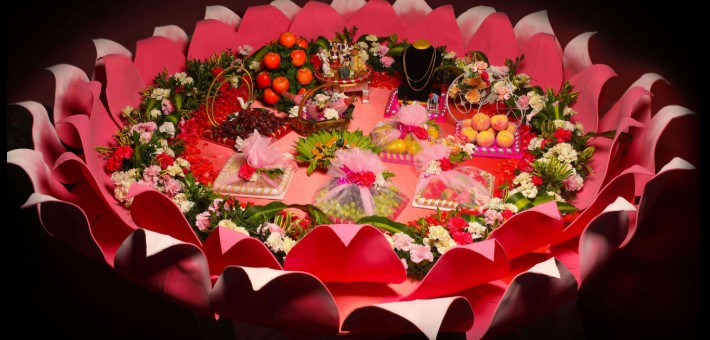 Ceremonial Seer Gift Collections
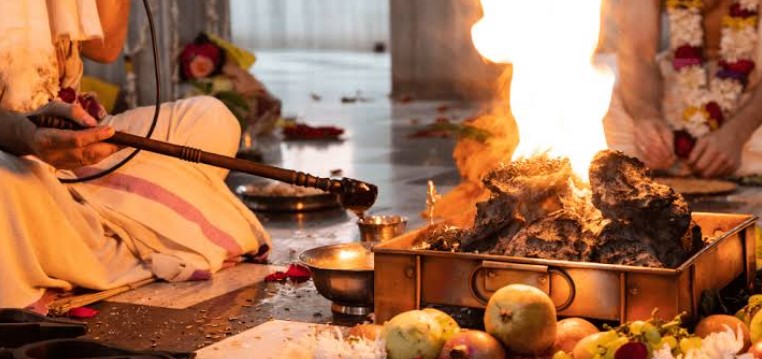 Certified Ritual Priest Services
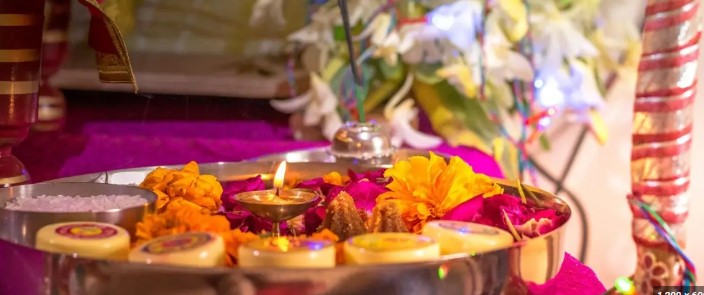 Complete Ritual Ceremony Essentials
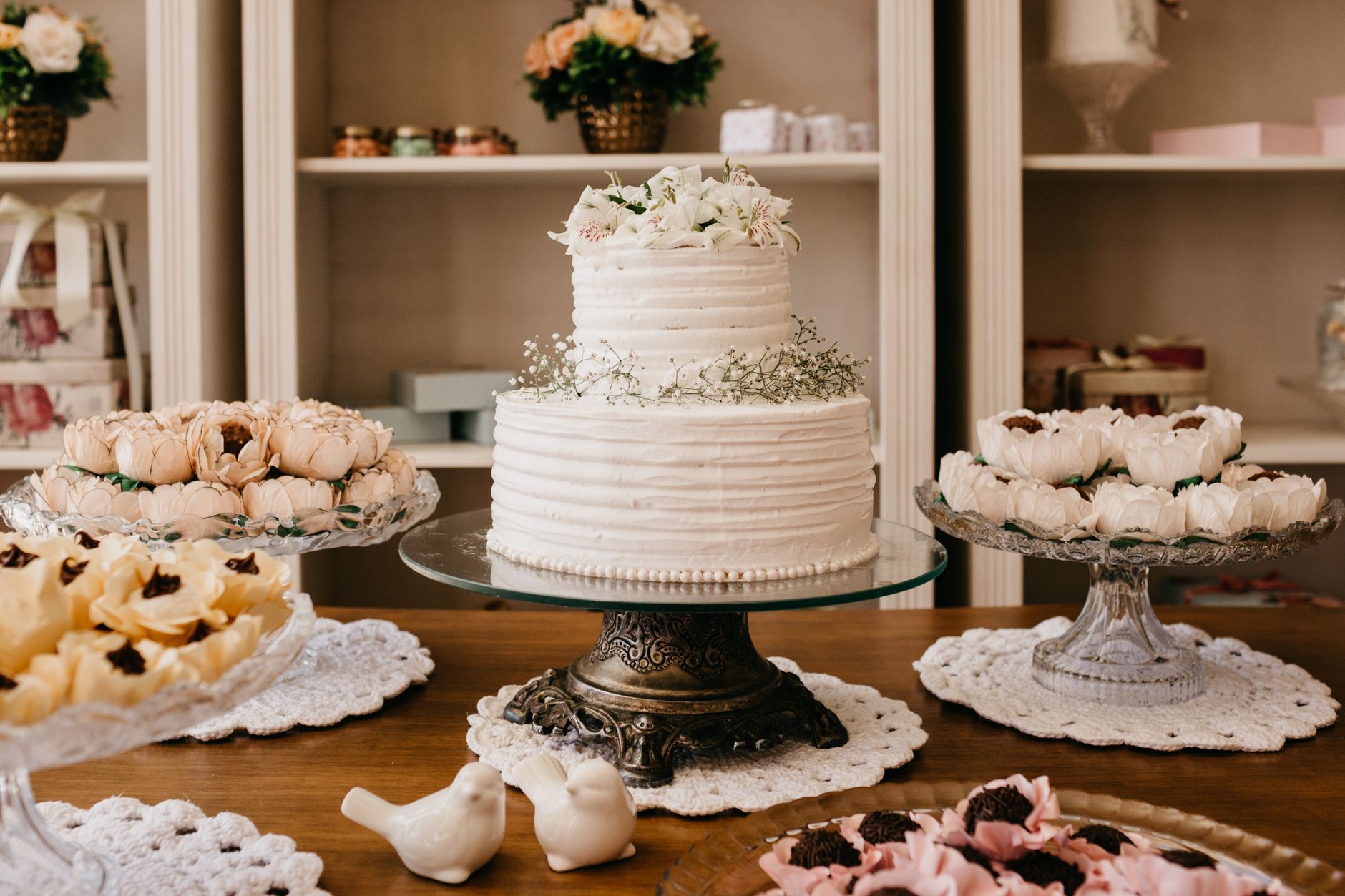 Custom Ceremony Cake Designs
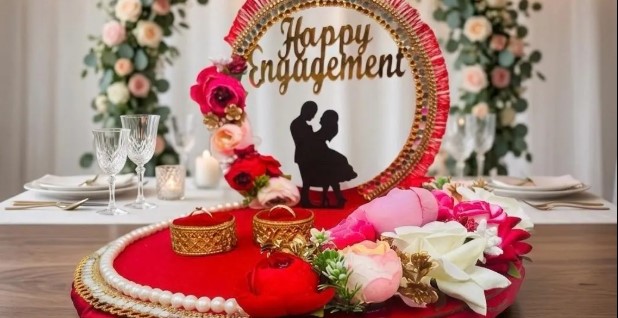 Decorative Ring Ceremony Trays
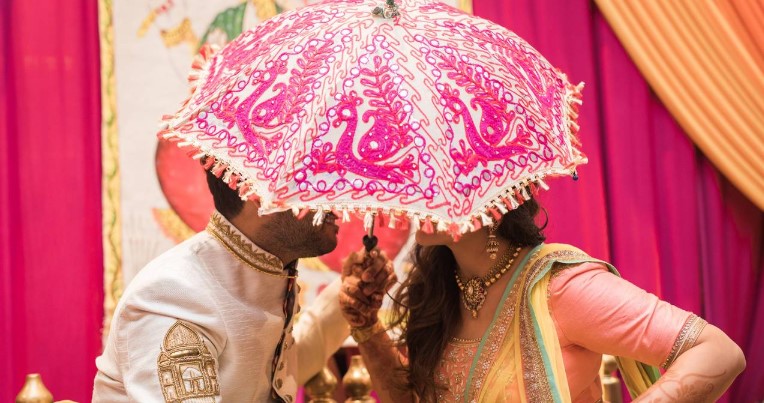 Decorative Ritual Umbrella Collection
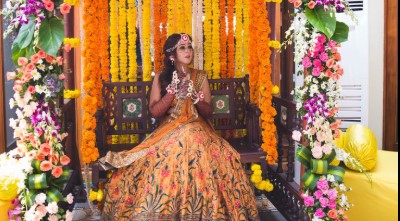 Decorative Wedding Swing Setup
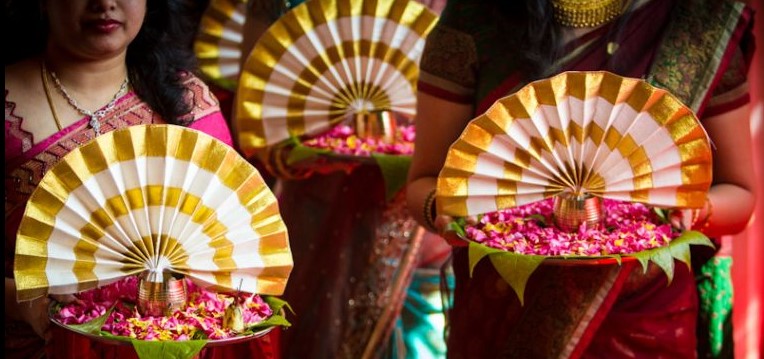 Decorative Wedding Thalam Collections
 Designer Groom Floral Accessories
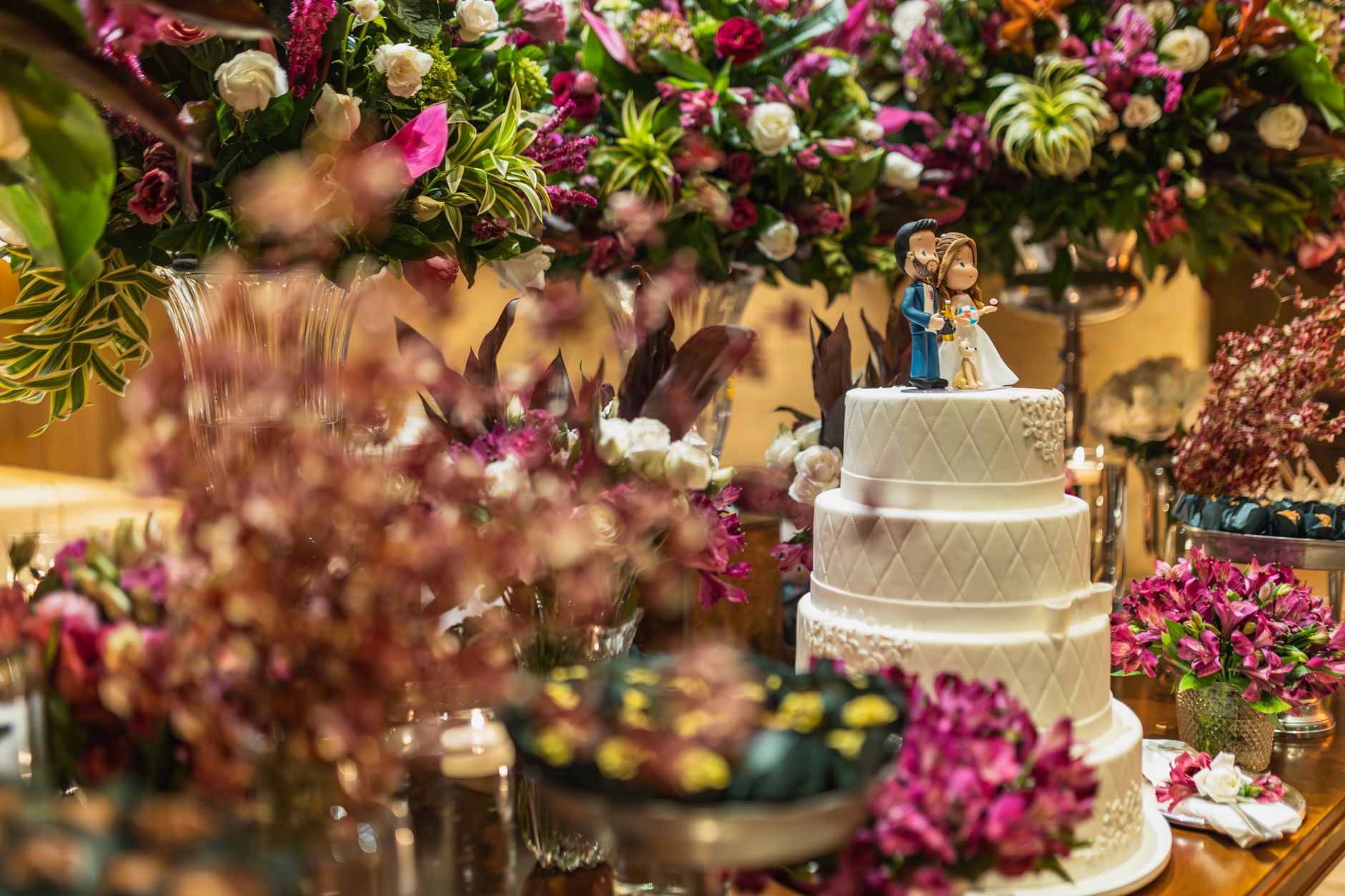 Designer Wedding Cake Accessories
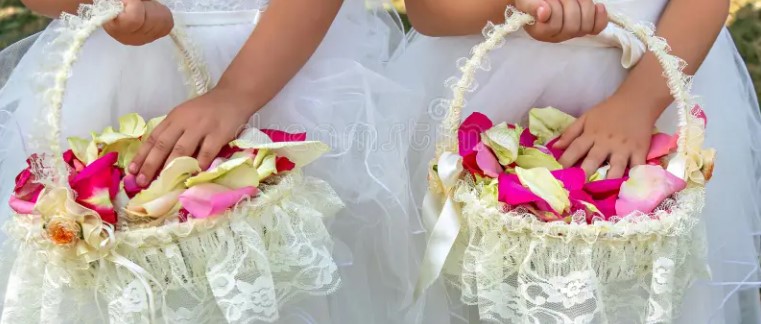 Flower Girl Basket Collections
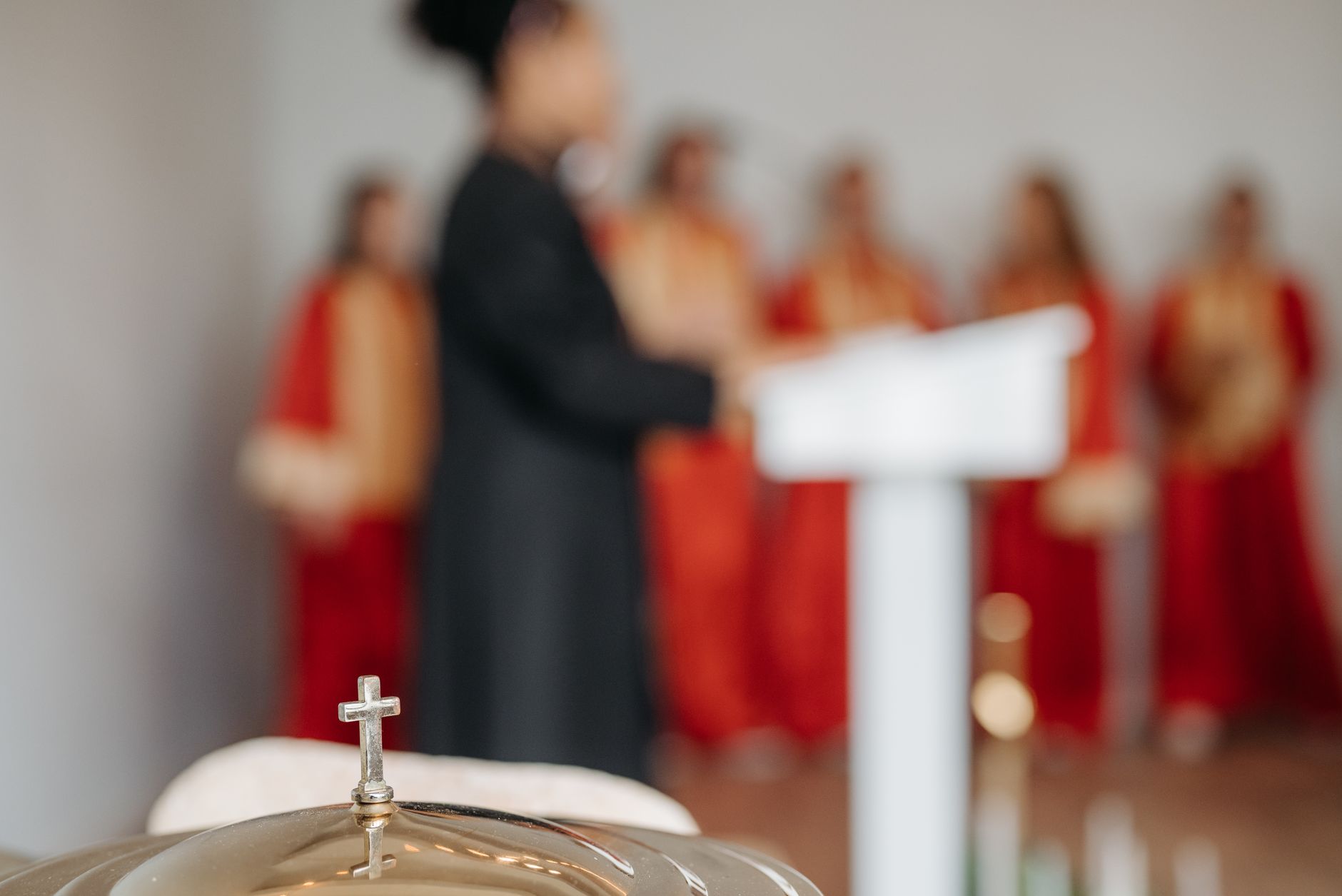 Gospel Vocal Ensemble
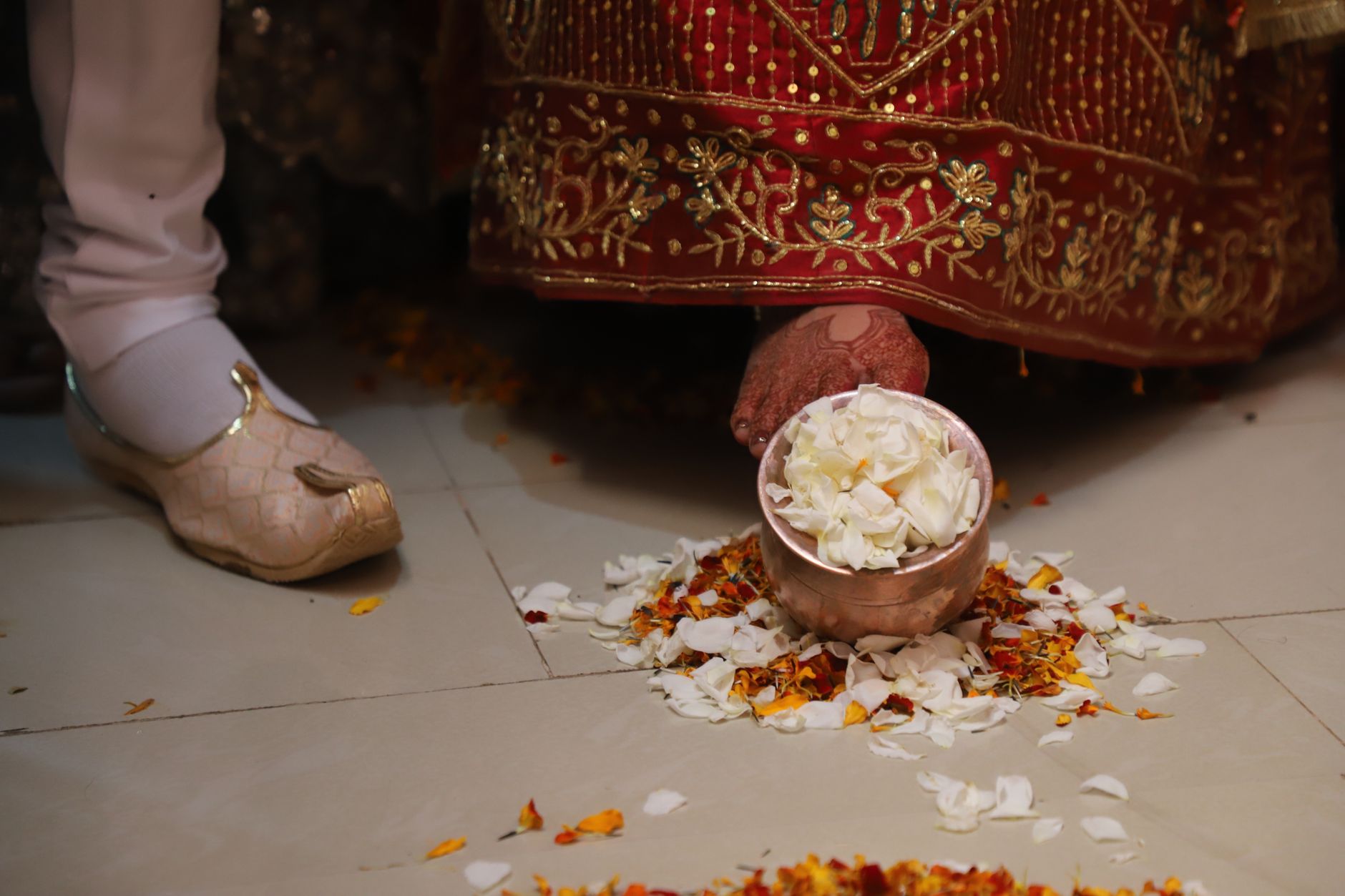 Gujarati Mameru Tray Sets
 Homemade Wedding Delicacies
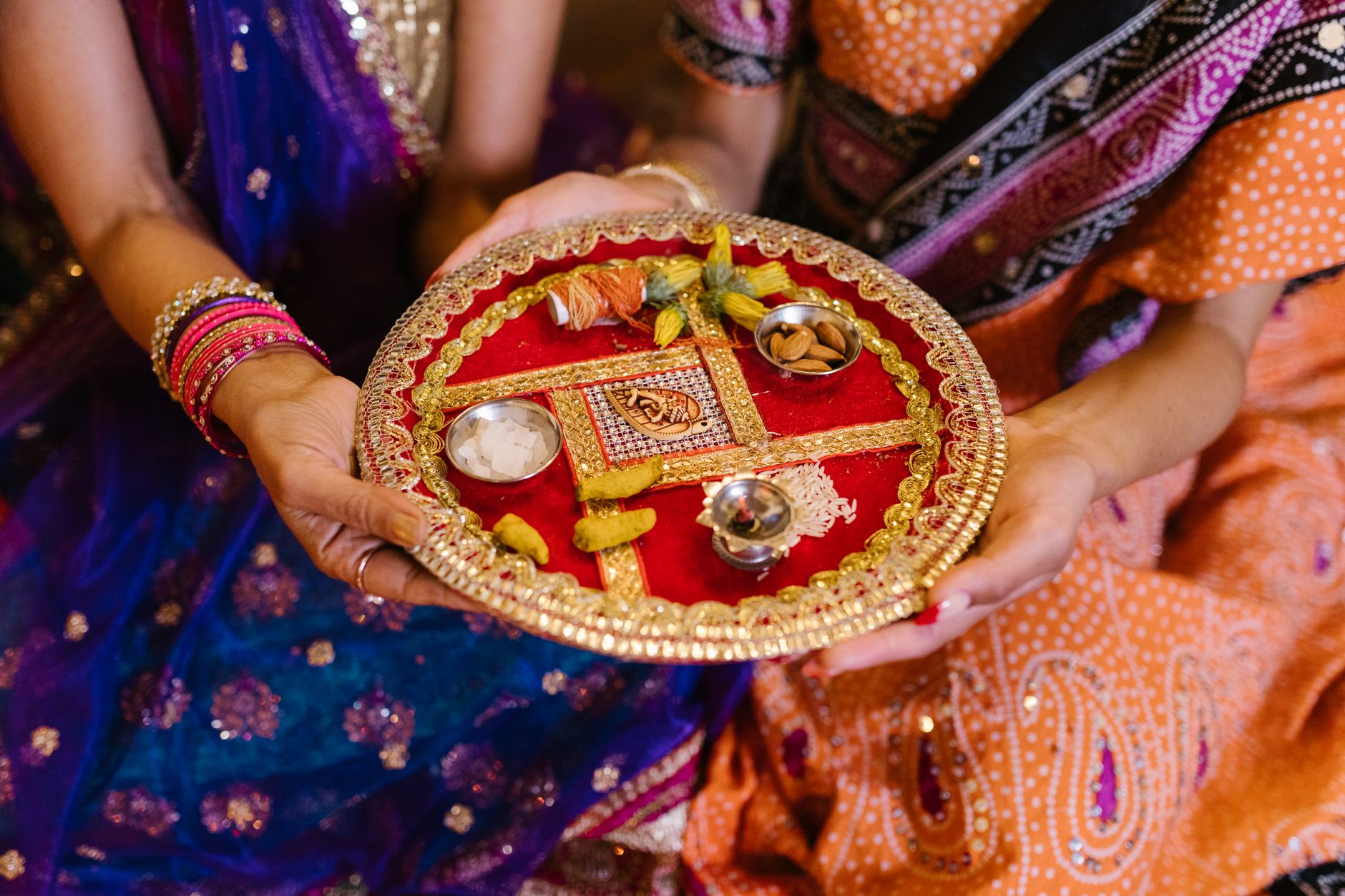 Jain Navkar Gathering Materials
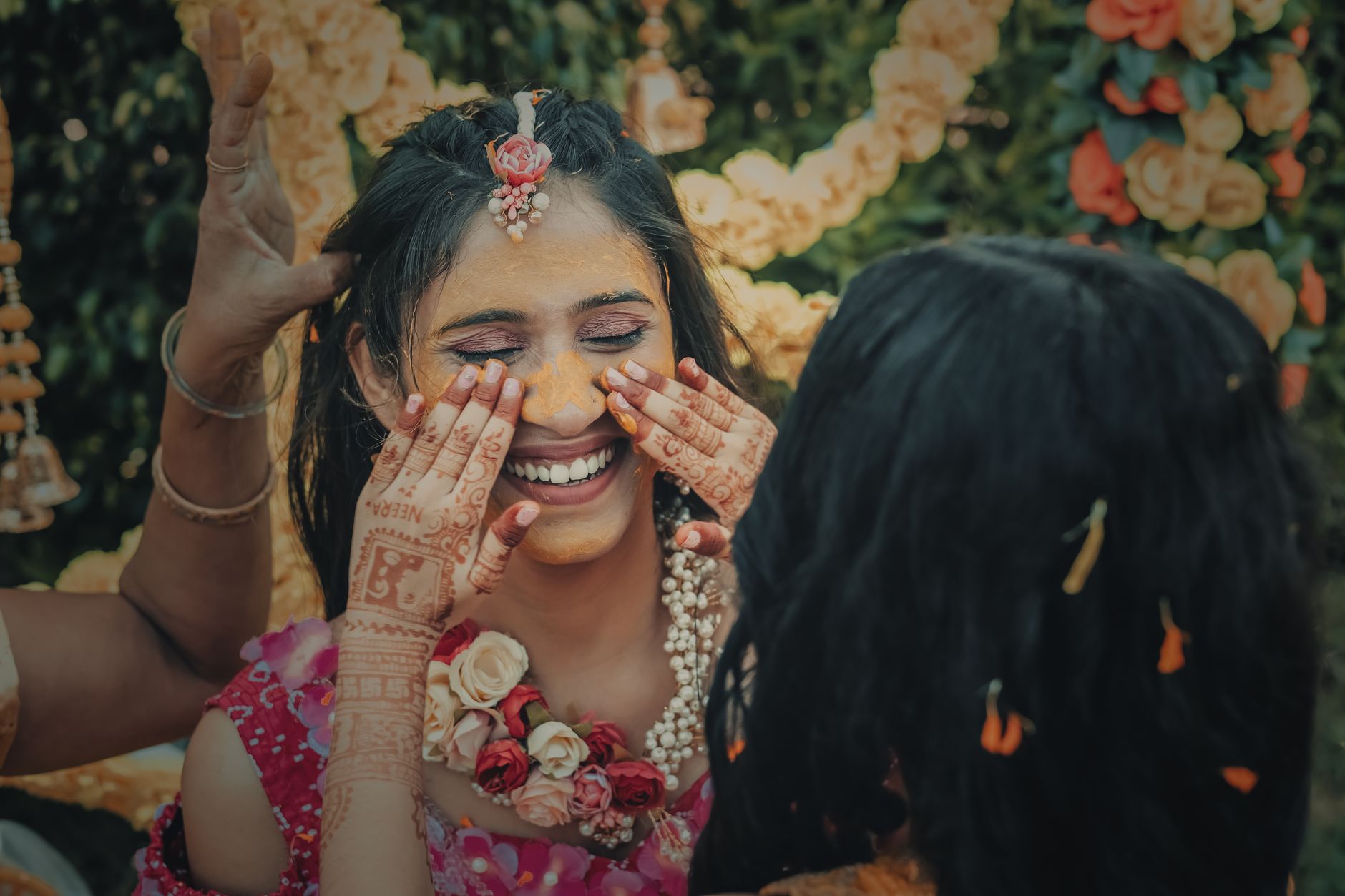 Kannada Arishina Sets
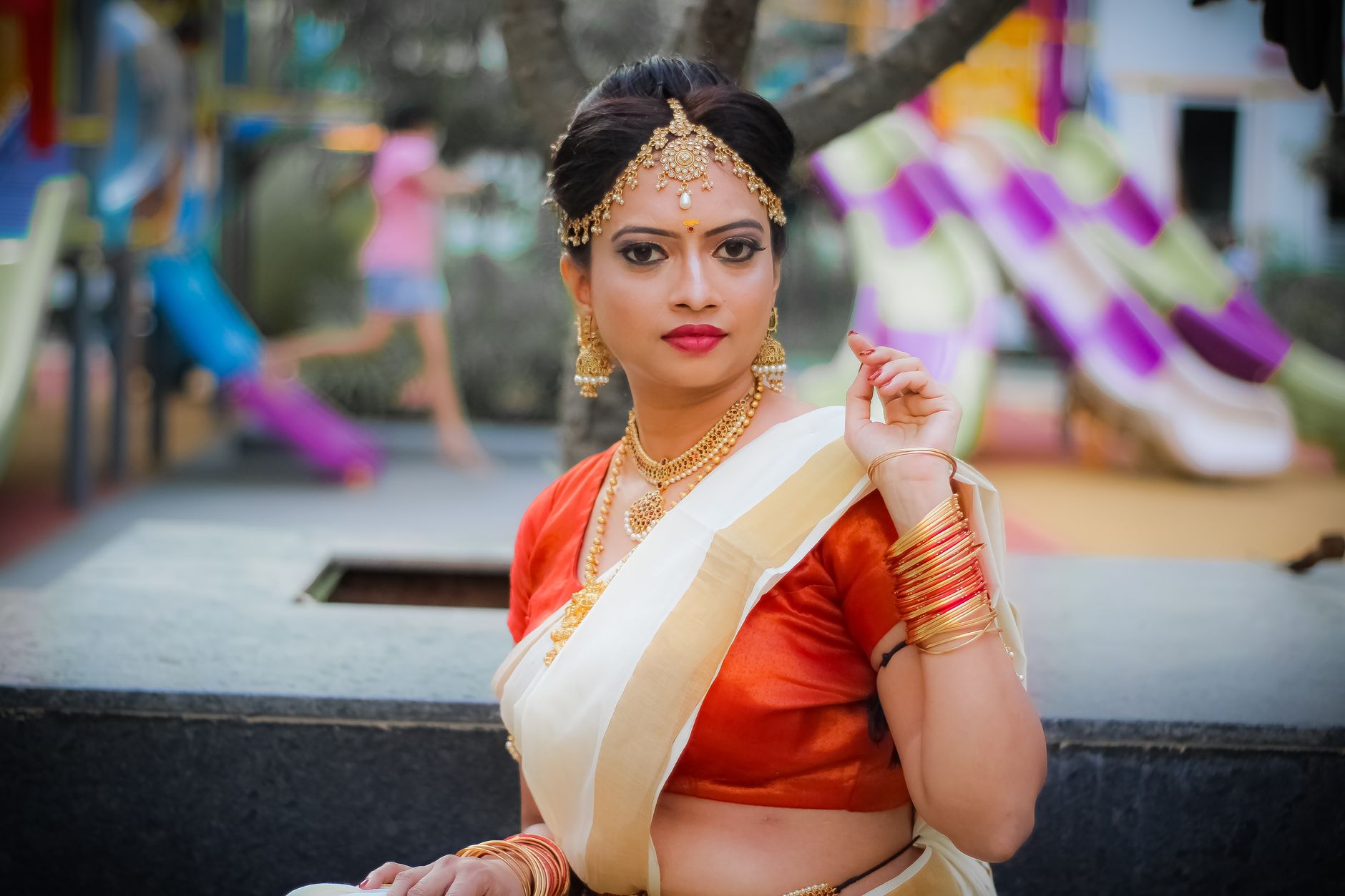 Kerala Thalikettu Accessories
 Live Spiritual Music Performances
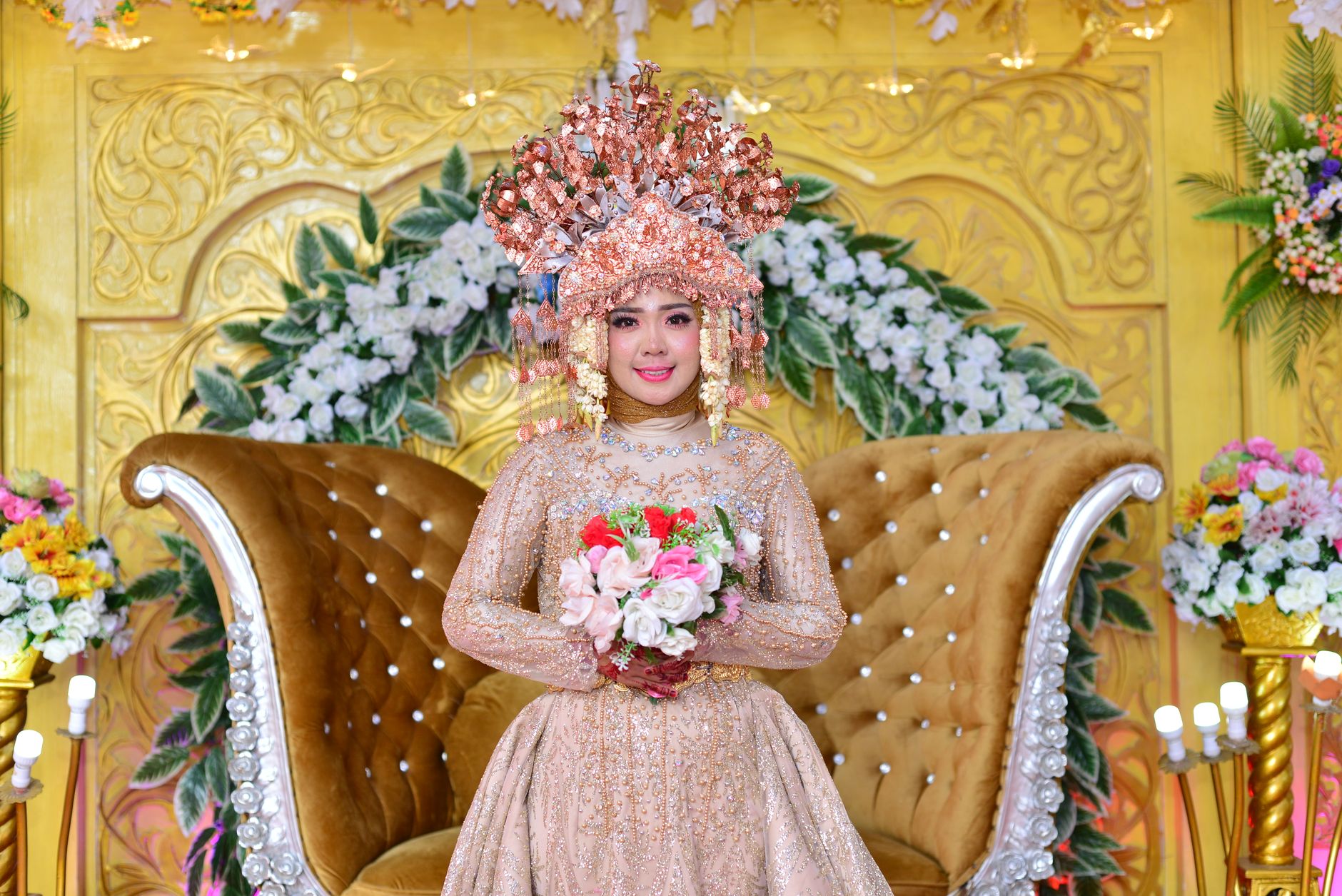 Luxury Bridal Flower Collections
 Luxury Ceremony Car Decorations
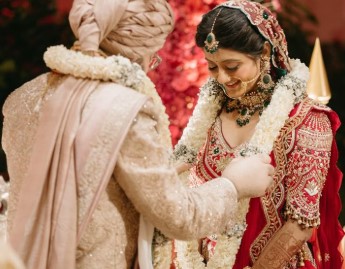 Luxury Varmala Collections
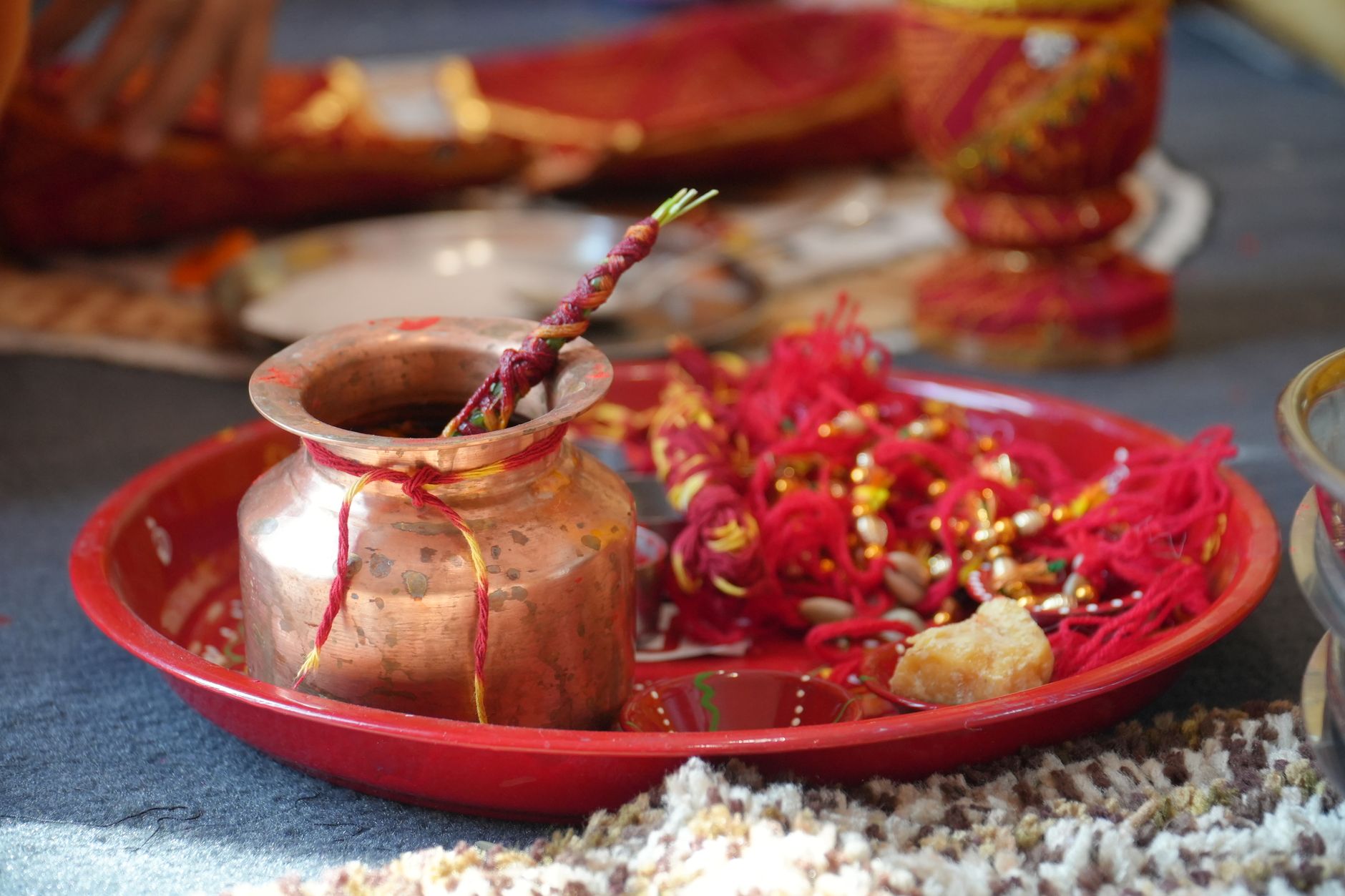 Marwari Shagun Thali Sets
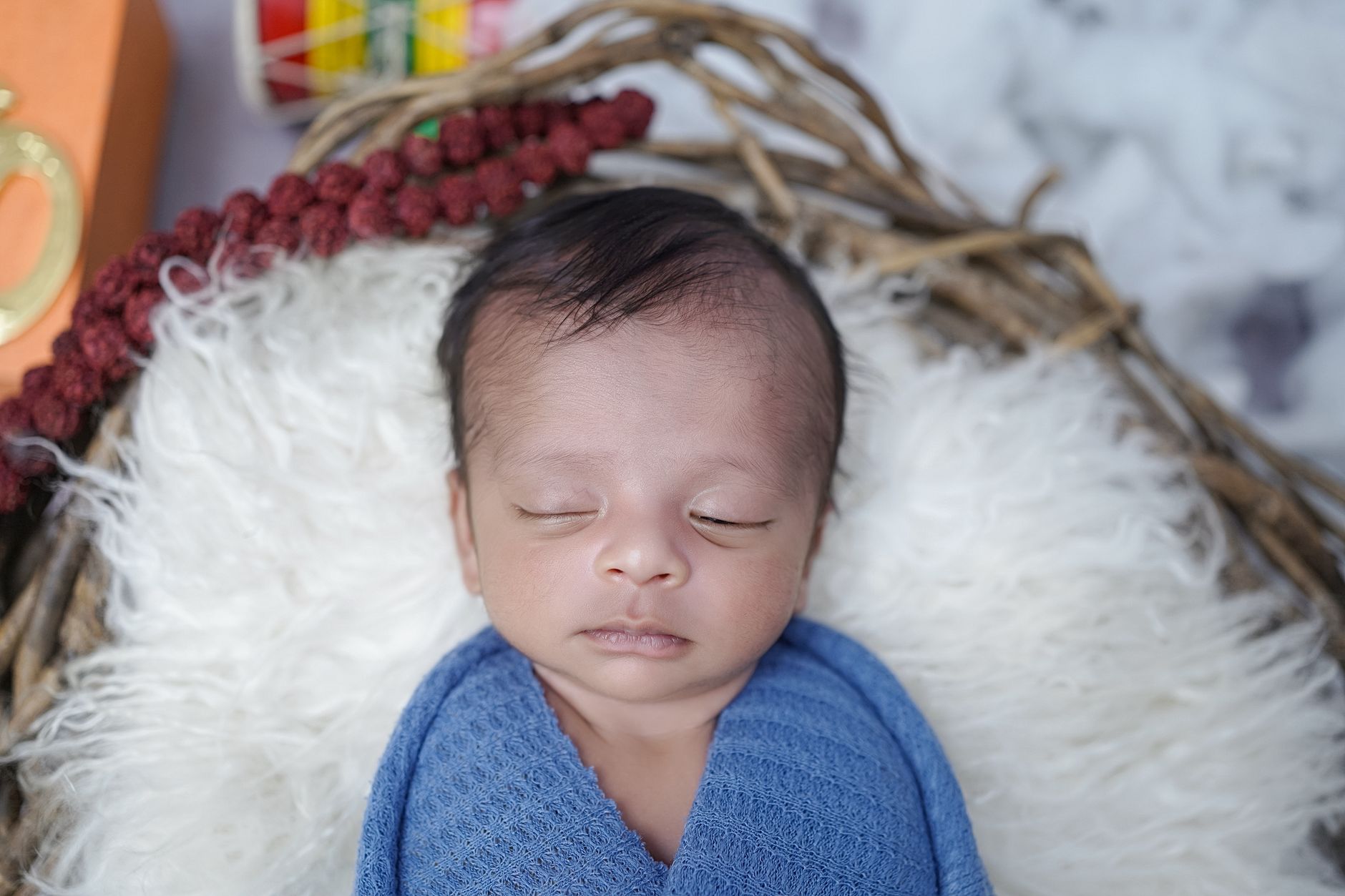 Naamkaran Jhula Hire
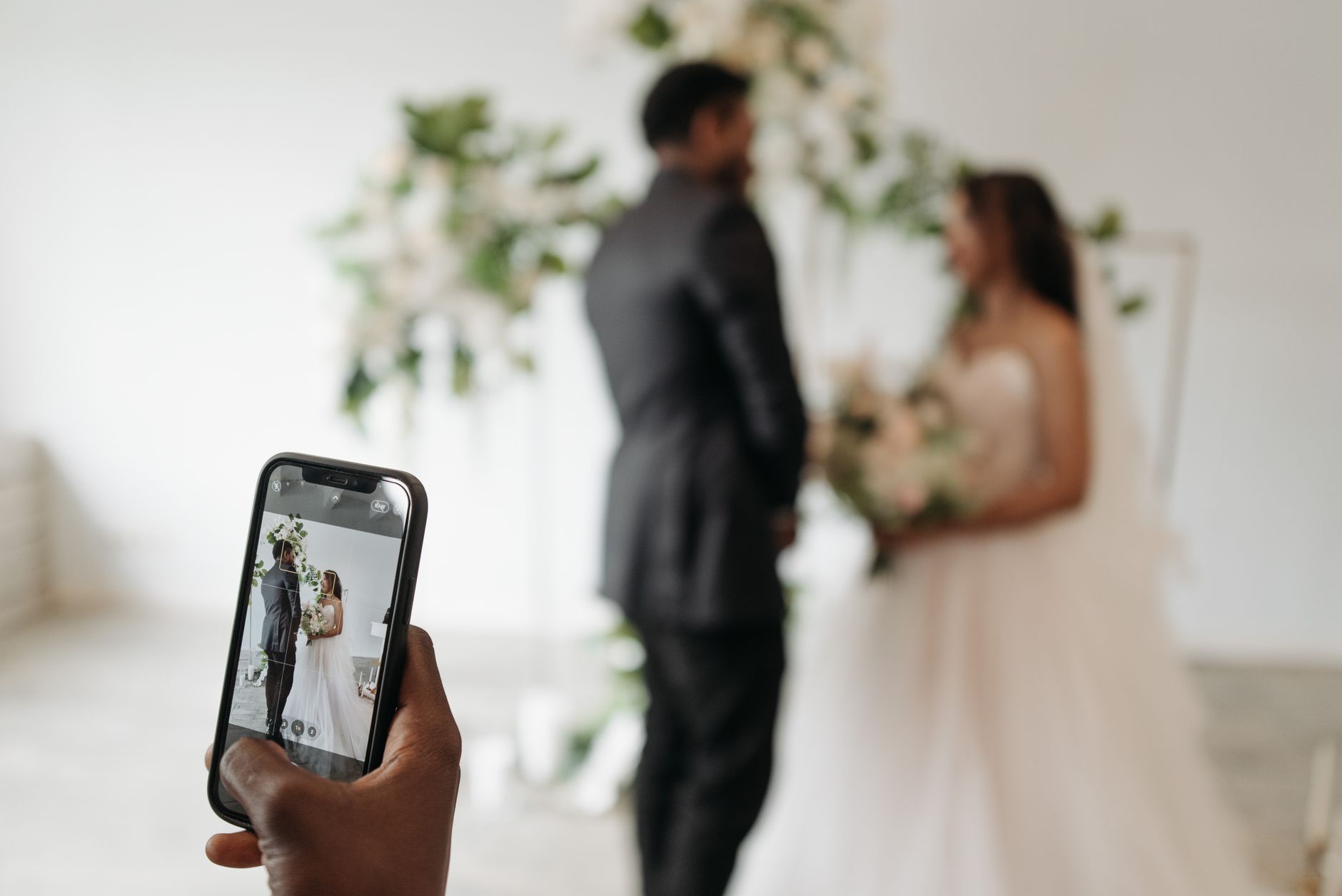 Online Ritual Streaming Solutions
 Personalized Wedding Keepsakes
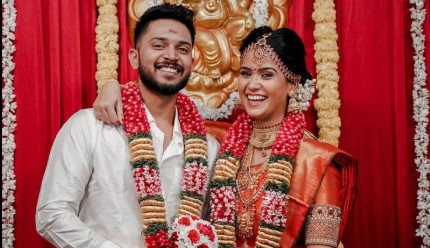 Premium Floral Garland Exchange Collections
- 400+Curated Events
- 6Event Universes
- 1000+Verified Vendors
- 70+Locations
- 24/7Customer Support


Not sure which packages fits your celebration?
Let Hiya & Hanu help you find the perfect match!
Explore Celebration Packages- AI-Powered MatchingSmart suggestions for you
- Budget OptimizerGet the best experiences in your budget
- End-to-End SupportWe are with you at every step
Serving Celebrations across 75+ locations in India
Authentic Religious Ceremony Services for Meaningful Traditional Family Celebrations
◆Religious ceremonies hold a special place in family life, bringing people together through faith, tradition and shared values. When an occasion is planned with care, every part of the celebration can reflect its cultural and spiritual importance. Authentic religious ceremony services help families organise these occasions while maintaining the traditions, rituals and customs that make them personally meaningful. From selecting an appropriate venue to arranging religious professionals, décor, catering and guest facilities, thoughtful coordination can make the entire experience more comfortable and organised.
Understanding the Value of Authentic Religious Ceremonies
An authentic religious ceremony is more than a formal gathering. It can represent family heritage, spiritual beliefs and traditions that have been followed across generations. The order of rituals, choice of sacred items, participation of family members and timing of important customs may all have significance.
Choosing authentic religious ceremony services allows families to approach their celebration with greater attention to these details. Rather than treating every event as a standard function, professional planning can consider the specific traditions associated with the occasion. This helps preserve the character of the ceremony while making practical arrangements easier for hosts and guests.
Authenticity does not necessarily mean creating a highly elaborate event. It means ensuring that the important elements of the ceremony are respected and presented appropriately. Families can therefore create celebrations that feel genuine while still benefiting from modern event coordination.
Planning Around Family Traditions
Every religious community and family may have its own way of observing important occasions. Before making arrangements, families should identify the essential rituals, prayers, customs and ceremonial requirements that need to be included.
Authentic religious ceremony services can support this process by helping organisers create a clear event plan based on the family's traditions. The planning stage may cover the ceremony schedule, required religious items, seating arrangements, guest participation and venue requirements.
It is also useful to discuss the ceremony with knowledgeable family members or appropriate religious professionals. Their guidance can help confirm which traditions should be followed and how different parts of the occasion should be arranged.
Selecting a Suitable Ceremony Venue
The venue can have a significant influence on the comfort and atmosphere of a religious gathering. Depending on the occasion, families may choose a place of worship, community hall, private residence, dedicated function venue or another appropriate location.
When comparing religious event venues, practical considerations should be reviewed alongside cultural requirements. Space for rituals, accessibility, seating, cleanliness, parking, guest movement and facilities should all be considered.
Ceremony venue selection should also take account of the number of guests and the expected duration of the event. A venue that is too small can make the occasion uncomfortable, while an excessively large space may reduce the sense of intimacy that families want.
For ceremonies involving specific religious practices, it is important to confirm whether the venue permits the required arrangements. Early communication can prevent avoidable difficulties on the day.
Respectful Decoration and Sacred Spaces
Decoration can enhance the setting without distracting from the spiritual character of the occasion. The most effective approach is often to combine visual elegance with cultural appropriateness.
Traditional ceremony decorations may include flowers, fabric elements, lamps, traditional motifs, entrance arrangements and carefully selected ceremonial features. Colours, materials and decorative symbols can be chosen according to family preferences and the nature of the occasion.
Religious event decoration should always respect the space in which the ceremony is taking place. Sacred areas should remain accessible and uncluttered, particularly when guests, priests or other religious professionals need to move around during rituals.
Families looking for authentic religious ceremony services can discuss decoration requirements during the initial planning stage. This makes it easier to coordinate the décor with the ceremony schedule rather than treating decoration as a separate activity.
Working With Religious Professionals
Religious professionals can play an important role in ensuring that ceremonies follow the appropriate traditions. Depending on the faith and occasion, this may include priests, officiants, spiritual advisers or other authorised ceremonial specialists.
Their involvement can help families understand the sequence of rituals, necessary preparations and appropriate ceremonial practices. It can also give hosts greater confidence when organising occasions that involve several traditional elements.
When arranging priest and officiant services, families should confirm availability, ceremony timing, location and any specific requirements well in advance. Clear communication between the family, venue and religious professional can help avoid confusion.
A well-coordinated ceremony gives religious professionals the space and time required to conduct important traditions without unnecessary interruptions.
Creating a Comfortable Experience for Guests
A meaningful religious ceremony should also consider the experience of everyone attending. Guests may include children, elderly relatives, close family members, friends and people travelling from different locations.
Seating should be arranged so that important parts of the ceremony can be viewed comfortably. Elderly guests may benefit from easily accessible seating, while families with young children may appreciate convenient access to facilities.
Signage, guest reception arrangements and clear information about the ceremony schedule can also make the occasion easier to navigate. Where guests are unfamiliar with certain traditions, a simple explanation from the host or event organiser can help everyone participate respectfully.
Catering That Complements the Occasion
Food is often an important part of family religious gatherings. Depending on the tradition, the menu may include vegetarian dishes, traditional preparations, ceremonial food or specific items associated with the occasion.
Ceremonial catering services should be selected according to the family's requirements rather than simply choosing a standard event menu. Dietary needs, serving arrangements, meal timing and the number of guests should be considered during planning.
If food forms part of a religious ritual, families should communicate the relevant requirements clearly to the caterer. This can help ensure that preparation and serving are handled appropriately.
Good catering coordination also prevents meal service from interfering with important parts of the ceremony.
Preserving Cultural Identity Through the Celebration
Religious ceremonies can provide an opportunity for younger family members to understand their cultural heritage. When traditions are explained and included thoughtfully, children and younger relatives can become more familiar with customs that may otherwise be difficult to understand.
Cultural ceremony services can help families combine traditional practices with practical modern arrangements. The objective is not to change the meaning of the ceremony but to make the occasion easier to organise and more comfortable for everyone involved.
Photography and video planning can also help preserve memories of the celebration. Families should consider the appropriate moments to capture while ensuring that photography does not interfere with prayers or sacred rituals.
Managing the Event Schedule
A clear schedule can make a significant difference to the smooth running of a religious occasion. The plan may include venue preparation, arrival of religious professionals, guest reception, ceremonial activities, photography, meals and closing arrangements.
The ceremony timeline should allow sufficient time for important rituals instead of creating unnecessary pressure. Some traditions may have specific timings or sequences, so these should be incorporated before other event activities are finalised.
Genuine sacred event planning focuses on balancing tradition with practical coordination. It allows families to understand what needs to happen, when it should happen and who is responsible for each part of the occasion.
Choosing Reliable Event Support
Organising a religious ceremony often involves coordinating several suppliers. These may include decorators, caterers, venue teams, photographers, religious professionals and other event service providers.
Working with suitable religious event vendors can reduce the amount of coordination required from family members. Instead of managing every supplier independently, hosts can establish clear responsibilities and timelines.
Supplier selection should consider experience, communication, reliability and understanding of the ceremony's requirements. Previous experience with similar cultural or religious events can also be useful.
The goal of professional coordination is to allow the family to focus on the meaning of the occasion rather than constantly dealing with logistical issues.
Planning the Budget Thoughtfully
A carefully prepared budget helps families make sensible decisions without compromising the important aspects of the ceremony. Costs can include venue hire, religious services, decoration, catering, photography, seating, transportation and other event requirements.
Families should distinguish between essential ceremonial expenses and optional enhancements. This makes it easier to prioritise spending according to the importance of each element.
Authentic religious ceremony services can be planned at different budget levels. Authenticity does not depend on expensive decoration or elaborate production. The most important consideration is that the ceremony respects the family's traditions and creates a meaningful experience.
Supporting Traditional Rituals With Modern Organisation
Modern event planning tools can make traditional ceremonies easier to manage. Guest lists, schedules, supplier coordination and venue arrangements can all be organised in advance.
This does not mean replacing traditional practices with modern ones. Instead, good planning provides a practical framework that allows traditional rituals to take place without unnecessary disruption.
Families can use checklists, timelines and supplier confirmations to keep track of important details. A designated coordinator can also help communicate with vendors and respond to practical questions during the event.
Creating a Meaningful Family Occasion
The most memorable religious celebrations are often those where the family feels connected to the occasion. The atmosphere does not need to be extravagant. Thoughtful traditions, familiar customs, respected rituals and the presence of loved ones can make the event deeply meaningful.
With authentic religious ceremony services, families can bring these elements together through organised planning while maintaining the character of their traditions.
Whether the occasion is a family religious function, traditional ritual, spiritual gathering or another important milestone, careful preparation helps create an experience that feels sincere and memorable.
Why Choose Happiffie for Religious Ceremony Planning
Happiffie can help families explore event planning requirements, suitable service providers and celebration arrangements for meaningful occasions. From venue considerations and decoration planning to catering and professional coordination, the right support can simplify the preparation process.
Families can discuss their requirements, cultural preferences, guest expectations and budget before deciding which services are most appropriate. This personalised approach makes it easier to create an occasion that feels both traditionally meaningful and practically well organised.
When traditions matter, every detail deserves thoughtful attention. Authentic religious ceremony services provide a structured way to coordinate the practical side of the event while keeping the family's customs and values at the centre of the celebration.
Frequently Asked Questions
1. What are authentic religious ceremony services?
Authentic religious ceremony services provide planning and coordination support for religious occasions while respecting traditional rituals, cultural practices and family preferences.
2. Why is authenticity important when planning a religious ceremony?
Authenticity helps ensure that important traditions, rituals and cultural elements are respected, allowing families to celebrate an occasion in a way that reflects their beliefs and heritage.
3. How early should a religious ceremony be planned?
Ideally, planning should begin several weeks or months in advance, depending on the ceremony's complexity, venue availability, religious requirements and number of guests.
4. What should I consider when choosing a religious ceremony venue?
Consider the venue's capacity, accessibility, location, facilities, seating, suitability for rituals, guest comfort and whether the required religious arrangements are permitted.
5. Can traditional religious ceremonies include modern event planning?
Yes. Modern planning can improve scheduling, supplier coordination, guest management and venue preparation while allowing traditional rituals to remain central to the occasion.
6. How can religious ceremony decorations remain authentic?
Use culturally appropriate flowers, colours, fabrics, symbols and traditional decorative elements while keeping sacred areas clear and respecting the character of the ceremony.
7. Do I need a priest or religious officiant?
This depends on the religion, ceremony and family tradition. Where an authorised religious professional is required, their availability and ceremonial requirements should be confirmed early.
8. Can catering be customised for religious ceremonies?
Yes. Menus can be adapted to suit traditional food preferences, dietary requirements, ceremonial practices and the expected number of guests.
9. How can I make the ceremony comfortable for elderly guests?
Provide accessible seating, easy venue access, suitable facilities and clear information about the ceremony schedule. Keeping unnecessary walking or waiting to a minimum can also improve comfort.