
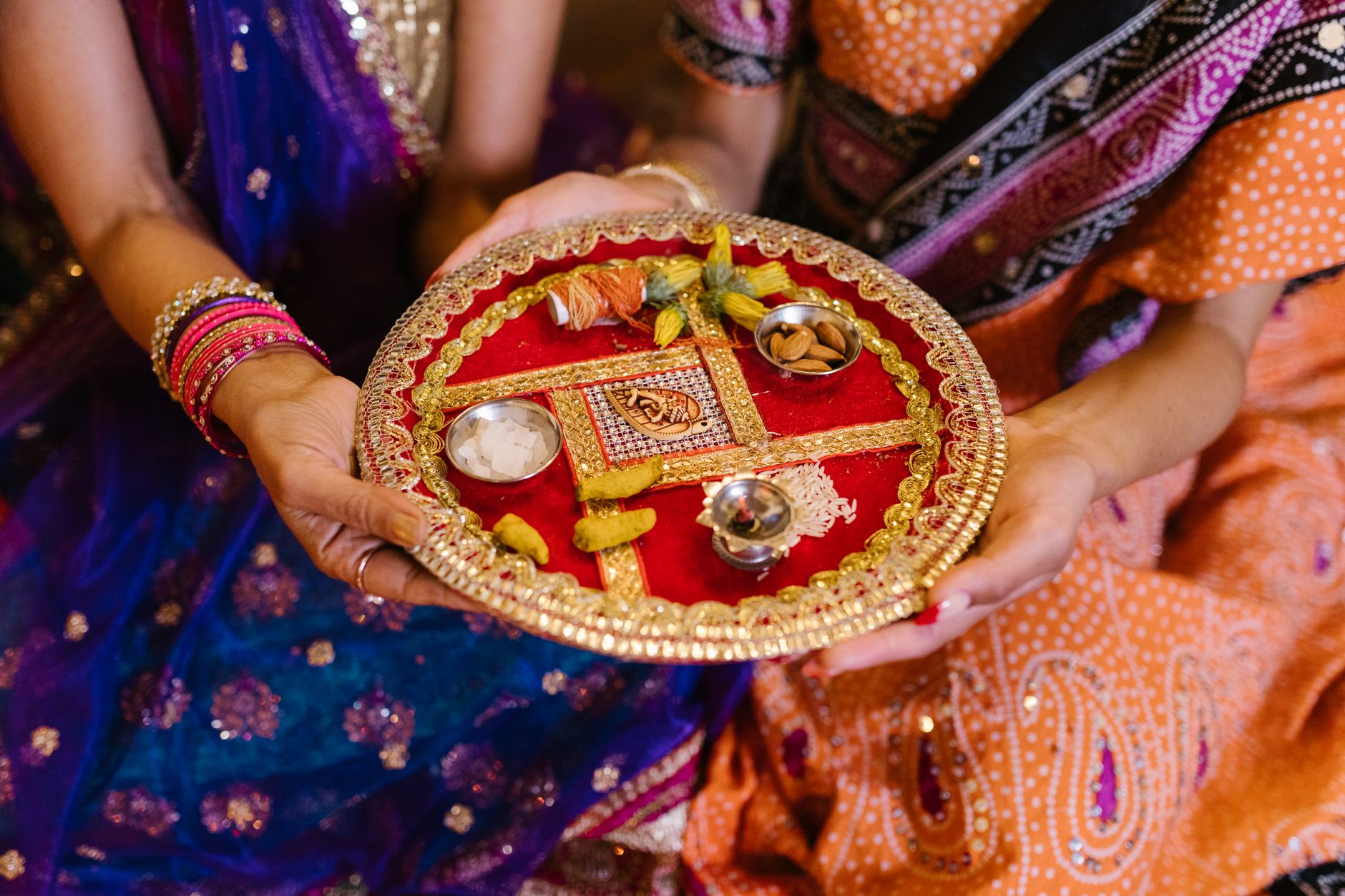
Sacred Navkar Gathering Materials, Delhi
Religious cermony in Delhi
Jain Navkar Gathering Materials: Complete Delhi Guide
Organising a devout Navkar ceremony in Delhi calls for far more than good intentions — the right Jain Navkar Gathering Materials set the spiritual tone and ensure every ritual unfolds without interruption. From pure cotton aasans and copper kalash to fragrant agarbatti and saffron-hued flower offerings, each item carries religious significance that families and samaj committees must not overlook. Whether you are coordinating a small home puja in Paschim Vihar or a large community satsang at a dharamshala in Karol Bagh, sourcing quality Navkar Mantra puja samagri on time is the first step toward a flawless, auspicious occasion. Happiffie connects Delhi families with trusted suppliers and event professionals who understand Jain traditions deeply.
Quick Answer
Jain Navkar Gathering Materials are the complete set of ritual items required to conduct a Navkar Mantra-based Jain ceremony. They typically include a panch-dhatu or copper puja thali, pure incense sticks, keshar (saffron), rice, flowers without roots, a brass or silver diya, clean white cloth aasan, and printed Navkar Mantra cards. In Delhi, these materials are available from specialised Jain pooja stores in areas like Karol Bagh, Chandni Chowk, and Rohini, with prices ranging from ₹500 to ₹8,000 depending on kit size and material quality.
What Exactly Are Jain Navkar Gathering Materials?
Jain Navkar Gathering Materials refer to the curated collection of ritual objects used specifically during Navkar Mantra recitation gatherings, whether in a home, a Jain temple, or a community hall. The Navkar Mantra is the most sacred prayer in Jainism, paying homage to the Panch Parameshthis — Arihantas, Siddhas, Acharyas, Upadhyayas, and Sadhus. Accordingly, every material used in the ceremony must reflect the principles of ahimsa and purity. Core Navkar Mantra puja samagri includes rootless flowers (usually white or yellow marigold petals), pure incense sticks made without animal-derived ingredients, a clean white cloth aasan, uncooked rice (akshata), sandalwood paste, saffron (keshar), a brass or silver diya with pure ghee or sesame oil, a copper kalash filled with clean water, and printed or embroidered Navkar Mantra scrolls for group chanting. Many families in Delhi also include a small Tirthankar idol or framed image as the focal point of the puja space. Sourcing these as a cohesive Jain pooja kit Delhi rather than piecemeal saves time and ensures ritual correctness.
Where to Source Quality Navkar Puja Essentials in Delhi
Delhi has several concentrated markets where Jain religious ceremony supplies are available in both retail and wholesale quantities. Chandni Chowk's Kinari Bazaar stocks embroidered puja cloths, silver diyas, and decorative kalash at competitive prices. Karol Bagh is home to dedicated Jain puja stores that carry pre-assembled Navkar puja essentials including aasan sets and agarbatti bundles certified as plant-based. Rohini Sector 7 and Paschim Vihar have newer stores catering to the large Jain samaj in West Delhi, offering doorstep delivery for bulk ceremony orders. For families planning a religious gathering venue Delhi-wide, online aggregators and Happiffie-listed vendors can courier full Jain Navkar Gathering Materials kits within 24-48 hours across all Delhi NCR pin codes. Always verify that incense, diya oil, and food offerings are certified Jain-friendly — free from leather, bone char, or root vegetables — before finalising your purchase. Prices for a standard home-ceremony kit run between ₹800 and ₹2,500, while a community satsang kit for 50-plus attendees typically costs ₹4,000 to ₹10,000.
How Much Does a Complete Jain Navkar Gathering Materials Kit Cost in Delhi?
Budgeting correctly is central to auspicious ceremony budget planning. A basic Navkar puja essentials kit for a home gathering of up to 15 people — covering aasan, diya, incense, akshata, flowers, and a mantra scroll — costs approximately ₹500 to ₹1,200 from Chandni Chowk or Karol Bagh markets. A mid-range Jain pooja kit Delhi, which adds a copper kalash, sandalwood paste, saffron, and a small Tirthankar frame, is priced between ₹1,500 and ₹3,500. For large community events hosted at dharamshalas or banquet halls in areas like Pitampura or Lajpat Nagar, a comprehensive Jain Navkar Gathering Materials package including decorator-arranged puja mandap, flower decoration, and 100-plus printed mantra booklets can range from ₹12,000 to ₹40,000 depending on material grade and labour. Premium kits using silver-plated thalis, pure silk aasans, and hand-rolled agarbatti from Jain vendors may push costs to ₹60,000 or above for large satsangs. Understanding this range helps families and samaj committees allocate budgets meaningfully without compromising on ritual sanctity.
Jain Festival Decoration Ideas That Complement Your Ceremony Space
Beyond the core Jain Navkar Gathering Materials, thoughtful decoration amplifies the devotional atmosphere. Jain festival decoration ideas rooted in tradition favour white, yellow, and saffron colour palettes — colours associated with purity, knowledge, and spiritual warmth. String marigold torans above entrances, place earthen diyas along the pathway, and use white rangoli patterns featuring the Ashtamangal (eight auspicious symbols) at the puja entrance. Banana leaf arrangements and lotus motifs are widely used for mandap decoration at Jain ceremonies. Avoid decoration elements that conflict with ahimsa — leather-based items, feathers, or animal motifs are strictly excluded. For a modern yet respectful touch, brass lanterns and hand-knotted white cotton bunting work beautifully in community halls across South Delhi neighbourhoods like Greater Kailash and Hauz Khas. A reliable Jain event planning checklist should include decoration approval by a knowledgeable elder or pujari to ensure every visual element aligns with the samaj's expectations. Happiffie-listed decorators experienced in Jain ceremonies can supply and install compliant decor, often as part of a bundled package with Navkar Mantra puja samagri procurement.
What Is a Reliable Jain Event Planning Checklist for a Navkar Gathering?
A structured Jain event planning checklist prevents last-minute disruptions at any Navkar gathering. Begin by confirming the muhurat (auspicious time) with a Jain pandit or acharya at least three weeks before the event. Next, finalise your religious gathering venue Delhi — options include Jain temples with community halls, private dharamshalas, or clean banquet spaces that permit religious ceremonies. Procure all Jain Navkar Gathering Materials at least one week in advance so you have time to replace any item that does not meet ritual standards. Arrange seating — pure white or yellow cushions on the floor — for attendees, keeping men and women in the traditionally prescribed sections if the samaj observes that custom. Prepare printed or laminated Navkar Mantra booklets for group chanting. Organise sattvic prasad (typically sugar mishri, dry fruits, or kheel) in advance. Ensure sound arrangements (microphone, speakers) are available for the lead chanter. Finally, designate a responsible person to manage material distribution during the puja so the ceremony flows without interruption. Cross-referencing this checklist against your Navkar puja essentials order eliminates the most common gaps families experience on the day.
Jain Navkar Gathering Materials: Setup Options Compared
Expert Recommendation
Best for intimate home puja (up to 15 guests)
Best for mid-size samaj gathering (25-50 guests)
Best for large community satsang (100+ guests)
Best for budget-conscious families
Best for traditional / orthodox ceremonies
Best for modern community events at banquet venues
How to Choose the Right Option
✅ Pre-booking Checklist
- Confirm muhurat with a Jain acharya or knowledgeable elder at least three weeks before the ceremony
- Finalise the religious gathering venue Delhi — temple hall, dharamshala, or private banquet space — and verify ahimsa-compliant policies
- List all required Jain Navkar Gathering Materials against a standard checklist and cross-check with your samaj's specific tradition
- Place orders for Navkar Mantra puja samagri at least 7-10 days in advance; extend to 14 days during festival seasons
- Arrange printed or laminated Navkar Mantra booklets for all attendees to facilitate group chanting
- Confirm that all incense, diya oil, and prasad ingredients are free from animal-derived components
- Designate a puja coordinator to manage material distribution and flow on the ceremony day
- Plan sattvic prasad quantities based on confirmed guest count with a 10% buffer
🎯 Selection Criteria
- Ahimsa compliance: every material must be free from leather, bone char, root vegetables, and animal-derived ingredients
- Ritual authenticity: items should align with your specific Jain sect's (Digambar or Shvetambar) ceremonial requirements
- Vendor reliability: prioritise suppliers with verified Jain community references or Happiffie-listed credentials
- Material quality: copper, brass, or silver items for ritual use; pure cotton or silk for aasans and cloths
- Delivery timeliness: confirm guaranteed delivery dates, especially during high-demand Jain festival periods
- Scalability: ensure the kit or package can be scaled up if guest count increases closer to the event
💰 Cost / Quality Factors
- Material grade (copper vs silver-plated vs silver) significantly impacts both cost and ritual prestige
- Bulk procurement from wholesale markets like Chandni Chowk reduces per-unit cost by 20-35% for large events
- Festival seasonality: prices for Jain religious ceremony supplies rise 15-25% during Paryushana and Diwali in Delhi
- Professional decoration and mandap setup adds ₹5,000 to ₹20,000 but substantially elevates the ceremonial atmosphere
- Delivery charges for online or vendor-supplied kits in Delhi NCR typically range from ₹0 to ₹500 depending on order size
- Customisation (embroidered aasans, personalised mantra scrolls) adds 20-40% to base kit cost but creates memorable keepsakes
⚠️ Common Mistakes to Avoid
- Purchasing incense or diya oil without verifying it is plant-based and Jain-certified — a common and serious ritual error
- Underestimating material quantities for large gatherings, leading to shortages during the ceremony
- Booking a religious gathering venue Delhi without confirming it permits religious ceremonies and open-flame diyas
- Ignoring sect-specific differences between Digambar and Shvetambar traditions when assembling Jain Navkar Gathering Materials
- Leaving procurement to the last two days, especially during festival seasons when markets and vendors are overwhelmed
- Overlooking printed Navkar Mantra booklets for attendees, which diminishes group participation and spiritual impact
People Also Ask
What items are included in Jain Navkar Gathering Materials?
Where can I buy Jain pooja kit in Delhi?
How early should I book Navkar puja essentials for a large community event?
Is it necessary to hire a Jain pandit for a Navkar Mantra gathering in Delhi?
What is the estimated budget for Jain Navkar Gathering Materials in Delhi?
What Jain festival decoration ideas work best for a Navkar gathering?
Can I order Jain religious ceremony supplies online for Delhi delivery?
Which Delhi neighbourhoods are best for sourcing Navkar Mantra puja samagri?
Related Experiences on Happiffie
Jain Wedding Supplies in Shimla
Sacred Jain Wedding Pooja Kits
Pune's Best Civic Gathering Venues
Plan Your Perfect Event in Coimbatore
Look Flawless on Your Wedding Day
All Wedding & Event Services
Frequently Asked Questions
What is the difference between Jain Navkar Gathering Materials for Digambar and Shvetambar ceremonies in Delhi?
Can I find Jain Navkar Gathering Materials in South Delhi, or do I need to travel to Chandni Chowk?
How many printed Navkar Mantra booklets should I order for a community satsang?
Are there Happiffie-listed vendors in Delhi who supply Jain Navkar Gathering Materials with same-day delivery?
What sattvic prasad is appropriate for a Navkar gathering in Delhi?
How do I verify that incense sticks in my Jain Navkar Gathering Materials kit are Jain-compliant?
What is a reasonable auspicious ceremony budget planning figure for a Navkar satsang of 75 guests in Delhi?
Is it appropriate to use synthetic flowers in Jain Navkar Gathering Materials?
Key Takeaways
- Jain Navkar Gathering Materials must be ahimsa-compliant — every item from incense to diya oil should be free of animal-derived ingredients
- Delhi's best sourcing hubs for Navkar Mantra puja samagri are Chandni Chowk, Karol Bagh, Rohini, and Paschim Vihar
- Kit costs range from ₹500 for a basic home setup to ₹60,000 or more for a large, premium community satsang
- Booking Jain religious ceremony supplies at least 7-14 days ahead prevents shortages, especially during Paryushana and Das Lakshana
- A pre-assembled Jain pooja kit Delhi saves time and ensures ritual completeness for families without specialised knowledge
- Thoughtful Jain festival decoration ideas — white rangoli, marigold torans, and brass lanterns — enhance devotional atmosphere without compromising ahimsa
- A structured Jain event planning checklist covering venue, materials, prasad, and sound prevents the most common ceremony-day disruptions
- Happiffie connects Delhi families with vetted vendors who understand both the ritual requirements and logistical demands of Navkar gatherings
Plan Your Navkar Gathering with Happiffie
Connect with Delhi's trusted Jain ceremony material suppliers, decorators, and event professionals — all in one place. Get quotes, compare options, and book confidently for your next sacred gathering.
Explore Vendors Now
Are you a Vendor? Grow Your Business with Happiffie!
- High intent verified leads
- Reverse auction opportunities
- AI business tools & insights
- Dedicated vendor dashboard
- Grow your business, your way
It's free & takes less than 2 minutes!