
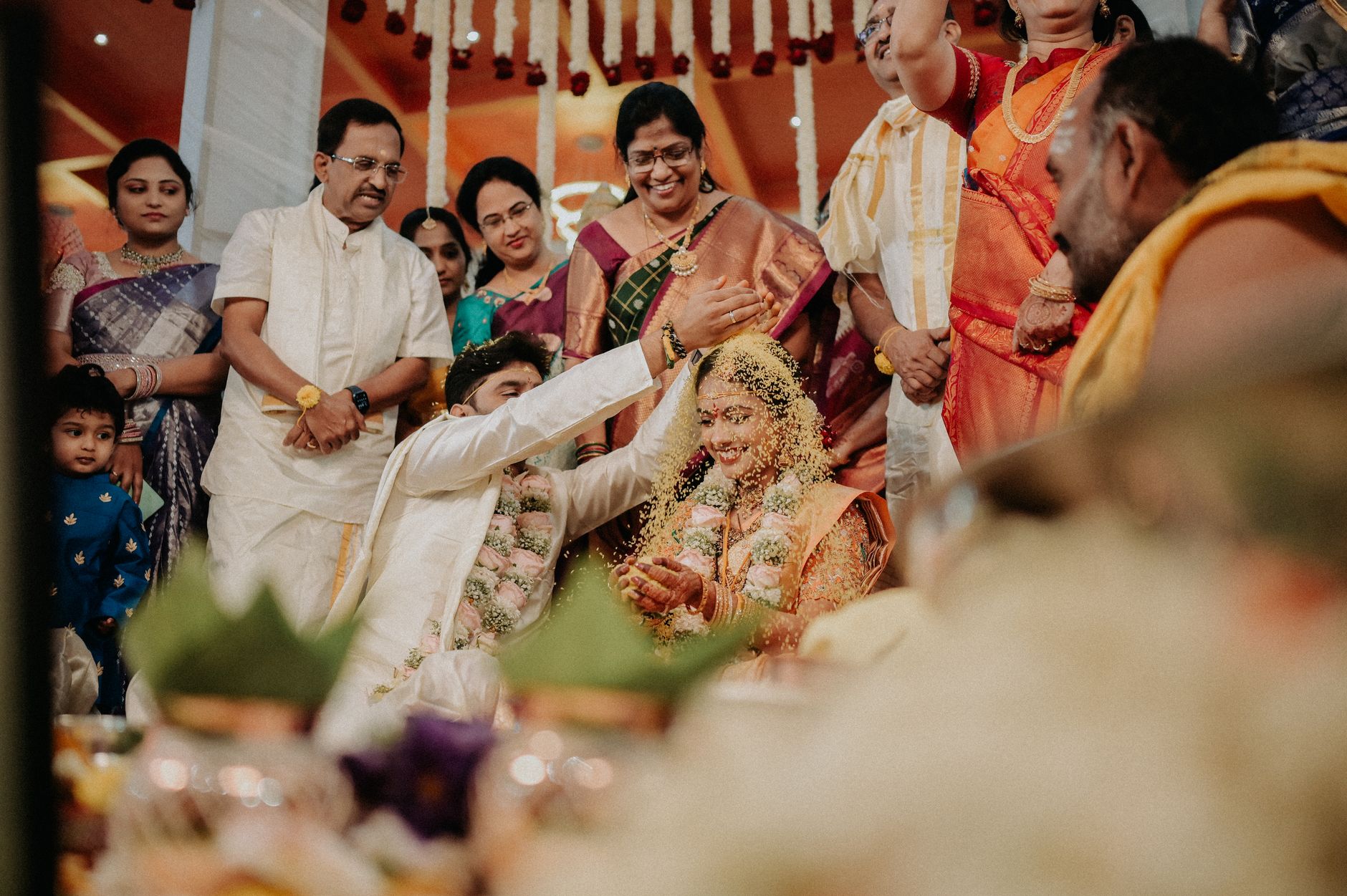
Authentic Kannada Wedding Rituals in Darjeeling
Religious cermony in Darjeeling
Kannada Marriage Ritual Items in Darjeeling: Complete Guide
Planning a Kannada wedding in Darjeeling is a beautiful, layered experience — the mist-kissed hills of the Darjeeling district create an unforgettable backdrop for South Indian customs. Sourcing the right Kannada marriage ritual items in a predominantly Bengali and Nepali cultural region requires careful advance planning. From the sacred Kashi Yatra props to the Saptapadi fire altar, every element of Kannada wedding pooja samagri must be arranged well before the ceremony day. Whether you are hosting a destination wedding in Darjeeling for 50 guests or a grand celebration for 400, Happiffie connects you with verified suppliers and ceremony specialists who understand the nuance of traditional Kannada vivah samagri in this unique hill-city setting.
Quick Answer
Kannada marriage ritual items include sacred pooja supplies used across ceremonies like Nischay Tambol, Kashi Yatra, Vara Pooja, Saptapadi, and Mangalya Dharana. Essential items are: sacred thread (mangalsutra), silver or brass puja thalis, turmeric, kumkum, betel leaves and nuts, banana stems, mango leaves, coconut, camphor, flowers (marigold and jasmine), sacred ash, a homam kund, and dhoti-saree sets for the couple. In Darjeeling, these must typically be pre-ordered from Kolkata, Siliguri, or specialist online suppliers.
What Are Kannada Marriage Ritual Items and Why Do They Matter?
Kannada marriage ritual items are the physical sacraments and symbolic objects that give each ceremony its religious validity and cultural identity. A Kannada wedding is not a single event but a sequence of rituals spread across one to three days — Nischay Tambol (engagement), Haldi, Kashi Yatra, Vara Pooja, Saptapadi, and Mangalya Dharana. Each stage demands specific Kannada shaadi puja items. For example, Kashi Yatra requires a small umbrella, wooden sandals, and a bundle of books symbolising the groom's mock pilgrimage. Saptapadi needs a precisely arranged sacred fire altar with ghee, samagri herbs, and a flat stone. Skipping or substituting items can disrupt the priest's sequence and, more importantly, hold deep emotional significance for families. In a destination wedding in Darjeeling, where local market access to South Indian ritual goods is limited, the stakes of forward planning are considerably higher than in Bengaluru or Mysuru.
Sourcing Kannada Wedding Pooja Samagri in Darjeeling
Darjeeling town itself has very few suppliers of South Indian marriage ritual supplies. The primary markets — Nehru Road, Chowk Bazaar, and Hill Cart Road in nearby Siliguri — cater largely to Bengali and Nepali ritual needs. Families planning a traditional Kannada vivah samagri checklist for a Darjeeling wedding should place orders at least 45 to 60 days in advance, either through specialist South Indian pooja stores in Kolkata's Bhowanipore or Shyambazar neighbourhoods, or through reputed online platforms that ship pan-India. Ghee from trusted South Indian dairy brands, specific varieties of rice like akki (raw rice), and Karnataka-specific flower garlands like jasmine (mallige) may need refrigerated logistics to reach hill stations. It is strongly advisable to ship in two tranches — non-perishables a week before and perishables 24 to 48 hours before the ceremony. A Happiffie-verified ceremony coordinator familiar with inter-community wedding planning can manage this logistics chain on your behalf.
How Much Does It Cost to Arrange Kannada Marriage Ritual Items in Darjeeling?
Budgeting for Kannada marriage ritual items at a Darjeeling destination wedding involves three cost layers: the items themselves, logistics and cold-chain delivery to a hill station, and the priest's dakshina. A standard set of Kannada wedding pooja samagri for a 150 to 200 guest wedding typically costs between INR 18,000 and INR 45,000 depending on quality of metals used (brass vs. silver utensils), quantity of flowers, and premium on hill-station logistics. Shipping and cold-chain adds roughly INR 3,000 to INR 8,000 per consignment from Kolkata or Siliguri. A Kannada priest (Sharma or Jois-lineage) experienced in traditional ceremonies may charge INR 15,000 to INR 40,000 in dakshina for a two-day ceremony in Darjeeling, inclusive of travel. Couples combining Kannada shaadi puja items with a destination wedding in Darjeeling should budget a total ritual-supplies-and-officiant spend of INR 45,000 to INR 1,10,000. Hill station wedding ceremony essentials like generator backup for homam rituals and wind-guards for the sacred fire add a further INR 5,000 to INR 12,000.
Master Checklist of South Indian Marriage Ritual Supplies for a Darjeeling Wedding
This checklist covers the core South Indian marriage ritual supplies required for a full two-day Kannada wedding ceremony. Puja thalis: minimum four, in brass or silver. Homam kund: one medium, with tripod stand windproof enough for Darjeeling's breezes. Ghee: minimum 3 kg. Samagri herb mix: 1 kg. Akki (raw rice): 5 kg. Coconuts: minimum 21 whole coconuts. Betel leaves and areca nuts: two full bunches. Banana stems: six to eight, for mandap decoration. Mango leaves: four strings of minimum 30 leaves each. Turmeric roots and powder: 500 g each. Kumkum: 200 g. Sacred ash (vibhuti): 200 g. Camphor: 200 g tablets and blocks. Matchsticks and wooden ladles (sruva): one set. Mangalsutra: as per family tradition, gold or gold-and-black-bead. Dhoti for groom and silk saree for bride for Vara Pooja change. Jasmine and marigold garlands: minimum four exchange garlands and mandap decoration sets. Kashi Yatra props: umbrella, palm-leaf fan, wooden sandals, cloth bundle. Haldi paste: fresh, minimum 500 g. A Bengali wedding venue with puja setup may already stock some generic items; always confirm which Kannada-specific items must be self-arranged.
Which Darjeeling Venues Best Support Kannada Wedding Ritual Requirements?
Choosing the right venue is as important as sourcing Kannada marriage ritual items in Darjeeling. The ritual requirements of a Kannada wedding — open-air homam, space for banana-stem mandap pillars, and room for the priest to move 360 degrees around the fire — are physically demanding. Boutique heritage properties in the Chowrasta and Observatory Hill neighbourhoods often have open courtyards suitable for homam. Larger banquet properties on Hill Cart Road in Siliguri can accommodate 300 to 400 guests and typically allow external religious setups. For intimate gatherings of 30 to 80 guests, colonial-era bungalows in Happy Valley or Castleton Tea Estate offer atmospheric settings perfectly matched with traditional Kannada vivah samagri aesthetics — the wooden interiors, natural light, and hill greenery complement flower-heavy Kannada mandap decor. Always verify with the venue whether open fire is permitted indoors (many hill-station properties prohibit it); if not, plan a semi-outdoor mandap with a rain canopy as backup. Inter-community wedding planning specialists on Happiffie can shortlist venues pre-vetted for these specific ritual needs.
Comparing Kannada Marriage Ritual Item Sourcing Options in Darjeeling
Expert Recommendation
Best for Intimate Celebrations (20–60 guests)
Best for Large Guest Counts (250–400 guests)
Best for Budget-Conscious Couples
Best for Destination Wedding Seekers
Best for Traditional Purists
Best for Modern Blended Weddings
How to Choose the Right Option
✅ Pre-booking Checklist
- Finalise the full ceremony sequence with your priest to generate an exact Kannada marriage ritual items list before placing any orders
- Confirm with your Darjeeling venue whether open-fire homam is permitted indoors or outdoors
- Place non-perishable samagri orders at least 45 days before the wedding date
- Arrange cold-chain delivery for fresh flowers, haldi paste, and banana stems 24 to 48 hours before ceremony
- Book a Kannada-speaking priest with Darjeeling travel experience at least 60 to 90 days in advance
- Arrange a power backup or generator to protect auspicious ceremony timings from hill-station outages
- Prepare a waterproof mandap cover or rain canopy for outdoor homam setups in Darjeeling's unpredictable weather
- Pack a small emergency kit with extra kumkum, camphor, and matchsticks for the ceremony day
🎯 Selection Criteria
- Supplier's experience in shipping South Indian marriage ritual supplies to hill stations or remote destinations
- Priest's fluency in Kannada shlokas and familiarity with Karnataka regional customs versus generic South Indian rituals
- Venue's physical capacity for homam setup, banana-stem mandap, and 360-degree priest movement
- Cold-chain reliability of the logistics partner for perishable flower and herb consignments to Darjeeling
- Flexibility of the overall package to accommodate last-minute item substitutions if a specific product is unavailable
- Clarity of itemised billing for all Kannada shaadi puja items, logistics, and priest fees to avoid hidden costs
💰 Cost / Quality Factors
- Material quality — brass versus silver utensils creates a two to three times cost difference for the same set
- Logistics surcharge — hill-station delivery typically adds 20 to 35 percent over flat-region shipping rates
- Priest's lineage and experience level — senior Jois-lineage priests command significantly higher dakshina than generalist priests
- Seasonal demand — wedding season peaks (November to February, April to May) drive up both samagri and priest availability costs
- Flower variety and freshness requirements — Karnataka-specific jasmine (mallige) is more expensive to source in Darjeeling than locally available marigolds
- Ceremony duration — a two-day ceremony with all sub-rituals requires approximately 40 percent more samagri than a condensed single-day format
⚠️ Common Mistakes to Avoid
- Assuming Darjeeling local markets stock Karnataka-specific ritual items — they almost never do
- Booking a priest without confirming their knowledge of specific Kannada regional customs like Kashi Yatra props
- Ordering all items at once without separating perishables and non-perishables into two delivery schedules
- Neglecting to verify the venue's open-fire policy until close to the ceremony date, leaving no time for an alternative plan
- Underestimating logistics costs to a hill station and discovering budget shortfalls days before the wedding
- Failing to carry backup quantities of consumables like camphor, ghee, and matchsticks that can run out during extended ceremonies
People Also Ask
Can I find Kannada marriage ritual items in Darjeeling's local markets?
What is the most important Kannada marriage ritual item I should not forget?
How far in advance should I book a Kannada priest for a Darjeeling wedding?
What is the approximate cost of Kannada wedding pooja samagri for 200 guests?
Is a destination wedding in Darjeeling suitable for traditional Kannada rituals?
Can I mix Kannada and Bengali wedding customs in Darjeeling?
What hill station wedding ceremony essentials are specific to Darjeeling's climate?
Do Darjeeling venues allow open-fire homam for Kannada weddings?
Related Experiences on Happiffie
Authentic Kerala Wedding Pooja in Mumbai
Sacred Rituals, Hills as Backdrop
Kannada Vivaha Items Delivered to Ooty
Wed Amid the Mussoorie Clouds
See Your Dream Venue Before You Book
Blend Two Worlds, One Perfect Wedding
Kerala Weddings in Pune, Done Right
Frequently Asked Questions
Which specific Kannada marriage ritual items are hardest to source in Darjeeling?
Is it possible to conduct a full traditional Kannada wedding ceremony in Darjeeling?
How do I find a Kannada-speaking priest in Darjeeling?
What is the difference between Kannada shaadi puja items and generic South Indian wedding items?
Can a Bengali wedding venue with puja setup support Kannada ritual requirements?
What is the ideal time of year for a Kannada destination wedding in Darjeeling?
How many days before the wedding should Kannada marriage ritual items arrive in Darjeeling?
Does Happiffie list vendors who specialise in supplying Kannada wedding samagri for hill-station weddings?
Key Takeaways
- Kannada marriage ritual items cover a wide range of sacred objects used across multiple ceremony stages including Kashi Yatra, Saptapadi, and Mangalya Dharana
- Darjeeling's local markets do not stock Karnataka-specific samagri — advance ordering from Kolkata, Siliguri, or online suppliers is essential
- Total ritual spend for a Darjeeling destination Kannada wedding typically ranges from INR 45,000 to INR 1,10,000 including priest dakshina and logistics
- Open-fire homam must be confirmed with the venue well in advance; many Darjeeling heritage properties have fire-safety restrictions
- Perishable items like jasmine garlands, banana stems, and fresh haldi paste must arrive within 24 to 48 hours of the ceremony
- A Kannada-speaking priest with destination-wedding experience should be booked 60 to 90 days ahead of the ceremony
- Happiffie-verified ritual coordinators can manage end-to-end samagri logistics and priest sourcing for stress-free hill-station Kannada weddings
Plan Your Kannada Wedding in Darjeeling with Confidence
Connect with Happiffie-verified ritual suppliers, Kannada priests, and ceremony coordinators who specialise in destination weddings across North Bengal.
Explore Ritual Vendors
Are you a Vendor? Grow Your Business with Happiffie!
- High intent verified leads
- Reverse auction opportunities
- AI business tools & insights
- Dedicated vendor dashboard
- Grow your business, your way
It's free & takes less than 2 minutes!