

Explore All Religious Ceremonies
Discover traditional rituals, wedding ceremonies, spiritual occasions and meaningful cultural celebrations in Chennai, with trusted services to honour every tradition.
Give Thoughtfully,
Celebrate with Happiffie
From personalised gifts and curated collections to thoughtful presents for every occasion, Happiffie helps you discover gifting options that make celebrations more meaningful and memorable.
- Thoughtful Gift DiscoveryFind gifting options suited to every celebration and occasion
- Personalised GiftingDiscover customised gifts made to create meaningful moments
- Trusted Gift ProvidersConnect with reliable gifting professionals and service providers
Popular Religious Ceremonies
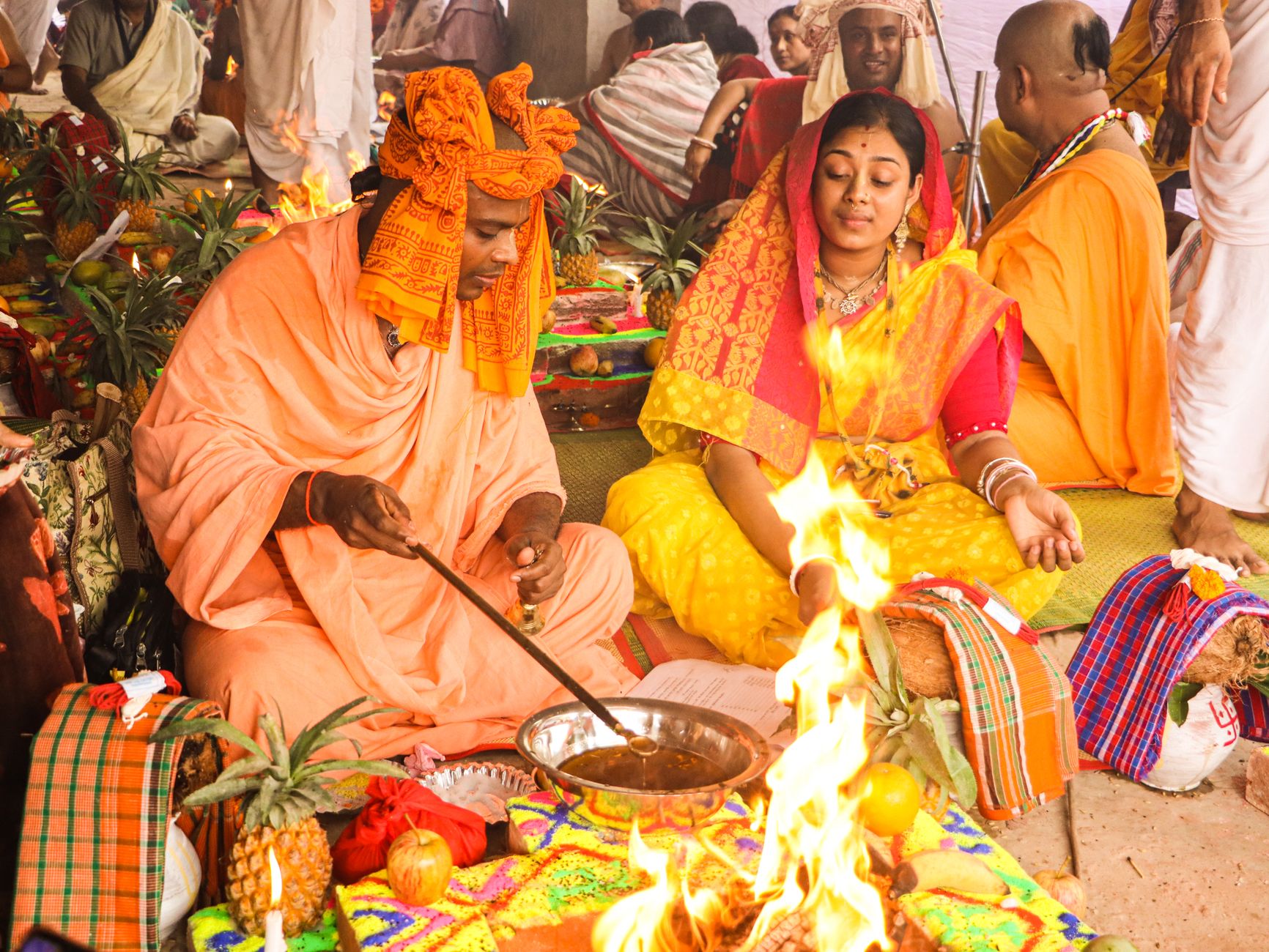 Brahmin Marriage Ritual Items
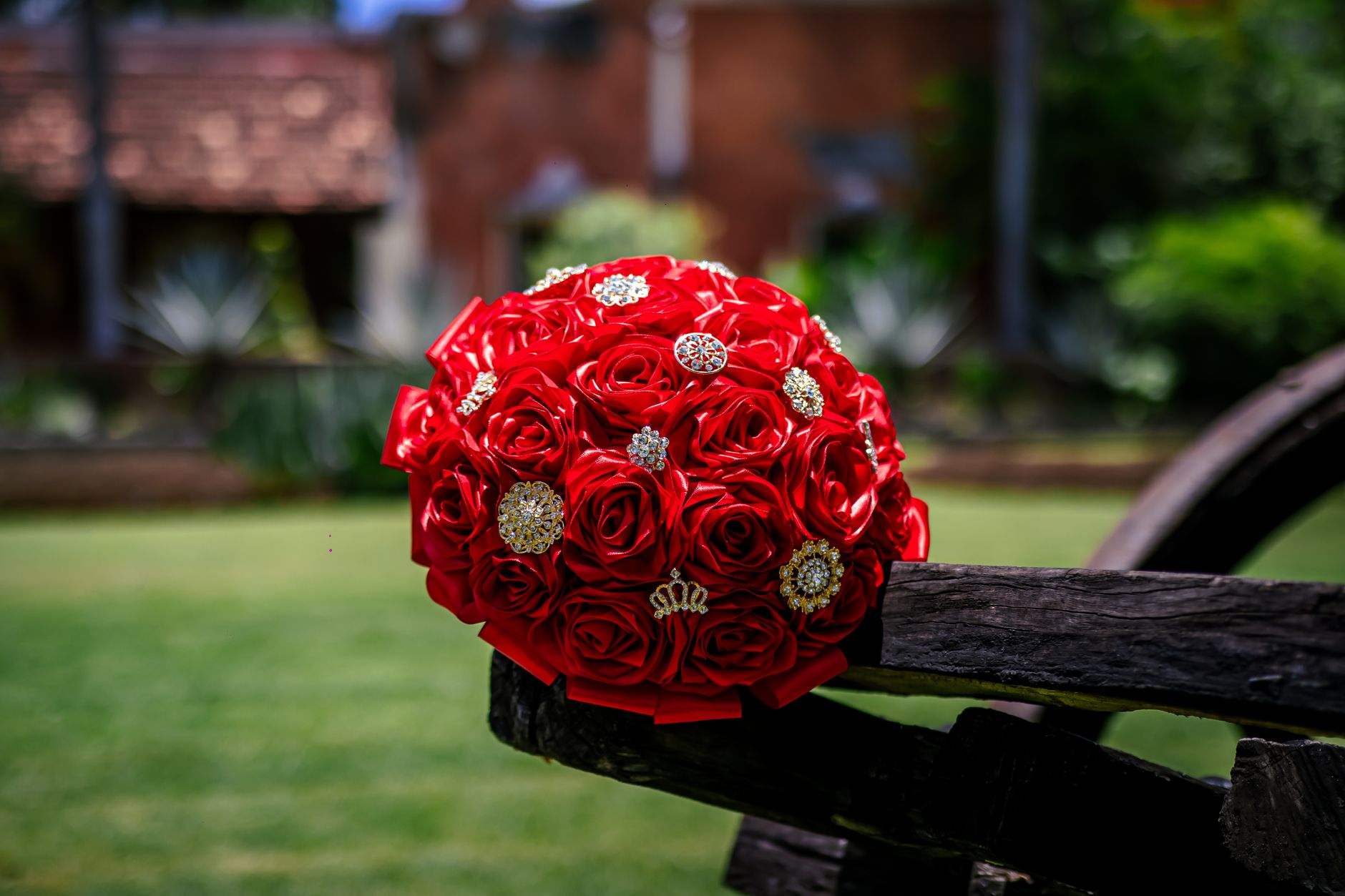 Bridal Flower Bouquets
 Celebration Car Decoration
 Celebration Champagne Service
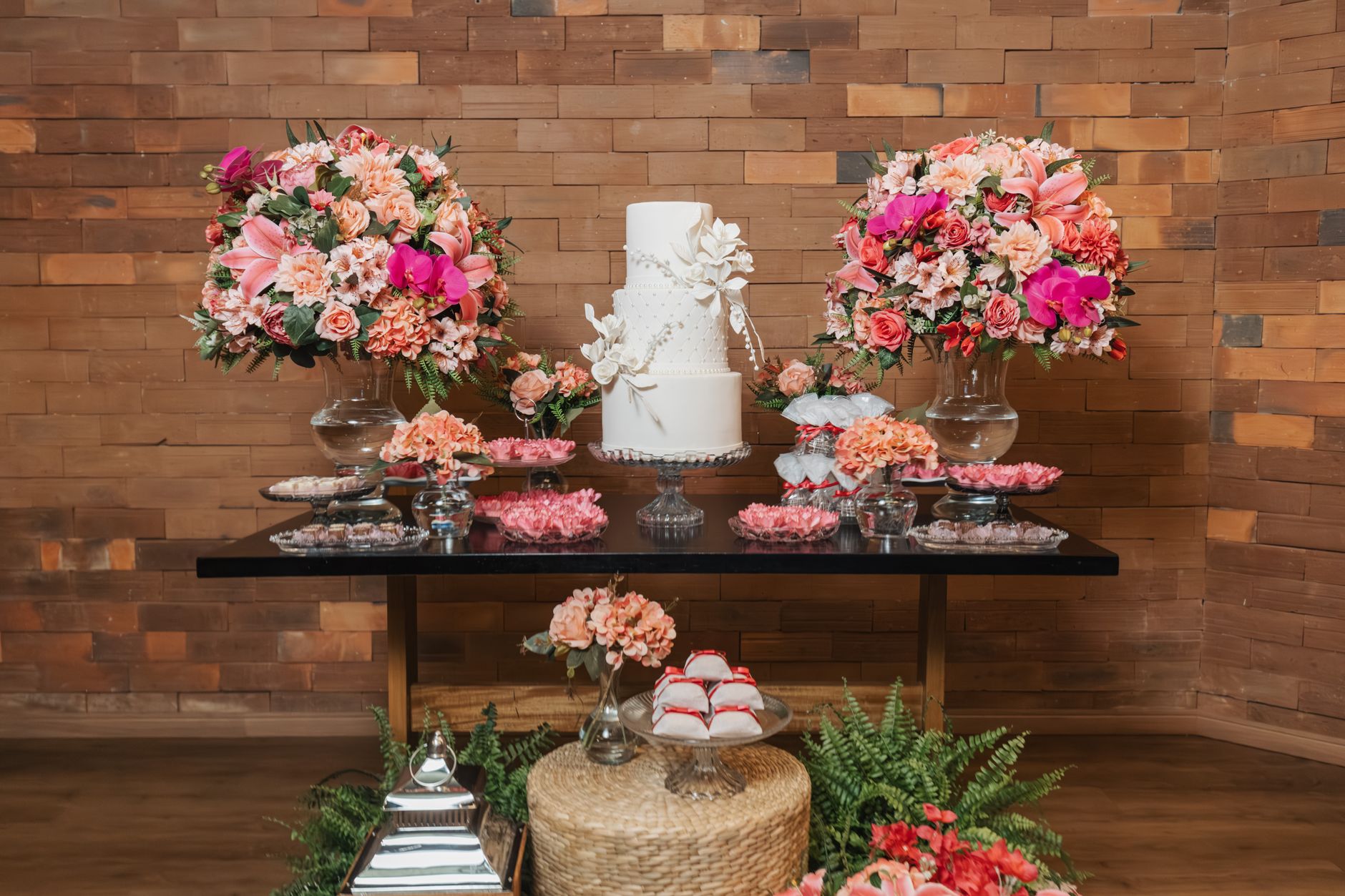 Ceremony Celebration Cakes
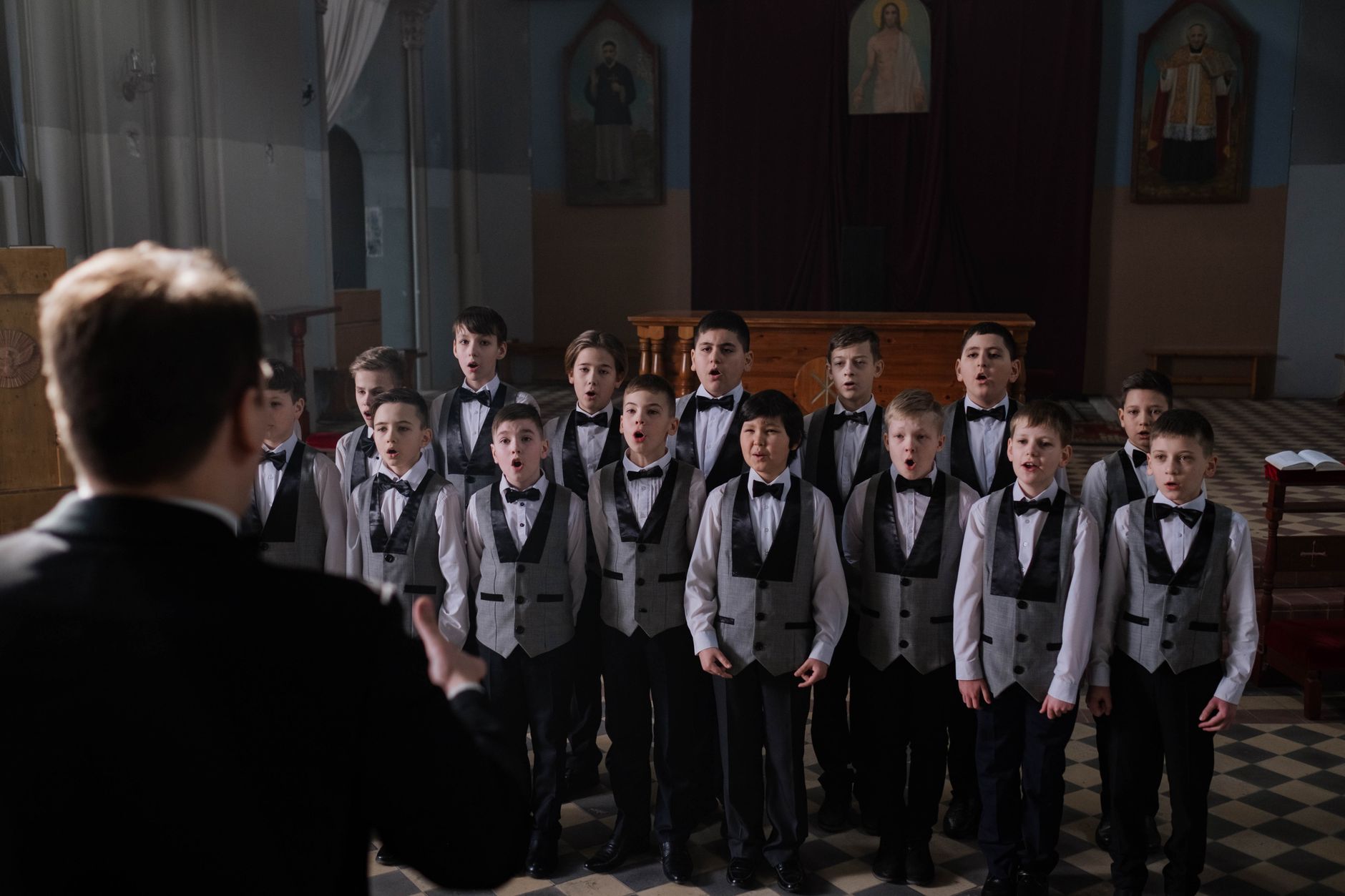 Ceremony Choir Service
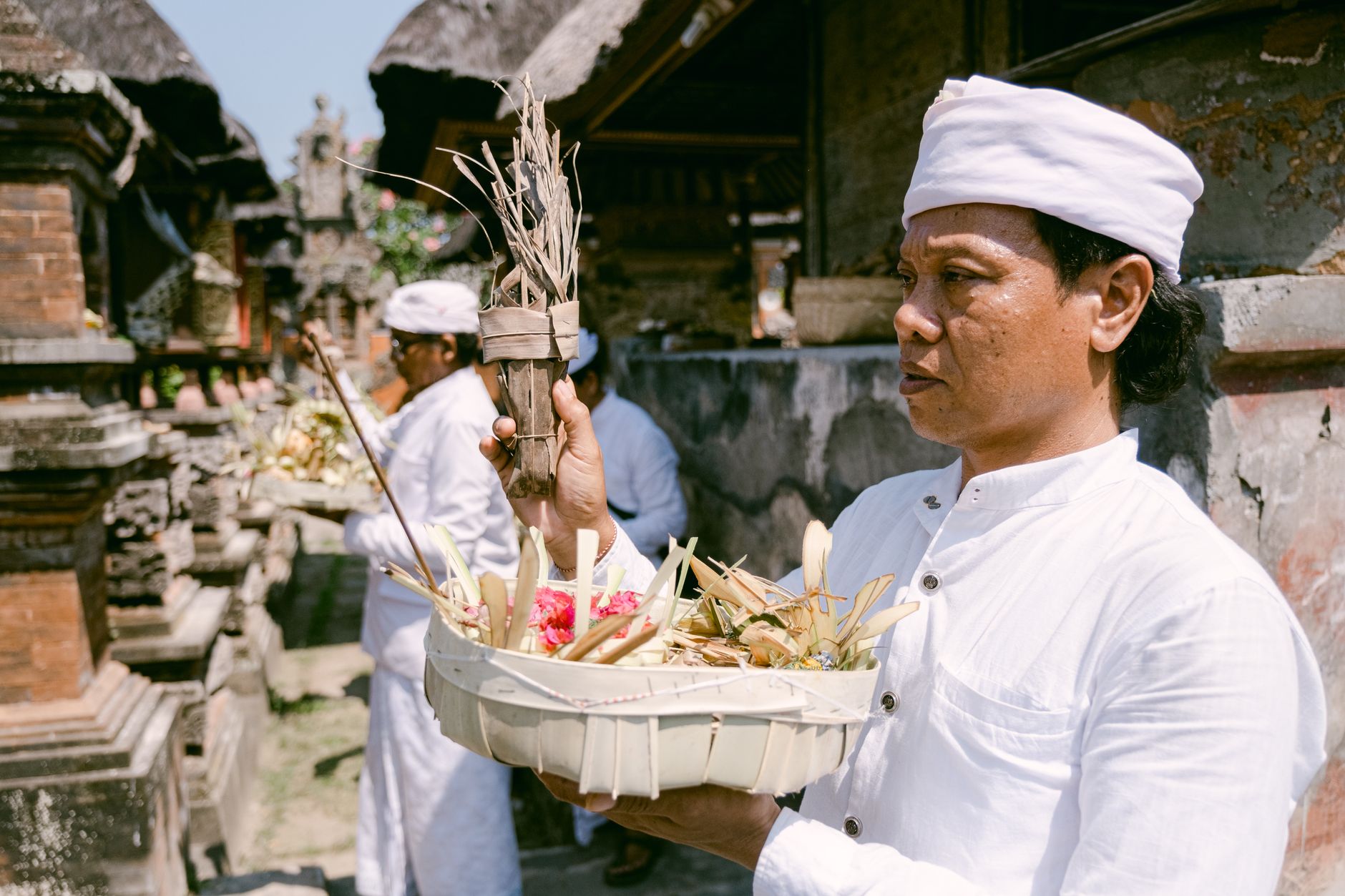 Ceremony Flower Baskets
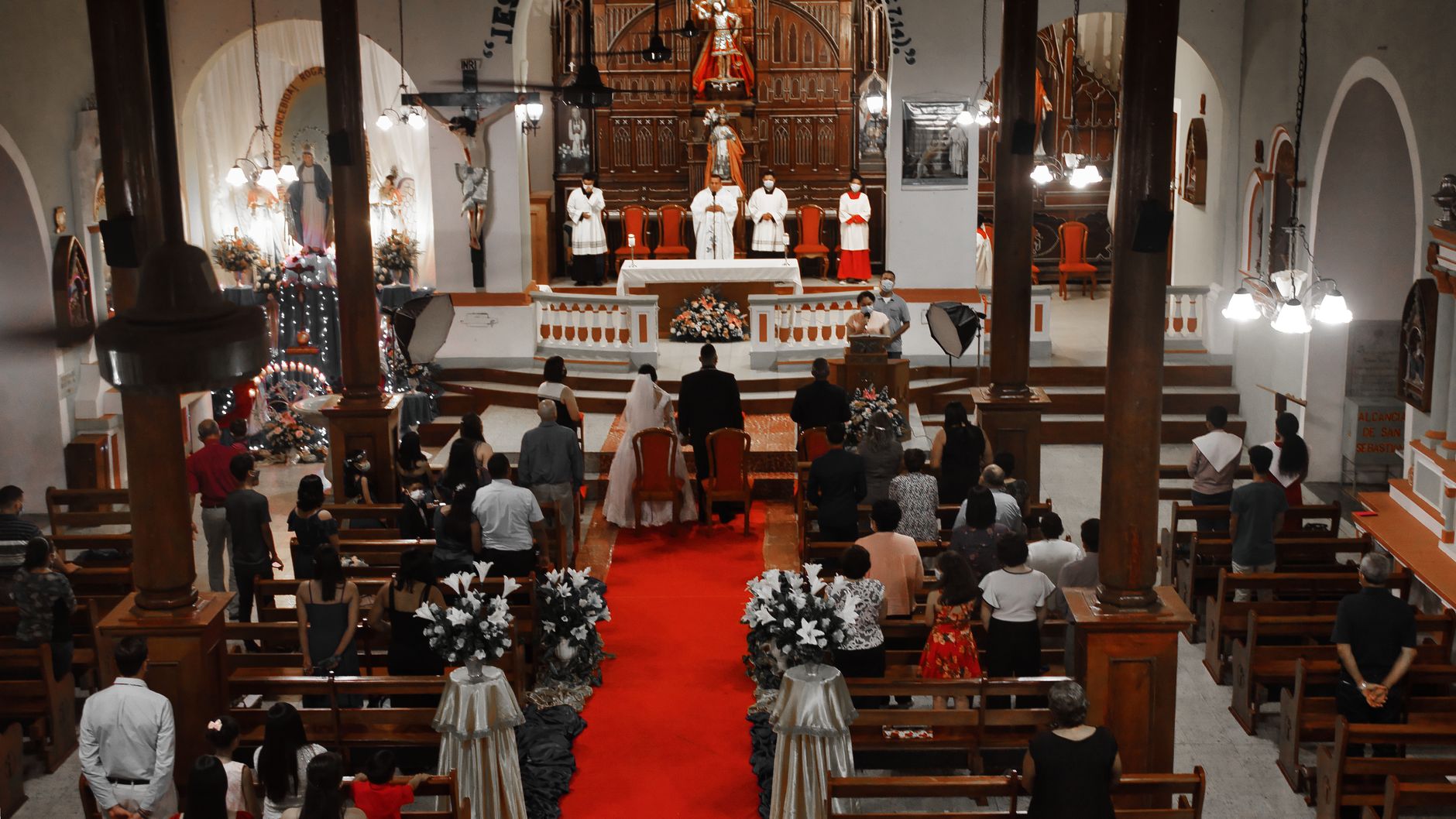 Christian Marriage Ceremony Items
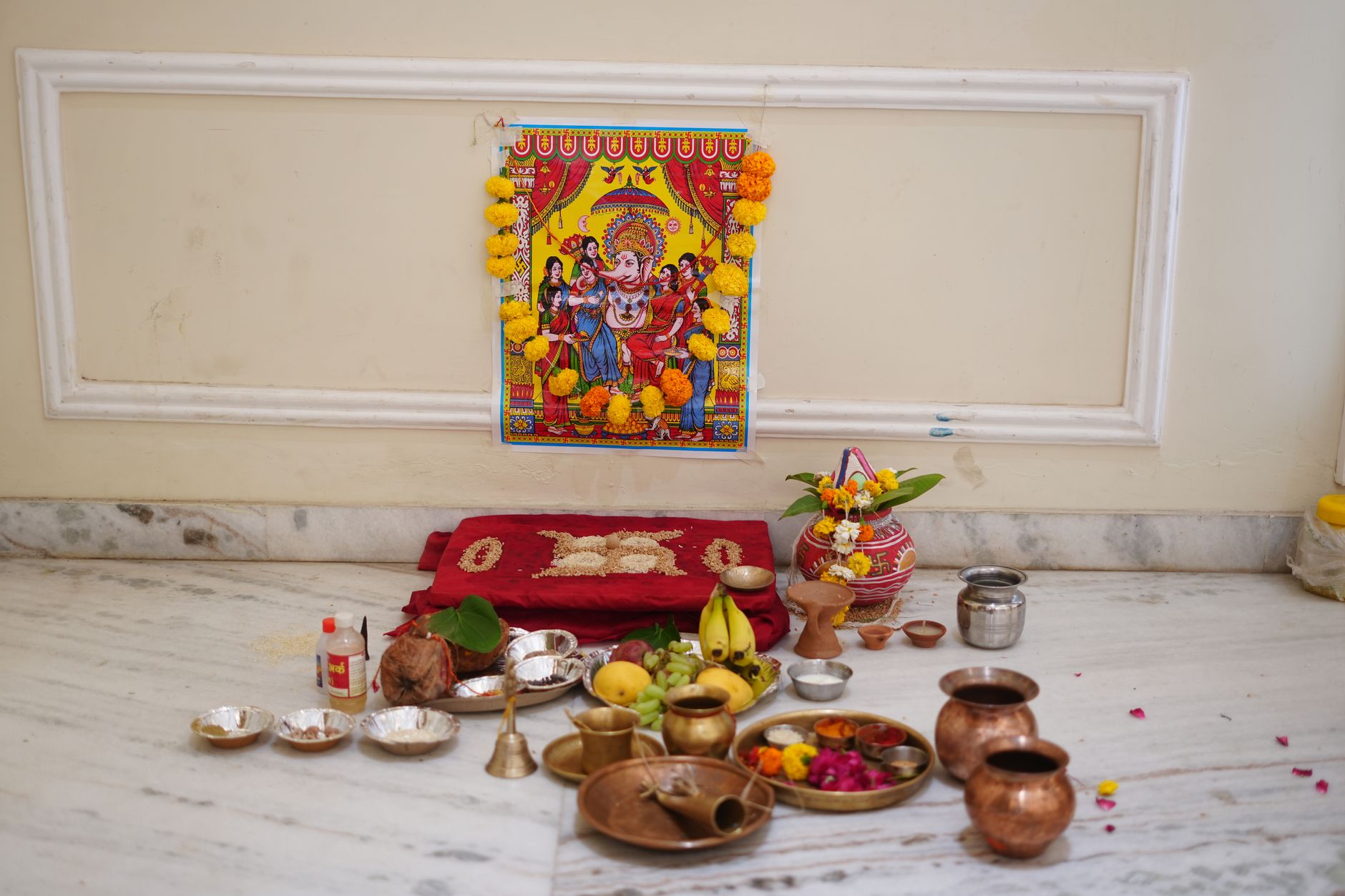 Complete Pooja Kits
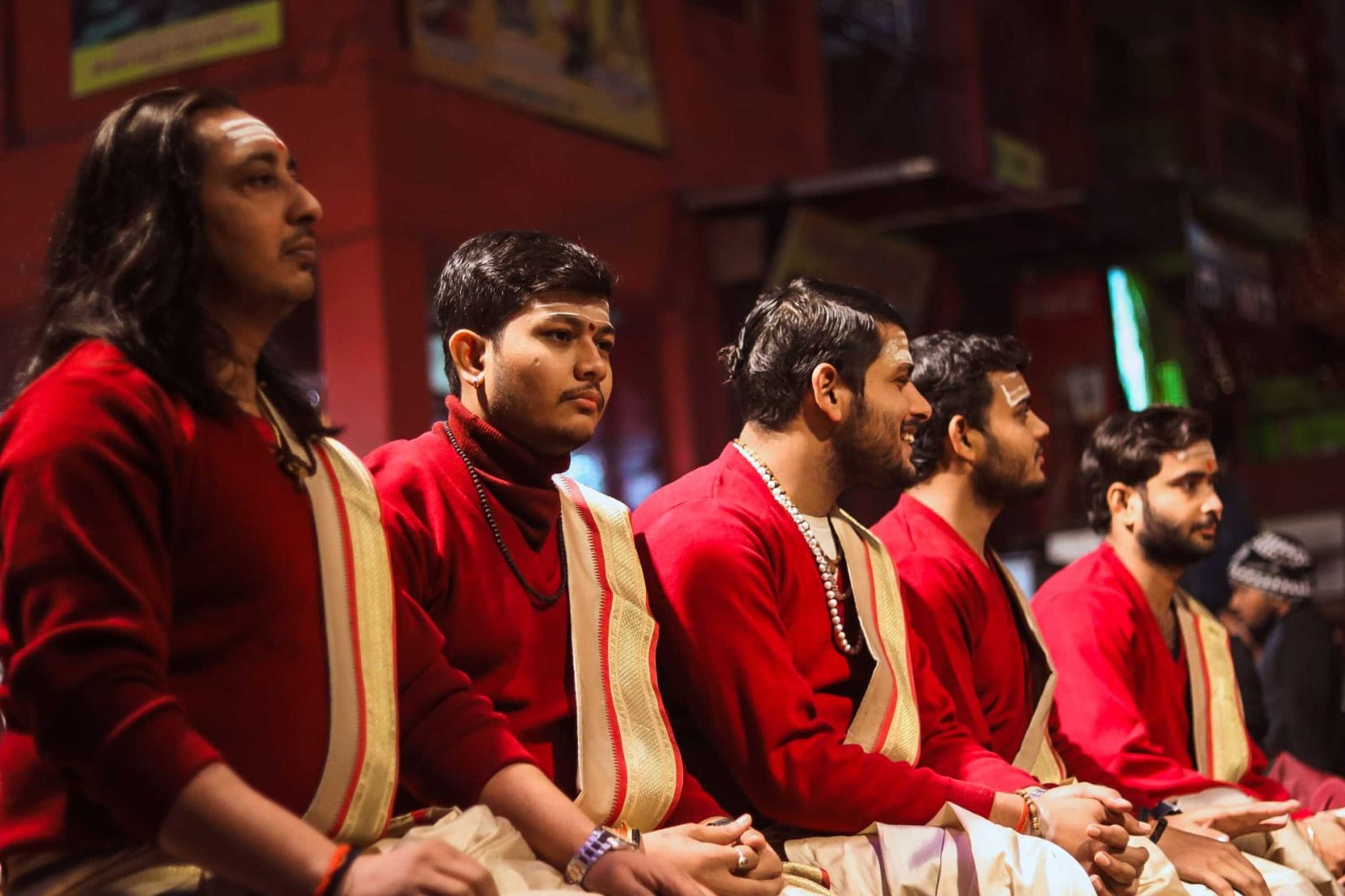 Devotional Music Groups
 Groom Boutonnieres
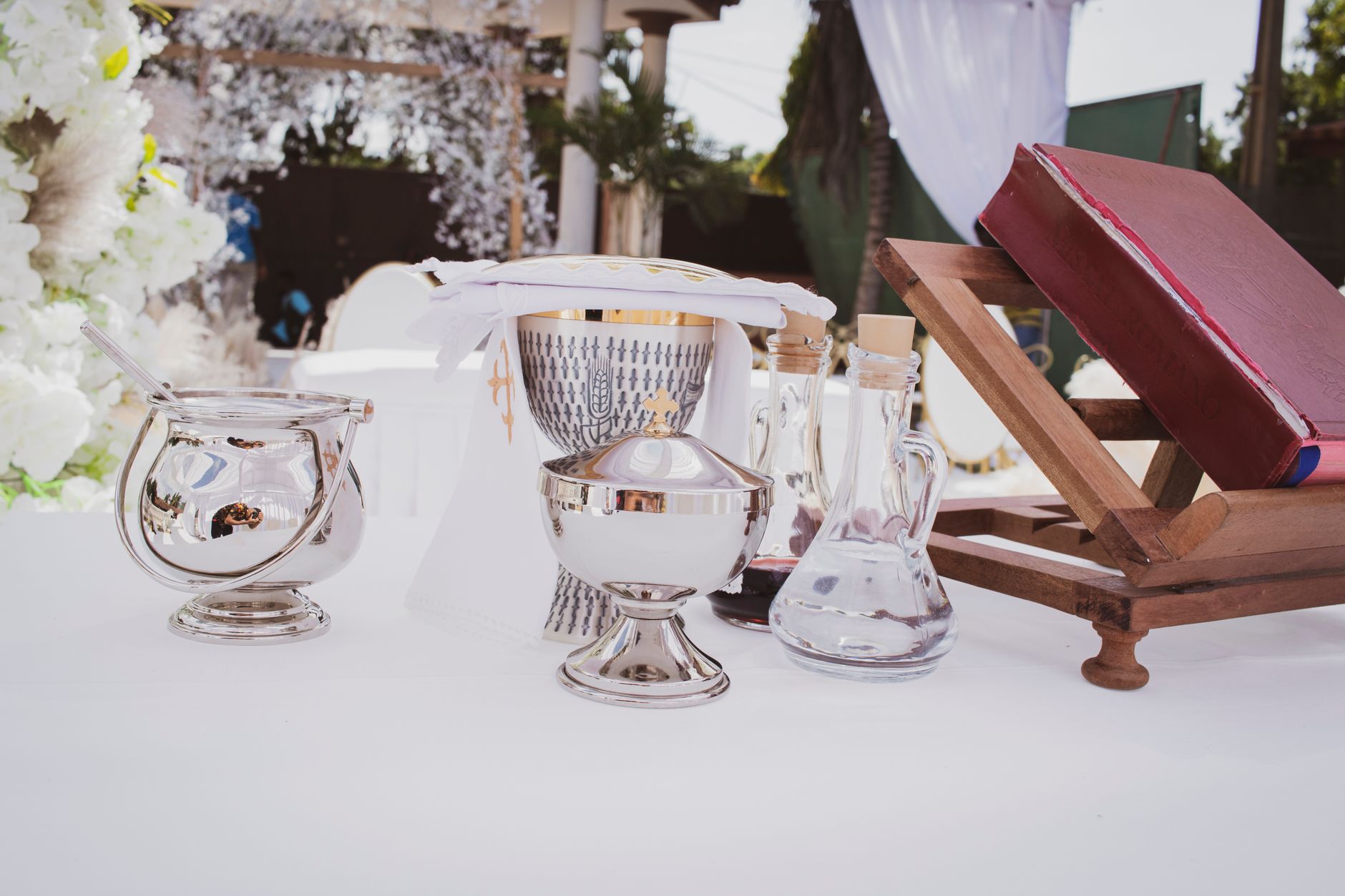 Gujarati Marriage Ritual Items
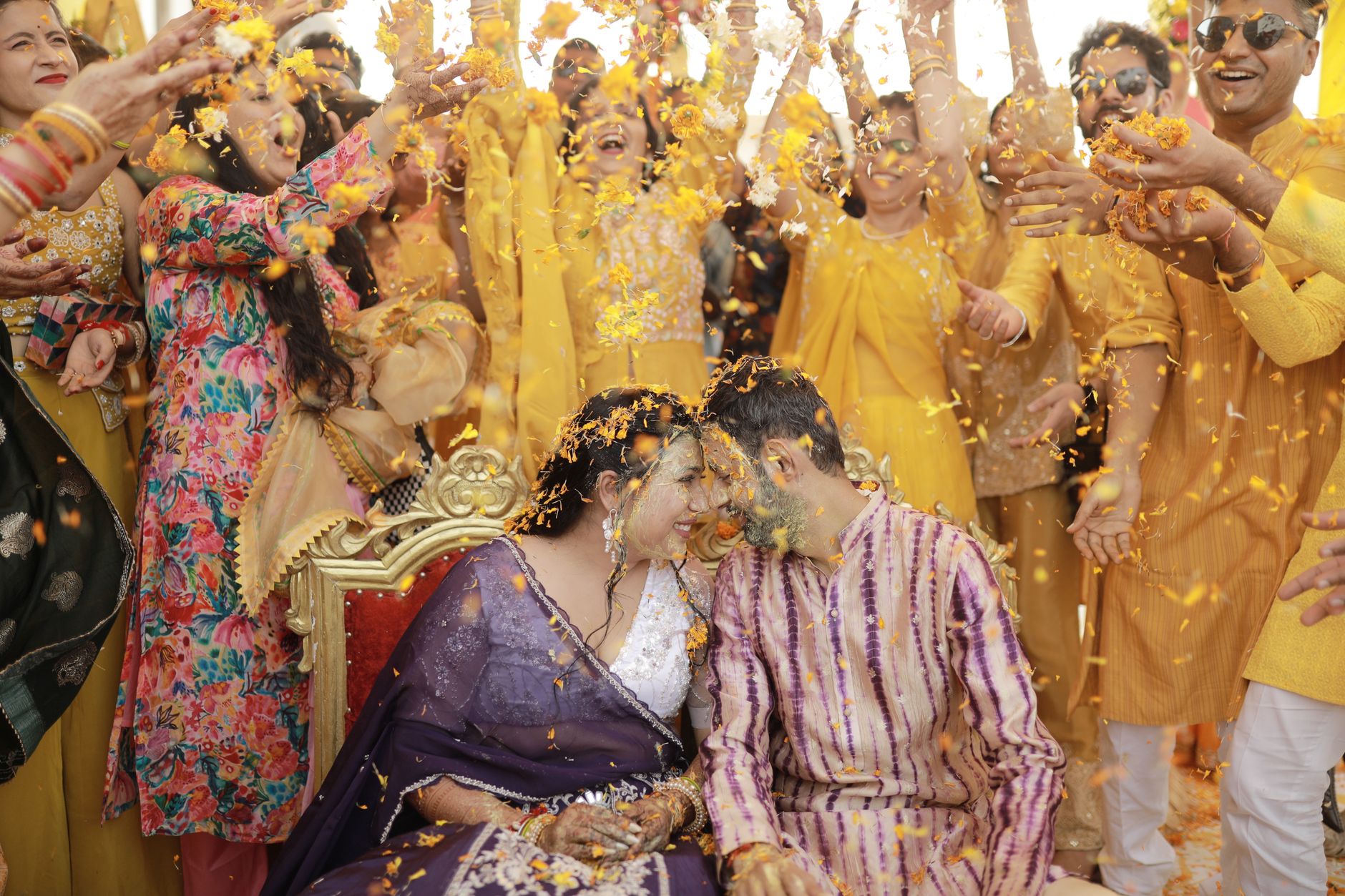 Jain Marriage Pooja Materials
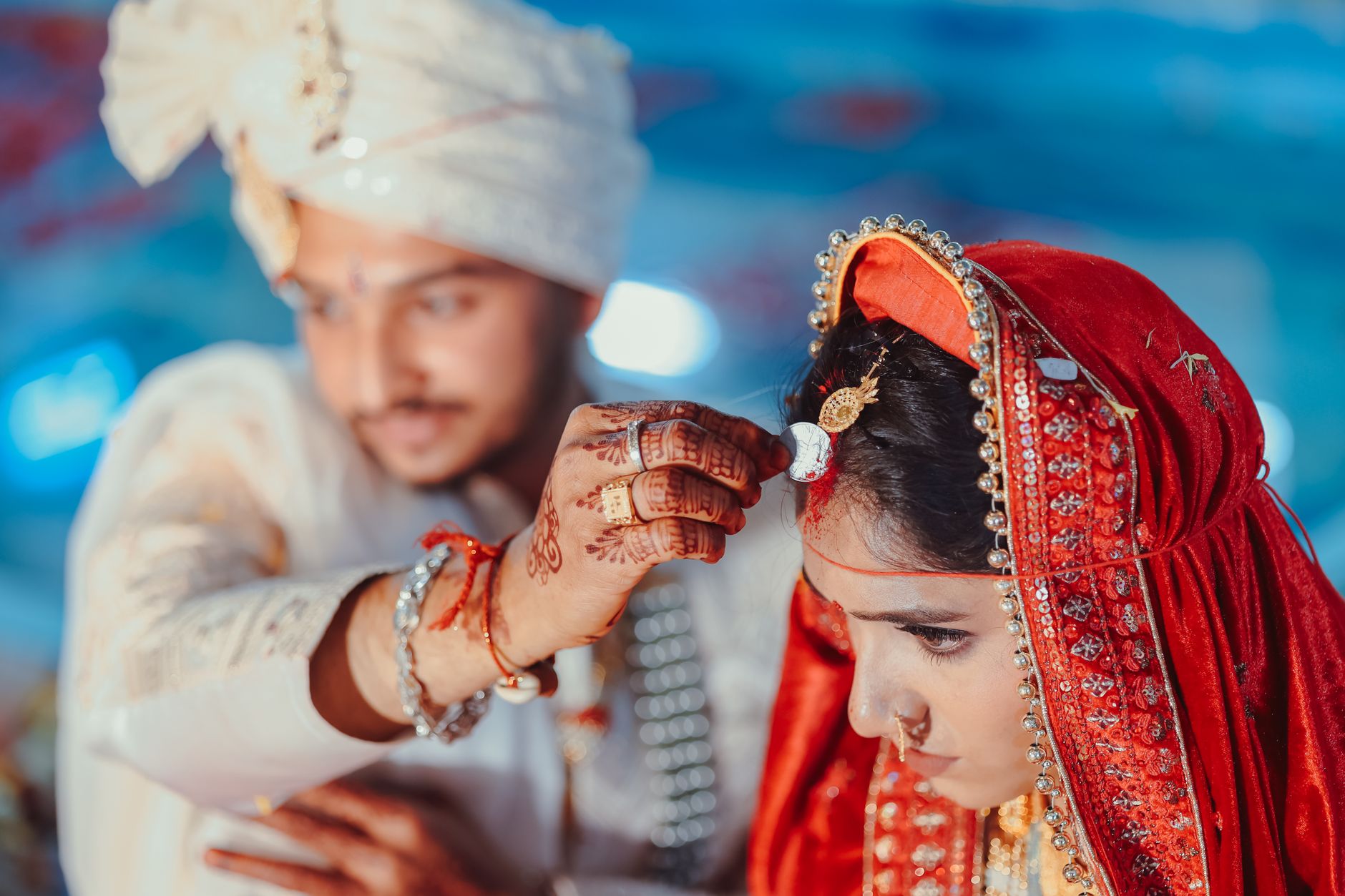 Jain Marriage Ritual Items
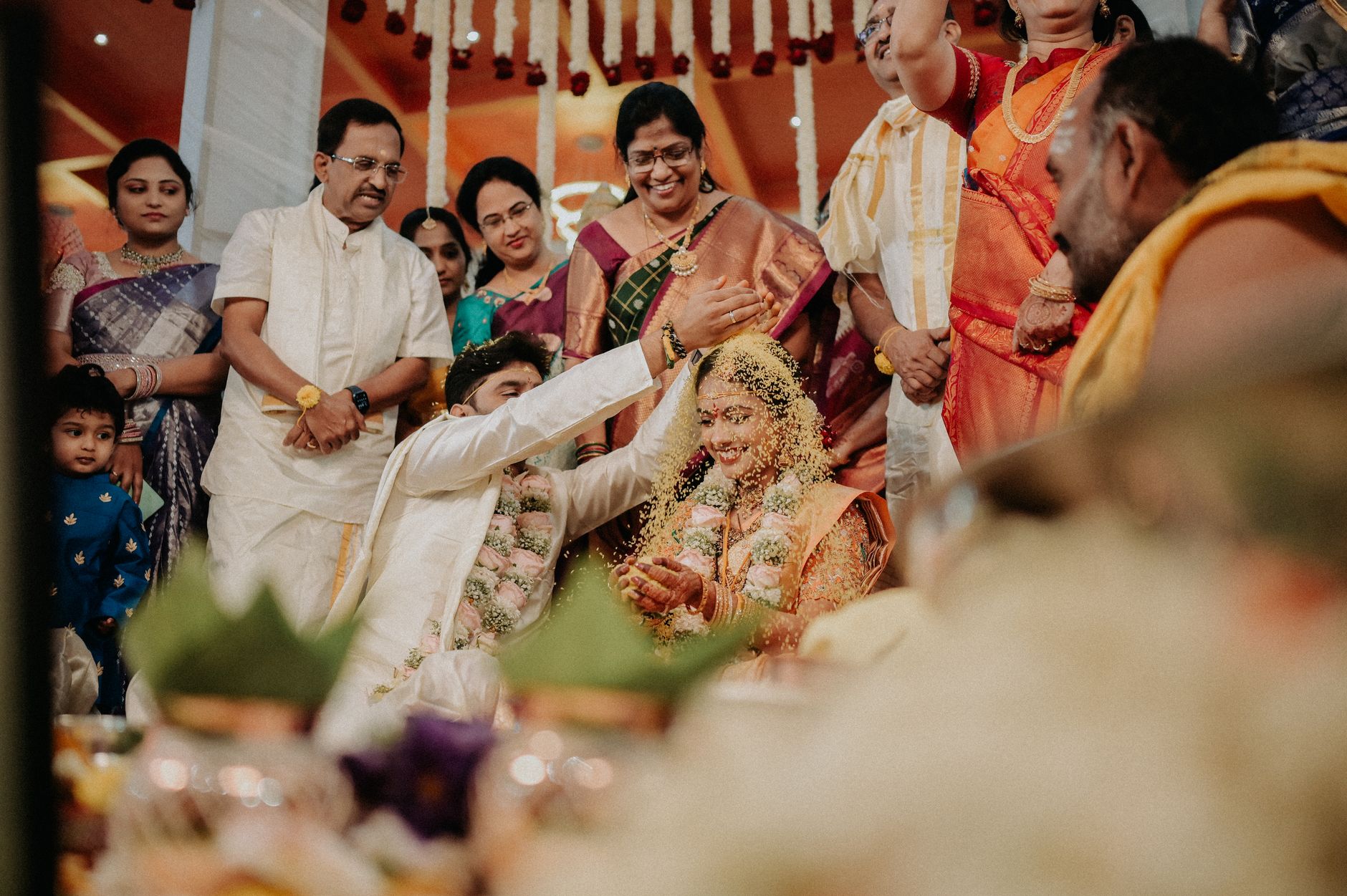 Kannada Marriage Ritual Items
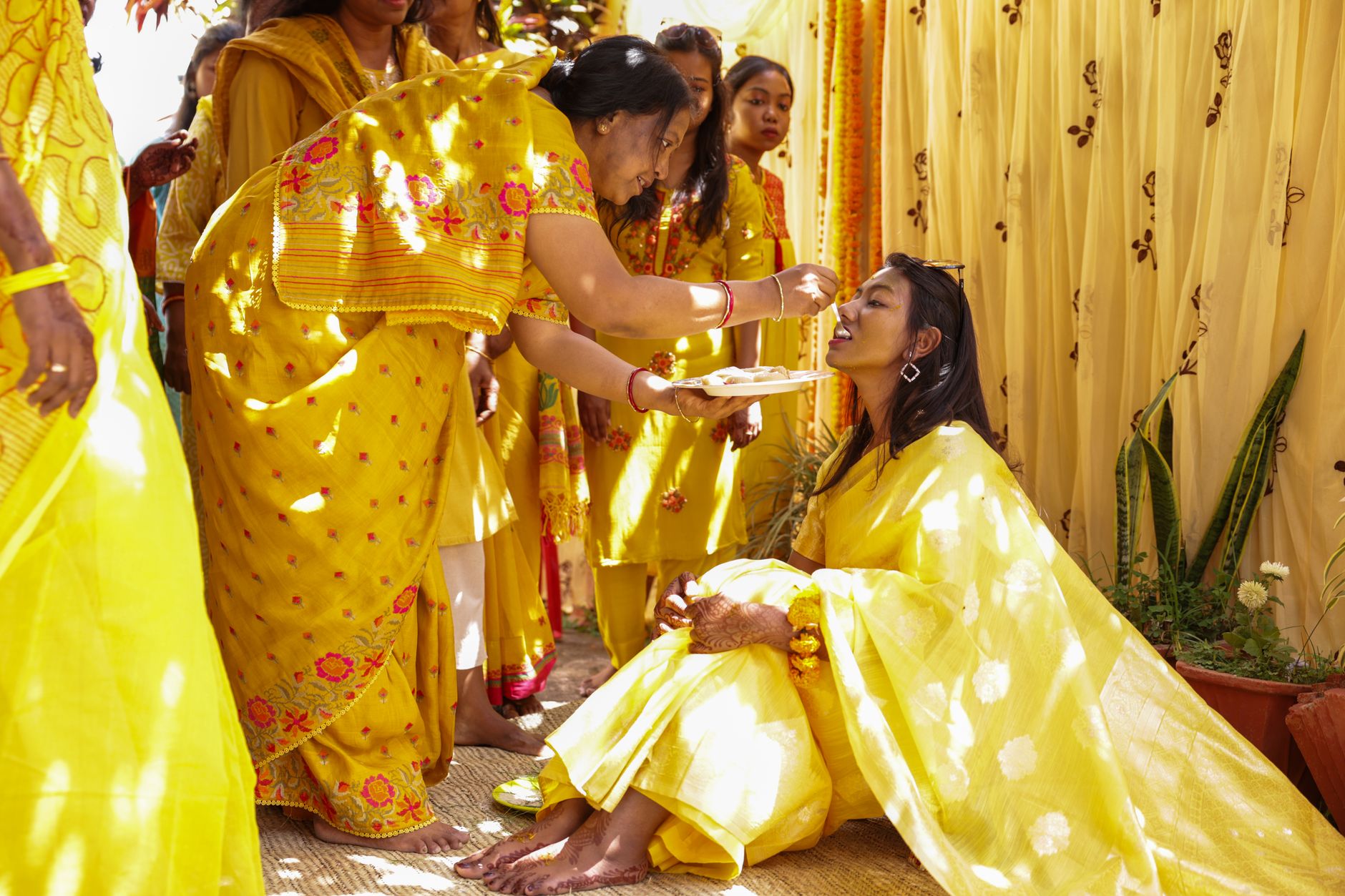 Kerala Marriage Ritual Items
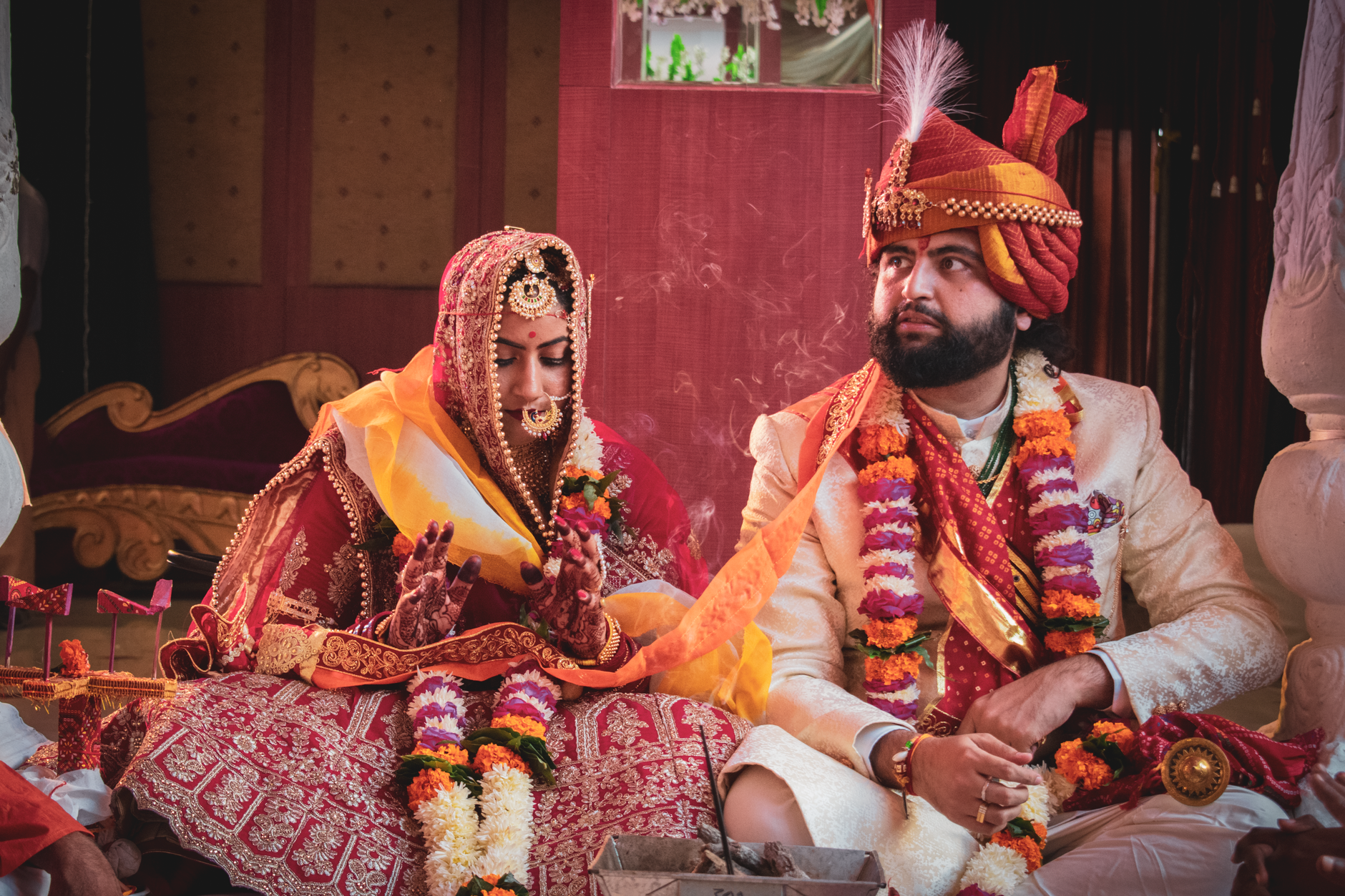 Marriage Astrology Services
 Marriage Officiant Service
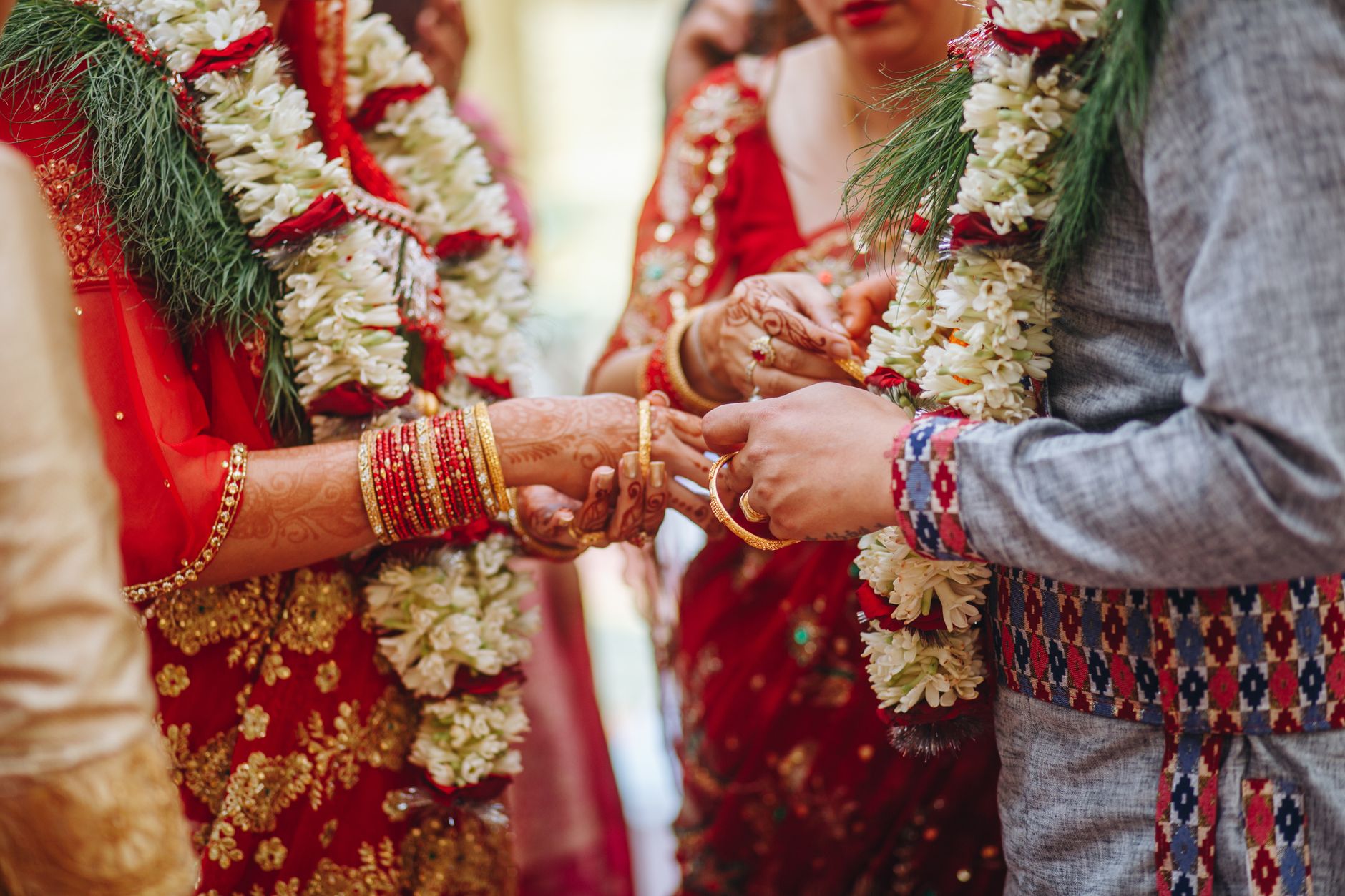 Marriage Pandit Service
 Marriage Return Gifts
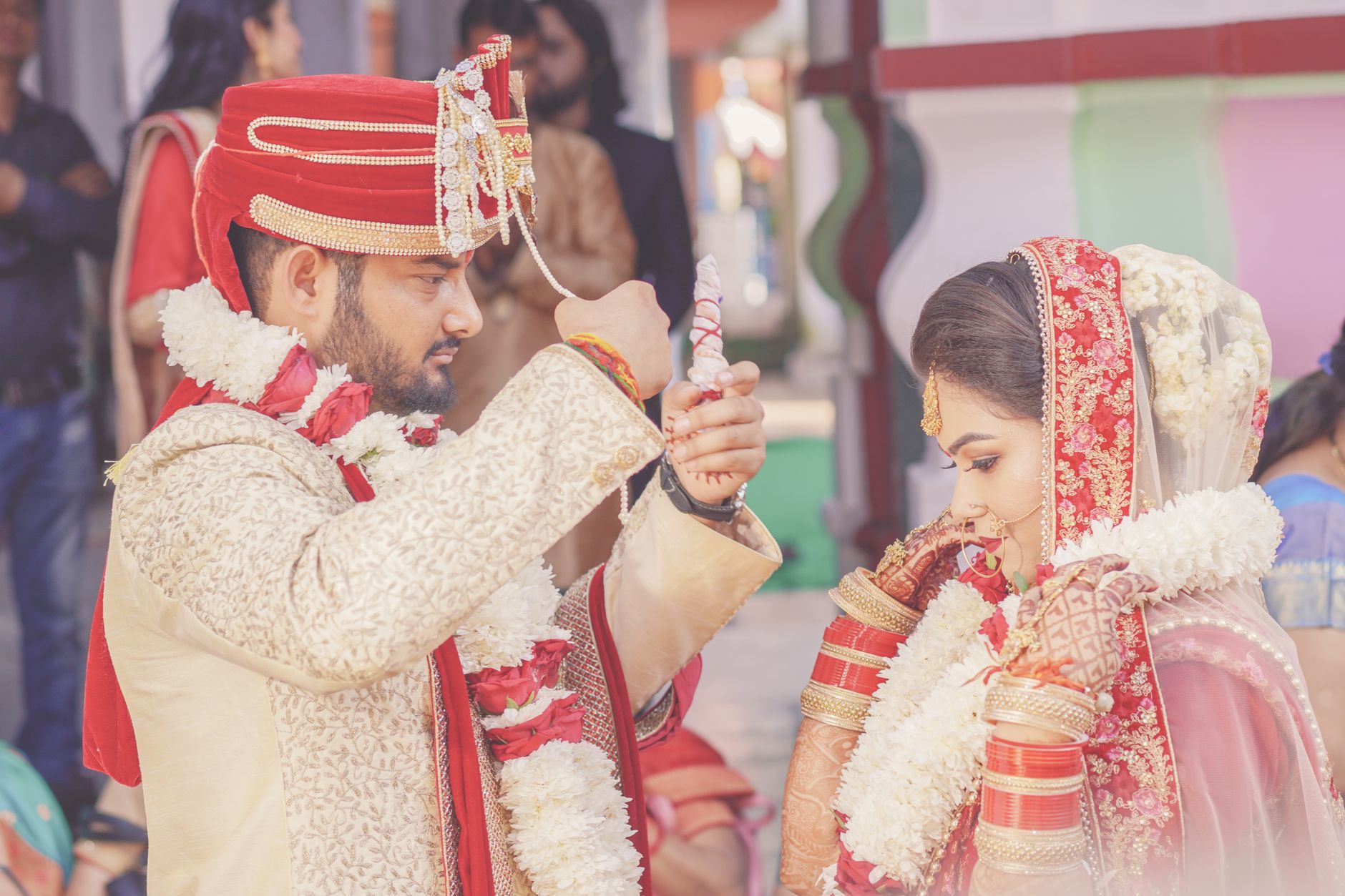 Marwari Marriage Ritual Items
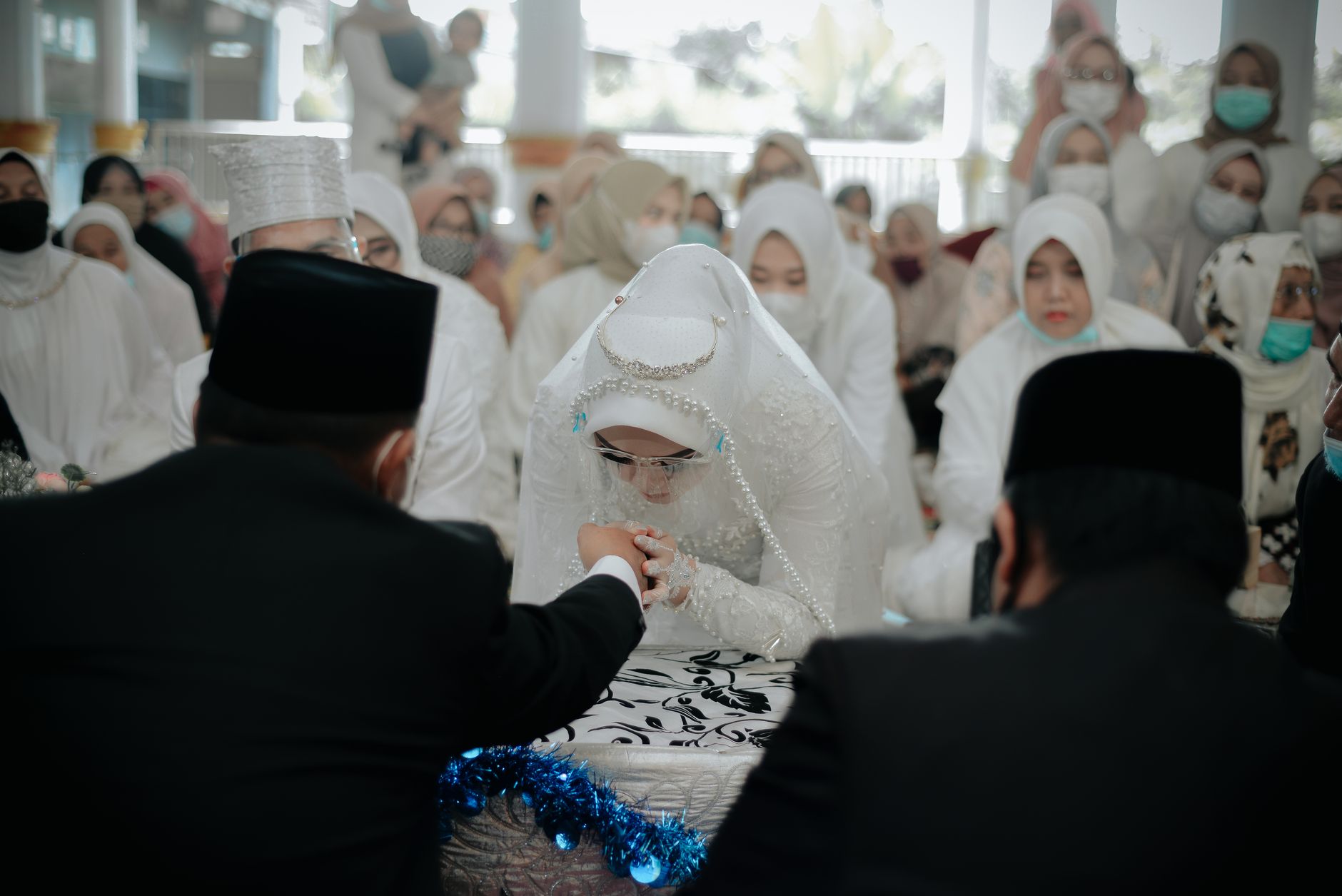 Muslim Marriage Ceremony Items
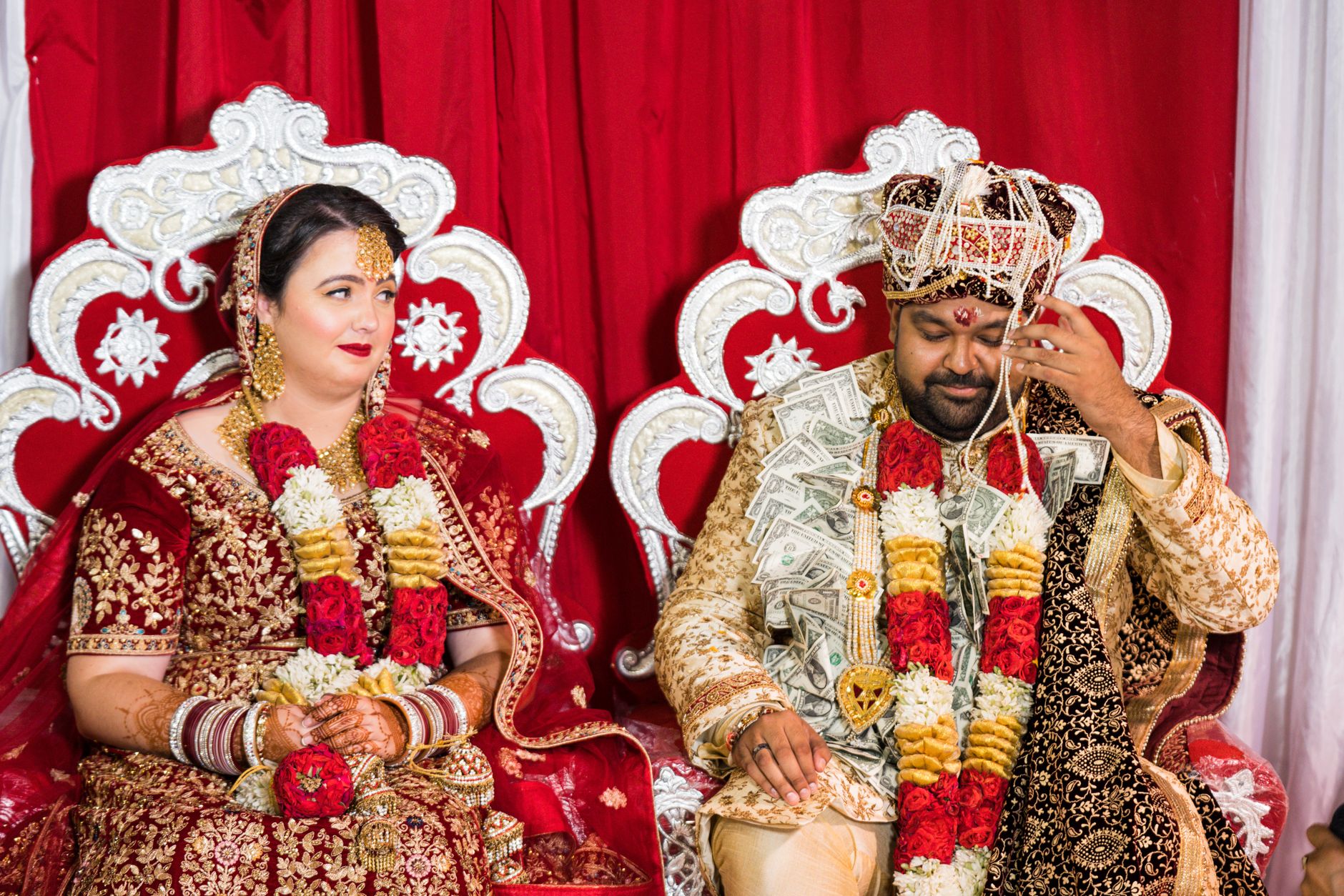 Religious Ceremony Live Streaming
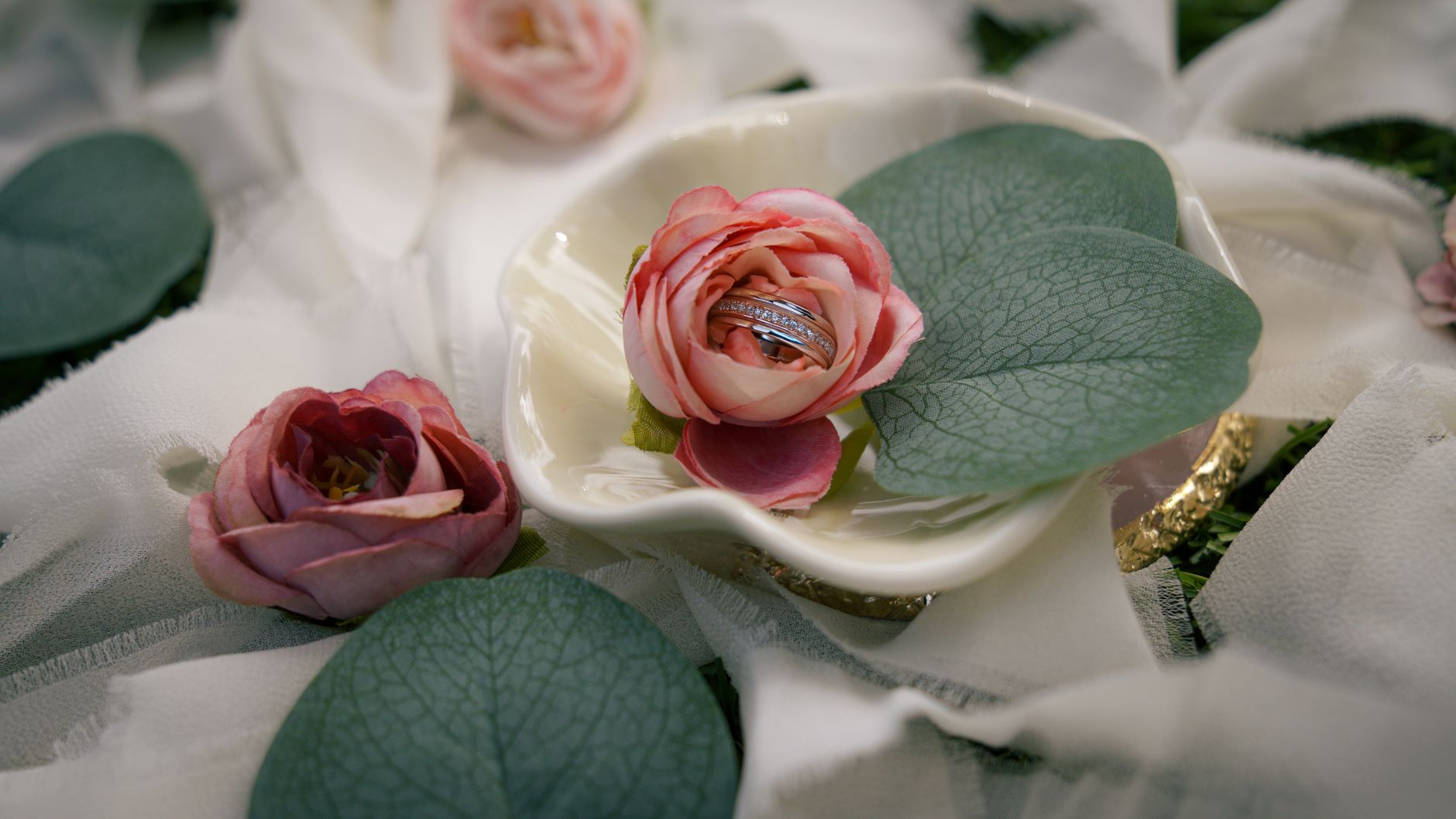 Ring Ceremony Platters
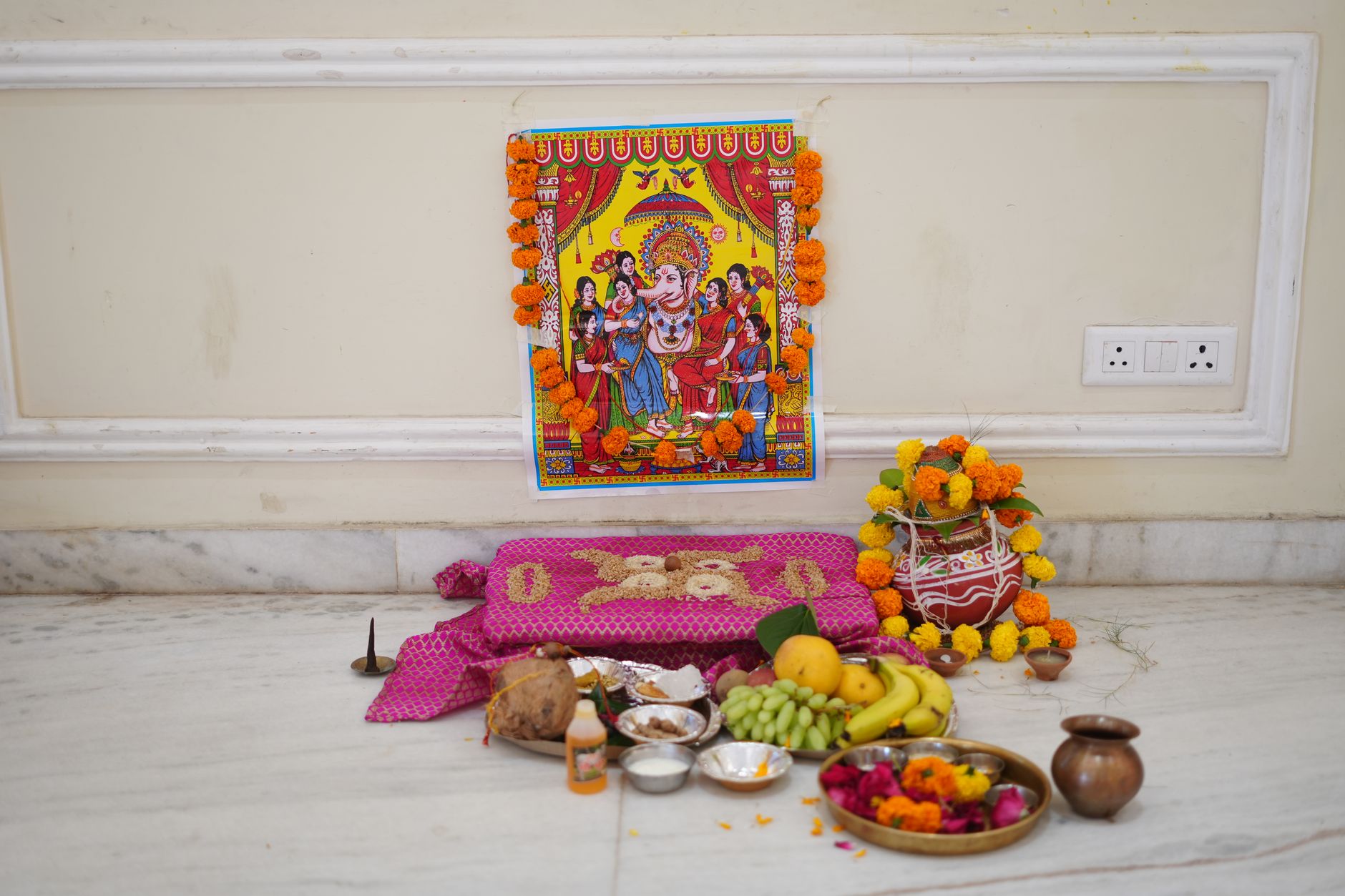 Tamil Marriage Ritual Items
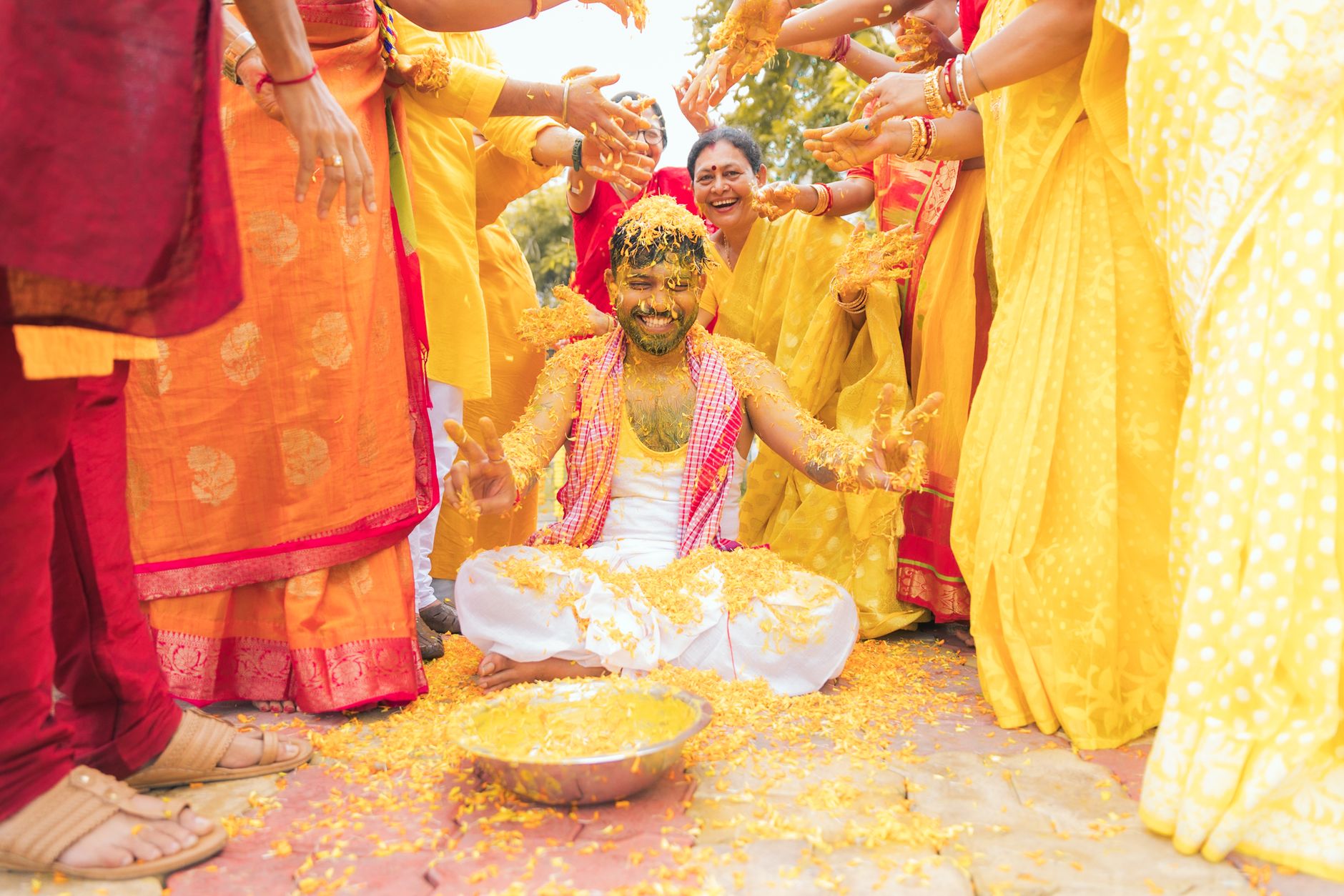 Telugu Marriage Ritual Items
- 400+Curated Events
- 6Event Universes
- 1000+Verified Vendors
- 70+Locations
- 24/7Customer Support


Not sure which packages fits your celebration?
Let Hiya & Hanu help you find the perfect match!
Explore Celebration Packages- AI-Powered MatchingSmart suggestions for you
- Budget OptimizerGet the best experiences in your budget
- End-to-End SupportWe are with you at every step
Serving Celebrations across 75+ locations in India
Top Ritual Services for Celebrations for Meaningful Traditional Occasions
◆Rituals often form the heart of important celebrations, bringing families together through customs, prayers, blessings and shared traditions. Whether the occasion is a religious ceremony, family milestone, cultural gathering or auspicious event, careful preparation helps everything take place respectfully and smoothly. Choosing top ritual services for celebrations can make the planning process easier while allowing families to remain focused on the meaning of the occasion.
Professional support can cover much more than arranging a ceremony. It may include understanding the purpose of the ritual, coordinating priests or knowledgeable ceremony professionals, preparing required materials, arranging the venue, managing traditional decorations and ensuring that the schedule is followed properly. With the right support, families can preserve important customs while creating a comfortable experience for everyone attending.
Understanding Ritual Services for Special Celebrations
Ritual services are organised around ceremonies that carry cultural, spiritual or family significance. The exact requirements depend on the occasion, community customs, family preferences and traditions being followed. Some ceremonies may be intimate and conducted at home, while others require a larger venue with seating, decoration, guest arrangements and dedicated ceremonial areas.
Good Traditional Ceremony Planning begins by understanding these differences rather than treating every ritual as identical. A professional planner or service provider can discuss the purpose of the ceremony, identify essential requirements and create a practical plan around the family's expectations.
For families unfamiliar with the detailed preparation involved, experienced assistance can also reduce uncertainty. From sourcing ritual items to coordinating timings, organised support ensures that important details are considered before the event begins.
Why Professional Ritual Support Makes a Difference
Traditional ceremonies often involve several small but important elements. A missing item, delayed service or unsuitable venue arrangement can affect the flow of the occasion. Professional top ritual services for celebrations help bring these requirements together through structured preparation.
One major advantage is convenience. Families may already be managing invitations, travel, catering, clothing and other celebration arrangements. Having experienced people coordinate ceremony-specific requirements can reduce the amount of work placed on family members.
Professional assistance can also help maintain consistency. Where particular customs require specific sequences, timings or materials, experienced service providers can work with the family and relevant ceremony professionals to organise the event appropriately.
Another benefit is guest comfort. Rituals may involve elders, children and guests travelling from different places. Seating, access, waiting areas and venue layout should therefore be considered alongside the ceremonial requirements.
Choosing the Right Ceremony for Your Occasion
Every celebration has its own purpose, and the ritual should reflect that purpose. Families may organise ceremonies connected with blessings, religious observances, new beginnings, family milestones, festivals or other significant occasions.
Before selecting a service, consider what the ceremony represents and which traditions are important to the family. This provides a useful foundation for Traditional Ceremony Planning and helps prevent unnecessary additions.
It is also useful to establish whether the ceremony will be held at home, in a hall, at a religious venue or at another suitable location. The size of the gathering can influence everything from seating to decoration and material requirements.
For larger celebrations, professional top ritual services for celebrations can help coordinate ceremonial requirements alongside the wider event schedule. This creates a smoother connection between the ritual and other parts of the celebration.
Planning the Ceremony Step by Step
A well-organised ritual usually begins several weeks before the celebration, particularly when specialist services or specific materials are required.
Establish the Purpose and Requirements
Start by identifying the ceremony and its purpose. Discuss family traditions, preferred customs and any important requirements with an appropriate knowledgeable person or ceremony professional.
Select a Suitable Venue
The venue should provide enough space for the ritual, participants and guests. Consider accessibility, ventilation, seating, cleanliness and the availability of suitable areas for ceremonial arrangements.
Prepare the Ritual Materials
Many ceremonies require specific items. Depending on the tradition, these may include flowers, lamps, vessels, offerings, cloth, fruits, grains and other ceremonial supplies. A detailed checklist helps prevent last-minute purchases.
Coordinate the Ceremony Professional
If the occasion requires a priest or other qualified ceremony professional, confirm availability well in advance. Share the date, expected duration, venue and nature of the ceremony so that arrangements can be made accurately.
Organise Decoration
Decorations should complement the ceremony rather than interfere with it. Floral arrangements, traditional motifs, entrance decorations, lamps and simple backdrop elements can create an appropriate atmosphere.
Confirm the Event Schedule
The ceremony should have a clear timetable. Allow sufficient time for preparation before guests arrive and avoid scheduling other major activities too closely around the ritual.
Venue Preparation for Traditional Ceremonies
Venue selection is an important part of Traditional Ceremony Planning. A beautiful location is useful, but practicality matters just as much.
The ceremonial area should be easy to access and large enough for the people directly participating in the ritual. If guests are expected to sit for an extended period, comfortable seating should be arranged with clear visibility of the ceremony.
For home ceremonies, one area may need to be temporarily reorganised to create enough space. For halls and event venues, planners should confirm whether the venue permits lamps, flowers, traditional installations and other ceremony-specific arrangements.
Cleanliness is especially important. The venue should be prepared before the ceremony, with ritual materials arranged in an orderly manner. Clear pathways also help elderly guests and families with young children move around comfortably.
When using top ritual services for celebrations, families can discuss venue requirements in advance so that ceremonial and guest arrangements work together rather than competing for space.
Traditional Decorations and Ceremony Atmosphere
Decorations can enhance the visual character of a ritual while maintaining its traditional feel. Flowers are often a natural choice because they add freshness without distracting from the ceremony.
Depending on the event, arrangements may include floral garlands, entrance decorations, traditional lamps, simple backdrops, rangoli-inspired floor designs and carefully placed ceremonial elements.
The decoration style should reflect the character of the occasion. A family prayer may suit a simple and peaceful arrangement, while a larger cultural celebration can accommodate more elaborate floral and entrance decoration.
Experienced top ritual services for celebrations may help coordinate decoration with the ceremony layout. This is particularly useful when the ritual requires a dedicated space that must remain clear throughout the event.
Coordinating Priests and Ceremony Professionals
The person conducting the ceremony plays an important role in ensuring that the ritual follows the intended tradition. Families should communicate clearly about the ceremony, preferred customs and expected guest participation.
If the occasion involves a specific family tradition, it is useful to discuss this before the event rather than making assumptions on the day. Families can also confirm the approximate duration and any special materials that need to be prepared.
Professional coordination can make this process simpler. Instead of managing several conversations independently, a service provider can help organise timings and practical requirements.
For families comparing top ritual services for celebrations, attention should therefore be given not only to presentation but also to coordination, communication and understanding of ceremony requirements.
Making Rituals Comfortable for Guests
Traditional celebrations often bring different generations together. Elders may appreciate comfortable seating and easy access, while younger guests may need space to move around without disrupting the ceremony.
Clear communication is another useful consideration. If guests are expected to participate in a particular part of the ritual, simple instructions can help everyone feel comfortable.
Food and refreshments should also be planned around the ceremony schedule. If the ritual takes place early in the day, refreshments may be arranged afterwards. For longer events, suitable breaks can make the experience more comfortable.
Thoughtful planning allows the ceremony to remain the central focus while ensuring that guests feel welcomed and included.
Managing Ritual Supplies and Event Details
Ritual materials should ideally be checked several times before the celebration. A written inventory can separate essential items from optional decorative or presentation elements.
This approach is particularly helpful when several ceremonies are taking place during the same celebration. Each ritual can have its own checklist, preparation time and responsible person.
A professional service can also help identify practical gaps. Top ritual services for celebrations should provide clear information about what is included, what the family needs to supply and which services may involve additional costs.
Transparency is important. Before confirming a service, families should understand the scope of work, preparation requirements, timings and any venue-related responsibilities.
Combining Rituals with Wider Event Planning
A ritual may be one part of a larger celebration. Weddings, family milestones, cultural functions and religious occasions can include several activities around the main ceremony.
The event schedule should therefore allow the ritual to take place without unnecessary interruptions. Photography, entertainment, meals and guest movement should be planned around important ceremonial moments.
For example, loud entertainment may be better scheduled away from prayer or ritual periods. Photography teams should also understand when guests should remain focused on the ceremony rather than being repeatedly asked to pose.
This integrated approach is an important part of Traditional Ceremony Planning because it respects both the ritual itself and the wider celebration.
How to Select a Reliable Ritual Service Provider
When comparing service providers, look beyond attractive packages. Experience, communication, clarity and reliability are important indicators of professional service.
Ask what ceremonies they support, what preparation is included, whether they coordinate with priests or ceremony professionals, and whether venue and decoration assistance is available.
It is also sensible to request a clear quotation. The quotation should distinguish between service charges, materials, decoration, venue-related expenses and optional additions.
Reviews and previous event examples can provide useful context, but families should also ask direct questions about their own requirements. A provider that listens carefully and explains the process clearly is more likely to deliver a suitable experience.
Benefits of Booking Complete Ritual Services
A coordinated service can reduce the number of separate suppliers a family needs to manage. Instead of arranging ceremony materials, decoration and coordination independently, several elements may be handled through one structured service.
This can save time and make communication easier. It also creates a clear point of contact when changes are required.
For busy families, top ritual services for celebrations can provide practical support before and during the occasion. The exact level of assistance will vary between providers, so it is important to confirm inclusions before booking.
A complete service can be particularly useful for celebrations where the family has guests travelling from different locations or where several ceremonies are planned over one or more days.
Personalising a Traditional Celebration
Following tradition does not mean every celebration must look identical. Families can retain important customs while choosing decoration, venue layout and guest arrangements that suit their preferences.
Personalisation may involve selecting preferred flowers, creating a family-specific welcome area, arranging comfortable seating or incorporating meaningful elements into the ceremonial setting.
The key is to distinguish between essential customs and optional presentation choices. This allows families to maintain the integrity of the ritual while creating an event that feels personal.
Experienced providers can help identify where flexibility is possible and where established practices should be respected.
Planning the Budget Wisely
A ritual celebration budget should account for both essential and optional expenses. Begin with the ceremony itself, then consider venue preparation, materials, decoration, professional coordination, seating and other guest requirements.
Obtaining an itemised estimate can make budgeting easier. Families should also ask whether transport, setup, dismantling or additional preparation charges apply.
It is often better to prioritise meaningful and necessary elements rather than spending heavily on decoration that does not improve the ceremony experience.
Clear financial planning helps families enjoy the occasion without unexpected costs affecting the final arrangements.
A Thoughtful Approach to Meaningful Ceremonies
Rituals are valuable because they connect celebrations with family values, cultural heritage and shared memories. Good planning should support that meaning rather than allowing logistics to become the main focus.
Whether the occasion is intimate or large, careful coordination can make the ceremony feel calm, organised and welcoming. The best approach balances tradition with practical event management.
For families seeking top ritual services for celebrations, the ideal provider is one that understands the significance of the occasion while also managing the practical details with care.
Bring Your Celebration Together with Professional Support
A meaningful ceremony deserves thoughtful preparation from the earliest planning stage to the final guest departure. With the right service partner, families can coordinate ritual requirements, venue preparation, decoration, ceremony professionals and guest arrangements through a clear and organised process.
Happiffie can support families looking for dependable event-related services and experienced professionals for important occasions. When comparing top ritual services for celebrations, consider experience, transparency, customisation, coordination and the ability to understand your family's specific needs.
From a simple home ceremony to a larger traditional celebration, careful preparation ensures that the occasion remains respectful, memorable and comfortable for everyone involved.
Frequently Asked Questions
1. What are top ritual services for celebrations?
Top ritual services for celebrations are professional services that help organise traditional, religious or culturally significant ceremonies. Depending on the provider, they can include ceremony coordination, ritual materials, priest coordination, venue preparation and traditional decoration.
2. What does Traditional Ceremony Planning include?
Traditional Ceremony Planning can include understanding the ceremony requirements, preparing materials, arranging the venue, coordinating ceremony professionals, organising decorations and creating a practical event schedule.
3. Which celebrations can include ritual services?
Ritual services may be suitable for religious ceremonies, family milestones, auspicious occasions, cultural celebrations, traditional functions and other events where customs or ceremonial practices form an important part of the gathering.
4. Can ritual services be arranged for a home ceremony?
Yes. Many ceremonies can be organised at home if there is a suitable clean and accessible space. The service provider can help determine the required layout, materials, seating and preparation based on the ceremony.
5. How early should ritual services be booked?
Booking several weeks in advance is generally advisable, particularly for ceremonies requiring a specific priest, specialist service provider, particular materials or extensive venue preparation. Larger celebrations may require even more planning time.
6. Can ceremony decoration be included with ritual services?
Some providers offer decoration as part of their packages, while others arrange it as an additional service. Families should confirm whether flowers, entrance decoration, lamps, backdrops and ceremonial setup are included in the quoted price.
7. How can I choose reliable top ritual services for celebrations?
Look for providers with relevant experience, clear communication, transparent pricing and a good understanding of the ceremony you are planning. Ask for a detailed list of inclusions before confirming the booking.
8. Do ritual services arrange ceremony materials?
Many top ritual services for celebrations can arrange or coordinate required ceremonial materials. However, the exact items supplied vary, so families should request a checklist and confirm which materials are included.
9. Can ritual planning be combined with a larger event?
Yes. Traditional Ceremony Planning can be coordinated with venue management, catering, decoration, photography and other celebration requirements. The main consideration is to schedule other activities around important ceremonial timings.
10. What should I ask before booking a ritual service?
Ask about the provider's experience, ceremony coverage, service inclusions, material arrangements, venue requirements, decoration, professional coordination, timings, cancellation terms and total cost. A detailed discussion before booking helps avoid misunderstandings later.