
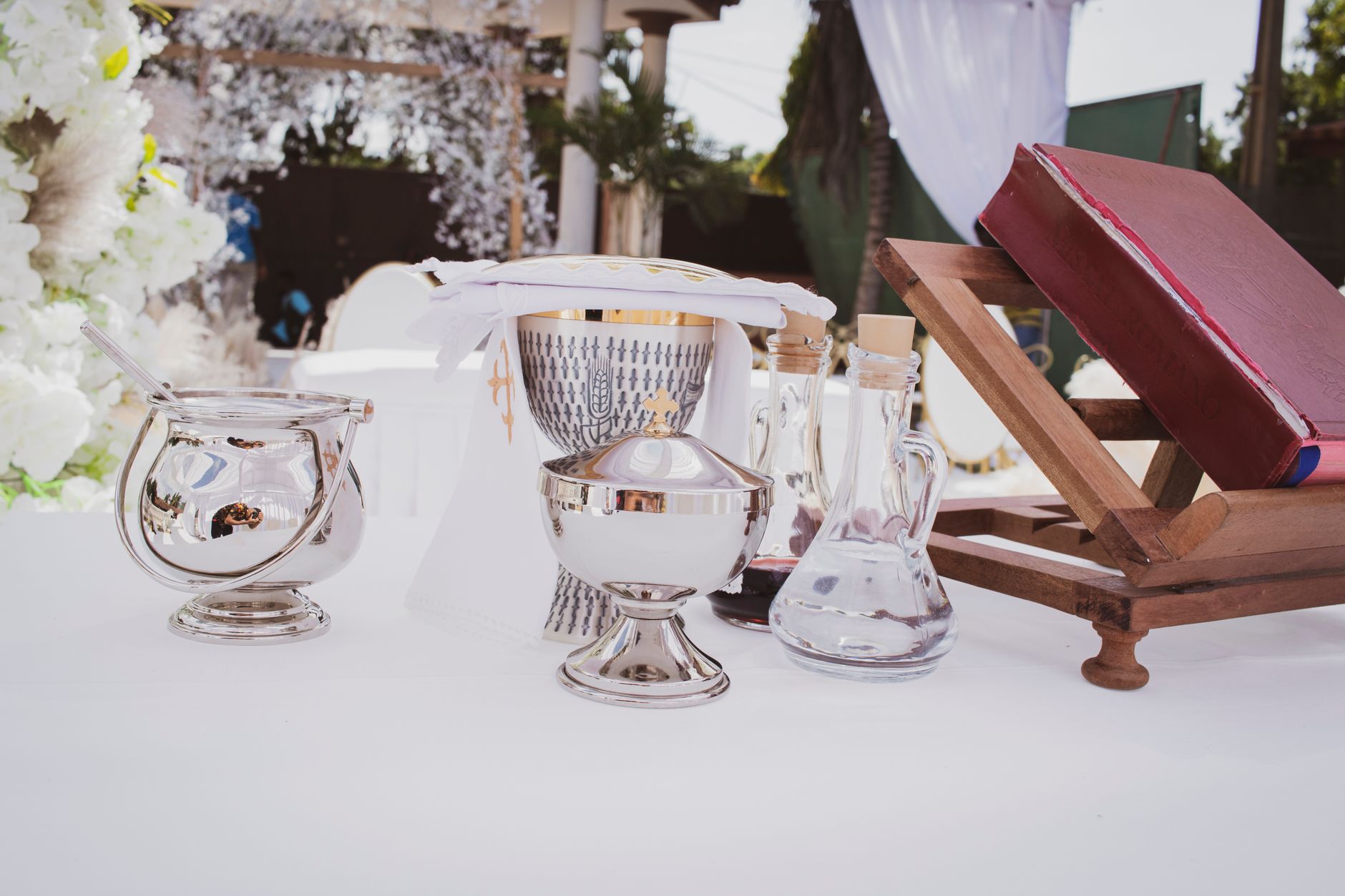
Sacred Gujarati Wedding Rituals, Darjeeling
Religious cermony in Darjeeling
Gujarati Marriage Ritual Items in Darjeeling: Complete Guide
Planning a Gujarati wedding in Darjeeling's misty hills means balancing age-old tradition with the practical realities of a mountain destination. Sourcing authentic Gujarati marriage ritual items far from Ahmedabad or Surat is one of the biggest concerns families face. From the kansar thali and kankavati to the sacred mangalsutra tray and the four-pillar mandap essentials, every piece of traditional pooja samagri for wedding carries deep spiritual meaning. Happiffie helps you identify trusted local and outstation suppliers, plan your destination wedding checklist, and ensure every ritual unfolds seamlessly against Darjeeling's breathtaking Himalayan backdrop.
Quick Answer
Gujarati marriage ritual items are the sacred objects and ceremonial supplies used across Gujarati wedding rituals — including the mandap setup, kansar set, kankavati, supari, sacred threads, turmeric, coconut, kumkum, and puja thalis. In Darjeeling, these items are sourced either from local Bengali puja shops or pre-ordered from Gujarati wholesale suppliers in Kolkata or Surat and transported to the venue. A comprehensive kit typically costs between ₹8,000 and ₹35,000 depending on ceremony scale.
What Are Gujarati Marriage Ritual Items and Why Do They Matter?
Gujarati marriage ritual items are the tangible, sacred materials that give every ceremony its spiritual structure. The Gujarati wedding tradition is one of the most ritually dense among Indian communities, with ceremonies like Ganesh Sthapana, Mandap Muhurat, Kanyadaan, Saptapadi, and Aashirvad each requiring specific items. Core essentials include the four-pillar mandap with toran (mango leaf strings), kansar (sweet rice dish), kankavati (a decorated tray for the bride), supari (betel nuts), sacred red thread (mouli), coconut, kumkum, chandan, camphor, ghee, and the sacred havan kund with samidha sticks. Hindu wedding ceremony supplies in this tradition are not interchangeable — the priest (pandit) follows a specific vidhi that calls for each item at a precise moment. Missing even one element can interrupt the muhurat, which is considered deeply inauspicious. In Darjeeling, where Gujarati communities are small, the challenge is acute. Families must plan their wedding ritual essentials months in advance, ensuring nothing is left to last-minute local availability. Understanding exactly what each item is, what it symbolises, and how to source it is the foundation of a stress-free Gujarati ceremony in the hills.
Sourcing Gujarati Vivah Puja Kits in Darjeeling
Darjeeling's retail market is dominated by Bengali and Nepali cultural goods. While local puja shops stock general Hindu wedding ceremony supplies like camphor, agarbatti, and coconut, specialised Gujarati items such as the kansar thali, gol dhana (jaggery and coriander), and ceremonial nav-dhaanya (nine grains) are rarely available off the shelf. The most reliable sourcing strategy is a three-pronged approach. First, commission a Gujarati vivah puja kit from a wholesale supplier in Kolkata's Burrabazar, which is roughly six to seven hours by road from Darjeeling and has several Gujarati traders. Second, carry key non-perishable items — sacred threads, specific brass utensils, and the kansar vessel — directly from your home city. Third, brief your local Darjeeling pandit well in advance so he can advise on any last-minute substitutions that are ritually acceptable. For destination wedding planning in Darjeeling, building a two-day buffer before the ceremony is strongly recommended so that any delivery delays due to mountain road conditions can be absorbed without affecting the muhurat. Working through Happiffie connects you to vendors who already have hill-station logistics experience.
How Much Do Gujarati Marriage Ritual Items Cost in Darjeeling?
Pricing for Gujarati marriage ritual items in Darjeeling is influenced by three factors: sourcing distance, item quality, and whether you opt for a pre-assembled kit or individual procurement. A basic ceremony kit covering a small intimate gathering of 50 to 80 guests typically costs ₹8,000 to ₹14,000. A mid-range kit for 150 to 300 guests — with brass puja thalis, decorated kankavati trays, silk toran, and a complete havan set — runs between ₹16,000 and ₹26,000. For large, traditional Gujarati weddings with 400-plus guests and extended rituals spanning two days, wedding ritual essentials including mandap decoration items, ceremonial garments for the kanya, and all puja samagri can total ₹28,000 to ₹45,000. Transportation and handling from Kolkata or Siliguri adds ₹1,500 to ₹4,000 depending on parcel weight. Renting brass and copper utensils from Darjeeling event vendors instead of purchasing can reduce cost by 20 to 30 percent, particularly for large vessels used in the havan. Always request an itemised quotation so you can cross-check against your pandit's vidhi list — this prevents over-ordering and duplicate purchases that inflate the destination wedding checklist budget unnecessarily.
Traditional Pooja Samagri for Wedding: Item-by-Item Breakdown
Understanding each element of traditional pooja samagri for wedding rituals helps families cross-check supplier lists and avoid gaps. The mandap category includes bamboo or wooden pillars, silk or cotton draping fabric, toran of mango and ashoka leaves, banana stems, and marigold strings. The havan category includes the copper or clay havan kund, samidha sticks (ideally mango wood), ghee (pure cow ghee preferred), and the specific herbs and grains for the ahuti. The kanyadaan category requires the kanya's silk odhni, the groom's uttariya, and the ceremonial tying of haath-peelo (wrist thread). The ritual food category covers kansar, gol dhana, and churma for post-ceremony distribution. Finally, the general samagri list includes kumkum, haldi, chandan paste, supari, paan, dried dates, akshat (rice), and roli. Gujarati marriage ritual items in this granular form are best managed through a printed vidhi list provided by your pandit, matched item-for-item with your supplier's kit list. A Bengali-Gujarati intercultural wedding may require additional samagri to honour both traditions — coordinate with both pandits at least 60 days before the ceremony to avoid conflicts in ritual sequence or item overlap.
What Should You Check Before Finalising a Supplier for Gujarati Marriage Ritual Items in Darjeeling?
Choosing the right supplier for Gujarati marriage ritual items in Darjeeling requires due diligence beyond just price comparison. Start by verifying that the supplier has prior experience with Gujarati vivah puja kits specifically — not just generic Hindu wedding ceremony supplies. Ask for a sample itemised kit list and cross-reference it with your pandit's vidhi document. Confirm the quality of key materials: the ghee should be pure cow ghee (not vanaspati), the mouli thread should be red (not orange), and the havan kund dimensions should match your mandap size. For delivery logistics, ask whether the vendor has handled wedding vendor sourcing for hill station events before — mountain roads between Siliguri and Darjeeling can cause delays, especially during monsoon (June to September). Confirm delivery timelines with a written agreement and request photographic documentation of items packed. If renting brass utensils, inspect them personally or via video call for cracks, missing lids, or incorrect sizes. Finally, build a 15 percent contingency budget into your plan to replace any items that arrive damaged or are found to be ritually inadequate by your pandit on the day.
Gujarati Marriage Ritual Items Sourcing Options in Darjeeling: Comparison
Expert Recommendation
Best for Intimate Celebrations (Under 100 Guests)
Best for Large Traditional Weddings (300+ Guests)
Best for Destination Wedding Planning on a Budget
Best for Bengali-Gujarati Intercultural Weddings
Best for Traditional Heritage-Style Ceremonies
Best for Modern Couples Blending Tradition and Experience
How to Choose the Right Option
✅ Pre-booking Checklist
- Obtain your pandit's complete vidhi list at least 60 days before the wedding and use it as your master procurement document
- Confirm supplier experience with Gujarati marriage ritual items specifically, not just generic puja supplies
- Place Kolkata or outstation orders with a minimum 45-day lead time to account for mountain road transport delays
- Inspect or video-verify rented brass and copper utensils for size, condition, and ritual suitability
- Allocate a 15 percent contingency budget for replacement items if any arrive damaged or are flagged by your pandit
- Confirm cold-chain or dry-storage arrangements at your Darjeeling venue for perishable samagri like fresh flowers and ghee
- Coordinate dual samagri lists at least 60 days in advance if planning a Bengali-Gujarati intercultural wedding
- Brief your venue coordinator on mandap setup dimensions so the havan kund and four-pillar structure fit the allocated space
🎯 Selection Criteria
- Supplier's proven experience with Gujarati vivah puja kits and hill-station delivery logistics
- Material authenticity — pure cow ghee, mango wood samidha, genuine brass over plated alloy
- Itemised kit list that can be cross-referenced line-by-line against your pandit's vidhi document
- Reliable delivery tracking with photographic confirmation of packing
- Flexible rental options for large utensils to balance cost against ritual compliance
- Supplier's ability to provide last-minute replacements via express courier from Siliguri or NJP
💰 Cost / Quality Factors
- Guest count directly determines the size of vessels, quantity of samagri, and total kit cost
- Sourcing distance from Darjeeling adds ₹1,500 to ₹4,000 in logistics cost per order
- Material grade (pure brass vs plated, cow ghee vs blended) significantly affects both ritual validity and price
- Monsoon season (June to September) increases road delay risk and should prompt earlier ordering
- Renting utensils locally can reduce overall Gujarati marriage ritual items spend by 20 to 30 percent
- Intercultural ceremony requirements may double some samagri categories, increasing procurement complexity
⚠️ Common Mistakes to Avoid
- Assuming Darjeeling's local markets stock all required Gujarati marriage ritual items — they do not
- Ordering too close to the wedding date without accounting for mountain transport delays
- Skipping the pandit's vidhi review of the supplier's kit list, leading to incorrect or missing items on the day
- Using vanaspati ghee or blended oils in place of pure cow ghee, which is ritually unacceptable in Gujarati ceremonies
- Overlooking venue storage requirements — no refrigeration for ghee or secure dry space for paper-wrapped samagri
- Failing to carry backup items for ritually critical pieces like the sacred thread and coconut in personal luggage
People Also Ask
Can I find Gujarati marriage ritual items locally in Darjeeling?
How far in advance should I order Gujarati marriage ritual items for a Darjeeling wedding?
What is a kansar set and why is it important in a Gujarati wedding?
How much does a complete Gujarati vivah puja kit cost in Darjeeling?
Is it possible to rent puja utensils for a Gujarati wedding in Darjeeling instead of buying?
Can a local Darjeeling pandit perform Gujarati wedding rituals correctly?
What extra items are needed for a Bengali-Gujarati intercultural wedding in Darjeeling?
What is the biggest sourcing mistake families make when planning a Gujarati wedding in Darjeeling?
Related Experiences on Happiffie
Sacred Supplies for Your Mumbai Wedding
Timeless Bridal Decor in Kodaikanal
Gujarati Vivah Supplies, Ooty
Sacred Coconut Rituals for Your Telugu Wedding
Wed Amid Kodaikanal's Misty Peaks
Wed Amid the Mussoorie Clouds
Sacred Rituals, Mountain Magic
Say I Do in the Hills
Frequently Asked Questions
Where can I buy authentic Gujarati marriage ritual items near Darjeeling?
What is the minimum lead time for sourcing a Gujarati vivah puja kit delivered to Darjeeling?
Can Darjeeling pandits perform Gujarati wedding rituals with the correct vidhi?
Which Gujarati marriage ritual items are absolutely non-negotiable and must be sourced perfectly?
How should I handle Gujarati marriage ritual items during transport to Darjeeling?
What is the typical cost of hiring a Gujarati wedding pandit in Darjeeling?
Are there any specific Darjeeling venues well-suited to Gujarati wedding mandap setups?
How do I manage Gujarati marriage ritual items for a multi-day wedding ceremony in Darjeeling?
Key Takeaways
- Gujarati marriage ritual items include mandap supplies, havan kund materials, kansar set, kankavati trays, sacred threads, and specific grains — each tied to a distinct ceremony moment
- Darjeeling's local puja shops cover basics but cannot supply specialised Gujarati items; plan outstation sourcing at least 45 to 60 days in advance
- A complete Gujarati vivah puja kit for a mid-size wedding of 150 to 300 guests costs ₹16,000 to ₹26,000, excluding venue and pandit fees
- Renting brass and copper utensils locally reduces costs by 20 to 30 percent but requires pandit-verified ritual compliance
- Mountain road delays during monsoon season (June to September) are a real logistics risk — order early and maintain a 15 percent item contingency budget
- Bengali-Gujarati intercultural weddings require coordinated dual samagri lists — engage both pandits at least 60 days before the ceremony
- The destination wedding checklist for a Darjeeling Gujarati wedding must include venue cold storage confirmation, delivery tracking, and a printed backup list for last-minute sourcing in Siliguri
Plan Your Gujarati Wedding in Darjeeling with Happiffie
Connect with verified vendors who understand Gujarati marriage ritual items, hill-station logistics, and destination wedding planning — all in one place.
Explore Wedding Vendors
Are you a Vendor? Grow Your Business with Happiffie!
- High intent verified leads
- Reverse auction opportunities
- AI business tools & insights
- Dedicated vendor dashboard
- Grow your business, your way
It's free & takes less than 2 minutes!