

Explore All Religious Ceremonies
Discover traditional rituals, wedding ceremonies, spiritual occasions and meaningful cultural celebrations in Chennai, with trusted services to honour every tradition.
Give Thoughtfully,
Celebrate with Happiffie
From personalised gifts and curated collections to thoughtful presents for every occasion, Happiffie helps you discover gifting options that make celebrations more meaningful and memorable.
- Thoughtful Gift DiscoveryFind gifting options suited to every celebration and occasion
- Personalised GiftingDiscover customised gifts made to create meaningful moments
- Trusted Gift ProvidersConnect with reliable gifting professionals and service providers
Popular Religious Ceremonies
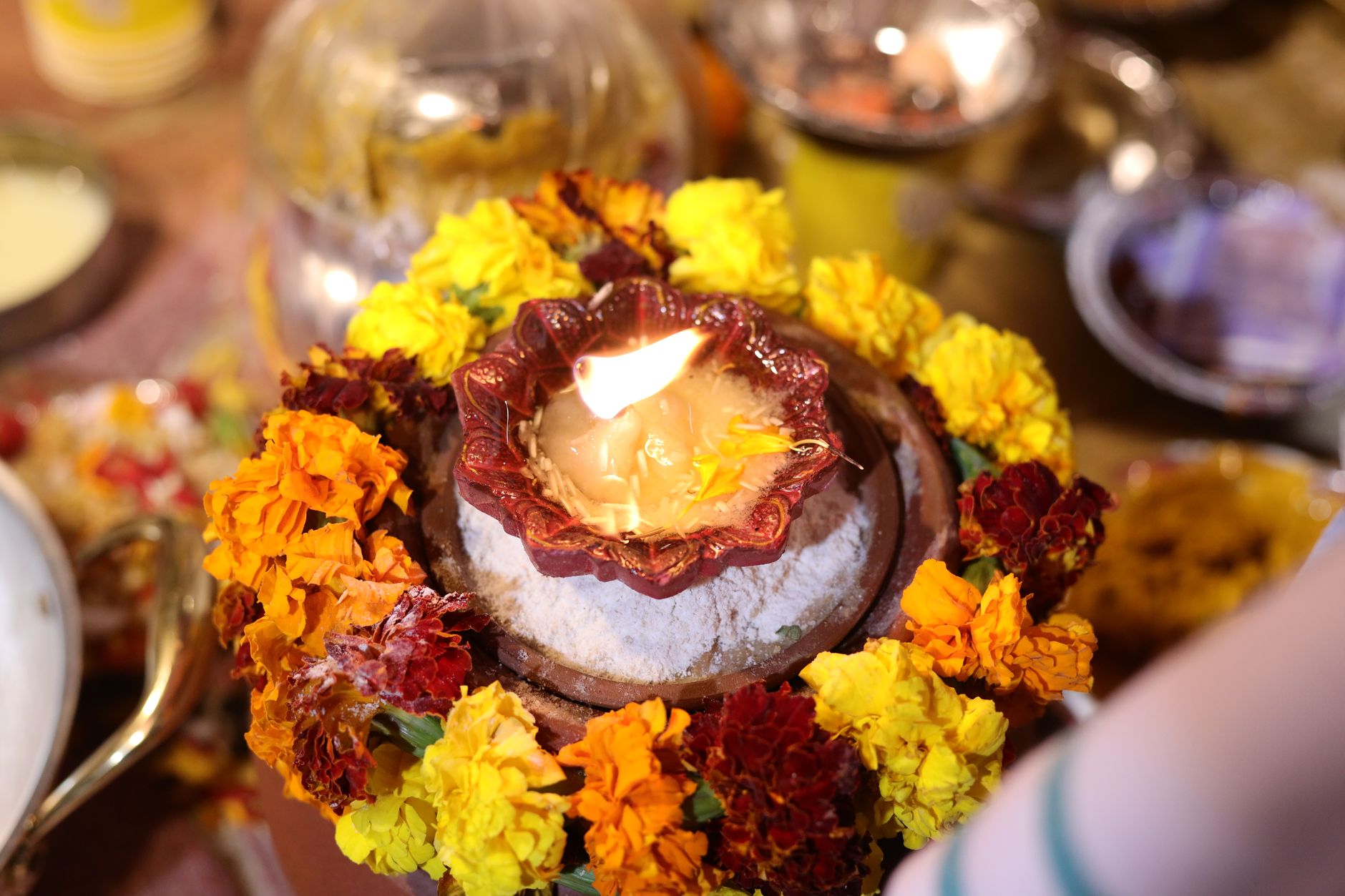 Acrylic Flower Baskets
 Artificial Flower Car Decor
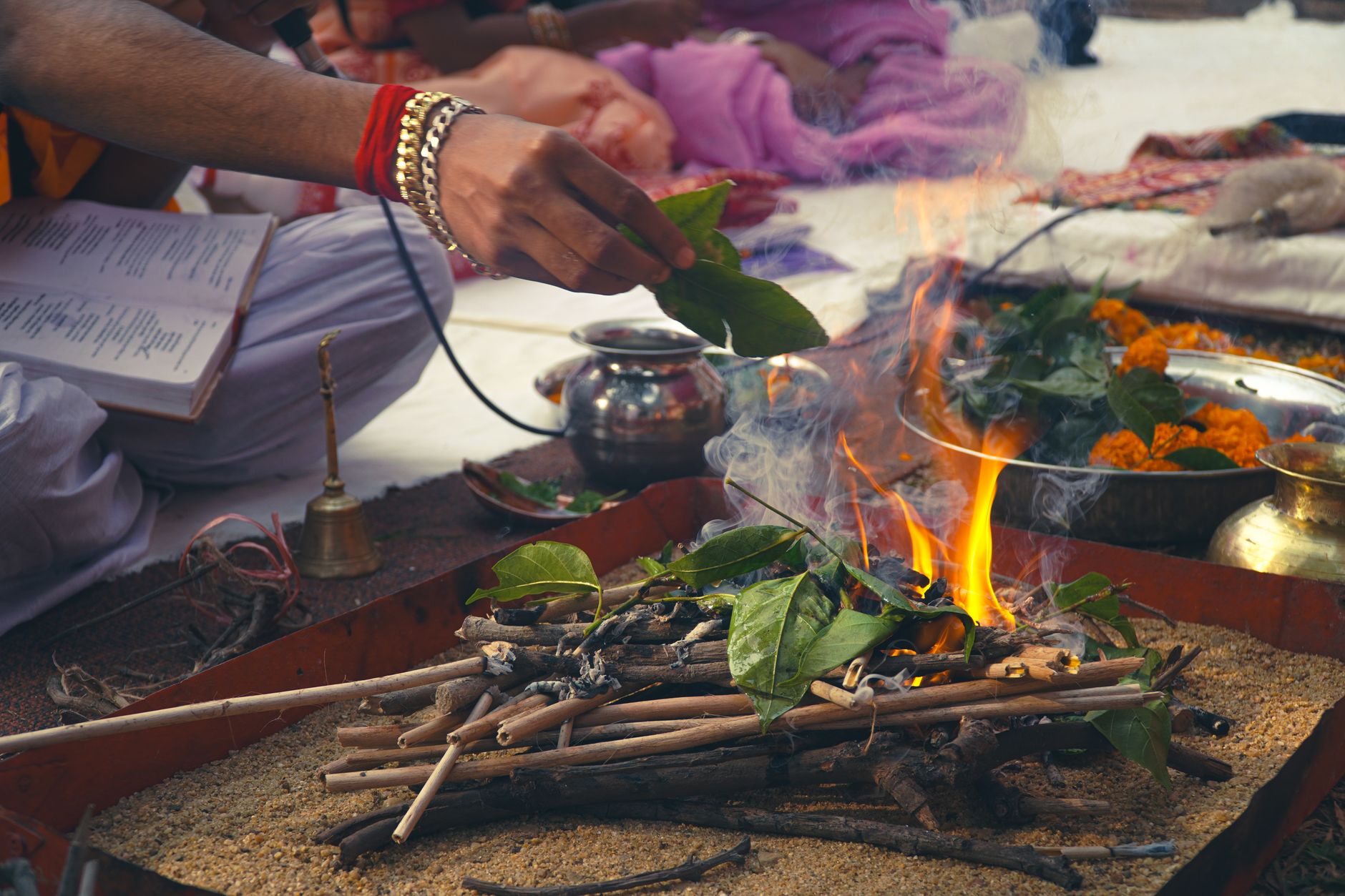 Brahmin Sapthapadi Ritual Items
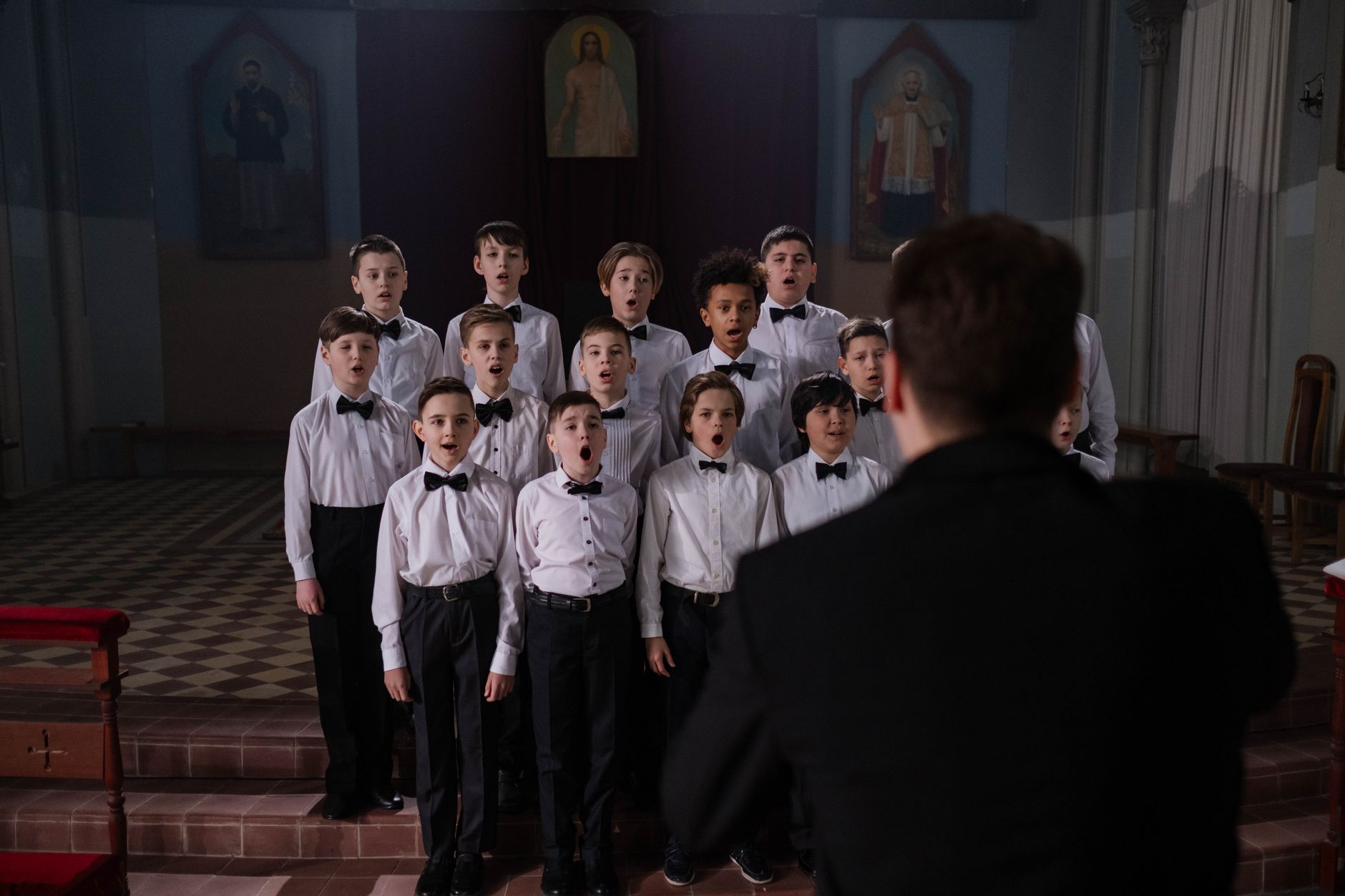 Classical Choir Ensemble
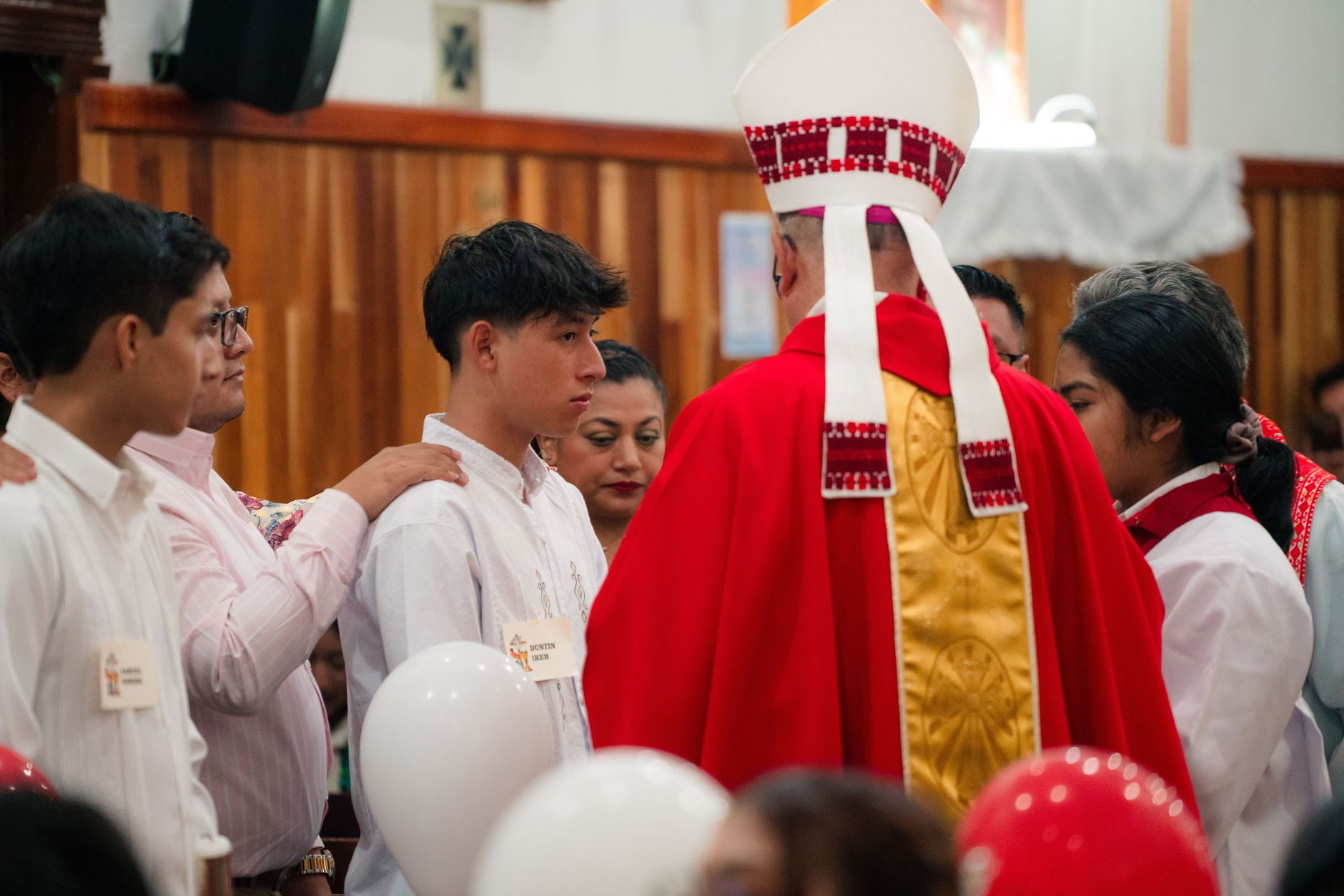 Confirmation Cakes
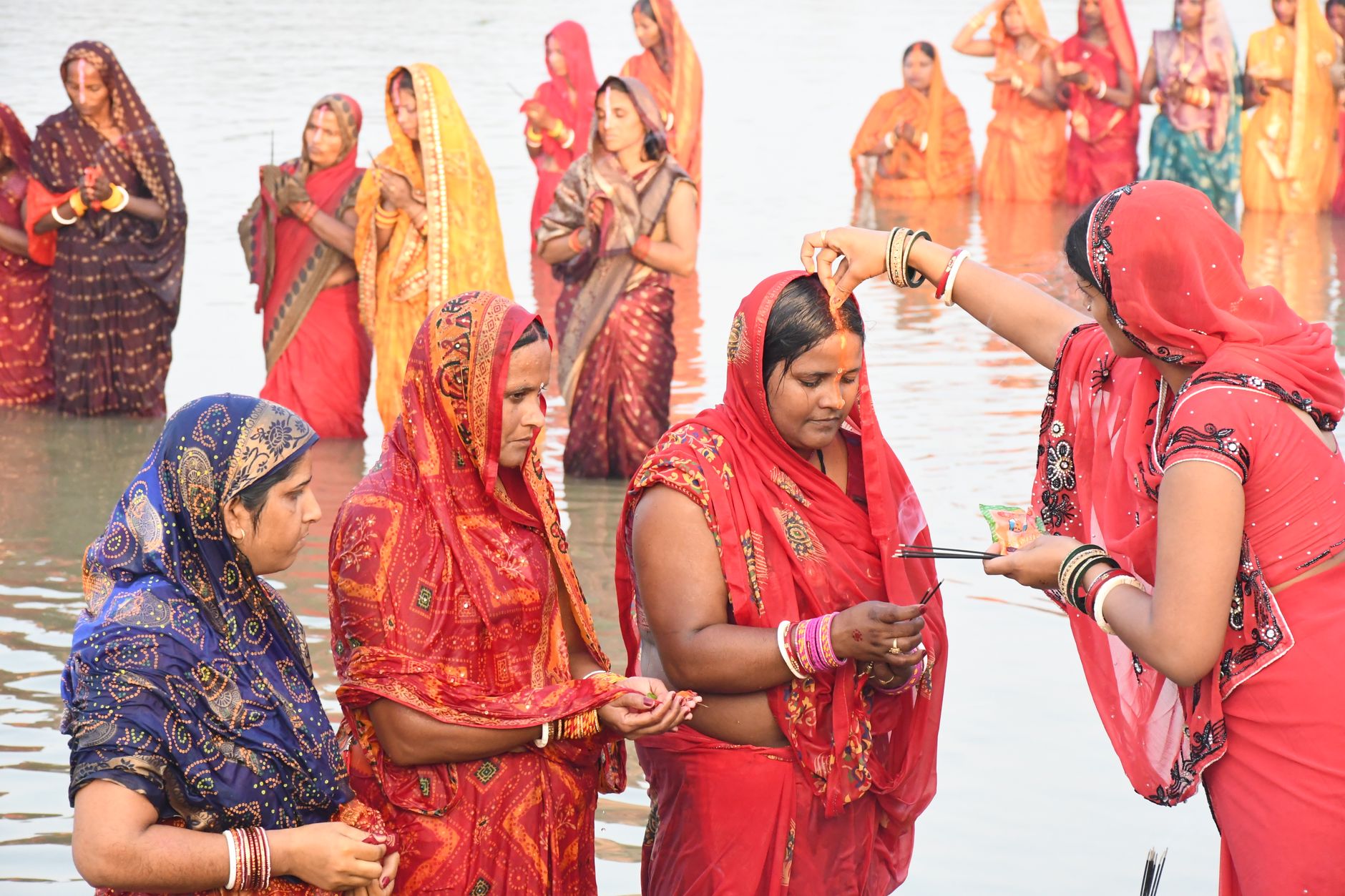 Devi Bhajan Group
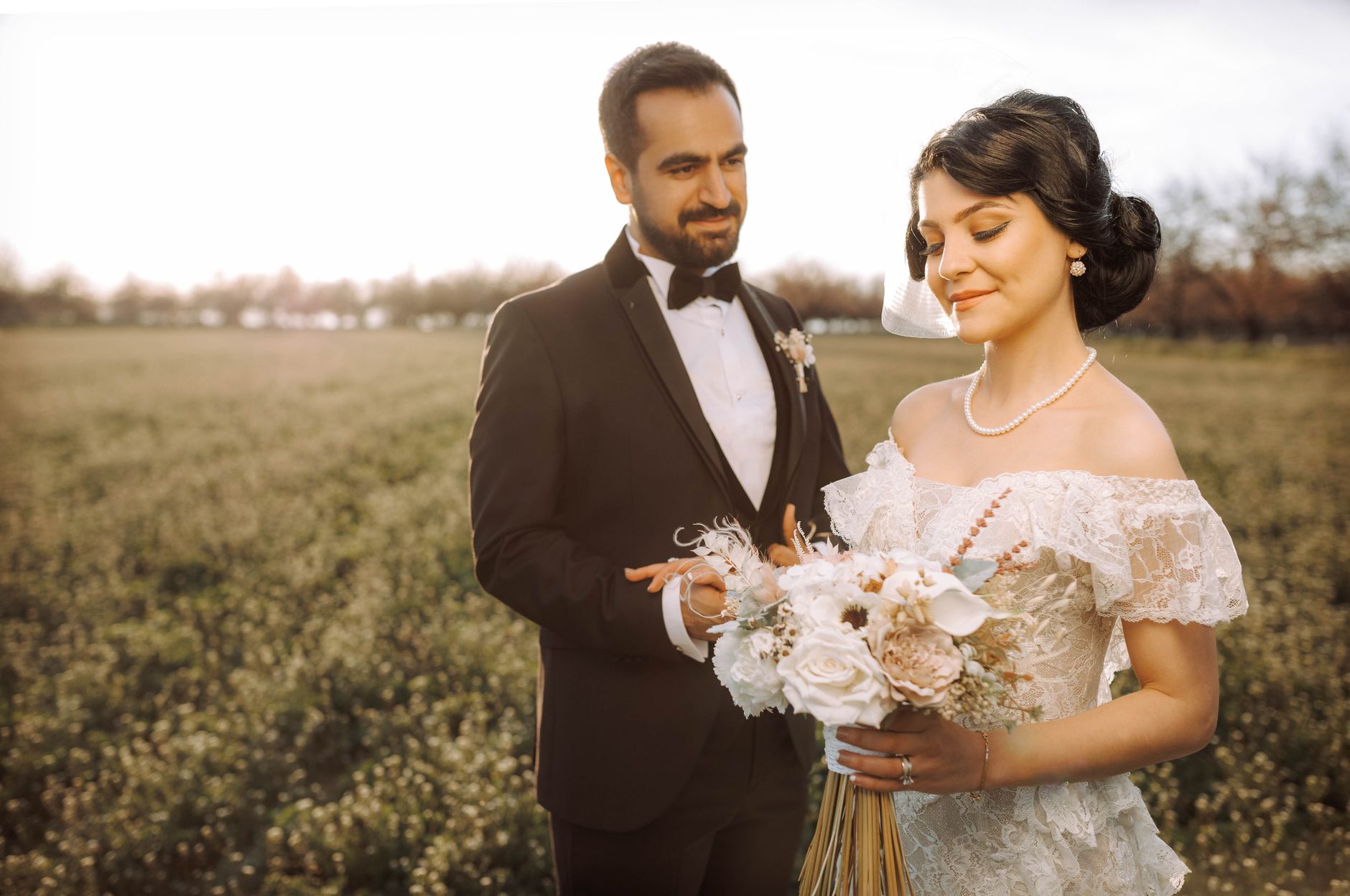 Dried Flower Boutonnieres
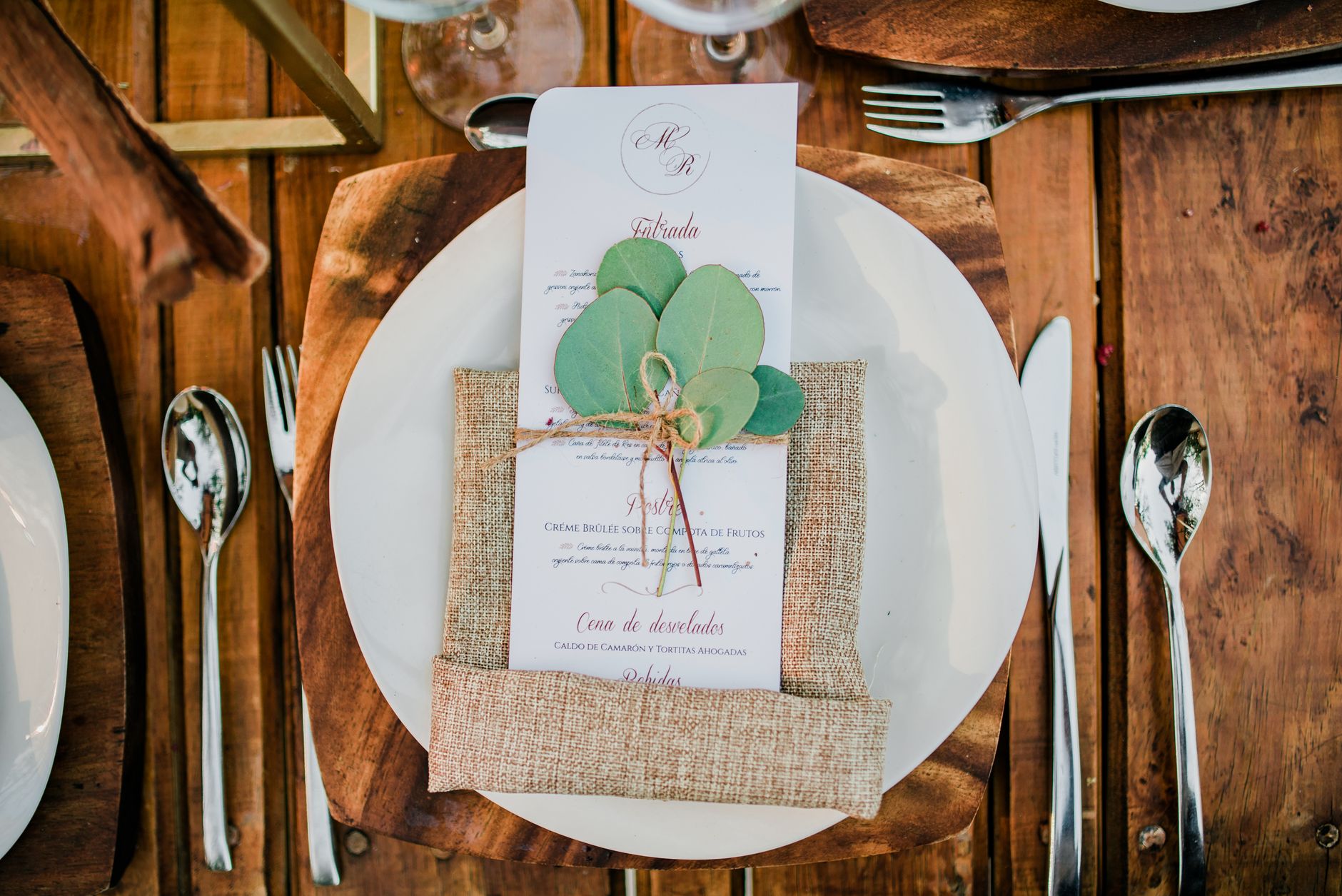 Eco Friendly Guest Favours
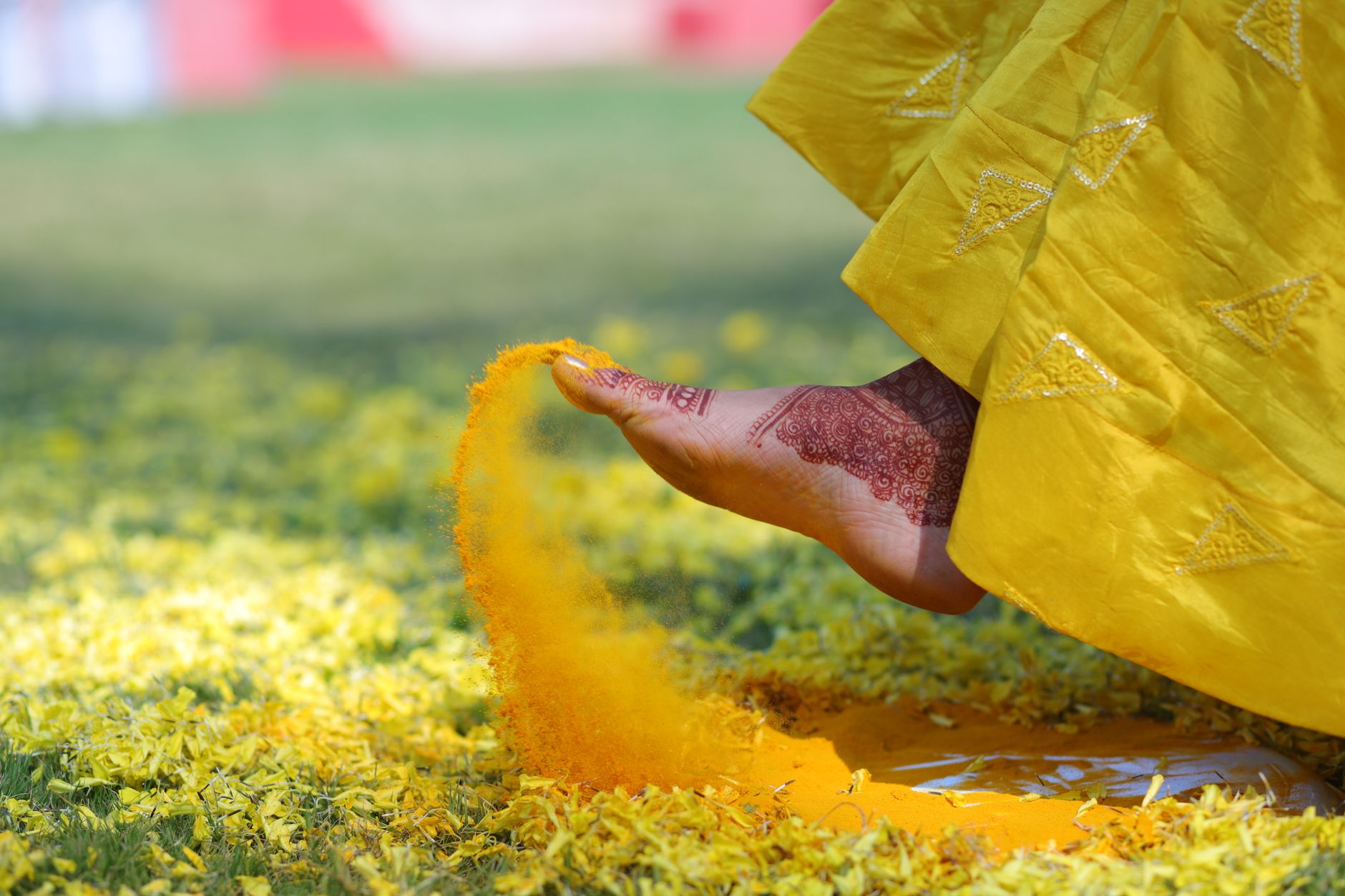 Gujarati Mehndi Ceremony Supplies
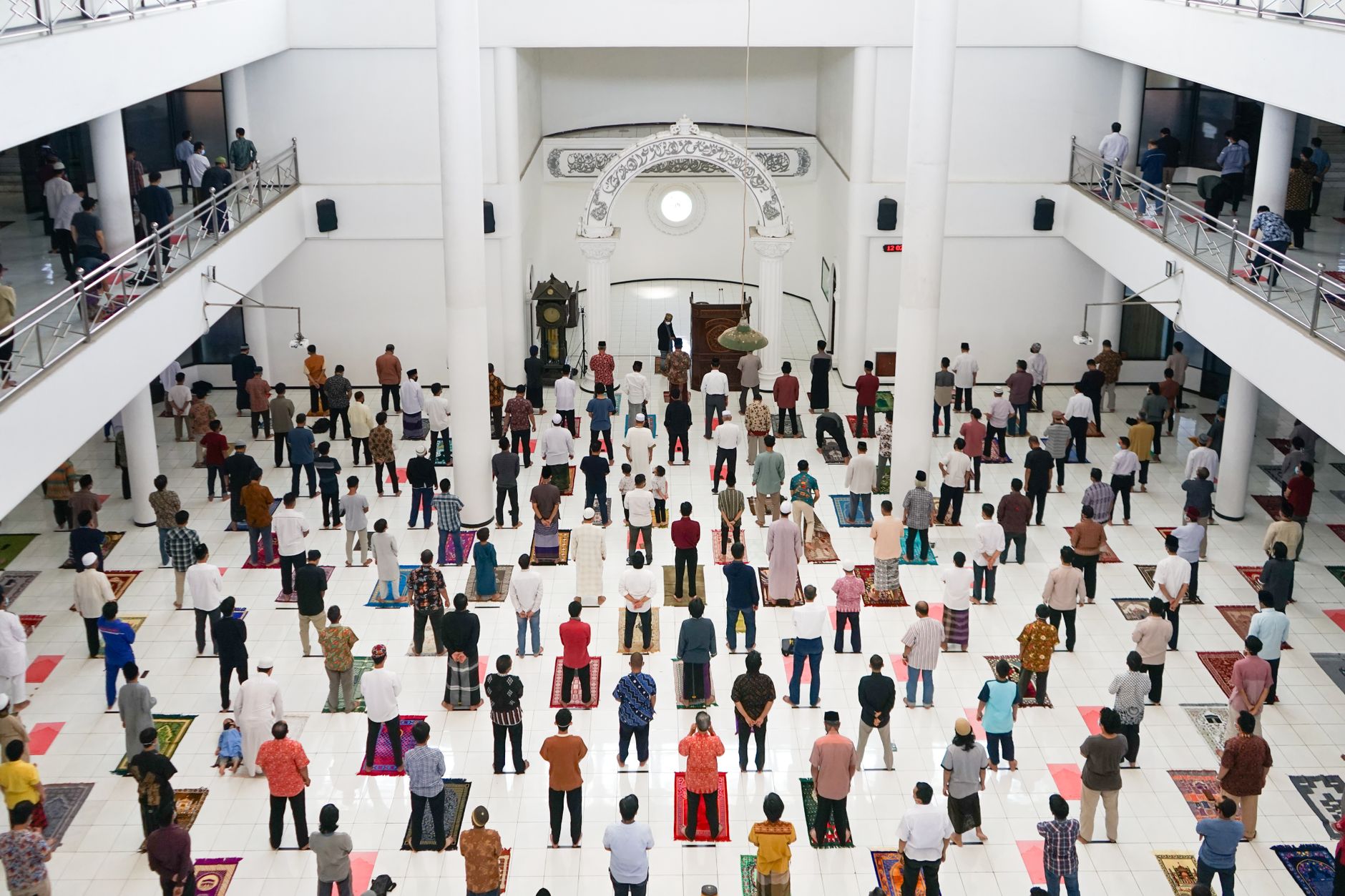 Islamic Prayer Mat Sets
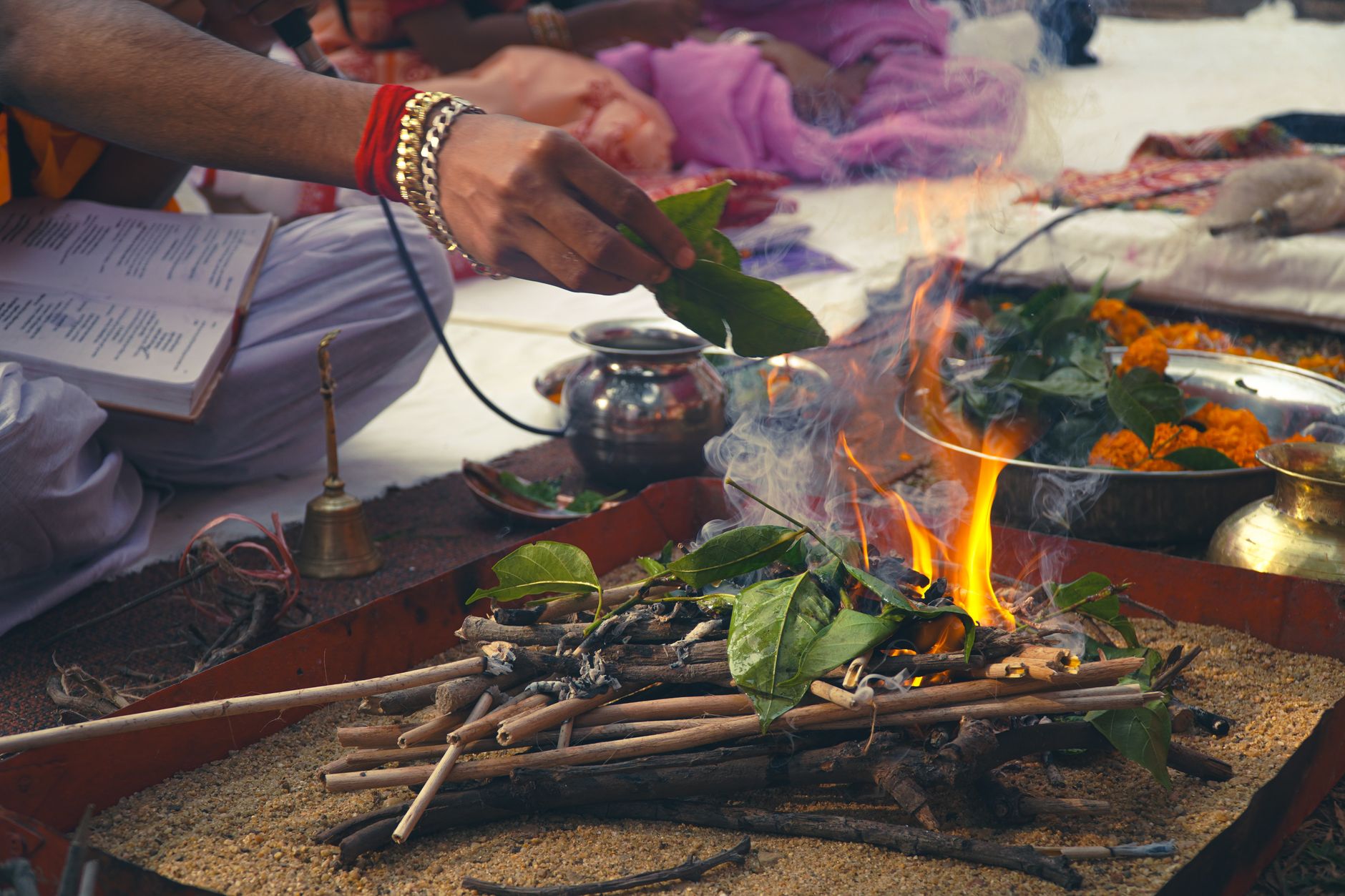 Jain Ceremony Brass Items
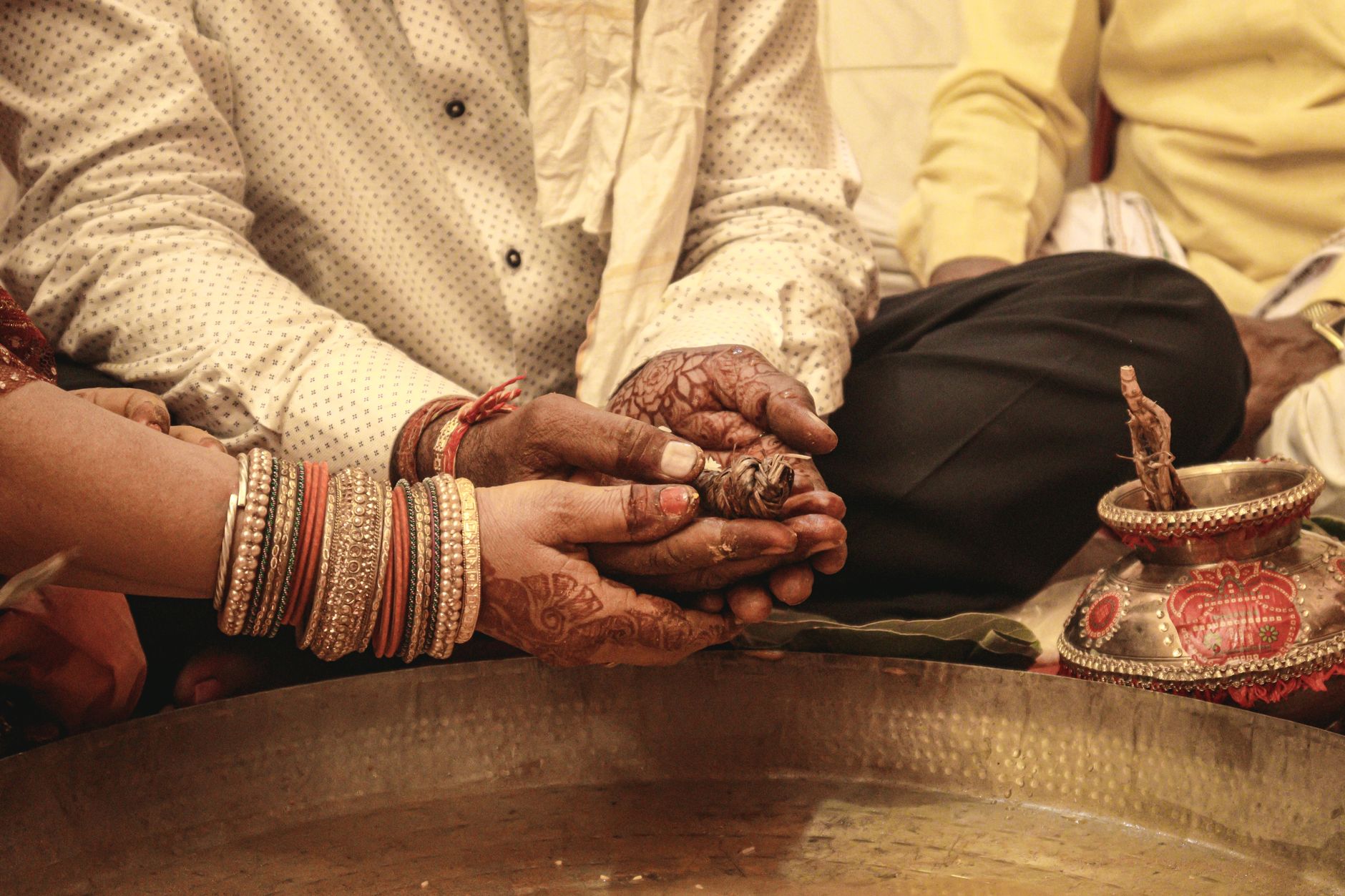 Kannada Kanyadaan Supplies
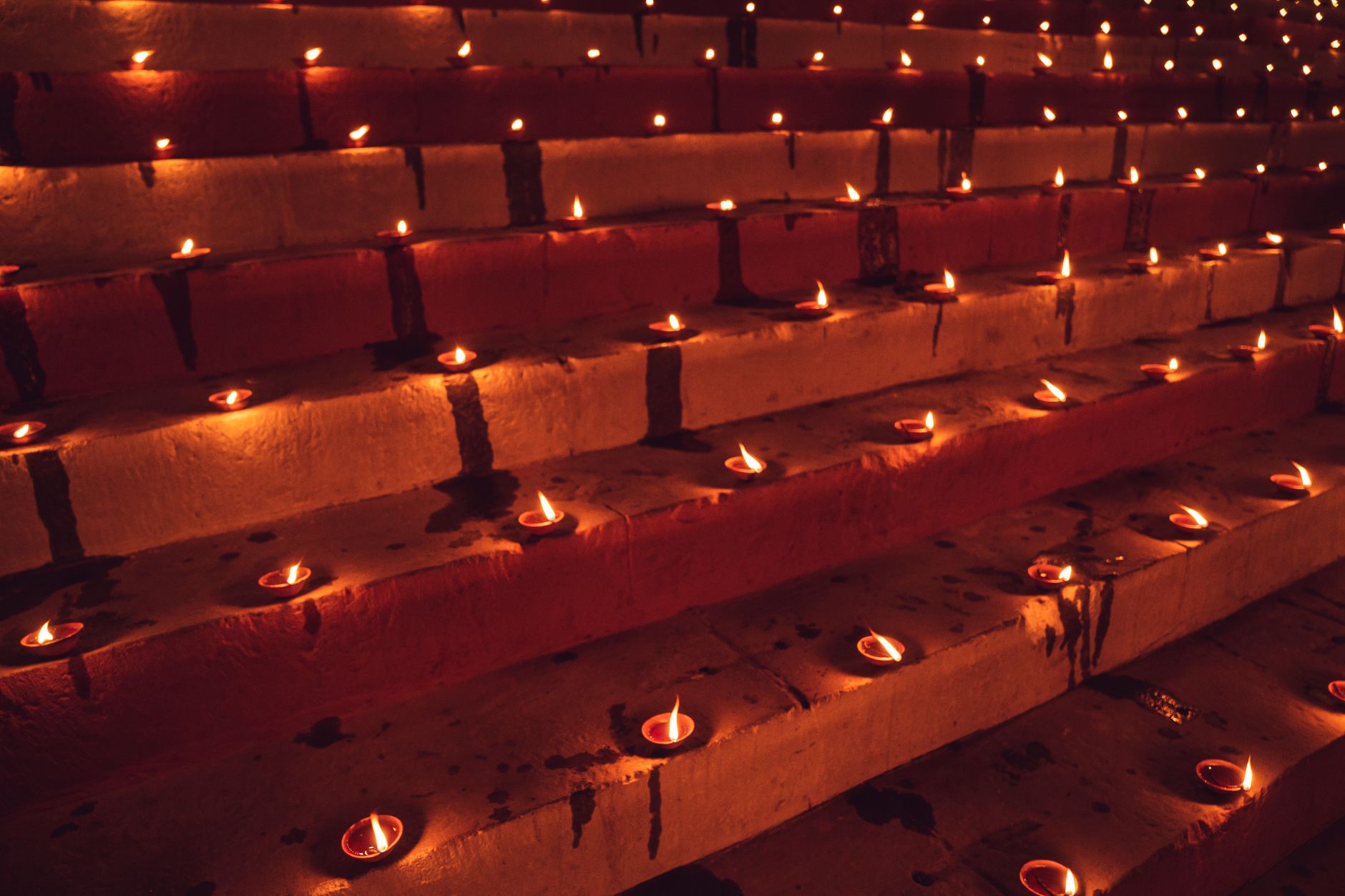 Kerala Deepam Ceremony Items
 Luxury Sparkling Wine
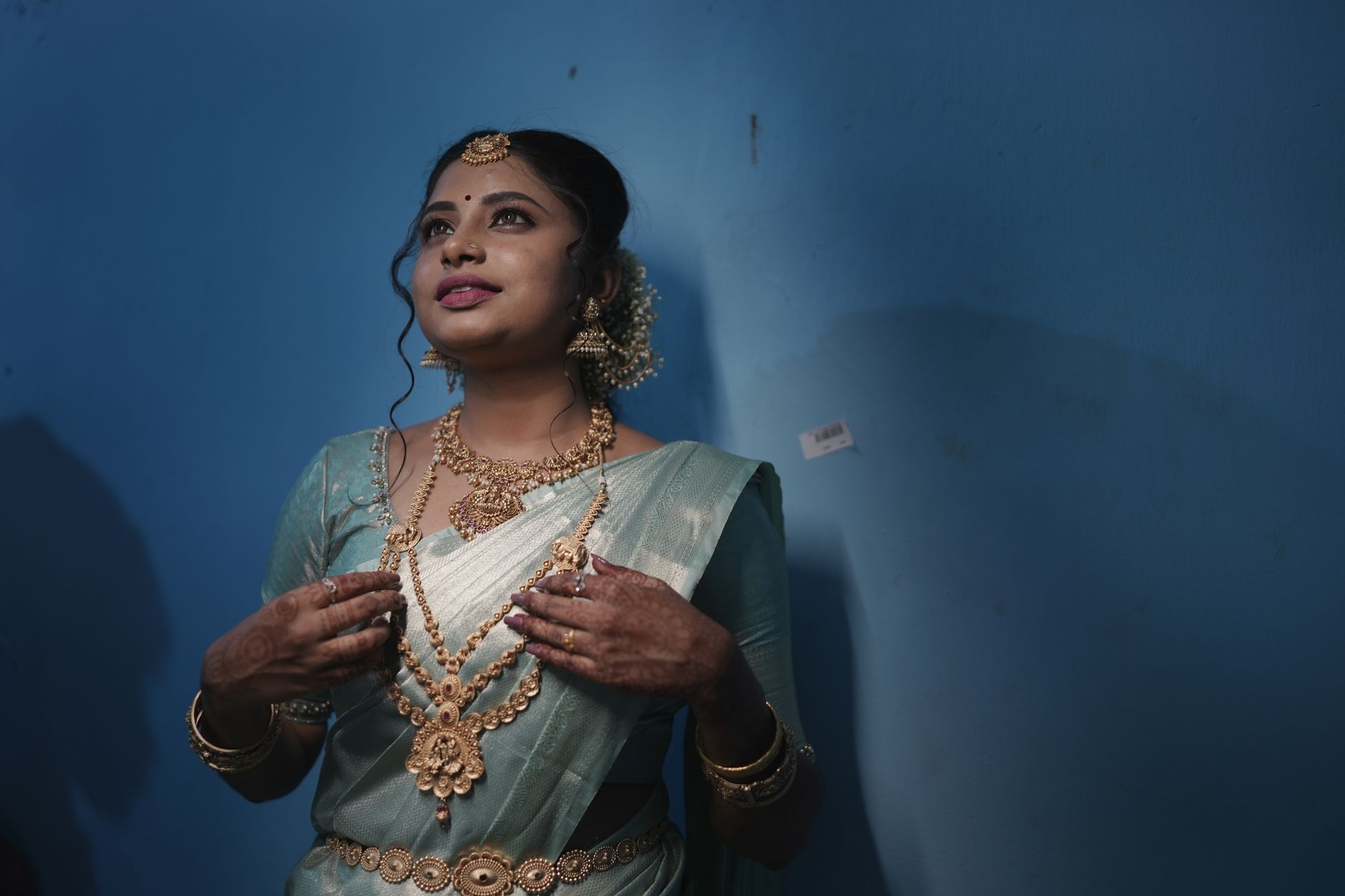 Malayalam Marriage Priest
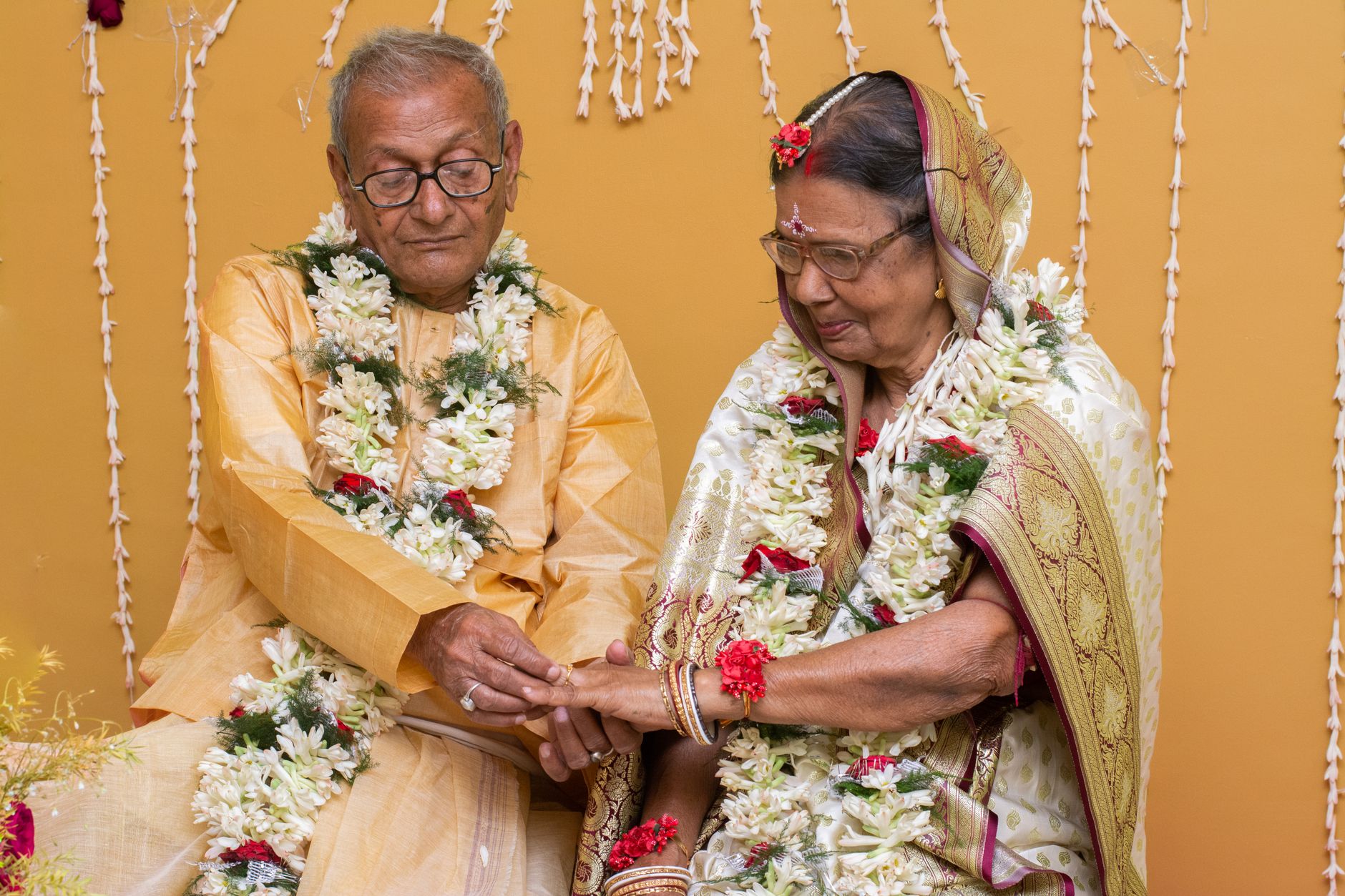 Marigold Varmala
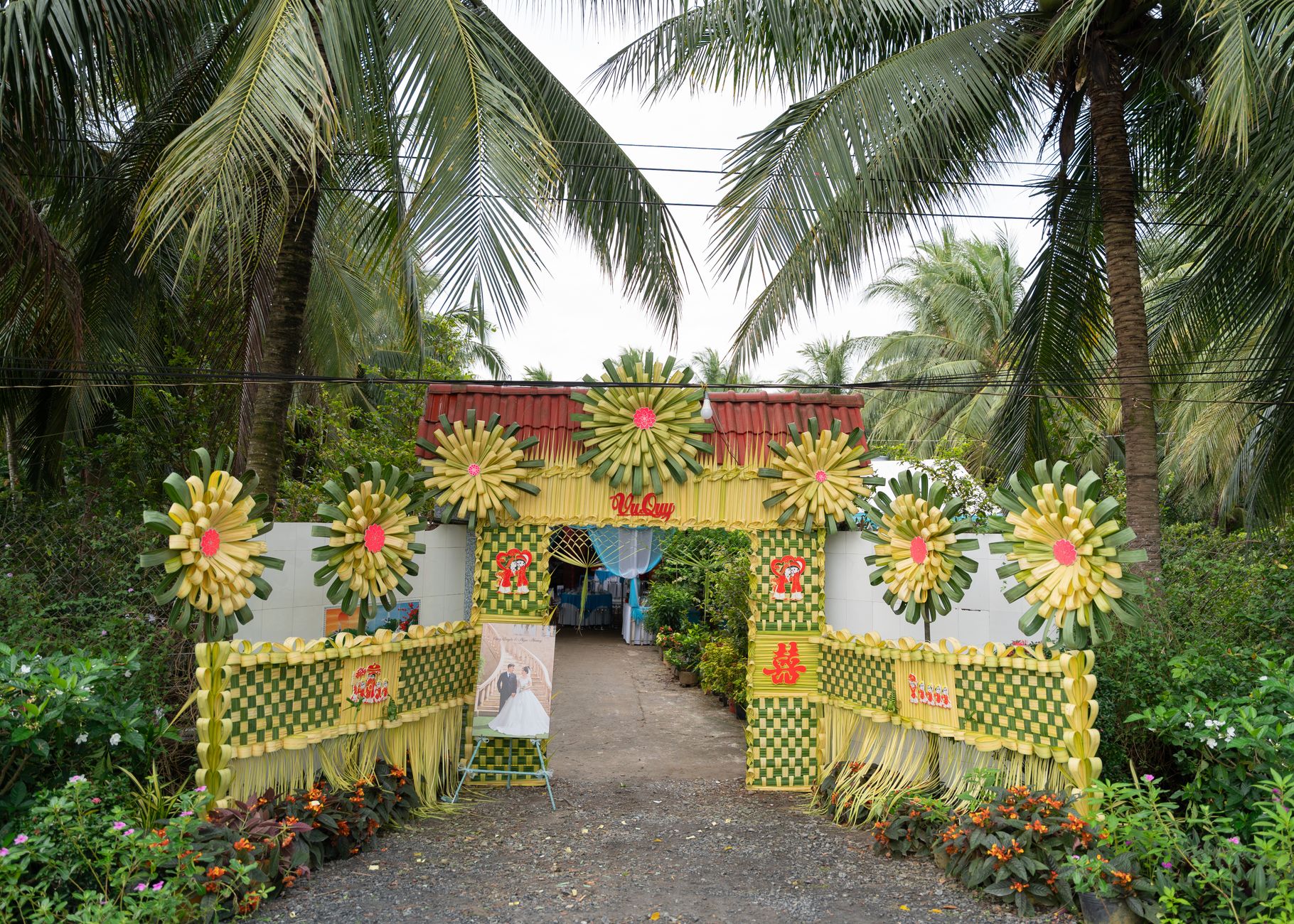 Marwari Toran Ceremony Supplies
 Mirror Ring Platters
 Multicultural Marriage Officiant
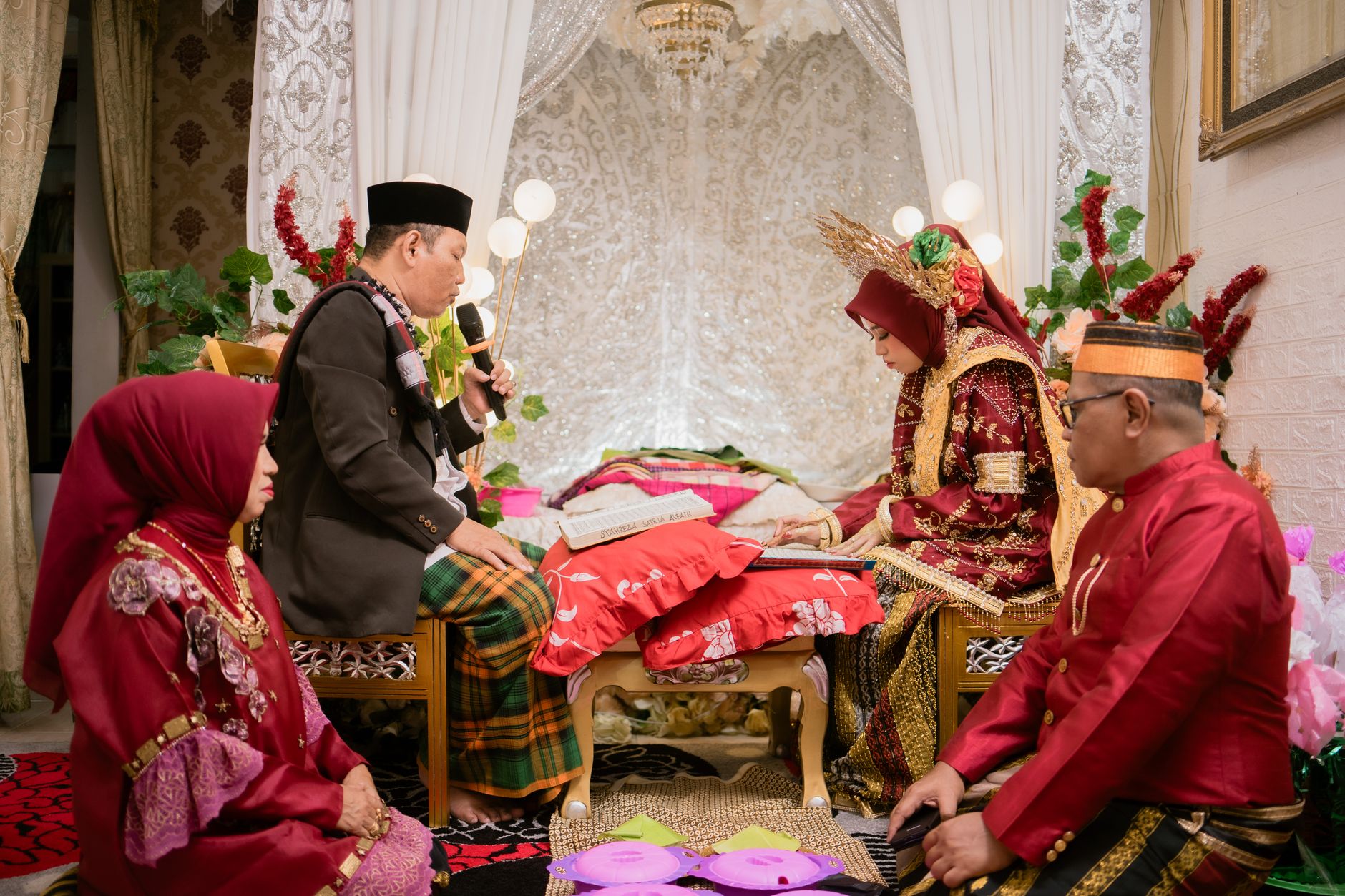 Nikah Live Streaming
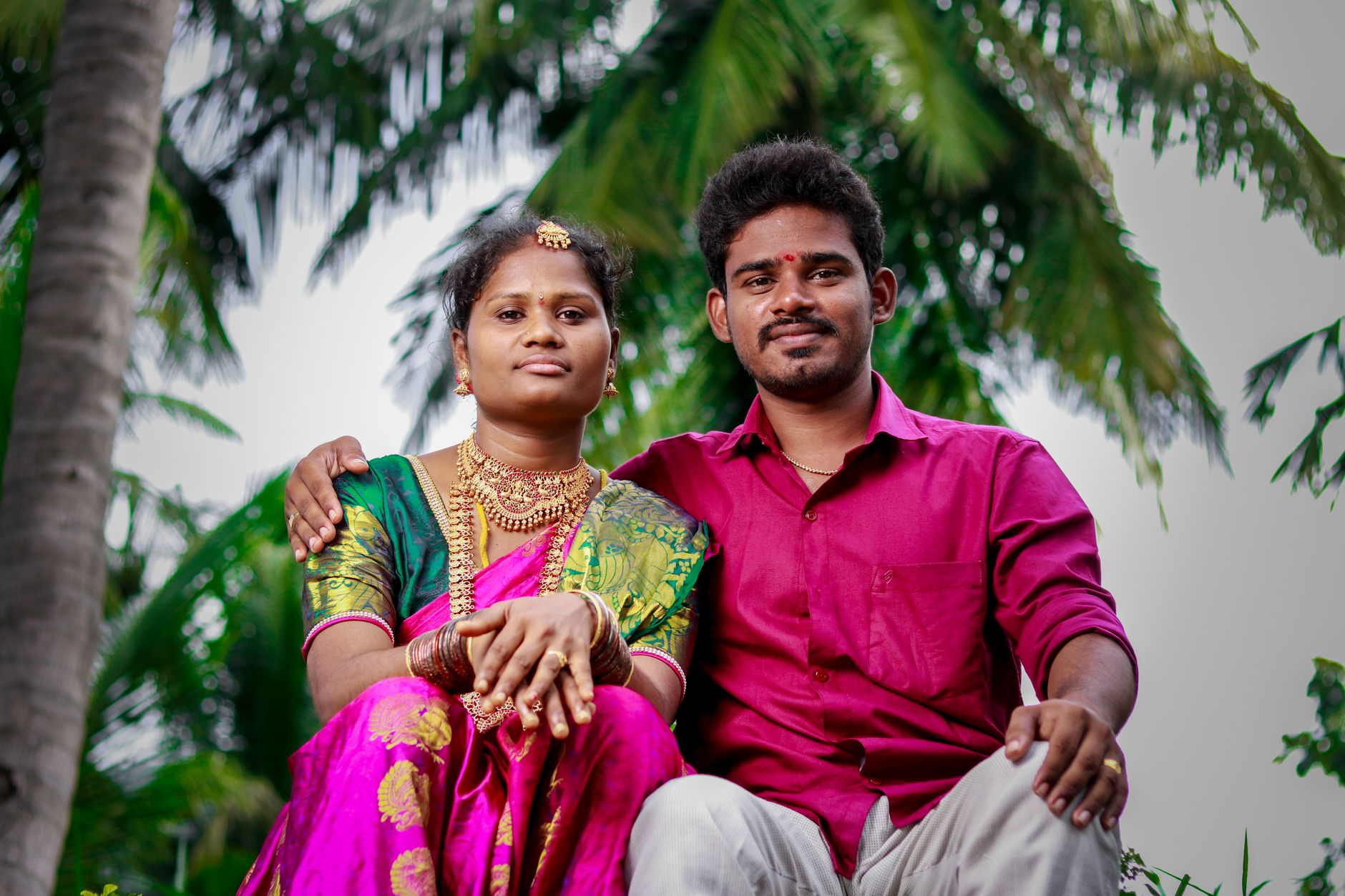 Porutham Matching Service
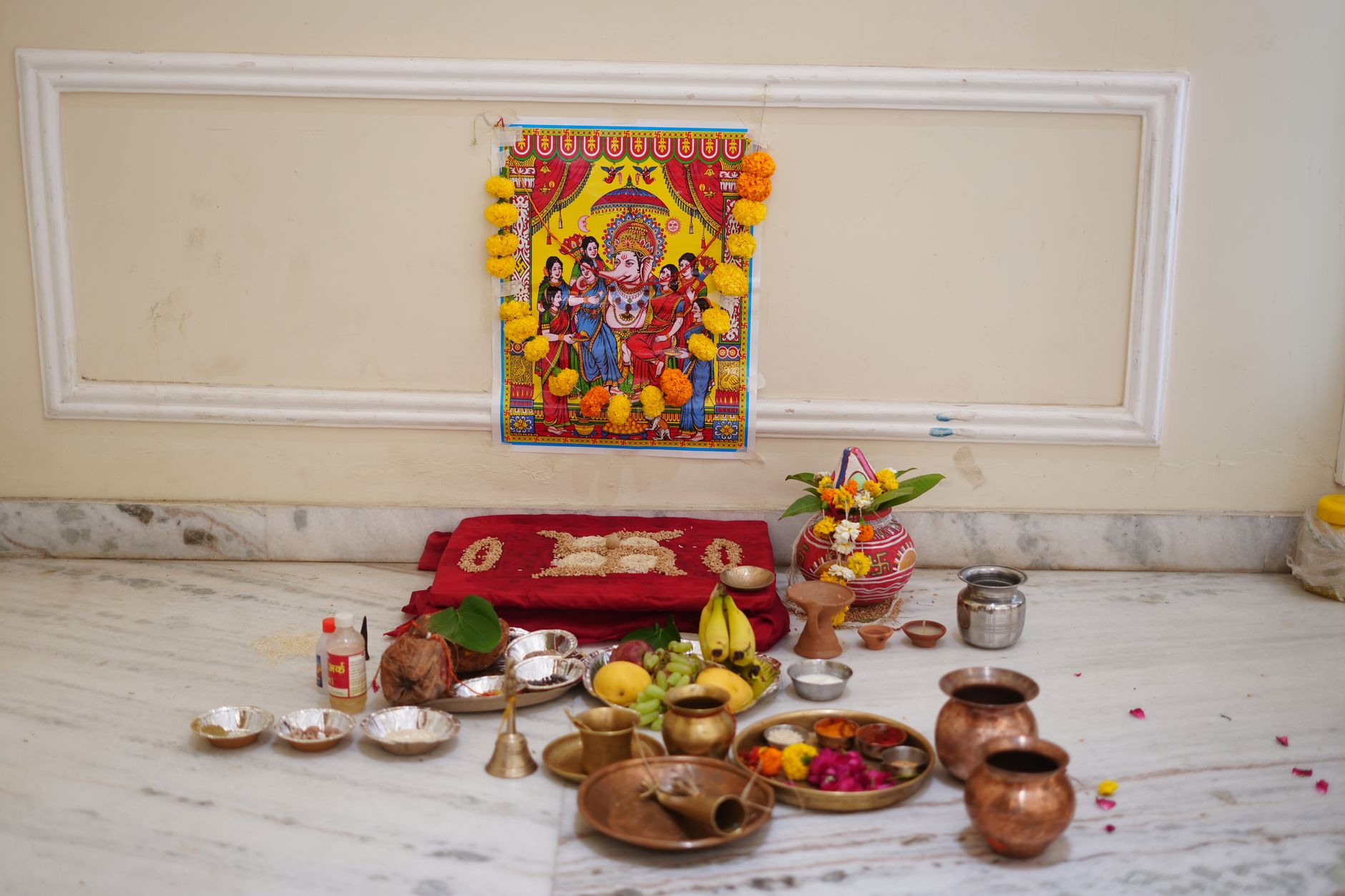 Satyanarayana Pooja Kit
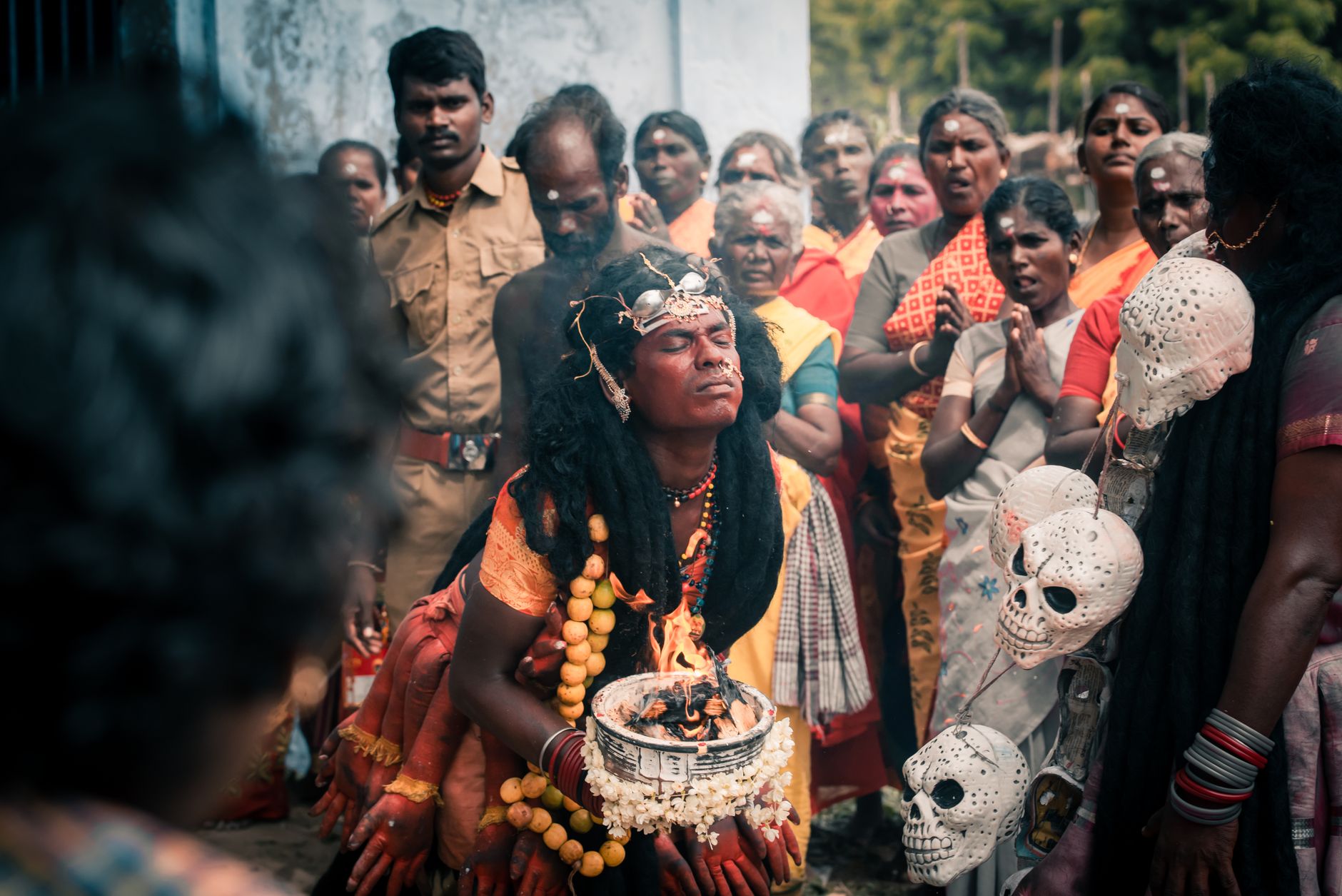 Tamil Sacred Fire Ceremony Items
 Telugu Mangalasutram Supplies
 Tulip Bouquets
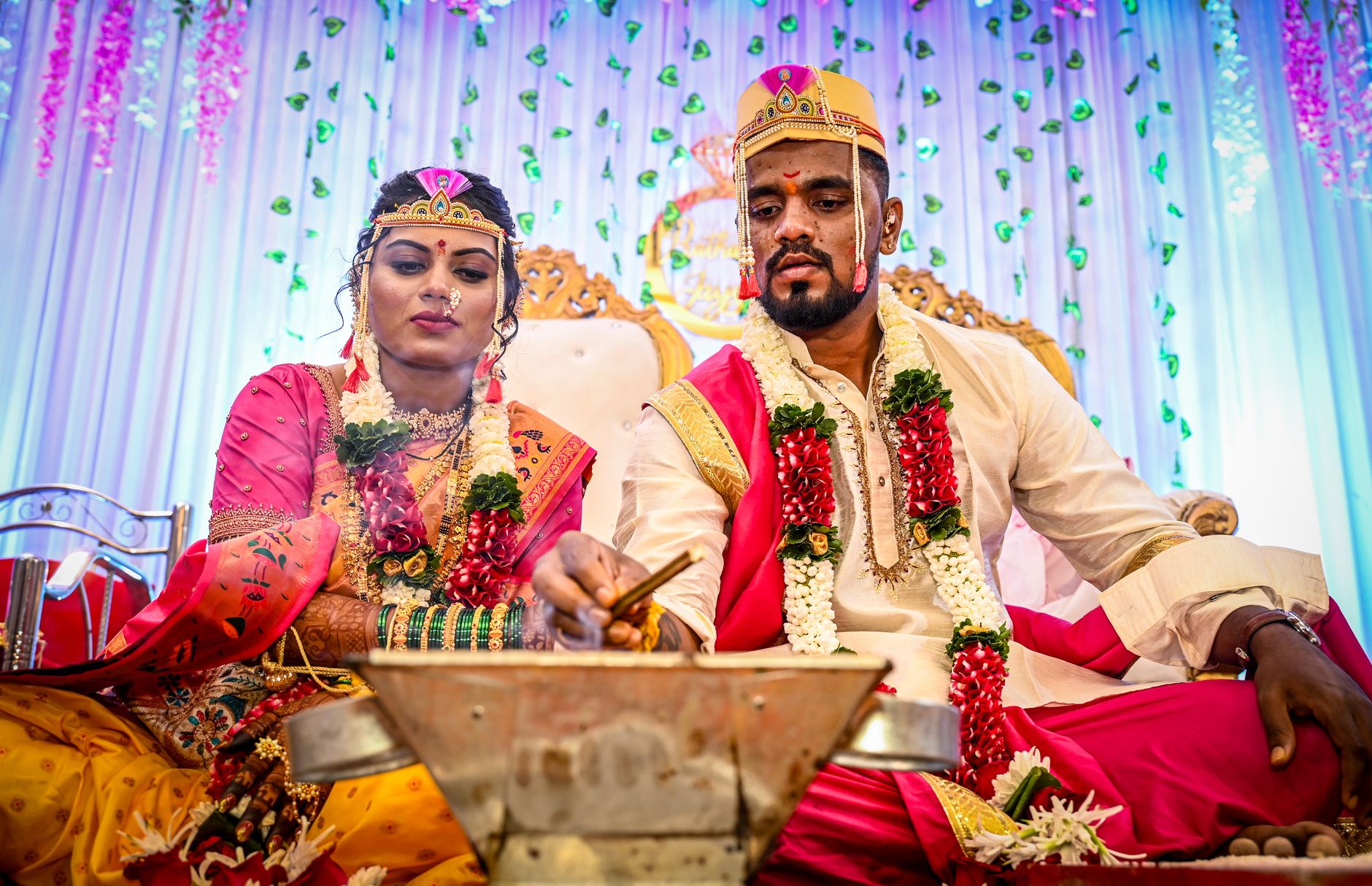 Wedding Bible
- 400+Curated Events
- 6Event Universes
- 1000+Verified Vendors
- 70+Locations
- 24/7Customer Support


Not sure which packages fits your celebration?
Let Hiya & Hanu help you find the perfect match!
Explore Celebration Packages- AI-Powered MatchingSmart suggestions for you
- Budget OptimizerGet the best experiences in your budget
- End-to-End SupportWe are with you at every step
Serving Celebrations across 75+ locations in India
Authentic Ceremony Services for Celebrations With Genuine Meaningful Event Planning
◆Understanding Authentic Ceremony Services
A meaningful ceremony is more than a gathering of people. It is an opportunity to honour traditions, bring families together and create memories around an important occasion. Authentic ceremony services for celebrations help families organise these occasions while keeping their cultural, religious or personal significance at the centre.
Authenticity begins with understanding the purpose of the event. Every family has its own customs, preferences and expectations. Some celebrations may follow long-established religious traditions, while others may combine cultural practices with contemporary event styling.
Professional planning can bring these elements together in a structured way. From venue selection and decoration to catering, photography and supplier coordination, each service can be planned around the character of the ceremony.
The aim is not simply to create an attractive event. It is to create an occasion that feels genuine, respectful and appropriate for the people taking part.
What Makes a Ceremony Authentic
Authenticity comes from meaningful details rather than unnecessary additions. The traditions, rituals, family customs and atmosphere should reflect the reason the occasion is being held.
Authentic ceremony services for celebrations focus on understanding these details before the event is designed. This can include identifying important rituals, preferred ceremonial timings, traditional decorations, family participation and suitable service providers.
An authentic approach also means avoiding a one-size-fits-all event plan. What works for one family may not be suitable for another. Professional organisers should listen to the host and adapt the planning process accordingly.
When traditions and personal preferences are properly understood, the resulting ceremony can feel more natural and memorable.
Starting With Clear Ceremony Planning
Good planning begins with a clear understanding of the event. Families should establish the type of ceremony, preferred date, estimated guest numbers, venue requirements and key traditions.
Authentic ceremony planning should also identify which elements are essential and which are optional. This helps families focus their time and budget on the details that matter most.
Once the main requirements are established, suppliers can be selected according to their relevance and experience. This may include decorators, caterers, photographers, entertainment providers and religious or cultural specialists.
Early preparation gives families more flexibility and provides additional time to address unexpected requirements.
Selecting a Suitable Venue
The venue has an important role in creating the right environment for a ceremony. It should be suitable for the number of guests, type of event and activities planned.
Families should consider location, accessibility, parking, seating, washroom facilities and available setup time. If the event includes traditional rituals, the venue should also provide an appropriate space for those activities.
Venue policies should be checked before booking. Decoration restrictions, catering rules, sound limitations and supplier access can all affect the event plan.
Celebration venue planning should therefore take place alongside the wider ceremony requirements rather than as an isolated decision.
A suitable venue can support both the practical and emotional aspects of the occasion, giving guests a comfortable environment while allowing the ceremony to remain the focus.
Preserving Traditional and Cultural Elements
Traditions often give ceremonies their strongest sense of identity. Whether the occasion is religious, cultural or family-based, important customs should be understood and planned carefully.
Authentic ceremony services for celebrations can help coordinate traditional requirements while ensuring that the overall event remains organised. This may involve priests, officiants, traditional musicians, ceremonial items, flowers or specific seating arrangements.
Families should discuss important rituals with knowledgeable relatives or appropriate cultural and religious representatives. This helps ensure that the event team understands which details must be handled in a particular way.
Traditional elements can also be incorporated into modern event planning without losing their significance. Thoughtful presentation, comfortable seating and clear scheduling can make the ceremony accessible to different generations.
Creating Traditional Yet Elegant Decorations
Decoration should complement the ceremony rather than overshadow it. Authentic styling often comes from meaningful choices of flowers, colours, fabrics, lighting and cultural details.
Traditional ceremony decoration may include floral garlands, entrance arrangements, ceremonial backdrops or designs associated with the family's culture. Contemporary elements can be introduced through refined layouts, lighting and coordinated colours.
The best approach is to create visual consistency throughout the venue. The entrance, main ceremony area, guest seating and dining space can share complementary design elements.
Professional decorators should also understand the venue's practical limitations. Installation time, electrical access and removal requirements should be confirmed before the event.
Planning the Guest Experience
A ceremony should feel welcoming from the moment guests arrive. Clear directions, convenient seating and accessible facilities can make the event more comfortable.
Families should consider the needs of elderly relatives, children and guests who may be travelling from another location. Seating arrangements should provide a clear view of important proceedings while allowing easy movement.
If there is a waiting period before or after the ceremony, refreshments and comfortable areas can improve the guest experience.
Authentic celebrations are often strongest when guests feel connected to the occasion. Personal touches, family photographs, meaningful decorations and thoughtful hospitality can all contribute to this feeling.
Catering That Reflects the Occasion
Food can be an important expression of culture and family tradition. Catering should therefore be planned according to the nature of the ceremony and preferences of the guests.
Traditional dishes can be included alongside contemporary options where appropriate. Dietary requirements should be discussed with the catering provider in advance.
The timing of food service should also fit naturally into the event programme. Caterers need to understand when the ceremony begins, when it is expected to finish and when guests will require refreshments.
Ceremonial catering services can also coordinate with the venue and event organiser to manage serving areas, table arrangements and food presentation.
A well-planned menu contributes to the overall experience without distracting from the main purpose of the celebration.
Capturing Authentic Memories
Photography provides families with a way to preserve meaningful moments. However, the approach should respect the nature of the ceremony.
Before the event, families can identify important photographs, including family portraits, ceremonial moments and group photographs. This helps the photographer work efficiently.
Event photography services should be coordinated with the ceremony schedule. Photographers may need to remain discreet during religious or traditional rituals.
A professional photographer can capture natural interactions as well as planned portraits. This provides a balanced record of the celebration and helps preserve the atmosphere of the occasion.
Choosing Appropriate Entertainment
Entertainment is not required for every ceremony, but it can be suitable for certain celebrations. The choice should reflect the event and the preferences of the family.
Traditional music, cultural performances, instrumental arrangements or carefully selected background music may enhance the atmosphere.
Authentic ceremony services for celebrations should consider entertainment as part of the wider event plan rather than an independent addition. Timing, volume and venue restrictions should all be considered.
Where cultural performances are included, families may wish to choose performers who understand the traditions being represented.
The right entertainment can add energy and warmth while still allowing the ceremony itself to remain the central focus.
Coordinating Reliable Service Providers
Ceremonies often involve several suppliers working towards the same event schedule. Without proper coordination, even good suppliers can encounter avoidable delays.
A professional organiser can establish responsibilities, confirm arrival times and ensure that suppliers understand the venue requirements.
Trusted event vendors should also provide clear service details and communicate promptly when plans change. Families can benefit from checking portfolios, reviews, previous experience and service inclusions before making decisions.
Supplier coordination is particularly important when the event includes traditional arrangements that must be completed at specific times.
A central coordination process can reduce pressure on family members and allow them to concentrate on the celebration itself.
Personalising the Ceremony
Authenticity and personalisation often work together. Families can create a more meaningful occasion by including details that have genuine significance.
This might involve family photographs, traditional flowers, meaningful music, preferred food, specific colours or carefully selected ceremonial elements.
Personalised ceremony planning should focus on quality rather than quantity. Adding too many features can make the event feel complicated or distract from important traditions.
Instead, families should identify the details that best represent the occasion and incorporate them thoughtfully.
This creates a celebration that feels distinctive while remaining connected to its cultural or family identity.
Balancing Tradition With Contemporary Comfort
Modern guests may appreciate traditional ceremonies while also expecting comfortable and well-organised surroundings. Good planning can provide both.
Traditional rituals can remain central while contemporary event arrangements improve guest comfort. Suitable seating, clear schedules, professional lighting, accessible facilities and well-managed catering can make a significant difference.
Authentic ceremony services for celebrations can help create this balance without changing the essential character of the ceremony.
The goal is to support tradition with practical organisation rather than replacing it with modern trends.
Managing the Event Budget
Authenticity does not necessarily require a large budget. Meaningful planning can be achieved by prioritising the services that matter most.
Families should establish their budget before confirming major suppliers. Essential ceremonial requirements can then be separated from optional enhancements.
When comparing providers, it is useful to consider the complete value of a service rather than looking only at the headline price. Experience, reliability, communication and quality can all influence the final outcome.
Clear quotations should identify inclusions and additional charges wherever possible. This helps families avoid unexpected costs as the event approaches.
Building a Practical Event Timeline
A detailed timeline can keep preparations organised. The planning process should begin with the date, venue, ceremony type and estimated guest numbers.
Once these are confirmed, families can arrange specialist services, decorations, catering, photography and entertainment.
Traditional rituals and important family activities should be included in the event schedule from the beginning. This allows other suppliers to work around them.
As the celebration approaches, final confirmations should cover guest numbers, supplier arrival times, venue access and setup requirements.
On the event day, a designated coordinator can monitor the schedule and communicate with suppliers, allowing family members to participate in the celebration without constantly checking practical details.
Why Professional Support Matters
Organising an authentic ceremony can require considerable attention to detail. Families may need to balance traditional requirements with venue restrictions, supplier availability and guest expectations.
Professional support provides structure and experience. Organisers can help identify suitable services, coordinate suppliers and maintain the event timeline.
Authentic ceremony services for celebrations are particularly valuable when an event includes several traditional or cultural elements. Experienced coordination can help ensure that these details are respected while practical arrangements remain under control.
Professional planning also gives families a central point of contact. This can reduce communication gaps and make it easier to address changes before and during the event.
Planning Meaningful Celebrations With Happiffie
Happiffie can help families explore options for creating well-planned and meaningful celebrations. By considering venue requirements, decoration preferences, catering, photography, entertainment and specialist ceremony services together, hosts can build a more coordinated event plan.
When selecting suppliers, families should consider experience, service quality, communication, previous work and understanding of the occasion. Clear information can help hosts make confident decisions.
An authentic celebration does not need to follow a fixed formula. The strongest occasions are usually those where traditions, family preferences and practical planning work together naturally.
Whether the ceremony is intimate or involves a large gathering, careful preparation can make the experience more comfortable for everyone. With meaningful traditions, suitable services and reliable coordination, families can create an occasion that remains memorable long after the event has finished.
Frequently Asked Questions
1. What are authentic ceremony services for celebrations?
Authentic ceremony services for celebrations are professional services designed to organise meaningful occasions while respecting traditional, cultural, religious and family requirements.
2. What makes a ceremony feel authentic?
A ceremony feels authentic when its traditions, rituals, decorations, food, music and other details genuinely reflect the purpose, culture and preferences of the people celebrating.
3. How can I plan an authentic family ceremony?
Begin by identifying the purpose of the ceremony, important traditions, guest numbers, preferred venue and essential services. Then create a realistic schedule and coordinate suitable suppliers.
4. Can modern elements be included in traditional ceremonies?
Yes. Modern venue styling, comfortable seating, professional photography, lighting and guest facilities can be included while preserving important traditional and cultural practices.
5. How do I choose a suitable ceremony venue?
Consider the venue's capacity, location, accessibility, facilities, decoration policies, catering options, supplier access and suitability for any traditional rituals.
6. Can authentic ceremony services include religious arrangements?
Yes. Depending on the provider, services can include coordination with priests, officiants and other specialists responsible for religious or traditional ceremonial requirements.
7. What decorations work well for authentic ceremonies?
Traditional flowers, cultural colours, meaningful backdrops, fabrics, lighting and ceremonial decorations can create an authentic atmosphere while maintaining an elegant overall design.
8. How can I keep an authentic ceremony within budget?
Prioritise essential ceremonial requirements first, compare service packages carefully and allocate the remaining budget to decorations, catering, photography and other services according to their importance.
9. Should photography be planned around the ceremony schedule?
Yes. Photography should be coordinated with the ceremony timetable so important moments are captured without interrupting religious, cultural or family rituals.