
Sacred Supplies for Your Brahmin Wedding
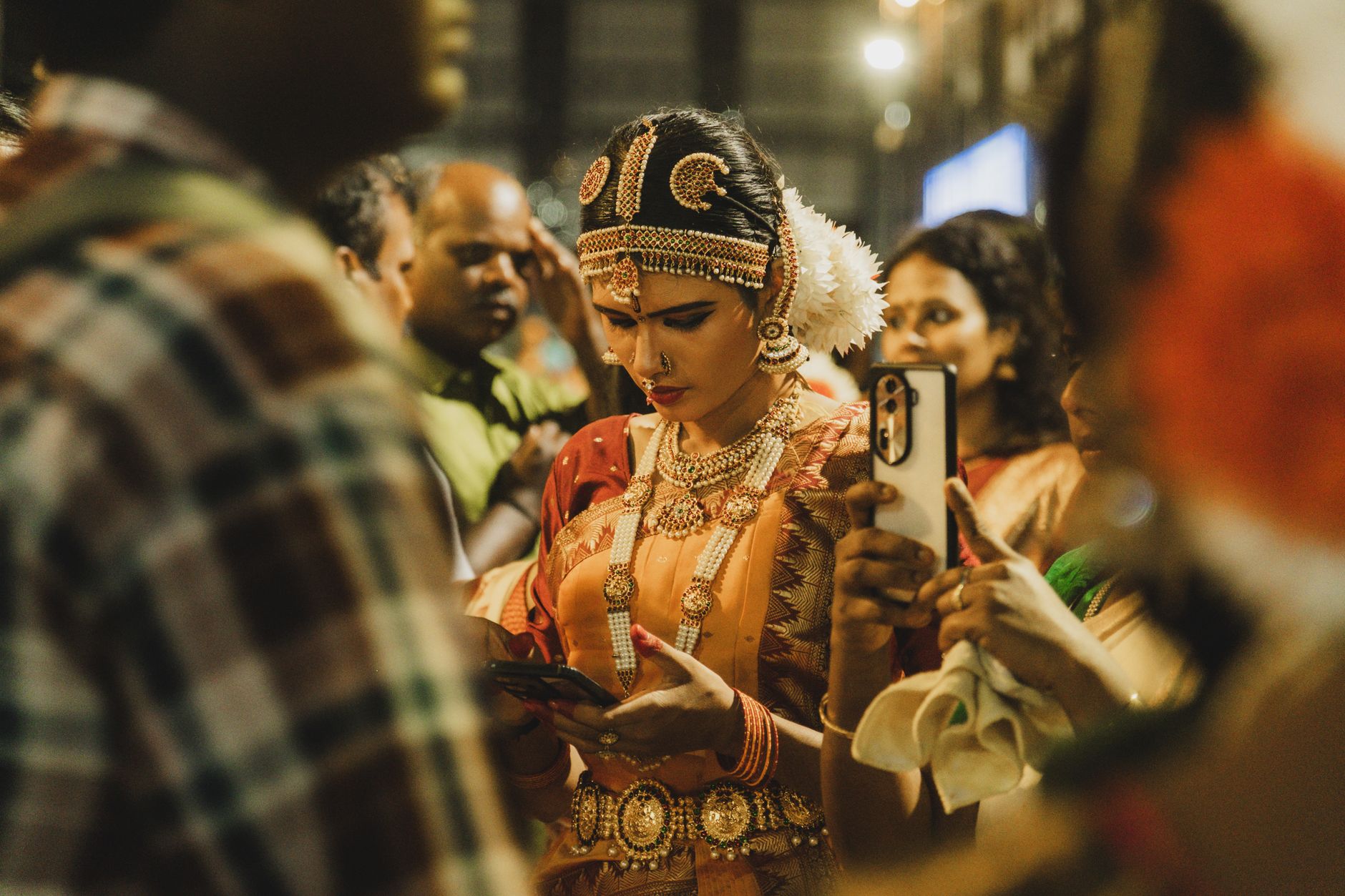
Religious cermony in Alappuzha
Brahmin Traditional Marriage Supplies in Alappuzha
Planning a sacred union in Alappuzha calls for more than a beautiful venue along the backwaters — it demands ritual authenticity at every step. Brahmin Traditional Marriage Supplies form the sacred backbone of every Vedic wedding, from the Nischayam engagement ritual to the final Saptapadi fire rounds. Whether your family follows the Smartha, Madhwa, or Namboodiri tradition, sourcing the right Hindu wedding ritual items in the correct quantities and quality ensures that every mantra has its matching samagri. Happiffie connects Alappuzha families with verified suppliers who understand Kerala Brahmin wedding customs intimately, so no ritual is ever improvised or incomplete.
Quick Answer
Brahmin Traditional Marriage Supplies are the complete set of sacred materials — including homam wood, darbha grass, turmeric, kumkum, akshatai, ghee, and ritual vessels — required to perform Vedic wedding rites. In Alappuzha, these supplies follow Kerala Brahmin wedding customs specific to Namboodiri, Smartha, and Madhwa traditions. A full kit typically costs between ₹8,000 and ₹35,000 depending on ceremony scale and the number of sub-rituals included.
What Are Brahmin Traditional Marriage Supplies and Why Do They Matter?
Brahmin Traditional Marriage Supplies encompass every material object prescribed by Vedic scripture for a Hindu wedding. The list spans natural elements like darbha grass, banana leaves, and coconut, to ritual vessels such as the kalasam and agni kund, to aromatic substances including camphor, sandalwood paste, and pure cow ghee. Each item corresponds to a specific mantra and moment in the ceremony; substituting or omitting even one can require the purohit to pause and improvise, disrupting the sacred flow. In Alappuzha, where Kerala Brahmin wedding customs follow distinct regional recensions of the Vedas, the supply list differs meaningfully from North Indian or Tamil Brahmin weddings. Families observing Namboodiri rites, for example, require specific lengths of darbha and a separate set of vessels for the Jatakarma and Vivah homam. Understanding these distinctions before you shop — not after — is what separates a smooth ceremony from a stressful one.
Core Categories of Vedic Ceremony Pooja Materials
Vedic ceremony pooja materials broadly fall into six groups. First, agni samagri covers everything needed for the sacred fire: samidha sticks, ghee, sesame seeds, and the havan kund itself. Second, decoration elements include mango leaves, banana stems, marigold garlands, and kolam powder for the mandap. Third, abhishekam items — milk, honey, rose water, and panchamrit — are used for deity and idol rituals. Fourth, grain and fruit offerings such as akshatai, whole coconut, and raw rice complete the Purnahuti. Fifth, sacred threads and garments encompass the dhoti, vastram, and the mangalsutra components. Sixth, vessels and utensils range from bronze kamandals to silver spoons used for ahuti. A well-organised traditional marriage puja kit pre-sorted into these six categories saves families hours of last-minute shopping and prevents ritual errors. Reputable Alappuzha wedding vendors who specialise in religious ceremony supplies typically offer pre-curated kits aligned to each sub-tradition.
How Much Do Brahmin Traditional Marriage Supplies Cost in Alappuzha?
Pricing for Brahmin Traditional Marriage Supplies in Alappuzha varies by ceremony complexity and quality tier. A basic havan-only kit for intimate weddings of up to 50 guests averages ₹8,000–₹12,000. A mid-range full-ritual package covering Nischayam, Muhurtham, Saptapadi, and Griha Pravesh typically costs ₹15,000–₹22,000. Premium organic and silver-vessel packages for larger gatherings of 200-plus guests can reach ₹30,000–₹35,000. Auspicious muhurtham planning also affects cost: weddings scheduled during peak Malayalam calendar dates (Vishu, Thiruvathira) see a 15–20% premium on supply kits due to high demand. Booking Sanskrit wedding samagri at least six weeks in advance locks in better pricing and guarantees stock for rare items like specific types of samidha wood or red lotus flowers needed in Namboodiri rites.
Choosing the Right Supplier for Sanskrit Wedding Samagri in Alappuzha
Not every religious goods store carries the breadth of Sanskrit wedding samagri required for a complete Brahmin ceremony. When evaluating Alappuzha wedding vendors for ritual supplies, check whether they stock items sourced from certified organic farms for the grain and herbal components — this matters because many purohits refuse to perform mantras with adulterated ghee or chemically treated flowers. Verify that the supplier has experience with Kerala-specific rites; a store familiar only with North Indian weddings may not stock the particular length of darbha or the style of kavanam cloth used in local Namboodiri traditions. Ask for a category-wise checklist that you can cross-reference with your purohit's requirement list. The best suppliers in Alappuzha will offer a consultation call with your priest before packing the kit, ensuring every item matches the specific Vedic tradition your family follows. Happiffie's curated vendor list filters by ceremony type and tradition, making this matching process seamless.
What Role Does a Traditional Marriage Puja Kit Play in a Kerala Backwater Wedding?
A backwater wedding ceremony in Alappuzha presents unique logistical considerations for ritual supply management. Houseboats and lakeside mandaps have limited storage, and humid conditions can affect materials like kumkum, sandalwood paste, and flower garlands. A well-designed traditional marriage puja kit for a backwater setting is pre-portioned into waterproof, labelled compartments — one per ritual sequence — so the purohit can access each set without rummaging through a single large box. Kerala Brahmin wedding customs also incorporate river water (Narmada jal or local sanctified water) in specific ablution rituals, meaning your supplier must include appropriate vessels rather than assuming tap water will suffice. Auspicious muhurtham planning for a waterfront venue must factor in tidal timings and afternoon humidity for outdoor agni rituals. Choosing a supplier who has served backwater wedding ceremonies before — not just hall weddings — ensures these site-specific needs are anticipated and not overlooked.
Brahmin Traditional Marriage Supplies: Setup & Sourcing Options Compared
Expert Recommendation
Best for Intimate Family Ceremonies (up to 50 guests)
Best for Large Brahmin Weddings (200+ guests)
Best for Backwater Houseboat Ceremonies
Best for Budget-Conscious Families
Best for Namboodiri Traditional Rites
Best for Destination Guests Unfamiliar with Logistics
How to Choose the Right Option
✅ Pre-booking Checklist
- Obtain a complete, ritual-by-ritual item list from your purohit before approaching any vendor
- Specify your exact Vedic tradition (Namboodiri, Smartha, Madhwa, Iyer) when placing the order
- Confirm organic or unadulterated certification for ghee, grains, and herbal powders
- Request waterproof and compartmentalised packaging if the venue is a backwater or outdoor location
- Book at least six weeks in advance, especially during peak Malayalam wedding season
- Schedule a pre-ceremony checklist review 24 hours before the wedding to catch any gaps
- Confirm the vendor's refund or replacement policy for damaged or incorrect items
🎯 Selection Criteria
- Tradition-specific expertise: does the vendor distinguish between Namboodiri, Smartha, and Madhwa supply lists?
- Purohit co-ordination: will the supplier consult your priest before finalising the kit?
- Material quality: are organic, unadulterated, and Vedically approved sources documented?
- Logistics capability: can the vendor deliver to backwater or remote Alappuzha venues safely?
- Transparent pricing: are item-wise breakdowns provided to avoid surprise charges?
- Post-booking support: is there a contact available on the wedding day for emergency replacements?
💰 Cost / Quality Factors
- Ceremony complexity: more sub-rituals mean longer item lists and higher total cost
- Guest count: larger weddings require duplicate vessel sets and higher volumes of consumables
- Organic versus standard materials: certified organic options add 20–30% to the base kit price
- Packaging type: waterproof compartmentalised packaging carries a small premium but is essential for backwater venues
- Booking lead time: last-minute orders for rare items like red lotus or specific samidha wood attract scarcity pricing
- Delivery distance: remote Alappuzha backwater locations may add transport and handling fees
⚠️ Common Mistakes to Avoid
- Sharing only a generic item list with the vendor without specifying the sub-tradition or Vedic recension
- Ordering all supplies in one undivided box, making ritual-sequence access chaotic on the wedding day
- Ignoring humidity and transit damage risks for moisture-sensitive items like sandalwood paste and kumkum
- Booking supplies without involving the purohit, leading to mismatches in vessel type or darbha specification
- Assuming North Indian Brahmin supply kits are interchangeable with Kerala Brahmin wedding customs requirements
- Delaying the order until the week of the wedding and risking stock unavailability for rare ritual items
People Also Ask
What items are included in a standard Brahmin Traditional Marriage Supplies kit?
How far in advance should I order Brahmin Traditional Marriage Supplies in Alappuzha?
Can Alappuzha suppliers customise supplies for Namboodiri versus Smartha ceremonies?
Are organic Vedic ceremony pooja materials available in Alappuzha?
How do I transport Brahmin Traditional Marriage Supplies to a backwater venue?
What is the average cost of Sanskrit wedding samagri for a 150-guest Kerala wedding?
Does Happiffie help match purohits with Brahmin Traditional Marriage Supplies vendors in Alappuzha?
What happens if a supply item is missing on the wedding day?
Related Experiences on Happiffie
Hindu Wedding Rituals Explained
Sacred Jain Wedding Supplies, Darjeeling
Sacred Tamil Wedding Essentials
Authentic Kerala Wedding Pooja in Mumbai
Sacred Choir for Your Mussoorie Wedding
All Wedding & Event Services
Frequently Asked Questions
Where can I find authentic Brahmin Traditional Marriage Supplies in Alappuzha?
What is the difference between Brahmin Traditional Marriage Supplies for Namboodiri and Smartha weddings?
Can I get same-day delivery of Vedic ceremony pooja materials in Alappuzha?
Do Brahmin Traditional Marriage Supplies need to be blessed by a purohit before use?
How does Kerala Brahmin wedding customs differ from the standard Vedic wedding checklist?
Is it possible to rent ritual vessels rather than buy them as part of Brahmin Traditional Marriage Supplies?
What is auspicious muhurtham planning and how does it affect supply delivery scheduling?
Does Happiffie offer end-to-end support for Brahmin Traditional Marriage Supplies in Alappuzha?
Key Takeaways
- Brahmin Traditional Marriage Supplies must be matched to the specific Vedic sub-tradition — Namboodiri, Smartha, or Madhwa — rather than purchased as a generic kit.
- A full ritual kit for an Alappuzha Brahmin wedding costs between ₹8,000 and ₹35,000 depending on ceremony scale, organic quality tier, and guest count.
- Kerala Brahmin wedding customs impose region-specific requirements — including particular darbha lengths and vessel types — that differ from North Indian or Tamil Brahmin norms.
- Backwater wedding ceremonies in Alappuzha require waterproof, compartmentalised supply packaging to protect moisture-sensitive ritual materials.
- Booking Sanskrit wedding samagri at least six weeks in advance ensures availability of rare items and protects against peak-season price surges.
- Auspicious muhurtham planning should directly inform supply timelines, since peak Malayalam calendar dates drive significant demand spikes.
- Purohit co-ordination before the order is finalised is the single most effective way to prevent ritual errors caused by supply mismatches.
- Happiffie's verified Alappuzha wedding vendors offer tradition-specific kits with transparent pricing and pre-ceremony checklist support.
Book Your Sacred Supplies with Confidence
Let Happiffie match you with verified Alappuzha vendors who understand your Brahmin tradition inside out — so every ritual has exactly what it needs.
Find Trusted Vendors
Are you a Vendor? Grow Your Business with Happiffie!
- High intent verified leads
- Reverse auction opportunities
- AI business tools & insights
- Dedicated vendor dashboard
- Grow your business, your way
It's free & takes less than 2 minutes!