
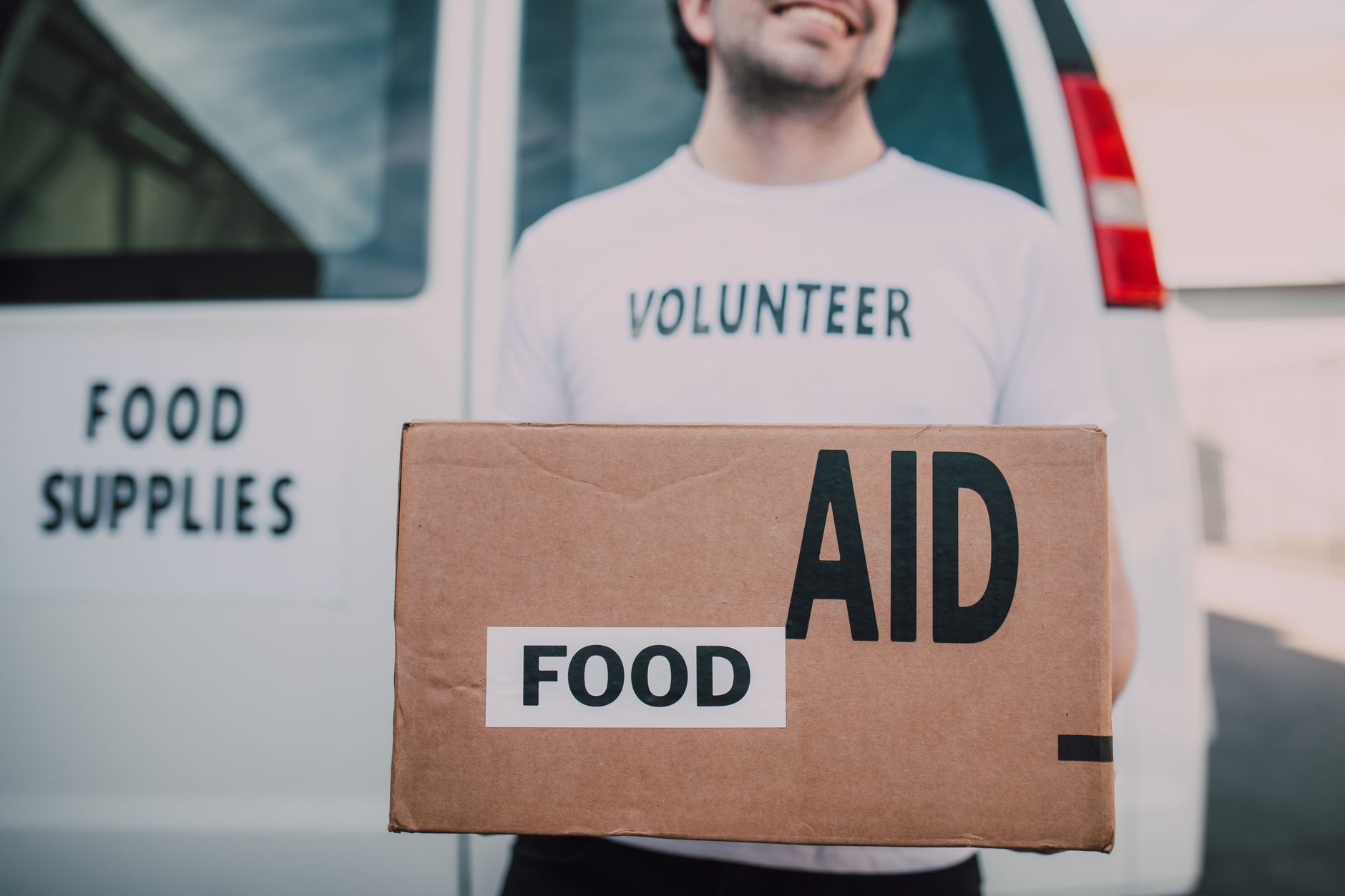
Feed More, Waste Less in Vizag
Food & Beverage in Vizag
Post-Event Meal Redistribution in Vizag: A Complete Guide
Weddings and large celebrations in Vizag often prepare food for 20–30% more guests than actually attend, leaving substantial surplus at the end of the evening. Post-Event Meal Redistribution is the practice of systematically collecting, packaging, and delivering that surplus catering food to shelters, NGOs, or community kitchens rather than discarding it. As zero-waste wedding planning gains momentum across Andhra Pradesh, couples are increasingly treating surplus wedding food sharing not as an afterthought but as a meaningful ritual — one that extends the joy of the occasion to those beyond the banquet hall. Happiffie helps Vizag families connect with caterers and logistics partners who make this process seamless, dignified, and compliant with local food-safety norms.
Quick Answer
Post-Event Meal Redistribution is the organised process of collecting safe, surplus food from weddings or events, packaging it hygienically, and distributing it to NGOs, shelters, or community kitchens before it spoils. In Vizag, couples coordinate this with their caterer and a redistribution partner during the event itself, typically diverting 30–150 kg of food per function and ensuring it reaches beneficiaries within two hours of preparation.
What Is Post-Event Meal Redistribution and Why Does It Matter in Vizag?
Post-Event Meal Redistribution is a structured approach to recovering edible food from banquets, weddings, receptions, and corporate events and channelling it to people in need — all before the food crosses the two-hour safety threshold. In Vizag, where grand Telugu weddings can serve elaborate multi-course spreads to anywhere from 200 to 2,000 guests, over-ordering is culturally common because running short of food is considered inauspicious. This tradition, while generous in spirit, often results in hundreds of kilograms of perfectly cooked biryani, curries, and sweets being discarded every weekend across venues in MVP Colony, Rushikonda, Gajuwaka, and the Old Town area. Wedding food waste management addresses this gap by turning surplus into a social good. Families who incorporate meal redistribution into their event planning report a deep sense of fulfilment — the feeling that their celebration fed not just invited guests but also those who needed it most. Local NGOs working in areas like Kommadi and Bheemunipatnam have documented receiving nutritious, freshly prepared meals through such initiatives, making a measurable difference in daily food access.
How Surplus Wedding Food Sharing Works: The Step-by-Step Process
Effective surplus wedding food sharing begins at the planning stage, not at the end of the reception. When booking your caterer in Vizag, discuss meal redistribution explicitly and confirm they will cooperate with a third-party logistics or NGO partner. On the event day, a designated redistribution coordinator — often provided by a partnering NGO or a catering food redistribution service — arrives one to two hours before the meal service ends. They monitor which dishes remain in large quantities and begin packing them in food-grade, leak-proof containers as the last guests are served. The packed food is then transported to a pre-confirmed recipient site — a shelter home in Seethammadhara, a community kitchen near Steel Plant area, or a municipal feeding programme — within the critical two-hour window. Documentation, including quantity estimates and recipient acknowledgement, is shared with the host family, which also serves as a record for tax-deductible donations where applicable under Indian law. The entire process, when planned correctly, is invisible to guests and adds no stress to the event.
Which Types of Vizag Events Benefit Most from Catering Food Redistribution Service?
While weddings are the most common use case, a professional catering food redistribution service is equally valuable for Telugu engagement ceremonies (nischitartham), gruhapravesam feasts, corporate annual day events, college cultural fests at GITAM or Andhra University, and large birthday celebrations. Events at convention halls along Beach Road or Lawson's Bay Colony that serve over 500 guests generate the highest surplus volumes and therefore see the most impact. However, even a 150-guest family lunch at a Vizag community hall can yield 20–30 kg of redistributable food. The key variable is predictability: the more accurately the host can estimate likely no-shows, the easier it is for the redistribution partner to plan packaging and transport logistics. Corporate events tend to have higher predictability and are ideal entry points for companies exploring sustainable event catering Vizag as part of their CSR commitments.
How Much Does Post-Event Meal Redistribution Cost in Vizag?
Post-Event Meal Redistribution in Vizag can range from zero incremental cost to approximately Rs 3,000–Rs 12,000 depending on the model you choose. Many registered NGOs offer this service free of charge if the food volume is sufficient to justify their logistics. Paid catering food redistribution service providers typically charge Rs 15–Rs 40 per kg of food collected, covering packaging materials, transport, and coordinator fees. For a 500-guest wedding generating roughly 80 kg of surplus, the total redistribution cost might be Rs 1,200–Rs 3,200 — a negligible fraction of a catering bill that typically runs Rs 400–Rs 900 per plate in Vizag. Some caterers now bundle redistribution coordination into their premium packages as part of their own commitment to wedding food waste management, meaning no additional charge to the client. Always confirm whether the service includes documentation for accounting purposes, especially if you plan to claim the donation under Section 80G of the Income Tax Act.
Why Should Vizag Couples Make Zero-Waste Wedding Planning a Priority?
Zero-waste wedding planning is no longer a niche preference in Vizag — it is becoming a genuine expectation among younger Telugu couples and their families who are environmentally conscious. India wastes an estimated 40% of its food supply, and large-scale celebrations are a significant contributor. Choosing post-event meal redistribution is one of the highest-impact decisions a couple can make, because the food is already cooked, already paid for, and simply needs a delivery route rather than a disposal route. Beyond the environmental argument, there is a compelling community-welfare case: a single large wedding in Vizag can feed 200–400 additional people through structured redistribution. Embracing an eco-friendly wedding Vizag ethos also resonates well in guest communities increasingly aware of sustainability. Guests who witness the redistribution coordinator working quietly at the venue often comment positively, and families report that the practice has become a point of pride discussed long after the wedding itself. Happiffie encourages couples to treat meal redistribution as a joyful, intentional act — as much a part of the celebration as the muhurtham or the sangeet.
Post-Event Meal Redistribution Options in Vizag: Which Model Suits Your Event?
Expert Recommendation
Best for Large Telugu Weddings (500+ Guests)
Best for Intimate Family Functions (Under 150 Guests)
Best for Corporate Events and CSR-Conscious Clients
Best for Budget-Conscious Families
Best for Eco-Friendly Destination Celebrations in Vizag
Best for Traditional Joint-Family Celebrations
How to Choose the Right Option
✅ Pre-booking Checklist
- Confirm your caterer is willing to cooperate with a redistribution partner at least four weeks before the event
- Identify and pre-register with an FSSAI-compliant NGO or paid redistribution service in Vizag
- Establish the two-hour food-safety rule with all parties and agree on the packaging timeline
- Arrange food-grade, leak-proof containers in sufficient quantity — estimate one container per 5 kg of food
- Designate one family member or event coordinator as the on-day redistribution point of contact
- Confirm transport arrangements: who drives, what route, and the recipient's receiving hours
- Request written acknowledgement from the recipient organisation for tax and CSR documentation
- Brief venue management about the redistribution coordinator's presence and kitchen access requirements
🎯 Selection Criteria
- FSSAI compliance and food-safety protocols of the redistribution partner
- Capacity to handle your event's expected surplus volume in kilograms
- Geographic reach — can they reach recipient sites in your venue's neighbourhood within two hours?
- Documentation quality: do they provide weight records, photos, and recipient acknowledgements?
- Flexibility on date and time, including late-night events common in Telugu wedding traditions
💰 Cost / Quality Factors
- Event size directly determines surplus volume and thus the redistribution model that makes economic sense
- Menu composition affects redistributability — dry curries and rice travel better than liquid gravies
- Distance from venue to recipient site determines whether the two-hour safety window can be met
- Caterer cooperation level influences whether packaging happens smoothly or requires extra manpower
- Paid services cost Rs 15–Rs 40 per kg but deliver reliability; free NGO services require more advance planning
- Venue location in Vizag (coastal, urban, or industrial belt) affects which NGO partners can realistically be reached
⚠️ Common Mistakes to Avoid
- Deciding to redistribute food only after the event ends — by then, the two-hour window may already be closing
- Assuming the caterer will handle everything without a written agreement or prior discussion
- Ignoring food-safety rules and attempting to redistribute dishes that have been sitting unrefrigerated for hours
- Choosing a redistribution partner without verifying their FSSAI registration or recipient network in Vizag
- Failing to arrange enough food-grade containers, causing delays that push food past the safe distribution window
- Not informing the venue management, leading to conflicts about kitchen access or loading-dock use
People Also Ask
Is post-event meal redistribution legal and safe in Vizag?
How early should I plan surplus wedding food sharing for my Vizag wedding?
Which NGOs in Vizag accept surplus food from weddings?
What types of food can be redistributed after a Telugu wedding?
Can wedding food waste management be integrated into corporate events in Vizag?
How is the amount of surplus food estimated at a Vizag event?
Does post-event meal redistribution qualify for a tax deduction in India?
Is there a minimum food quantity required for a catering food redistribution service in Vizag?
Related Experiences on Happiffie
Feed Someone, Waste Nothing
Turn Wedding Leftovers Into Hope
Zero Waste Events in Chennai
Feast by the Backwaters of Kumarakom
Gift Green, Celebrate Beautifully
Delhi's Finest Event Catering Teams
Feed Many, Celebrate Meaningfully
Wear Green, Celebrate Beautiful
Frequently Asked Questions
How do I find a post-event meal redistribution partner for my Vizag wedding?
What is the ideal time during the wedding to begin post-event meal redistribution?
Can post-event meal redistribution work for a beach-facing venue in Vizag?
Is post-event meal redistribution possible for a vegetarian-only Telugu wedding menu?
How much surplus food is typically generated at a 500-guest Vizag wedding?
Will post-event meal redistribution create any disruption during the wedding?
Does Happiffie help with sustainable event catering Vizag beyond meal redistribution?
What documentation should I receive after a post-event meal redistribution is completed?
Key Takeaways
- Post-Event Meal Redistribution transforms surplus wedding food into meals for shelters, NGOs, and community kitchens — with no extra cooking required.
- In Vizag, over-ordering at Telugu weddings is culturally standard, making redistribution both highly impactful and practically feasible at most events.
- The two-hour food-safety window is the non-negotiable rule: all food must reach beneficiaries within two hours of the last service.
- Costs range from zero (NGO-managed) to Rs 12,000 (paid coordinator service) — a fraction of typical Vizag catering budgets.
- Planning must begin four to six weeks before the event to secure a reliable redistribution partner and align caterer and venue cooperation.
- Documented food donations may qualify for tax deductions under Section 80G if the recipient organisation holds valid charitable registration.
- Zero-waste wedding planning, including meal redistribution, is increasingly expected by younger Vizag couples and adds lasting meaning to the celebration.
- Happiffie connects Vizag families with caterers and F&B partners who already integrate sustainable redistribution into their service offerings.
Make Your Vizag Celebration Count Twice
Connect with Happiffie's verified caterers and F&B partners in Vizag who build responsible post-event meal redistribution into every event — so your feast feeds more than just your guest list.
Find Vizag Vendors
Are you a Vendor? Grow Your Business with Happiffie!
- High intent verified leads
- Reverse auction opportunities
- AI business tools & insights
- Dedicated vendor dashboard
- Grow your business, your way
It's free & takes less than 2 minutes!