
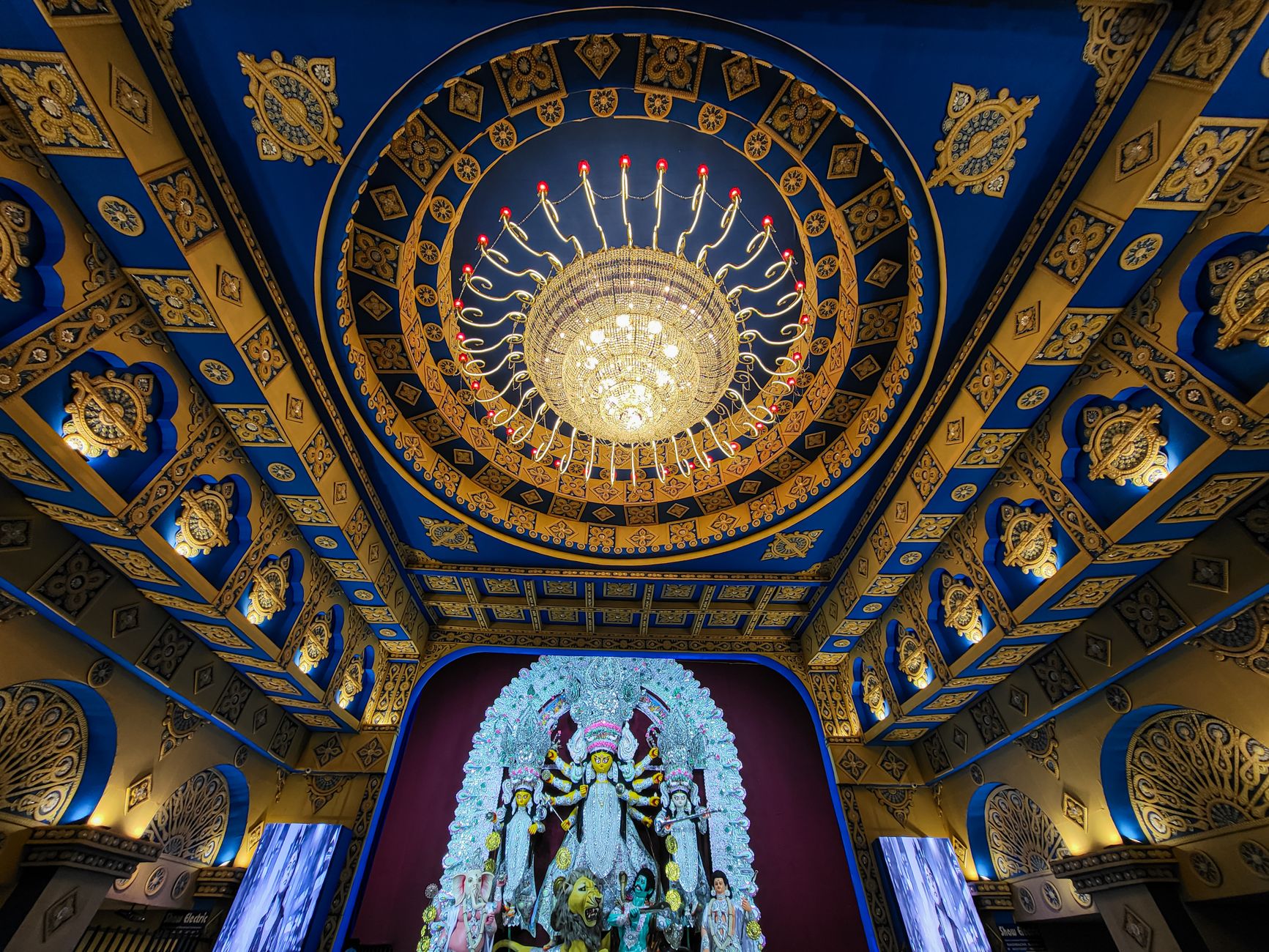
Build Your Dream Event Space in Varanasi
Infrastructure in Varanasi
Temporary Function Infrastructure in Varanasi for Every Celebration
Varanasi, with its ghats, grand havelis, and open maidan grounds, demands event spaces that are as majestic as the city itself. Temporary Function Infrastructure makes that possible — transforming bare farmhouses in Sarnath, riverside plots near Assi Ghat, and open lawns in Sigra into fully equipped celebration venues. From modular pandal installation and event structural setup to temporary stage and seating arrangements, every component is engineered for safety, aesthetics, and quick assembly. Whether you are managing an intimate rasam or a 2,000-guest shaadi, understanding wedding venue logistics before you book will save you from last-minute chaos and budget overruns.
Quick Answer
Temporary Function Infrastructure refers to all structural and logistical elements erected temporarily for an event — including pandals, stages, flooring, seating, lighting frames, power grids, and restroom units. In Varanasi, these setups are deployed at open grounds, riverside plots, havelis, and community halls, then dismantled cleanly after the event. Costs in Varanasi typically range from ₹80,000 for small setups to over ₹15 lakh for large multi-day weddings.
What Exactly Is Temporary Function Infrastructure and Why Does It Matter in Varanasi?
Temporary Function Infrastructure is the complete skeleton of any outdoor or semi-outdoor event — the structures, surfaces, and service systems that make an open plot function like a professional venue. In Varanasi, where iconic ghats and historic neighbourhoods rarely offer built-in banquet facilities, this infrastructure fills a critical gap. A typical setup includes a tensile or bamboo pandal, a raised wooden or iron stage, interlocking outdoor event flooring, chairs and tables, generator connections, LED lighting truss, and portable sanitation units. The event structural setup must also account for Varanasi's climate: pre-monsoon heat in May–June and sudden showers mean waterproofing and ventilation are non-negotiable. Certified vendors use flame-retardant fabrics and wind-load-tested pole systems to comply with municipal safety guidelines. For families hosting multi-day functions — from haldi and mehndi through the pheras — having one coordinated infrastructure partner prevents the confusion of managing separate vendors for every element.
Core Components: From Modular Pandal Installation to Power and Sanitation
A complete Temporary Function Infrastructure package in Varanasi is built from several interlocking layers. The first layer is the shelter structure — modular pandal installation using PVC-coated fabric, bamboo frames, or industrial aluminium trussing. Modular systems are preferable because individual sections can be added or removed as the guest count changes, which is common in Indian weddings where lists grow right up to the final week. The second layer is the event structural setup for performance and ritual spaces: a 20×30 ft raised stage for the wedding mandap, a DJ or band platform, a separate seating gallery for senior family members. Outdoor event flooring is the third and often overlooked layer — polished wooden tiles, interlocking rubber mats, or red carpet sections that transform muddy or uneven ground into a clean, elegant surface and prevent dust from rising in dry Varanasi winters. The fourth layer covers utilities: diesel generators with silent enclosures, LED distribution panels, water tanker connections, and bio-toilet clusters. Finally, temporary stage and seating arrangements complete the guest experience — banquet chairs, sofa sets for the varmaala area, and VIP lounge furniture for the baraat reception zone.
How Much Does Temporary Function Infrastructure Cost in Varanasi?
Pricing for Temporary Function Infrastructure in Varanasi is highly variable because every plot size, guest count, and design brief is unique. For a simple 200-guest function on a private terrace in Lanka or a community ground in Shivpur, a basic event structural setup — one mid-size pandal, plastic chairs, a small stage, and a generator — typically costs ₹80,000 to ₹1.5 lakh. A mid-range 500-guest wedding with modular pandal installation, outdoor event flooring, LED lighting, catering counters, and restroom units falls between ₹3 lakh and ₹6 lakh. Large-scale 1,000-to-2,000-guest baraats or multi-day Puja events at open-air banquet setup locations in Bhelupur or Orderly Bazaar can reach ₹10 lakh to ₹18 lakh. Key cost drivers include the number of days the structure remains erected (each additional day adds 15–25% of the base cost), the fabric quality chosen for the pandal, the type of outdoor event flooring (rubber mats cost less than polished wooden tiles), and the distance from the vendor's warehouse to your venue. Always ask for an itemised quote — hidden charges for transportation, labour overtime, and post-event cleaning are common pain points in Varanasi's infrastructure market.
Neighbourhood Guide: Best Locations in Varanasi for Open-Air Event Setups
Understanding wedding venue logistics in Varanasi means knowing which neighbourhoods offer the best base for Temporary Function Infrastructure. The ghat-adjacent areas — Assi Ghat, Dashashwamedh, and Rajghat — offer dramatic river views but restrict heavy vehicle access, so lightweight modular pandal installation is the only viable option here; permit approvals from the Varanasi Municipal Corporation (VMC) are mandatory. Sarnath on the city's northern fringe has wide open grounds suitable for full-scale event structural setup with ample parking — ideal for baraats with 800 or more guests. Sigra and Bhelupur in central Varanasi have mid-size community plots perfect for 300–600 guest functions; these areas have reliable electricity supply, reducing generator dependence. Cantonment and Lanka near BHU attract modern, often destination-style weddings where open-air banquet setup aesthetics — fairy lights, floral arches, projection screens — are prioritised. Shivpur, Pahadia, and Manduadih on the city's periphery offer the largest unencumbered grounds for last-minute event arrangements, since these plots are less likely to be double-booked during peak season (November to February).
Why Should You Plan Temporary Function Infrastructure at Least 45 Days in Advance?
Varanasi's event season is intensely compressed. From October through February, and again during summer weddings in April–May, demand for Temporary Function Infrastructure spikes sharply. Skilled workers — erection supervisors, riggers, electricians, and sanitation technicians — are booked weeks ahead. Securing your event structural setup early guarantees crew availability and locks in current pricing before seasonal surcharges of 20–40% kick in. Early booking also allows adequate time for monsoon-proof event planning: waterproof pandal seams need proper testing, and municipal permits for road closures or ghat-side setups require 30-day advance notice. For last-minute event arrangements, expect a 25–35% premium and a reduced selection of pandal styles and flooring options. A 45-day lead time also lets you pilot a scaled-down test of the outdoor event flooring on your plot, catching drainage or levelling issues before the actual function day. Couples who engage Happiffie's infrastructure partners early consistently report smoother setups, lower stress on the day, and better negotiated packages across temporary stage and seating, décor, and catering counter installations.
Temporary Function Infrastructure Setup Types Compared for Varanasi Events
Expert Recommendation
Best for Intimate Celebrations (up to 150 guests)
Best for Large Baraats (800–2,000 guests)
Best for Riverside and Ghat-Adjacent Venues
Best for Budget-Conscious Families
Best for Multi-Day Pujas and Religious Functions
Best for Modern, Destination-Style Weddings
How to Choose the Right Option
✅ Pre-booking Checklist
- Measure your plot dimensions accurately and share them with your vendor before requesting a quote
- Confirm whether your venue is in a VMC heritage zone and apply for permits at least 30 days in advance
- Ask for itemised pricing covering pandal, flooring, stage, seating, generator, lighting, and sanitation separately
- Request the wind-load and fire-safety certification for the pandal fabric and pole system
- Verify the vendor's post-event dismantling and waste-clearance plan — get it in writing
- Check whether the outdoor event flooring option is rated for your expected foot traffic volume
- Confirm the exact erection start time and completion deadline relative to your function schedule
- Book a site inspection with your vendor at least three weeks before the event date
🎯 Selection Criteria
- Vendor experience with Varanasi's specific terrain, climate, and municipal regulations
- Quality and safety certifications of structural materials, especially pandal fabric and stage framing
- Ability to scale the event structural setup up or down within 48 hours as guest counts change
- Transparent, itemised pricing with no hidden transport or overtime charges
- Demonstrated monsoon-proof event planning capability with weatherproofing upgrades available
- Coordination capability across multiple sub-vendors (flooring, electrical, sanitation) under one contract
💰 Cost / Quality Factors
- Plot size and shape — irregular plots require custom frame designs that increase cost
- Number of function days — each additional day adds 15–25% to base infrastructure cost
- Season and weather risk — monsoon and high-wind periods require upgraded materials at higher rates
- Distance of vendor warehouse from your venue — transport costs vary significantly across Varanasi
- Flooring and stage quality tier chosen — premium wooden decking and steel stages cost 2–3x basic options
- Guest count volatility — modular systems cost more upfront but save money when counts change late
⚠️ Common Mistakes to Avoid
- Booking the cheapest pandal vendor without verifying structural safety certifications
- Ignoring outdoor event flooring and leaving bare ground, which causes dust and accessibility problems
- Underestimating lead time for VMC permits in heritage or ghat-adjacent zones
- Failing to confirm generator capacity against the total electrical load of lighting, sound, and catering equipment
- Not requesting a single-vendor contract for all infrastructure elements, leading to coordination gaps on event day
- Overlooking portable sanitation planning for outdoor venues far from permanent restroom facilities
People Also Ask
What is included in a standard Temporary Function Infrastructure package in Varanasi?
How early should I book event structural setup vendors for a Varanasi winter wedding?
Can modular pandal installation handle Varanasi's pre-monsoon winds?
What type of outdoor event flooring is best for an uneven plot in Varanasi?
Are there specific VMC rules for erecting temporary structures near Varanasi's ghats?
What is the average cost of temporary stage and seating for a 500-guest wedding in Varanasi?
How does monsoon-proof event planning affect infrastructure choices in Varanasi?
Can Happiffie help with last-minute event arrangements in Varanasi?
Related Experiences on Happiffie
Perfect Sound for Munnar Events
Light Up Your Mussoorie Event
Mumbai's Best Couple Stage Seating
See Your Dream Venue Before You Book
Plan Smarter with AI in Lucknow
Event Chair Rentals, Mussoorie
Illuminate Ooty's Sky
Frequently Asked Questions
What permits does Varanasi Municipal Corporation require for Temporary Function Infrastructure near ghats?
How long does it take to erect a complete event structural setup for a 500-guest wedding in Varanasi?
Is outdoor event flooring necessary for a winter wedding in Varanasi?
Can Temporary Function Infrastructure be set up inside a haveli courtyard in Varanasi?
What is the difference between modular pandal installation and a traditional shamiana?
Does Happiffie offer Temporary Function Infrastructure packages that include catering counters and décor?
How is temporary stage and seating capacity calculated for large weddings in Varanasi?
What happens if it rains on the day of an open-air event with Temporary Function Infrastructure in Varanasi?
Key Takeaways
- Temporary Function Infrastructure covers all structural, surface, and utility elements — pandals, stages, flooring, seating, power, and sanitation — needed to convert a bare plot into a functional event venue in Varanasi.
- Varanasi-specific factors — ghat proximity, heritage-zone VMC rules, monsoon winds, and narrow access lanes — make vendor selection and advance planning especially critical.
- Costs range from ₹80,000 for a basic 200-guest setup to over ₹15 lakh for a large multi-day wedding, driven by structure type, floor quality, duration, and guest count.
- Modular pandal installation and interlocking outdoor event flooring offer the best flexibility for guest lists that change close to the event date.
- Booking at least 45 days in advance is essential during peak season (October–February) to secure skilled crews and avoid 20–40% seasonal surcharges.
- Always request itemised quotes and written dismantling plans — hidden charges for transport, labour overtime, and waste removal are the most common budget surprises.
- Happiffie connects Varanasi families with verified infrastructure vendors who offer end-to-end Temporary Function Infrastructure packages, simplifying coordination across all structural and utility components.
Get Verified Infrastructure Quotes for Your Varanasi Function
Compare pandal, stage, flooring, and seating packages from trusted Varanasi vendors — all in one place on Happiffie.
Explore Infrastructure Vendors
Are you a Vendor? Grow Your Business with Happiffie!
- High intent verified leads
- Reverse auction opportunities
- AI business tools & insights
- Dedicated vendor dashboard
- Grow your business, your way
It's free & takes less than 2 minutes!