
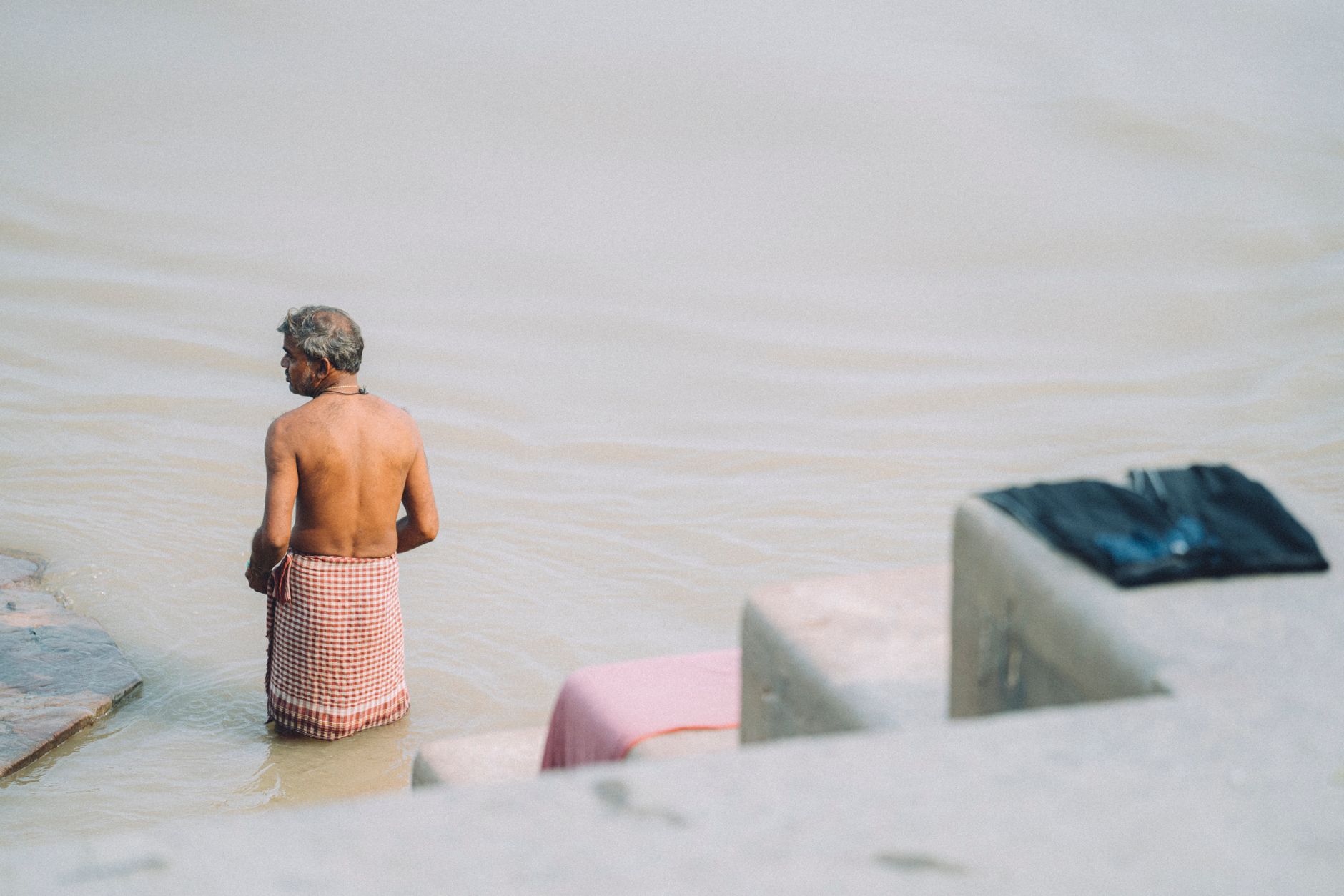
Sacred Wedding Officiants in Kashi
Religious cermony in Varanasi
Matrimonial Officiant Services in Varanasi
Varanasi — the eternal city of Lord Shiva — has been the spiritual heartland of Hindu matrimony for thousands of years. Choosing the right Matrimonial Officiant here means entrusting your most sacred life moment to someone who understands both Vedic scripture and the living traditions of Kashi. Whether you envision a sunrise ceremony on the ghats with Pheras and Saptapadi Rituals echoing across the Ganga, or an intimate courtyard wedding in Assi or Sigra, a skilled Hindu Wedding Priest ensures every mantra, every Sankalp, and every offering is performed with precision and devotion. Happiffie connects Varanasi families with verified, experienced officiants so that your wedding day is spiritually complete.
Quick Answer
A Matrimonial Officiant in Varanasi is a trained religious authority — typically a Vedic pandit — who presides over the complete Hindu wedding ceremony. They chant Sanskrit shlokas, guide the couple through Saptapadi, perform Havan rituals, and ensure every rite aligns with the correct Wedding Muhurat Selection. In Varanasi, officiants often carry lineage knowledge passed through generations of Kashi-based scholars, making them uniquely authoritative for both traditional and contemporary couples.
What Does a Matrimonial Officiant Actually Do at a Varanasi Wedding?
A Matrimonial Officiant is far more than someone who recites mantras. In Varanasi's deeply traditional setting, the officiant begins work days before the wedding itself — studying the couple's birth charts, consulting almanacs, and finalising the Wedding Muhurat Selection that will anchor the entire ceremony's auspicious timing. On the wedding day, the officiant conducts the Ganesh Puja to remove obstacles, performs the Sankalp (the sacred vow of intent), leads the Vivah Havan (fire ritual), and guides the couple through the seven sacred circumambulations known as Pheras and Saptapadi Rituals. Each of the seven steps carries a specific Vedic vow, and the officiant explains each vow in simple Hindi or Bhojpuri so the couple and their families truly understand what they are promising. After the Pheras, the officiant performs Sindoor Daan, Mangalsutra ceremony, and finally the Aashirwad (blessings) invocation. A skilled Wedding Ritual Conductor ensures the ceremony flows without gaps, that the fire is maintained at the right intensity, and that family members participate in their correct roles. In essence, the officiant is equal parts spiritual guide, ceremony choreographer, and Vedic scholar — all three are necessary for a wedding that is both legally valid and spiritually complete.
Varanasi's Unique Spiritual Context for a Religious Ceremony
Marrying in Kashi carries a significance that no other city in India quite replicates. Ancient scriptures describe Varanasi as Mukti Kshetra — a place where actions performed carry amplified spiritual merit. This context shapes what couples and families expect from their Sacred Marriage Officiant. Pandits trained in Varanasi's famous Sampurnanand Sanskrit University or those affiliated with the Kashi Vidvat Parishad bring a depth of textual knowledge that is rare. Many lineages trace their officiating tradition back several centuries, keeping intact minor regional variations of the Vivah Paddhati (wedding procedure) specific to Kashi. A Varanasi Ghats Wedding Ceremony, for instance, incorporates a Ganga Puja at dawn, which a locally trained officiant integrates seamlessly into the overall schedule. Families from outside Varanasi who choose Kashi as a destination wedding venue specifically seek this authenticity. On Happiffie, each listed officiant notes their lineage, language proficiency (Sanskrit, Hindi, English translation available), and experience with destination wedding formats so you can match perfectly.
How Much Does a Matrimonial Officiant Cost in Varanasi?
Pricing for a Matrimonial Officiant in Varanasi varies based on ceremony complexity, officiant seniority, and whether you need additional supporting pandits. Entry-level officiants for simple ceremonies typically charge between INR 5,000 and INR 12,000. Mid-range officiants — experienced, multilingual, comfortable with large gatherings — usually charge INR 15,000 to INR 35,000. Senior scholars with decades of experience, those who conduct Varanasi Ghats Wedding Ceremonies or high-profile destination weddings, may charge INR 40,000 to INR 80,000 or more, especially when the package includes detailed horoscope matching, pre-wedding Satyanarayan Puja, and a Vedic Marriage Ceremony Pandit assistant. Beyond the pandit's fee, factor in samagri (ritual materials) which can cost INR 2,000 to INR 8,000 depending on the scale of the Havan, and dakshina (ceremonial gift). Always clarify whether the quoted fee is all-inclusive or whether samagri, travel within the city, and support pandits are billed separately. Happiffie listings display transparent pricing so you can compare value, not just cost.
Choosing Between Different Types of Wedding Ritual Conductors
Not every Matrimonial Officiant follows the same tradition. In Varanasi, you will primarily encounter three types: Shaiva pandits (aligned with the Shiva tradition dominant in Kashi), Vaishnava pandits (who incorporate Vishnu Sahasranama into the ceremony), and Smarta pandits (who follow a syncretic Vedic tradition acceptable across most Hindu communities). Your family's Kul Devata (ancestral deity) and regional custom should guide this choice. Couples doing inter-regional marriages — say, a Bihari groom and a Maharashtrian bride — need a Vedic Marriage Ceremony Pandit experienced in blending two regional wedding paddhatis without losing either family's identity. Some officiants also now offer bilingual ceremonies, where they chant mantras in Sanskrit and simultaneously explain their meaning in English, which is particularly valued by NRI families hosting a Varanasi Ghats Wedding Ceremony. On Happiffie, you can filter officiants by tradition, language, and experience with intercultural ceremonies.
What Questions Should You Ask Before Booking Your Sacred Marriage Officiant?
Booking a Matrimonial Officiant for your Varanasi wedding deserves as much diligence as selecting the venue. First, ask about their Vedic education and lineage — a credentialled Vedic Marriage Ceremony Pandit will share their gurukul or university training readily. Second, discuss Wedding Muhurat Selection: will they independently calculate the muhurat based on both horoscopes, or rely on a general auspicious date? Independent calculation is preferable. Third, clarify the complete list of rituals included — does the package cover Haldi Puja, Ganesh Puja, Vivah Havan, Pheras and Saptapadi Rituals, Sindoor Daan, and Aashirwad, or only select rituals? Fourth, ask about their experience with the specific venue type — open ghat ceremonies, banquet hall weddings in Civil Lines, and heritage havelis in Godowlia each present different logistical needs. Fifth, request a reference ceremony they have recently conducted — not a name, but a general description of format and guest count so you can gauge their capacity. A Wedding Ritual Conductor who communicates openly and patiently before booking will almost certainly perform with the same clarity on your wedding day.
Types of Matrimonial Officiant Options in Varanasi: A Practical Comparison
Expert Recommendation
Best for Intimate Ghat Ceremonies
Best for Large Banquet Hall Weddings
Best for Destination Couples Arriving from Outside Varanasi
Best for Budget-Conscious Families
Best for Intercultural or Interfaith Weddings
Best for Heritage Haveli Ceremonies
How to Choose the Right Option
✅ Pre-booking Checklist
- Confirm the officiant's Vedic training, lineage, and affiliation with a recognised Varanasi institution
- Finalise Wedding Muhurat Selection at least two months before the wedding date
- Request a written list of all rituals included — Ganesh Puja, Havan, Pheras, Sindoor Daan, and Aashirwad
- Clarify whether samagri (ritual materials) is supplied by the officiant or sourced separately
- Discuss guest count and venue type so the officiant can plan PA systems and support pandits
- Confirm the officiant's travel policy if the venue is outside central Varanasi
- Ask for bilingual explanation capability if any guest group does not understand Sanskrit or Hindi
- Book at least three to six months in advance during October-December and February-April peak seasons
🎯 Selection Criteria
- Demonstrated experience with your specific ritual tradition — Shaiva, Vaishnava, or Smarta
- Fluency in Sanskrit chanting and ability to explain rituals in your family's spoken language
- Familiarity with your chosen venue type — ghat, banquet hall, haveli, or hotel
- Transparent all-inclusive pricing with no surprise additions on the wedding day
- Availability for pre-wedding consultations to align on muhurat, ritual sequence, and family roles
- Positive reputation validated through community referrals or verified platform listings
💰 Cost / Quality Factors
- Officiant seniority and lineage depth directly influence pricing — senior pandits command premium rates
- Ceremony duration affects cost — multi-day weddings with morning and evening rituals require higher fees
- Samagri quality and quantity scale with Havan size, adding INR 2,000 to INR 8,000 to budgets
- Bilingual or English-explanation capability adds value and typically a modest price premium
- Support pandits for large ceremonies are billed separately — confirm numbers upfront
- Location and travel within Varanasi — ghats may require early morning starts with no extra charge, but outskirts venues may incur conveyance fees
⚠️ Common Mistakes to Avoid
- Booking without discussing the complete ritual list — gaps lead to missed ceremonies that families notice
- Choosing solely on lowest price without verifying ritual competence or lineage
- Delaying Wedding Muhurat Selection until the last minute, leaving no time to adjust the schedule
- Assuming all officiants are comfortable with ghat ceremonies — open-air logistics require specific experience
- Not confirming samagri inclusion, resulting in last-minute shopping on the wedding morning
- Skipping the pre-wedding consultation call, which leads to misaligned family expectations on the day
People Also Ask
Can a Matrimonial Officiant in Varanasi conduct ceremonies for non-Hindu or interfaith couples?
How far in advance should I book a Hindu Wedding Priest in Varanasi?
What is included in a typical Varanasi Ghats Wedding Ceremony package?
Is a wedding performed by a Matrimonial Officiant legally recognised in India?
What is a Traditional Wedding Sankalp and why does it matter?
Can I request English explanations during the Pheras and Saptapadi Rituals?
How do I verify the credentials of a Vedic Marriage Ceremony Pandit in Varanasi?
What neighbourhoods in Varanasi are most common for wedding ceremonies?
Related Experiences on Happiffie
Sacred Rituals, Expert Pandits in Rishikesh
Sacred Wedding Supplies & Transport in Ooty
Hindu Wedding Rituals Explained
Sacred Vows Amid Coorg's Coffee Hills
Sacred Choir for Your Mussoorie Wedding
Timeless Bridal Decor in Kodaikanal
Frequently Asked Questions
What makes a Matrimonial Officiant in Varanasi different from those in other Indian cities?
Is it necessary to hire a local Varanasi pandit, or can I bring my family pandit from another city?
How long does a standard Hindu wedding ceremony conducted by a Matrimonial Officiant in Varanasi take?
Can a Vedic Marriage Ceremony Pandit in Varanasi help us choose the wedding date and time?
Are there female Matrimonial Officiants available in Varanasi?
What documents does a Sacred Marriage Officiant need from the couple before the wedding?
Can a Wedding Ritual Conductor in Varanasi perform the ceremony at a hotel venue rather than a ghat?
How does Happiffie verify Matrimonial Officiant listings in Varanasi?
Key Takeaways
- A Matrimonial Officiant in Varanasi is a trained Vedic authority who conducts the complete Hindu wedding ceremony — from Sankalp to Aashirwad — with scriptural precision.
- Varanasi's spiritual heritage makes it uniquely authoritative for Hindu marriages; locally trained pandits carry lineage knowledge unavailable elsewhere.
- Costs range from INR 5,000 for simple ceremonies to INR 80,000 or more for senior scholars conducting multi-day destination weddings.
- Wedding Muhurat Selection, samagri inclusion, and bilingual explanation capability are three factors families frequently overlook when comparing officiants.
- Pheras and Saptapadi Rituals are the legal and spiritual core of a Hindu marriage — ensuring your officiant handles these with full competence is non-negotiable.
- Varanasi Ghats Wedding Ceremonies require an officiant experienced in open-air logistics, Ganga Puja timing, and ghat permissions — not every pandit qualifies.
- Book three to six months ahead during peak season; verified listings on Happiffie allow transparent comparison of credentials, traditions, and pricing.
Find Your Perfect Matrimonial Officiant in Varanasi
Browse verified Vedic pandits, compare traditions and pricing, and book your sacred ceremony with confidence on Happiffie.
Explore Officiants Now
Are you a Vendor? Grow Your Business with Happiffie!
- High intent verified leads
- Reverse auction opportunities
- AI business tools & insights
- Dedicated vendor dashboard
- Grow your business, your way
It's free & takes less than 2 minutes!