
Where Two Cultures Become One
Planners in Varanasi
Intercultural Marriage Planning in Varanasi: Blend Two Worlds
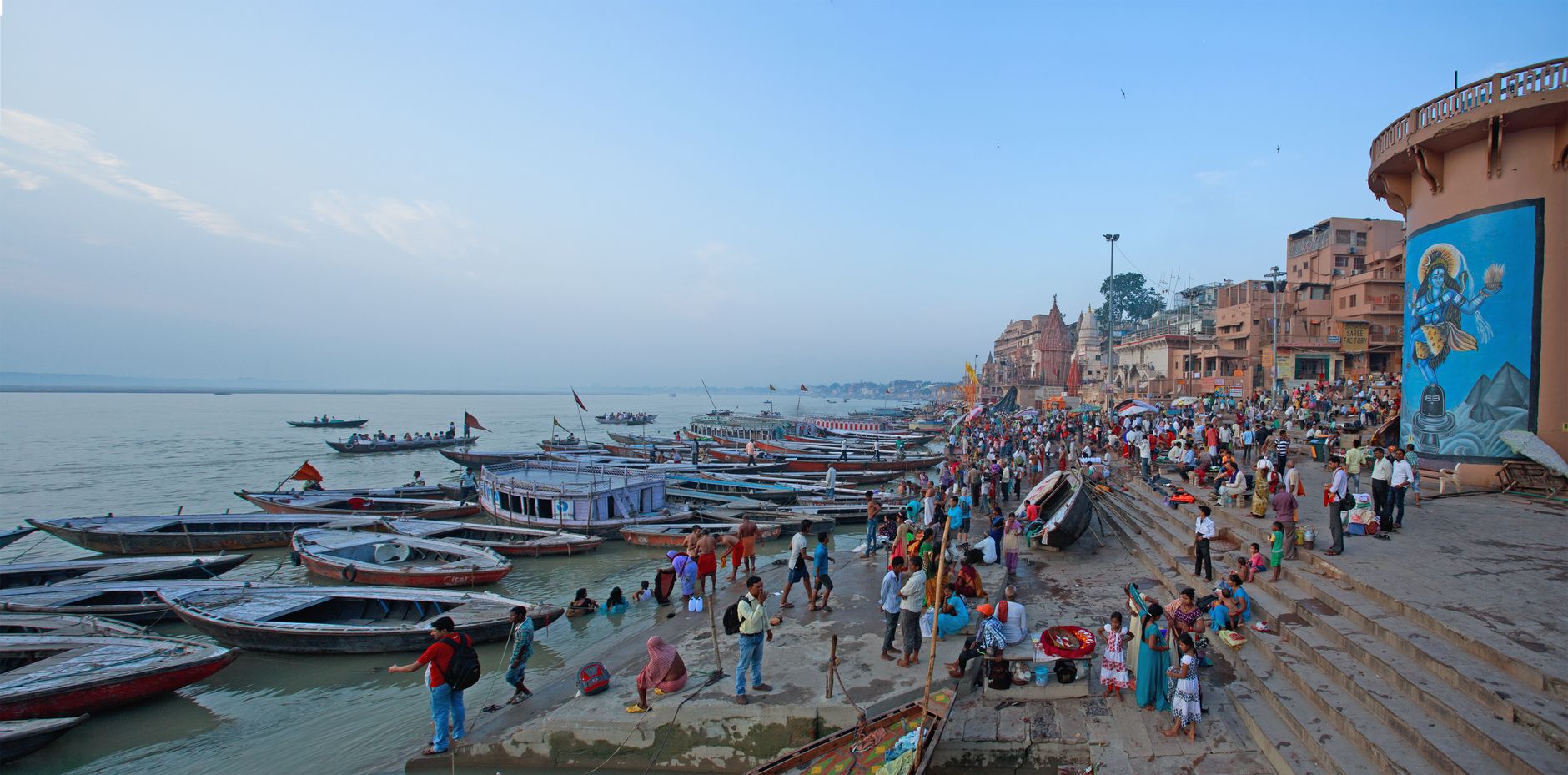
Varanasi, where the Ganga witnesses centuries of faith and tradition, has quietly become one of India's most powerful settings for intercultural marriage planning. Couples from different religions, regions, and even countries are choosing this ancient city to unite their families through thoughtfully woven ceremonies. From multi-cultural wedding coordination that blends Vedic mantras with Christian vows, to Varanasi heritage venue booking at boutique havelis near Assi Ghat, the city offers a backdrop that makes every ritual feel timeless. Happiffie connects you with experienced local planners who specialise in navigating family expectations, legal paperwork, and cross-cultural ceremony design — all under one trusted platform.
Quick Answer
Intercultural marriage planning in Varanasi involves coordinating weddings where two different religions, regions, or cultural backgrounds come together. Experienced planners manage multi-ritual ceremonies, family sensitivities, legal documentation, and vendor coordination across Vedic, Nikah, Christian, Sikh, or civil formats. Varanasi's heritage ghats, havelis, and boutique hotels provide dramatic settings. Costs typically range from ₹8 lakh to ₹60 lakh depending on guest count, rituals, and venue. Happiffie lists verified local planners specialising in these complex, emotionally rich celebrations.
Why Is Varanasi a Unique Destination for Intercultural Marriage Planning?
Varanasi holds a rare spiritual neutrality — it is sacred to Hindus yet has deep Islamic heritage in areas like Madanpura, colonial Christian architecture near Cantonment, and a long-standing tradition of Sufi and Banarasi syncretic culture. This makes intercultural marriage planning here feel genuinely organic rather than forced. Couples planning a destination wedding on the Ganges find that the river itself becomes a unifying symbol for families of differing faiths. The city's intimate neighbourhood scale means a Vedic ceremony at a ghat can be followed by a Nikah-inspired Walima dinner at a nearby haveli — all within a single golden evening. Planners based in Varanasi understand these neighbourhood dynamics deeply, managing logistics between Godowlia, Assi Ghat, Bhelupura, and the Cantonment area with precision that outside agencies simply cannot replicate.
What Does a Multi-Cultural Wedding Coordination Package Include?
A comprehensive multi-cultural wedding coordination package in Varanasi typically covers ritual sequencing, priest or officiant sourcing from multiple traditions, decor that respects both aesthetics, catering menus that satisfy dietary restrictions across communities, and a detailed guest communication plan. Interfaith wedding planner services also include legal documentation support — helping couples navigate the Special Marriage Act, 1954, which is commonly used for interfaith unions in India. Beyond logistics, skilled planners act as cultural diplomats, mediating between families on symbolism, colours, and ceremonial order. Mixed heritage wedding planning often requires two or three planning consultations dedicated purely to family alignment before a single vendor is booked. Budget planning across these components typically starts at ₹10 lakh for a 100-guest event and scales significantly with venue prestige and ritual complexity.
How Does Cross-Cultural Ceremony Design Work in Practice?
Cross-cultural ceremony design is the creative and logistical heart of intercultural marriage planning. In Varanasi, planners begin by mapping the non-negotiable rituals for each family — for example, the Saptapadi for a Hindu partner and the exchange of rings and vows for a Christian partner — then build a flowing timeline that honours both without one feeling subordinate to the other. Wedding ritual integration at this level requires a choreographer's sensibility: the planner decides when two traditions can be woven together (such as a shared candle-and-diya lighting moment) versus when they must be kept distinct to preserve sanctity. Decor is designed using a dual-palette approach so that one side of a mandap or altar does not visually overshadow the other. Bilingual wedding ceremonies, where the officiant or emcee transitions gracefully between Hindi, Urdu, English, or regional languages, are also coordinated by the planner to ensure every guest feels included. This level of design commands a premium, typically adding ₹1.5–3 lakh to base coordination fees.
Varanasi Heritage Venues and Ghat Settings for Intercultural Weddings
Varanasi heritage venue booking is one of the most exciting — and competitive — aspects of planning here. The most sought-after spaces for intercultural weddings include riverfront havelis near Dasaswamedh Ghat, boutique heritage hotels in the Sigra and Lanka neighbourhoods, and restored mansions in the Civil Lines area for larger guest counts. Varanasi heritage venue booking requires lead times of six to twelve months for peak season (October–February). For a destination wedding on the Ganges, boat-deck ceremonies at dawn or sunset are increasingly popular, with a float of marigolds and diyas on the river creating a visual shared by both families regardless of faith. Planners on Happiffie have established relationships with venue managers across these neighbourhoods, allowing them to negotiate exclusive pricing and flexible setup schedules that self-planning couples rarely access.
What Is the True Cost of Intercultural Marriage Planning in Varanasi?
Intercultural marriage planning in Varanasi spans a wide cost range based on ritual count, guest list size, and venue choice. For a 75–150 guest intimate ceremony with two traditions merged, expect a total event budget of ₹12–25 lakh, with planner coordination fees of ₹1.5–4 lakh included. A larger mixed heritage wedding planning project with 300-plus guests, a riverside haveli, multiple ceremonies across two days, and bilingual wedding ceremonies can reach ₹40–60 lakh in total outlay. Key cost drivers include: number of officiants and priests (each tradition may require separate fees), custom decor for two aesthetic frameworks, catering for dietary diversity (halal, Jain, vegetarian, and non-vegetarian), and Special Marriage Act registration logistics. Planners on Happiffie provide transparent, itemised quotes so families can align on budget before any commitments are made.
Intercultural Wedding Planning Approaches in Varanasi: A Comparison
Expert Recommendation
Best for Intimate Intercultural Celebrations (under 75 guests)
Best for Destination Wedding on the Ganges
Best for Large Guest Counts (250 and above)
Best for Budget-Conscious Couples
Best for NRI or International Intercultural Couples
Best for Couples Prioritising Ritual Authenticity
How to Choose the Right Option
✅ Pre-booking Checklist
- List non-negotiable rituals from both families before the first planner meeting
- Confirm the planner has prior experience with your specific cultural combination
- Verify Special Marriage Act documentation requirements and timeline (30-day notice period)
- Secure Varanasi heritage venue booking at least 8 months ahead for peak season
- Agree on a bilingual emcee or officiant who can transition between both languages naturally
- Review an itemised budget breakdown covering all ceremony, catering, decor, and legal fees
- Plan a dedicated family alignment session facilitated by the planner before vendor finalisation
- Confirm catering can accommodate all dietary restrictions across both communities
🎯 Selection Criteria
- Proven portfolio of intercultural or interfaith weddings, not just standard events
- In-house or partnered legal support for Special Marriage Act registration
- Strong local vendor network across ghats, havelis, and hospitality providers in Varanasi
- Ability to source priests, scholars, or officiants from multiple religious traditions
- Clear communication style and availability for remote planning calls for NRI clients
- Transparent, itemised pricing with no hidden charges for additional ceremonies
💰 Cost / Quality Factors
- Number of distinct ceremonies directly drives planner time, officiant fees, and decor cost
- Guest count determines venue size, catering volume, and accommodation coordination complexity
- Season affects venue availability and pricing — October to February costs 20–35% more
- Legal complexity (Special Marriage Act vs. personal law) adds documentation and time costs
- Custom cross-cultural decor for two aesthetic traditions costs 30–50% more than standard setups
- Bilingual ceremony coordination adds emcee and translation costs but significantly improves guest experience
⚠️ Common Mistakes to Avoid
- Booking a planner with no interfaith experience assuming all wedding planning is the same
- Ignoring the 30-day notice requirement for Special Marriage Act, which delays the wedding date
- Letting one family's tradition dominate the visual and ceremonial design without discussion
- Underestimating catering complexity when serving guests with conflicting dietary requirements
- Leaving Varanasi heritage venue booking too late and losing first-choice riverside locations
- Skipping a professional family alignment session, which is the most common source of last-minute conflict
People Also Ask
Can a Hindu and Muslim couple legally marry in Varanasi?
How far in advance should I book an interfaith wedding planner in Varanasi?
What types of ceremonies can be combined in a Varanasi intercultural wedding?
Is Varanasi a good destination for a destination wedding on the Ganges?
How do planners handle family conflicts in intercultural weddings?
Do Varanasi wedding planners offer bilingual wedding ceremonies?
What is the typical planner fee for intercultural marriage planning in Varanasi?
Can Varanasi heritage venues accommodate guests of different faiths comfortably?
Related Experiences on Happiffie
Two Cultures, One Perfect Wedding
Plan Your Dream Hill Wedding in Mussoorie
Darjeeling's Fusion Wedding Experts
Timeless Weddings by the Shore
Hindu Wedding Rituals Explained
Dress Together, Shine Together
Wed Amid the Mussoorie Clouds
Wed Amid 1,300-Year-Old Pallava Grandeur
Frequently Asked Questions
What makes intercultural marriage planning in Varanasi different from other Indian cities?
Which Varanasi neighbourhoods are best for intercultural wedding venues?
How do interfaith wedding planners in Varanasi source priests for multiple traditions?
Is a destination wedding on the Ganges suitable for non-Hindu couples?
Can Happiffie planners manage mixed heritage wedding planning for NRI couples remotely?
What is wedding ritual integration and how is it handled in Varanasi?
How early should bilingual wedding ceremonies be rehearsed?
Are there any legal restrictions on intercultural marriages in Varanasi specifically?
Key Takeaways
- Intercultural marriage planning in Varanasi uniquely benefits from the city's syncretic cultural heritage and iconic Ganges riverfront settings.
- Multi-cultural wedding coordination requires experienced planners who act as cultural mediators, not just event managers.
- Cross-cultural ceremony design demands careful sequencing of rituals to give equal weight to both traditions without compromising sanctity.
- Varanasi heritage venue booking should begin 8–12 months ahead for peak season; off-season offers better availability and pricing.
- Bilingual wedding ceremonies improve guest inclusion significantly and require a planner-sourced emcee fluent in both communities' languages.
- Total event budgets range from ₹12 lakh for intimate gatherings to ₹60 lakh for large multi-day celebrations with premium venues.
- Special Marriage Act, 1954 is the standard legal framework for interfaith couples in India, requiring a 30-day advance notice at the Sub-Registrar office.
- Happiffie's verified planner network in Varanasi ensures transparent pricing and proven intercultural event expertise for every couple.
Start Your Intercultural Marriage Planning in Varanasi
Connect with Happiffie's verified planners who specialise in blending traditions, managing families, and creating celebrations as layered as your love story.
Find Your Planner
Are you a Vendor? Grow Your Business with Happiffie!
- High intent verified leads
- Reverse auction opportunities
- AI business tools & insights
- Dedicated vendor dashboard
- Grow your business, your way
It's free & takes less than 2 minutes!