
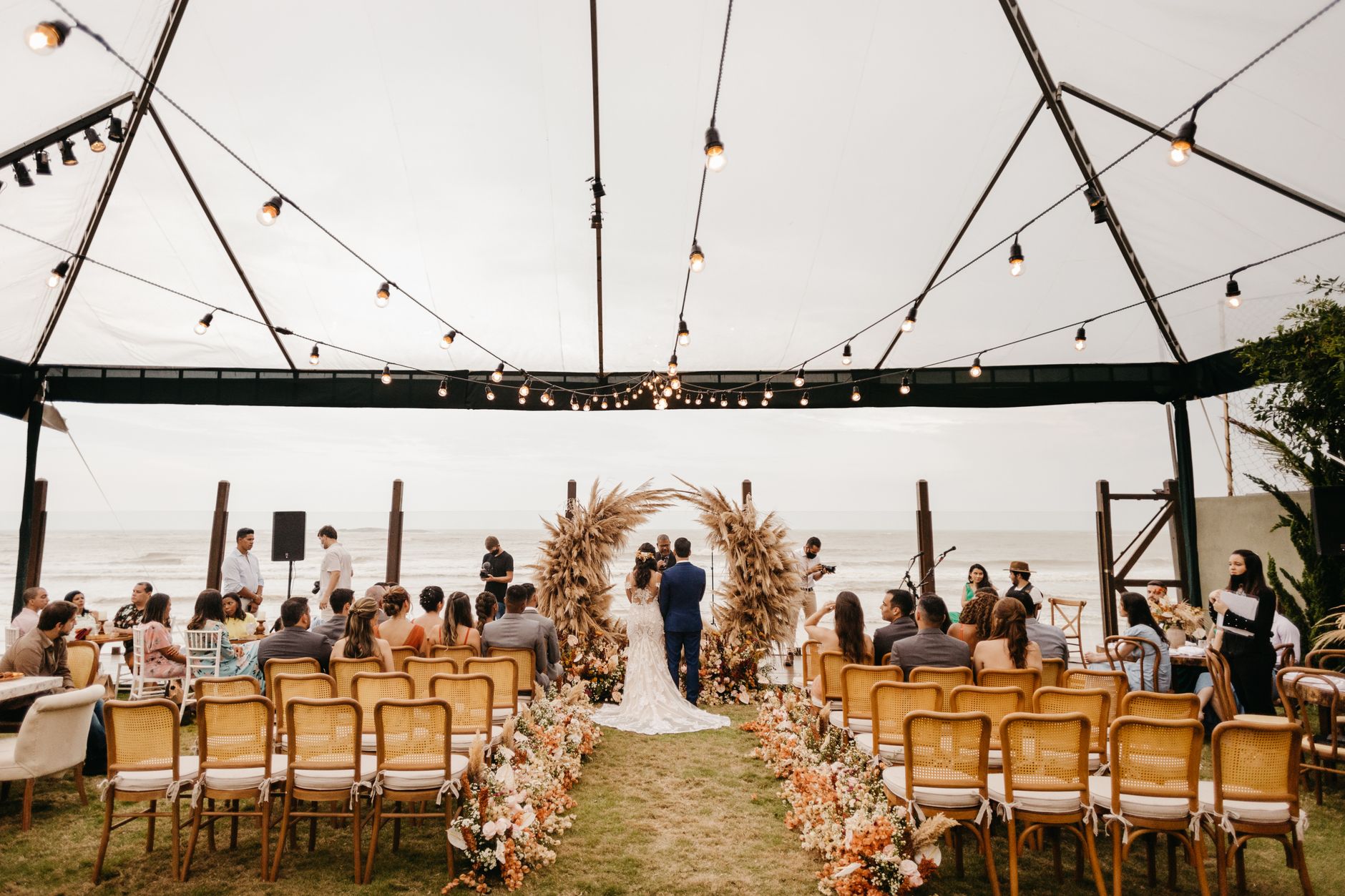
Smooth Queues, Happier Guests
Infrastructure in Varanasi
Event Guest Queue Systems for Varanasi Weddings
Varanasi weddings are legendary — ghats adorned with marigolds, a thousand guests arriving at Nadesar or Sarnath banquet halls, and a family determined to make every moment seamless. Yet even the grandest shaadi can unravel at the entrance gate when hundreds of relatives arrive simultaneously. That is exactly where Event Guest Queue Systems become indispensable. A well-deployed guest flow management system eliminates bottlenecks, reduces wait times, and lets your mehman feel honoured the moment they step in. Paired with smart Varanasi wedding venue infrastructure planning, these systems transform chaotic arrivals into a dignified, choreographed welcome befitting the City of Light.
Quick Answer
Event Guest Queue Systems are structured crowd-management setups deployed at weddings and events to regulate guest entry, reduce congestion, and speed up check-in. They typically combine physical lane barriers, digital token-based guest check-in counters, RFID or QR-code scanning, and trained staff to ensure every attendee moves efficiently from arrival to the venue interior — especially critical for Varanasi celebrations with 500-plus guests.
What Are Event Guest Queue Systems and Why Do Varanasi Events Need Them?
Event Guest Queue Systems are end-to-end infrastructure solutions designed to manage the physical and digital flow of guests from the parking area or gate right up to their assigned seating. They include retractable belt barriers, digital display boards showing queue progress, QR-code or RFID wristband entry scanners, and staffed help desks. In Varanasi, where baraat processions on Assi Road or Sigra can swell to 600-800 guests within 30 minutes, the absence of a structured system creates dangerous overcrowding and frustrated families. Large-scale event logistics Varanasi planners consistently list entry management as the number-one operational failure in poorly executed weddings. A properly calibrated system means your guests — from elderly dadaji arriving from Lanka crossing to NRI cousins flying in — all receive an orderly, respectful welcome.
How Do Guest Flow Management Systems Work at Scale?
A guest flow management system operates in three coordinated layers. The first layer is pre-event: digital invitations embed unique QR codes or guest IDs linked to a central database, enabling token-based guest check-in at arrival. The second layer is physical: trained ushers guide guests into dedicated lanes — one for VIP, one for general guests, one for senior citizens — separated by branded rope barriers or stanchions matching your wedding decor. The third layer is real-time monitoring: a control desk operator tracks throughput on a dashboard, opens additional lanes when dwell time exceeds two minutes, and coordinates with parking staff via walkie-talkie. For banquet hall crowd control in venues like those near Cantonment or BHU Road, this three-layer approach consistently reduces average entry time from 8-10 minutes per guest to under 2 minutes, preventing the backlog that spills onto public roads.
Technology Options: RFID, QR Codes, and Token Systems
Modern event entry queue management offers three primary technology formats, each suited to different budgets and guest counts. QR-code scanning is the most affordable — guests receive a unique code via WhatsApp or email, and handheld scanners verify it at the gate. Token-based guest check-in uses pre-printed or digital tokens assigned by subgroup (family, friends, colleagues), allowing batch entry and easier headcount. RFID wristband event access is the premium tier: silicone wristbands programmed with guest data enable tap-to-enter speed under half a second per person, ideal for multi-day sangeet-mehendi-wedding sequences where the same guests re-enter multiple times. In Varanasi, RFID wristband event access is gaining popularity at upscale banquet halls near Godowlia and Lahurabir, where organisers run consecutive three-day celebrations and need seamless re-entry without re-verification delays.
Cost Breakdown: What Should You Budget for Queue Infrastructure in Varanasi?
Pricing for Event Guest Queue Systems in Varanasi varies by technology, guest count, and event duration. A basic physical lane setup with belt barriers, two staff members, and a manual register costs approximately INR 8,000-15,000 per day for events up to 300 guests. A mid-tier QR-code scanning system with two scanner devices, a laptop dashboard, and four trained staff runs INR 25,000-45,000 per event. A full RFID wristband event access setup for 800-1,200 guests, including wristband printing, 6 scanner points, crowd-control barriers, and a dedicated operations manager, is priced between INR 75,000 and INR 1,50,000. Varanasi wedding venue infrastructure packages sometimes bundle queue management with valet parking and cloakroom services at a 15-20% discount. Always confirm whether the quote includes walkie-talkies, generator backup for scanners, and last-mile guest assistance staff.
What Common Mistakes Should Families Avoid When Booking Queue Management?
The most frequent error is treating Event Guest Queue Systems as a day-of afterthought. Families finalise catering, decor, and photography months in advance but call a queue vendor two days before the wedding, leaving no time for proper guest-database setup or staff briefing. A second mistake is under-staffing entry lanes: industry practice recommends one trained usher per 80 expected guests during peak arrival windows. Third, ignoring large-scale event logistics Varanasi realities — like narrow bylanes near Dashashwamedh or limited parking near venues in Bhelupur — means the physical queue overflows onto roads even when the system itself is well designed. Finally, failing to account for the baraat arrival separately from seated guests creates a simultaneous surge that overwhelms a single-lane setup. Always designate a dedicated baraat entry point distinct from the main guest gate.
Event Guest Queue Systems: Comparing Setup Types for Varanasi Events
Expert Recommendation
Best for Intimate Celebrations (up to 150 guests)
Best for Mid-Size Varanasi Banquets (150-400 guests)
Best for Grand Shaadis (400-1,000+ guests)
Best for Multi-Day Wedding Sequences
Best for Budget-Conscious Families
Best for Destination Weddings Near Ghats
How to Choose the Right Option
✅ Pre-booking Checklist
- Confirm your expected guest count and peak arrival window before contacting vendors
- Visit the venue in advance with the queue system provider to map lane positions
- Request an offline-capable setup if your venue near Ghats or Sarnath has weak internet
- Specify whether RFID wristbands or QR codes are needed based on event duration and guest tech comfort
- Clarify if the quote includes walkie-talkies, generator backup, and printed directional signage
- Designate a separate entry point for the baraat distinct from the main guest gate
- Confirm multilingual staff availability if expecting outstation or NRI guests
- Collect and share your guest database with the vendor at least two weeks before the event
🎯 Selection Criteria
- Vendor experience with events of your specific guest count and venue type in Varanasi
- Technology reliability — confirm scanner uptime guarantees and backup devices
- Staff-to-guest ratio offered: aim for one usher per 80 guests during peak arrival
- Data privacy: ensure guest QR or RFID data is not retained or sold post-event
- Flexibility to scale lanes up or down on the day based on real-time crowd density
- Transparent pricing with no hidden charges for overtime, extra staff, or equipment damage
💰 Cost / Quality Factors
- Guest count directly drives cost — every 200 additional guests typically adds INR 15,000-20,000
- Multi-day events cost 60-70% more than single-day due to wristband programming and extended staffing
- Venues in congested Varanasi localities like Godowlia require additional perimeter staff, raising cost
- RFID hardware has higher upfront cost but lowers per-guest check-in time and staff dependency
- Off-season bookings (March-October) can yield 10-15% discounts from most local vendors
- Bundling queue management with valet parking and cloakroom services usually saves 15-20% overall
⚠️ Common Mistakes to Avoid
- Booking queue infrastructure less than two weeks before the wedding, leaving no time for setup and testing
- Assuming a single entry lane is sufficient regardless of guest volume — always plan for peak-hour surge
- Neglecting senior citizen and differently-abled guests who need priority or assisted lanes
- Failing to brief family members acting as hosts on how the system works, causing them to bypass lanes and confuse guests
- Choosing a vendor solely on lowest price without verifying their equipment count and backup plan
- Not conducting a dry run of the scanner setup at least one hour before the first guests arrive
People Also Ask
How early should I book an Event Guest Queue Systems provider in Varanasi?
Can guest flow management systems handle both indoor and outdoor Varanasi events?
Is token-based guest check-in suitable for elderly guests who may not have smartphones?
What is the difference between RFID wristbands and QR code entry at a wedding?
How does banquet hall crowd control differ from open-venue queue management?
Do event queue system providers in Varanasi offer multilingual staff?
Can the same queue system manage entry for a three-day wedding function?
What is a realistic guest throughput rate for event entry queue management?
Related Experiences on Happiffie
Seamless Crowd Safety for Kochi Celebrations
Smart Guest Flow for Alappuzha Weddings
Smooth Guest Flow for Mussoorie Events
Smart QR Check-In for Your Big Day
See Your Dream Venue Before You Book
Grand Prop Installations in Mysore
Celebrate in Style at Kumarakom
Smart RFID Access for Lucknow Events
Frequently Asked Questions
Are Event Guest Queue Systems available for smaller Varanasi functions like a mundan or anniversary?
Do Varanasi banquet halls near Cantonment already have built-in queue infrastructure?
How do Event Guest Queue Systems handle last-minute walk-in guests at Varanasi weddings?
Can guest flow management systems generate reports on attendance for Varanasi events?
What happens if the scanner fails during peak entry at a Varanasi wedding?
Is RFID wristband event access reusable or single-use for Varanasi celebrations?
How many staff members does a 700-guest Varanasi wedding need for queue management?
Do event entry queue management providers in Varanasi offer branded or decorated barriers?
Key Takeaways
- Event Guest Queue Systems are essential for Varanasi weddings with 300+ guests to prevent dangerous crowding at venue gates
- Three main technology tiers exist: manual token-based guest check-in, QR-code scanning, and RFID wristband event access — choose based on guest count and budget
- Costs range from INR 8,000 for basic setups to INR 1,50,000 for full RFID deployments at large-scale events
- A proper guest flow management system reduces average entry time from 8-10 minutes to under 2 minutes per guest
- Always designate a separate baraat entry lane to prevent simultaneous surge from overwhelming a single-gate setup
- Offline-capable systems are mandatory for venues near Varanasi ghats or Sarnath with unreliable connectivity
- Book your queue management vendor 4-8 weeks in advance, especially during peak wedding season (November to February)
- Bundling queue infrastructure with valet and cloakroom services can reduce total costs by 15-20%
Plan a Flawless Entry for Your Varanasi Celebration
Compare verified Event Guest Queue Systems providers on Happiffie — transparent pricing, local expertise, and end-to-end infrastructure support for weddings of every size.
Explore Queue Solutions
Are you a Vendor? Grow Your Business with Happiffie!
- High intent verified leads
- Reverse auction opportunities
- AI business tools & insights
- Dedicated vendor dashboard
- Grow your business, your way
It's free & takes less than 2 minutes!