
Feed Communities, Celebrate Generously
Food & Beverage in Vadodara
NGO Meal Distribution in Vadodara: Complete Planning Guide
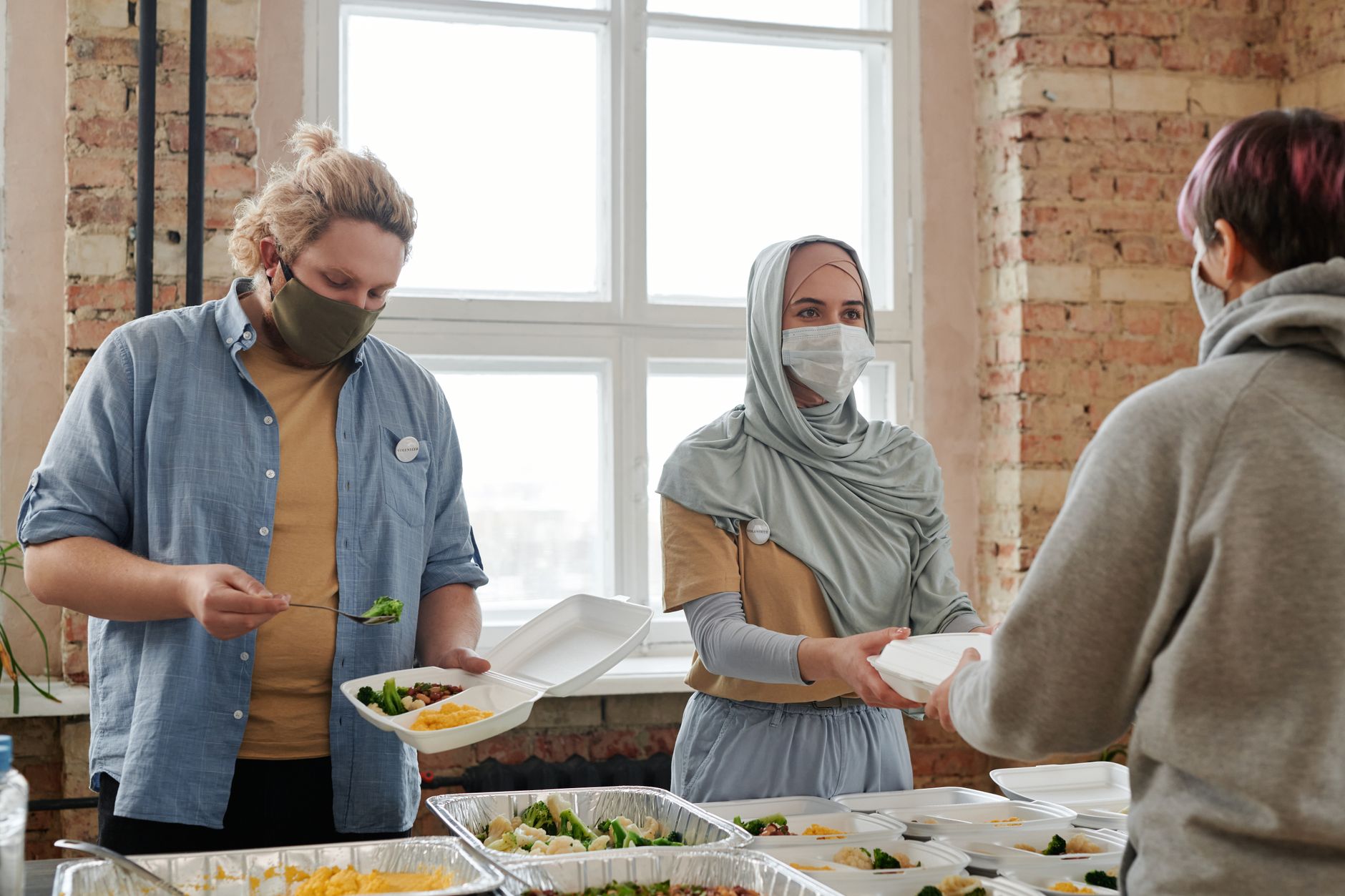
NGO meal distribution in Vadodara is fast becoming a meaningful addition to weddings, corporate events, and festivals — allowing hosts to channel surplus food and additional budget toward communities in need. Whether you are coordinating a large baraat feast at Sayajibaug or a corporate gathering near Alkapuri, pairing your celebration with a structured charitable food service ensures that not a single plate of freshly prepared food goes to waste. With rising awareness around surplus food management among Vadodara's socially conscious families, platforms like Happiffie now connect event planners with verified NGO partners, logistics coordinators, and hunger relief catering specialists who make giving back as seamless as any other vendor booking.
Quick Answer
NGO meal distribution refers to the organised collection, packaging, and delivery of freshly prepared or surplus food from events to underserved communities through registered non-profit organisations. In Vadodara, this service can be booked as a standalone social initiative or added to any wedding, corporate event, or festival. Costs typically range from ₹15 to ₹60 per meal depending on packaging, logistics, and the number of beneficiaries served.
What Is NGO Meal Distribution and Why Is It Gaining Popularity in Vadodara?
NGO meal distribution is the systematic process by which registered non-profit organisations collect cooked or packaged food — either prepared specifically for donation or left over from events — and deliver it to shelters, orphanages, old-age homes, and roadside communities. In Vadodara, this practice has grown significantly over the past three years, driven by both cultural generosity and increasing awareness of food waste at large celebrations. Neighbourhoods such as Fatehgunj, Manjalpur, and Wadi host a dense concentration of NGOs that actively coordinate community meal programmes throughout the year. Vadodara's thriving MSME sector and its large student population also make it a fertile ground for CSR catering initiatives, where companies sponsor meals as part of their annual social responsibility calendars. The city's robust road connectivity further simplifies last-mile food delivery, making hunger relief catering logistics more efficient here than in many comparable Tier-2 cities across Gujarat.
How Much Does NGO Meal Distribution Cost in Vadodara?
Pricing for NGO meal distribution in Vadodara varies based on several factors: whether food is freshly cooked or surplus, the distance to beneficiary locations, the type of packaging used, and whether your chosen NGO partner charges a coordination fee. Freshly cooked community meal programmes — where caterers prepare dedicated meals for donation — typically cost between ₹40 and ₹80 per meal inclusive of ingredients, labour, and packaging. Surplus food collection services, which involve transporting leftover food from your event venue to an NGO distribution point, are considerably cheaper at ₹15 to ₹35 per meal, covering only logistics and food-grade containers. For a mid-size Vadodara wedding of 400–600 guests, a combined approach — donating both dedicated meals and surplus — can feed an additional 200–400 beneficiaries at a total add-on cost of ₹8,000 to ₹25,000. Many families treating this as a wedding food donation also find it replaces or supplements the traditional practice of distributing prasad, making it spiritually and socially fulfilling.
Types of Charitable Food Service Models Available Through Happiffie
Happiffie's Vadodara partner network covers four distinct charitable food service models suited to different event types and budgets. The first is the dedicated cook-and-serve model, where a caterer prepares a separate batch of nutritious meals — typically dal, rice, sabzi, and roti — exclusively for NGO beneficiaries alongside your regular event menu. The second is surplus redistribution, the most popular option for weddings, where hunger relief catering coordinators arrive at the tail end of your event, assess remaining food safety, package compliant portions, and transport them to partner NGO locations within two hours. The third model is a social welfare food drive, where guests are invited to contribute a nominal ₹50–₹100 per head as part of the wedding invite itself, and the pooled amount funds a full community meal programme hosted separately in an underserved neighbourhood. The fourth is a CSR catering initiative, structured specifically for corporate clients who want documented impact reports, beneficiary photographs, and tax-exemption certificates under Section 80G of the Income Tax Act — a particularly common request from Vadodara's pharmaceutical and textile companies.
Which Vadodara Events Are Best Suited for Adding a Meal Distribution Programme?
Almost any large gathering in Vadodara can incorporate NGO meal distribution meaningfully, but certain event types deliver the highest impact per rupee spent. Weddings with more than 300 guests consistently generate the largest surplus volumes — a typical Gujarati wedding of 500 guests may produce 60–120 kg of edible surplus food if collected promptly and hygienically. Navratri garba events hosted in large grounds such as those near Productivity Road or Nizampura frequently generate thousands of plates of prasad and sponsored meals that can be redirected through a community meal programme. Corporate annual-day functions and product-launch dinners in Alkapuri's hotel circuit also partner well with CSR catering initiatives because the catering quantities are pre-planned and documentation needs are straightforward. Even intimate engagement ceremonies of 50–80 guests can include a festive food charity component — simply by pre-ordering 50 additional meals as a symbolic gesture of gratitude, delivered to a nearby shelter on the morning of the event.
How Do You Ensure Food Safety During NGO Meal Distribution in Vadodara?
Food safety is the most critical operational concern in any NGO meal distribution programme. Vadodara's Food Safety and Standards Authority of India (FSSAI) guidelines require that cooked food intended for donation must be collected within two hours of preparation and delivered to beneficiaries within four hours of collection during summer months (April–June), when ambient temperatures in the city regularly exceed 40°C. Reputable hunger relief catering coordinators on the Happiffie platform use insulated food-grade containers and temperature-logged transport vehicles, ensuring compliance with these standards. For surplus food management specifically, trained assessors evaluate each food item at your venue before packaging — gravies with high moisture content, dairy-based desserts such as shrikhand, and cut fruits are typically excluded from redistribution due to higher spoilage risk. Dry items — puris, theplas, chakli, and packaged sweets — travel safely for up to six hours and are excellent candidates for a social welfare food drive. Requesting a food-safety compliance certificate from your NGO partner before booking is strongly recommended.
NGO Meal Distribution Models: Side-by-Side Comparison for Vadodara Events
Expert Recommendation
Best for large weddings (500+ guests)
Best for budget-conscious hosts
Best for corporate CSR teams
Best for intimate celebrations (under 100 guests)
Best for Navratri and festival events
Best for destination-style banquet venues
How to Choose the Right Option
✅ Pre-booking Checklist
- Confirm your NGO partner holds a valid FSSAI food-handling permission before booking
- Define whether you want surplus redistribution, dedicated meals, or a hybrid model at least 2 weeks before your event
- Coordinate with your caterer about surplus food collection timelines and packaging responsibilities
- Request a written beneficiary commitment — number of meals, delivery location, and estimated time — from your NGO partner
- Clarify documentation requirements: if seeking 80G tax benefits, ensure donations are in cash or bank transfer, not in-kind food
- Confirm vehicle type and food-safety logistics for venues farther from central Vadodara (Padra, Halol belt)
- Inform your venue manager about the presence of NGO collection volunteers on event day to avoid access issues
- Set a go/no-go food safety checkpoint time — typically 90 minutes before the event ends — for surplus assessment
🎯 Selection Criteria
- NGO registration status: Section 8 company, charitable trust, or religious organisation with valid credentials
- Food safety compliance: FSSAI licence, insulated transport, and trained food-safety volunteers
- Geographic reach: ability to serve beneficiary locations within your preferred Vadodara neighbourhoods
- Transparency: willingness to share beneficiary data, delivery photos, and meal-count reports post-event
- Scalability: capacity to handle your specific guest-count range, from 50-meal boutique gestures to 1,000+ meal drives
- Coordination ease: single point of contact who liaises with both your caterer and the NGO field team
💰 Cost / Quality Factors
- Meal type and ingredients: dal-rice-sabzi costs less than multi-course meals; simplicity aids both cost and safety
- Distance from venue to NGO distribution point: longer distances increase logistics cost and food-safety risk
- Packaging quality: food-grade, leak-proof containers add ₹3–₹8 per meal but are non-negotiable for safe transport
- Volunteer availability: peak seasons (November–February weddings, Navratri) see higher volunteer demand — book early
- Documentation level needed: basic redistribution requires minimal paperwork; CSR-grade reporting adds coordination time
- Caterer cooperation: aligned caterers who pre-portion surplus correctly can reduce food waste and NGO logistics time by 30–40%
⚠️ Common Mistakes to Avoid
- Waiting until the event ends to contact an NGO — last-minute coordination risks food safety and low beneficiary turnout
- Assuming all surplus food is safe to redistribute — dairy-heavy gravies and cut fruits often fail the two-hour safety window
- Choosing an unregistered NGO without FSSAI compliance, exposing your event to food-safety liability
- Failing to inform your caterer about the surplus food management plan, leading to food being discarded before collection
- Overlooking documentation: without a beneficiary report or donation receipt, CSR and tax benefits cannot be claimed
- Underestimating logistics cost for venues far from central Vadodara — factor in refrigerated transport for distances over 20 km
People Also Ask
Can I add NGO meal distribution to my wedding booking in Vadodara?
How many meals can a typical Vadodara wedding donate?
Is there a tax benefit for doing a charitable food service at my event?
What is the difference between surplus food management and a food drive?
Which NGO types in Vadodara commonly run meal distribution programmes?
How far in advance should I book an NGO partner for my Vadodara event?
Can corporate teams in Vadodara organise a standalone CSR catering initiative?
What is the minimum budget needed to start an NGO meal distribution programme in Vadodara?
Related Experiences on Happiffie
Feed More, Waste Less at Your Wedding
Feed Hundreds, Celebrate with Purpose
Feed Guests, Feed Communities
Live Cooking. Real Theatre. Delhi Weddings.
Feed Forward, Waste Nothing
Turn Wedding Leftovers Into Hope
Frequently Asked Questions
How does Happiffie help me set up NGO meal distribution for my Vadodara wedding?
Is NGO meal distribution legally required at Vadodara events?
Can I request a beneficiary report after my community meal programme is completed?
What types of food are safest for NGO meal distribution in Vadodara's climate?
How many beneficiaries can a 500-guest Vadodara wedding realistically feed through surplus food management?
Are there specific Vadodara neighbourhoods where NGOs most commonly distribute meals?
Can I combine a social welfare food drive with my existing wedding catering package on Happiffie?
What is the difference between a hunger relief catering coordinator and a standard caterer in Vadodara?
Key Takeaways
- NGO meal distribution in Vadodara can be added to weddings, corporate events, and festivals as a structured, verified service through Happiffie's partner network.
- Costs range from ₹15/meal for surplus redistribution to ₹80/meal for a dedicated community meal programme — making it accessible at nearly every event budget.
- Food safety compliance under FSSAI guidelines is mandatory: cooked food must be collected within two hours and delivered within four hours, especially during Vadodara's hot summers.
- Five distinct service models exist — surplus management, dedicated meal programmes, food drives, CSR initiatives, and pre-sponsored festive food charity — each suited to different event types and budgets.
- Corporate teams can claim 80G tax deductions on cash donations made to registered NGO partners running a community meal programme.
- Booking 2–3 weeks in advance is essential during Vadodara's peak wedding season (November–February) and Navratri to secure both NGO volunteers and catering coordination.
- Choosing an NGO with transparent beneficiary reporting — meal counts, delivery photos, impact certificates — ensures both peace of mind and CSR compliance.
- Happiffie simplifies the entire process by connecting hosts with pre-vetted NGO partners, hunger relief catering coordinators, and logistics specialists in one platform.
Make Your Vadodara Event a Force for Good
Connect with verified NGO meal distribution partners and hunger relief catering coordinators — all in one place on Happiffie.
Explore NGO Partners
Are you a Vendor? Grow Your Business with Happiffie!
- High intent verified leads
- Reverse auction opportunities
- AI business tools & insights
- Dedicated vendor dashboard
- Grow your business, your way
It's free & takes less than 2 minutes!