
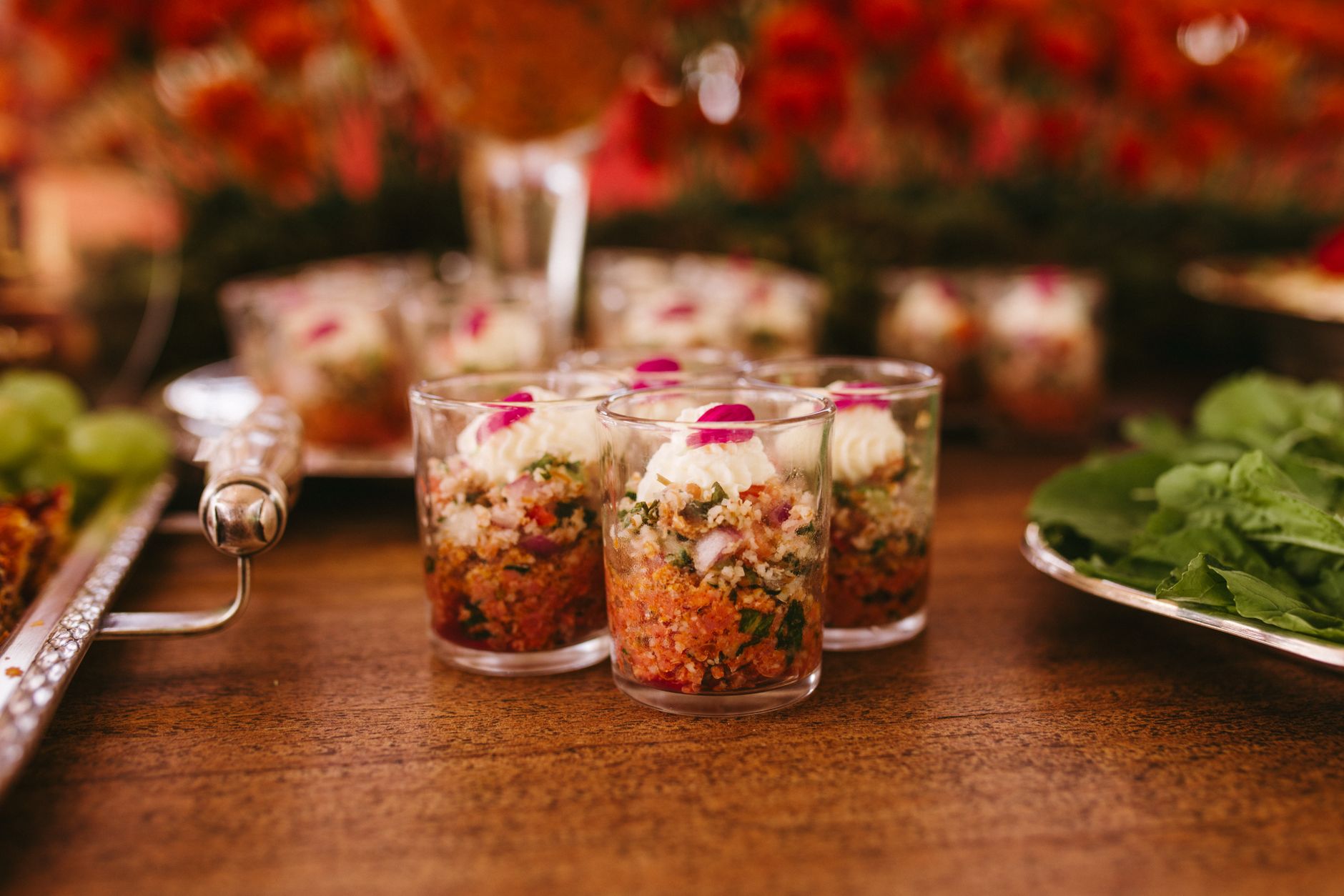
Live Cooking. Real Theatre. Delhi Weddings.
F&B in Delhi
Chef-Driven Live Food Stations for Delhi Weddings & Events
Delhi weddings are legendary for their scale, flavour, and showmanship — and nothing captures that spirit quite like Chef-Driven Live Food Stations. Whether you are hosting an intimate roka in Punjabi Bagh or a 1,200-person shaadi in a Dwarka banquet hall, these stations transform catering from a background service into the evening's most talked-about highlight. From sizzling live tawa and grill setups to curated pasta and sushi counters, interactive cooking counters put a skilled chef front and centre, delivering freshly prepared dishes with flair. Coupled with thoughtful festive menu customisation, they elevate the entire banquet food experience for every guest.
Quick Answer
Chef-Driven Live Food Stations are catering setups where a trained chef cooks and plates dishes in real time, directly in front of guests. Popular at Delhi weddings and corporate events, they typically feature dedicated counters — such as live tawa, pasta, chaat, grill, or sushi — manned by specialists. Costs in Delhi range from roughly INR 150 to INR 600 per plate per station, depending on cuisine type, equipment, and staffing.
What Are Chef-Driven Live Food Stations and Why Are They Trending in Delhi?
Chef-Driven Live Food Stations are purpose-built culinary counters staffed by a specialist chef who cooks, assembles, and presents each dish live in full view of the guests. Unlike a standard buffet, where food sits in pre-loaded containers, these stations offer made-to-order preparation — a chapli kebab pressed on a live tawa and grill setup, a bowl of pasta tossed with fresh herbs, or a customised chaat assembled bite by bite. Delhi's wedding circuit embraced this format rapidly because the city's guests already appreciate bold, fresh flavours and expect a certain degree of spectacle from their celebrations. Neighbourhoods like Vasant Kunj, Sohna Road corridors, and South Extension banquet belts now routinely feature four or more such stations at upscale receptions. The stations also solve a practical problem: hot, freshly cooked food reaches the guest's plate within seconds, eliminating the lukewarm buffet issue that large Delhi venues often struggle with. Guest engagement at receptions spikes visibly when a chef is flipping dosas or carving a whole roast — it creates natural conversation and keeps footfall flowing across the venue floor.
Popular Station Types Suited to Delhi's Diverse Wedding Palate
Delhi weddings draw guests from across India — Punjabi, UP-wala, South Indian, and increasingly, international families — so variety across live culinary stations is non-negotiable. The most booked station types in the city include the live tawa and grill setup (think seekh kebab, paneer tikka, and mutton boti), the North Indian chaat and golgappa counter (a crowd magnet without exception), South Indian dosa and uttapam stations, pasta and risotto counters for pheras and post-ceremony dinners, and Asian fusion setups offering dim sum, ramen, or sushi rolls. For mehendi and haldi events, lighter on-demand food stations such as smoothie bars, waffle counters, and fresh fruit chaat work beautifully. A thoughtful festive menu customisation discussion with your caterer — covering the guest demographic, time of day, and dietary requirements — will help you select the mix that earns the most appreciation.
How Much Do Chef-Driven Live Food Stations Cost in Delhi?
Pricing for Chef-Driven Live Food Stations in Delhi depends on four primary variables: cuisine type, number of covers served, equipment rental (tandoor, induction, live fire), and the chef's specialisation tier. As a general benchmark, a basic chaat or dosa station runs between INR 150 and INR 250 per plate. Mid-range stations — pasta, stir-fry, or live kebab grills — fall in the INR 250 to INR 400 per plate bracket. Premium setups such as sushi, live seafood, or molecular gastronomy counters can reach INR 500 to INR 600 per plate or higher. Most wedding caterers in Delhi bundle two or three stations into a per-head package, which typically starts around INR 1,800 to INR 2,500 per guest for a full sit-down reception with five to six station types. Always clarify whether this includes chef fees, equipment, staffing, and consumables, as these are sometimes listed separately to keep the headline price competitive. Investing in interactive cooking counters at a Rohini or Janakpuri banquet delivers a noticeably higher perceived value than the incremental spend suggests.
Designing the Ideal Station Layout for Delhi Banquet Venues
Delhi banquet halls vary enormously — from intimate 200-capacity spaces in Hauz Khas Village to sprawling lawns in Chattarpur Farms that host 2,000 guests. The layout of your Chef-Driven Live Food Stations must account for footfall patterns, ventilation requirements (critical for live tawa and grill setups that generate smoke), and the overall flow from ceremony space to dining area. A common rule used by experienced caterers: place high-traffic stations such as chaat and grill along the perimeter walls, and reserve centrepiece or island setups for premium live culinary stations that benefit from 360-degree viewing — pasta tossing, for example, looks spectacular from all sides. For venues without exhaust infrastructure, induction-based on-demand food stations are a smart workaround. Guest engagement at receptions also improves when stations are spaced at least 8 to 10 feet apart, preventing crowding and allowing each chef the room to perform.
What Should You Check Before Booking Live Food Stations for Your Delhi Wedding?
Before finalising any caterer for Chef-Driven Live Food Stations, run through a structured verification process. First, confirm the vendor's experience with your specific venue — drainage, power load, and LPG permissions differ across Delhi's banquet zones, and a caterer familiar with your hall will anticipate problems others miss. Second, always conduct a tasting session focused on your chosen station menus; the banquet food experience you approve at tasting must match what 800 guests receive. Third, discuss festive menu customisation in detail — regional dietary needs, jain options, diabetic-friendly alternatives — and get them documented in the contract. Fourth, ask how many trained chefs per station will be deployed: one chef per station is the minimum, two for high-volume grills or tawa setups. Finally, review the caterer's contingency plan for equipment failure, because a non-functional tandoor mid-service at a 600-person wedding in Dwarka is a crisis without a backup plan.
Chef-Driven Live Food Stations: Setup Types Compared for Delhi Events
Expert Recommendation
Best for Intimate Celebrations (under 150 guests)
Best for Large Delhi Weddings (500+ guests)
Best for Budget-Conscious Hosts
Best for Modern, Urban Receptions
Best for Traditional Punjabi Shaadis
Best for Destination-Style Delhi Events
How to Choose the Right Option
✅ Pre-booking Checklist
- Confirm the caterer's prior experience with Chef-Driven Live Food Stations at your specific venue or similar Delhi banquet spaces
- Schedule a dedicated tasting session for every station type you plan to include in the final menu
- Verify power load capacity of the venue, especially for electric induction-based on-demand food stations
- Get a written breakdown of what is included — chef fees, equipment, staffing, consumables, setup, and teardown
- Confirm the number of trained chefs per station and the supervisor-to-chef ratio for large events
- Discuss festive menu customisation for dietary requirements: vegetarian, Jain, diabetic-friendly, and allergen-aware options
- Request a contingency plan for equipment failure, especially for high-heat live tawa and grill setups
- Review the caterer's cancellation and rescheduling policy, particularly for peak-season Delhi wedding dates
🎯 Selection Criteria
- Specialisation: does the caterer have dedicated chefs trained for each specific live culinary station type you need?
- Scalability: can the setup comfortably serve your guest count without throughput bottlenecks during peak serving time?
- Venue compatibility: has the caterer worked with Delhi venues that have similar space, ventilation, and power constraints?
- Menu flexibility: does the vendor genuinely support festive menu customisation or offer a rigid fixed menu?
- Transparency of pricing: are all-inclusive costs clearly itemised, with no hidden charges for chef travel or equipment surcharges?
- Reputation and references: can the caterer provide contacts from two or three comparable Delhi weddings or events?
💰 Cost / Quality Factors
- Cuisine complexity: specialist cuisines like sushi or molecular gastronomy require higher chef fees and costlier ingredients
- Guest count: per-station throughput directly affects how many stations and chefs you need, scaling costs accordingly
- Equipment type: live fire and tandoor setups cost more to transport, install, and insure than induction-based alternatives
- Venue location: caterers travelling to Noida extension or Gurugram from Central Delhi may add logistics surcharges
- Season: peak wedding season — October to February — commands 15 to 25 percent premium pricing across wedding catering in Delhi
- Customisation depth: bespoke counter designs, themed decor, and branded uniforms add to cost but elevate the banquet food experience
⚠️ Common Mistakes to Avoid
- Booking too few stations for the guest count, creating long queues that frustrate guests during the busiest serving window
- Choosing cuisine types that do not match your guest demographic — a premium sushi counter at a traditional Punjabi shaadi often goes underutilised
- Skipping the tasting session and approving menus based on photographs or verbal descriptions alone
- Ignoring venue ventilation when planning live tawa and grill setups, resulting in smoke-filled indoor banquet spaces
- Failing to document festive menu customisation — dietary requirements, spice levels, allergen substitutions — in the signed contract
- Not confirming the caterer's staffing ratio per station, which directly impacts service speed and the quality of each guest's experience
People Also Ask
How many live food stations do I need for a 500-person wedding in Delhi?
Can live food stations work for an outdoor farmhouse wedding in Chattarpur?
Are vegetarian-only live food stations available in Delhi?
What is the difference between a live food station and a regular buffet?
Which cuisine types are most popular for live food stations at Delhi weddings?
How far in advance should I book live food stations for a Delhi wedding?
Do live food station caterers handle equipment setup and teardown?
Can Chef-Driven Live Food Stations be arranged for a corporate event in Delhi, not just weddings?
Related Experiences on Happiffie
Live Cooking Magic for Kochi Events
Live Gifting Stations for Jaipur Weddings
Elevate Every Bite in Jaipur
Live BBQ & Grill Stations for Events
Elevate Every Bite at Your Delhi Wedding
Food Trucks That Steal the Show
Level Up Your Wedding in Pune
Frequently Asked Questions
What is the minimum budget for Chef-Driven Live Food Stations at a Delhi wedding?
Are Chef-Driven Live Food Stations allowed in all Delhi banquet halls?
How do Chef-Driven Live Food Stations improve guest experience compared to a traditional buffet?
Can I mix Chef-Driven Live Food Stations with a regular buffet at my Delhi wedding?
What type of chef handles Chef-Driven Live Food Stations — are they different from regular banquet chefs?
How much space does each live food station require at a Delhi venue?
Do Chef-Driven Live Food Stations work for daytime lunch receptions in Delhi?
How do I find and compare caterers offering Chef-Driven Live Food Stations in Delhi on Happiffie?
Key Takeaways
- Chef-Driven Live Food Stations transform wedding catering from a passive buffet into an active, theatrical dining experience that Delhi guests remember and discuss.
- Delhi events typically require five to seven stations for 500 guests; always calculate throughput — a well-staffed station serves 60 to 80 covers per hour.
- Costs range from INR 150 per plate for chaat and dosa stations to INR 600 per plate for premium sushi or molecular gastronomy live culinary stations.
- Live tawa and grill setups are the highest-throughput and most universally loved options at large North Indian weddings, but require proper ventilation planning.
- Always conduct a tasting session for every station type, and document festive menu customisation requirements in the signed catering contract.
- Venue compatibility — power load, ventilation, space layout — is as critical as cuisine selection when designing interactive cooking counters for Delhi banquet halls.
- Booking four to six months in advance is strongly recommended for peak-season Delhi dates; specialist live station chefs get reserved early.
- On-demand food stations can be blended with a standard buffet for a cost-effective approach that still delivers a premium banquet food experience.
Book Chef-Driven Live Food Stations for Your Delhi Wedding
Compare verified caterers, get custom menus, and lock in your date with Happiffie — Delhi's trusted wedding marketplace.
Get Free Quotes
Are you a Vendor? Grow Your Business with Happiffie!
- High intent verified leads
- Reverse auction opportunities
- AI business tools & insights
- Dedicated vendor dashboard
- Grow your business, your way
It's free & takes less than 2 minutes!