

Explore All Religious Ceremonies
Discover traditional rituals, wedding ceremonies, spiritual occasions and meaningful cultural celebrations in Chennai, with trusted services to honour every tradition.
Give Thoughtfully,
Celebrate with Happiffie
From personalised gifts and curated collections to thoughtful presents for every occasion, Happiffie helps you discover gifting options that make celebrations more meaningful and memorable.
- Thoughtful Gift DiscoveryFind gifting options suited to every celebration and occasion
- Personalised GiftingDiscover customised gifts made to create meaningful moments
- Trusted Gift ProvidersConnect with reliable gifting professionals and service providers
Popular Religious Ceremonies
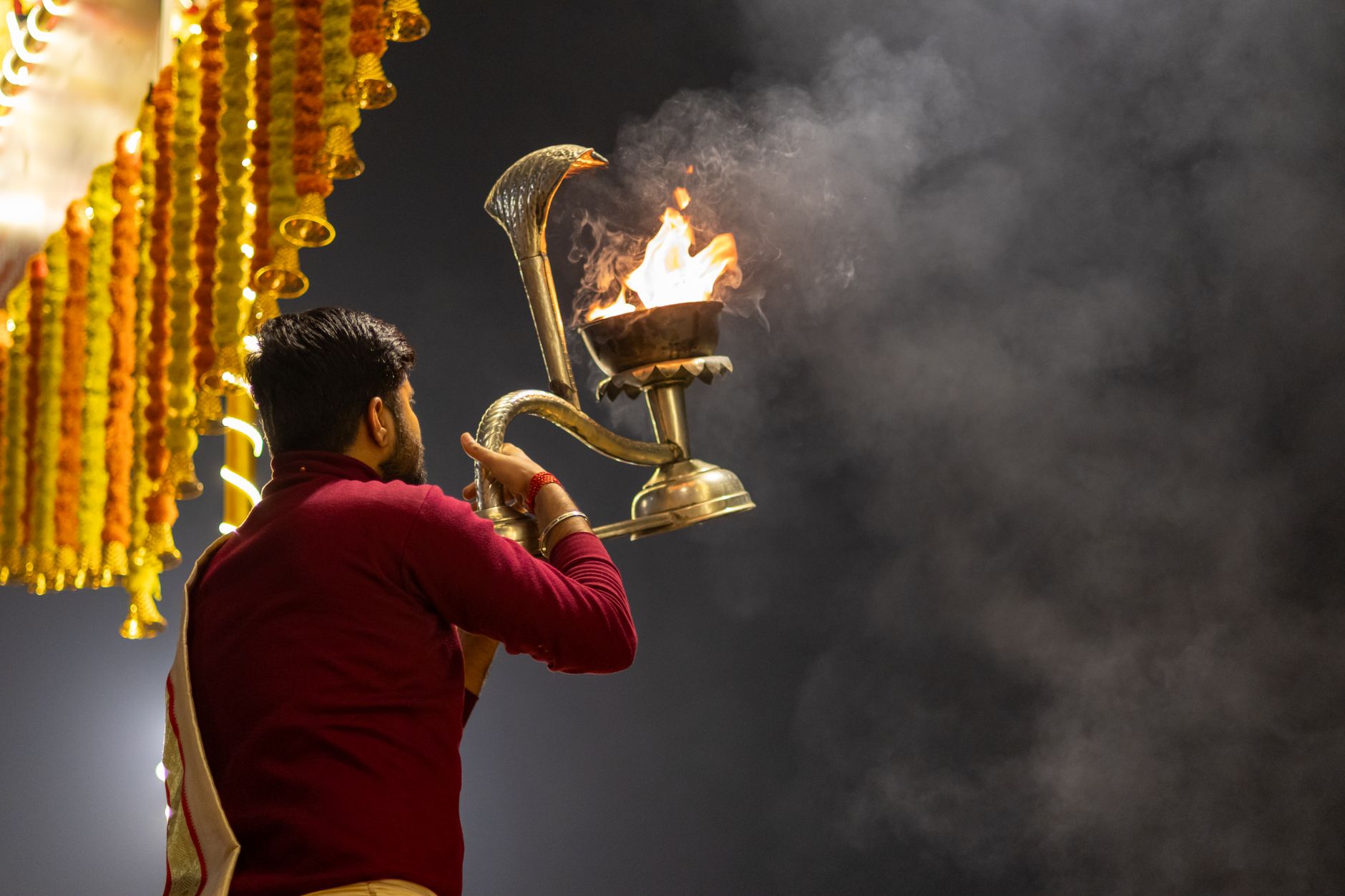 4K Ceremony Webcast
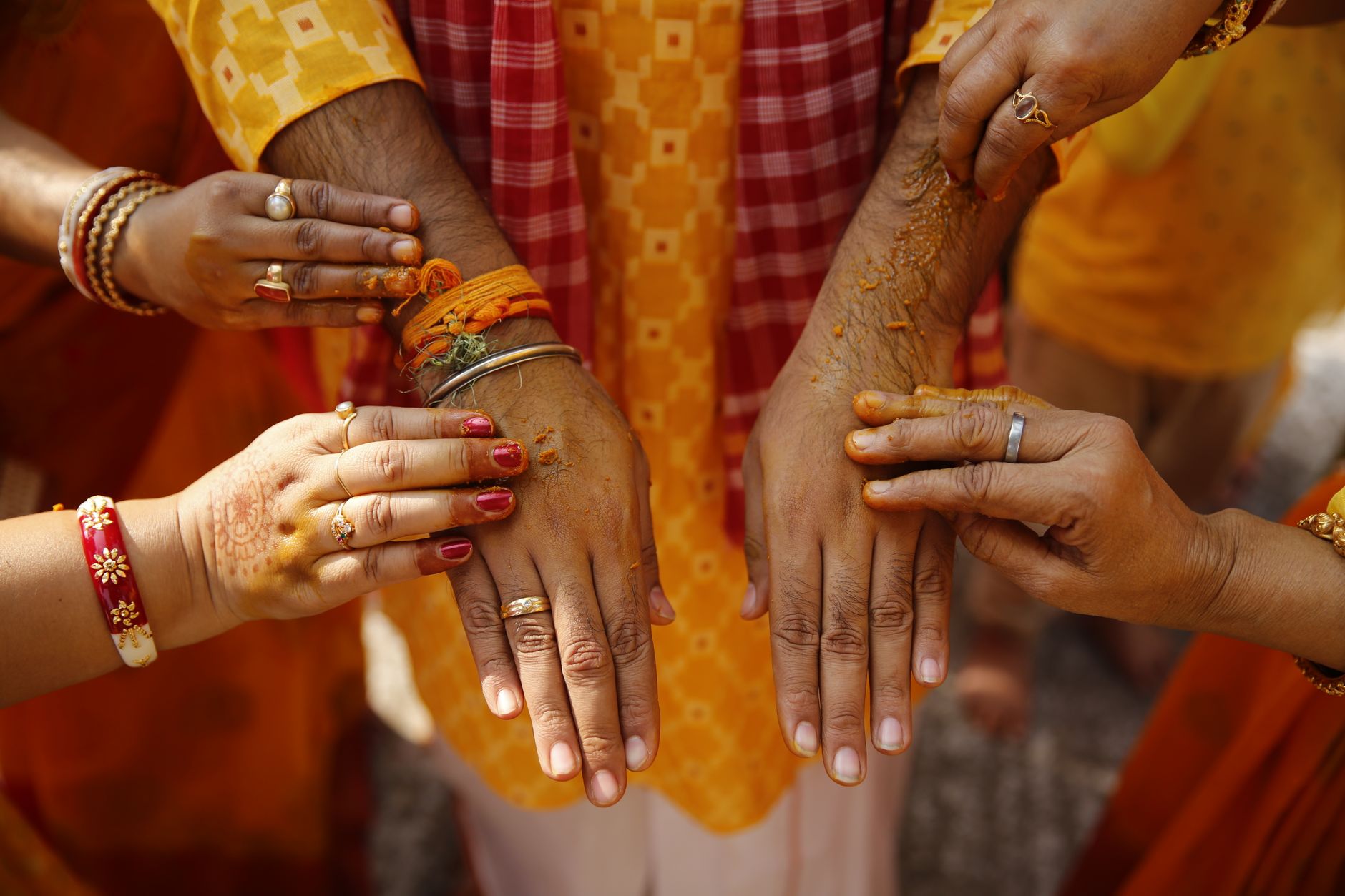 Brahmin Marriage Turmeric Kumkum Set
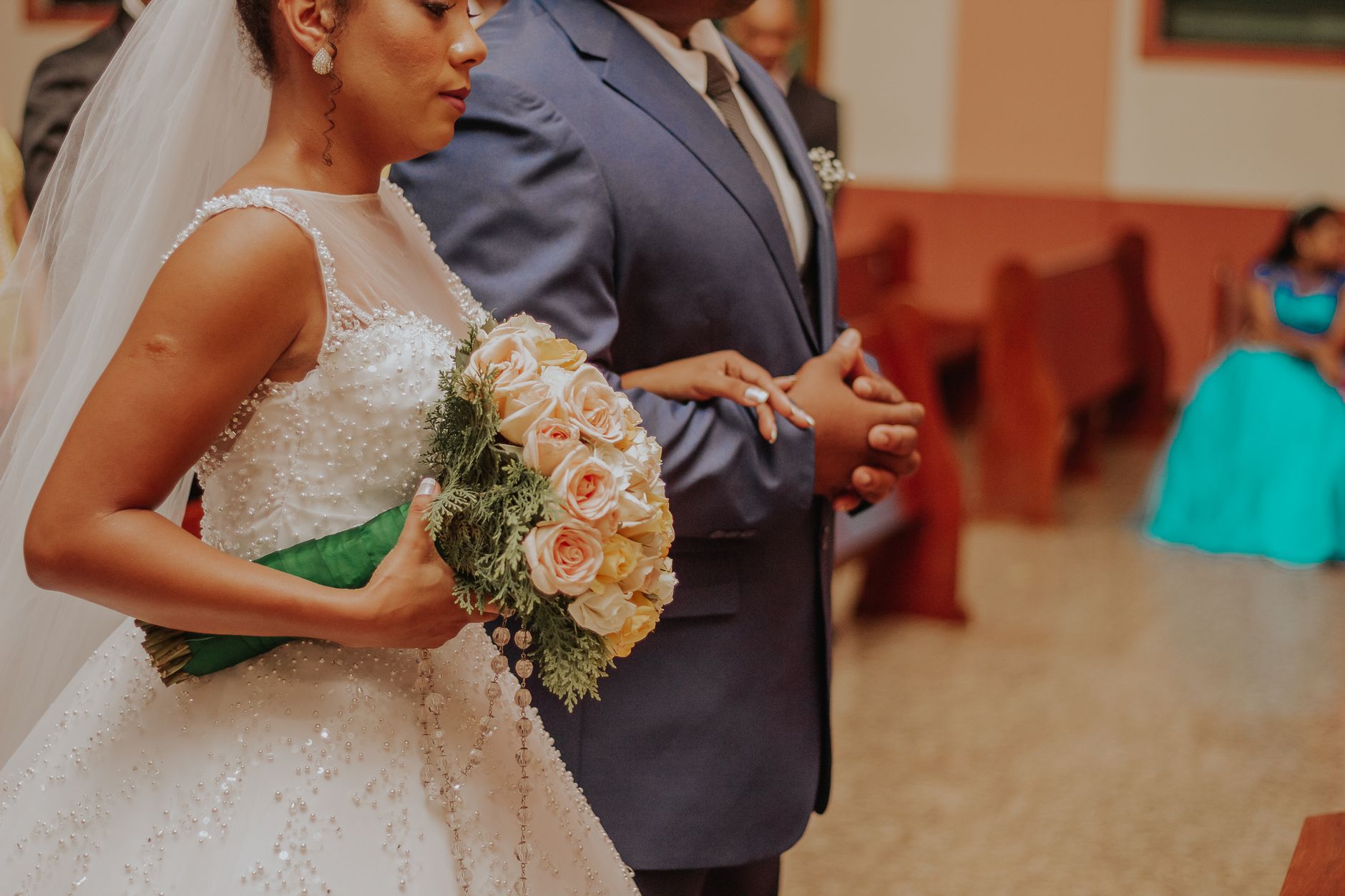 Bridal Church Wedding Items
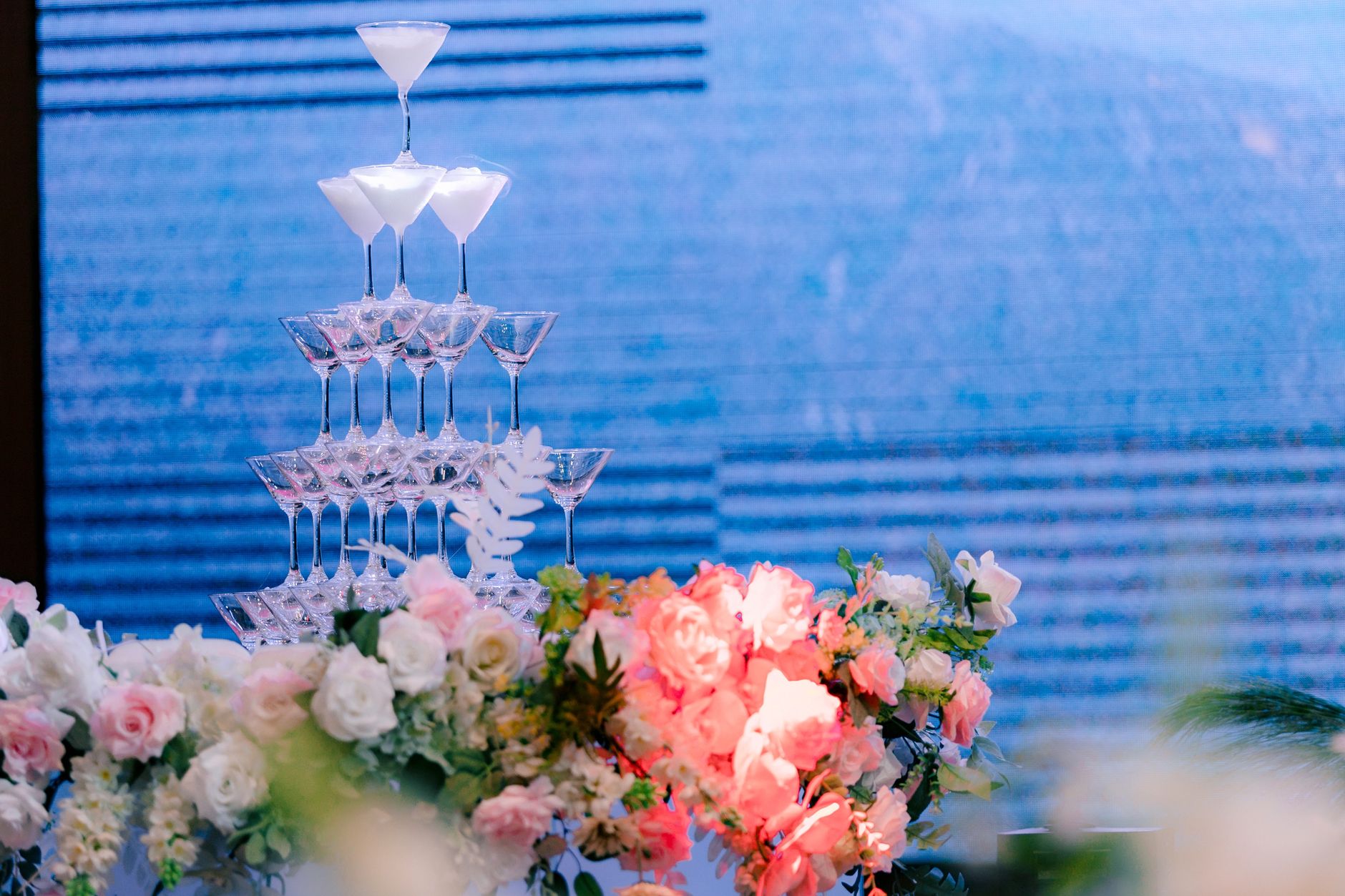 Champagne Pouring Service
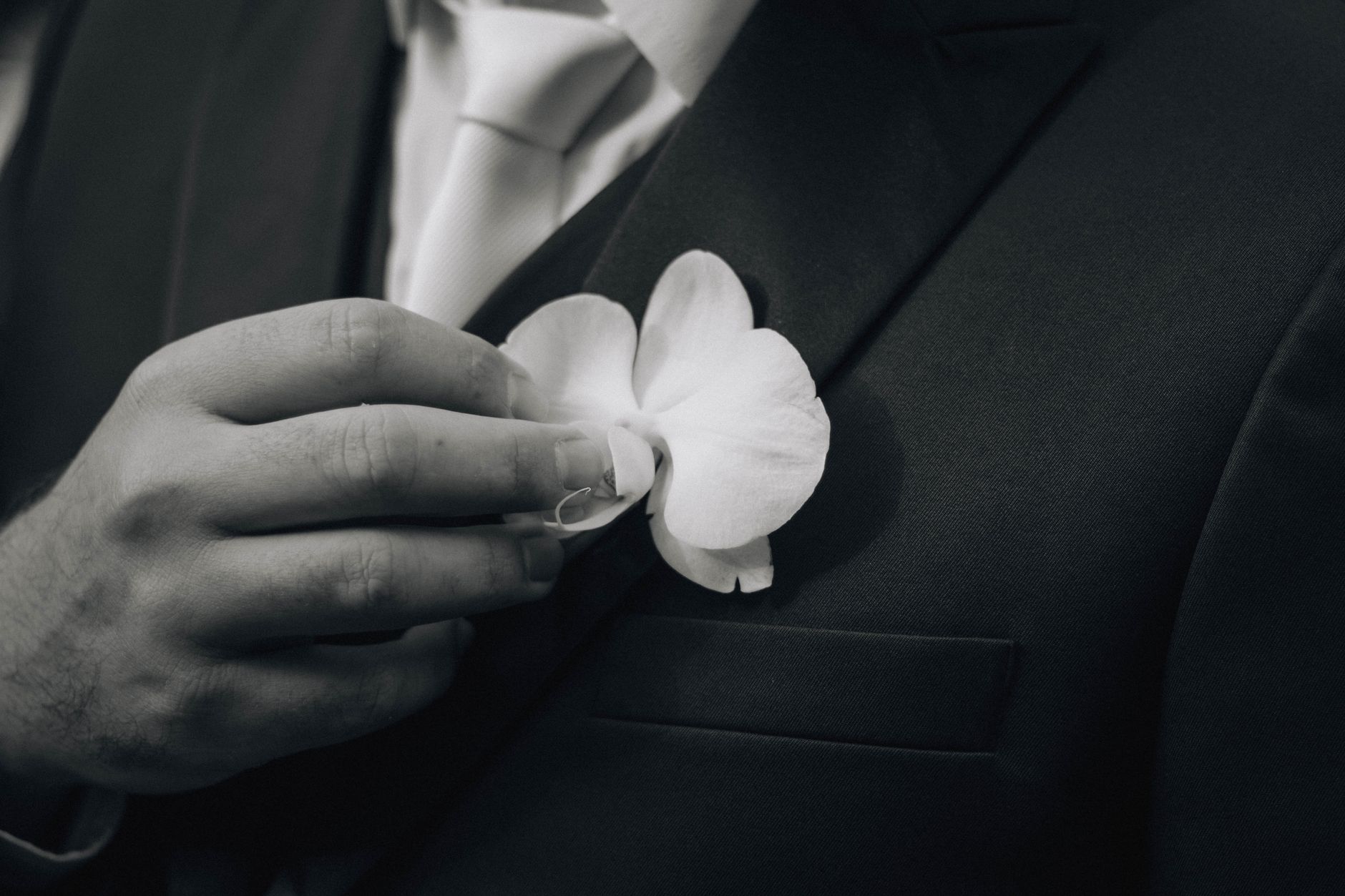 Colour Coordinated Boutonniere
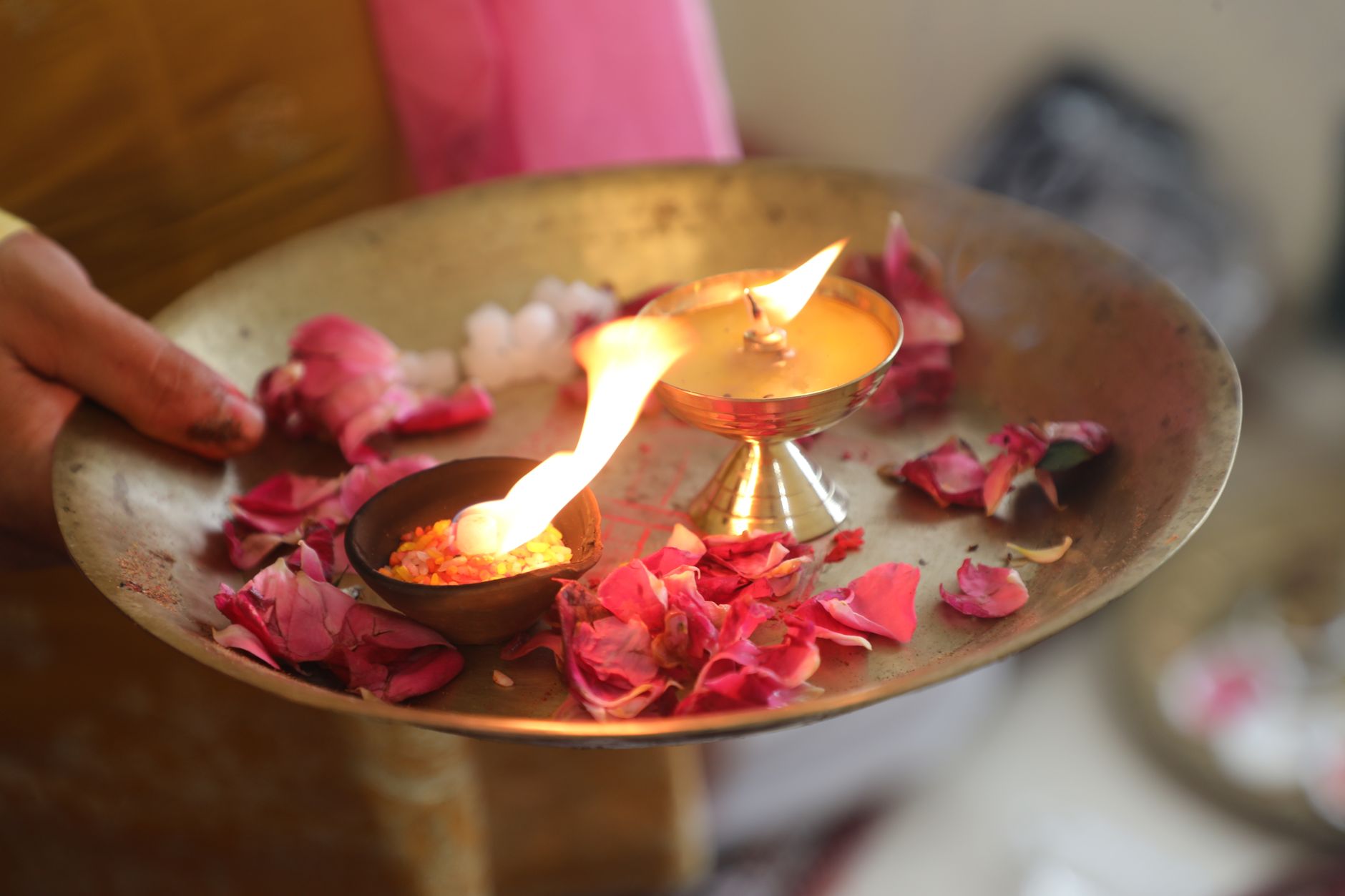 Contemporary Floral Baskets
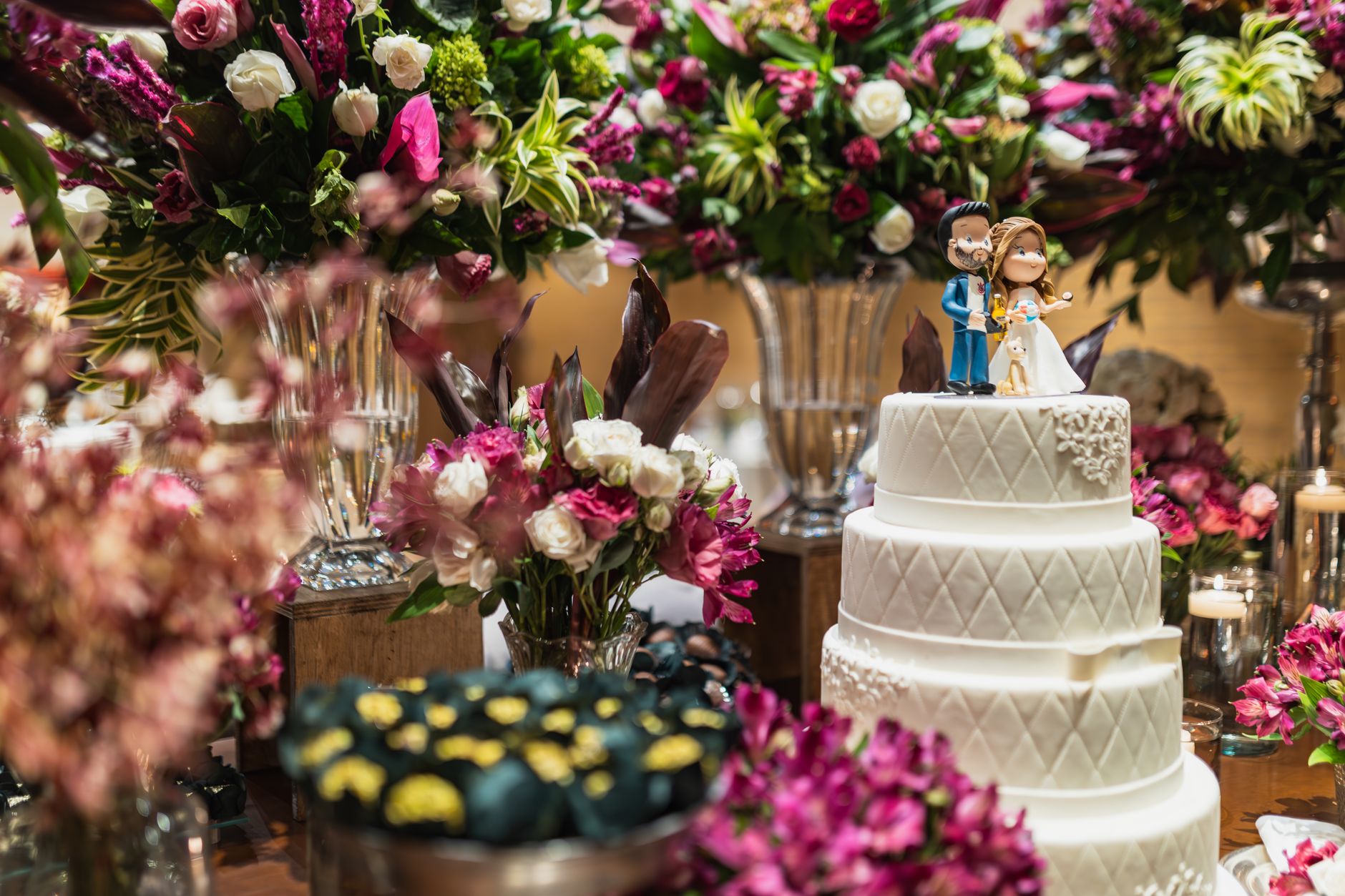 Cross Topper Cakes
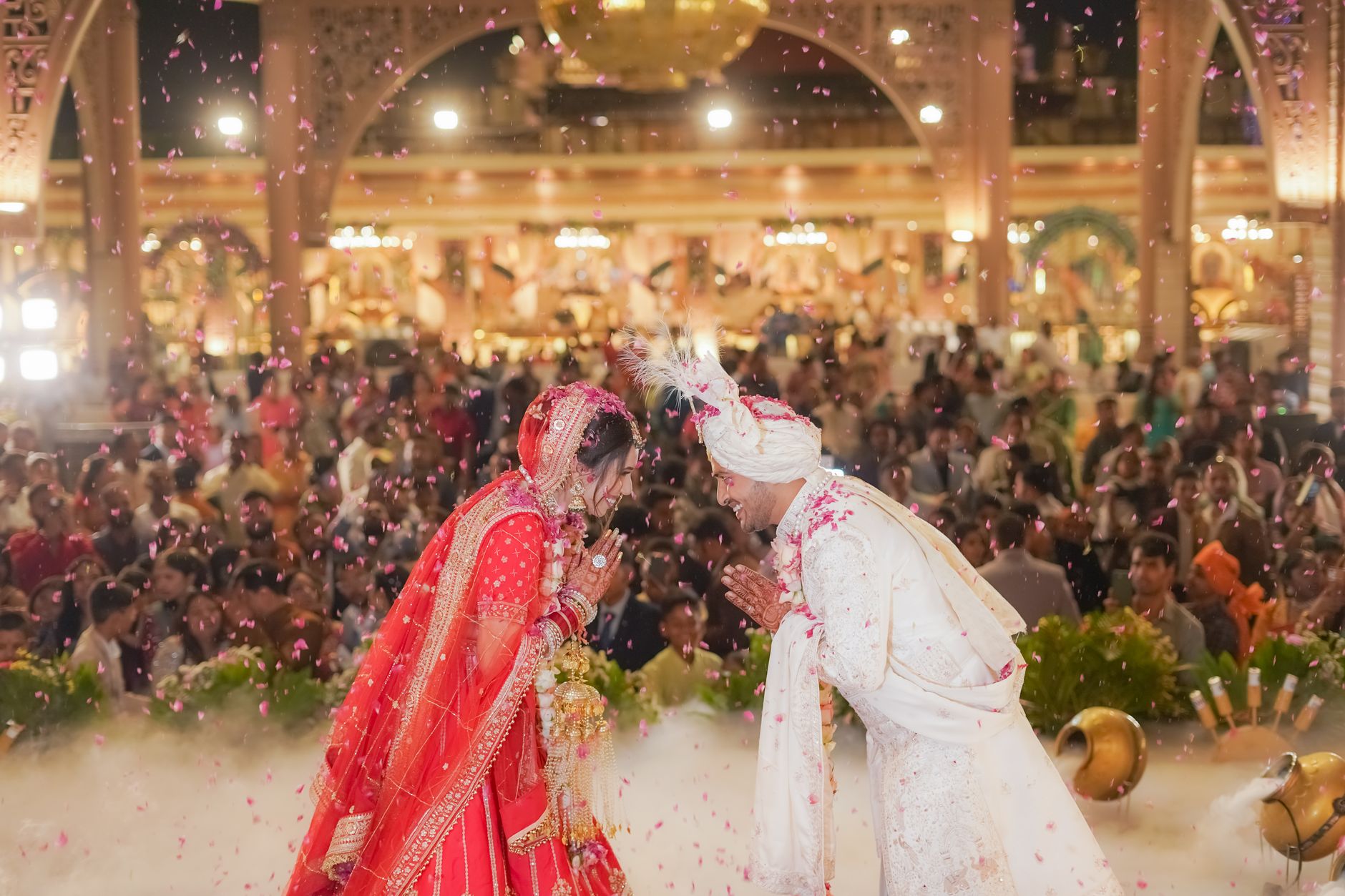 Destination Marriage Officiant
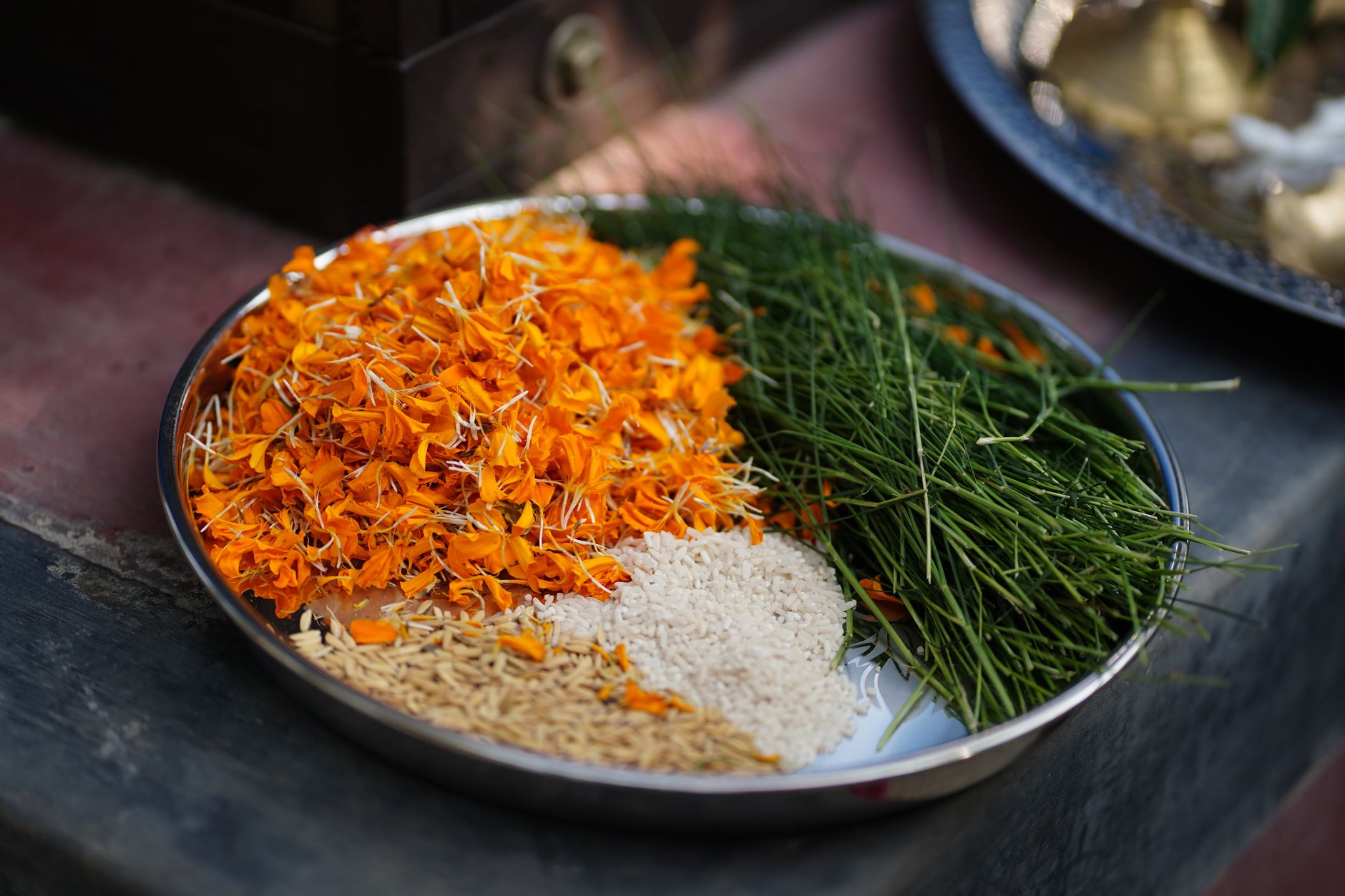 Destination Pooja Kit
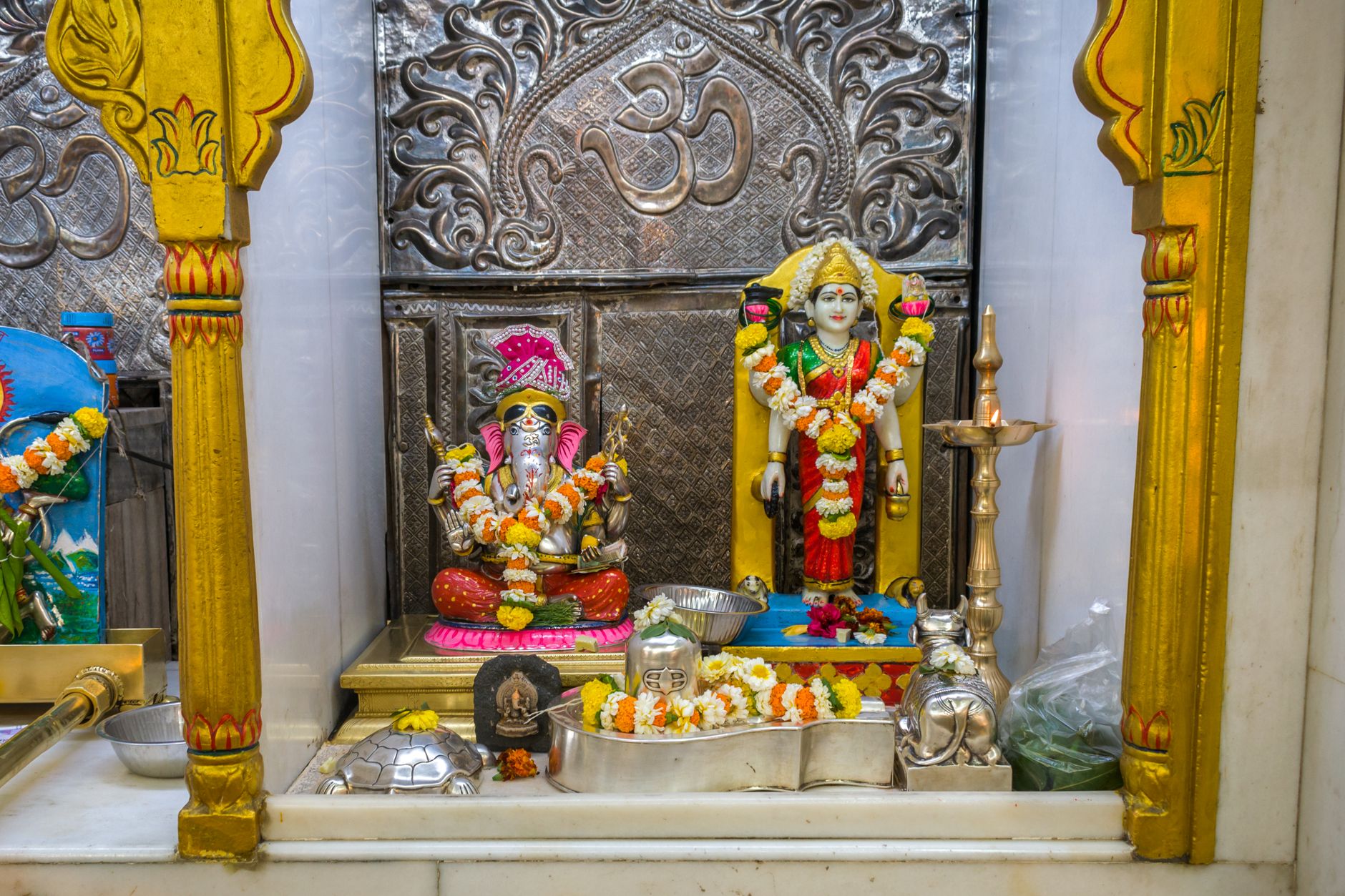 Gujarati Silver Ceremony Articles
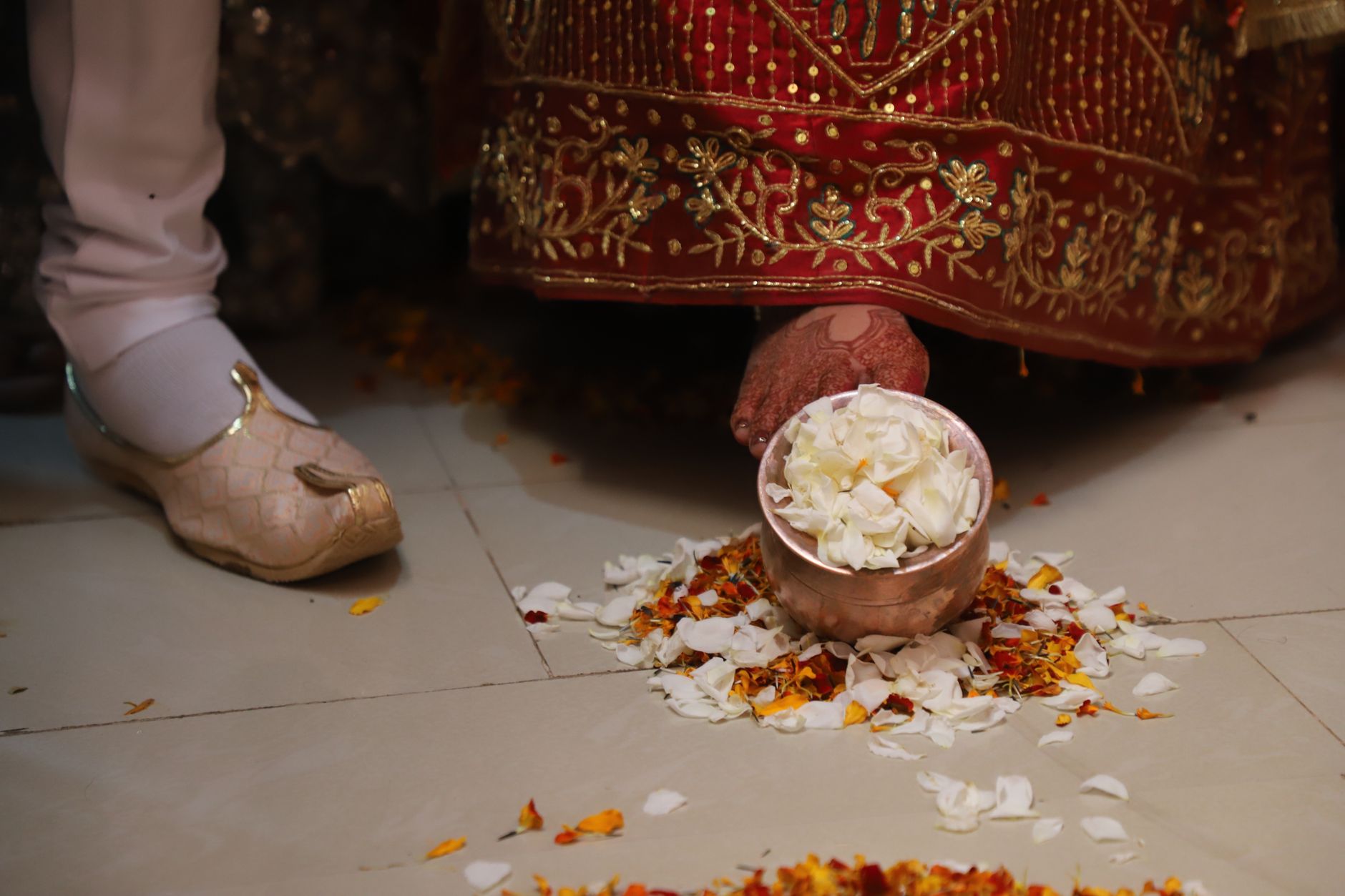 Gujarati Varmala
 Jain Traditional Return Gifts
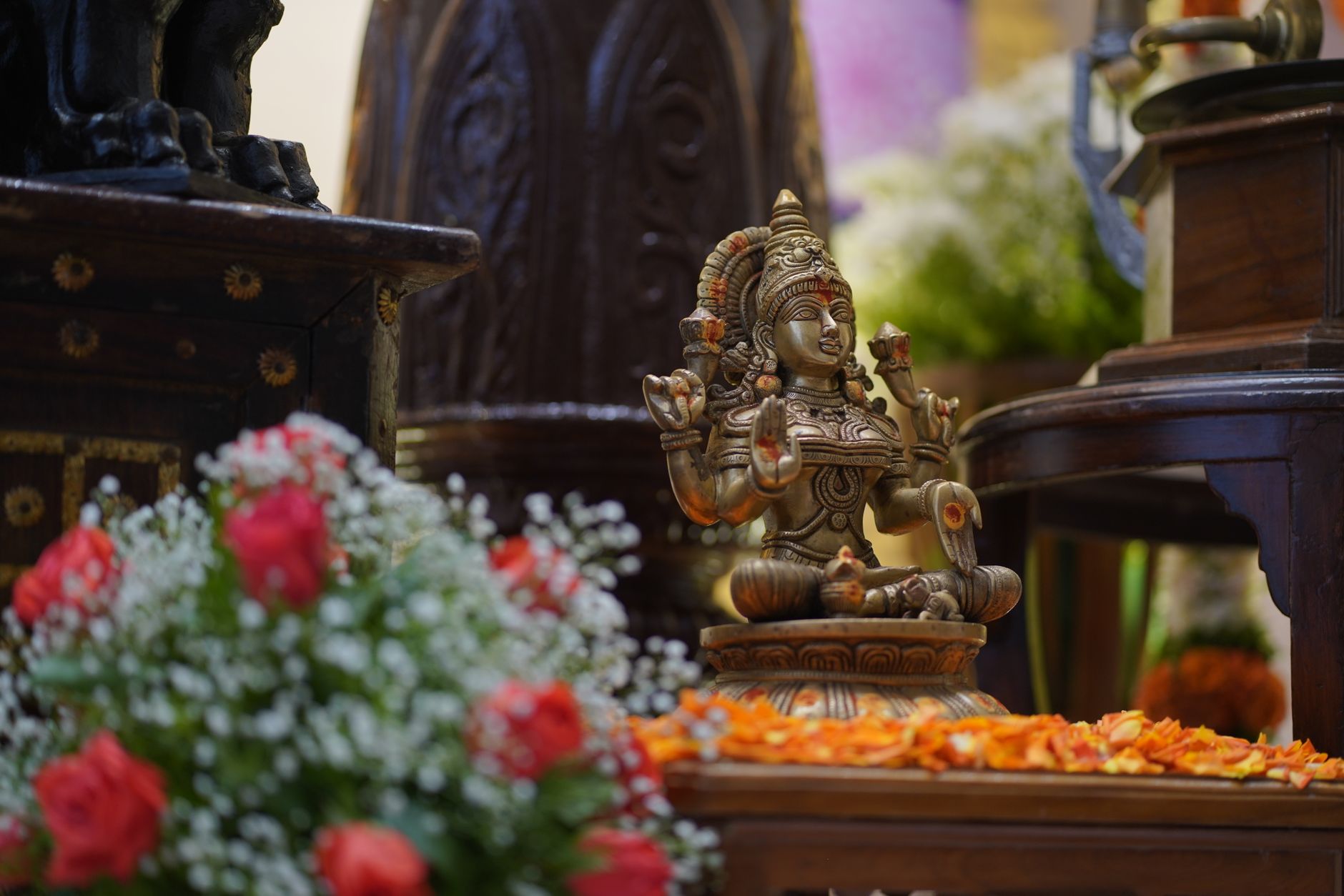 Kannada Sacred Rice Supplies
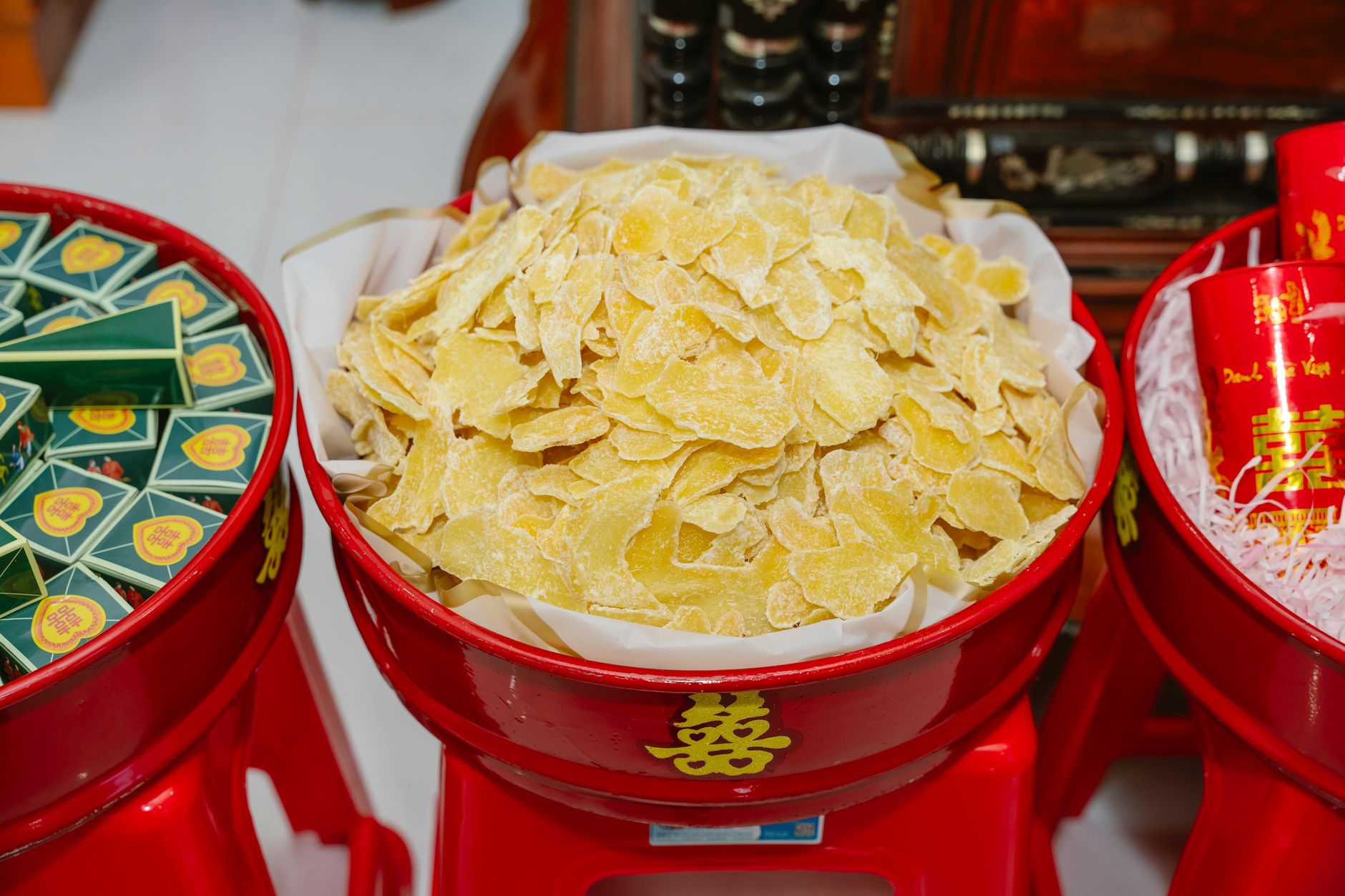 Kerala Matrimonial Gift Trays
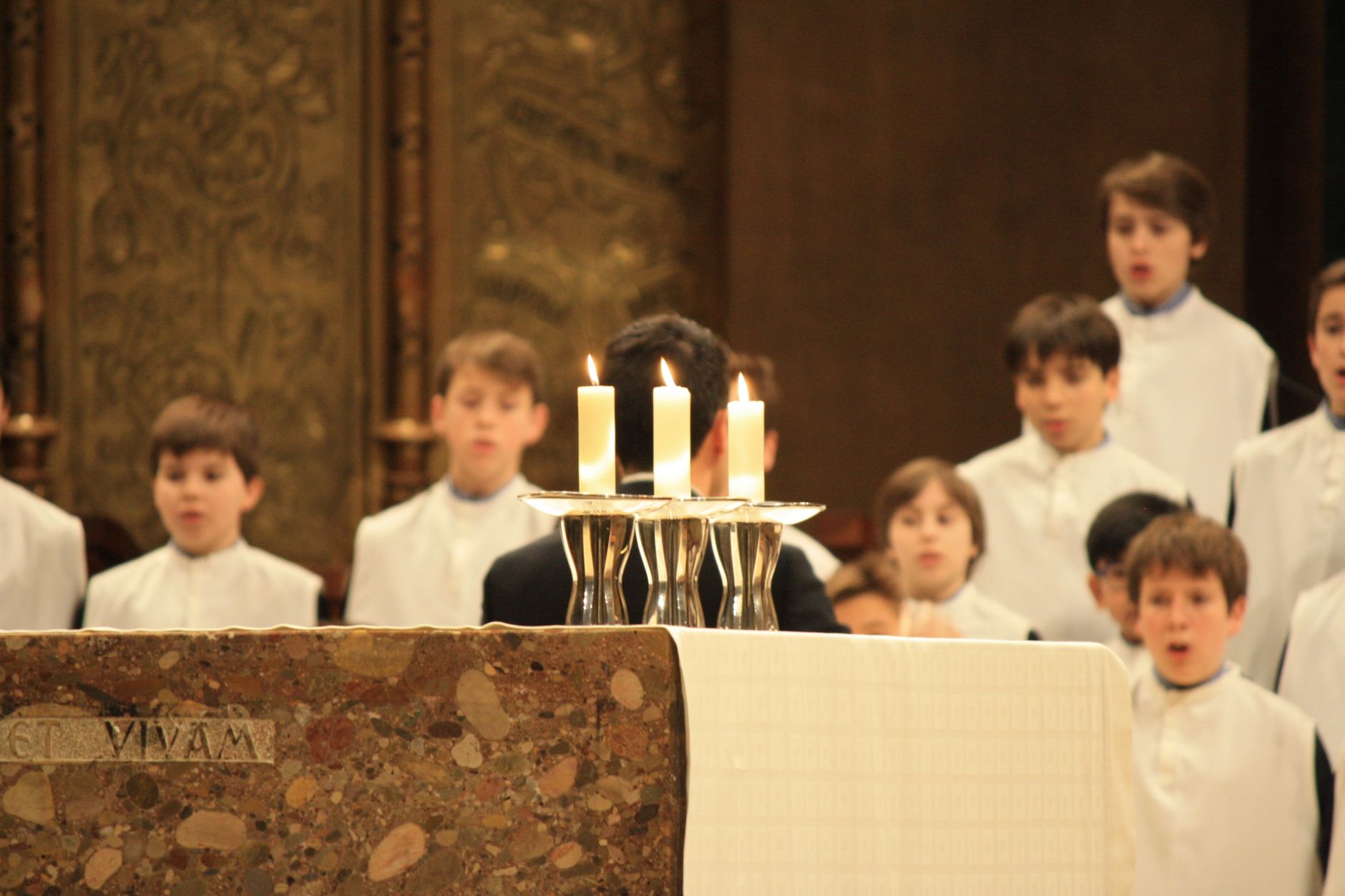 Malayalam Christian Choir
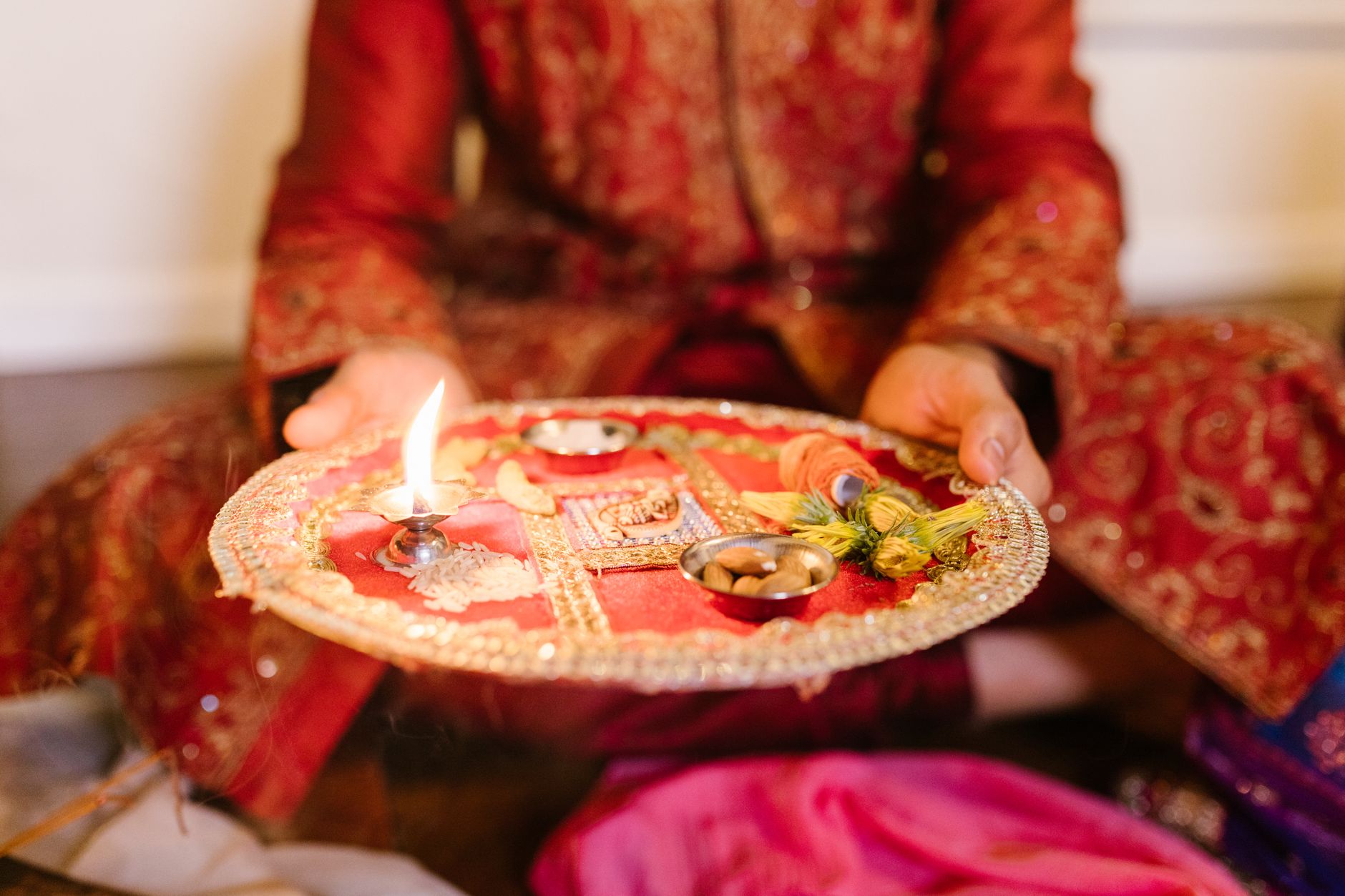 Marwari Ritual Trays
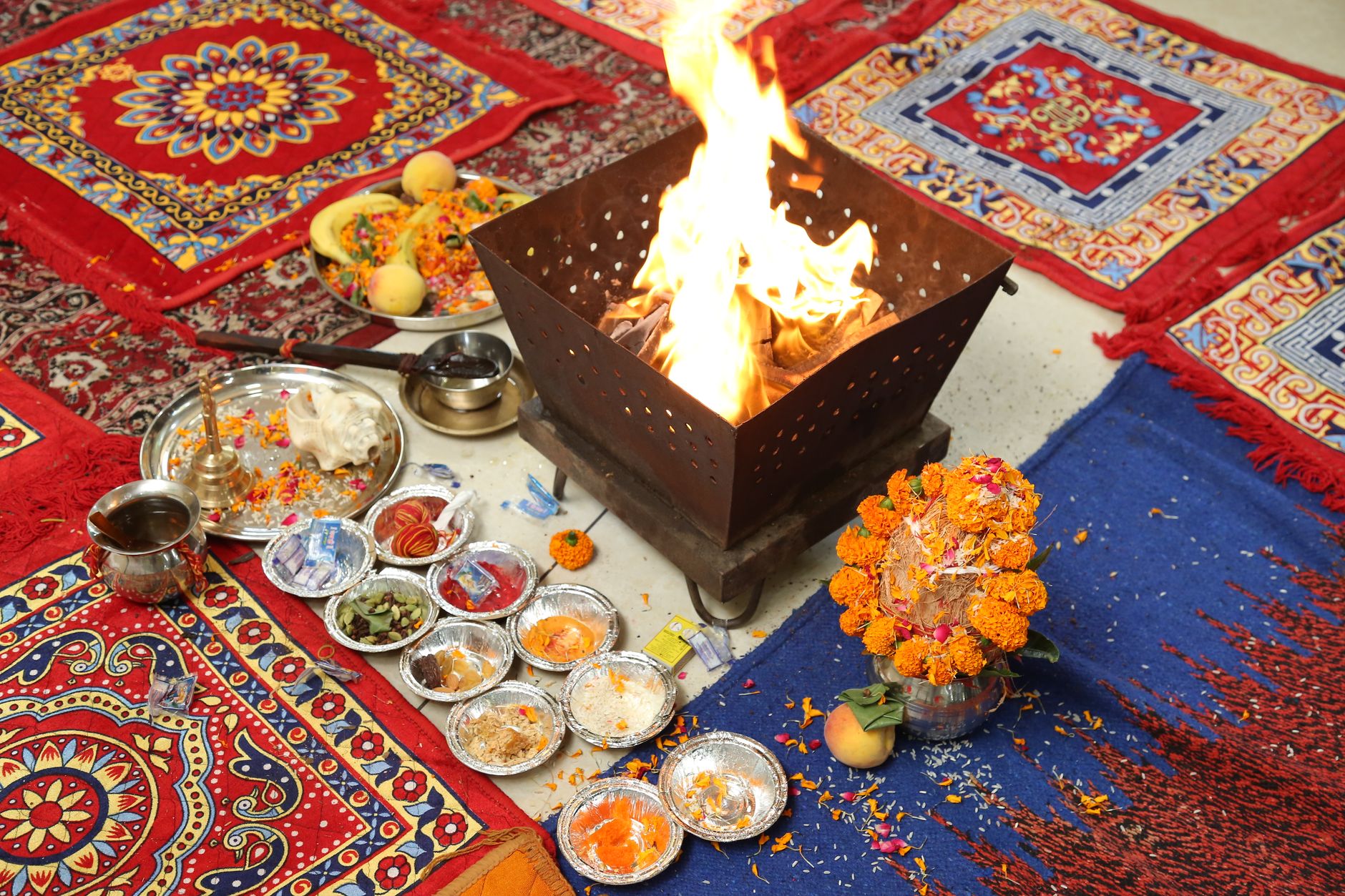 Matrimonial Birth Chart Analysis
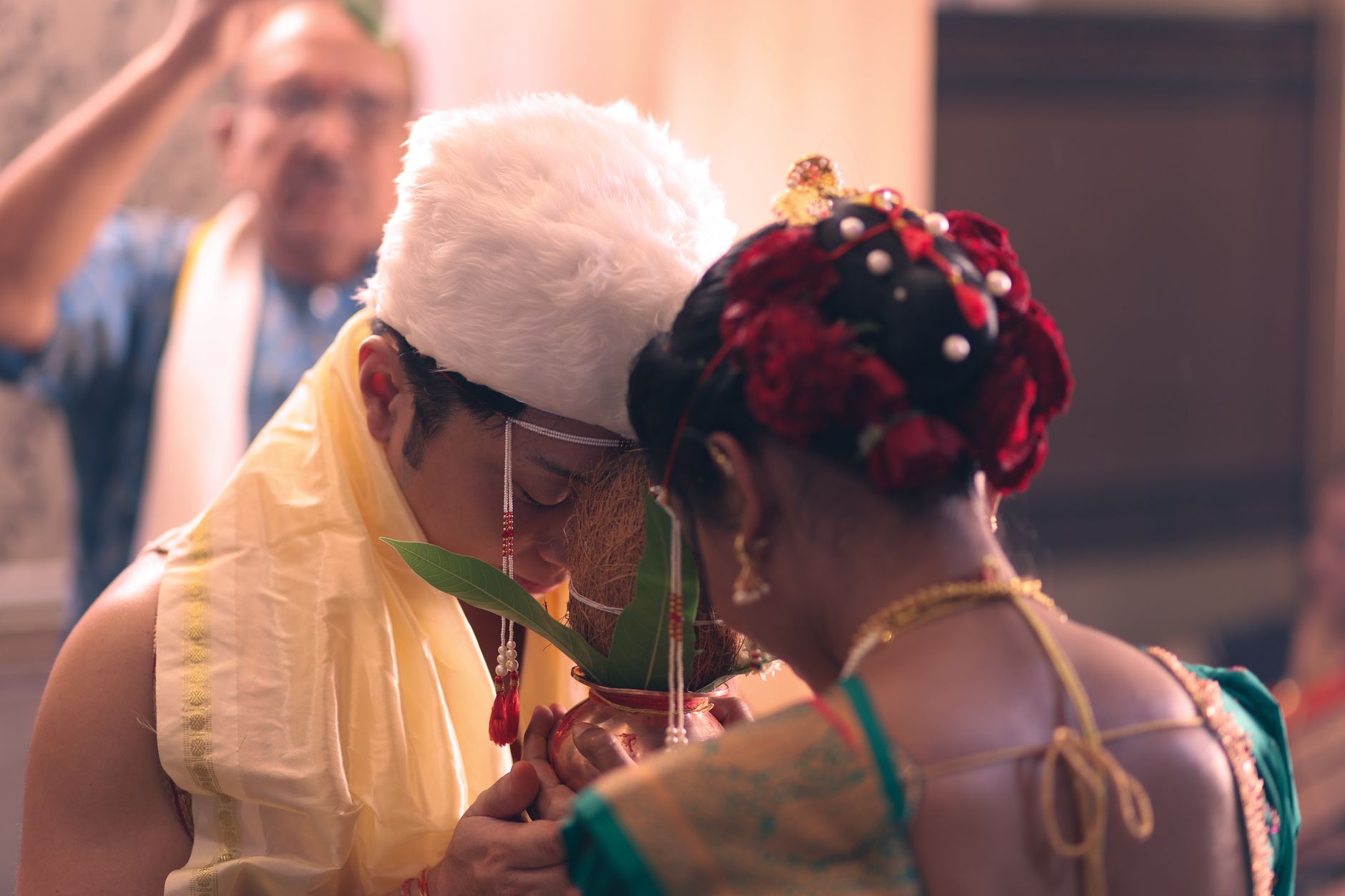 Multilingual Ceremony Priest
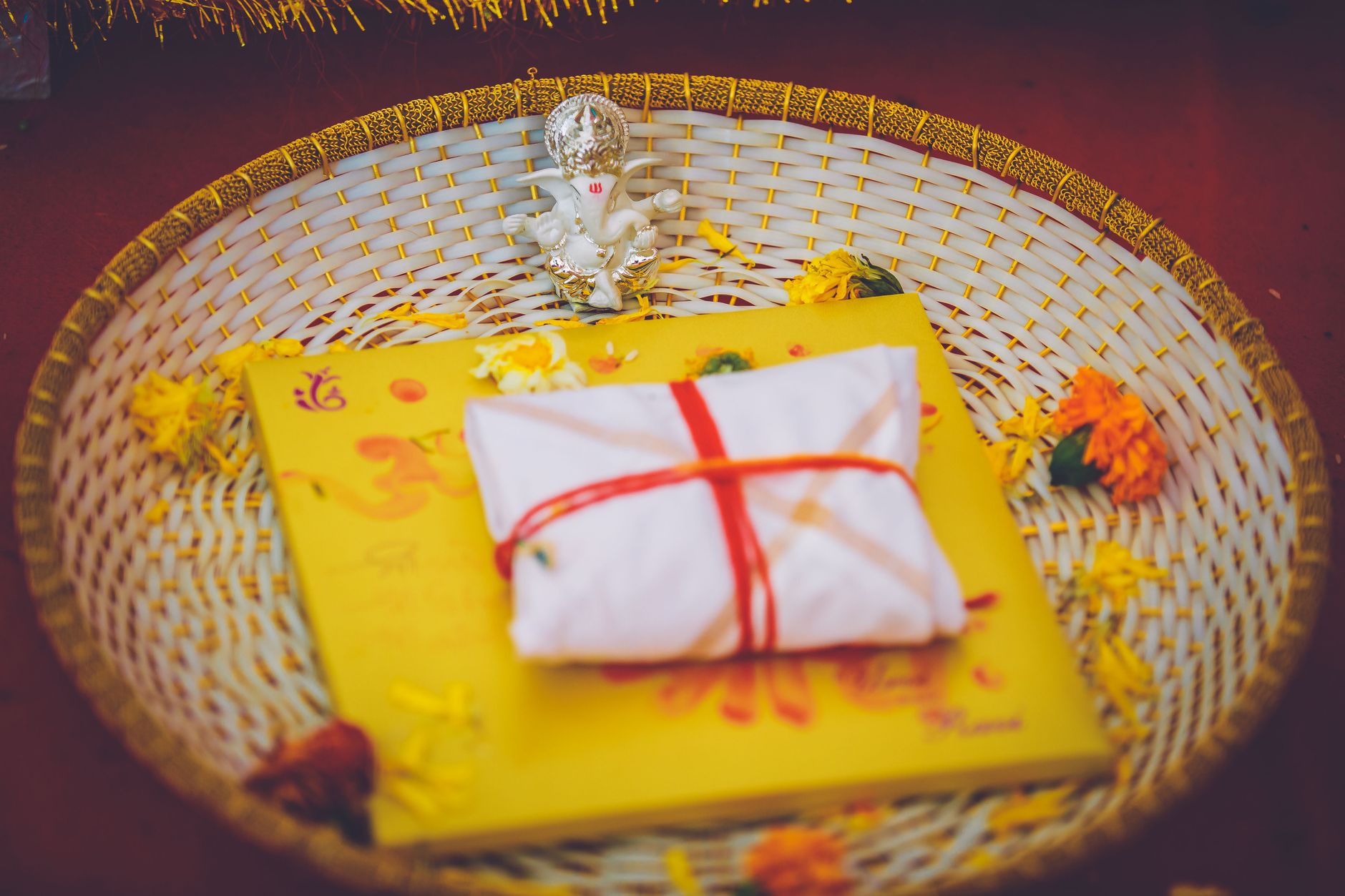 Religious Keepsake Favours
 Rustic Ring Platter
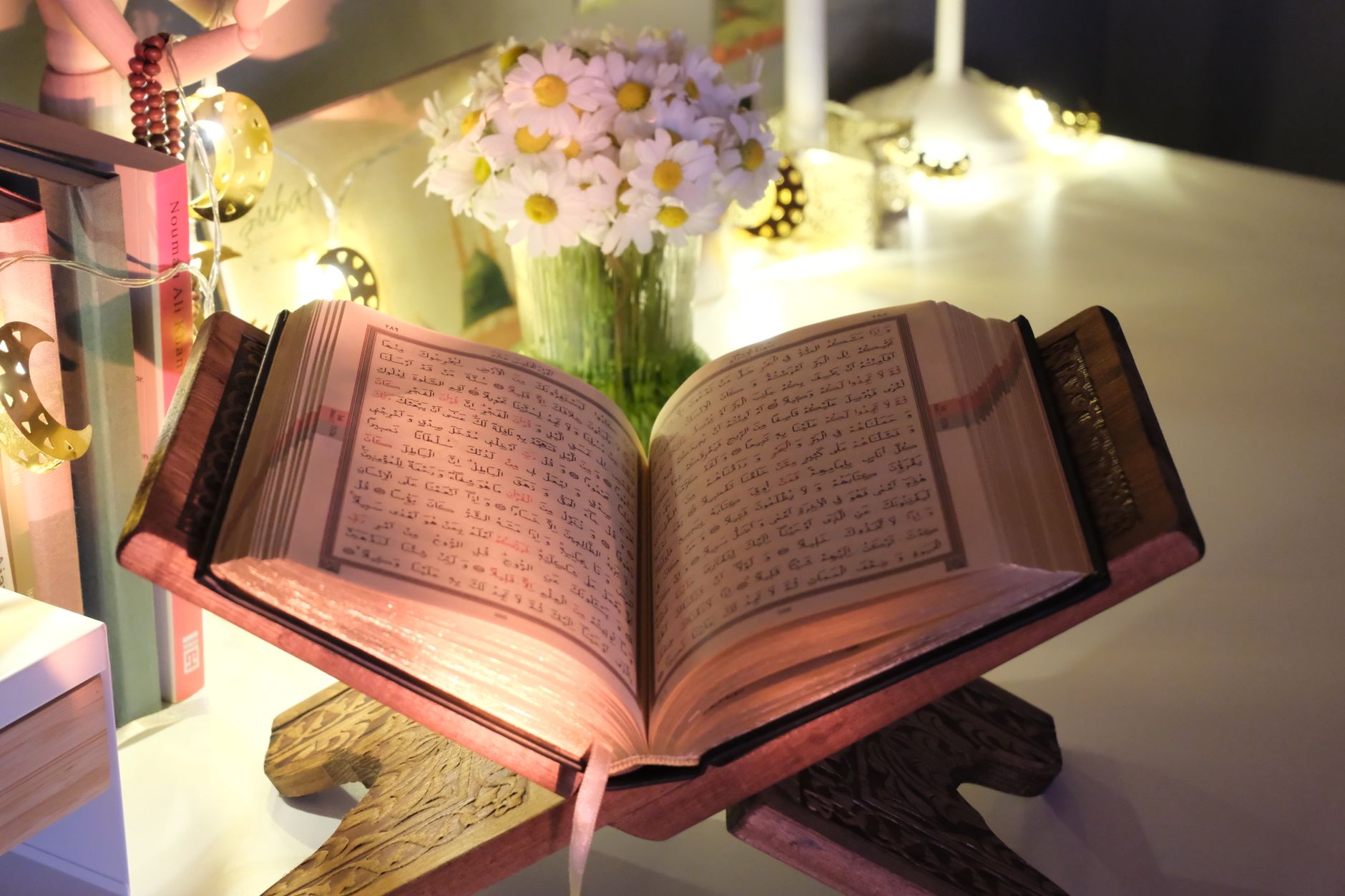 Sacred Quran Stand
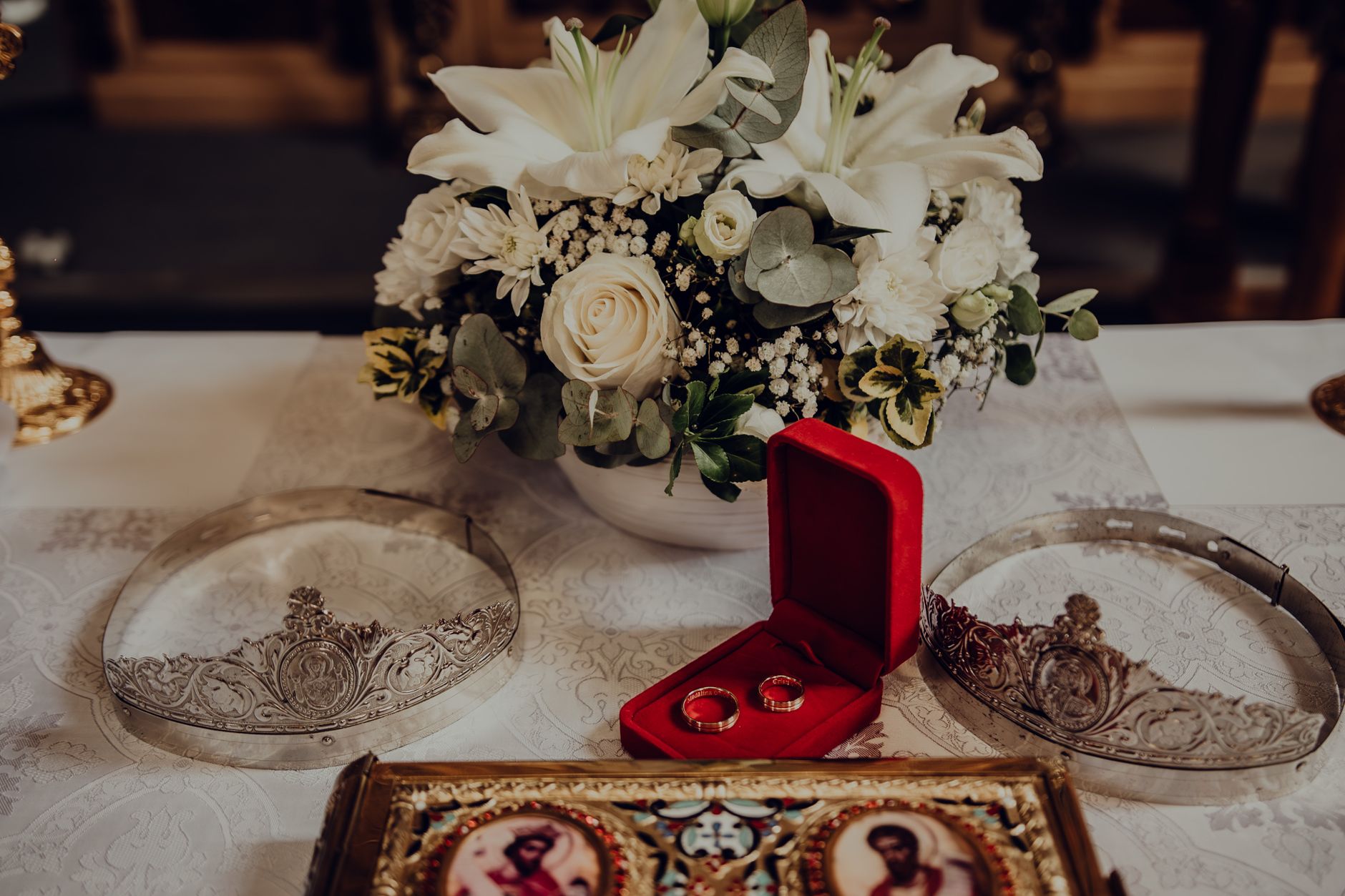 Structured Floral Bouquets
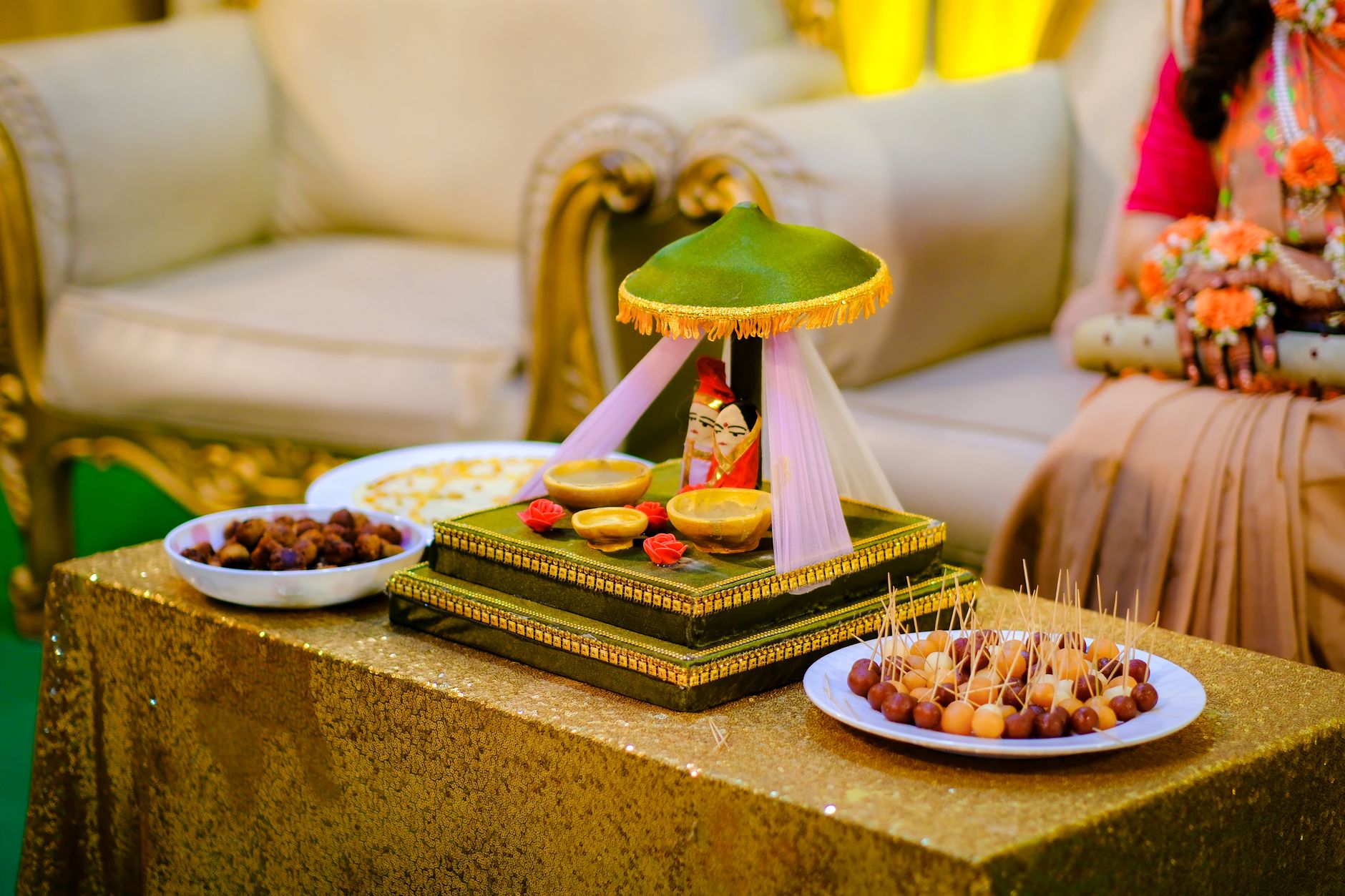 Tamil Wedding Ceremony Items
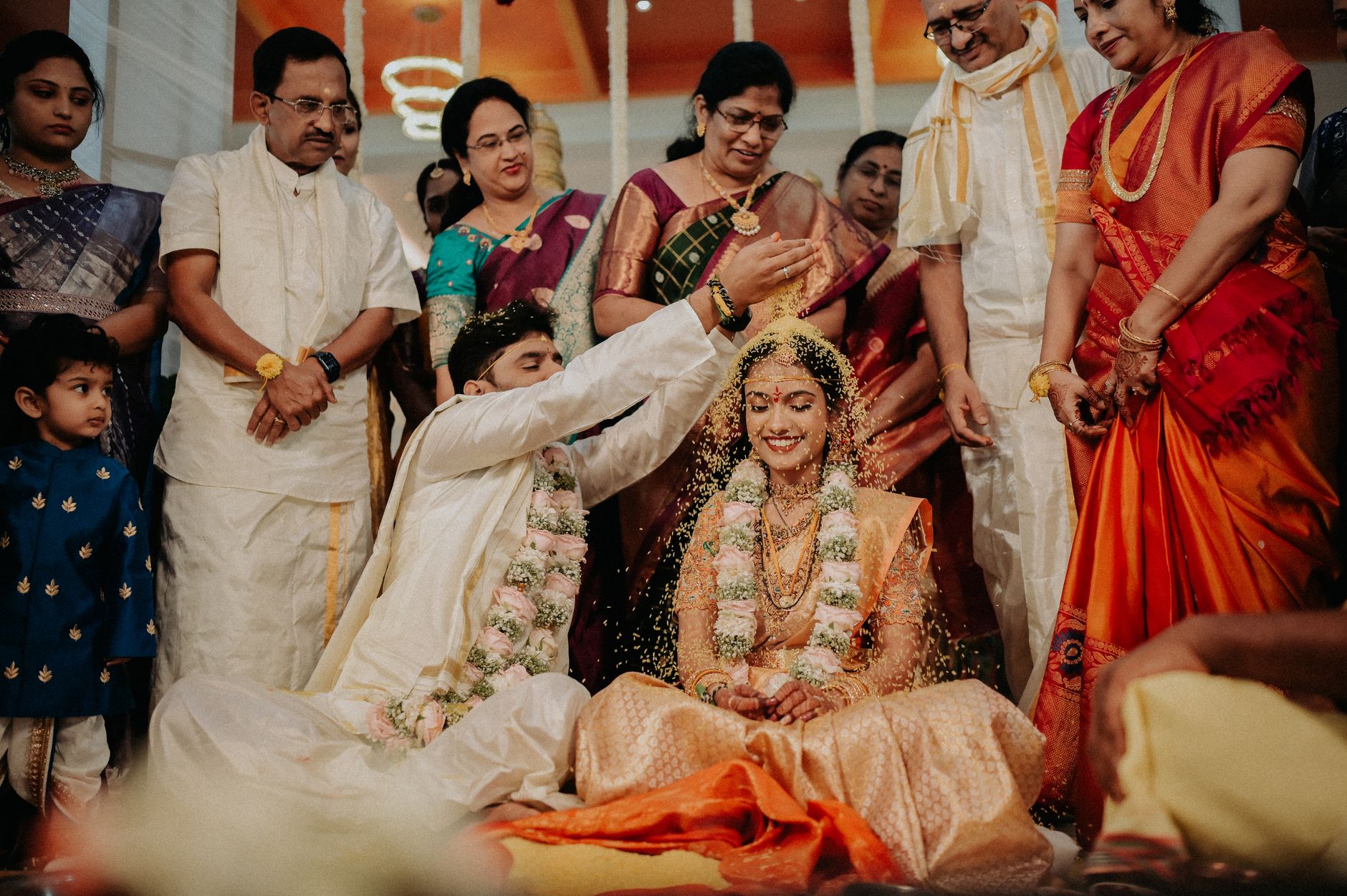 Telugu Sacred Rice Supplies
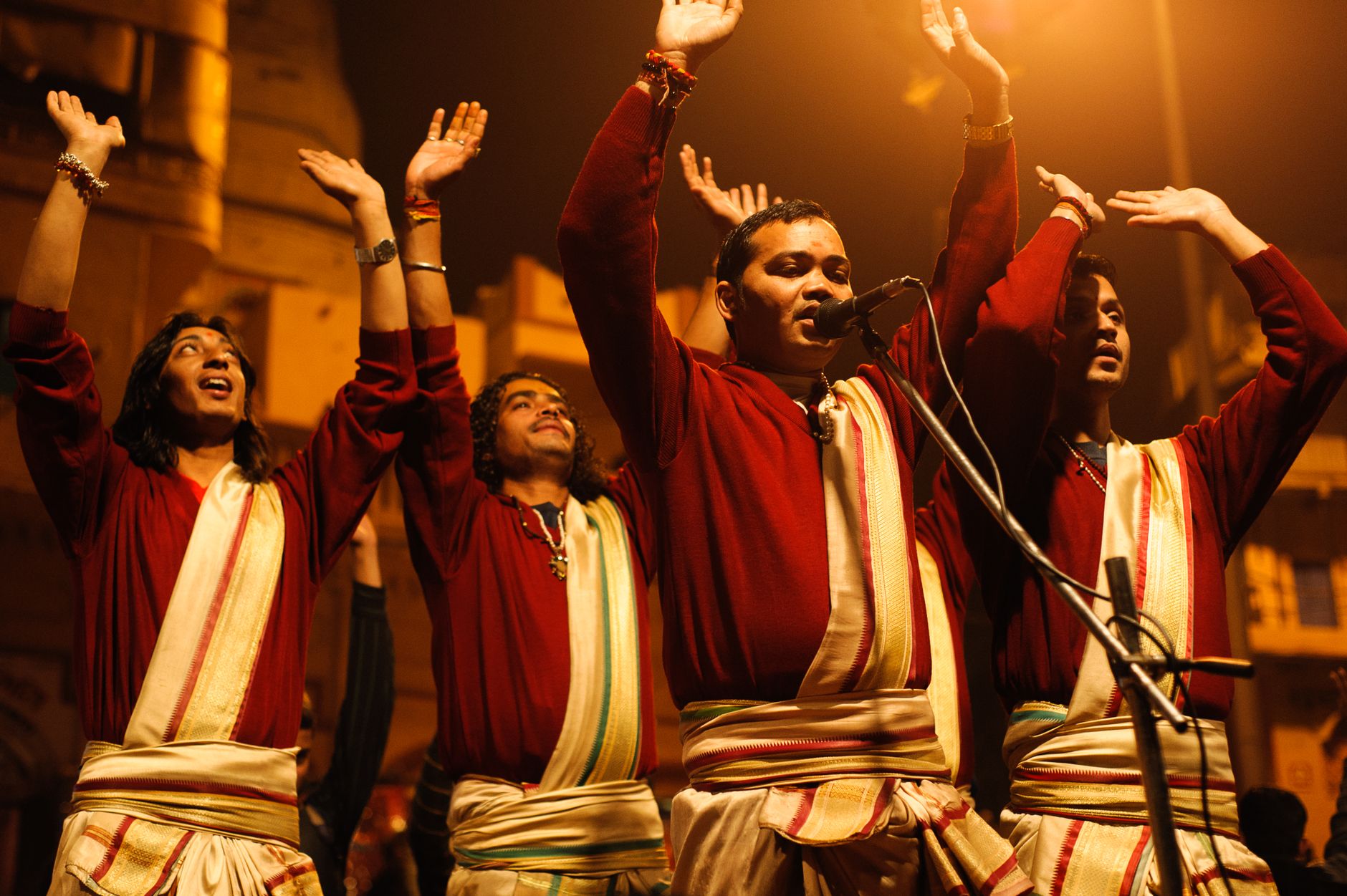 Traditional Bhajan Mandali
 Traditional Car Decoration
- 400+Curated Events
- 6Event Universes
- 1000+Verified Vendors
- 70+Locations
- 24/7Customer Support


Not sure which packages fits your celebration?
Let Hiya & Hanu help you find the perfect match!
Explore Celebration Packages- AI-Powered MatchingSmart suggestions for you
- Budget OptimizerGet the best experiences in your budget
- End-to-End SupportWe are with you at every step
Serving Celebrations across 75+ locations in India
Signature Auspicious Ceremonies for Personalised and Meaningful Family Celebrations
◆Giving Traditional Ceremonies a Personal Touch
An auspicious ceremony often represents a significant moment for a family. It may mark a new beginning, honour an important tradition or bring loved ones together for a meaningful occasion. While the customs remain at the heart of the event, families may also want the ceremony to reflect their individual preferences, family values and sense of occasion.
Signature auspicious ceremonies provide an opportunity to create this balance. The traditional purpose remains respected while the surrounding arrangements are carefully tailored to the family. From selecting a suitable venue and coordinating ritual requirements to creating an appropriate decorative setting, every element can be considered as part of one cohesive celebration.
Personalisation does not have to mean unnecessary complexity. Thoughtful choices can make the occasion distinctive while keeping the ceremony comfortable, organised and authentic.
Understanding the Signature Approach
A signature ceremony begins with understanding what makes the occasion important to the family. The type of ritual, family customs, expected guests, preferred atmosphere and practical requirements can all influence the planning process.
Rather than applying the same arrangement to every event, a tailored approach considers the character of each celebration. Some families may prefer a traditional setting with understated decoration, while others may want a more refined environment with carefully selected flowers and ceremonial details.
The aim is to create an occasion where the arrangements support the ceremony instead of overshadowing its spiritual and cultural significance.
Preserving Cherished Family Traditions
Traditions often provide the foundation for auspicious family occasions. Particular rituals, offerings, timings and ceremonial practices may have been followed across generations.
Signature auspicious ceremonies can be planned around these established customs while allowing suitable flexibility in the supporting arrangements. Families can communicate important traditions early so that the relevant materials, spiritual professionals and venue requirements can be prepared correctly.
This approach helps preserve cultural continuity while making the overall event feel personal and thoughtfully organised.
Selecting a Venue That Reflects the Occasion
The choice of venue influences both the atmosphere and practical flow of the ceremony. Depending on the nature of the event, families may consider their home, a traditional ceremonial space, community hall or another appropriate location.
The venue should provide enough room for the main ritual area, family participation, seating and any supporting arrangements. Accessibility and guest comfort should also be considered, particularly when elders are attending.
A signature approach focuses on making the venue feel appropriate rather than simply choosing the largest or most elaborate space. The right setting can contribute significantly to the atmosphere of the occasion.
Designing the Sacred Ceremony Space
The central ritual area naturally becomes an important visual and spiritual focus. It should be clean, well arranged and easy for participants and guests to access.
Sacred venue preparation can include the positioning of ceremonial items, seating arrangements, traditional elements and suitable decorative features. The layout should allow the ceremony to proceed comfortably without unnecessary movement or interruptions.
Simple details such as balanced placement, appropriate lighting and carefully selected flowers can help create an atmosphere that feels peaceful and respectful.
Thoughtful Floral and Decorative Arrangements
Flowers can add warmth and traditional beauty to an auspicious occasion. Their use can be tailored according to the ceremony, family preferences and venue.
Ceremonial flower arrangements may be placed around the principal ritual area, entrance or selected parts of the venue. Seasonal and locally suitable flowers can provide an attractive result without making the decoration feel excessive.
Elegant ceremony decoration should complement the rituals rather than compete with them. Traditional motifs, lamps, fabrics and floral details can be combined thoughtfully to create a distinctive setting.
Organising Ritual Materials With Precision
Many ceremonies require specific materials that need to be available at the right time. Depending on the tradition, these may include offerings, flowers, fruits, vessels, lamps, leaves, grains and other ceremonial essentials.
Ritual material planning helps ensure that these requirements are identified early. A detailed checklist can be prepared according to the ceremony's traditional practices, allowing families and service providers to confirm what needs to be sourced.
This preparation is particularly valuable when the ceremony has several stages. Having the required materials organised in advance allows family members to participate without being distracted by last-minute arrangements.
Coordinating Priests and Spiritual Professionals
The spiritual professional conducting the ceremony should be confirmed according to the family's traditional requirements. Details such as the ceremony type, date, time and expected duration should be communicated clearly.
Priest coordination services can simplify this process by helping families confirm availability and communicate relevant ceremony requirements. Where specific customs are important, early discussion can help ensure that everyone understands the expected procedure.
Professional coordination can also help connect the spiritual requirements with venue preparation and material arrangements, creating a more organised experience.
Making Family Participation Meaningful
Family participation is often an important part of an auspicious occasion. Different relatives may have specific roles during prayers, rituals or ceremonial activities.
These responsibilities can be discussed before the event so that participants know what to expect. Elders can be given comfortable seating, while other family members can be positioned conveniently around the main ceremonial space.
This preparation allows the family to be involved without creating confusion. It also creates opportunities for relatives to share an important occasion together.
Creating a Refined Yet Authentic Atmosphere
A personalised ceremony does not need to become overly elaborate. Refinement can come from careful coordination, balanced decoration and attention to meaningful details.
The colour palette, floral choices, seating layout and ceremonial backdrop can be selected to complement the occasion. Traditional elements can remain prominent while contemporary planning methods make the event easier to manage.
This balance can be particularly useful for families who want an occasion that feels polished while remaining connected to their cultural roots.
Adapting the Ceremony to Different Family Occasions
Auspicious ceremonies can take many forms and may be associated with different milestones. The scale and arrangements therefore need to reflect the particular occasion.
An intimate family ceremony may require only a carefully prepared sacred area, essential materials and comfortable seating. A larger gathering may require additional venue coordination, guest management, decoration and supporting services.
Signature auspicious ceremonies allow the planning approach to be adjusted according to these differences. The result is a celebration designed around the family's actual requirements rather than an inflexible package.
Balancing Personalisation With Practical Planning
Personalisation is most effective when it is supported by good organisation. Families can identify their priorities early and decide which details genuinely add meaning to the occasion.
A planning schedule can cover venue confirmation, ritual material sourcing, spiritual professional coordination, decoration, floral arrangements and guest preparation. Assigning responsibilities ahead of time can prevent small issues from becoming stressful on the day.
Professional support can be particularly useful when several suppliers or service providers are involved. Coordinating these elements helps create a consistent experience from setup through to completion.
Planning the Budget Around Priorities
A bespoke ceremony does not automatically require a large budget. Families can decide where personalisation matters most and allocate resources accordingly.
For example, some families may prioritise traditional flowers and the ceremonial setting, while others may place greater importance on venue comfort or professional coordination. Optional decorative additions can then be considered after the essential requirements are secured.
Transparent communication with service providers is important. Families should understand what is included, which services are optional and whether additional requirements may affect the final cost.
Considering Guest Comfort
The spiritual purpose of the ceremony remains central, but guests should also be able to participate comfortably. Seating, access, ventilation, lighting and clear movement around the venue can all influence the experience.
If the event includes older relatives, suitable seating and easy access should be planned in advance. Families may also consider refreshments and convenient arrangements for guests who need additional support.
A well-considered guest experience allows people to remain engaged with the ceremony instead of being distracted by avoidable practical issues.
Building a Clear Ceremony Timeline
A structured timeline can make even a traditional ceremony easier to coordinate. Important stages may include venue preparation, arrival of the spiritual professional, placement of ritual materials, guest arrival and the main ceremonial proceedings.
The schedule should allow enough time for preparation rather than relying on last-minute setup. Suppliers should also know when they need to arrive and complete their responsibilities.
A clear timeline gives family members greater confidence and allows professional organisers to respond quickly if small changes occur.
Choosing Experienced Ceremony Professionals
The right provider can make a substantial difference to the planning experience. Families should consider experience with traditional ceremonies, communication quality, reliability and the range of services offered.
A professional ceremony organiser should be willing to understand the family's preferences rather than simply offering a fixed arrangement. They should also communicate clearly about venue requirements, decoration, ritual materials and coordination.
Reviews, previous work and transparent service information can help families make an informed decision.
The Value of Professional Coordination
Organising a meaningful family ceremony can involve many small responsibilities. Managing them individually may take considerable time, particularly when the family is also preparing for the occasion itself.
Professional event coordination brings these tasks together. It can help manage suppliers, schedules, venue preparation and supporting arrangements while allowing the family to remain focused on the ceremony.
For a signature occasion, this coordination is especially valuable because personalised details need to work together rather than appear as disconnected additions.
Creating Lasting Family Memories
An auspicious ceremony can become a cherished family memory because of the meaning attached to it. The atmosphere, participation of loved ones and continuation of traditions all contribute to the occasion.
Personalised arrangements can add another layer of significance. Carefully chosen flowers, traditional details, family involvement and an appropriate setting can make the event feel genuinely connected to the people celebrating it.
The strongest memories often come from shared experiences rather than expensive arrangements. Thoughtful planning creates space for families to enjoy those moments together.
Planning Signature Ceremonies With Happiffie
Happiffie can support families looking for a coordinated approach to traditional and personalised celebrations. Relevant services may include ceremony planning, venue support, decoration, floral arrangements, spiritual coordination and other event requirements.
The planning process can begin by identifying the purpose of the occasion and the traditions that need to be preserved. From there, practical arrangements can be developed around the family's preferences, guest requirements and available budget.
This approach helps transform a collection of individual arrangements into a cohesive celebration that feels purposeful and personal.
Bringing Tradition and Personal Expression Together
Signature auspicious ceremonies demonstrate that traditional celebrations can remain authentic while reflecting the individual character of a family. The rituals provide the foundation, while thoughtful planning creates the setting in which those traditions can be experienced comfortably.
From the venue and sacred space to flowers, ritual materials, guest arrangements and professional coordination, each element has a role to play. When these details are planned together, the celebration can feel polished without losing its traditional identity.
For families seeking a distinctive occasion with genuine cultural meaning, a personalised approach can make the entire experience more memorable.
Frequently Asked Questions
1. What are signature auspicious ceremonies?
Signature auspicious ceremonies are personalised traditional occasions designed around a family's customs, preferences, venue requirements and desired atmosphere.
2. How are signature ceremonies different from standard ceremony arrangements?
They focus more closely on the family's individual traditions and preferences, allowing elements such as decoration, flowers, venue setup and coordination to be tailored to the occasion.
3. Can traditional rituals be personalised?
The supporting arrangements can be personalised while the essential traditional practices are respected. Families should discuss any specific customs with the appropriate spiritual professional.
4. What services can be included in a signature ceremony?
Depending on the provider, services may include venue preparation, ritual material sourcing, priest coordination, floral arrangements, decoration, guest support and event coordination.
5. How can families create an elegant ceremonial setting?
A clean venue, carefully arranged ritual area, suitable lighting, traditional elements and thoughtfully selected flowers can create an elegant and respectful setting.
6. Are signature auspicious ceremonies suitable for small gatherings?
Yes. The planning approach can be adapted to intimate family occasions as well as larger celebrations, with arrangements based on the number of participants and venue requirements.
7. How far in advance should the ceremony be arranged?
Early planning is recommended, especially when a specific auspicious date, venue or spiritual professional is required. Advance preparation also allows more time to organise materials and decoration.
8. Can floral arrangements be customised?
Yes. Flower choices, placement and overall presentation can be adapted according to the family's preferences, ceremony requirements and venue.
9. What should families check before booking a ceremony provider?
They should consider experience, reliability, service coverage, communication, pricing transparency and the provider's ability to accommodate their traditional and personal requirements.
10. How can Happiffie support a signature auspicious ceremony?
Happiffie can help families coordinate relevant ceremony services, venue arrangements, decoration, flowers, spiritual support and other event requirements for a cohesive celebration.