
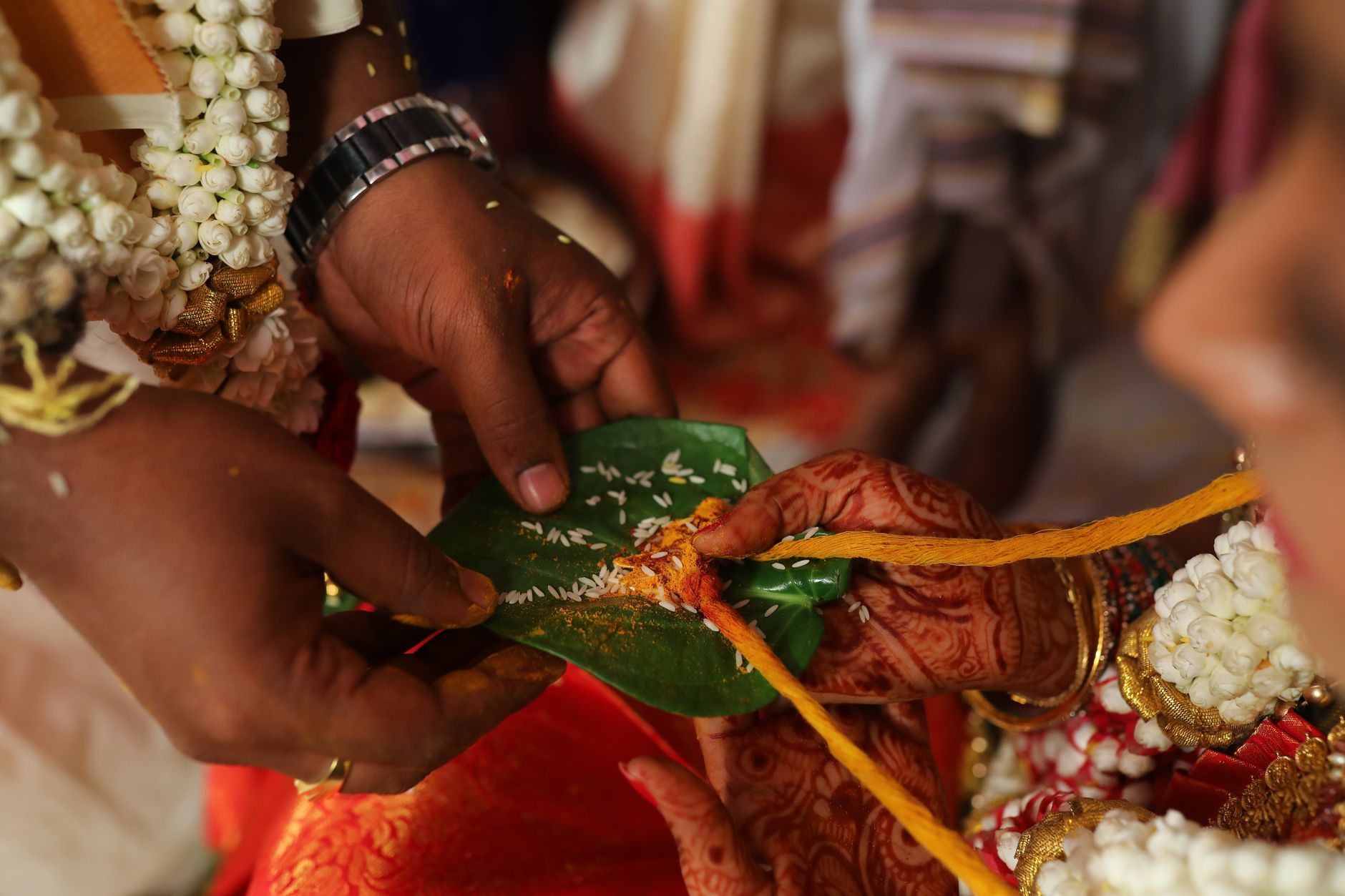
Sacred Rice for Every Gujarati Ritual
Religious cermony in Pushkar
Gujarati Sacred Rice Supplies in Pushkar: Complete Guide
Pushkar, one of India's most revered pilgrimage towns, is an extraordinary setting for Gujarati weddings and religious ceremonies. At the heart of every such occasion lies the need for authentic Gujarati Sacred Rice Supplies — from akshata rice for pooja showered during blessings to turmeric-dyed rice for rituals used in Ganesh puja and vivah sanskar. Whether you are hosting an intimate lakeside ceremony near Pushkar's famous ghats or a grand destination wedding in Pushkar with hundreds of guests, sourcing the right wedding rice ceremony materials elevates the spiritual integrity of every moment. This guide helps families plan, compare, and confidently procure everything they need.
Quick Answer
Gujarati Sacred Rice Supplies refer to specially prepared raw or parboiled rice grains — typically coloured with turmeric, kumkum, or sandalwood — used in Gujarati Hindu rituals such as akshata showering, Ganesh puja, vivah havan, and kanyadaan. In Pushkar, these supplies are available through local samagri shops near the Brahma Temple bazaar, through wholesale grain markets, or via curated vendor services listed on wedding marketplaces like Happiffie.
What Are Gujarati Sacred Rice Supplies and Why Do They Matter?
Gujarati Sacred Rice Supplies are ritually prepared rice grains that serve as auspicious offerings across key life ceremonies — weddings, namkaran, griha pravesh, and satyanarayan katha. The most recognised form is akshata rice for pooja, where raw rice is mixed with turmeric and kumkum, then showered over the couple or deity as a blessing of abundance and prosperity. Unlike ordinary kitchen rice, sacred rice is selected for its unbroken grain quality, as broken grains are considered inauspicious in Gujarati Vaishnav and Shaiva traditions. In Pushkar, the spiritual atmosphere of the Brahma Temple and the Saraswati ghats makes the authenticity of these supplies even more meaningful. Families travelling from Ahmedabad, Surat, or Vadodara for a destination wedding in Pushkar often bring partial stocks from home but rely on local vendors for bulk ceremonial quantities. Sourcing verified, ritually appropriate supplies prevents last-minute disruptions during the muhurat.
Types of Rice Used Across Gujarati Wedding and Pooja Ceremonies
Not all rice used in Gujarati ceremonies is identical — each ritual calls for a specific preparation. Akshata rice for pooja is the most universal: raw, long-grain rice coated lightly in turmeric paste and occasionally sandalwood powder, used during aarti, kanyadaan, and as a substitute for flowers in several Vaishnav traditions. Turmeric-dyed rice for rituals serves a distinct visual and symbolic purpose in Ganesh sthapana and in the grah shanti havan, where golden-yellow grains are arranged in geometric patterns on a copper plate. Ceremonial raw rice packets — pre-portioned in cotton potlis — are increasingly popular for large weddings in Pushkar, where each guest or family receives a pre-measured packet to shower during key moments. Beyond these, some Gujarati families use black sesame-mixed rice for pitru tarpan and silver-foil-coated rice for very traditional vivah rituals. Understanding which type aligns with your specific ceremony prevents ritual errors and ensures the pandit's approval before the event begins.
Where to Source Authentic Supplies in Pushkar
Pushkar's Brahma Temple bazaar is the primary hub for Hindu wedding ritual essentials, including rice samagri. Small shops lining the lane from Ajmer Gate to the main ghat stock raw rice, turmeric powder, kumkum, and muslin potlis year-round. For bulk orders — typically above 10 kg, which a 300-guest wedding in Pushkar would require — wholesale grain merchants near the old town bus stand offer better pricing and can pre-mix turmeric-dyed rice for rituals to specification. Several samagri for Gujarati rites specialists have emerged in Pushkar over the last decade, catering specifically to the growing destination wedding community. These vendors understand Gujarati Vaishnav requirements, stock Jeera Samba and Govind Bhog rice varieties preferred by many Gujarati pandits, and can deliver directly to resort venues in areas like Tirth Road, Panch Kund Road, and Parikrama Marg. Booking through a platform like Happiffie connects you with vetted Pushkar religious ceremony vendors who have documented reviews from previous Gujarati wedding clients.
How Much Do Gujarati Sacred Rice Supplies Cost in Pushkar?
Pricing for Gujarati Sacred Rice Supplies in Pushkar depends on rice variety, preparation method, packaging, and order volume. Basic akshata rice for pooja, self-prepared using locally sourced raw rice and turmeric, costs approximately INR 80–120 per kg in the Brahma bazaar. Pre-mixed, pandit-approved ceremonial raw rice packets for 100 guests are typically priced between INR 600–900 per set, inclusive of potlis and labelling. Premium Govind Bhog or Jeera Samba rice, preferred for Satyanarayan katha and vivah, costs INR 180–250 per kg. Full samagri for Gujarati rites kits — bundling rice, kumkum, sandalwood powder, and cotton potlis — are available from curated vendors in the INR 1,500–4,000 range depending on the number of rituals. For large destination weddings in Pushkar with 400-plus guests, wholesale sourcing reduces per-unit cost by 30–40%. Always factor in a 10–15% buffer quantity to avoid shortage during extended ceremonies.
How Should You Plan and Book Ritual Rice Supplies for a Pushkar Wedding?
Planning Gujarati Sacred Rice Supplies for a destination ceremony in Pushkar requires coordination between your family pandit and the local supply vendor at least 4–6 weeks before the wedding date. Confirm the exact rituals in the ceremony schedule — different ceremonies like Ganesh puja, vivah havan, kanyadaan, and griha pravesh each demand distinct rice preparations, and your pandit's list is non-negotiable. Communicate the guest count and number of ritual events to the vendor so that ceremonial raw rice packets can be pre-portioned correctly. For Pushkar religious ceremony vendors, peak season runs October through March; during this period, popular vendors book up early, especially around Kartik Purnima, Makar Sankranti, and wedding muhurat clusters. Request a sample batch of turmeric-dyed rice for rituals a week before delivery so your pandit can verify grain quality, colour depth, and auspiciousness. Store delivered supplies in a dry, cool room, away from direct sunlight, to prevent the kumkum from bleeding and the rice from absorbing moisture. Using Happiffie's vendor listing helps you compare multiple Pushkar suppliers side by side, check availability for your event date, and manage bookings with transparent pricing.
Gujarati Sacred Rice Supplies: Options Compared for Pushkar Ceremonies
Expert Recommendation
Best for Intimate Family Ceremonies (up to 50 guests)
Best for Mid-Size Destination Weddings (100–250 guests)
Best for Large Grand Weddings (300+ guests)
Best for Budget-Conscious Families
Best for Traditional Vaishnav Ceremonies
Best for Couples Wanting a Fully Managed Experience
How to Choose the Right Option
✅ Pre-booking Checklist
- Obtain your pandit's complete ritual list specifying which ceremonies require sacred rice and in what form
- Confirm the rice variety (Govind Bhog, Jeera Samba, or standard raw rice) approved for your ceremony
- Calculate total quantity needed across all rituals and add a 15% buffer for spillage and extra guests
- Book your Pushkar religious ceremony vendor or samagri supplier at least 4–6 weeks before the event date
- Request and review a sample batch of turmeric-dyed rice for rituals before accepting full delivery
- Arrange dry, cool storage at your venue — keep supplies away from moisture and direct sunlight
- Confirm packaging format: loose grain, pre-tied potlis, or ceremonial raw rice packets per ceremony requirement
- Verify delivery timeline and vendor cancellation or replacement policy in writing before payment
🎯 Selection Criteria
- Grain integrity: only unbroken, whole grains are ritually acceptable in Gujarati ceremonies
- Rice variety compatibility: match the variety to your pandit's preference and ceremony type
- Vendor familiarity with Gujarati ritual requirements versus generic pooja supply vendors
- Packaging suitability: potlis for akshata showers versus loose rice for havan altar use
- Scalability: vendor's ability to fulfil bulk orders without compromising quality for large weddings
💰 Cost / Quality Factors
- Rice variety premium: specialty varieties like Govind Bhog cost 50–100% more than standard raw rice
- Preparation labour: turmeric-dyeing and potli-packing add INR 20–40 per kg to base grain cost
- Order volume: bulk orders above 10 kg typically attract 20–35% discount from wholesale vendors
- Delivery logistics: resort venues on Pushkar's outskirts may incur additional delivery charges
- Packaging material: muslin cotton potlis cost more than plastic pouches but are ritually preferable
- Peak season surcharge: October to March pricing can be 10–20% higher due to demand from destination weddings
⚠️ Common Mistakes to Avoid
- Using polished or parboiled rice for akshata — it is considered inauspicious and pandits may reject it
- Underestimating quantity and running short mid-ceremony, which disrupts the muhurat timing
- Booking a generic samagri vendor unfamiliar with Gujarati-specific rice preparation traditions
- Ignoring storage conditions and allowing moisture to ruin the kumkum coating before the ceremony
- Failing to confirm the vendor's delivery window relative to your ceremony day schedule
- Not getting a sample batch reviewed by your pandit before accepting bulk delivery
People Also Ask
What type of rice is best for Gujarati wedding rituals like akshata?
Can I buy Gujarati Sacred Rice Supplies locally in Pushkar or should I bring them from Gujarat?
How far in advance should I book ritual rice supplies for a destination wedding in Pushkar?
How much quantity of sacred rice do I need for a 200-guest Gujarati wedding?
What is the difference between akshata rice and regular turmeric rice used in cooking?
Are there vendors in Pushkar who understand specifically Gujarati ritual requirements?
Is it more economical to order pre-packaged ceremonial rice kits or prepare rice supplies in-house?
Can Happiffie help me find verified vendors for Hindu wedding ritual essentials in Pushkar?
Related Experiences on Happiffie
Tamil Wedding Ceremony Items in Surat
Authentic Marwari Shaadi Supplies, Pushkar
Hindu Wedding Rituals Explained
Gujarati Homam Samagri in Gangtok
Magical Entertainment for Your Khajuraho Wedding
All Wedding & Event Services
Frequently Asked Questions
What exactly are Gujarati Sacred Rice Supplies and how are they different from regular pooja rice?
Which neighbourhoods or areas in Pushkar have the best samagri vendors for Gujarati ceremonies?
Is Govind Bhog rice available in Pushkar, or do I need to bring it from Gujarat?
How should I store Gujarati Sacred Rice Supplies after delivery at a Pushkar venue?
Can a Pushkar vendor prepare custom ceremonial rice packets with our family's traditional turmeric recipe?
What is the minimum order quantity for bulk Gujarati Sacred Rice Supplies from Pushkar wholesale vendors?
Does Happiffie list vendors who supply ritual rice specifically for Gujarati weddings in Pushkar?
Are there eco-friendly packaging options for ceremonial rice packets used during Gujarati weddings?
Key Takeaways
- Gujarati Sacred Rice Supplies are a ritually essential component of Gujarati weddings and religious ceremonies, distinct from ordinary kitchen rice in preparation, variety, and sacred intent.
- Pushkar's Brahma Temple bazaar and wholesale grain markets are reliable local sources, with specialist vendors now catering specifically to Gujarati destination wedding families.
- Akshata rice for pooja requires unbroken raw grains, typically coated in turmeric and kumkum — polished or parboiled rice should never be substituted.
- Pricing ranges from INR 80/kg for self-prepared bazaar rice to INR 4,000 for full samagri kits; bulk wholesale sourcing offers 30–40% savings for large weddings.
- Book supplies 4–6 weeks in advance during peak October–March season to secure your preferred rice variety and vendor availability.
- Always confirm rice preparation with your pandit before delivery and request a sample batch to verify grain quality and ritual appropriateness.
- Using a platform like Happiffie connects families with vetted Pushkar religious ceremony vendors, simplifying comparison, booking, and accountability.
Find Trusted Vendors for Gujarati Sacred Rice Supplies in Pushkar
Compare verified Pushkar religious ceremony vendors, check availability for your muhurat date, and book ritual essentials seamlessly on Happiffie.
Explore Vendors Now
Are you a Vendor? Grow Your Business with Happiffie!
- High intent verified leads
- Reverse auction opportunities
- AI business tools & insights
- Dedicated vendor dashboard
- Grow your business, your way
It's free & takes less than 2 minutes!