
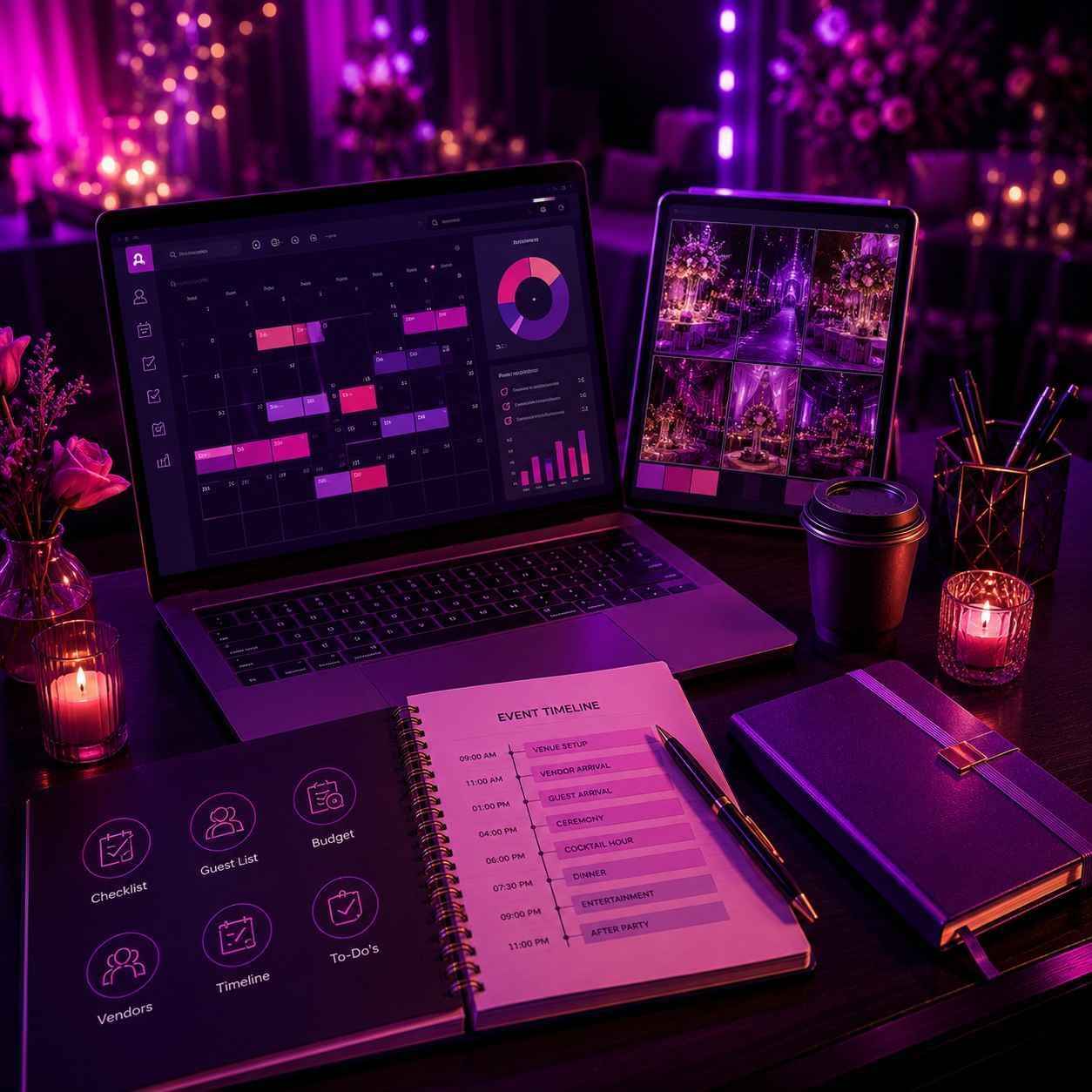
Explore All Planning Tools
Plan your wedding, party or special event with useful tools and resources that make organising every detail easier and more efficient.
Plan Better,
Celebrate with Happiffie
From organising your event details to managing budgets, guests, schedules and essential checklists, Happiffie brings useful planning tools together to make every celebration easier to plan and manage.
- Smart Planning ToolsOrganise important event details with easy-to-use planning tools
- Plan Your BudgetKeep track of event expenses and make informed planning decisions
- Ready-to-Use ChecklistsStay organised with practical checklists for every stage of your event





- 400+Curated Events
- 6Event Universes
- 1000+Verified Vendors
- 70+Locations
- 24/7Customer Support


Not sure which packages fits your celebration?
Let Hiya & Hanu help you find the perfect match!
Explore Celebration Packages- AI-Powered MatchingSmart suggestions for you
- Budget OptimizerGet the best experiences in your budget
- End-to-End SupportWe are with you at every step
Serving Celebrations across 75+ locations in India
Complete Planning and Organising Toolkit for Well Structured Celebrations
◆A successful celebration rarely happens through one decision or one service. It develops through hundreds of smaller choices involving venues, suppliers, guests, budgets, schedules, décor, catering and entertainment. When these responsibilities are handled without a clear structure, planning can become unnecessarily stressful.
A complete planning and organising toolkit provides a practical framework for bringing these details together. It can help organisers understand priorities, record important information, monitor progress and prepare for the celebration in stages.
Kerala's varied celebration culture makes structured preparation especially useful. Weddings can involve several ceremonies, extended family participation and destination arrangements. Birthdays may require themed décor and entertainment, while corporate occasions often depend on precise programmes and professional coordination. Anniversaries, engagement functions and private gatherings also require their own combinations of services.
The purpose of an organising toolkit is not to make every celebration identical. Instead, it provides a flexible foundation that can be adapted to the occasion, guest profile and level of complexity.
What a Complete Planning Toolkit Should Include
A comprehensive toolkit should cover the areas that have the greatest influence on a celebration. These usually include budgeting, venue research, supplier information, guest management, scheduling, task tracking and final preparation.
The advantage of bringing these areas together is improved visibility. Organisers can see what has been completed, what still requires attention and where one decision may affect another.
For example, a change in guest numbers can influence catering, seating and transportation. A venue change can affect décor, infrastructure and entertainment requirements.
A structured toolkit makes these connections easier to recognise.
It also gives families and professional organisers a consistent framework for managing information throughout the preparation journey.
Starting With a Clear Celebration Brief
Before making individual bookings, organisers should establish a clear understanding of the occasion.
The celebration brief can define the type of event, approximate guest count, preferred style, expected duration and broad budget. These decisions provide a foundation for subsequent choices.
A wedding may require a multi-day structure, while a birthday party may centre around one main gathering. A corporate occasion may prioritise programme timing and professional hospitality.
Defining these fundamentals early prevents unrelated decisions from accumulating without direction.
A good planning framework should remain flexible enough to accommodate changes while keeping the original objectives visible.
Building a Realistic Budget
Budget planning should begin before major commitments are made. Celebration costs can emerge from many different areas, and small additions can gradually create significant increases.
A complete planning and organising toolkit can include a dedicated budget section for venue, catering, décor, photography, entertainment, accommodation, transportation and other requirements.
Organisers can record estimated costs before confirming suppliers and then update the figures as commitments are made.
This creates a useful distinction between planned expenditure and actual expenditure.
For Kerala celebrations, such visibility can help families balance traditional requirements with contemporary enhancements without losing control of overall spending.
The objective should be thoughtful allocation rather than simply choosing the cheapest option.
Comparing Venues More Effectively
The venue shapes much of the celebration experience. Capacity, location, accessibility, parking, catering policies and available facilities can all affect suitability.
A structured planning toolkit can provide a consistent way to compare different locations.
Instead of remembering individual details from several site visits, organisers can record important information for each venue. This makes comparisons easier when the final decision approaches.
Décor and infrastructure requirements should also be considered at this stage. A venue may look attractive but have restrictions that affect stage design, furniture, lighting or technical installations.
Practical suitability is therefore just as important as visual appeal.
Organising Supplier Information
Celebrations often involve a broad range of service providers. Depending on the occasion, organisers may work with caterers, decorators, photographers, florists, entertainers, rental providers and venue teams.
A planning toolkit can keep supplier details in one organised location.
Contact information, quotations, service inclusions, payment milestones and agreed deliverables can all be recorded for future reference.
This helps when comparing suppliers and reduces the need to search through different conversations.
For larger celebrations, supplier responsibilities can also be connected to specific functions or time periods. This makes it easier to understand who is responsible for each requirement.
Managing Guest Information
Guest planning is an essential part of both private and professional occasions. Weddings may involve large family groups, while corporate functions can require structured attendee management.
A complete planning framework can organise invitations, attendance status, seating requirements and special arrangements.
Destination events may require additional information about accommodation and transportation.
Keeping these details organised helps hosts respond when circumstances change.
Guest management should always remain personal. Digital organisation simply ensures that useful information is available when it is needed.
Creating an Event Task Framework
Every celebration contains responsibilities that need to happen at specific stages. Some tasks can be completed months in advance, while others must wait until closer to the occasion.
A task framework can divide preparation into manageable phases.
Early stages may focus on research, venue selection and supplier enquiries. Middle stages can cover bookings, guest communication and design decisions. Final preparation can focus on confirmations, deliveries and event-day responsibilities.
This prevents every task from feeling equally urgent.
It also gives organisers a clearer sense of progress throughout the planning period.
Planning Multi-Function Kerala Weddings
Kerala weddings can involve multiple ceremonies, venues and family responsibilities. Managing every function as one continuous list can make preparation confusing.
A better approach is to create separate planning sections for each function while maintaining a shared overview.
For example, different ceremonies may require different décor, catering, entertainment and photography arrangements.
A complete planning and organising toolkit can help connect each service to the appropriate function.
This approach is particularly useful for multi-day weddings where supplier requirements change between ceremonies.
Family members can also divide responsibilities according to functions, allowing different people to oversee specific areas without losing sight of the wider wedding.
Organising Birthday Celebrations
Birthday celebrations can range from intimate family gatherings to elaborate milestone parties.
For children's birthdays, the planning framework may include theme selection, entertainment, games, cake arrangements, catering and age-appropriate activities.
Adult milestone celebrations may place greater emphasis on décor, music, photography and guest hospitality.
The toolkit should therefore remain adaptable.
Organisers can select only the planning sections relevant to their celebration rather than being forced to manage unnecessary categories.
This keeps preparation practical and avoids turning a simple occasion into an overly complicated project.
Planning Corporate Occasions
Corporate events often require a different planning structure. Conferences, launches, annual functions, award ceremonies and professional gatherings may involve speakers, attendees, technical teams and hospitality suppliers.
A planning toolkit can help organise programme schedules, venue requirements, supplier responsibilities and attendee information.
Technical preparation may need to be tracked alongside the event programme. Presentation equipment, microphones and audiovisual systems often require dedicated setup periods.
Having these requirements recorded in advance can help avoid clashes between suppliers.
Clear responsibility also matters when multiple departments are involved. A structured framework can show which team is handling each part of the occasion.
Managing Décor and Design Requirements
Décor decisions should be connected to practical venue requirements. Stage structures, floral installations, furniture, lighting and display elements all need sufficient space and suitable installation access.
A planning toolkit can record design decisions alongside measurements, supplier details and setup timings.
This helps organisers understand whether a preferred concept is realistic for the chosen location.
Outdoor functions may require contingency planning for weather conditions, while indoor venues may have restrictions involving access or technical installations.
Considering these details early gives suppliers more time to prepare appropriate solutions.
Coordinating Catering Arrangements
Food and beverage planning involves more than selecting a menu. Guest numbers, meal timings, dietary requirements, service style and venue policies can all influence the final arrangement.
A structured planning system can record menu decisions and connect them with confirmed attendance.
If guest numbers change, organisers can review catering requirements before final quantities are confirmed.
For Kerala celebrations, food may also be an important cultural component. Traditional menus and contemporary offerings can be considered according to the nature of the occasion.
Good planning allows the culinary experience to complement the wider celebration rather than becoming an isolated decision.
Scheduling Entertainment and Activities
Entertainment should fit naturally into the programme. DJs, live bands, performers, children's activities and cultural presentations may each require specific timings and setup arrangements.
A planning framework can place these activities within the wider schedule.
This helps identify potential conflicts. A performance may need equipment installed before guests enter, while a décor team may require the same space beforehand.
Scheduling these responsibilities together makes the overall programme more realistic.
It also provides suppliers with clearer expectations about access and preparation.
Planning Event Infrastructure
Larger celebrations may require furniture, staging, lighting, equipment and temporary infrastructure.
These requirements should be considered alongside venue capacity and guest movement.
A complete planning and organising toolkit can record quantities, delivery timings, installation responsibilities and collection arrangements.
This is particularly useful when several rental suppliers are involved.
Planning infrastructure early can reduce the likelihood of shortages or unsuitable equipment appearing close to the celebration date.
Building a Practical Event-Day Schedule
The event-day schedule should translate preparation into clear action.
Supplier arrivals, venue setup, guest reception, ceremonies, meals, entertainment and departures may all need to be considered.
A realistic schedule should include reasonable buffers. Celebrations rarely follow every minute exactly, and allowing some flexibility can prevent small delays from affecting the entire programme.
The schedule should also identify key responsibilities without becoming unnecessarily complicated.
When important timings are visible, organisers and suppliers can work with a shared understanding of the day.
Tracking Payments and Confirmations
Financial commitments should be monitored throughout preparation. Supplier advances, remaining balances and payment deadlines can be recorded alongside service information.
This reduces the risk of overlooking an important financial obligation.
Confirmation tracking is equally valuable. A supplier may be booked months in advance, but details such as arrival time, quantity and final requirements may need reconfirmation closer to the celebration.
A structured planning system provides a place for these updates.
This can make the final weeks considerably easier to manage.
Preparing for Last-Minute Changes
Even carefully planned celebrations can experience changes. Guest numbers may shift, weather conditions may change or a supplier may need to adjust arrangements.
A flexible planning framework makes these changes easier to manage.
When information is organised, organisers can quickly identify related responsibilities.
For example, a venue change may require adjustments to transportation, décor, catering and supplier access.
The more connected the planning information is, the easier it becomes to understand the consequences of a change.
Using the Toolkit Without Creating More Work
A planning system should simplify preparation rather than become another project.
Organisers should record information that supports actual decisions and avoid filling the system with unnecessary details.
Regular updates are more valuable than complicated documentation.
The toolkit should also be accessible to the people who genuinely need it. Family members, planners and suppliers can be given relevant information according to their responsibilities.
This keeps the planning environment useful and manageable.
Combining Organisation With Human Expertise
Technology and planning frameworks are valuable, but they do not replace experience.
An organiser can use a toolkit to compare quotations, while an experienced professional can assess whether a supplier is suitable. A schedule can show timings, while an event expert can identify where additional flexibility is needed.
The strongest planning approach combines organised information with human judgement.
This is especially relevant for Kerala celebrations where cultural traditions, family expectations and modern event formats may need to work together.
Reviewing the Plan Before the Celebration
A final review should happen before the event day rather than during it.
Organisers can check venue arrangements, supplier commitments, guest numbers, payments, catering, décor, entertainment and transportation.
Outstanding tasks should be identified early enough to resolve them without unnecessary pressure.
Important contact information should also remain easily accessible.
This final review turns a broad planning process into a practical event-day framework.
Creating a Complete Celebration Planning Framework
A complete planning and organising toolkit gives hosts a reliable structure for managing the many details behind a successful celebration.
It can support budgeting, venue research, supplier management, guest organisation, décor, catering, entertainment, infrastructure and scheduling.
For Kerala weddings, birthdays, corporate occasions and private functions, such structure can reduce administrative pressure while improving decision-making.
The most effective toolkit is not necessarily the most complicated. It is the one that makes priorities visible, keeps information organised and adapts to changes without creating additional confusion.
When careful preparation is combined with professional expertise and thoughtful personal decisions, celebrations become easier to manage from the earliest planning stage through the final guest departure.
Good organisation works quietly in the background. Its greatest success is allowing hosts and guests to experience the occasion naturally, without seeing the complexity required to make everything come together.
Frequently Asked Questions
1. What is a complete planning and organising toolkit?
It is a structured collection of planning resources and processes used to manage budgets, venues, suppliers, guests, schedules, tasks and other celebration requirements.
2. Can a planning toolkit be used for Kerala weddings?
Yes. It can organise multiple ceremonies, family responsibilities, suppliers, guest arrangements, budgets and function-specific schedules.
3. What should be included in an event planning toolkit?
It should cover the areas relevant to the occasion, such as budgeting, venue comparison, supplier management, guest planning, task tracking, scheduling and final confirmations.
4. Can the toolkit help manage celebration costs?
Yes. A structured budget section can track estimated costs, confirmed expenditure, supplier payments and remaining balances.
5. Is a planning toolkit useful for birthday parties?
Yes. It can help organise themes, invitations, catering, entertainment, cake arrangements, activities, décor and supplier responsibilities.
6. Can corporate events use the same planning framework?
Yes. The framework can be adapted for conferences, launches, award ceremonies and annual functions by adding attendee, programme and technical requirements.
7. How does a toolkit help manage suppliers?
It keeps supplier contacts, quotations, deliverables, payment milestones and setup requirements organised for easier reference and follow-up.
8. Can it help with last-minute event changes?
Yes. When planning information is connected and organised, it becomes easier to identify which arrangements need to change when circumstances shift.
9. Does a planning toolkit replace an event professional?
No. It provides organisational structure, while experienced planners offer creative judgement, supplier knowledge, practical expertise and event-day management.
10. When should I start building a celebration planning toolkit?
It is best to begin during the early planning stage so budgets, venue research, supplier information, guest details and important deadlines can be organised from the beginning.