
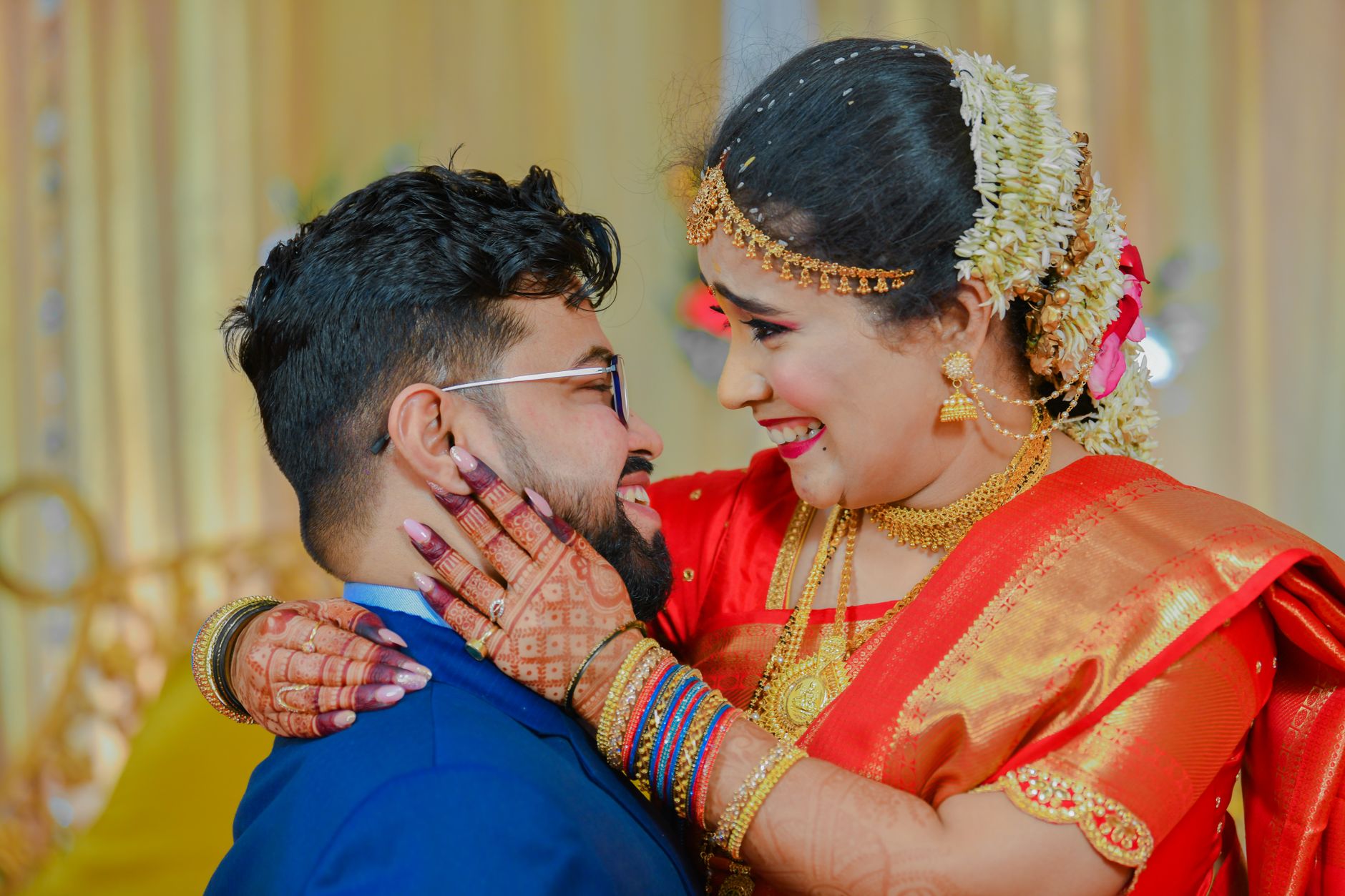
Kannada Mangalsutra Ceremony in Noida
Religious cermony in Noida
Kannada Mangalsutra Ceremony Items: Complete Guide for Noida Weddings
Planning a traditional South Indian wedding in Noida begins with getting every detail of your Kannada Mangalsutra Ceremony Items right. From the sacred black-and-gold beaded thread to the turmeric-smeared plantain leaves and the copper kalasha, each element carries deep Shaiva-Vaishnava symbolism that defines Kannada vivaha pooja samagri. Noida's growing South Indian community means you can now source authentic Mangalsutra Dharane ritual supplies locally, coordinate a knowledgeable south Indian pandit for wedding in Noida, and still personalise the experience for a multicultural guest list. This guide covers everything — ritual sequence, item checklist, costs in INR, and smart vendor choices — so your ceremony reflects both heritage and flawless planning.
Quick Answer
Kannada Mangalsutra Ceremony Items are the sacred objects used during the Mangalsutra Dharane ritual in a Kannada Hindu wedding. They typically include the gold or gold-and-black-bead Mangalsutra, turmeric (haldi), kumkum, betel leaves and areca nuts, a copper or brass kalasha, banana leaves, coconut, flowers such as jasmine and marigold, a pooja thali, and sacred thread (kappu). These items are arranged and consecrated by a pandit before the groom ties the Mangalsutra around the bride's neck at an auspicious muhurta.
What are Kannada Mangalsutra Ceremony Items and why do they matter?
Kannada Mangalsutra Ceremony Items are not mere props — each object encodes a specific prayer and intention. The Mangalsutra itself, typically a two-strand black-and-gold necklace, represents the binding of two souls under divine witness. Turmeric and kumkum signify Shakti, prosperity, and protection from negative energies. Betel leaves and areca nuts are offerings that honour ancestors and invite blessings from the family deity. A copper or brass kalasha filled with water, mango leaves, and a coconut symbolises the full pot of abundance that the couple is entering. Jasmine garlands and marigold strings purify the ceremonial space and signal festivity. Understanding what each item represents helps families avoid substitutions that can accidentally dilute the ritual's meaning. For Noida families sourcing these from local markets in Sector 18 or speciality pooja stores near the Atta Market, knowing the exact nomenclature in Kannada — like Dhruva grass (darbha), arashina (turmeric), and tambula (betel set) — ensures you receive the correct items rather than generic alternatives. This foundational knowledge is what separates a perfunctory ceremony from one that feels genuinely sacred.
The Complete Checklist of Kannada Mangalsutra Ceremony Items
A thorough Hindu wedding ceremony checklist Noida-based families need for a Kannada wedding should cover every ritual layer. Start with the Mangalsutra — procured from a trusted jeweller, ideally in 22-karat gold with authentic black glass beads. Next, prepare the Mangalsutra Dharane ritual supplies: a fresh pooja thali (brass or silver), darbha grass, haldi-kumkum packets, two sets of betel leaves and areca nuts for each exchange, two coconuts, a copper kalasha, and a small agni kund or earthen lamp for the sacred fire. South Indian wedding thread ceremony essentials also include a white cotton kappu (sacred wrist thread) for both bride and groom, a new silk cloth for the bride, and a pair of silver payal. Flowers needed are jasmine strings (minimum one metre per person), loose marigolds for the thali, and rose petals for sprinkling. Supporting items include camphor, sandalwood paste, incense sticks, a small mirror, and a pitcher of holy water mixed with Ganga jal. For a typical Noida wedding with 150-300 guests, budget roughly INR 4,000 to INR 8,000 for all consumable pooja items, excluding jewellery. Wedding pooja thali decoration ideas like embedding fresh flowers and colour-coordinated diyas can elevate the visual impact for photographs without adding significant cost.
How much do Kannada Mangalsutra Ceremony Items cost in Noida?
Costs for Kannada Mangalsutra Ceremony Items in Noida vary based on material quality, vendor location, and ceremony scale. A basic set of consumable samagri — turmeric, kumkum, betel, coconuts, darbha, camphor, incense — typically ranges from INR 1,500 to INR 3,000 from stores in Sector 18 or Greater Noida's Pari Chowk market. Kannada vivaha pooja samagri kits, available from select South Indian grocery stores near Noida's IT clusters, cost INR 2,500 to INR 5,000 and include pre-sorted packets with Kannada labels, saving families significant preparation time. The Mangalsutra jewellery itself is the largest expense: a 22-karat gold piece with black beads starts at INR 15,000 and can exceed INR 1,50,000 for intricate temple-style designs. Hiring a south Indian pandit for wedding in Noida adds INR 5,000 to INR 15,000 depending on ceremony duration and the pandit's expertise in Smartha or Madhwa traditions. Traditional Mangalsutra tying accessories like a decorative silk cloth holder or a silver thali can add INR 800 to INR 3,500. Always factor a 15% buffer for last-minute additions such as extra garlands or a second kalasha if your family follows dual-gotra customs.
Ritual Sequence: Step-by-Step Mangalsutra Dharane in a Kannada Wedding
Understanding the ritual sequence helps families coordinate logistics on the wedding day. The Mangalsutra Dharane ritual supplies are arranged on the pooja thali before the main ceremony begins, typically two hours prior to the muhurta. The pandit initiates the ceremony with a Ganapathi pooja to remove obstacles, followed by Navagraha Shanti. Once the core wedding rituals — Kashi Yatra, Saptapadi (seven steps around the sacred fire) — are complete, the Mangalsutra Dharane moment arrives. The groom receives the Mangalsutra from the bride's brother or father on a betel leaf, applies turmeric paste to the thread while chanting Mangalya shloka, and ties three knots around the bride's neck — one each for divine, parental, and marital blessings. South Indian wedding thread ceremony essentials like the kappu must already be tied on the wrists of both parties before this moment. Guests shower rose petals and the family priest blows the shankha (conch). In Noida venues — whether a banquet hall in Sector 63 or a farmhouse in Greater Noida West — it is worth discussing acoustics and fire-safety permissions for the agni kund well in advance. A smooth ritual sequence, supported by complete Kannada Mangalsutra Ceremony Items, creates the emotional anchor of the entire wedding.
Where and How to Source Authentic Items in Noida?
Sourcing genuine Kannada Mangalsutra Ceremony Items in Noida requires a mix of physical stores, online South Indian speciality platforms, and community networks. For consumable samagri, South Indian grocery stores in Sectors 37, 62, and the Brahmaputra Market area stock darbha, haldi, tambula sets, and copper kalashas. Online platforms now offer pre-packed Kannada vivaha pooja samagri kits that can be delivered within Noida and Greater Noida with 48-hour lead time — useful for families flying in from Bengaluru or Mysuru who cannot carry heavy items. For jewellery, branded South Indian jewellery chains in Noida's malls offer certified Mangalsutra options with hallmarking, while traditional Kannada jewellers in the NCR often provide custom tantu-style black-bead threads on request. Connecting with a south Indian pandit for wedding in Noida through community temples — such as the Anjaneya Temple in Sector 23 or the Venkateswara Temple in Noida Extension — is the most reliable route, as pandits from these temples maintain authentic Madhwa, Smartha, or Veerashaiva ritual knowledge and often carry their own backup samagri. Following a detailed Hindu wedding ceremony checklist Noida families can download from platforms like Happiffie ensures nothing is forgotten even during the busiest pre-wedding week.
Kannada Mangalsutra Ceremony Items: Setup Options Compared
Expert Recommendation
Best for intimate home ceremonies
Best for large banquet hall weddings (200+ guests)
Best for destination-style weddings at Noida farmhouses
Best for budget-conscious couples
Best for traditional Madhwa or Veerashaiva ceremonies
Best for multicultural Kannada-North Indian weddings
How to Choose the Right Option
✅ Pre-booking Checklist
- Confirm your Kannada sub-tradition (Smartha, Madhwa, Veerashaiva) with the family elder before finalising the samagri list
- Book a south Indian pandit for wedding in Noida at least 60 days ahead, especially for peak November-February season
- Source Mangalsutra jewellery with hallmarking and verify bead quality before the wedding week
- Obtain fire-safety permission from the Noida venue for the agni kund at least 30 days in advance
- Prepare a dedicated Hindu wedding ceremony checklist Noida version cross-checked with the pandit
- Arrange fresh flowers — jasmine and marigold — no more than 12 hours before the ceremony for maximum freshness
- Pack backup consumables: extra haldi, kumkum, and betel sets in case of guest count changes
- Coordinate with photographers to ensure the Mangalsutra tying moment is well-lit and unobstructed
🎯 Selection Criteria
- Authenticity of samagri to your specific Kannada tradition — Smartha, Madhwa, or Veerashaiva
- Pandit's fluency in Kannada shlokas and familiarity with regional ritual variations
- Quality and purity of the Mangalsutra gold and black bead material
- Freshness of perishable items like flowers, coconut, and darbha grass on the ceremony day
- Vendor reliability — confirmed delivery timelines and replacement guarantees for Noida orders
- Alignment of ceremony timing with the astrologically fixed muhurta provided by the pandit
💰 Cost / Quality Factors
- Gold rate on the date of Mangalsutra purchase directly affects the largest single cost
- Pandit fees vary by experience level, tradition knowledge, and ceremony duration in Noida
- Venue type — home, banquet hall, or farmhouse — determines which items (agni kund, kalasha size) are feasible
- Bulk sourcing from South Indian grocery clusters reduces per-item cost by 20-30% compared to retail
- Pre-packed samagri kits carry a convenience premium of roughly INR 500-1,500 over individual sourcing
- Seasonal flower prices spike during peak wedding months (November-February), adding 30-50% to floral budgets
⚠️ Common Mistakes to Avoid
- Substituting synthetic or plastic flowers for fresh flowers in the main ritual — considered inauspicious
- Forgetting to confirm the Mangalsutra knot count (three knots) with the pandit for your specific tradition
- Purchasing a generic South Indian Mangalsutra without checking if it matches the Kannada design your family expects
- Not getting fire-safety clearance from the Noida venue before the agni kund is set up
- Leaving samagri sourcing to the last 24 hours, risking stock-outs of darbha grass and copper kalashas
- Overlooking the kappu (sacred wrist thread) as a required South Indian wedding thread ceremony essential
People Also Ask
What is the significance of the Mangalsutra in a Kannada wedding?
Can I source Kannada Mangalsutra Ceremony Items entirely in Noida?
How early should I arrange Mangalsutra Dharane ritual supplies before the wedding?
What is the difference between Smartha and Madhwa Kannada wedding rituals?
How much does a south Indian pandit for wedding in Noida typically charge?
What flowers are traditionally used in Kannada Mangalsutra ceremonies?
Are there vegetarian catering options near Noida venues for South Indian wedding guests?
What is a wedding pooja thali and how should it be decorated for a Kannada ceremony?
Related Experiences on Happiffie
Sacred Telugu Wedding Supplies, Guwahati
Authentic South Indian Bridal Styling in Delhi
Authentic Kannada Maduve Pooja Kit
Adorn the Jaipur Bride in Heritage Style
Sacred Temple Weddings in Delhi
Crisp Outfits, Perfect Moments
Sacred Kerala Pooja Thali Sets in Noida
Frequently Asked Questions
What are the most essential Kannada Mangalsutra Ceremony Items I must not forget?
Is a Kannada Mangalsutra different from a Telugu or Tamil Mangalsutra?
Can I hire a Kannada-speaking pandit for a wedding at a Noida banquet hall?
How do I decorate the wedding pooja thali for a Kannada Mangalsutra ceremony?
What is Kannada vivaha pooja samagri and where can I buy it in Noida?
What is the ideal budget for Kannada Mangalsutra Ceremony Items in Noida for a 200-guest wedding?
Are there specific Noida venues that accommodate South Indian wedding fire rituals?
What South Indian wedding thread ceremony essentials are needed beyond the Mangalsutra?
Key Takeaways
- Kannada Mangalsutra Ceremony Items include the Mangalsutra jewellery, turmeric, kumkum, betel sets, darbha grass, kalasha, coconut, and fresh flowers — each with distinct ritual meaning.
- The Mangalsutra Dharane ritual supplies should be assembled at least five to seven days before the wedding to allow pandit review and quality checks.
- Costs in Noida range from INR 1,500 to INR 8,000 for consumable samagri, with the Mangalsutra jewellery being the largest variable expense starting at INR 15,000.
- A south Indian pandit for wedding in Noida should be booked at least 60 days ahead during peak wedding season, ideally through a community temple.
- Pre-packed Kannada vivaha pooja samagri kits save time but must be verified against your specific sub-tradition — Smartha, Madhwa, or Veerashaiva.
- Noida's South Indian community hubs in Sectors 18, 37, and 62, along with Greater Noida's Pari Chowk market, are reliable local sourcing points.
- A detailed Hindu wedding ceremony checklist Noida families can follow, cross-checked with the pandit, is the single best tool to prevent last-minute gaps.
- Fresh jasmine (Mallige) is the most sacred flower in the ceremony — it should be arranged no more than 12 hours before the muhurta for maximum ritual purity.
Find Everything for Your Kannada Wedding on Happiffie
From authentic Mangalsutra Dharane ritual supplies to verified South Indian pandits in Noida — explore trusted vendors, compare packages, and plan your ceremony with confidence on Happiffie.
Explore Noida Vendors
Are you a Vendor? Grow Your Business with Happiffie!
- High intent verified leads
- Reverse auction opportunities
- AI business tools & insights
- Dedicated vendor dashboard
- Grow your business, your way
It's free & takes less than 2 minutes!