
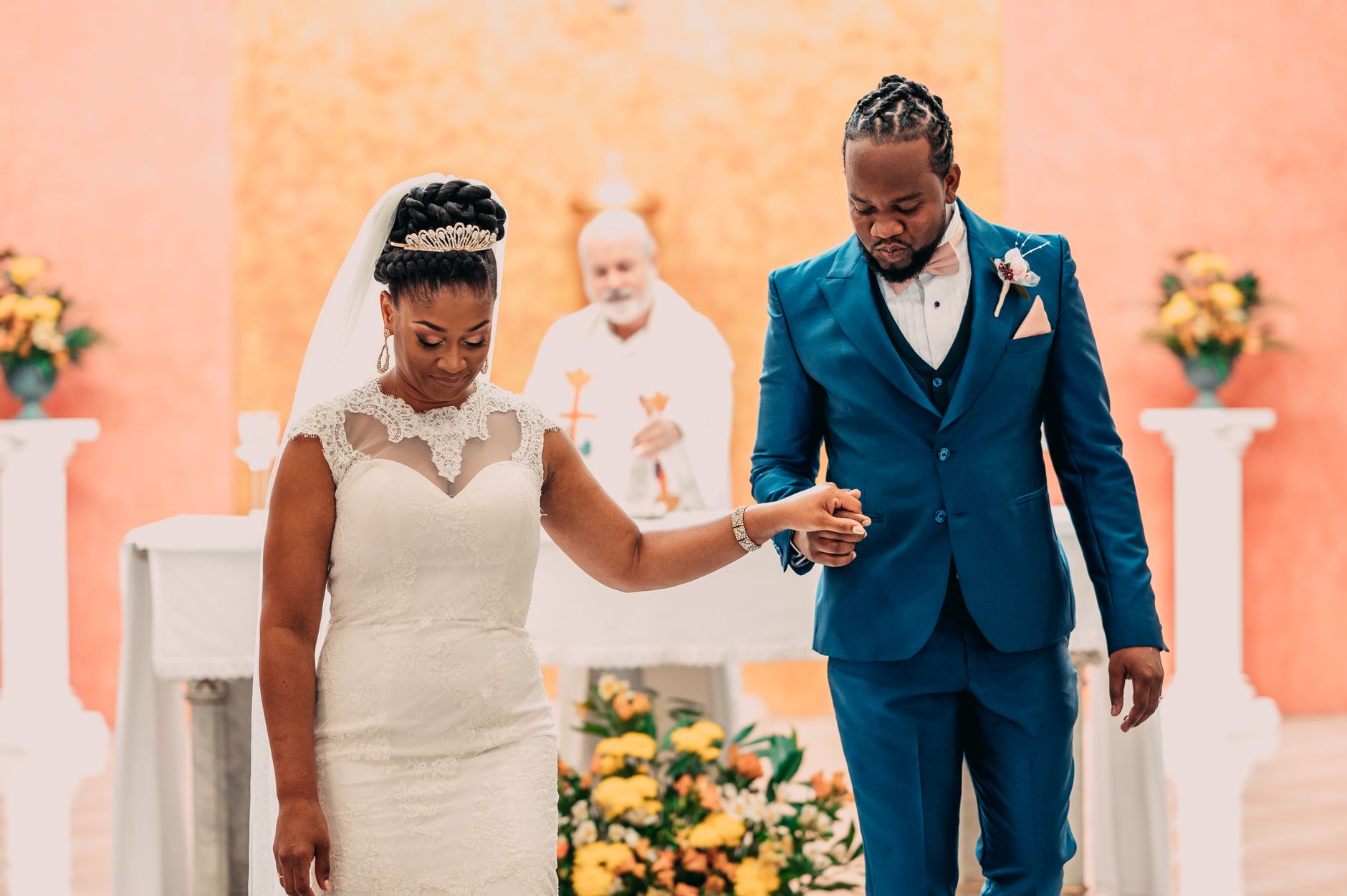
Unite Two Traditions, One Ceremony
Religious cermony in Noida
Cross Cultural Ceremony Officiant in Noida
Planning a wedding in Noida where two families bring different faiths, languages, and customs to the same mandap — or altar — calls for a specialist who can hold it all together with grace. A Cross Cultural Ceremony Officiant is trained to weave interfaith wedding officiant rituals, Hindu, Christian, Muslim, Sikh, or civil traditions into a single, meaningful ceremony that honours every heritage in the room. Whether your guest list runs from 50 intimate friends to a 500-strong Noida banquet hall gathering, and whether you need dual tradition wedding ceremony formats or personalised wedding vows in two languages, Happiffie connects you with experienced officiants across Sector 18, Sector 62, and Greater Noida who make multicultural love stories feel completely whole.
Quick Answer
A Cross Cultural Ceremony Officiant is a certified or experienced celebrant who officiates weddings that blend two or more religious, cultural, or linguistic traditions. In Noida, they design ceremonies combining elements such as Hindu pheras, Christian vows, Nikah readings, or civil rituals into one cohesive event. They typically charge between INR 15,000 and INR 75,000 depending on ceremony complexity, language requirements, and customisation depth.
What Does a Cross Cultural Ceremony Officiant Actually Do?
A Cross Cultural Ceremony Officiant does far more than stand at the front of a venue and read from a script. They meet the couple well in advance — usually two to three planning sessions — to understand both families' religious expectations, non-negotiable rituals, and comfort zones. They then script a ceremony that moves through each tradition in a logical, emotionally resonant sequence, ensuring neither side feels their culture is being treated as a footnote. In Noida weddings, this often means opening with Sanskrit shlokas for the bride's family, transitioning into English vows for the groom's Christian relatives, and closing with a civil declaration valid under Indian law. A skilled multicultural wedding pandit or secular celebrant also briefs the guest audience so everyone understands what is happening at each stage, removing awkwardness and creating shared joy. This level of wedding ritual customisation is what separates a specialist officiant from a generic pandit or priest who may only know one tradition.
Why Noida Couples Are Choosing Intercultural Marriage Ceremonies
Noida's cosmopolitan fabric — shaped by IT campuses in Sector 62, corporate hubs near the Expressway, and a large expatriate and NRI community in areas like Sector 137 and Greater Noida West — means intercultural marriages are no longer rare here. Couples from Tamil Nadu marrying into Punjabi families, Indian professionals marrying foreign nationals, or Hindu-Christian unions are increasingly common across the city. An intercultural marriage ceremony handled by a trained Cross Cultural Ceremony Officiant ensures legal compliance, emotional sensitivity, and aesthetic coherence all at once. Families who were initially apprehensive about a blended ceremony often leave feeling deeply seen when the officiant takes the time to explain each ritual's meaning in both languages. Mixed heritage wedding planning in Noida is also gaining traction because venues like hotel banquet halls in Sector 18 and farmhouses on the Delhi-Noida border offer the neutral, inclusive spaces that multicultural ceremonies need.
How Much Does a Bilingual Wedding Officiant Cost in Noida?
Pricing for a bilingual wedding officiant in Noida varies with ceremony complexity and the number of traditions being blended. A straightforward two-tradition ceremony — say, a Hindu-Christian fusion for 100 guests — typically costs between INR 15,000 and INR 35,000. When you add a third tradition, require the officiant to conduct the entire ceremony in two languages simultaneously, or need them to coordinate with a separate pandit and a priest, fees rise to INR 40,000–INR 75,000. Some officiants charge an additional INR 5,000–INR 10,000 for pre-wedding consultation sessions, script drafting, and rehearsal attendance. Couples pursuing wedding ritual customisation that includes live translation, custom printed bilingual ceremony programmes, or coordination with a live music ensemble should budget for these add-ons separately. Happiffie's transparent vendor listings show itemised pricing so there are no surprises on the day.
Choosing the Right Interfaith Wedding Officiant for Your Ceremony
Selecting an interfaith wedding officiant is a deeply personal decision. Start by checking whether the officiant has direct experience with your specific combination of traditions — a Hindu-Muslim union requires very different sensitivity than a Hindu-Sikh or Christian-Jewish pairing. Ask to read a sample ceremony script, and confirm that the officiant is willing to revise it based on family feedback. Verify legal credentials: in India, a valid marriage registration under the Special Marriage Act 1954 requires specific procedural steps, and your Cross Cultural Ceremony Officiant should either be a gazetted officer or work in partnership with one. Couples with dual tradition wedding ceremony needs should also discuss how the officiant handles disagreements between families about which rituals to include — this conflict-navigation skill is as important as ceremonial knowledge. Finally, ensure the officiant has officiated at least five to ten multicultural ceremonies and can share anonymised references from past Noida or NCR couples.
What Questions Should You Ask Before Booking an Officiant?
Before committing to any Cross Cultural Ceremony Officiant on Happiffie, run through these essential questions in your first call. Ask: How many intercultural marriage ceremonies have you officiated in Noida or the NCR? Can you share a sample script that blends our two specific traditions? How do you handle a situation where both families disagree on the order of rituals? Are you fluent in the languages our families speak, and will the ceremony include personalised wedding vows in both? Do you coordinate with the venue's event team and sound engineer to cue music at the right ritual moments? Will you attend the rehearsal? And critically, what is included in your fee — script drafting, consultations, day-of coordination — versus what costs extra? A confident, experienced officiant will answer all of these without hesitation, which itself tells you a great deal about their professionalism and commitment to mixed heritage wedding planning done right.
Cross Cultural Ceremony Officiant Options in Noida: A Practical Comparison
Expert Recommendation
Best for Intimate Celebrations (Under 75 Guests)
Best for Large Banquet Hall Weddings (200+ Guests)
Best for NRI and International Couples
Best for Budget-Conscious Couples
Best for Destination-Style Ceremonies in Greater Noida
Best for Three-Tradition Blended Ceremonies
How to Choose the Right Option
✅ Pre-booking Checklist
- Confirm the officiant has direct experience with your specific combination of religious traditions
- Request and review a sample ceremony script before signing any contract
- Verify legal credentials and knowledge of Special Marriage Act 1954 registration process
- Discuss the officiant's approach to family disagreements over ritual order or inclusion
- Confirm language fluency for all languages needed during the ceremony
- Check whether the fee includes pre-wedding consultations, script drafting, and rehearsal attendance
- Book at least three months in advance, ideally six months for peak winter wedding season
- Ask for anonymised references from past Noida or NCR multicultural ceremony couples
🎯 Selection Criteria
- Proven experience with your exact tradition combination, not just general multicultural weddings
- Strong script-writing ability that creates emotional flow across cultural transitions
- Family mediation and consultation skills to align both sides before the ceremony
- Legal knowledge of civil marriage registration requirements in Uttar Pradesh
- Willingness to rehearse and coordinate with venue staff, pandit, and sound team
💰 Cost / Quality Factors
- Number of traditions or religions being blended directly increases script complexity and cost
- Bilingual or trilingual delivery requires greater preparation and typically adds INR 5,000–15,000
- Rehearsal attendance and multiple pre-wedding consultations add to overall fees
- Venue type (indoor banquet vs. outdoor farmhouse) affects coordination requirements and logistics
- Guest count above 200 may require a co-officiant or additional sound support at added cost
- Urgency of booking within 4–6 weeks of the wedding date may limit quality options available
⚠️ Common Mistakes to Avoid
- Booking a standard pandit for a multicultural ceremony without checking their cross-cultural training
- Skipping a rehearsal, which often causes awkward pacing and ritual sequencing errors on the day
- Not involving both families in the script review, leading to last-minute objections
- Assuming the officiant will handle legal registration without confirming this explicitly in the contract
- Choosing purely on cost without verifying the depth of experience with your specific tradition blend
- Leaving the booking too late — under four weeks notice often means only inexperienced officiants are available
People Also Ask
Is a cross cultural wedding ceremony legally valid in India?
Can a single officiant handle both Hindu and Christian rituals?
How far in advance should I book a multicultural wedding officiant in Noida?
What languages can bilingual wedding officiants in Noida typically conduct ceremonies in?
Will a cross cultural ceremony offend religious family members?
How long does a multicultural wedding ceremony usually last?
Do I need a separate pandit if I hire a cross cultural ceremony officiant?
What is the difference between an interfaith officiant and a regular pandit?
Related Experiences on Happiffie
Unite Two Faiths, One Ceremony
Authentic Pahadi Wedding Pandits in Mussoorie
Authentic Nair Wedding Supplies in Vizag
Find Your Church Wedding Officiant
Delhi's Finest Wedding Musical Rituals
Celebrate Your Roots in Royal Style
Sacred Supplies for Your Mumbai Wedding
Musical Wedding Vows in Vizag
Frequently Asked Questions
How do I find a verified Cross Cultural Ceremony Officiant in Noida?
Can a Cross Cultural Ceremony Officiant also manage the wedding registration paperwork in Noida?
What is the typical duration of a cross cultural wedding ceremony in Noida?
Do Noida venues have experience hosting multicultural wedding ceremonies?
Is it possible to have a Hindu-Muslim or Hindu-Christian interfaith ceremony in Noida?
Can a bilingual wedding officiant conduct ceremonies in South Indian languages?
How should I explain a cross cultural ceremony to elderly or traditional family members?
What should a multicultural wedding ceremony script include?
Key Takeaways
- A Cross Cultural Ceremony Officiant in Noida designs and conducts ceremonies that authentically blend two or more religious, cultural, or linguistic traditions into one cohesive event.
- Costs range from INR 15,000 to INR 75,000 depending on the number of traditions, language requirements, and whether a co-officiant is involved.
- Legal validity in India requires compliance with the Special Marriage Act 1954; confirm your officiant understands these requirements or works with a registered gazetted officer.
- Booking three to six months in advance is essential, especially for Noida's peak wedding season from November to February.
- Both families should be consulted during the script drafting stage to prevent last-minute ritual disputes and ensure every tradition is genuinely honoured.
- Noida's cosmopolitan neighbourhoods — Sector 18, Sector 62, Greater Noida West, Yamuna Expressway corridor — offer diverse venue options suited to multicultural ceremonies of all sizes.
- The best officiants bring script-writing skill, family-mediation capability, legal knowledge, and deep cultural empathy — not just ceremonial performance ability.
Find Your Perfect Cross Cultural Ceremony Officiant in Noida
Browse verified multicultural officiants on Happiffie and create a ceremony that honours every tradition in your story.
Explore Officiants Now
Are you a Vendor? Grow Your Business with Happiffie!
- High intent verified leads
- Reverse auction opportunities
- AI business tools & insights
- Dedicated vendor dashboard
- Grow your business, your way
It's free & takes less than 2 minutes!