

Explore All Religious Ceremonies
Discover traditional rituals, wedding ceremonies, spiritual occasions and meaningful cultural celebrations in Chennai, with trusted services to honour every tradition.
Give Thoughtfully,
Celebrate with Happiffie
From personalised gifts and curated collections to thoughtful presents for every occasion, Happiffie helps you discover gifting options that make celebrations more meaningful and memorable.
- Thoughtful Gift DiscoveryFind gifting options suited to every celebration and occasion
- Personalised GiftingDiscover customised gifts made to create meaningful moments
- Trusted Gift ProvidersConnect with reliable gifting professionals and service providers
Popular Religious Ceremonies
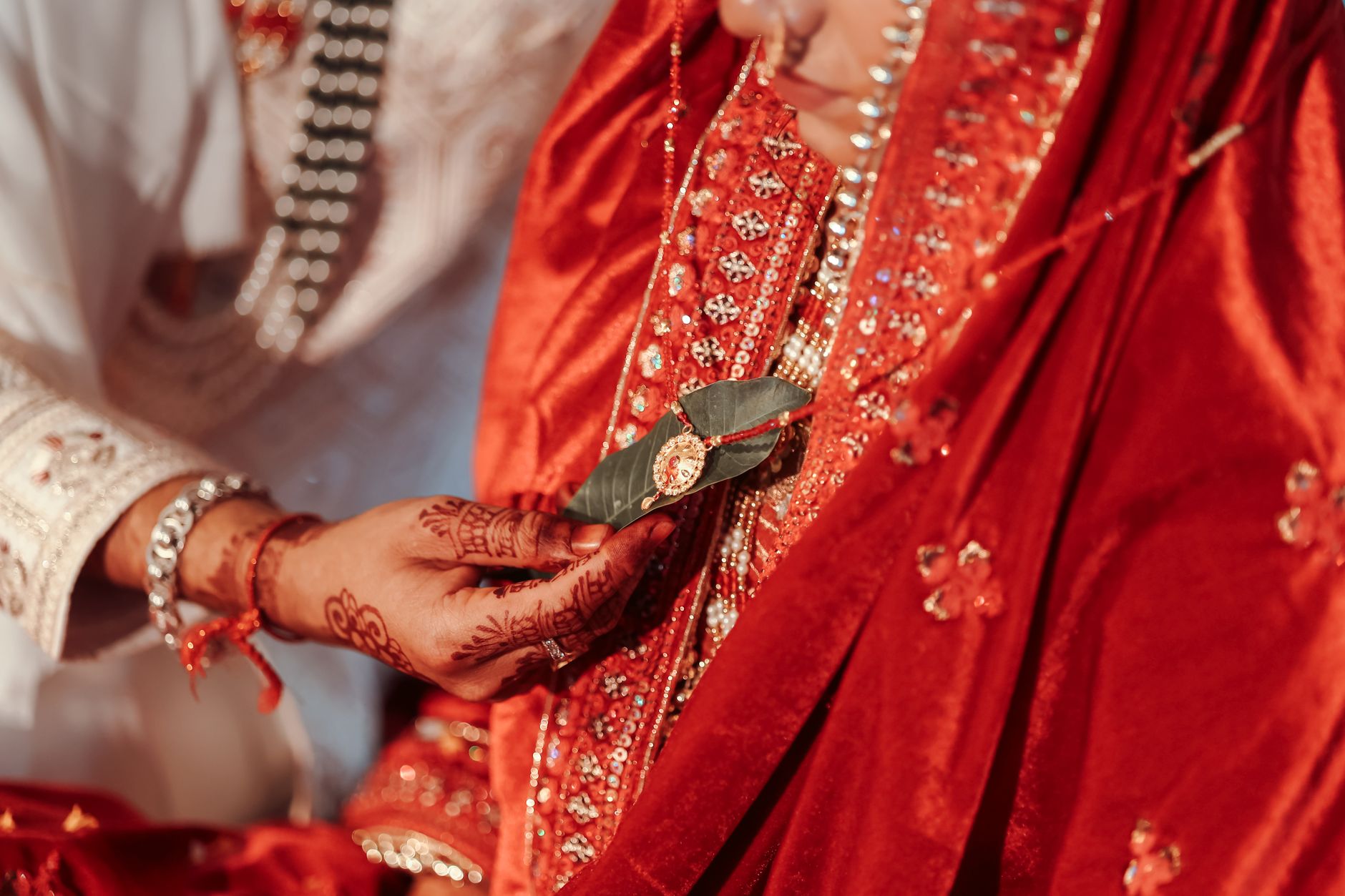 Brahmin Ceremony Ritual Essentials
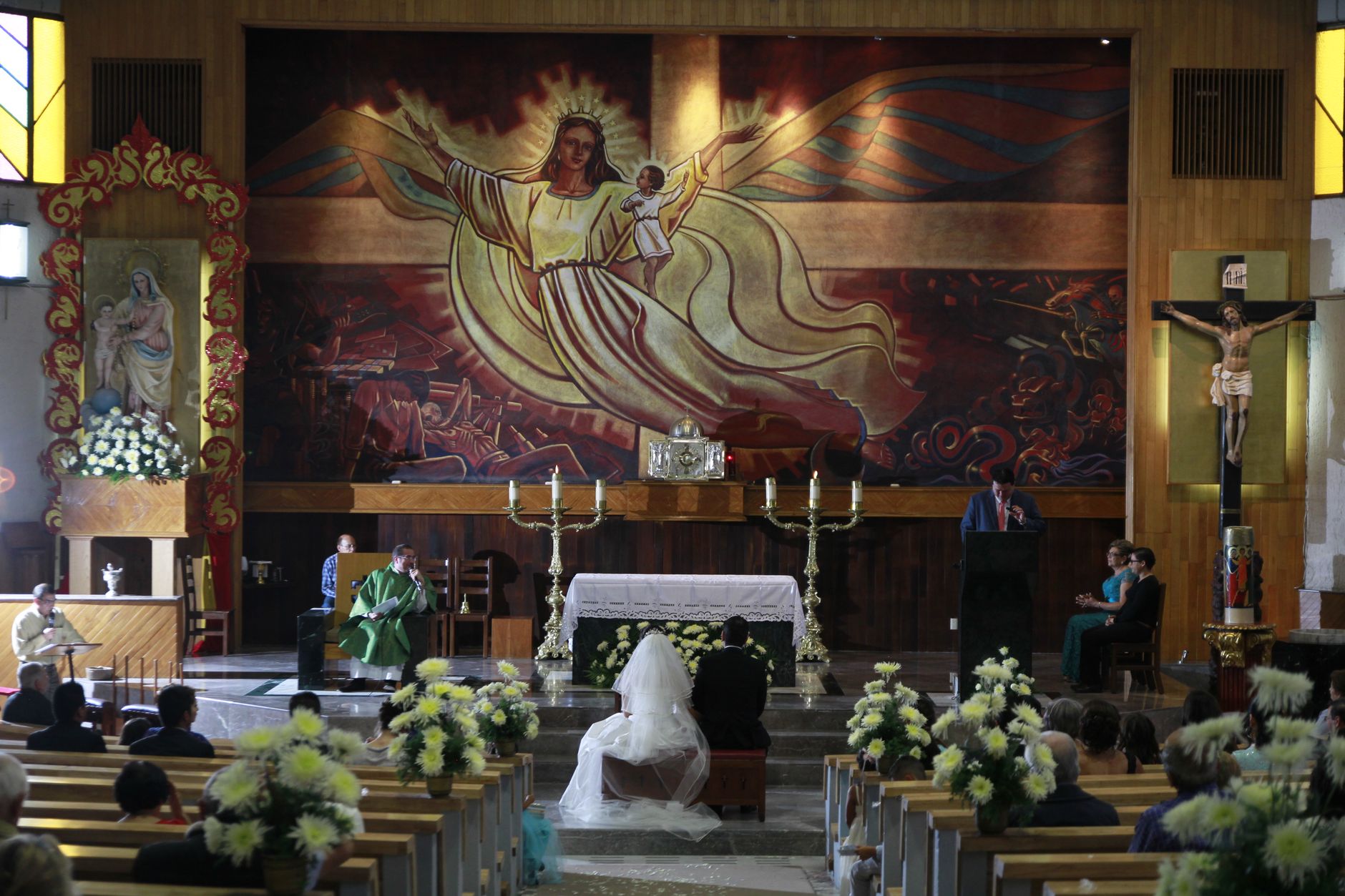 Church Matrimonial Essentials
 Custom Ceremony Bouquets
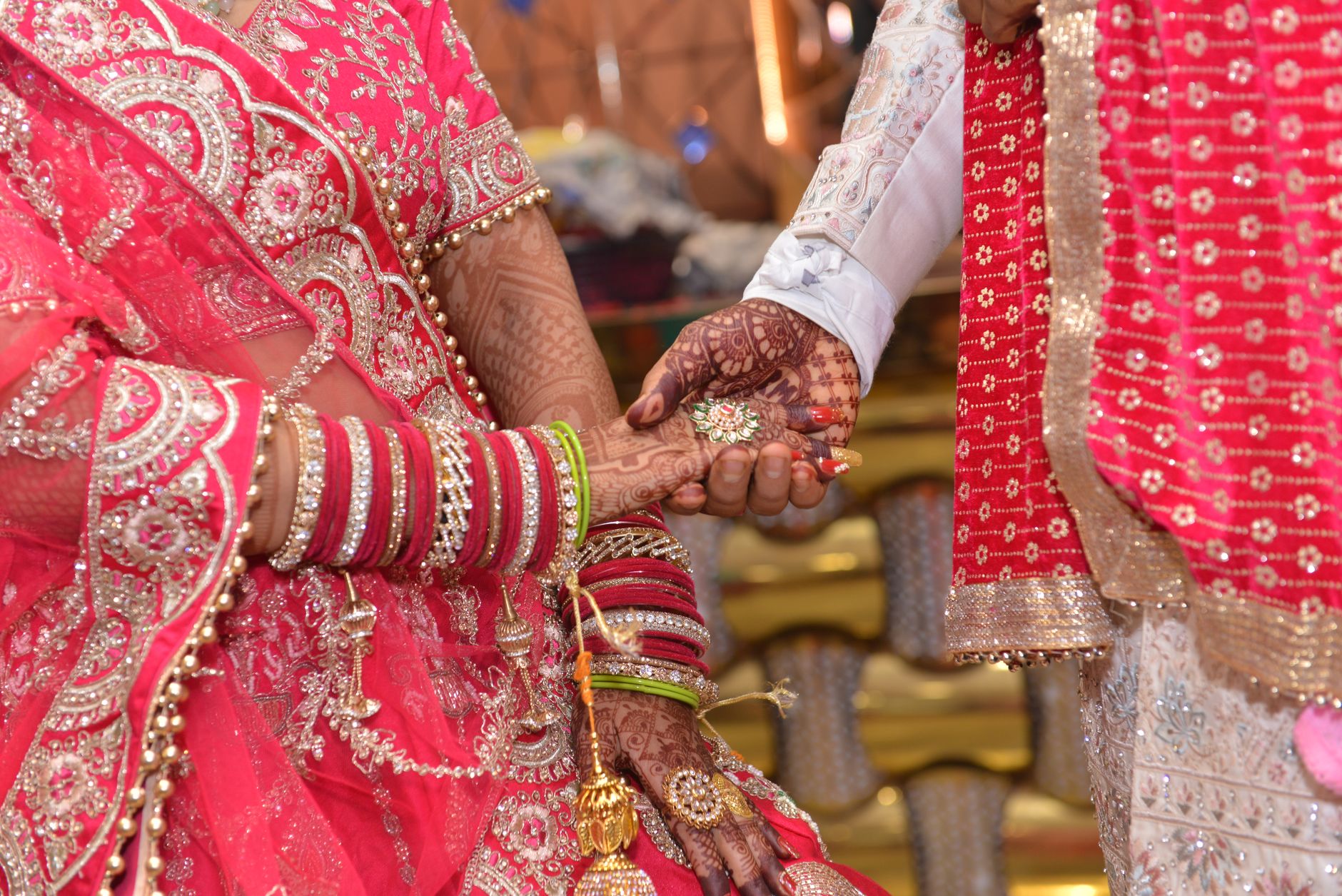 Designer Jaimala
 Function Champagne Service
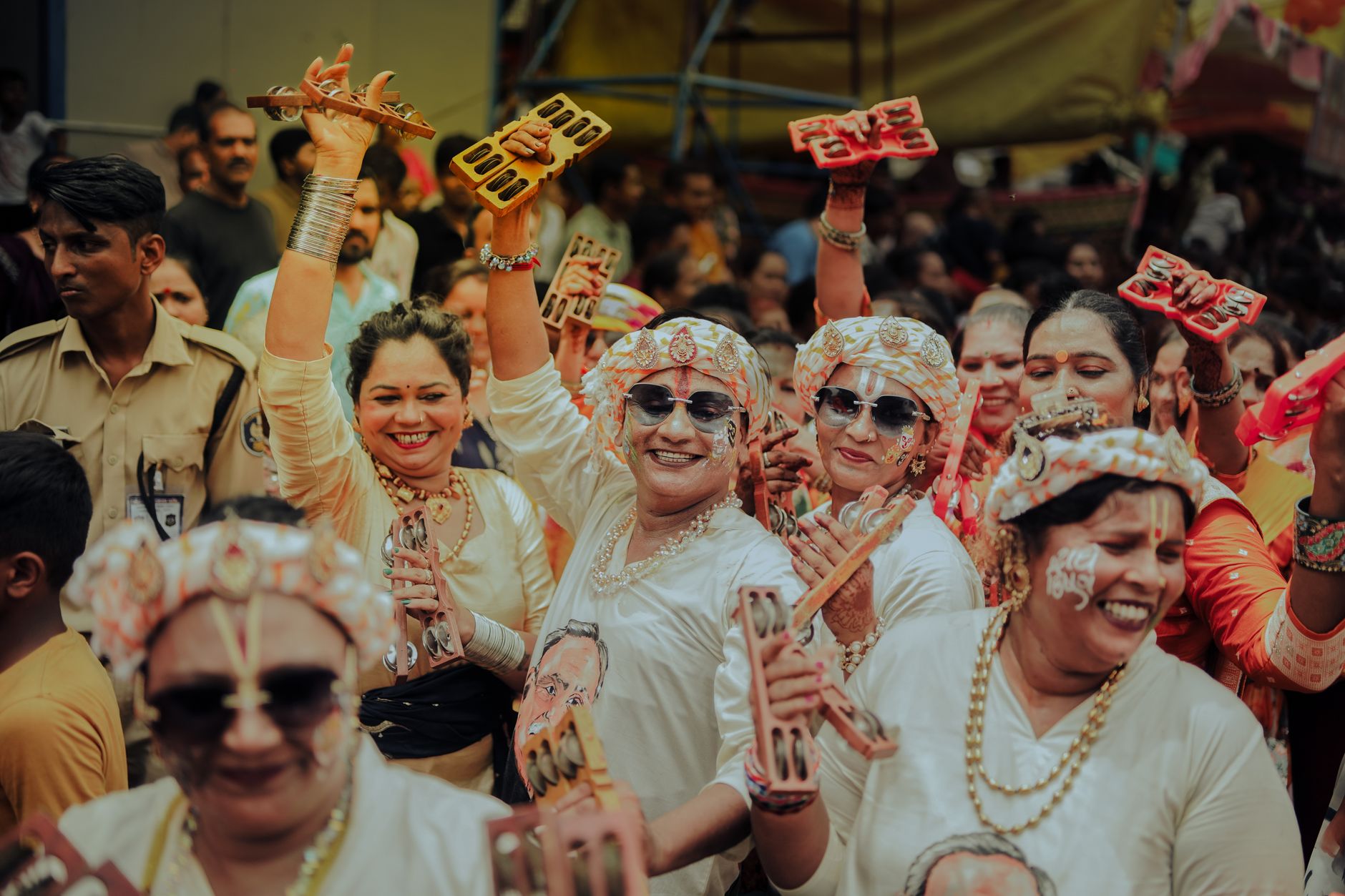 Function Devotional Music
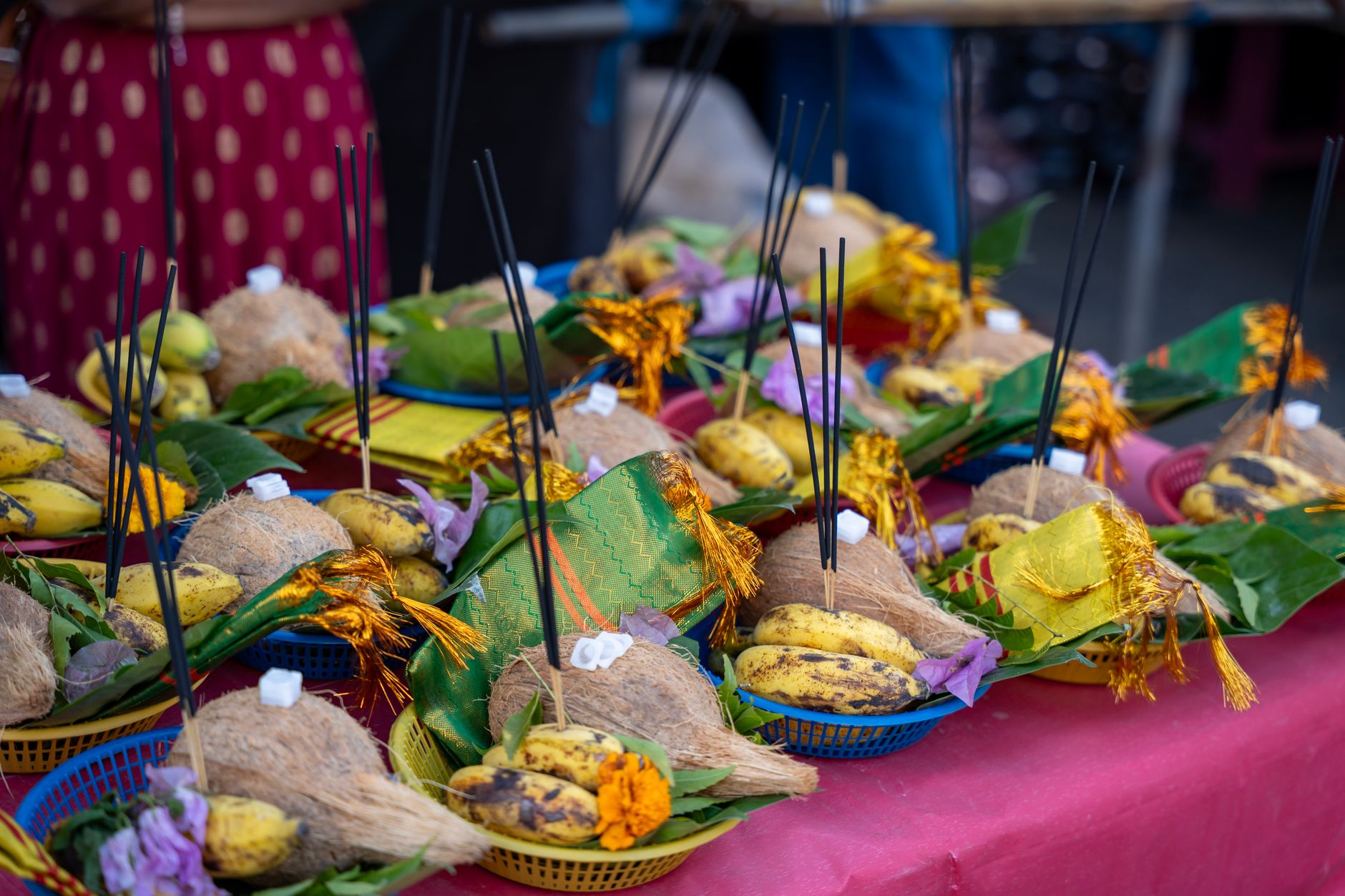 Guest Flower Baskets
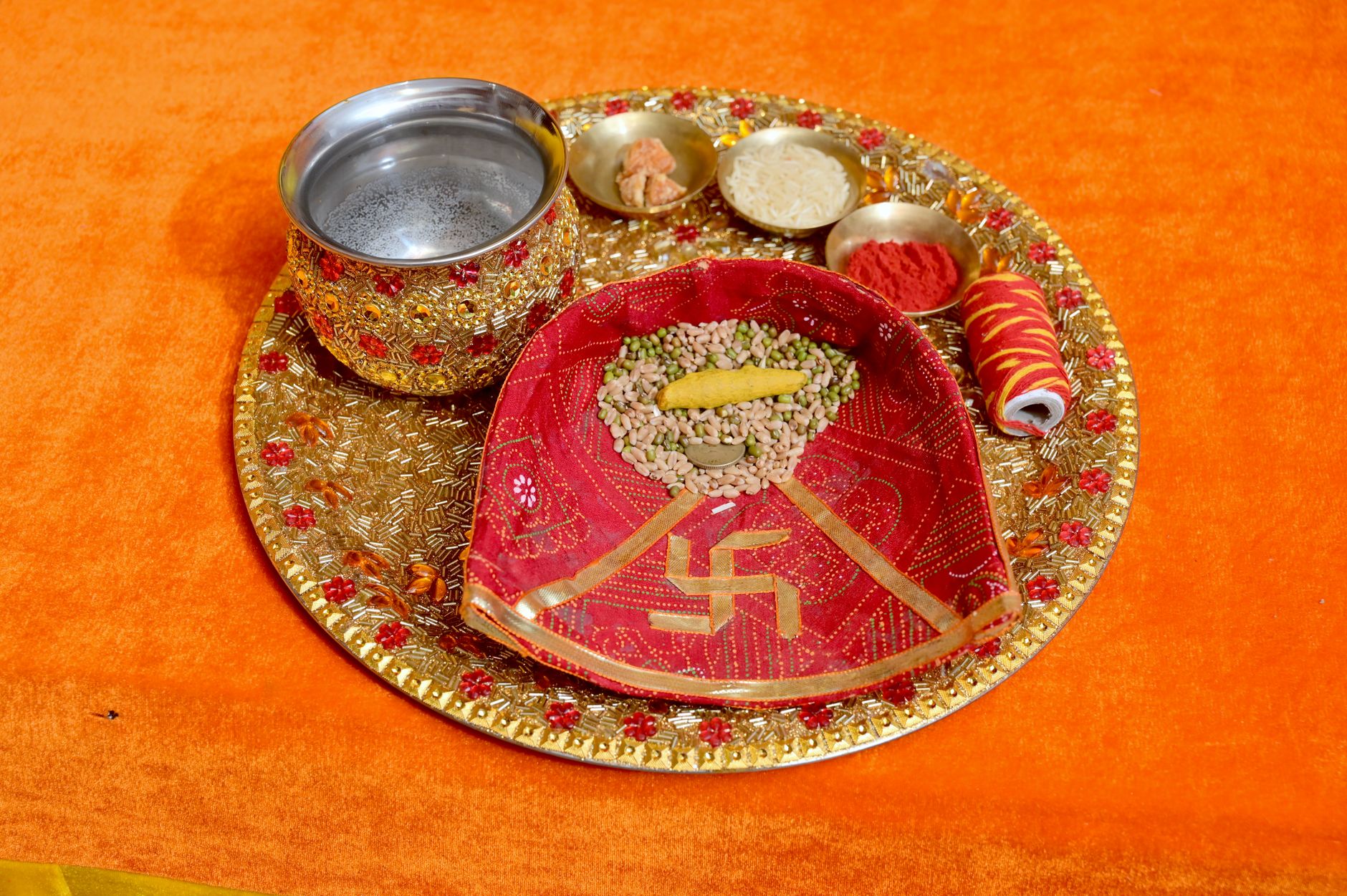 Gujarati Celebration Ritual Items
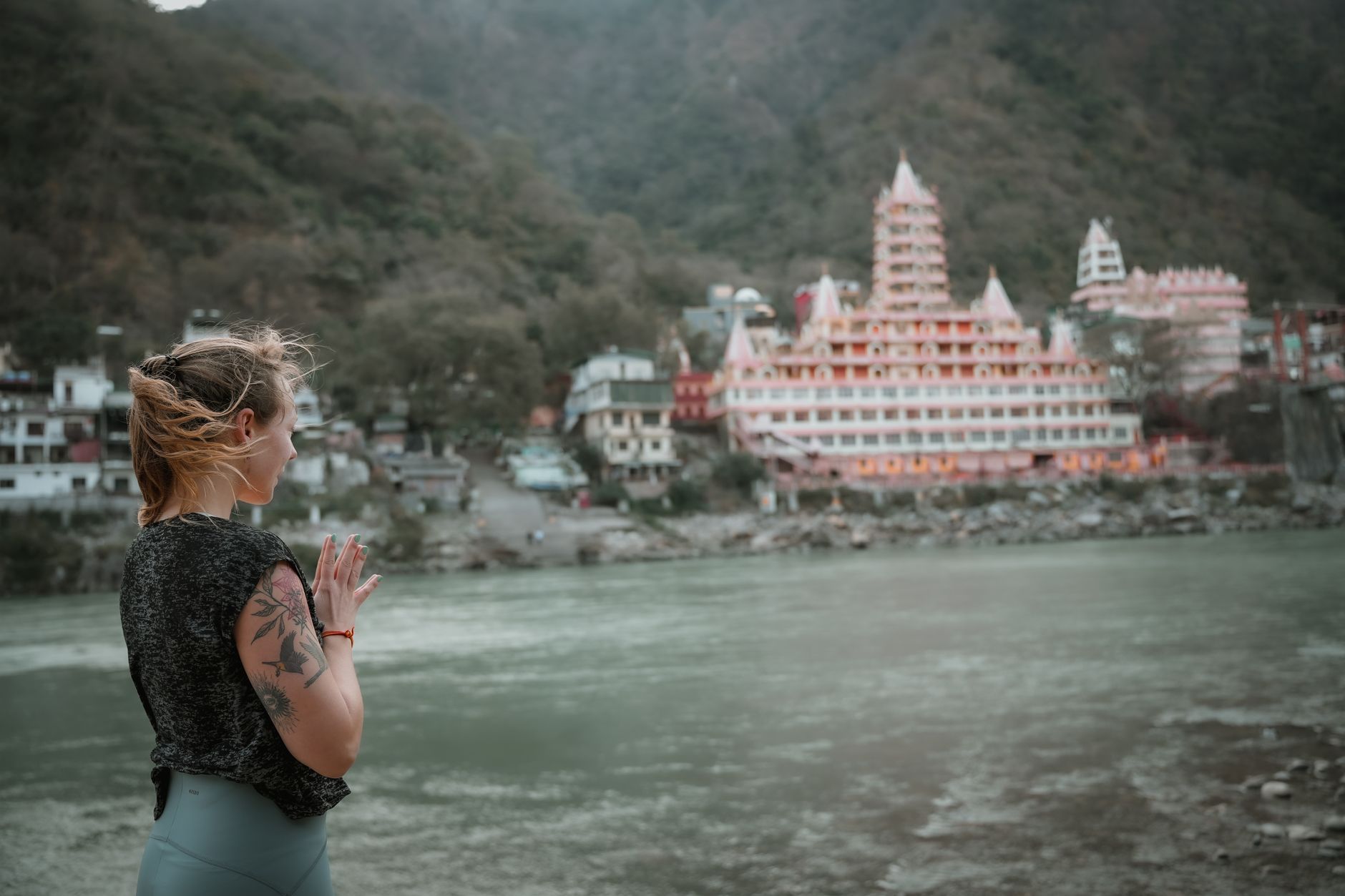 Jain Religious Marriage Articles
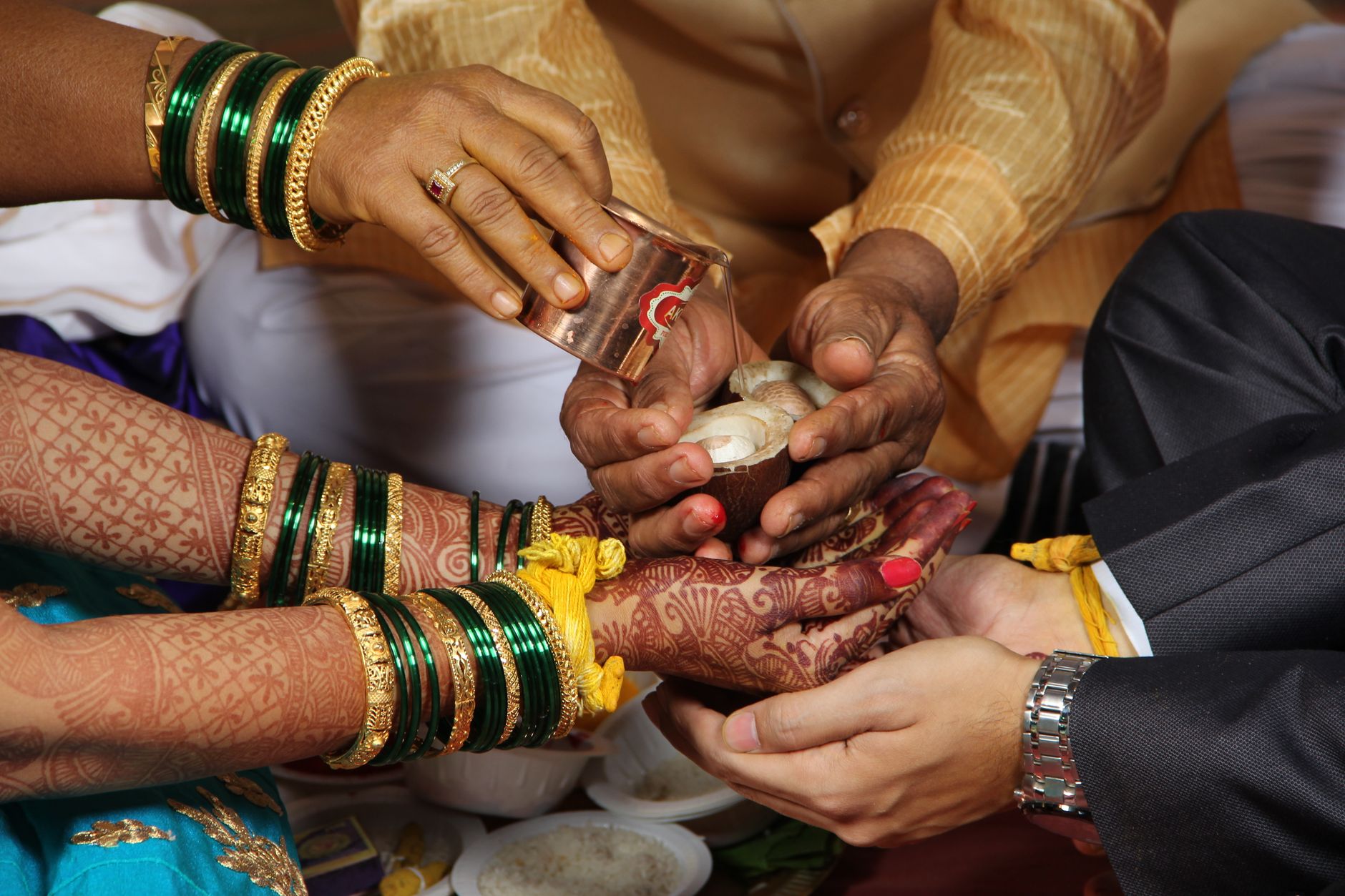 Kannada Celebration Ceremony Items
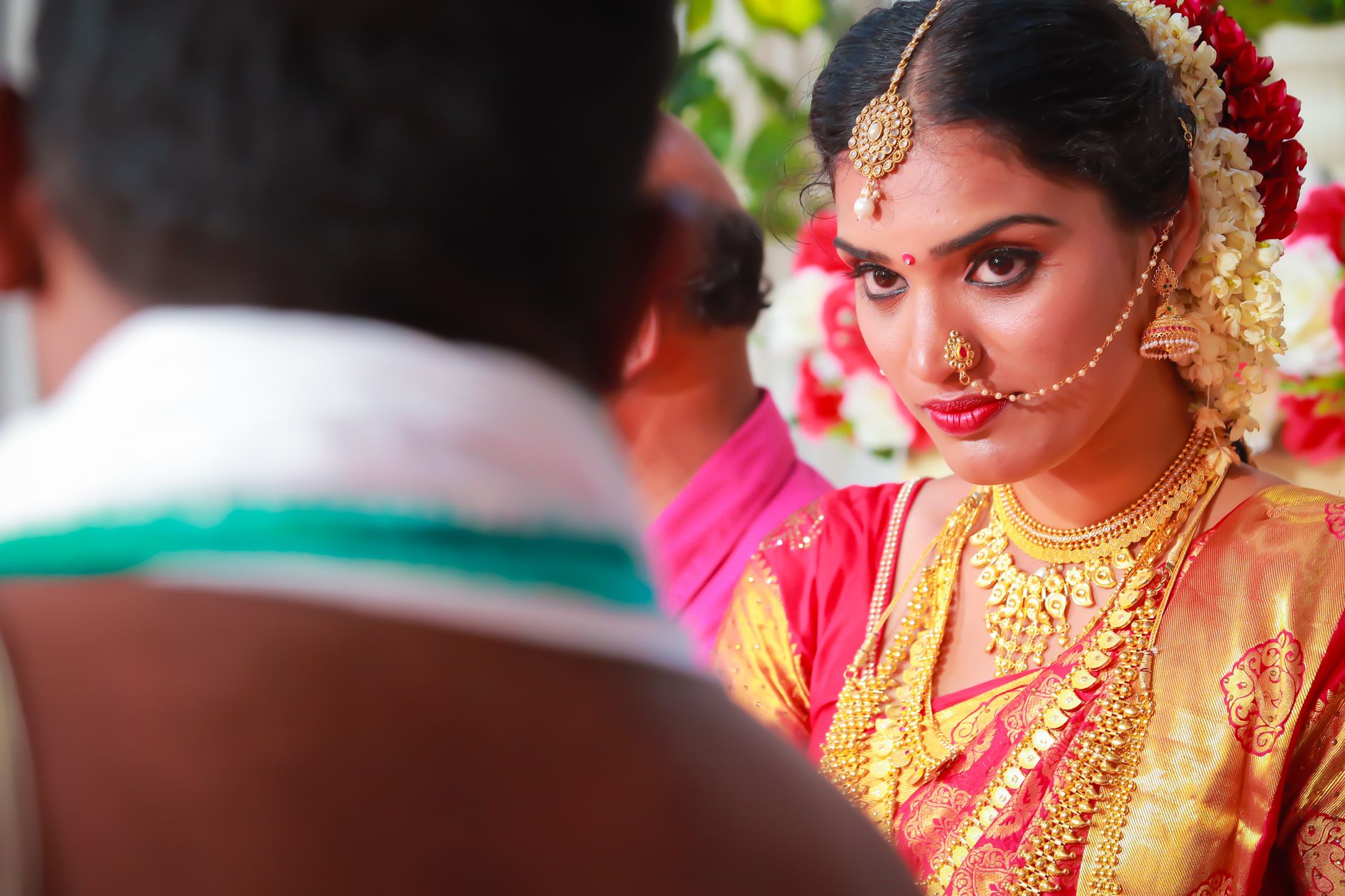 Kerala Kalyanam Ceremony Items
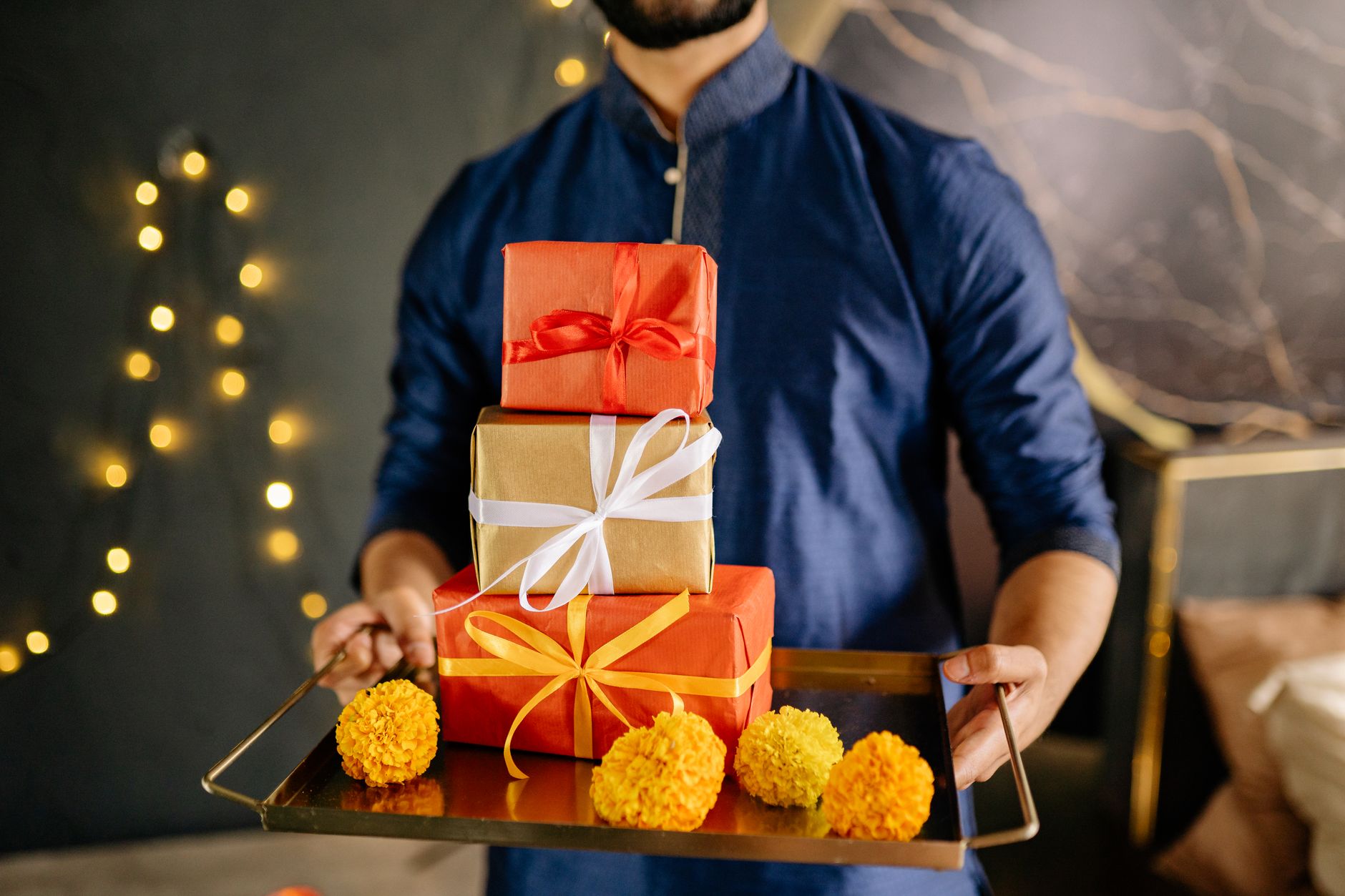 Marriage Thank You Gifts
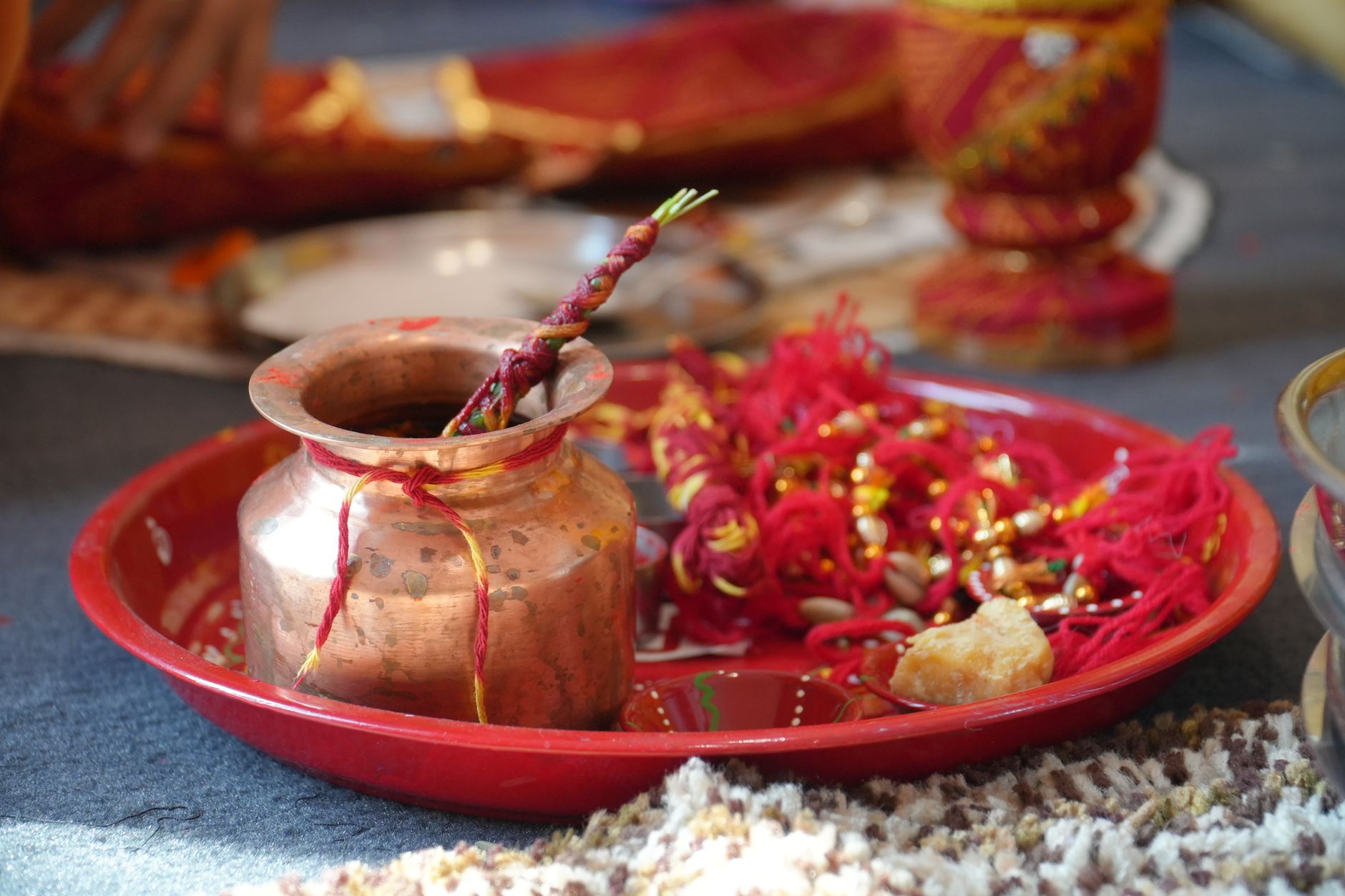 Marwari Celebration Pooja Articles
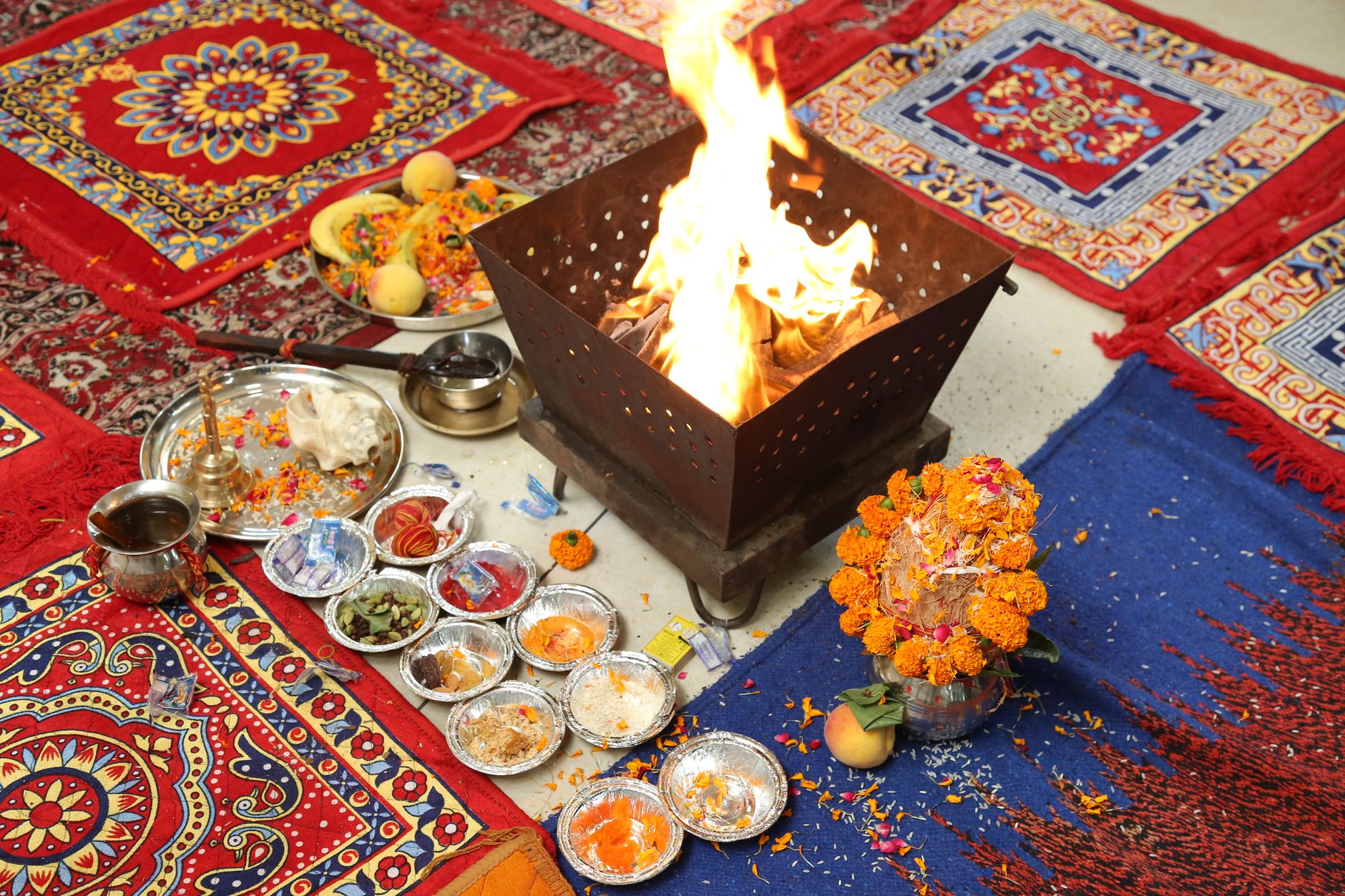 Matrimonial Horoscope Services
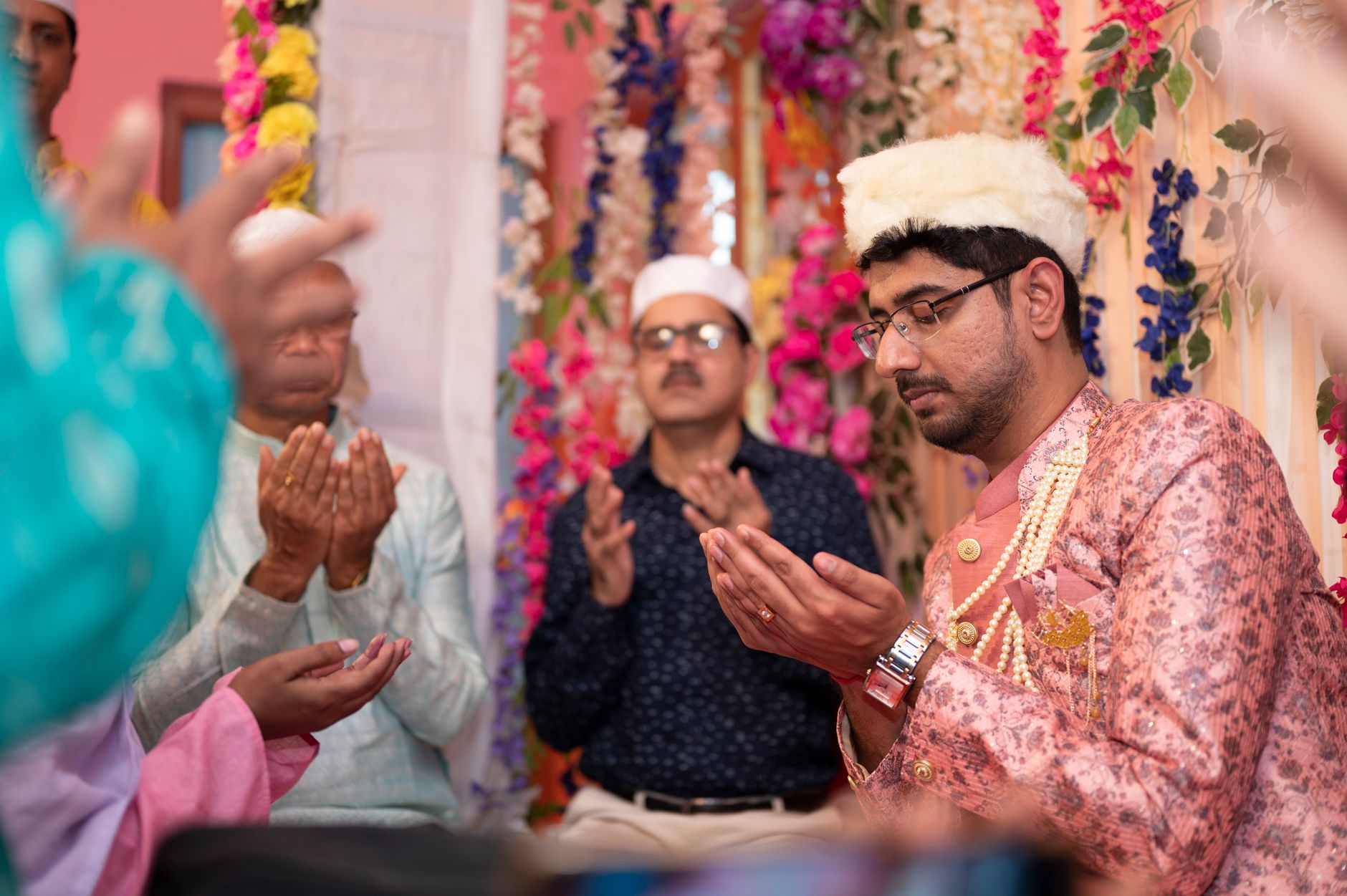 Nikah Ritual Essentials
 Premium Car Decoration
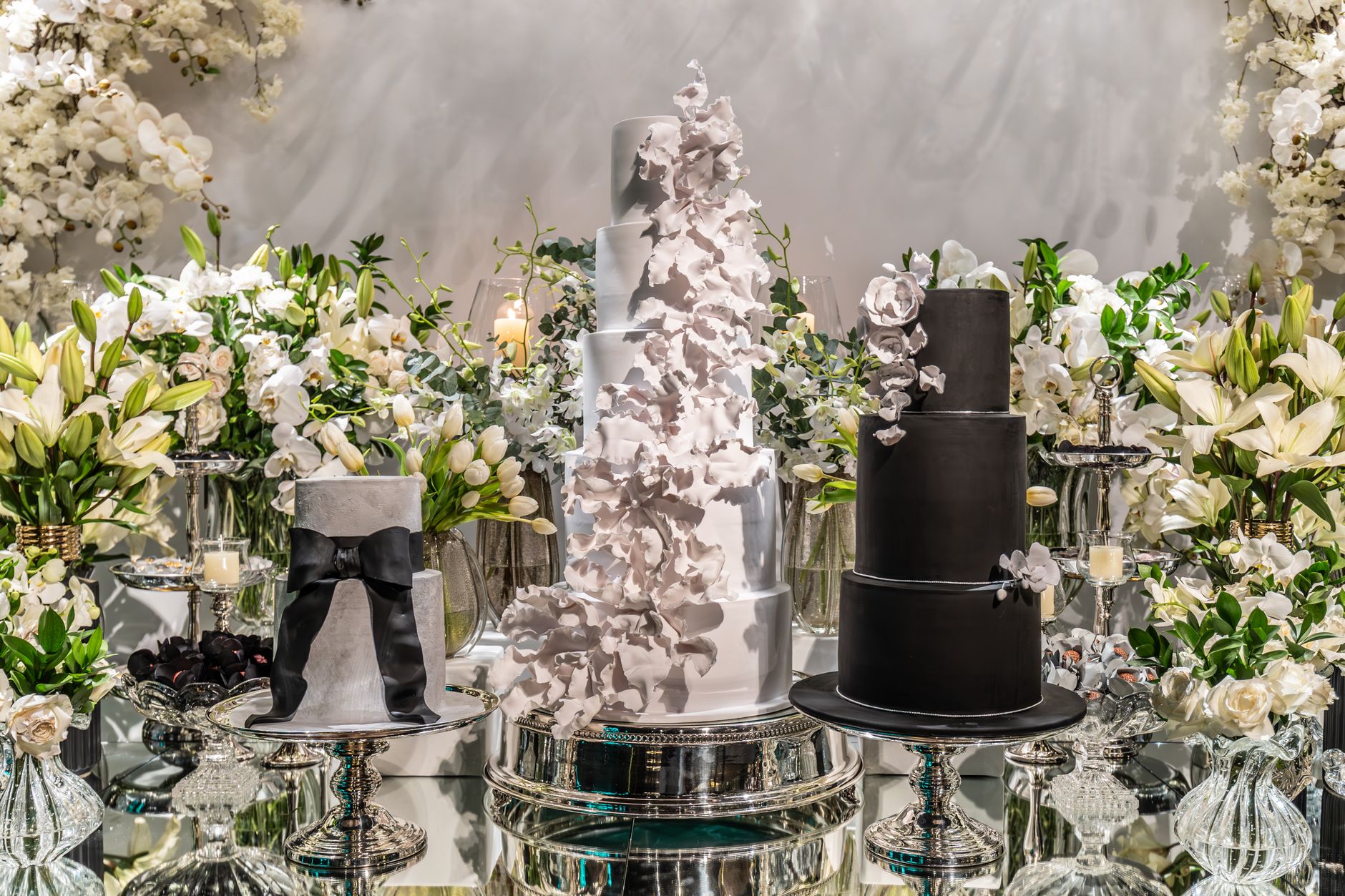 Premium Celebration Cakes
 Premium Lapel Florals
 Premium Ring Trays
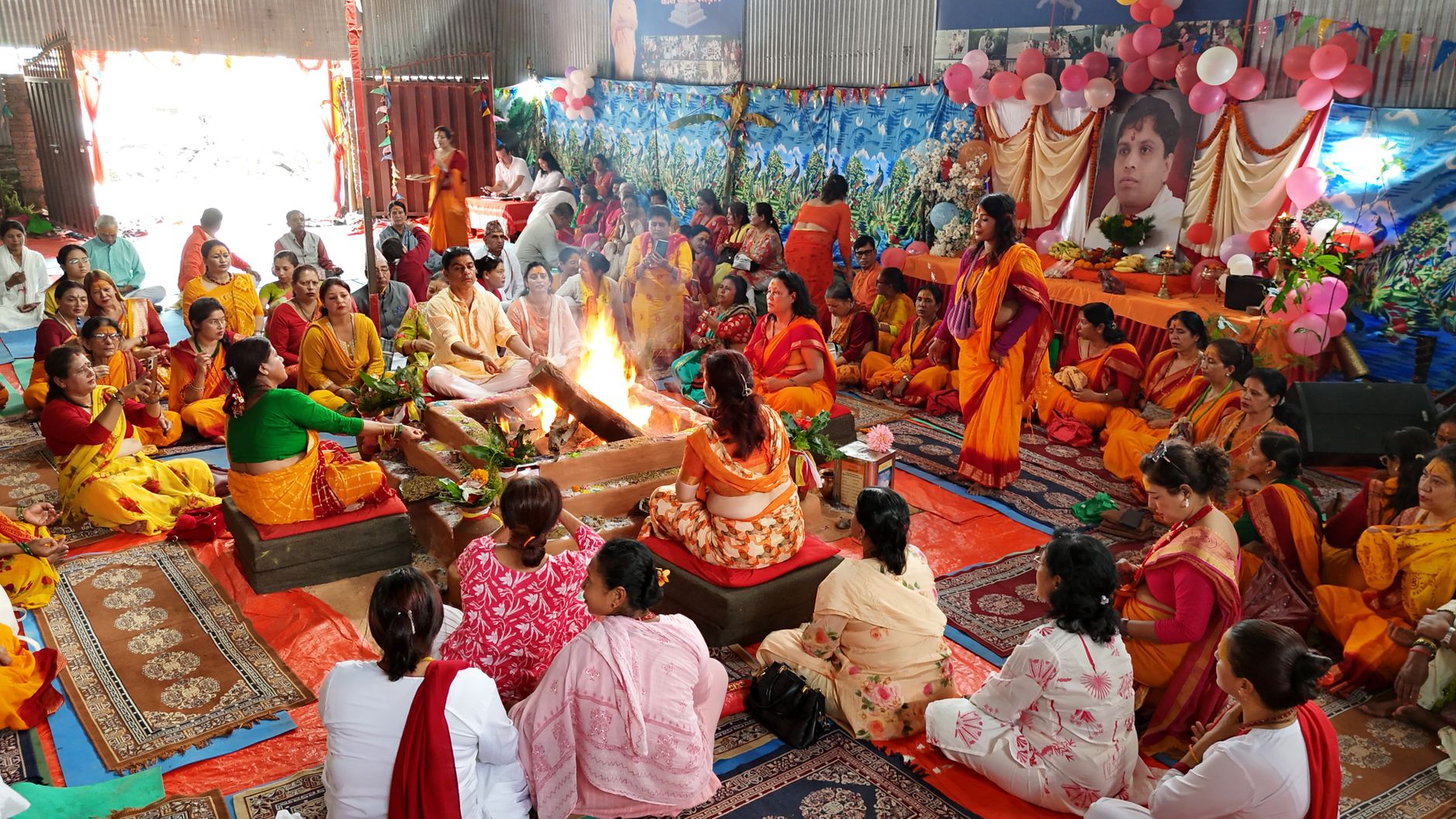 Sacred Ceremony Kits
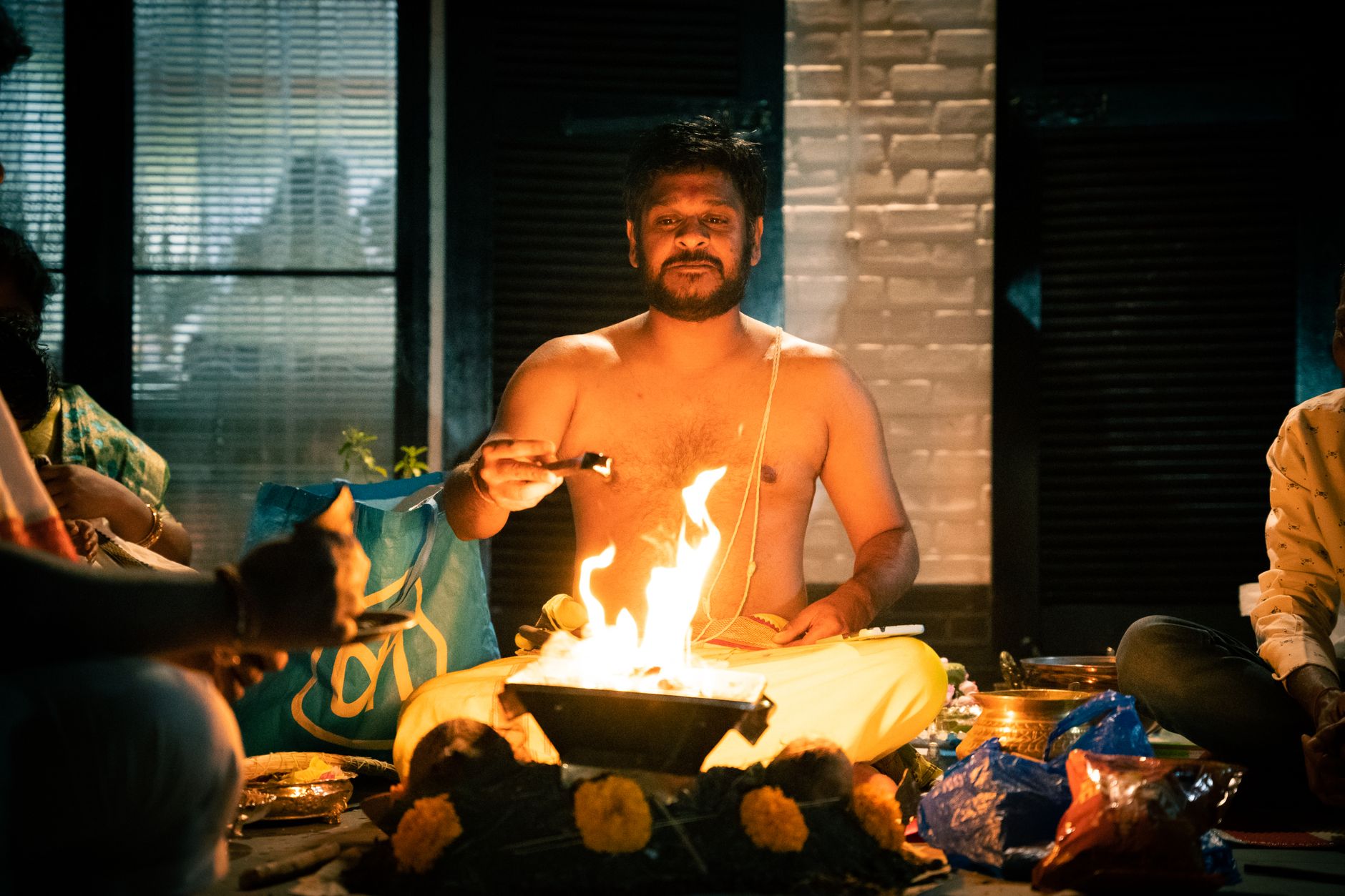 Sacred Ceremony Priest
 Sacred Function Livestream
 Spiritual Marriage Celebrant
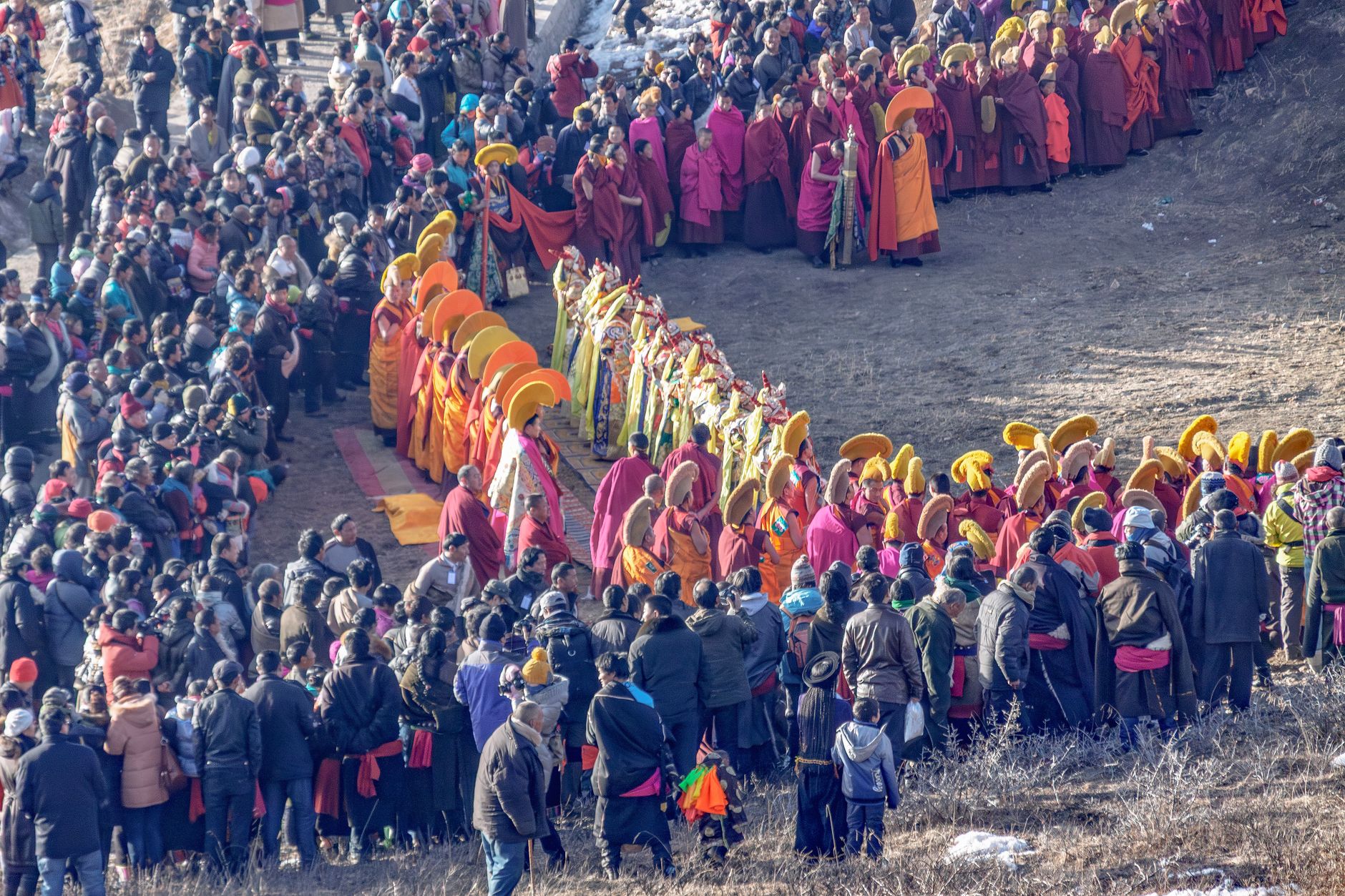 Spiritual Vocal Ensemble
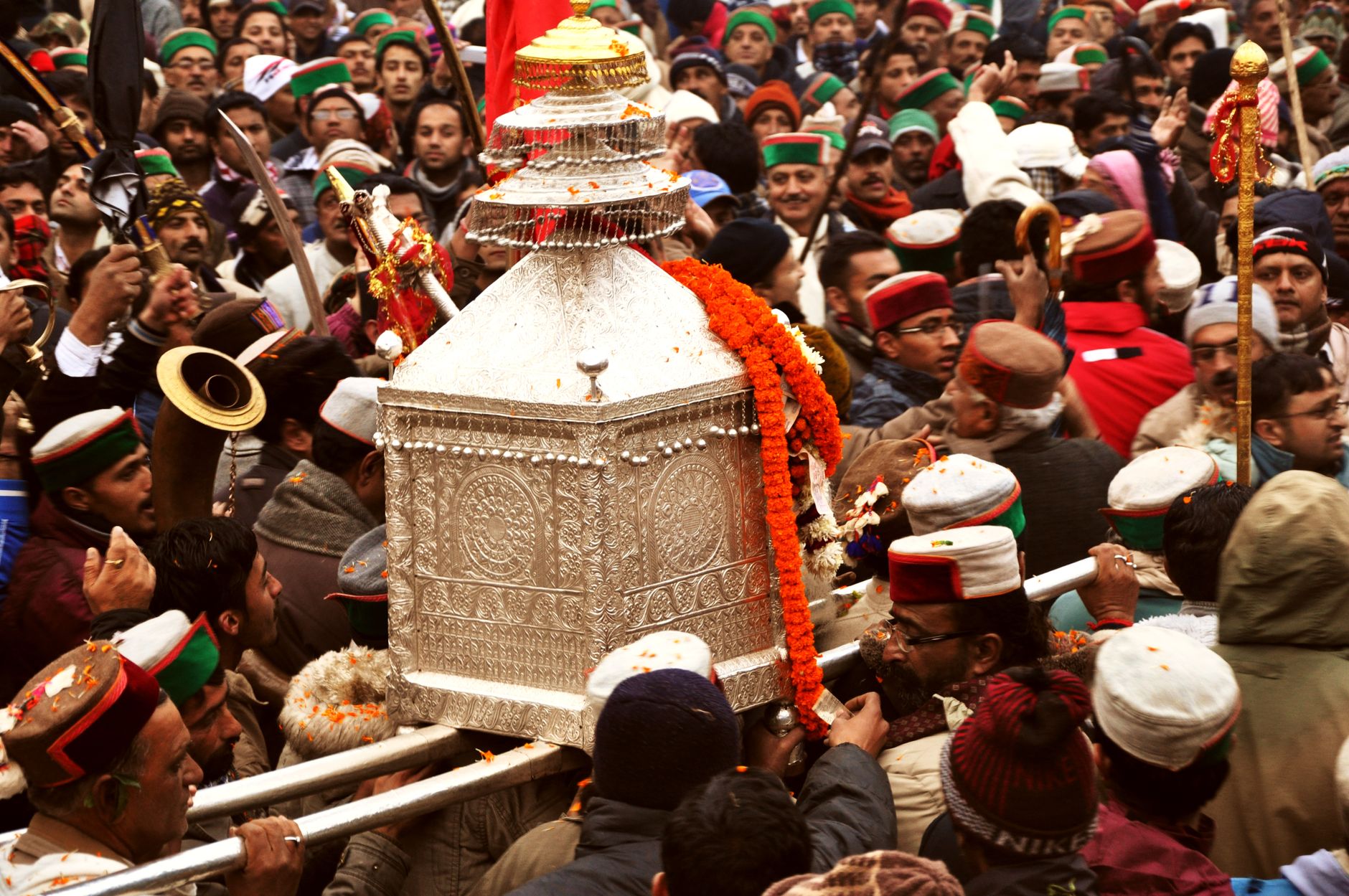 Tamil Sacred Marriage Supplies
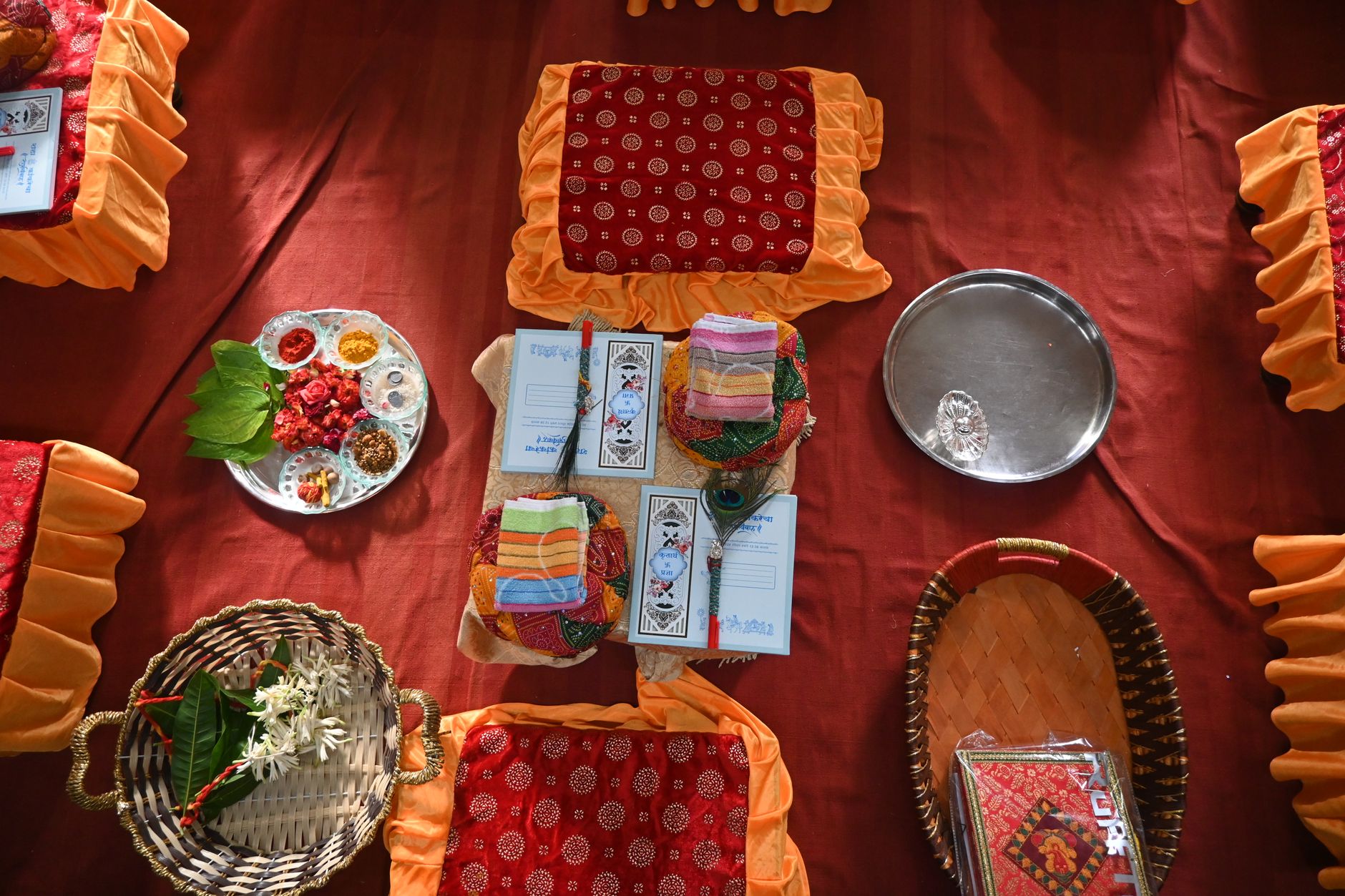 Telugu Pelli Ceremony Articles
- 400+Curated Events
- 6Event Universes
- 1000+Verified Vendors
- 70+Locations
- 24/7Customer Support


Not sure which packages fits your celebration?
Let Hiya & Hanu help you find the perfect match!
Explore Celebration Packages- AI-Powered MatchingSmart suggestions for you
- Budget OptimizerGet the best experiences in your budget
- End-to-End SupportWe are with you at every step
Serving Celebrations across 75+ locations in India
Traditional Spiritual Ceremonies That Honour Sacred Customs and Family Traditions
◆The Meaning Behind Traditional Spiritual Ceremonies
Traditional spiritual ceremonies connect families with customs, beliefs and practices that have been respected across generations. They can mark important occasions, express gratitude, seek blessings or bring loved ones together through a shared spiritual experience.
Unlike an event where decoration or entertainment takes centre stage, a spiritual ceremony is primarily shaped by its meaning. The rituals, prayers, offerings and participation of family members all contribute to the character of the occasion.
Traditional spiritual ceremonies can vary considerably between families and communities. For this reason, preparation should begin by understanding the specific customs associated with the occasion. A thoughtful approach ensures that important practices are respected while the practical aspects are managed efficiently.
Preserving Family Customs Through Ceremony
Family traditions often give spiritual occasions their most personal character. Certain rituals, timings, prayers or ceremonial practices may have been followed by parents and grandparents and continue to be meaningful to younger generations.
Recording these preferences before planning begins can help preserve important details. Families may wish to discuss traditional practices with older relatives so that valuable knowledge is not unintentionally missed.
Professional ceremony support can complement these traditions rather than replace them. The purpose is to organise the practical elements around the family's established customs, allowing the occasion to remain authentic and personal.
Understanding the Purpose of the Occasion
Every spiritual gathering has a reason behind it. It may be connected with a blessing, milestone, family prayer, religious observance, new beginning or another significant moment.
Understanding the purpose helps determine the appropriate ceremony structure. It also influences the venue, number of participants, ritual materials, timing and involvement of spiritual professionals.
Before confirming arrangements, families should create a simple overview of what the ceremony needs to achieve. This provides a useful foundation for discussions with organisers, priests and other service providers.
Planning the Ritual Sequence Carefully
Many traditional ceremonies involve several stages that need to happen in a particular order. A clear sequence helps family members understand when they need to participate and ensures essential preparations are completed beforehand.
The programme may include preparation of the ceremonial space, prayers, offerings, specific rituals and concluding traditions. The exact structure depends on the family's religious or cultural practice.
Professional coordination can make this process easier by preparing a schedule and communicating responsibilities. This allows the family to focus on participation rather than managing every logistical detail during the ceremony.
Preparing an Appropriate Sacred Space
The ceremonial setting should reflect the importance of the occasion. A clean and organised space provides a suitable environment for prayers and rituals.
Depending on the ceremony, the sacred area may require particular seating, vessels, lamps, flowers, offerings or other traditional elements. These details should be confirmed beforehand rather than arranged at the last minute.
Traditional spiritual ceremonies can take place in different settings, including homes, temples, halls and suitable event venues. The best choice depends on the nature of the ritual, guest numbers and family preferences.
Choosing Traditional Decorations
Decoration should support the atmosphere of the ceremony while remaining respectful of its purpose. Natural flowers, traditional fabrics, lamps and understated decorative features can create an appropriate setting.
Ceremonial flower arrangements are often used around sacred spaces, entrances or areas where guests gather. The selection can reflect family preferences and the customs associated with the occasion.
Good decoration planning also considers practical requirements. The sacred area should remain accessible, and decorative elements should not interfere with the movement of participants or the work of ceremonial professionals.
Arranging Ritual Materials
A carefully prepared materials checklist can prevent unnecessary interruptions during the ceremony. Requirements may vary depending on the spiritual tradition and the particular ritual being performed.
Common categories may include flowers, fruits, offerings, lamps, vessels, sacred items and other materials specified by the ceremonial professional.
Rather than assuming that every ceremony uses the same items, families should confirm the list in advance. This is particularly important when arranging a traditional ceremony based on family-specific practices.
Working With Experienced Spiritual Professionals
Experienced spiritual or religious professionals can provide valuable guidance on ceremonial procedures. They can explain preparation requirements, ritual sequences and the role family members may play.
Priest coordination services can also help families manage timings and ceremonial requirements. Early communication gives everyone an opportunity to confirm the programme and materials.
Families should discuss any specific customs they want to maintain. This is especially important when a ceremony has been adapted over generations or includes particular family practices.
Including Different Generations
One of the most valuable aspects of traditional ceremonies is the opportunity to bring different generations together. Older relatives may provide knowledge about customs, while younger family members can learn about practices that might otherwise become less familiar.
Participation can be organised according to age, ability and comfort. Older guests may need convenient seating, while younger participants can be given simple roles that help them understand the significance of the occasion.
This intergenerational involvement can make the ceremony more meaningful and help preserve cultural knowledge for the future.
Creating a Welcoming Environment for Guests
A traditional ceremony can include close family members as well as friends and wider relatives. Guest arrangements should therefore be considered alongside ceremonial requirements.
Clear seating arrangements, accessible entrances and comfortable waiting areas can improve the experience. If the ceremony takes place over an extended period, refreshments and suitable facilities should also be considered.
For larger gatherings, guest movement should be planned so that the main ceremonial area remains calm and accessible. Professional coordination can help manage these practical details.
Respecting Cultural and Religious Differences
There is no single format for spiritual ceremonies. Practices can differ according to family background, community, religious tradition and personal observance.
Respectful planning means avoiding assumptions and confirming requirements with knowledgeable family members or appropriate spiritual professionals. The same approach should be followed when selecting decorations, materials, music or other supporting elements.
A good ceremony provider should listen carefully before making recommendations. Understanding the family's expectations is essential for creating an experience that feels genuine.
Balancing Tradition With Modern Planning
Modern organisation does not have to diminish traditional values. Digital schedules, preparation checklists, supplier coordination and guest information can make the practical side of the ceremony easier to manage.
The key is to use modern planning methods behind the scenes while allowing the ceremony itself to remain rooted in its established customs.
This approach can be particularly helpful for busy families who want to observe traditions but may not have enough time to manage every logistical responsibility themselves.
Planning for Different Venue Types
The venue should be selected according to the requirements of the ceremony rather than decoration alone. A family home may provide an intimate environment, while a larger hall may be more suitable for an extended gathering.
When evaluating a venue, families should consider available space, accessibility, seating, cleanliness, facilities and suitability for the required rituals.
Venue coordination should also account for suppliers and ceremonial professionals. Materials, flowers and other arrangements should be able to reach the venue at the appropriate time.
Making the Ceremony Personal
Traditional practices can remain authentic while still reflecting the personality of the family. Personal touches may include meaningful flowers, family customs, traditional objects or ways of involving relatives.
Personalisation should complement rather than overshadow the established ceremony. Any changes should be discussed beforehand with the appropriate spiritual professional.
This balance allows families to create an occasion that feels connected to their heritage while remaining relevant to the people participating today.
Managing the Ceremony Budget
A realistic budget helps families prioritise the most important requirements. Costs can depend on venue hire, ceremonial professionals, ritual materials, decoration, guest arrangements and coordination services.
Families can separate essential requirements from optional additions before making decisions. This makes it easier to control spending without affecting the fundamental nature of the ceremony.
Transparent communication with service providers is also important. Families should understand what is included in each service and whether additional arrangements involve separate costs.
Choosing Professional Ceremony Support
Selecting a service provider requires attention to experience, communication and cultural understanding. A provider should be willing to discuss the ceremony in detail rather than offering a generic arrangement.
Ask about the services available, including venue coordination, ritual materials, decoration, priest arrangements and guest support. Understanding the full scope makes it easier to compare options.
Professional support can be especially valuable when several suppliers are involved. Coordinating different responsibilities through one organised process can reduce confusion and last-minute pressure.
Why Traditional Ceremonies Remain Relevant
Traditional spiritual ceremonies continue to have meaning because they connect present-day families with values and practices passed down through generations. They create space for reflection, gratitude, prayer and family togetherness.
Their relevance does not depend on making every ceremony elaborate. In many cases, simple and carefully observed traditions can be more meaningful than extensive decoration or large-scale arrangements.
The important factor is respect for the purpose of the occasion and the people who have gathered to observe it.
Creating a Respectful and Memorable Experience
The best ceremonies bring together tradition, preparation and genuine family participation. When the venue is ready, materials are organised and responsibilities are clear, everyone can give greater attention to the spiritual purpose of the occasion.
Traditional spiritual ceremonies become especially meaningful when practical planning remains in the background and the customs themselves remain at the centre.
With thoughtful preparation and appropriate professional support, families can preserve important traditions while creating a calm and welcoming experience for everyone present.
Frequently Asked Questions
1. What are traditional spiritual ceremonies?
Traditional spiritual ceremonies are sacred or religious occasions that follow established customs, rituals and practices associated with a family's spiritual or cultural tradition.
2. Why are traditional spiritual ceremonies important?
They can help families preserve heritage, express devotion, seek blessings, mark important milestones and bring different generations together through shared traditions.
3. Can traditional spiritual ceremonies be held at home?
Yes. Many ceremonies can be conducted at home if the space is suitable for the required rituals, participants and ceremonial arrangements.
4. How should I prepare for a traditional spiritual ceremony?
Begin by confirming the ceremony type, required rituals, timing, spiritual professional, venue, ritual materials, guest arrangements and any family-specific customs.
5. Can a priest help determine the required ritual materials?
Yes. A knowledgeable priest or spiritual professional can usually provide guidance about the materials and preparations required for a particular ceremony.
6. Can traditional ceremonies include modern arrangements?
Yes. Modern planning tools and professional coordination can simplify logistics while allowing the actual spiritual practices to remain traditional.
7. How can family members participate in a traditional ceremony?
Participation depends on the ceremony. Family members may take part in prayers, offerings, rituals or other established practices according to the guidance of the relevant spiritual professional.
8. Can traditional spiritual ceremonies be personalised?
Yes. Appropriate family customs, meaningful elements and traditional preferences can often be included while maintaining the essential structure of the ceremony.
9. What decorations are suitable for traditional spiritual ceremonies?
Suitable options may include flowers, lamps, traditional fabrics and understated ceremonial decorations. The choices should complement the customs and sacred nature of the occasion.