

Explore All Religious Ceremonies
Discover traditional rituals, wedding ceremonies, spiritual occasions and meaningful cultural celebrations in Chennai, with trusted services to honour every tradition.
Give Thoughtfully,
Celebrate with Happiffie
From personalised gifts and curated collections to thoughtful presents for every occasion, Happiffie helps you discover gifting options that make celebrations more meaningful and memorable.
- Thoughtful Gift DiscoveryFind gifting options suited to every celebration and occasion
- Personalised GiftingDiscover customised gifts made to create meaningful moments
- Trusted Gift ProvidersConnect with reliable gifting professionals and service providers
Popular Religious Ceremonies
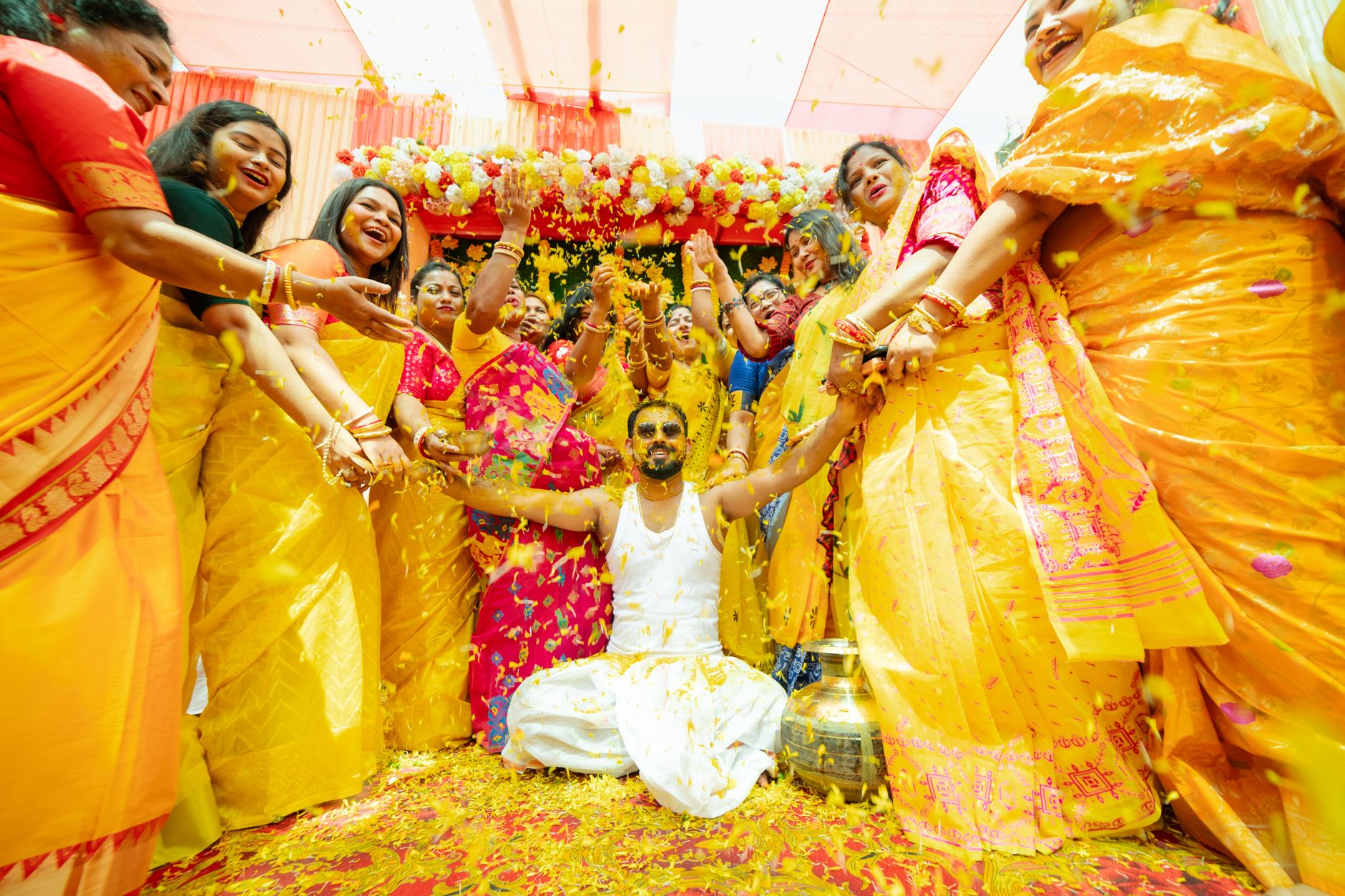 Brahmin Matrimonial Ceremony Items
 Celebration Boutonniere Sets
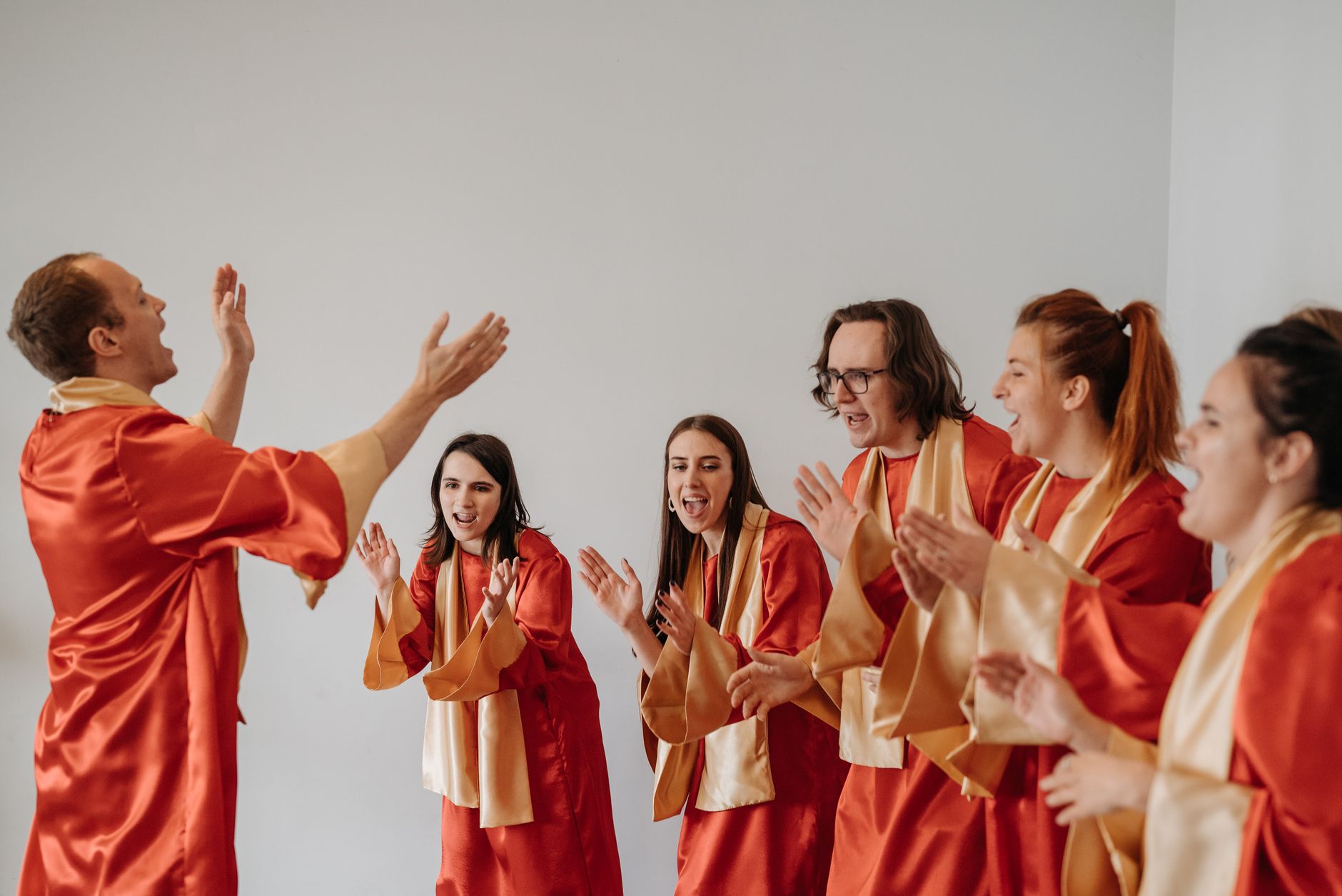 Celebration Choir Group
 Celebration Pooja Supplies
 Ceremony Vehicle Decoration
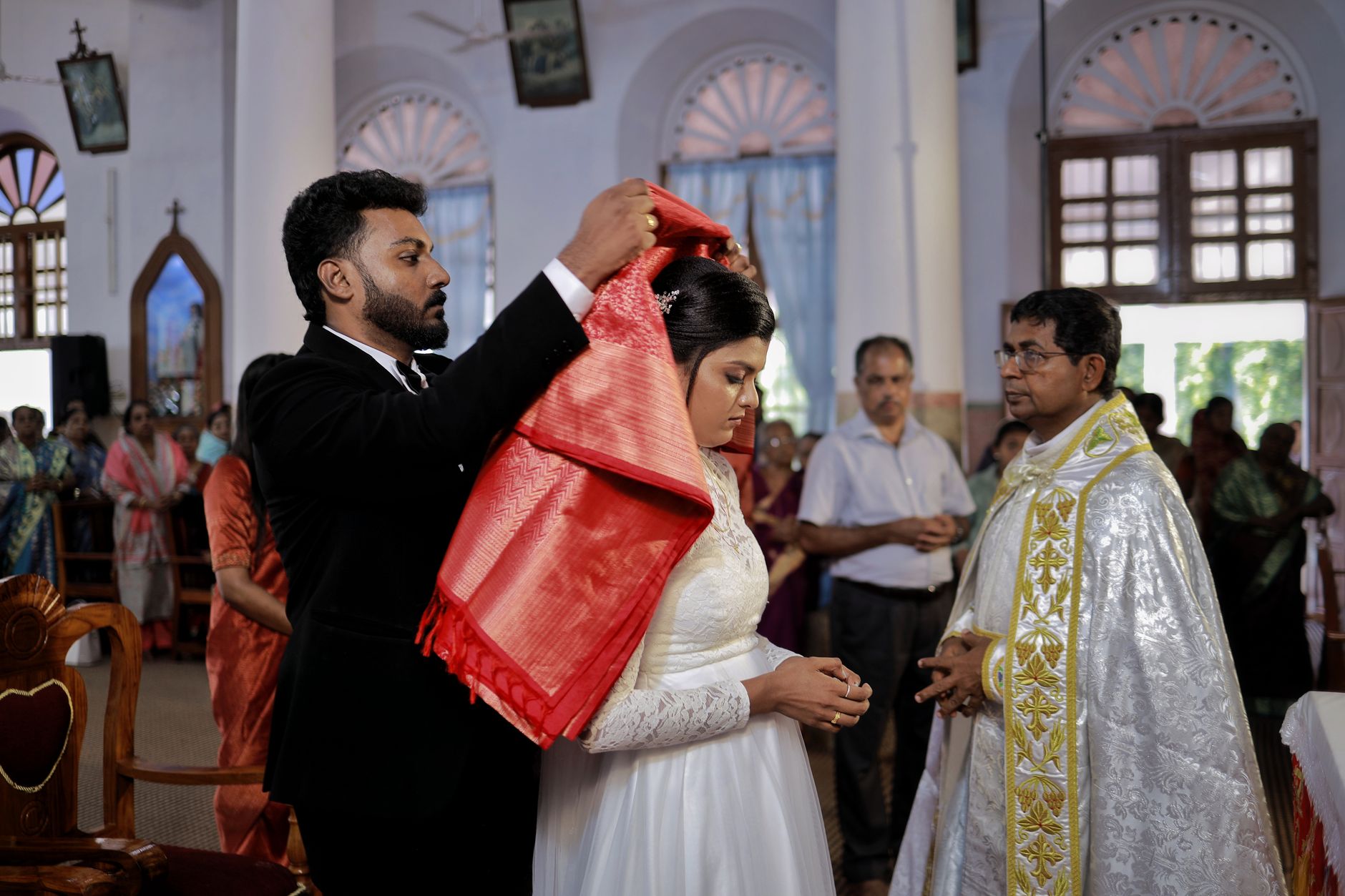 Christian Ceremony Essentials
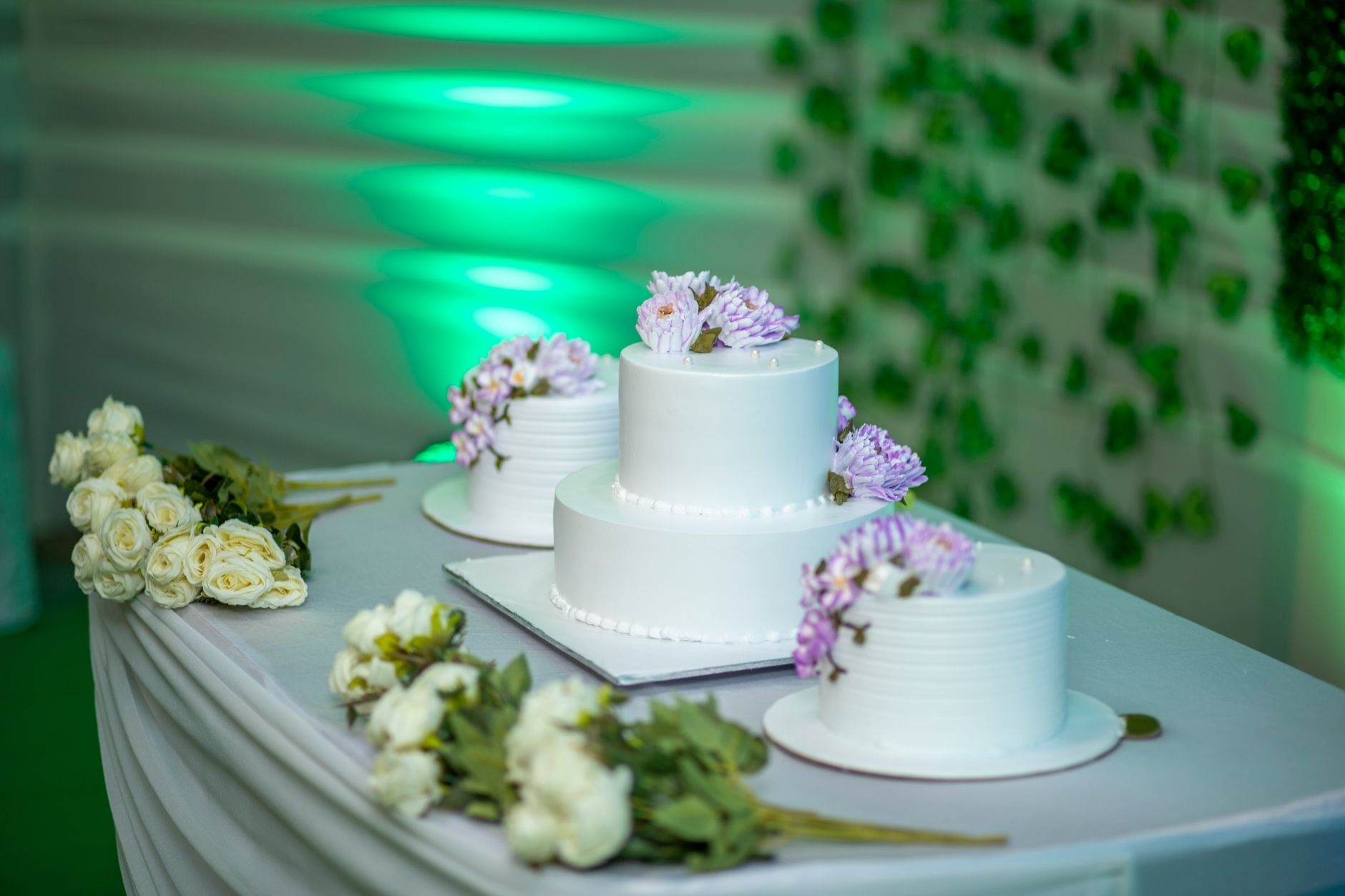 Church Marriage Cakes
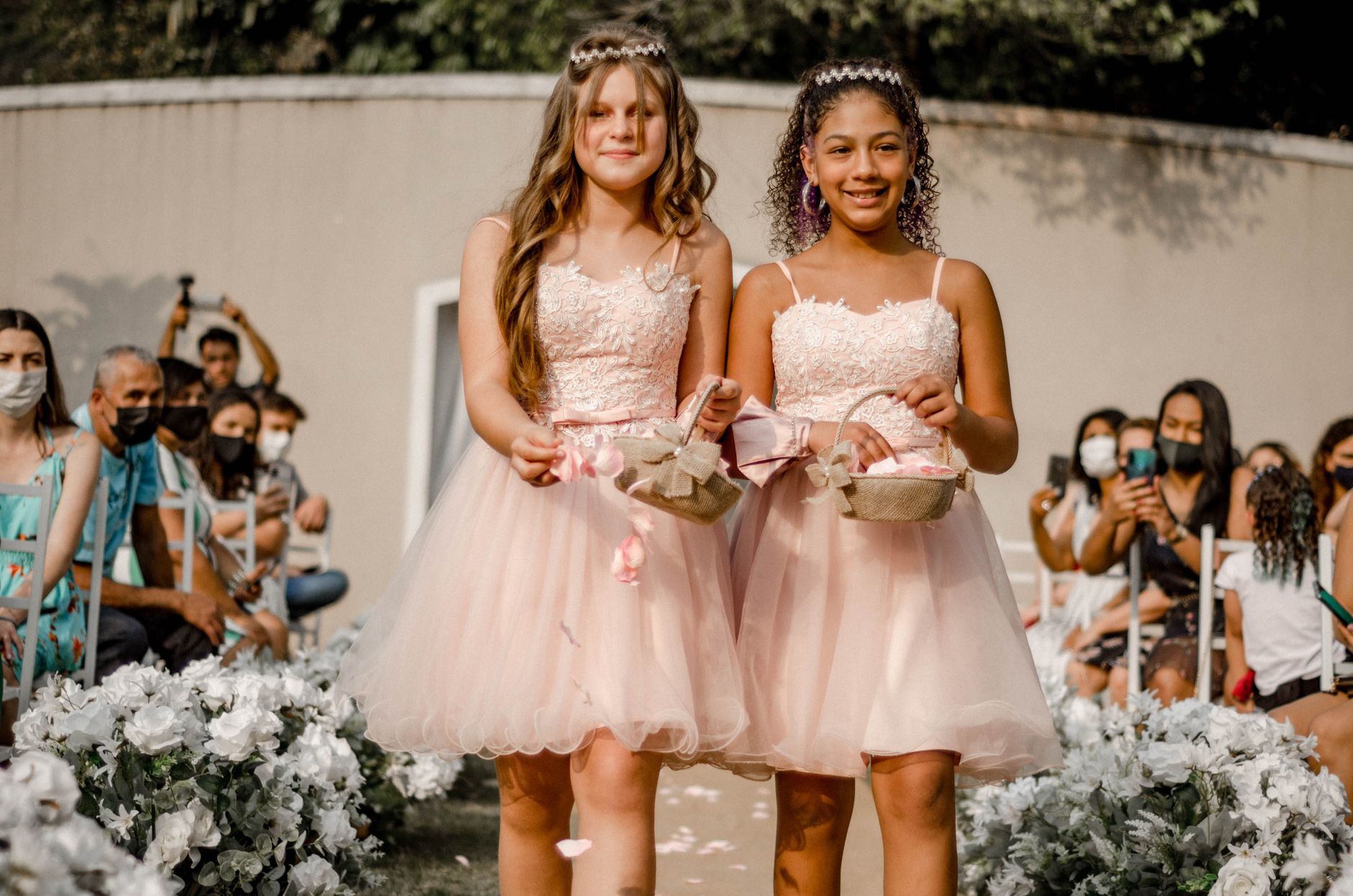 Flower Girl Baskets
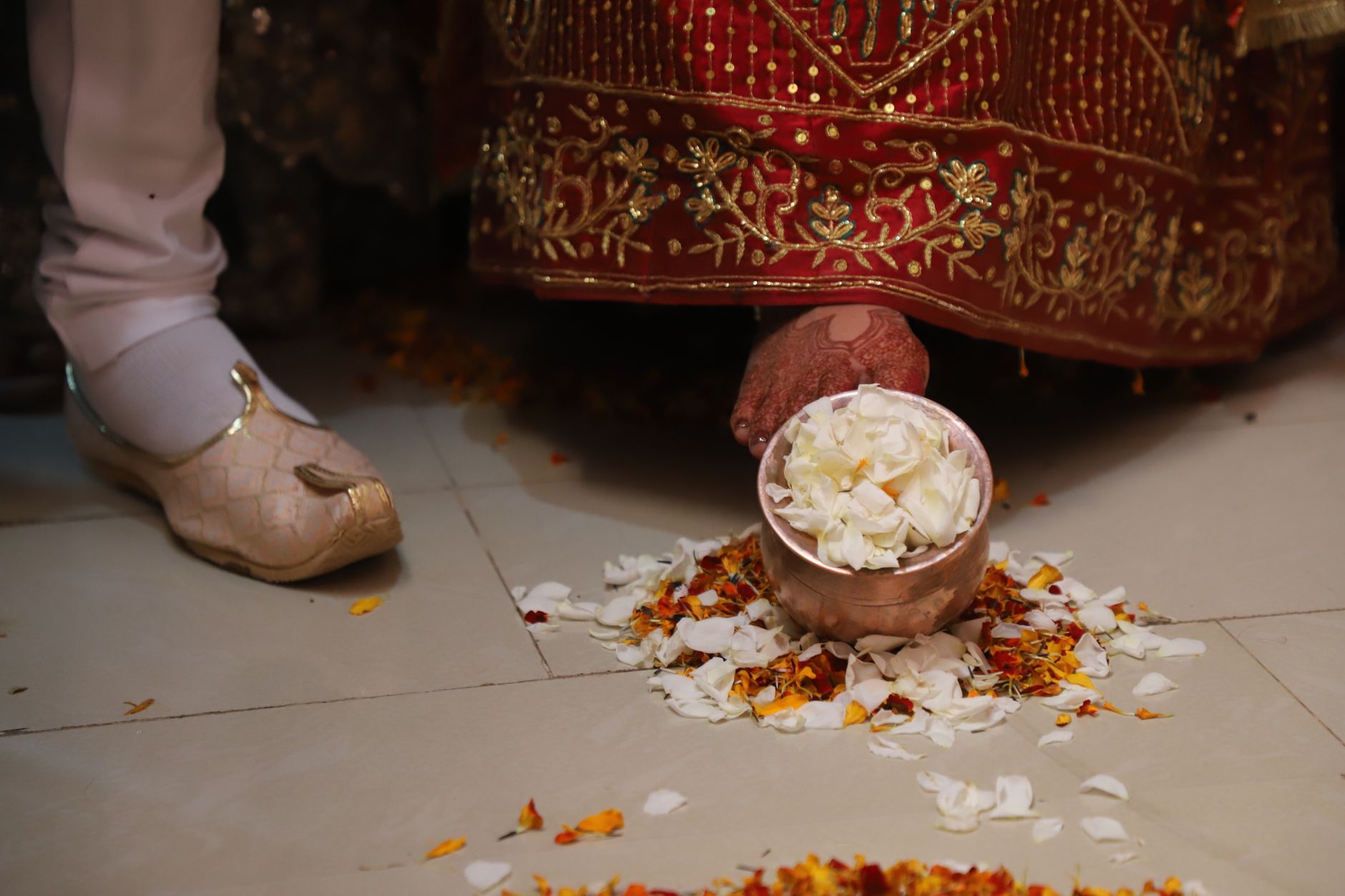 Gujarati Traditional Lagna Items
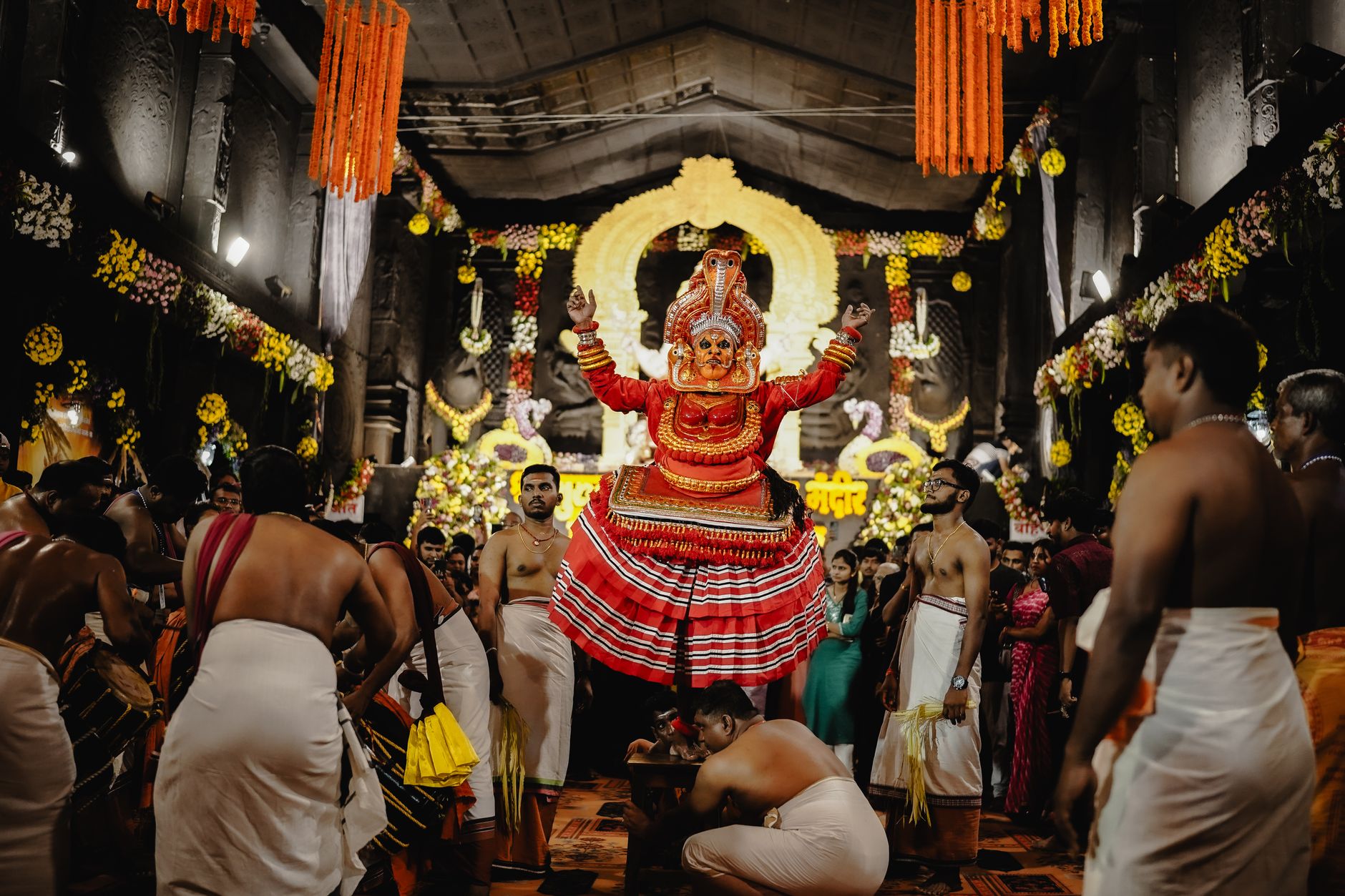 Hindu Marriage Pandit
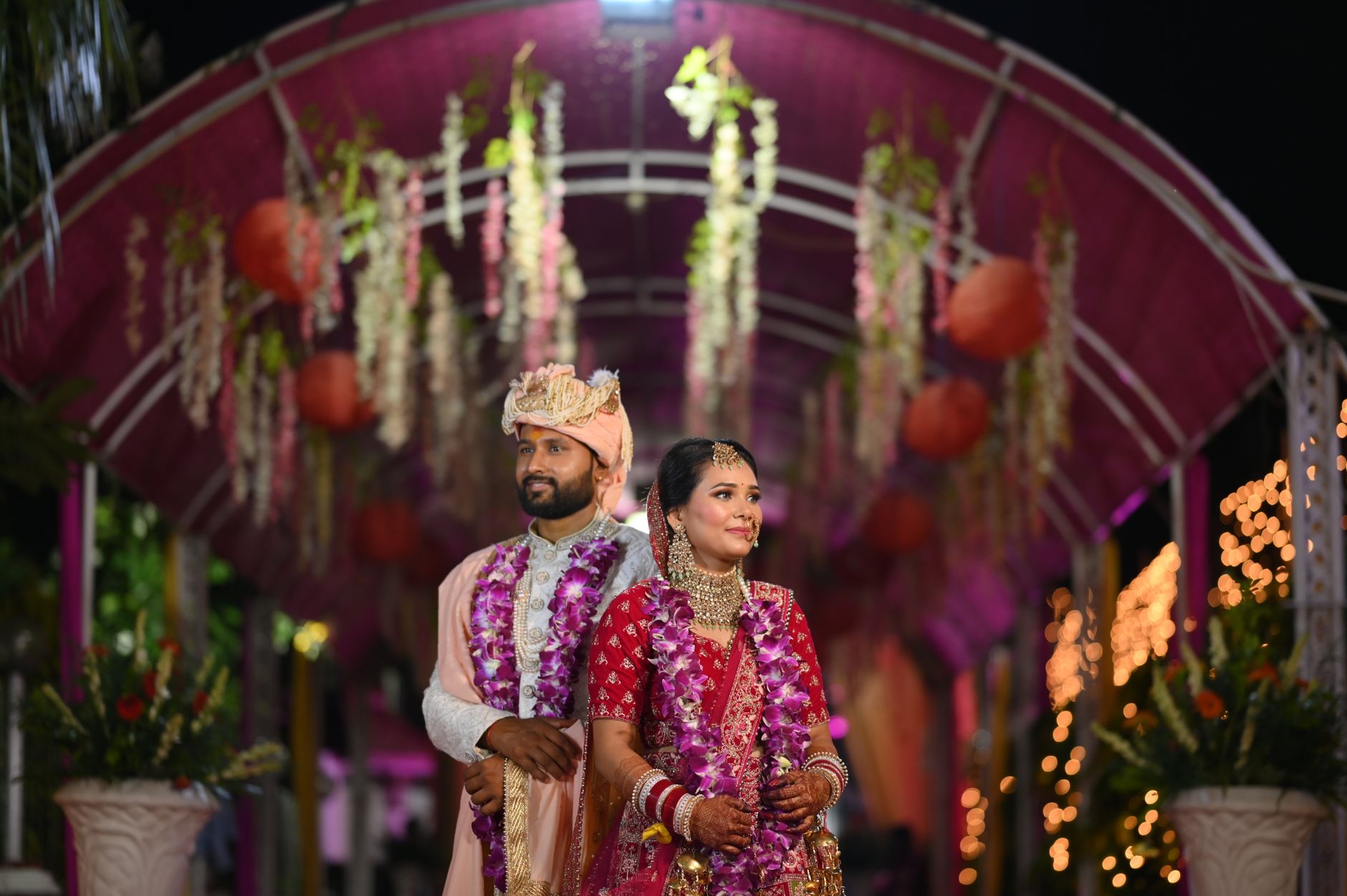 Jain Traditional Marriage Items
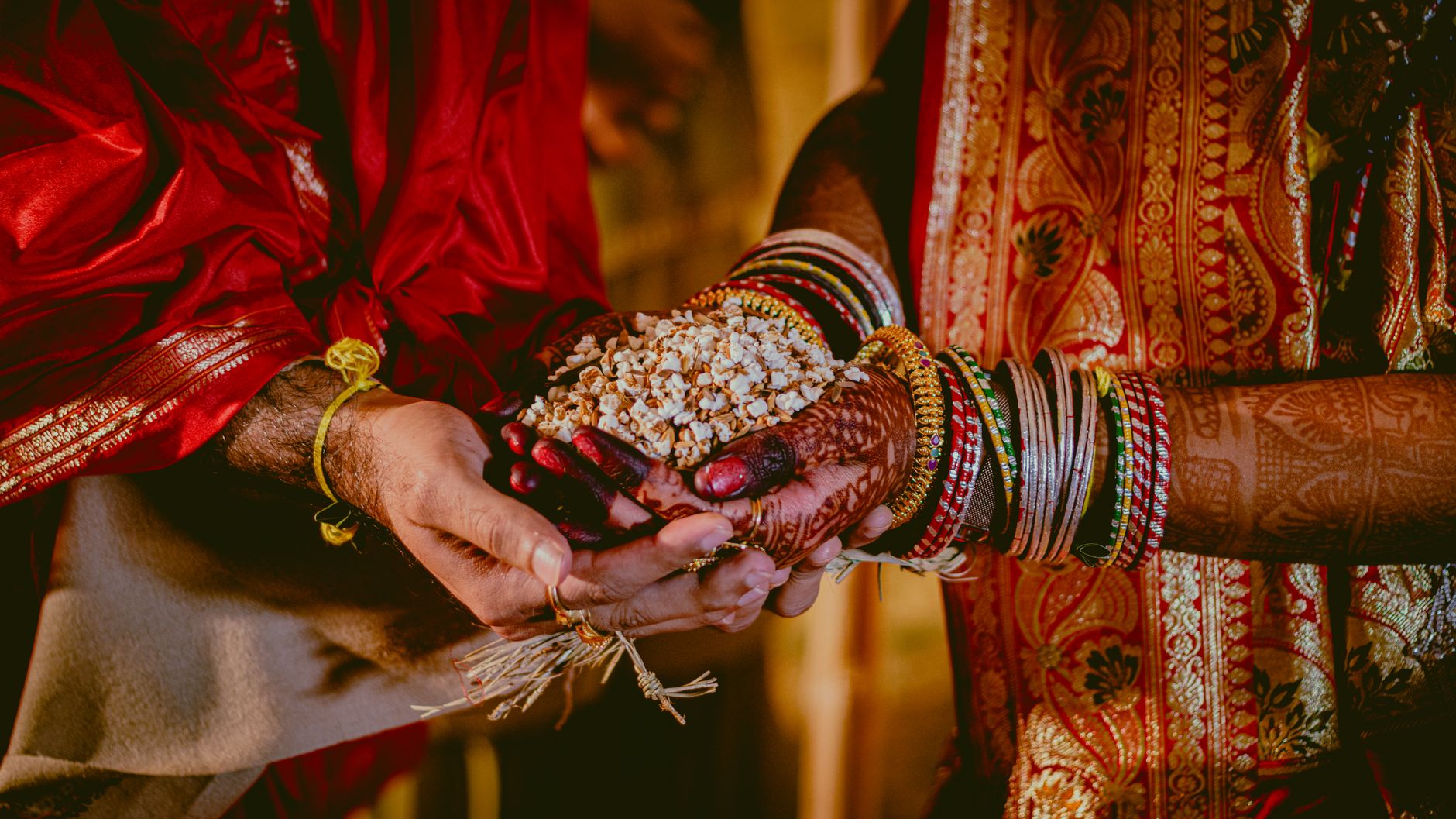 Karnataka Traditional Marriage Items
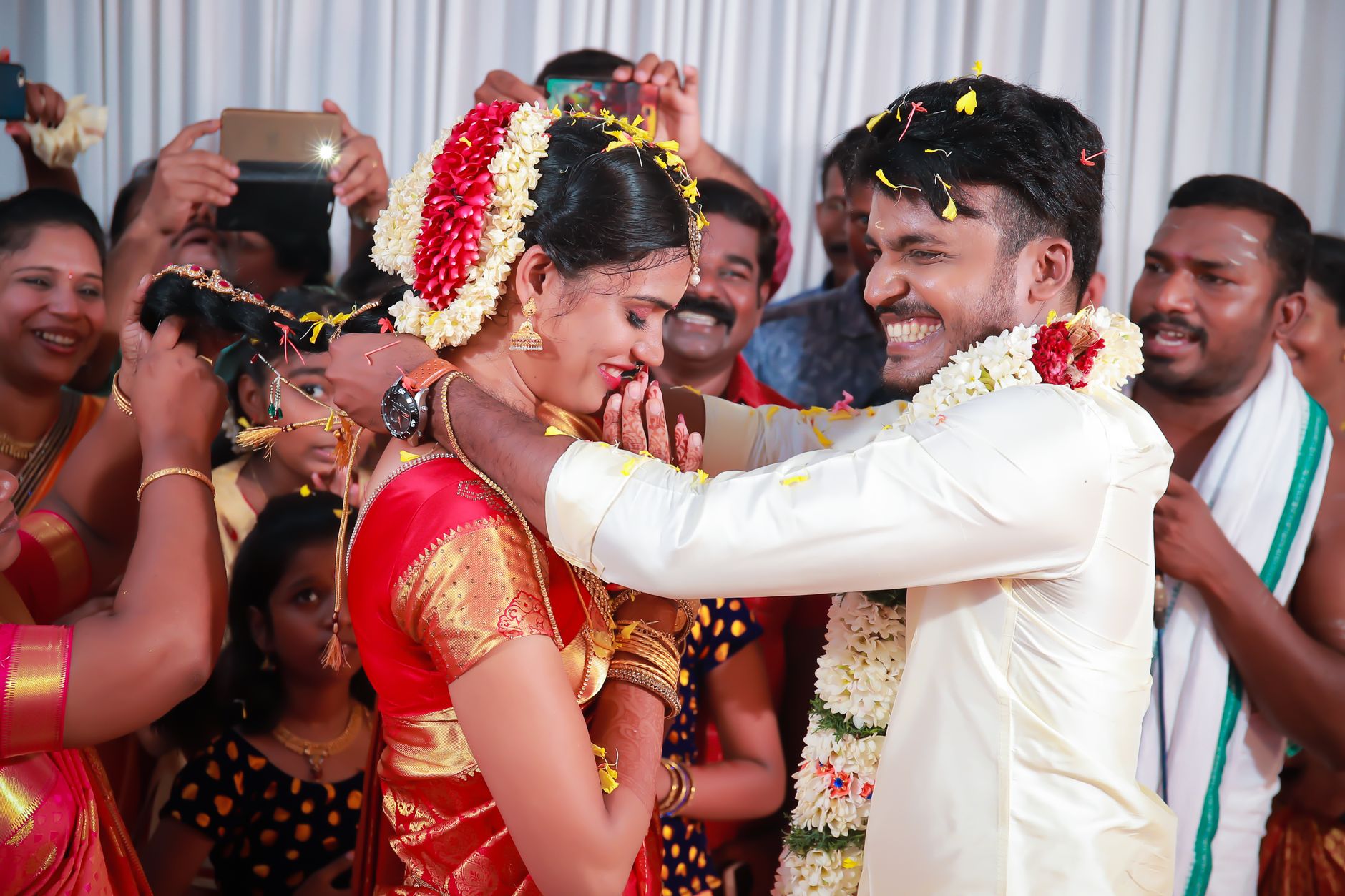 Malayalam Matrimonial Items
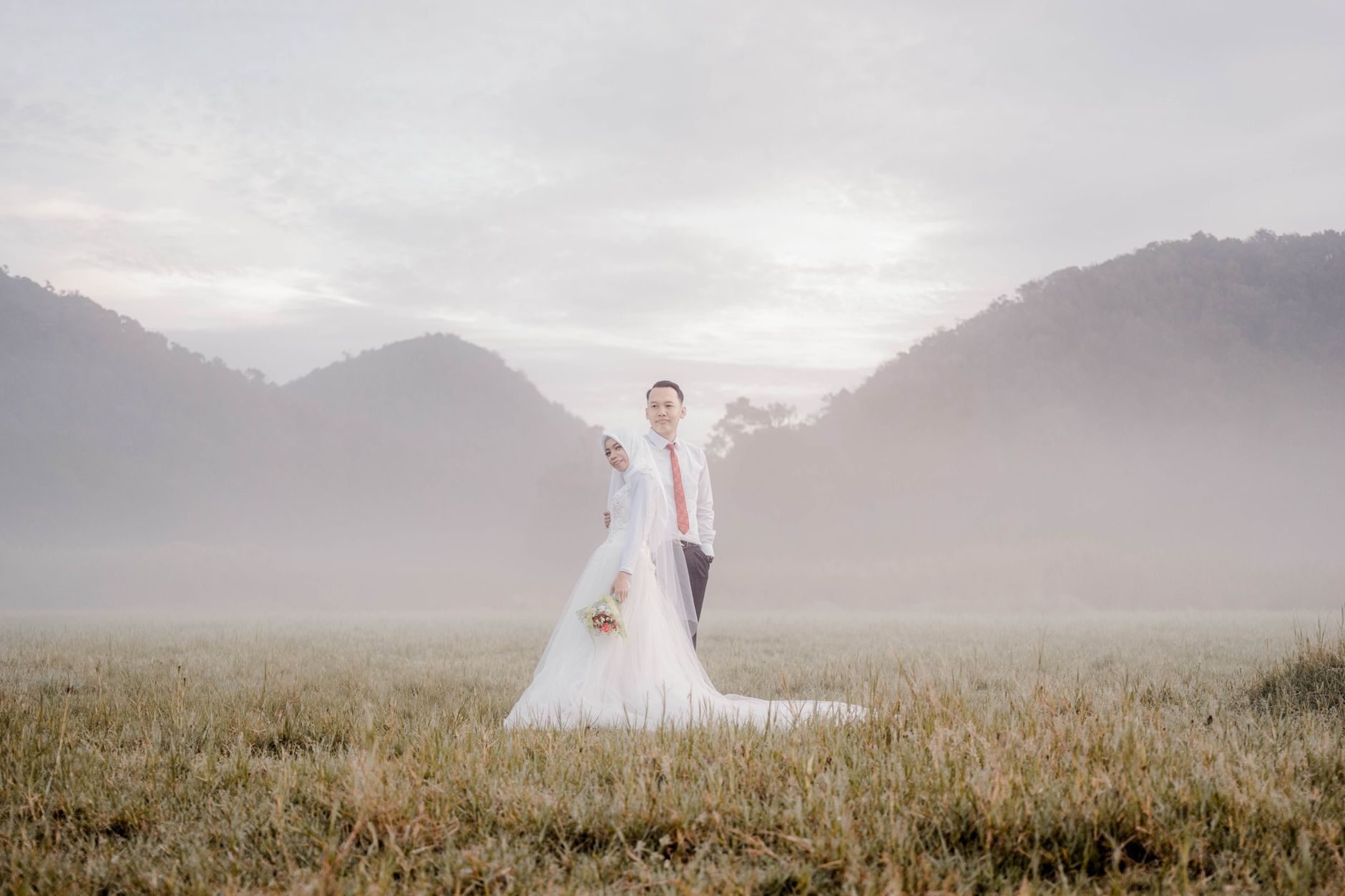 Marriage Ceremony Celebrant
 Marriage Flower Bouquets
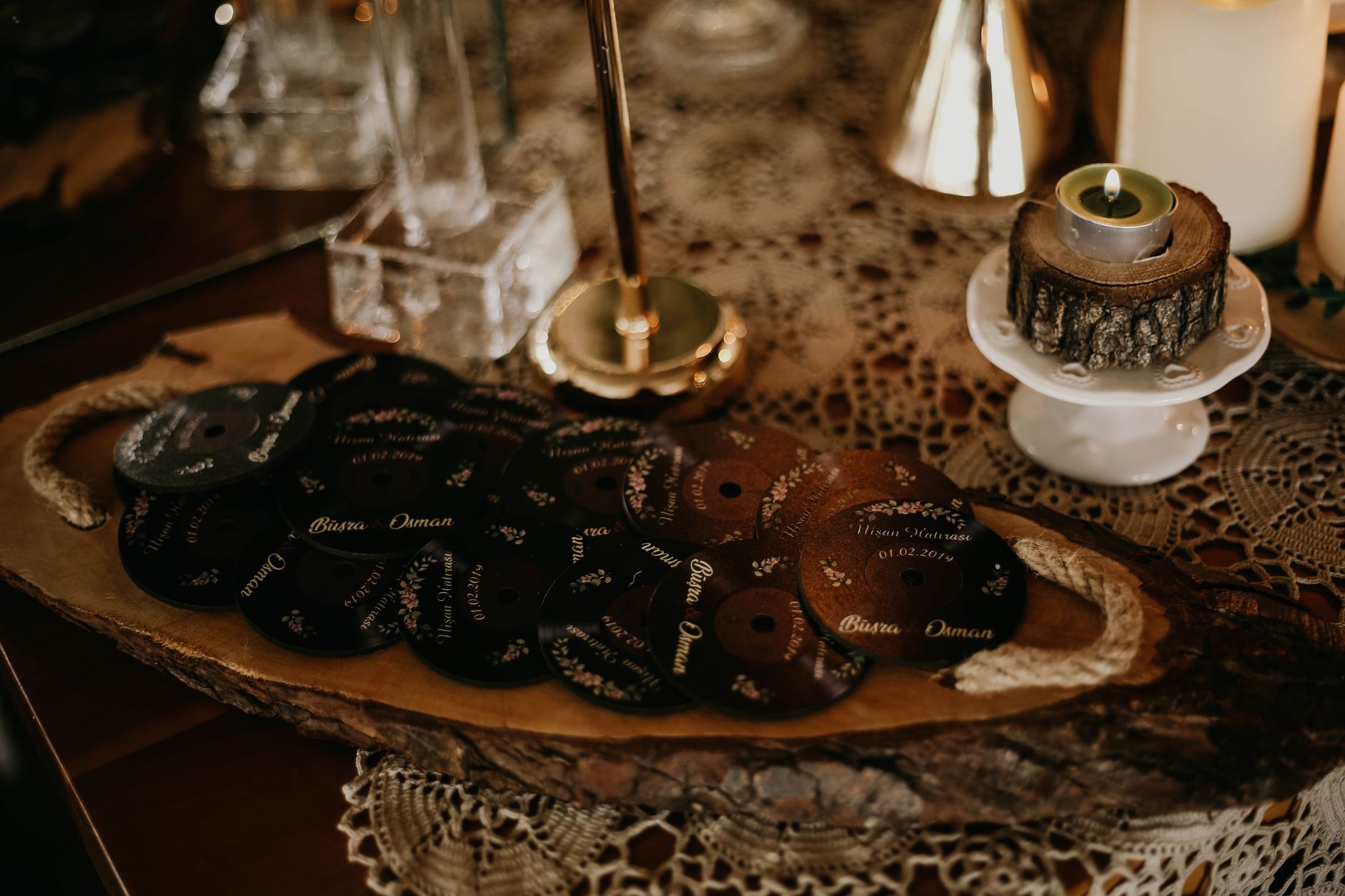 Marriage Guest Keepsakes
 Marriage Horoscope Consultation
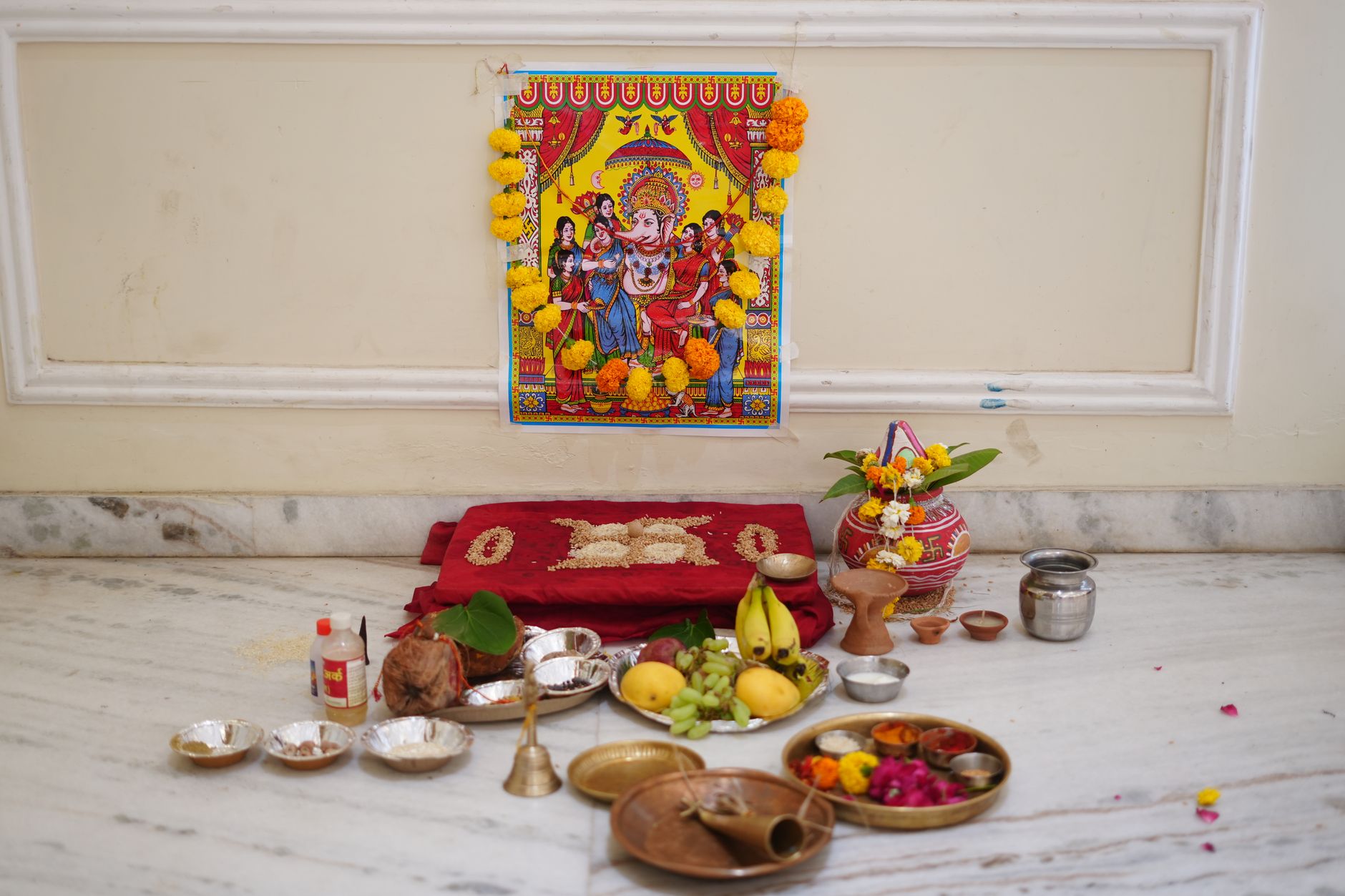 Marwari Matrimonial Pooja Items
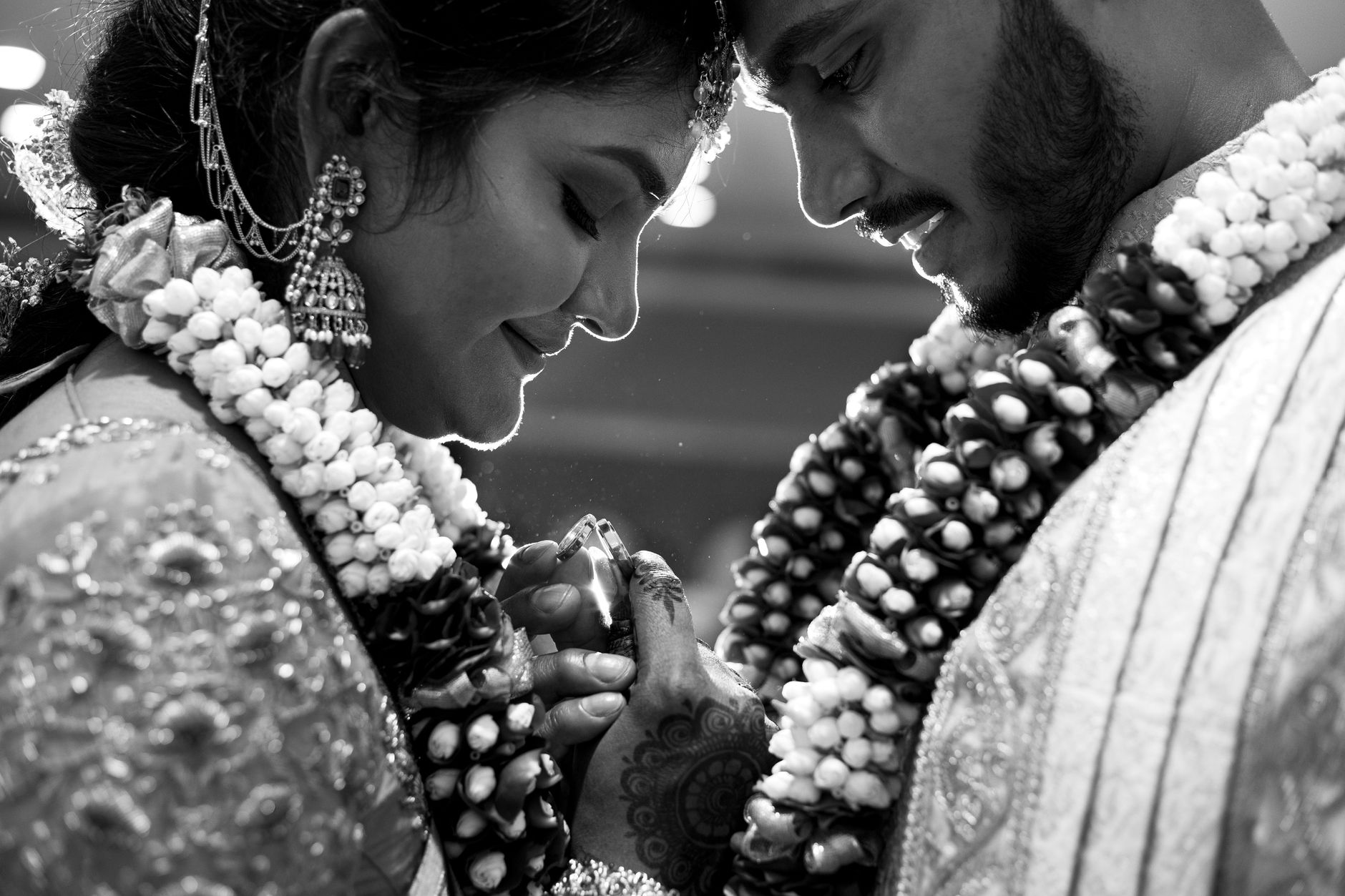 Matrimonial Garlands
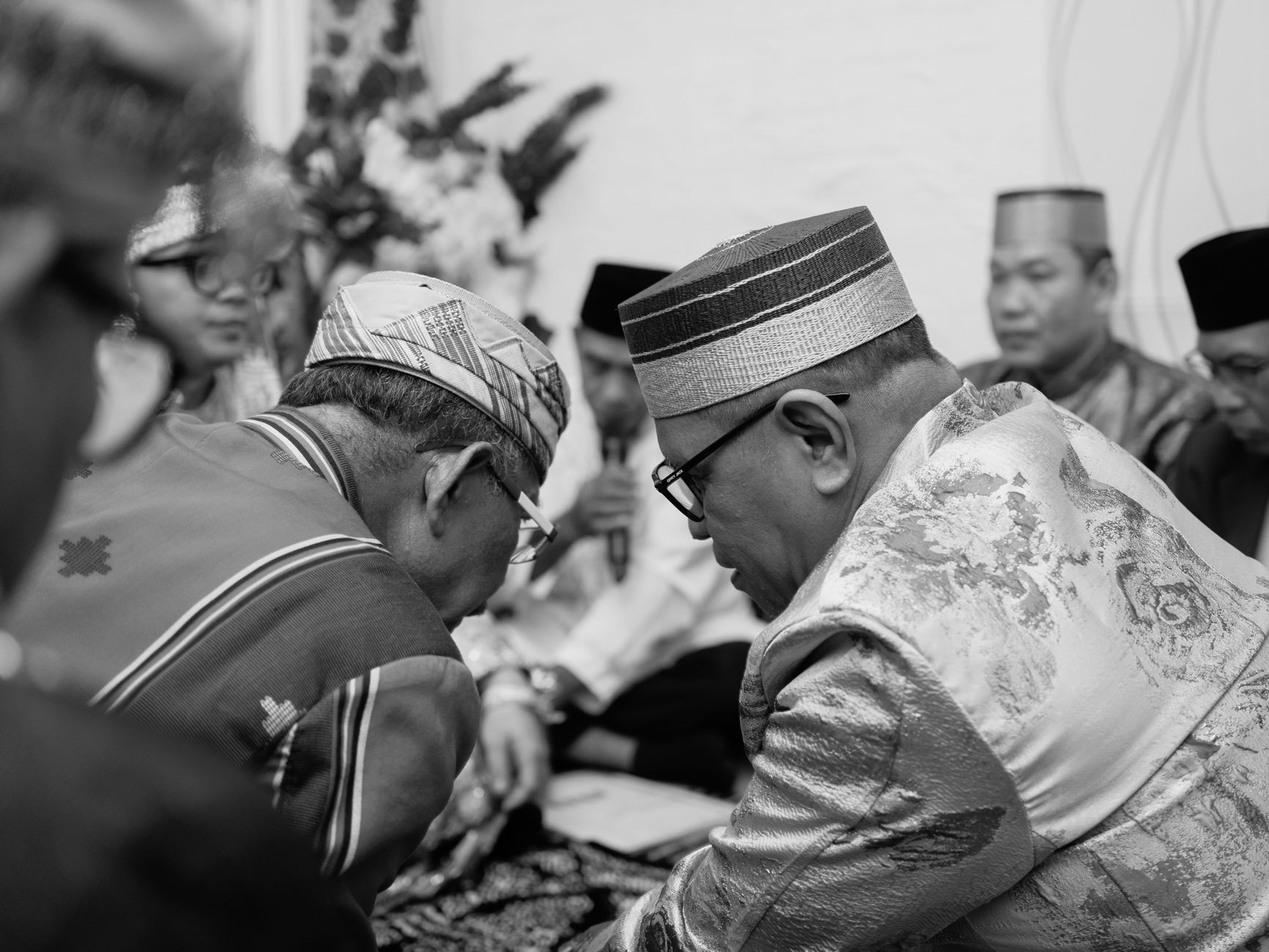 Nikah Function Essentials
 Premium Champagne Service
 Ring Presentation Trays
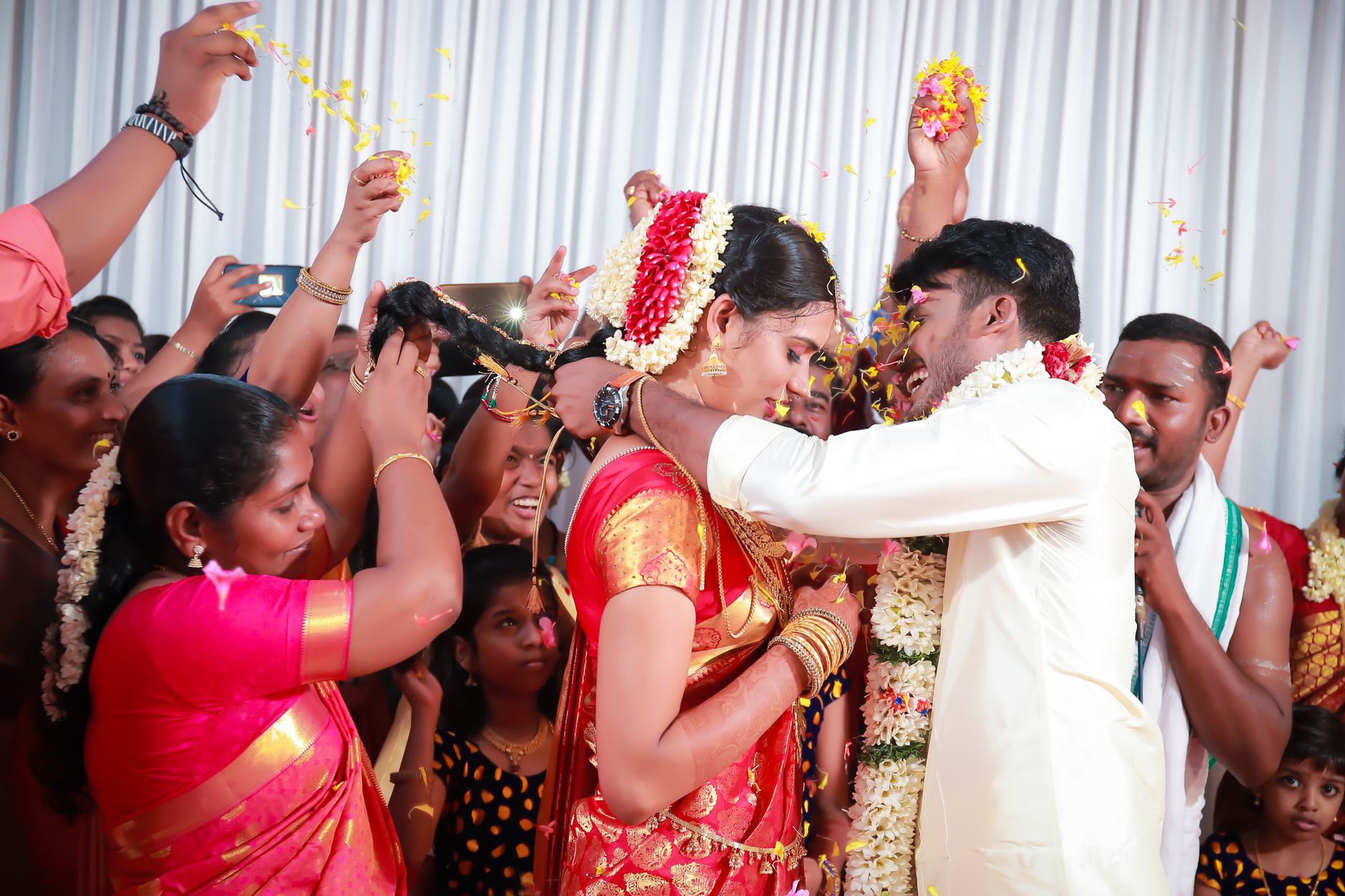 Sacred Ceremony Streaming
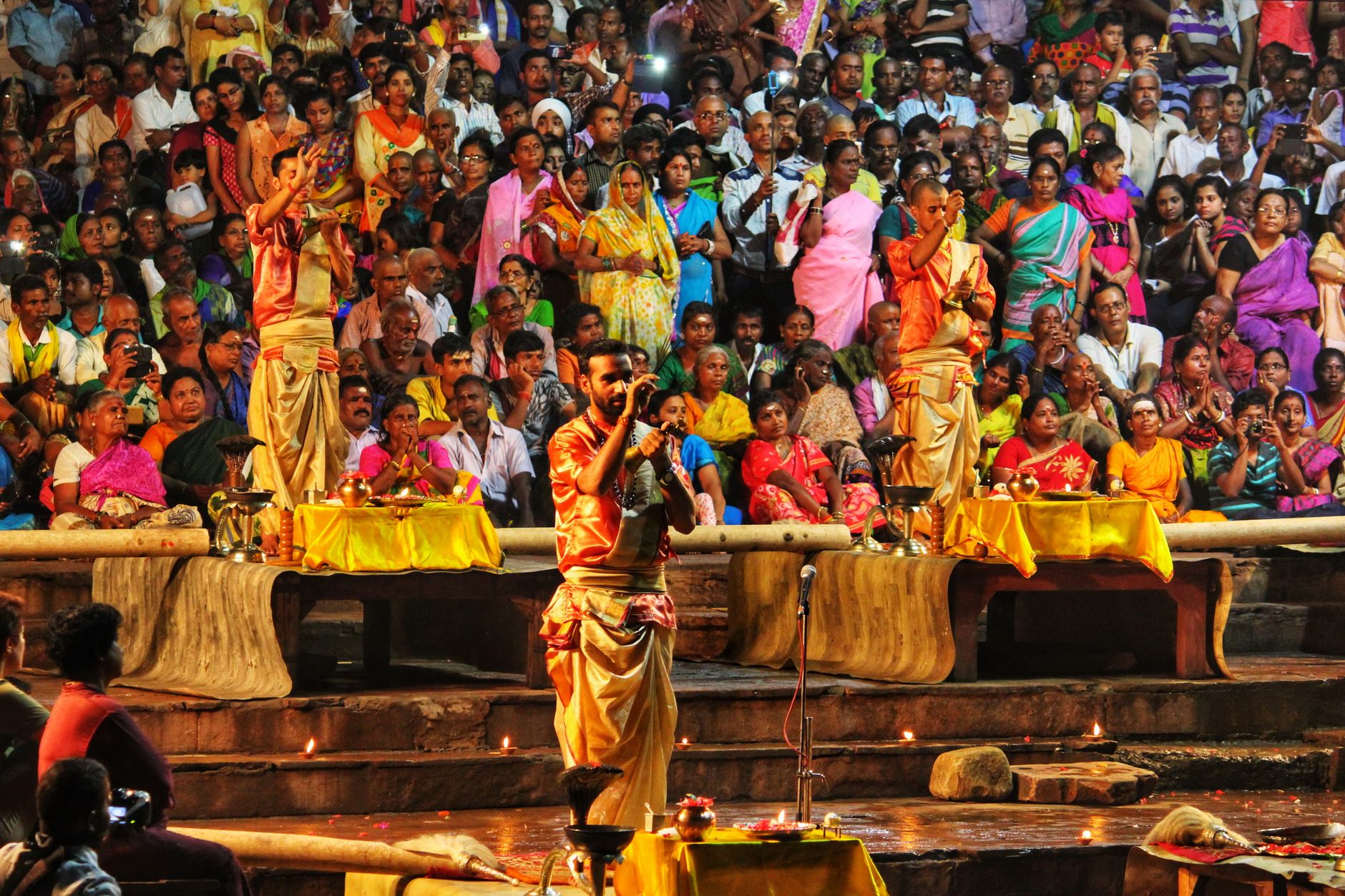 Spiritual Music Groups
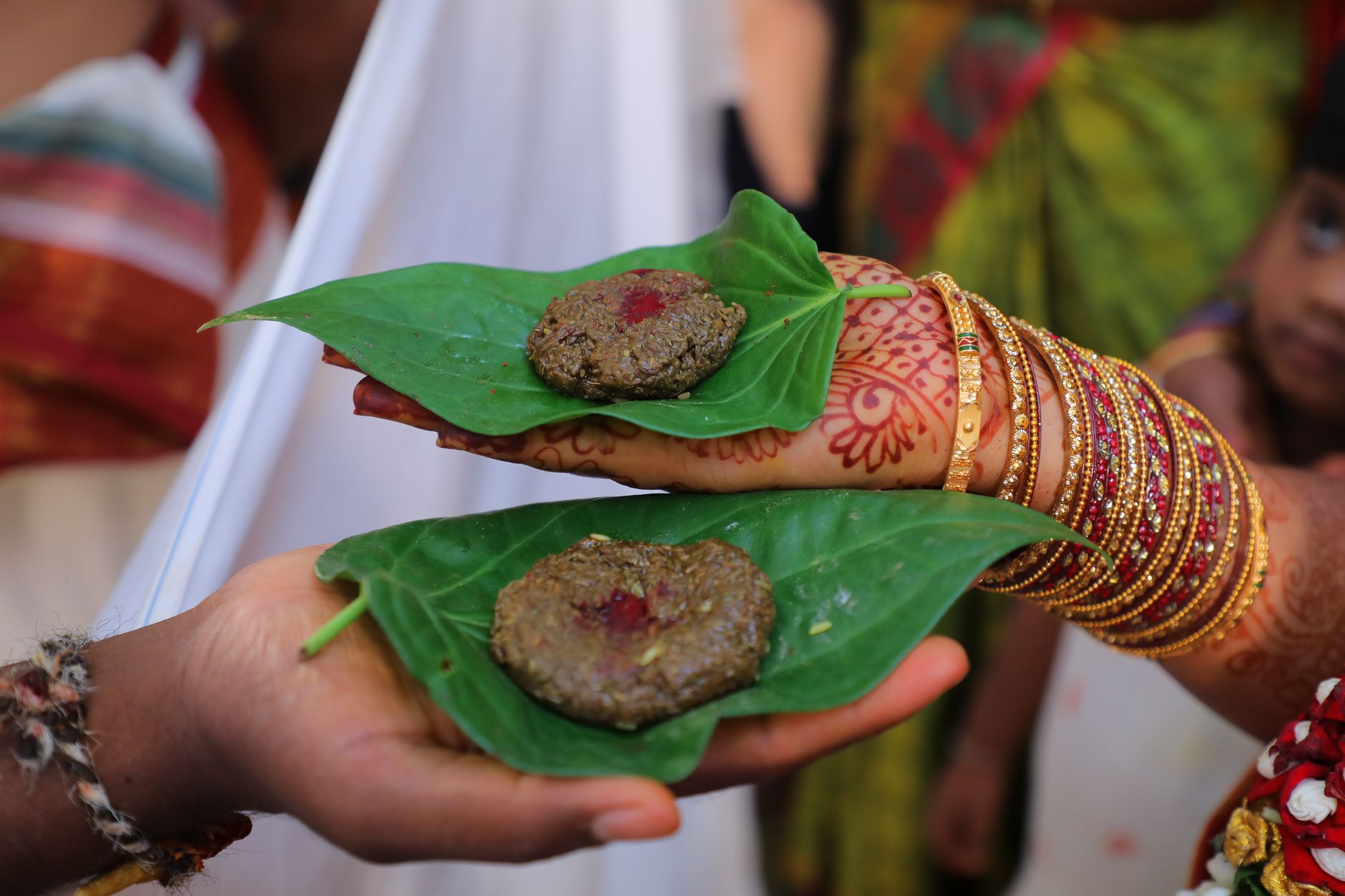 Tamil Matrimonial Ceremony Items
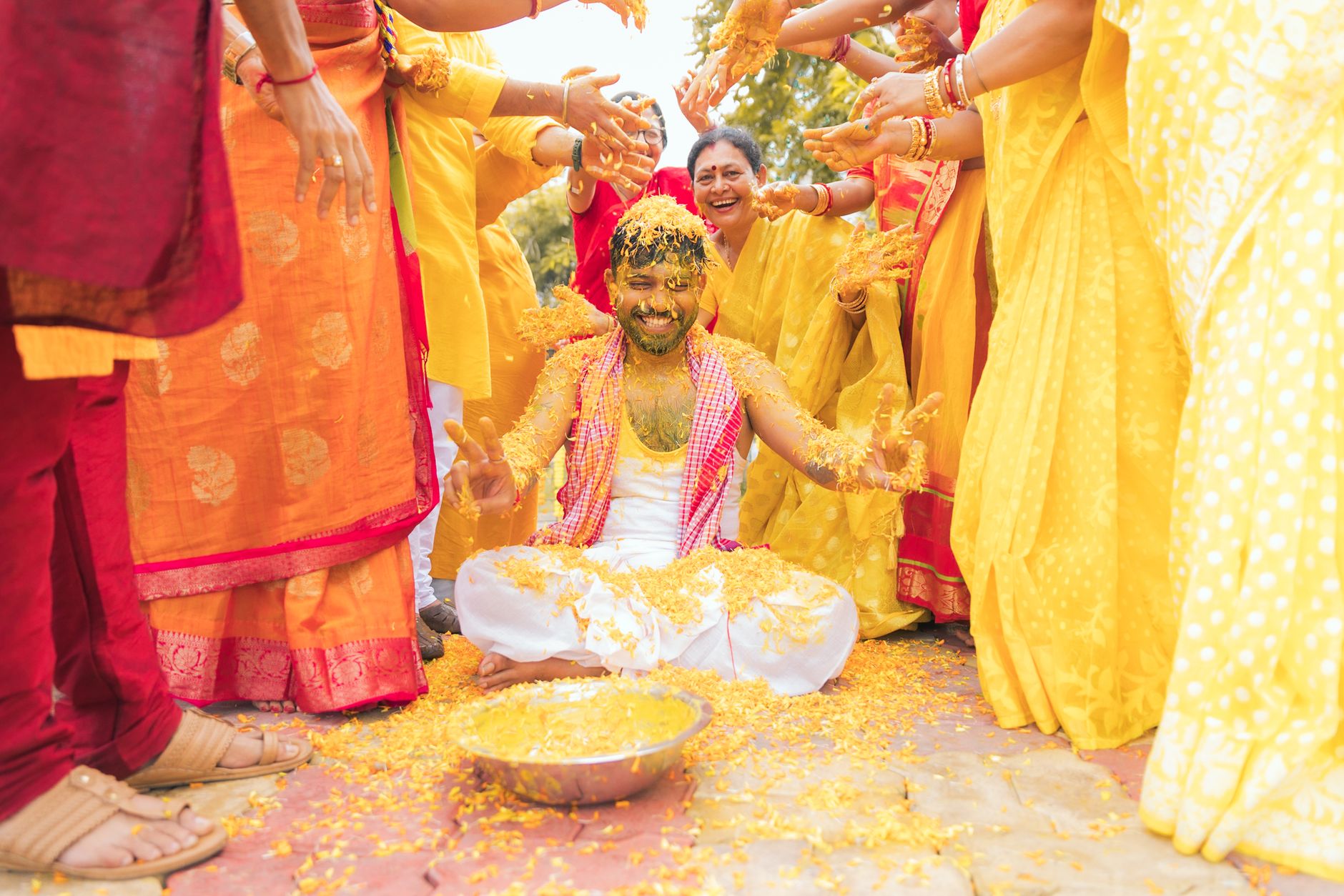 Telugu Traditional Pelli Items
- 400+Curated Events
- 6Event Universes
- 1000+Verified Vendors
- 70+Locations
- 24/7Customer Support


Not sure which packages fits your celebration?
Let Hiya & Hanu help you find the perfect match!
Explore Celebration Packages- AI-Powered MatchingSmart suggestions for you
- Budget OptimizerGet the best experiences in your budget
- End-to-End SupportWe are with you at every step
Serving Celebrations across 75+ locations in India
Authentic Sacred Ceremony Services for Meaningful Celebrations
◆Sacred ceremonies are deeply connected to tradition, family values and cultural identity. They provide an opportunity to honour meaningful customs while bringing relatives and loved ones together for an important occasion. Authentic sacred ceremony services focus on preserving the character of these traditions while providing the professional organisation needed to create a smooth and memorable celebration.
An authentic ceremony should feel genuine rather than simply following a decorative trend. From traditional rituals and ceremony arrangements to the choice of venue, flowers and supporting services, every element can be planned with respect for the occasion. Professional support can also make the preparation easier for families who want to concentrate on the significance of the celebration rather than managing every logistical detail themselves.
Understanding Authentic Sacred Ceremonies
Authenticity is at the heart of many sacred celebrations. Families often have traditions that have been followed for generations, with specific rituals, customs and arrangements forming an important part of the occasion.
Authentic sacred ceremony services are designed to recognise these traditions and incorporate them into the overall event plan. Rather than applying a generic format, the planning process can take account of family preferences, cultural practices and the particular requirements of the ceremony.
This approach helps create an event that feels connected to its purpose. The setting, arrangements and supporting services can enhance the occasion without taking attention away from the rituals that matter most.
Preserving Traditional Values
Traditional values can give a sacred ceremony its distinctive identity. They may influence everything from the order of rituals to the items used, the people involved and the way guests participate.
Preserving these values requires careful planning and clear communication. Families can share their expectations during the early stages so that the ceremony arrangements reflect their established practices.
Professional coordination can then support the traditional elements without unnecessarily changing them. The objective is to create a well-organised event while maintaining the character and meaning that make the celebration special.
Respecting Cultural Practices
Cultural practices can differ considerably between families and communities. Even ceremonies with similar purposes may have different customs, timings and arrangements.
A respectful ceremony service should therefore begin by understanding the family’s requirements. This may include preferred rituals, traditional materials, flowers, colours, seating arrangements or other culturally significant details.
Taking time to understand these requirements helps avoid assumptions. It also gives families greater confidence that their important traditions will be represented appropriately throughout the celebration.
Personalised Ceremony Planning
Although authenticity is important, every family may have its own way of observing a tradition. Personalised planning allows the ceremony to reflect these individual preferences.
Planning may cover the ceremony format, venue, guest numbers, décor, ritual arrangements and supporting services. Families can identify which elements are essential and which areas can be adapted according to their preferences.
A personalised approach can be particularly useful when the celebration combines established family traditions with practical requirements associated with a modern event.
Selecting a Suitable Venue
The venue should provide an appropriate setting for the ceremony while accommodating the needs of the family and guests. Depending on the nature of the occasion, suitable locations may include a family home, traditional venue, community hall, religious setting or dedicated event space.
Important considerations include capacity, accessibility, seating, lighting, ventilation and the available space for the main ritual area.
The venue should also allow decorations and supporting arrangements to be installed without interfering with the ceremony itself. Thoughtful planning can help create a setting that feels both authentic and comfortable.
Traditional Ceremony Arrangements
Traditional arrangements are often an essential part of sacred celebrations. Depending on the ceremony, there may be specific items, offerings, flowers, fabrics or other materials that need to be prepared beforehand.
An organised service can help families establish a clear checklist and coordinate the required arrangements. This reduces the possibility of important details being overlooked.
Preparation should also consider when each item will be required. Organising everything according to the ceremony sequence makes it easier for the event to proceed without unnecessary interruptions.
Meaningful Ceremony Decoration
Decoration can enhance the atmosphere while remaining respectful of the sacred nature of the occasion. Authentic ceremony decoration should complement traditional practices rather than overwhelm them.
Flowers can be used to create welcoming entrances, frame the ceremony area and add natural beauty to the venue. Traditional decorative elements can also be incorporated according to family preferences.
The choice of colours, fabrics and floral styles can be adapted to suit the occasion. A carefully coordinated design can make the setting feel special while keeping the focus firmly on the ceremony itself.
Authentic Floral Arrangements
Flowers often have an important visual and cultural role in traditional celebrations. Their colours, forms and placement can contribute to the atmosphere of the ceremony.
Families may have preferred flowers associated with their customs or personal traditions. These preferences can be discussed during the planning stage so that floral arrangements are selected accordingly.
Flowers can be incorporated into entrance decorations, ritual areas, backdrops, seating spaces and other suitable locations. The overall arrangement should remain balanced and appropriate for the ceremony.
Maintaining the Significance of Rituals
A sacred ceremony is more than an event with a decorative setting. Its rituals often carry personal, cultural or spiritual significance for the family.
Planning should therefore begin with the ceremony itself. Supporting services such as decoration, hospitality and venue arrangements should be developed around the ritual requirements.
This ensures that the practical side of the event supports rather than distracts from the central purpose. A carefully structured schedule can also provide enough time for each important stage of the ceremony.
Supporting Family Participation
Family participation is often central to sacred celebrations. Relatives may have specific responsibilities during traditional rituals, while other guests may attend to offer their support and blessings.
A well-planned ceremony can make it easier for everyone to understand where they need to be and when they need to participate. Clear communication before the event can help family members feel prepared.
Suitable seating and accessible ceremony spaces can also support older relatives and guests who may need additional comfort during the celebration.
Creating a Welcoming Guest Environment
An authentic ceremony can still provide a comfortable experience for modern guests. Practical planning should consider how people will arrive, where they will sit and how they will move around the venue.
Signage, seating, entrance arrangements and hospitality areas can all be planned according to the venue and guest numbers.
If refreshments are part of the celebration, they can be scheduled carefully so that they complement the ceremony rather than interrupt important rituals.
Combining Tradition with Professional Organisation
Respecting tradition does not mean that event organisation has to be complicated. Modern planning techniques can help preserve traditional ceremonies while making preparation more efficient.
Supplier schedules, venue coordination, decoration timelines and guest arrangements can be organised professionally. This allows families to maintain their customs while benefiting from a structured event-management approach.
The key is to ensure that modern organisation remains in a supporting role. Traditional practices should continue to provide the foundation of the celebration.
Planning for Different Types of Sacred Occasions
Authentic sacred ceremony services can support a wide range of celebrations. These may include religious ceremonies, cultural gatherings, traditional family occasions, spiritual celebrations and meaningful milestone events.
Each occasion can require a different planning approach. A small home-based ceremony may need only a few carefully selected arrangements, while a larger celebration may involve venue coordination, extensive decoration and multiple service providers.
Adapting the planning process to the scale and purpose of the occasion helps create a more suitable experience for everyone involved.
Coordinating Ceremony Suppliers
Multiple suppliers may be involved in a sacred celebration. These can include decorators, florists, venue teams, hospitality providers and suppliers of traditional ceremony materials.
Coordinating these services is important because delays with one supplier can affect other parts of the event. A clear schedule helps ensure that each supplier understands their responsibilities and arrival times.
Professional coordination can provide families with a central point of contact, making it easier to monitor preparations and address practical issues before the celebration begins.
Creating a Clear Ceremony Timeline
A detailed timeline helps bring different aspects of the event together. The planning schedule can include venue preparation, decoration, floral installation, traditional arrangements, guest arrival and ceremony timings.
Important preparations should be completed before guests arrive whenever possible. This allows the family to concentrate on participating in the occasion rather than supervising suppliers.
A timeline can also include contingency time for unexpected delays. Building flexibility into the schedule can make the event feel calmer and more manageable.
Meaningful Personal Touches
Authenticity can be strengthened through thoughtful personal details. Families may choose to include traditional flowers, meaningful colours, family photographs or decorative elements that have been part of previous celebrations.
Personal touches do not need to be elaborate. Sometimes a simple family tradition or familiar ceremonial arrangement can have more significance than an expensive decoration.
The most successful details are those that reflect the people and traditions behind the celebration.
Planning Within a Suitable Budget
An authentic ceremony does not have to depend on excessive spending. Careful planning can help families prioritise the elements that are most important to them.
Essential ritual requirements should generally be considered first, followed by venue, decoration, flowers, hospitality and optional enhancements.
A clear understanding of what each service includes can help families make informed decisions. Comparing suitable options and confirming arrangements early may also make budget management easier.
Why Authenticity Matters
Authenticity creates a stronger connection between the ceremony and the people celebrating it. When traditions are respected and meaningful customs are properly represented, the occasion can feel more personal.
Professional support should enhance this experience rather than replace it. The role of ceremony services is to organise the practical elements so that families can participate fully in the celebration.
A well-planned authentic ceremony can therefore provide both emotional significance and practical convenience.
Planning Your Ceremony in Advance
Early planning gives families sufficient time to understand their requirements and organise the necessary services. It is particularly helpful when a specific venue, florist, decorator or traditional supplier is required.
Advance planning also provides an opportunity to discuss the ceremony sequence and identify any special requirements.
Starting early can reduce last-minute pressure and give the family more time to make decisions that reflect their traditions and preferences.
Choosing Authentic Sacred Ceremony Services
When selecting a ceremony service provider, families should consider experience, communication, flexibility and respect for traditional practices.
It is helpful to explain the nature of the ceremony and the family’s expectations before confirming the service. A suitable provider should be willing to understand these requirements rather than applying a standard solution.
The scope of support should also be clear. Families may wish to confirm whether venue coordination, decoration, floral arrangements, traditional materials, supplier management and event-day assistance are included.
A Genuine and Meaningful Celebration
Authentic sacred ceremony services provide a way to combine traditional values with thoughtful professional organisation. The emphasis remains on preserving the meaning of the occasion while making the practical preparation easier for the family.
From traditional rituals and culturally appropriate arrangements to venue planning, floral decoration and guest comfort, every element can contribute to a celebration that feels genuine.
With careful preparation and respectful coordination, families can create sacred occasions that honour their traditions while providing a warm and memorable experience for everyone attending.
Frequently Asked Questions
1. What are authentic sacred ceremony services?
Authentic sacred ceremony services focus on planning and coordinating celebrations while respecting the traditional, cultural and spiritual elements that are important to the family.
2. Can traditional rituals be included in the ceremony?
Yes. The ceremony can be planned around the traditional rituals and customs specified by the family, with supporting arrangements organised accordingly.
3. Can the ceremony be personalised?
Yes. Venue selection, décor, flowers, seating, traditional arrangements and other event details can be adapted to suit individual family preferences.
4. How can I ensure my cultural traditions are respected?
Discuss your traditions and specific requirements with the service provider during the planning stage. Clear communication helps ensure that important customs are properly considered.
5. Can authentic ceremonies include modern decoration?
Yes. Contemporary decorative elements can be used when appropriate, provided they complement rather than overshadow the traditional character of the ceremony.
6. What venues can be used for sacred ceremonies?
Depending on the occasion, ceremonies may be held at homes, community venues, religious settings, traditional spaces or suitable event venues.
7. Can flowers be selected according to family traditions?
Yes. Families can communicate their preferred flowers and colours so that the floral arrangements reflect their traditional or personal preferences.
8. How early should an authentic sacred ceremony be planned?
Starting several weeks or months in advance can provide more time for venue selection, supplier coordination, traditional arrangements and decoration planning, especially for larger celebrations.
9. Can professionals coordinate different ceremony suppliers?
Yes. Professional coordination can bring together decorators, florists, venue teams and other suppliers to help ensure that arrangements are completed according to the event schedule.
10. What should I look for in an authentic sacred ceremony service?
Look for a provider that listens carefully, understands the importance of traditional practices, offers suitable personalisation, communicates clearly and can coordinate the practical aspects of the celebration professionally.